Pithiviers Train Station - Mémorial de la Shoah
Gare de Pithiviers - Mémorial de la Shoah
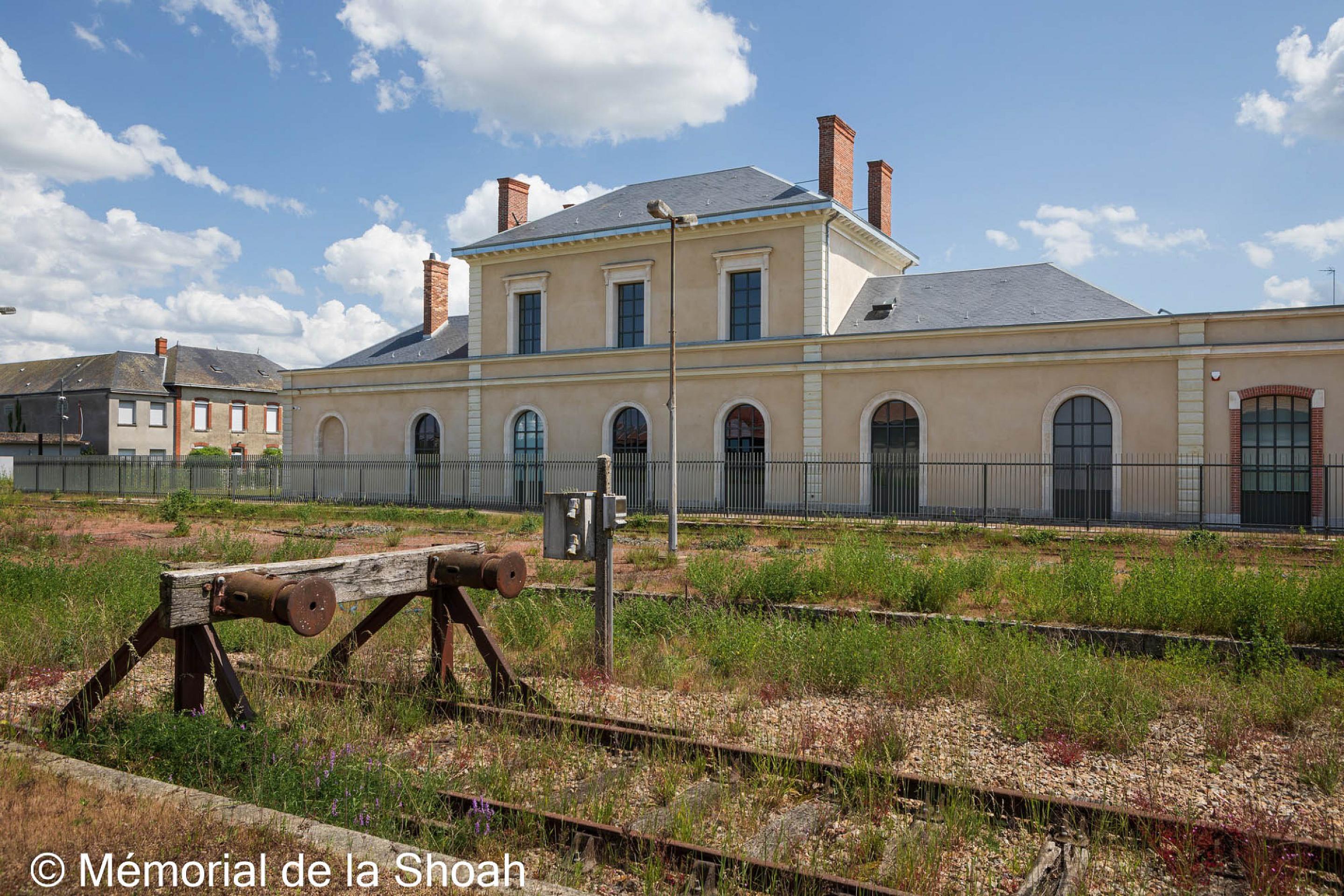
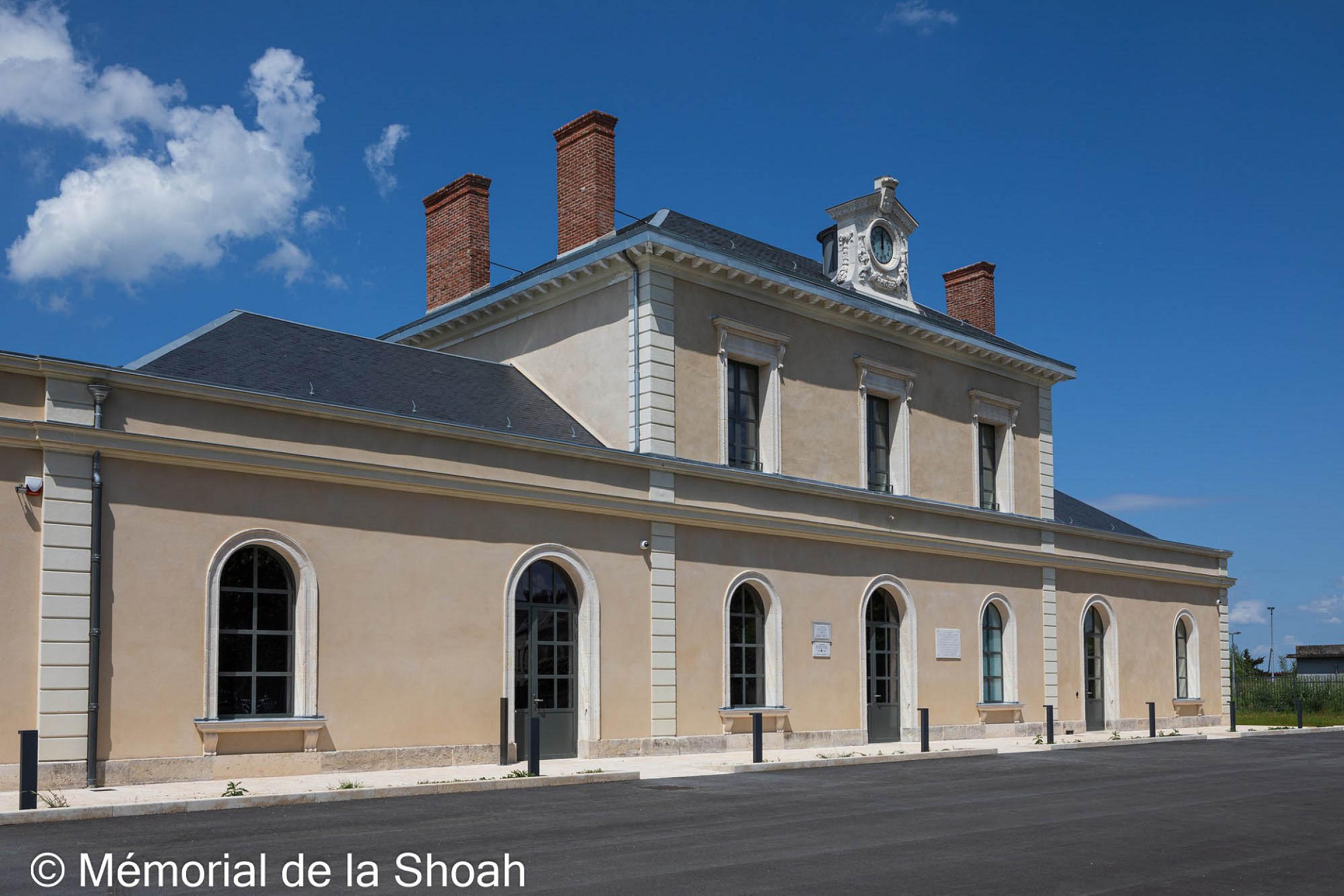
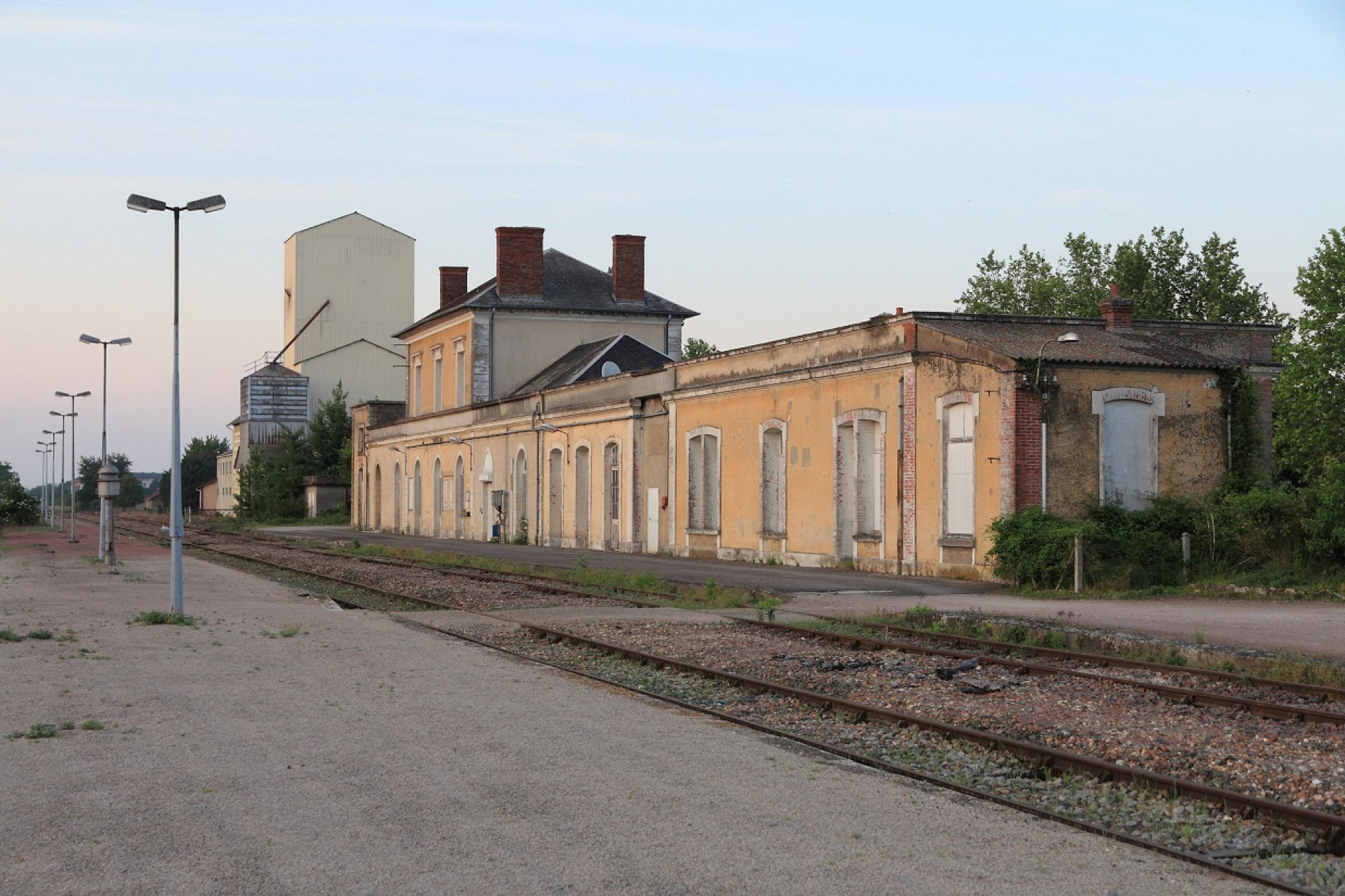
Between 1941 and 1943, during the German occupation, around 16,000 Jews were detained in the Pithiviers and Beaune-la-Rolande internment camps in the Loiret department. The train stations of the two towns thus served as a hub for their deportation from France. The memorial at the former Pithiviers train station, inaugurated in July 2022, commemorates the history of these two transit points and the central role they played in the persecution and murder of the Jewish population in France.
History
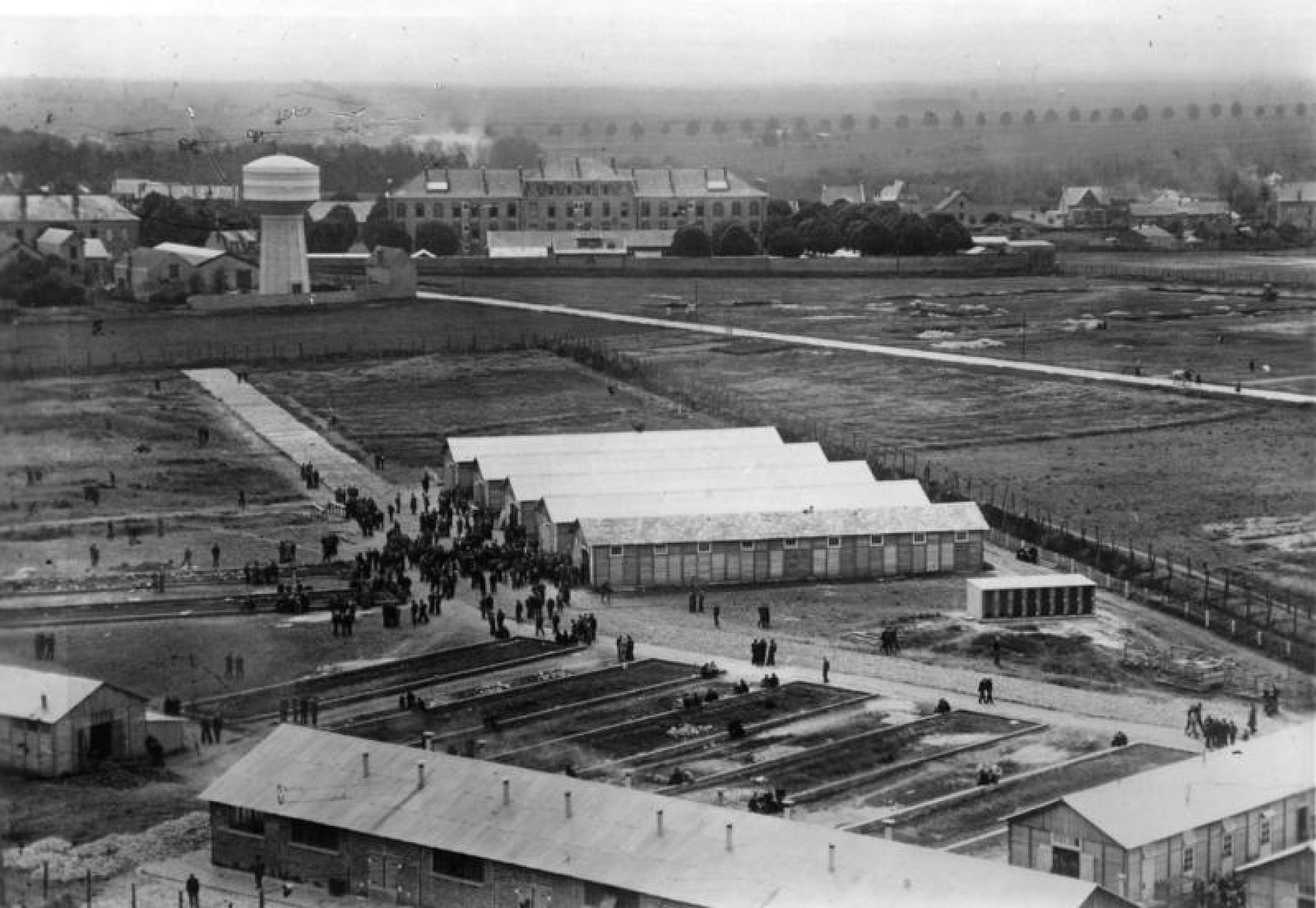
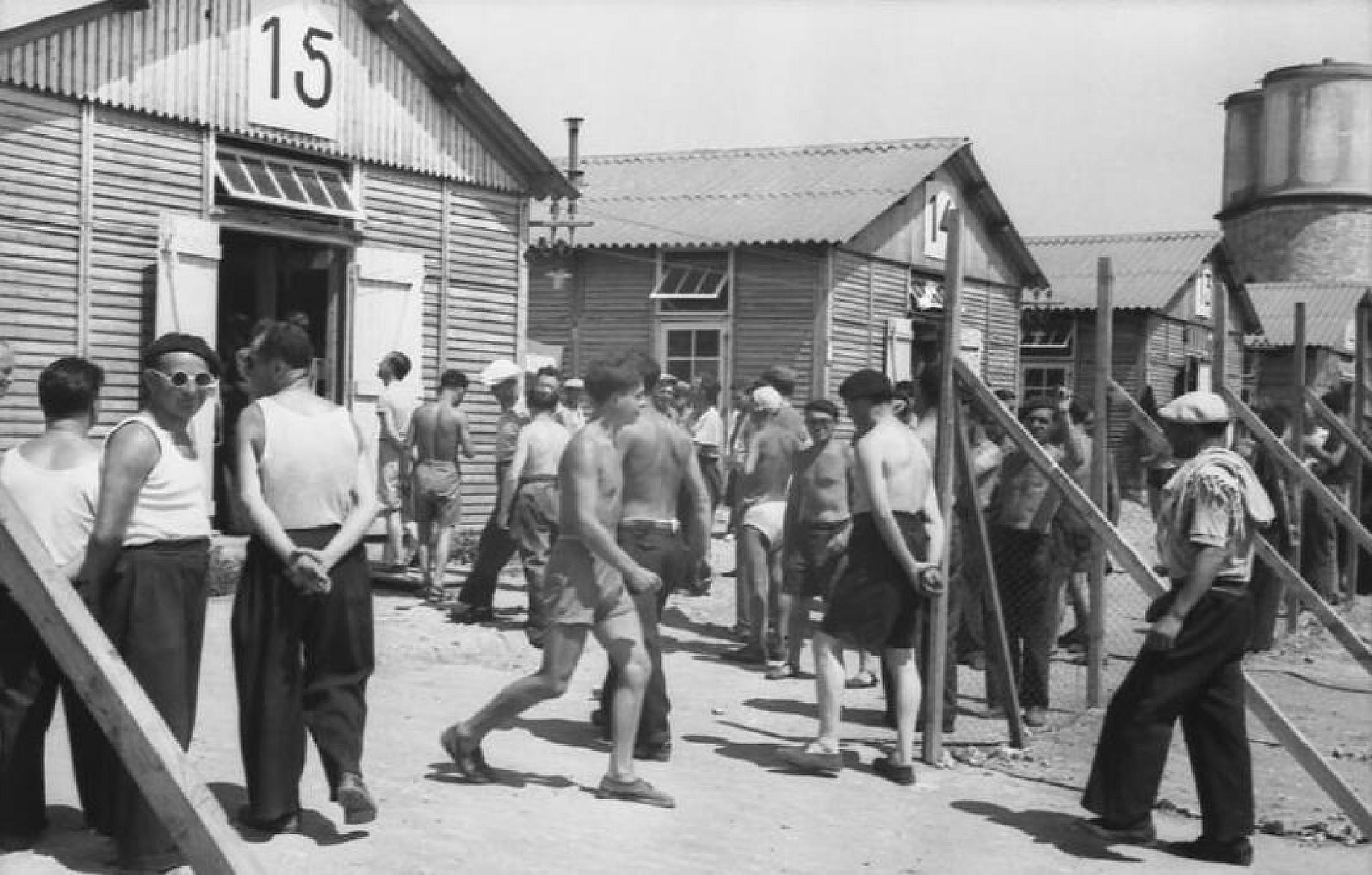
The Pithiviers and Beaune-la-Rolande camps in the Loiret department were set up by the French army for German prisoners of war at the beginning of World War II. After France surrendered to the German Wehrmacht in June 1940, the Germans occupied northern France, including the Loiret department. The Wehrmacht initially used both camps to imprison French prisoners of war. From 1941 onwards, however, the German authorities converted both camps into transit camps for the internment and deportation of the Jewish population in France.
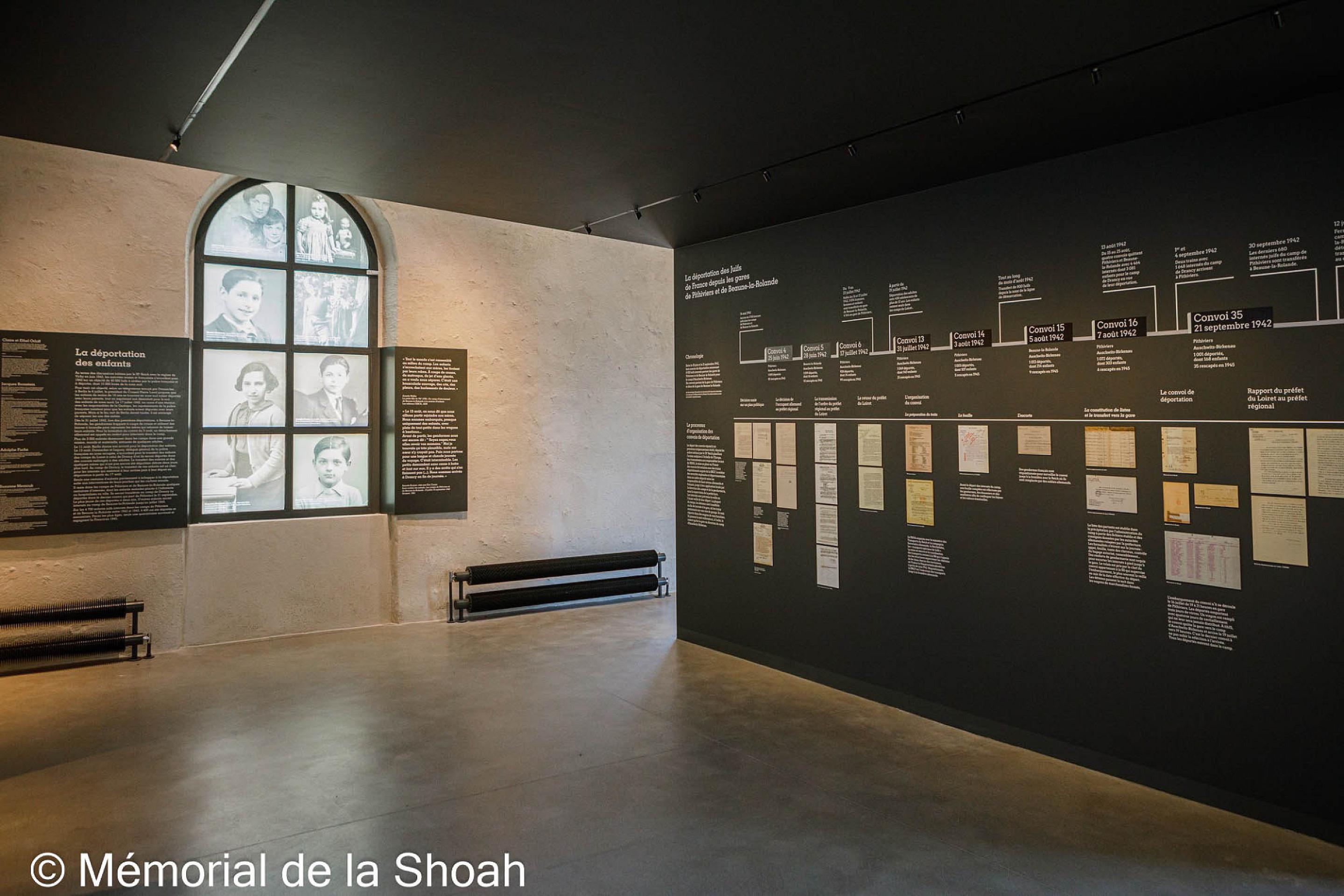
On May 14, 1941, the first Jewish prisoners arrived at both camps: 3,700 men who had been arrested in Paris on the same day in the »rafle du billet vert« (English: »green letter raid«). On July 16 and 17, 1942, at the instigation of the Gestapo, the French police arrested over 13,000 Jewish children, women and men in the capital as part of the infamous »rafle du Vélodrome d’Hiver«. While single adults were taken directly to the Drancy internment camp, families were crammed into the velodrome for days before being gradually transported to Pithiviers and Beaune-la-Rolande. Between June and September 1942, a total of eight transports departed directly from the Pithiviers and Beaune-la-Rolande train stations for Auschwitz.
After the summer of 1942, the remaining prisoners in the Pithiviers camp were transferred to Drancy and Beaune-la-Rolande. Until its liberation in August 1944, the Pithiviers camp was used to detain political prisoners who had been arrested in the region, including communists. The Beaune-la-Rolande camp, on the other hand, continued to be used as a transit camp for Jewish deportees in conjunction with Drancy until its closure in July 1943. Both camps were demolished in the post-war period.
Victims
A total of 25 percent of the Jewish population in France fell victim to the Shoah. Around 76,000 Jewish children, women and men were deported from France to German concentration and extermination camps, including more than 11,000 children.
Around 16,000 Jews were detained in the Pithiviers and Beaune-la-Rolande internment camps, including 4,700 children. 4,400 of these children were killed in Auschwitz.
Remembrance
Founded in Orléans in 1991, the Cercil (»Centre d’Étude et de Recherche sur les Camps d’Internment dans le Loiret«, in English »Study and Research Centre on the Internment Camps in Loiret«) played a leading role in uncovering the history of the Pithiviers and Beaune-la-Rolande internment camps. On January 27, 2011, the »Musée-Mémorial des enfants du Vel d’Hiv« (English: »Memorial Museum to the Children of Vel d'Hiv«), which is affiliated with the Cercil, was inaugurated in the centre of Orléans in the presence of former President Jacques Chirac and Auschwitz survivor Simone Veil. The museum commemorates the children who were arrested in the »rafle du Vélodrome d’Hiver«, detained in the Pithiviers and Beaune-la-Rolande camps and subsequently deported to Auschwitz. Since 2018, the museum has been attached to the Mémorial de la Shoah in Paris.
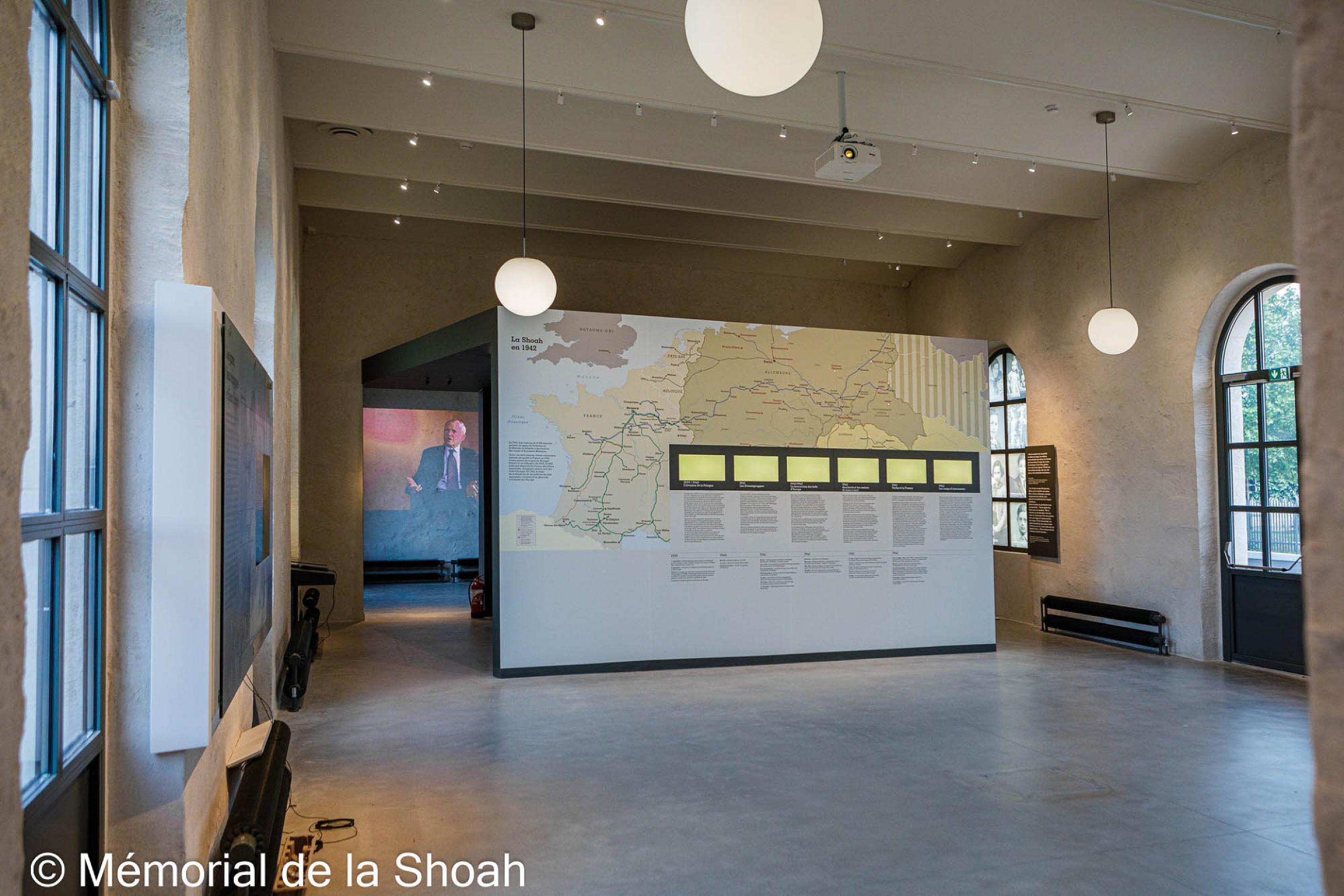
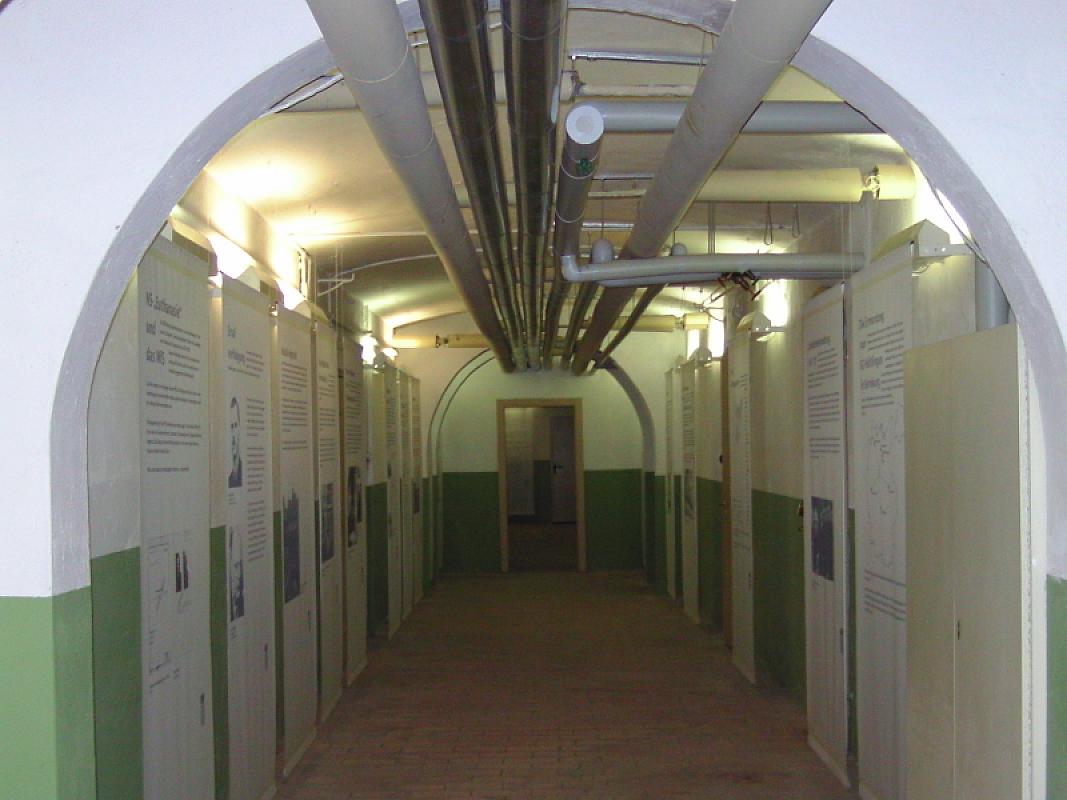
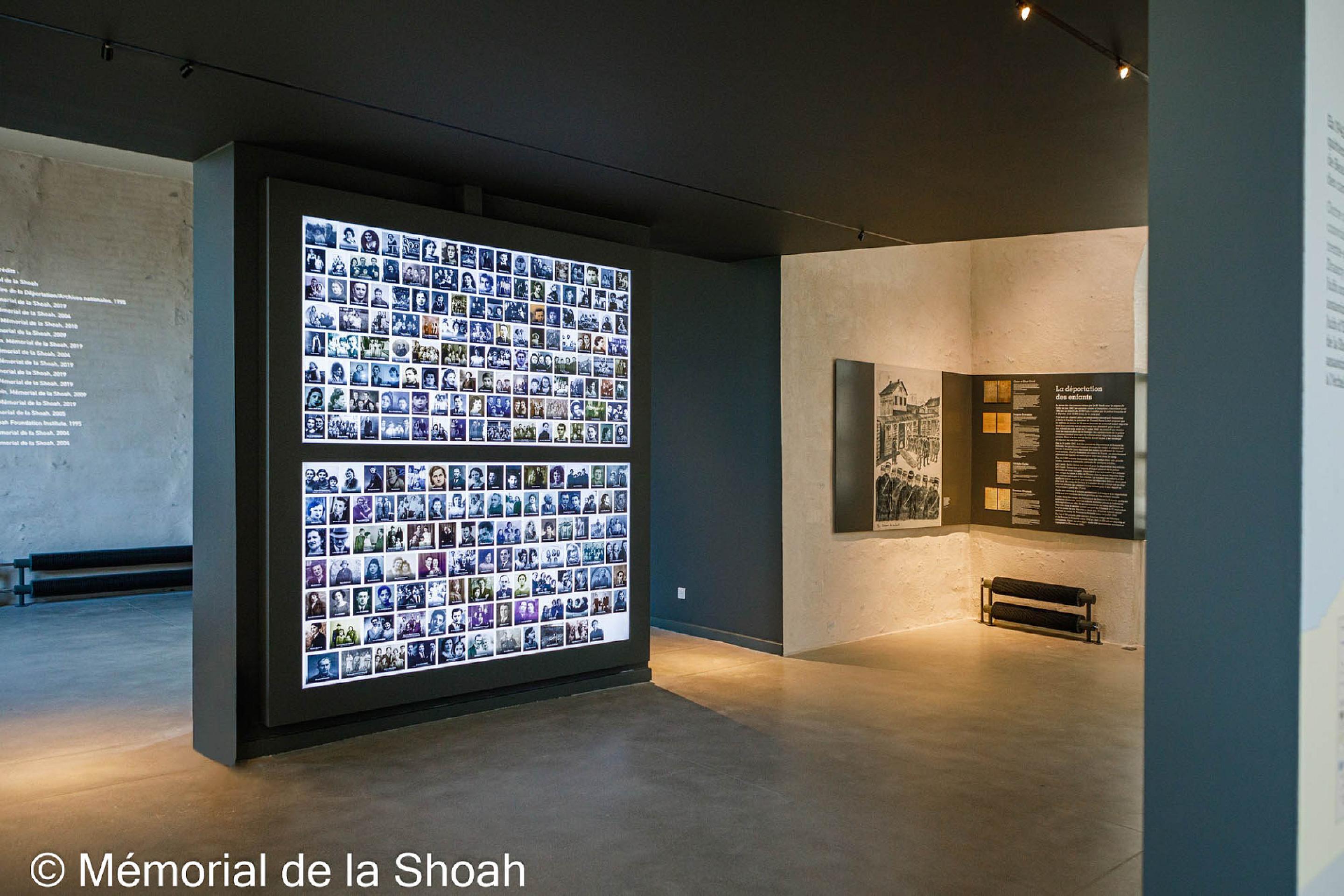
Following a partnership agreement signed in May 2017, the Mémorial de la Shoah and the French national railway company SNCF decided to renovate the former Pithiviers train station and to establish another memorial site there. The memorial site was inaugurated on July 17, 2022, exactly 80 years after the »rafle du Vélodrome d’Hiver«, and houses a permanent exhibition on the history of the Pithiviers and Beaune-la-Rolande train stations.
Possibilities
Permanent exhibition on the history of the Pithiviers and Beaune-la-Rolande train stations, guided tours, workshops
Open
July and August: Wednesday to Sunday, 2.00 p.m. to 6.00 p.m., guided tours on Wednesdays, Fridays and Sundays
Rest of the year: Sunday, 2.00 p.m. to 6.00 p.m., guided tour on the first Sunday of the month at 2.30 p.m.
Closed on January 1, April 26, May 1, June 9, July 14, August 15 and December 25
Contact
https://gare-de-pithiviers.memorialdelashoah.org/
accueil.pithiviers@memorialdelashoah.org
+33 2 38 72 92 02
Place de la Gare
45300 Pithiviers, France