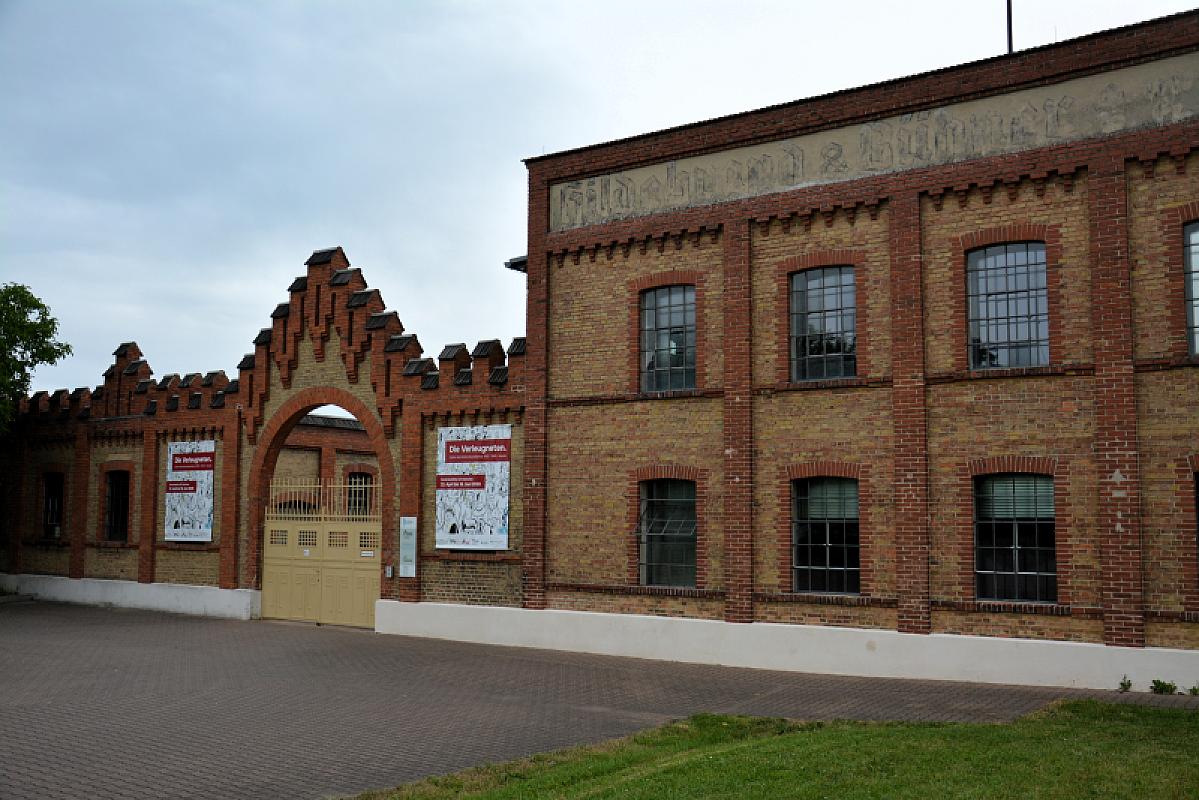
Place of Remembrance for the Eintrachthütte and Zgoda labour camps
Miejsce Pamięci Zgoda
The »Eintrachthütte labour camp« was a sub-camp of the Auschwitz concentration camp in the Eintrachthütte district (Polish: Zgoda) of the Upper Silesian town of Schwientochlowitz (Polish: Świętochłowice) from 26 May 1943 to 23 January 1945. For almost a year after the invasion of the Red Army, the camp was a labour camp for German civilians and anti-communist Poles, run by the Polish administration as Camp Zgoda.
History
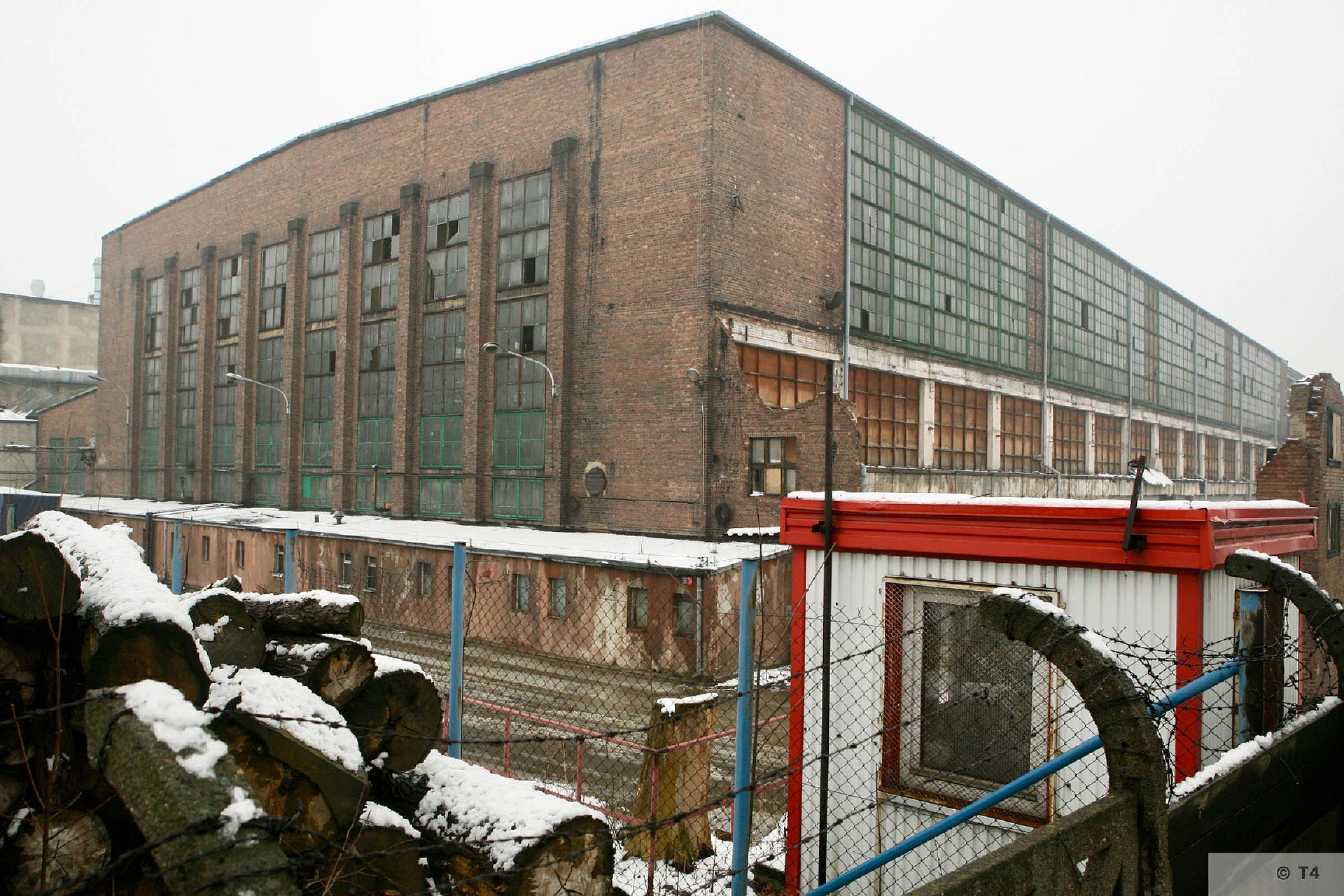
As early as the beginning of the nineteenth century, a steelworks was built on the site of the later National Socialist labour camp. Over time, it was given the name Eintrachthütte. When Upper Silesia was divided in 1922, it fell to Poland and was renamed Zgoda (Polish for Eintracht [harmony]). After the German attack on Poland in 1939, the area was reincorporated into the German Reich. From 1941 at the latest, the Nazi administration deployed forced labourers in the Eintrachthütte. In 1943, a sub-camp of the Auschwitz-Birkenau concentration camp was set up here.
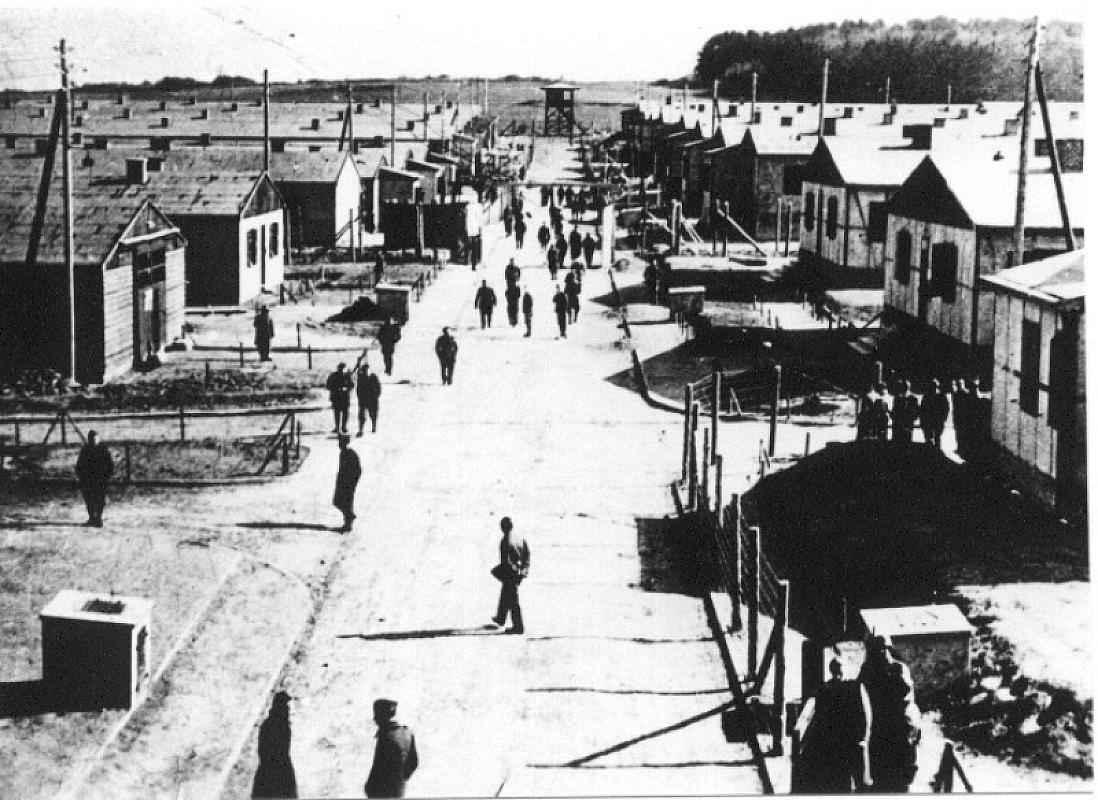
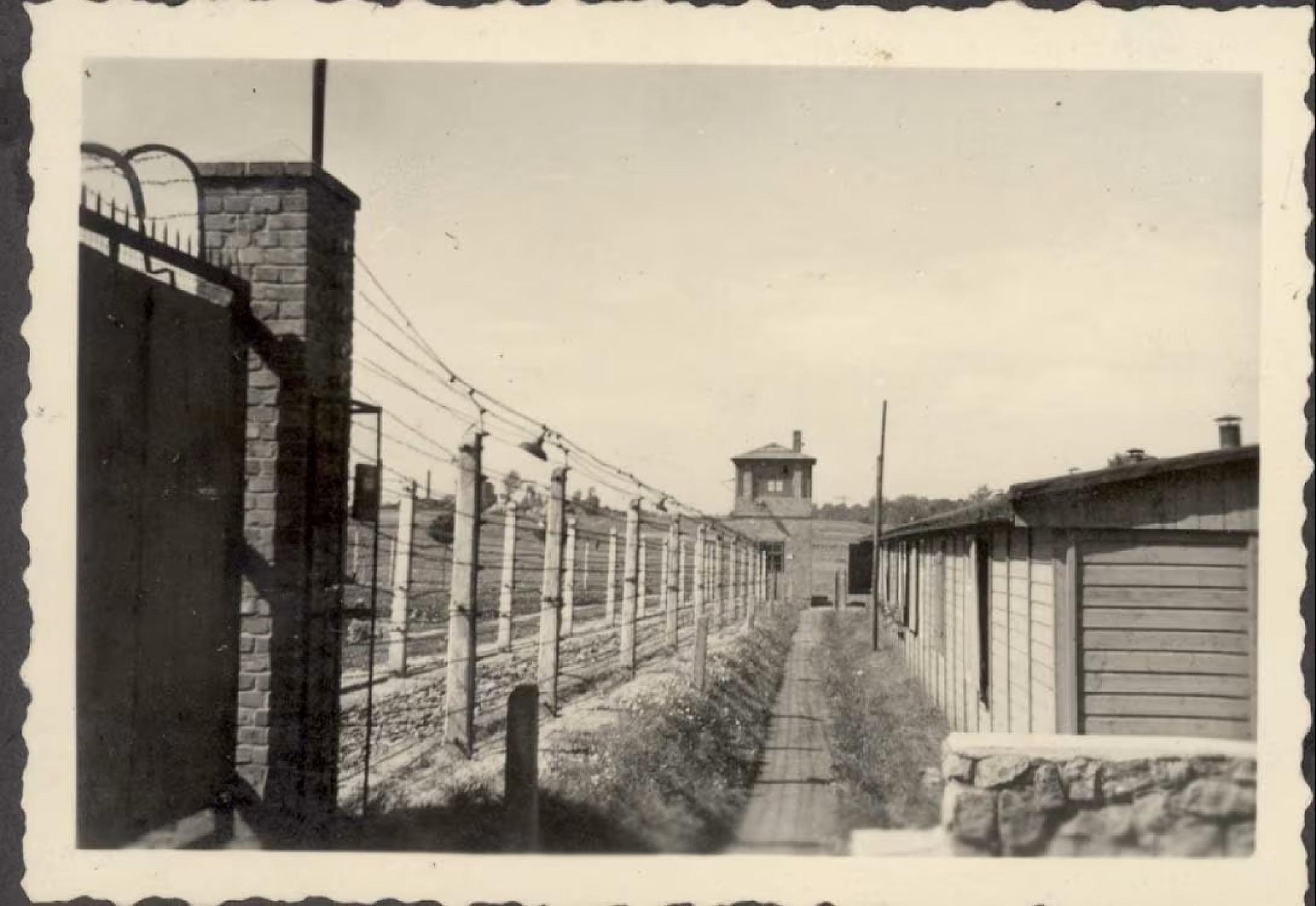
The »Eintrachthütte labour camp« had a maximum capacity of around 1,300 prisoners and consisted mainly of two-room wooden barracks, in which 60 to 80 prisoners were housed per room. The prisoners had to perform forced labour in the surrounding industrial areas and in the steelworks. The living conditions were catastrophic. Beatings and executions were part of everyday life. Sick prisoners and those unfit for labour were sent back to the main Auschwitz-Birkenau camp, but 10 to 15 prisoners died in the camp itself every week.
After the arrival of the Red Army in January 1945, tens of thousands of people were imprisoned in the conquered territories because of their German identity. The camps and prisons dated back to the pre-war period or were taken over by the National Socialists. In January 1945, the camps were placed under the control of the Polish Ministry of Public Security. Systematic extermination as in the German concentration camps did not take place in these camps, but there were sometimes brutal reprisals and thousands of interned Germans died in the camps. Seven labour camps were set up in Upper Silesia in 1945, one of them at the former site of the Eintrachthütte camp, which had been evacuated shortly before. It was renamed »Zgoda« and, along with Lamsdorf, was considered one of the most notorious camps of this period. It was closed in November 1945 by order of the Ministry of Public Security.

Victims
Estimates put the number of victims of the Eintrachthütte labour camp at around one thousand. It is unclear how many died on the death marches to Mauthausen after the evacuation at the end of 1944. The mostly Jewish inmates came from all over Europe, including Drancy, Thessaloniki, Westerbork, Minsk, Riga, Polish ghettos and Hungary.
The minimum number of deaths in the Zgoda camp is estimated at around 1,700, while other studies estimate more than 2,000 or even 3,000 deaths. Some of them, including many women and children, died in July 1945 when a typhus epidemic broke out in the camp.
Remembrance
After the war, the steelworks was renamed Zakłady Urządzeń Technicznych »Zgoda« and became one of the most important steelworks in Poland. The Zgoda plant also became very important outside Poland. Finnish President Urho Kekkonen and Cuban head of state and government Fidel Castro, among others, visited the plant. The steelworks' products included marine engines, hydraulic presses and lifting machines. It went into liquidation in May 2008.
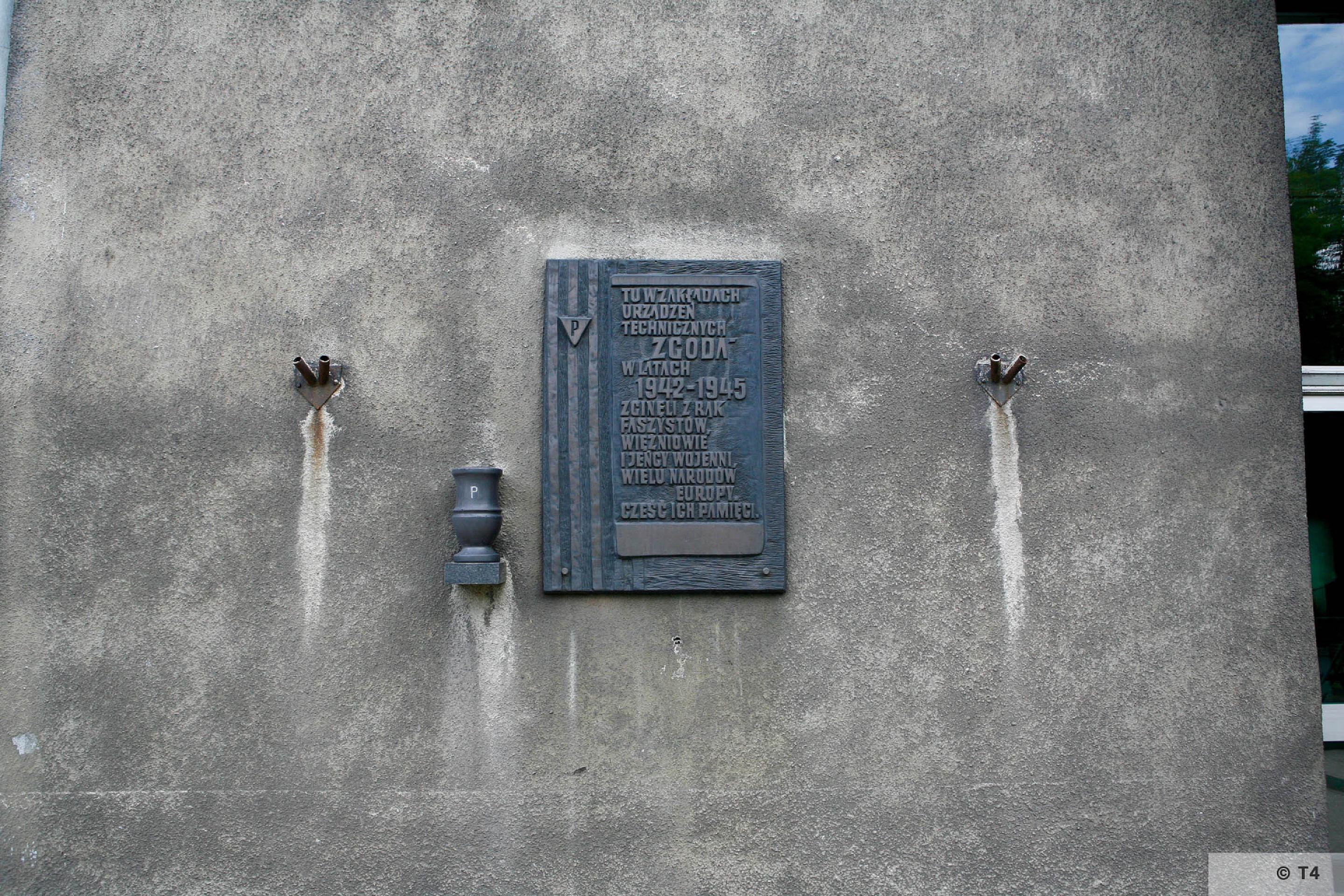
The memory of both camps was suppressed by the communist leadership in the People's Republic of Poland. In particular, the actions of the Communist camp authorities at the Zgoda labour camp were concealed. Only a memorial plaque installed in 1970 commemorated the Eintrachthütte labour camp.
After the fall of the Communist regime in Poland in 1989, interest in the site's past as the Zgoda labour camp grew. From 1996, a criminal trial was held in Poland against Salomon Morel (1919-2007), the former commandant of the Zgoda camp. Among other charges, he was accused of war crimes and crimes against humanity.
The term »Upper Silesian Tragedy« is used today by both displaced persons' organisations in Germany and local groups in Poland to commemorate the violence following the arrival of the Red Army in 1945. Since 2009, the Movement for the Autonomy of Silesia has organised the »Zgoda March«, which takes the route from Katowice via Königshütte/Chorzów to the former Zgoda camp in Schwientochlowitz/Świętochłowice.
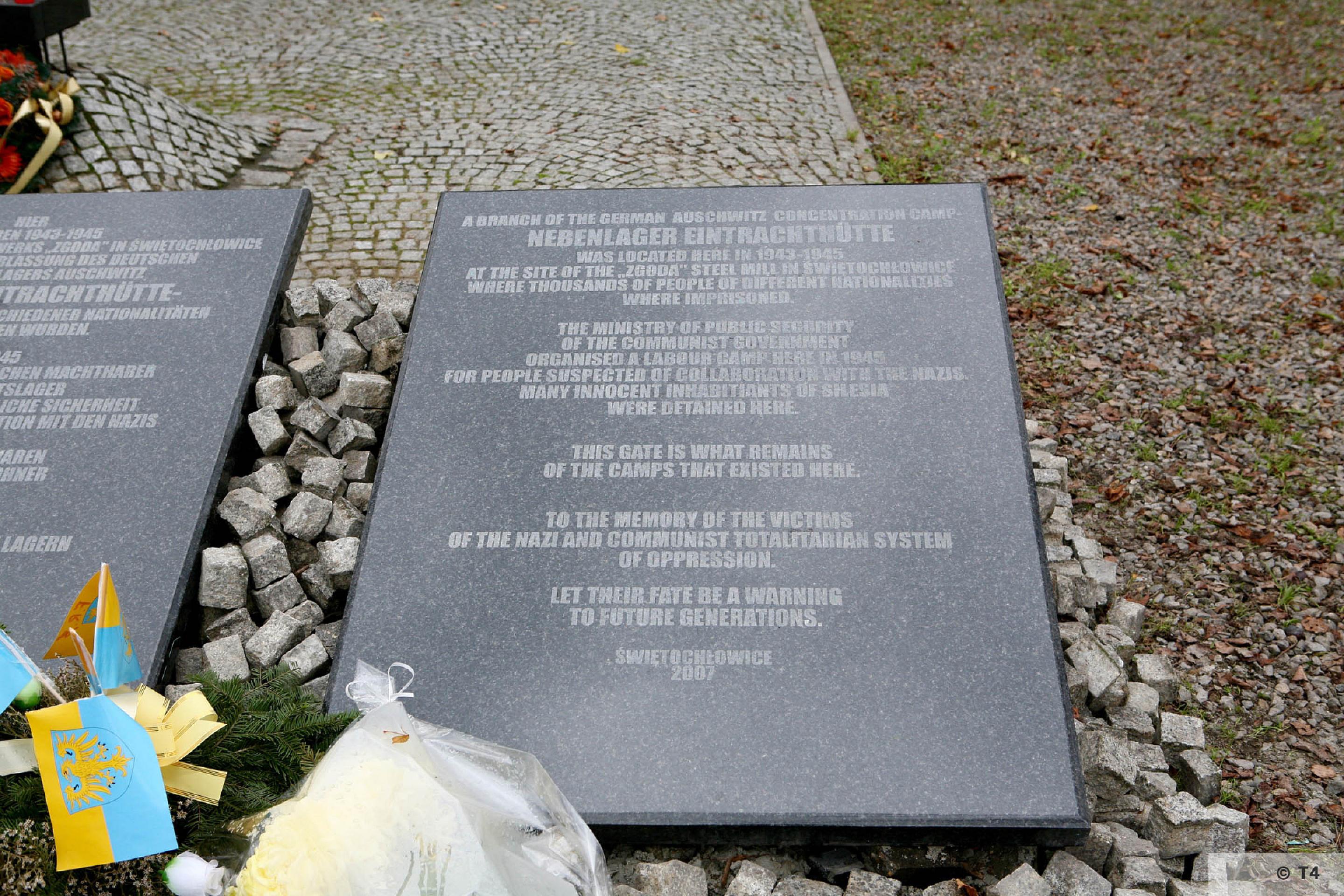
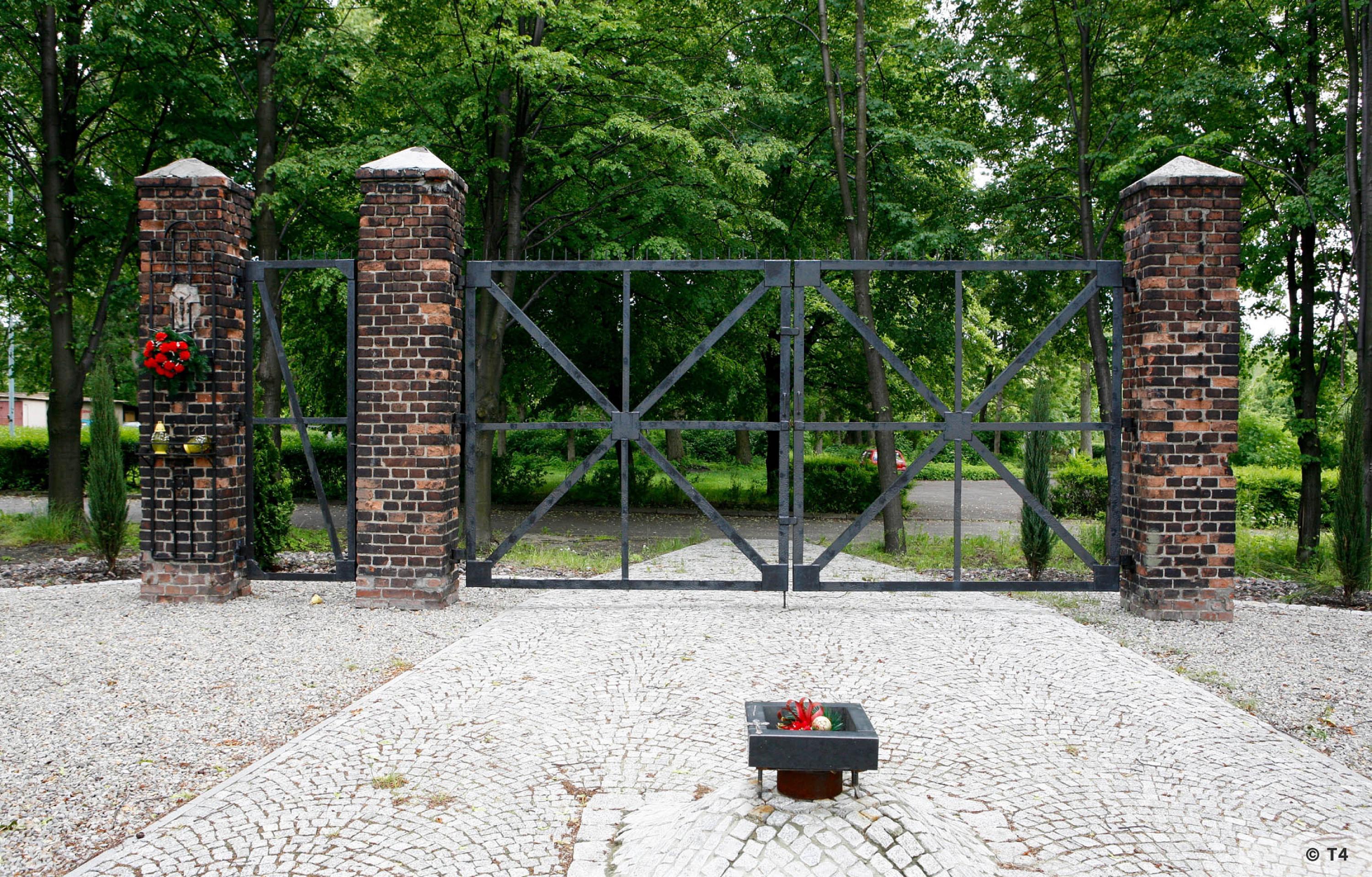
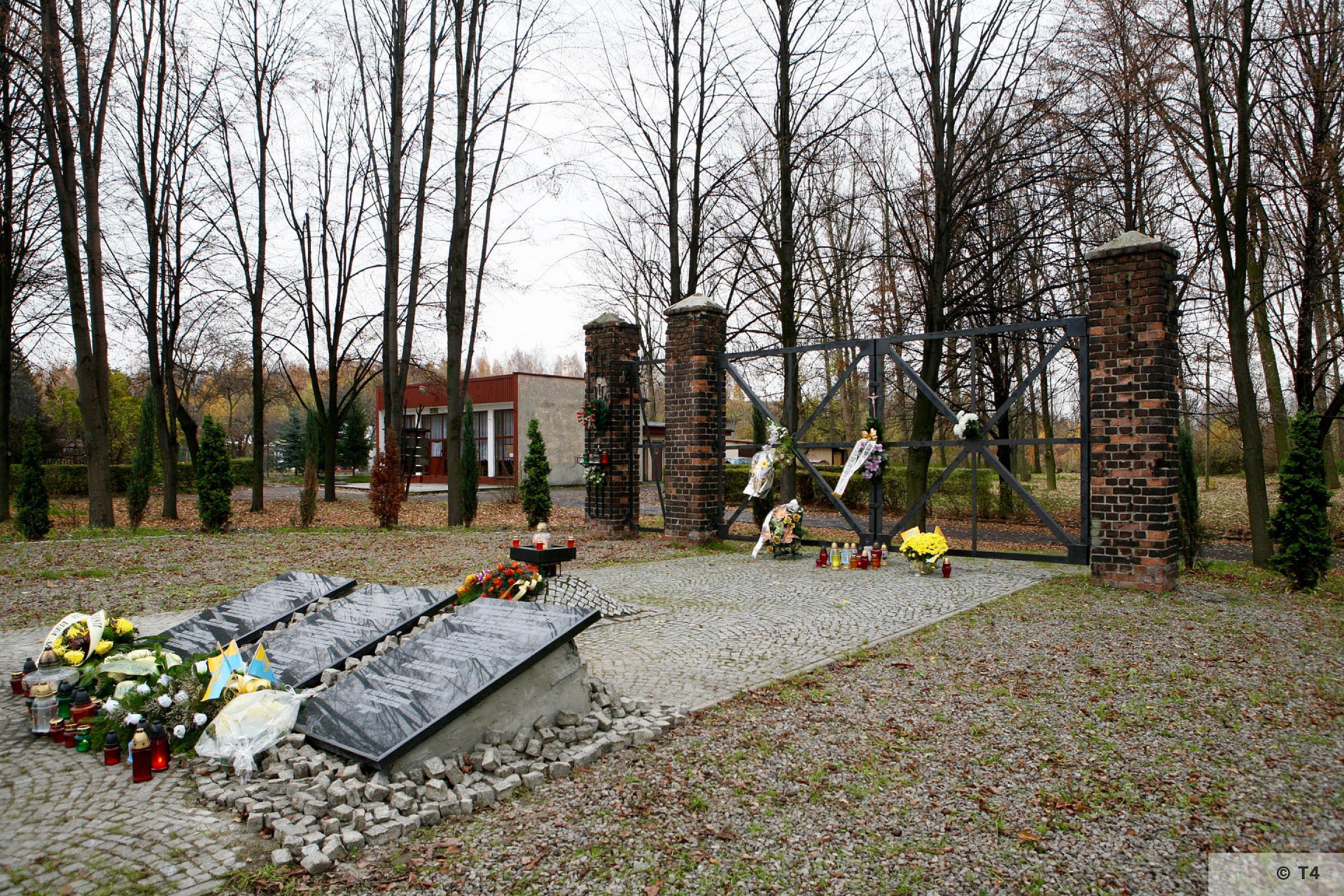
On 17 June 2005, a memorial to the victims of two totalitarian regimes was inaugurated at the former camp gate. The gate is the only surviving element from the years 1943-1945. In 2007, stone plaques commemorating the victims of the two camps were placed in front of the gate.
Contact
http://www.miejscepamiecizgoda.pl/
kontakt@miejscepamiecizgoda.pl
Wojska Polskiego 121
41-600 Świętochłowice