Skip to content

Plötzensee Memorial

Gedenkstätte Plötzensee


Between 1933 and 1945, political opponents of the National Socialist regime were executed in the Berlin Plötzensee prison. The German Resistance Memorial Center commemorates victims of National Socialist judiciary with an exhibition at the historic site.

History

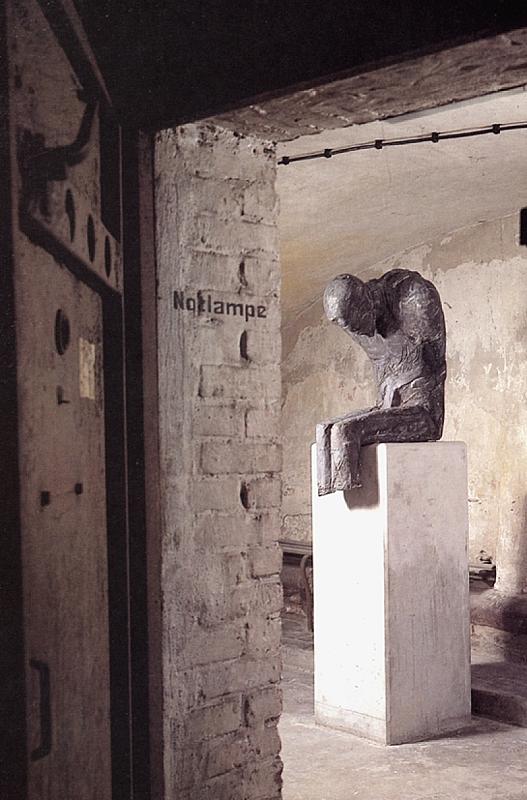
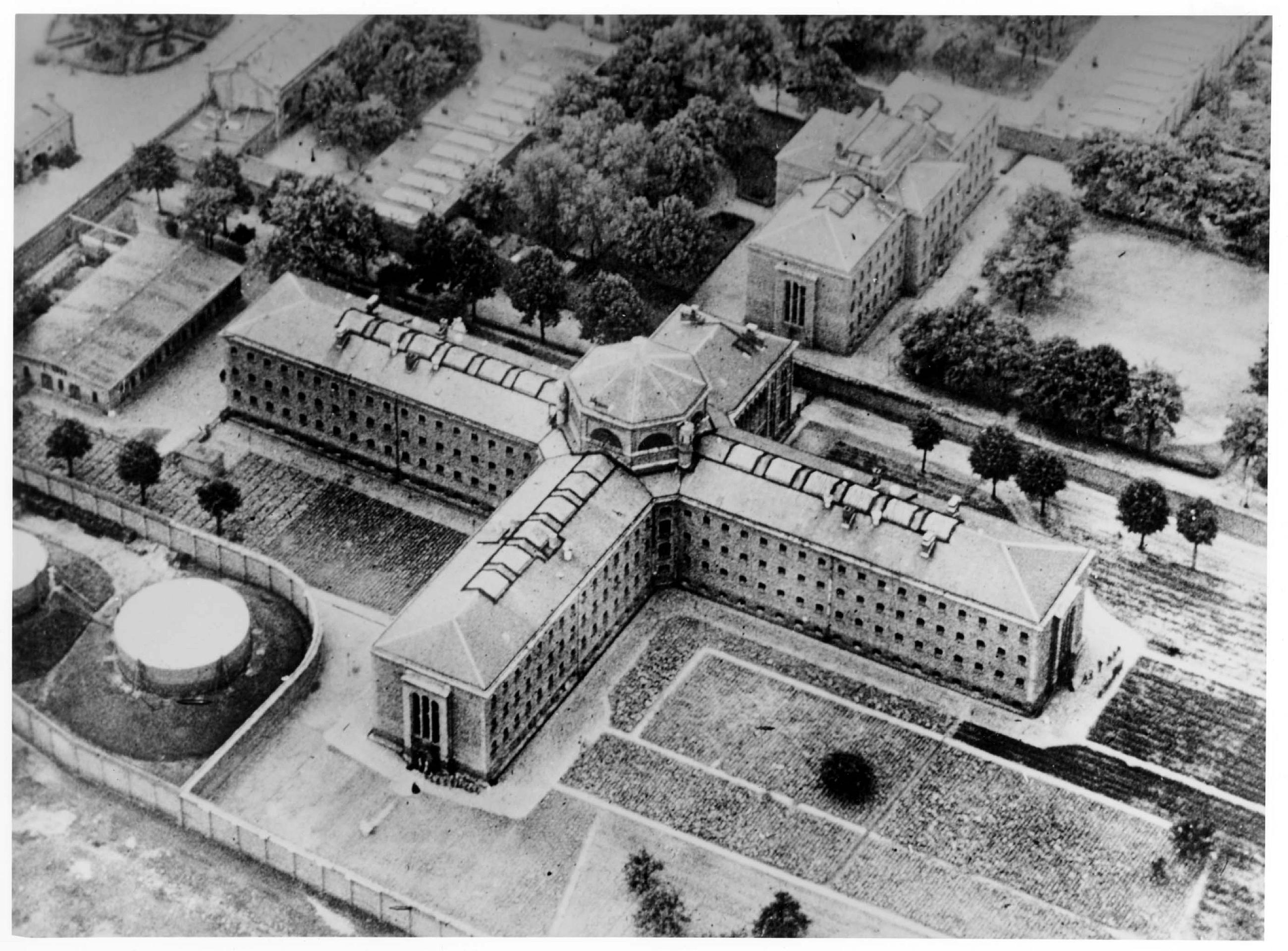
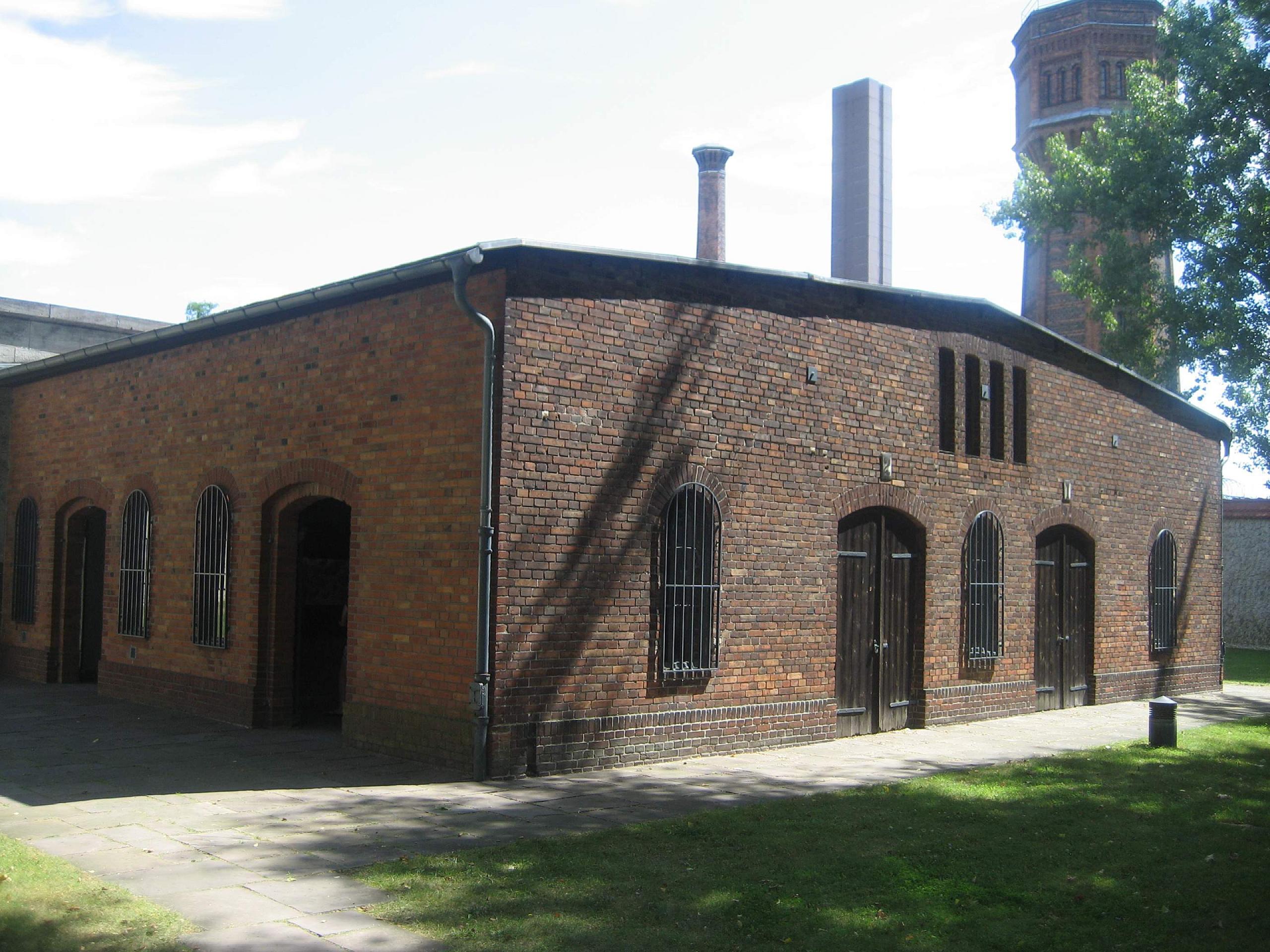
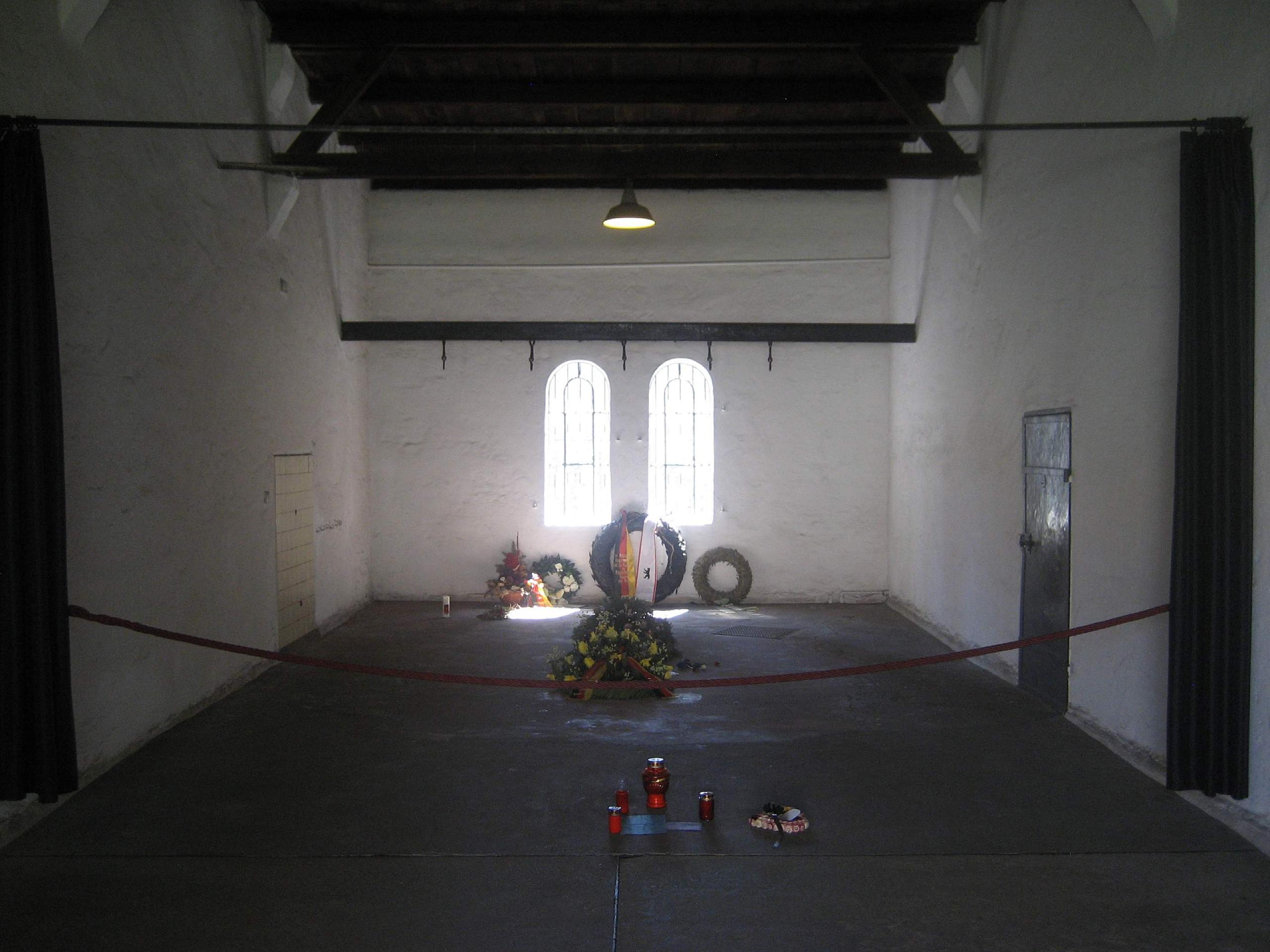
The Berlin state prison Plötzensee, established in 1897, was used as a prison and central execution site by the National Socialists from 1933. Already since the end of the 19th century, it had been used as a place of carrying out death sentences by the German judiciary. The Plötzensee prison was particularly suitable for admitting large numbers of prisoners. From 1933 on, the National Socialist regime increasingly persecuted political opponents. In the first years, primarily communists and social democrats were sentenced by various courts to long terms of imprisonment or to death. At the time, Plötzensee also adopted the function of a custody prison for political criminal trials. Starting around 1940, more and more death sentences were administered even for minor offences. In 1943 alone, more than 1,100 executions took place at Plötzensee. Many of those killed were members of the »Red Orchestra« and the »Kreisau Circle« resistance groups. Many of these people were interrogated by the Gestapo and severely abused prior to being put into custody. In the months following the failed assassination attempt on Hitler's life on July 20, 1944, many of those involved in the plotting were executed. Executions were performed by guillotine or hanging in the so-called »House of the Dead« - a small brick shed on the premises. Located in a separate, windowless room were the guillotine and a steel beam on which up to eight people could be hanged simultaneously. The prison complex was hit by bombs in September 1943, upon which the so-called »bloody nights« took place, during which many executions were carried out. In order to prevent any getaways, the authorities had around 250 prisoners hanged within a few days.
Victims

In all, around 2,890 people were executed at Plötzensee prison between 1933 and 1945. Amongst them were many people persecuted for political reasons from all over Germany. Around half of those executed came from Europe's occupied states, of that a little under half were from Czechoslovakia. Many of the Czech victims were resistance fighters who had been sentenced to death by the »People's Court« in Berlin. Additionally, there were many prisoners of war and forced labourers among those killed in Berlin-Plötzensee.

The entry to power of the National Socialists in 1933 heralded the state persecution of opponents of the regime, Jews, Roma – who were classed as »gypsies« -, the sick and many other groups. For the first time, anti-semitism became part of the government policy of a modern state and the persecution of all groups was progressively heightened. The process was characterised by the interplay between state regulation, violence from supporters of the regime and rabble-rousing propaganda from the press. The acts of terror against the Jews in November 1938 (»The Night of the Broken Glass«), culminating in around one hundred deaths, marked the prelude to the complete exclusion and murder of the Jewish minority. With the outbreak of the Second World War in September 1939, large parts of Europe fell under German control. In Eastern Europe in particular a multi-tiered system of camps and extermination sites was established, in which the SS murdered up to six million Jews, among them around 165,000 German Jews. It is estimated that around seven million Germans lost their lives in the war, including almost 3.5 million civilians. Around 28 million residents of the occupied Soviet Union (both soldiers and civilians) and three million non-Jewish Poles met a violent death. These groups are still barely commemorated in Germany. Germany came under Allied occupation in 1945 and 1949 saw the foundation of the German Democratic Republic (GDR) and the Federal Republic of Germany (FRG), who had very different cultures of remembrance. The GDR profiled itself as an »antifascist« state. The former concentration camps at Buchenwald, Ravensbrück and Sachsenhausen became »National Memorials« and primarily documented the communist resistance during the war. In the Federal Republic, the dominant memory was initially of the victims of Allied bombing raids and those who had fled or been expelled from their homes in the former territory of the Third Reich. It was left to specific groups to remember Nazi persecution, the Holocaust or the resistance. With the exception of the war crimes trials, there was no public discussion of perpetrators or involvement in crimes. However, the situation was to change in the mid-1960s, when the statute of limitations for murder was lifted following a lengthy debate. Also during this period, memorial sites were established at former concentration camps (1965: Dachau and Neuengamme; 1966: Bergen-Belsen) and the German Resistance Memorial Centre was opened in 1968 in West Berlin. However, it was not until the 1980s that a diverse and often small-scale landscape of memory developed as the result of local initiatives. Following German unification in 1990, a national memorial site concept was developed and there was a major review of German sites of memory. The Memorial to the Murdered Jews of Europe in Berlin was inaugurated in 2005. The Topography of Terror, a comprehensive documentation of National Socialist crimes and perpetrators, has opened with a new centre in May 2010; the documentation centre »Flight, Expulsion, Reconciliation« followed suit in 2021. In the meantime, central memorials in Berlin have been erected to commemorate further groups of Nazi victims as well: the murdered Sinti and Roma, the patients murdered in the context of the Nazi’s »Euthanasia« killings and the persecuted homosexuals. The German victims of National Socialist terror in the former Eastern territories of the Third Reich were forgotten by both German states after the end of the war. For decades, memory of these victims was only preserved by West German associations for Germans born in these territories and it mainly excluded the period from 1933 to 1945.

Remembrance

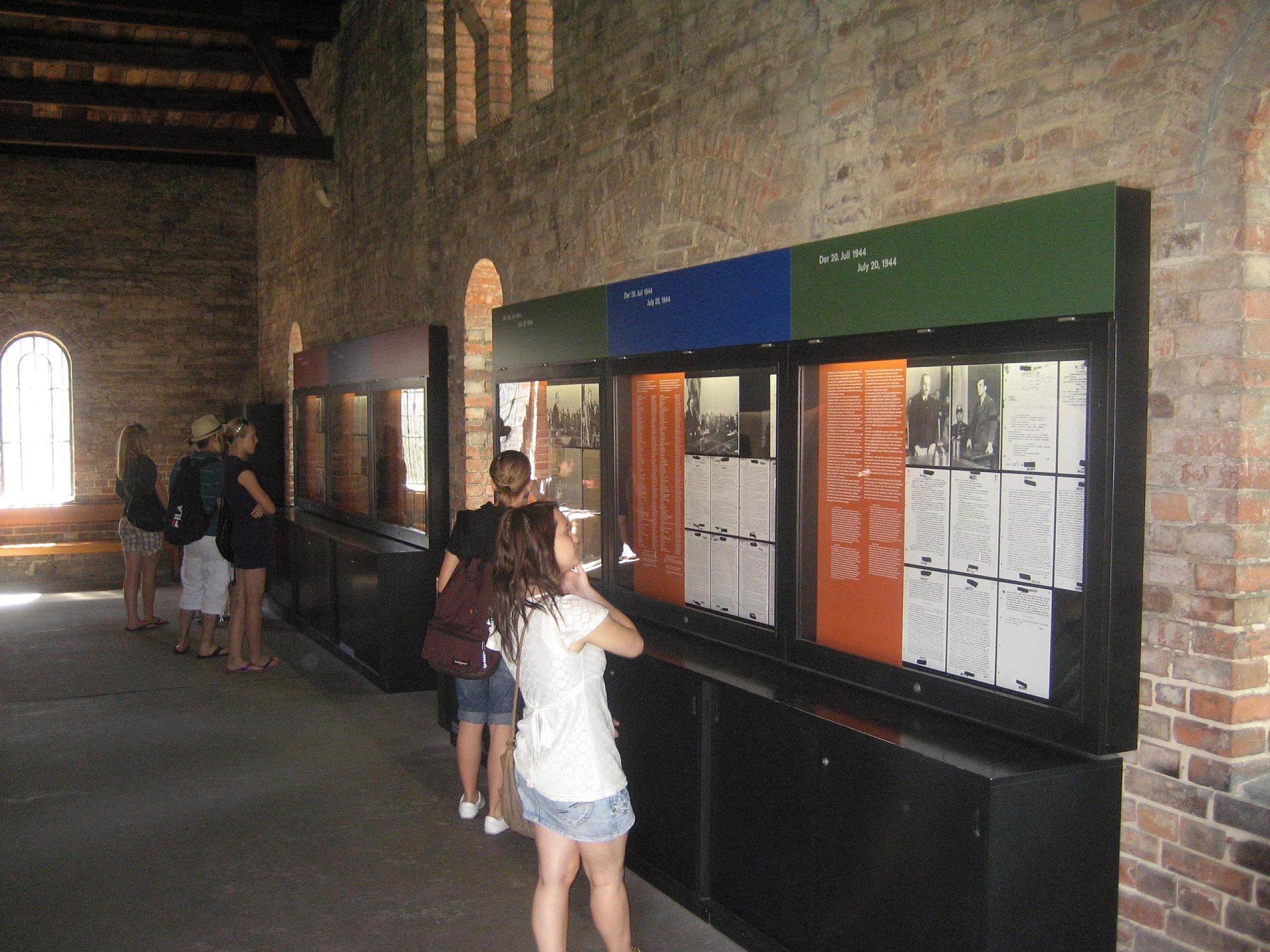
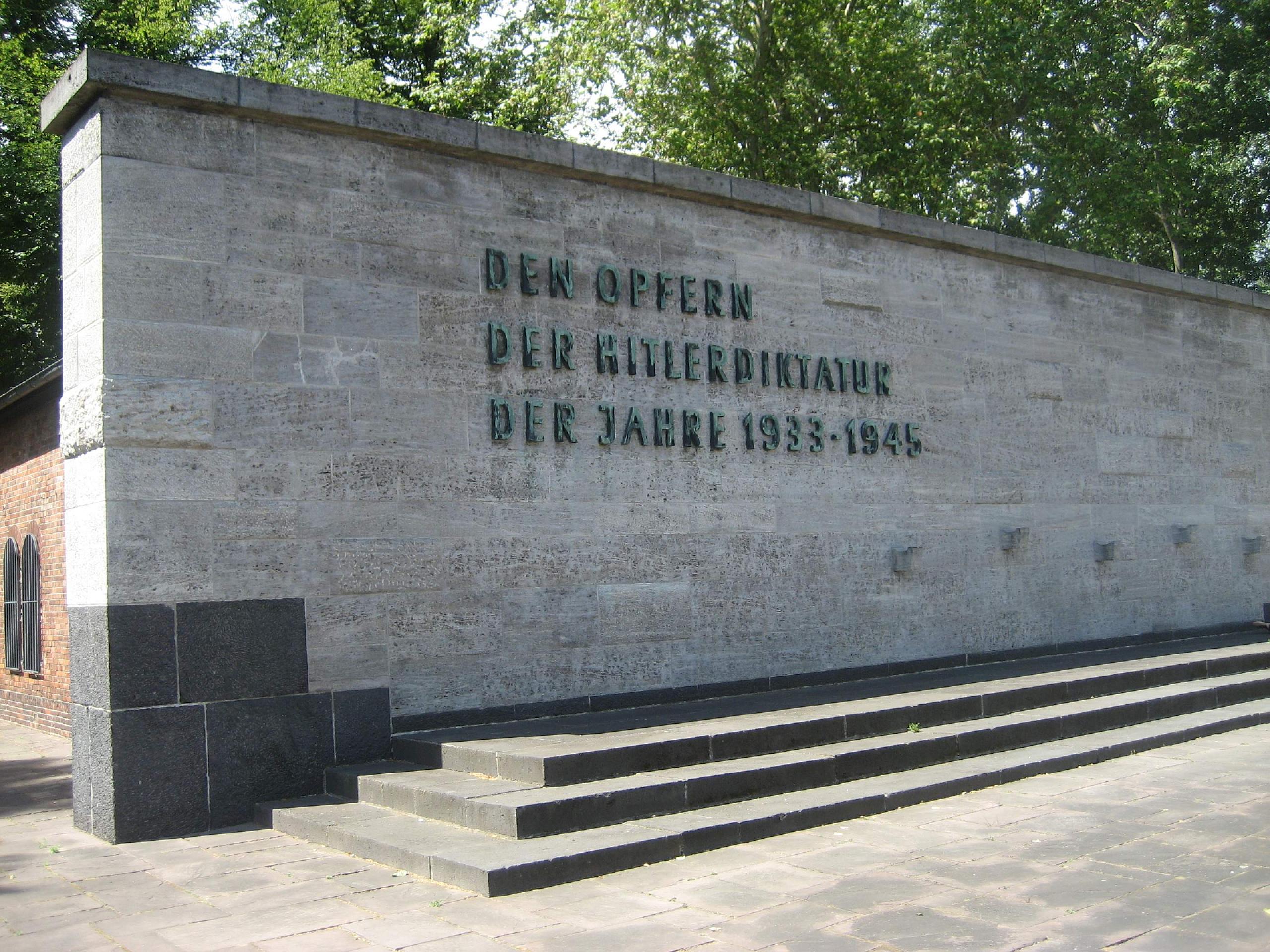
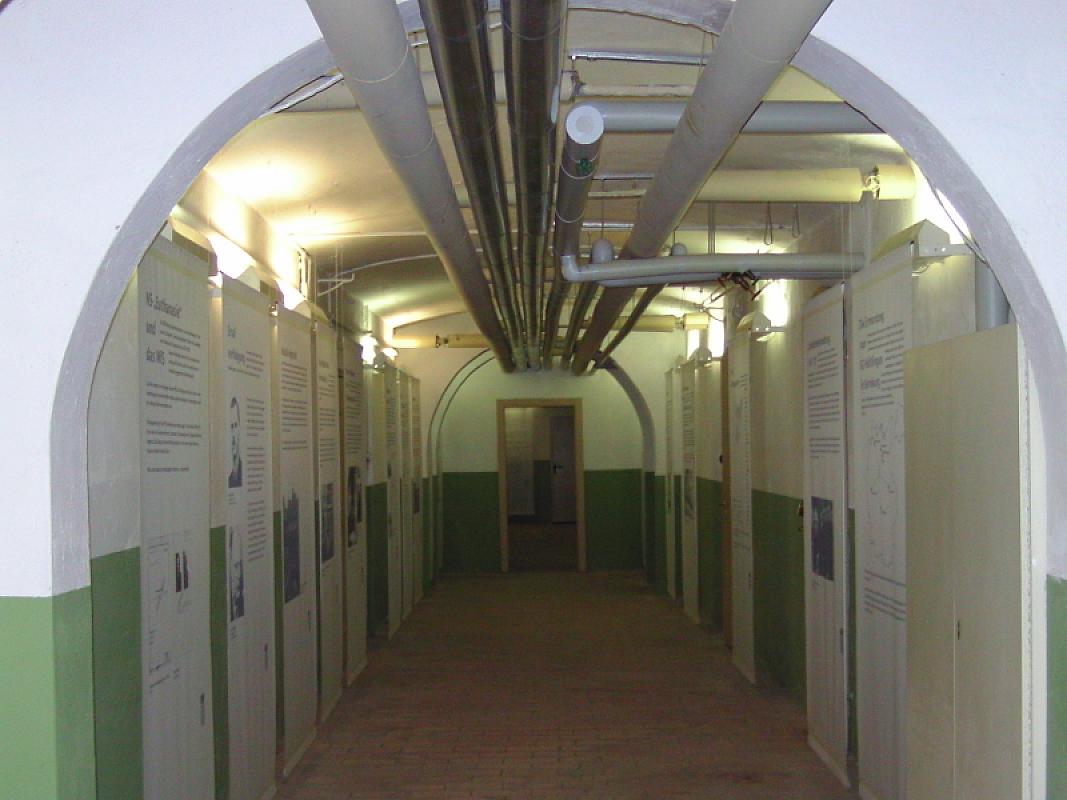
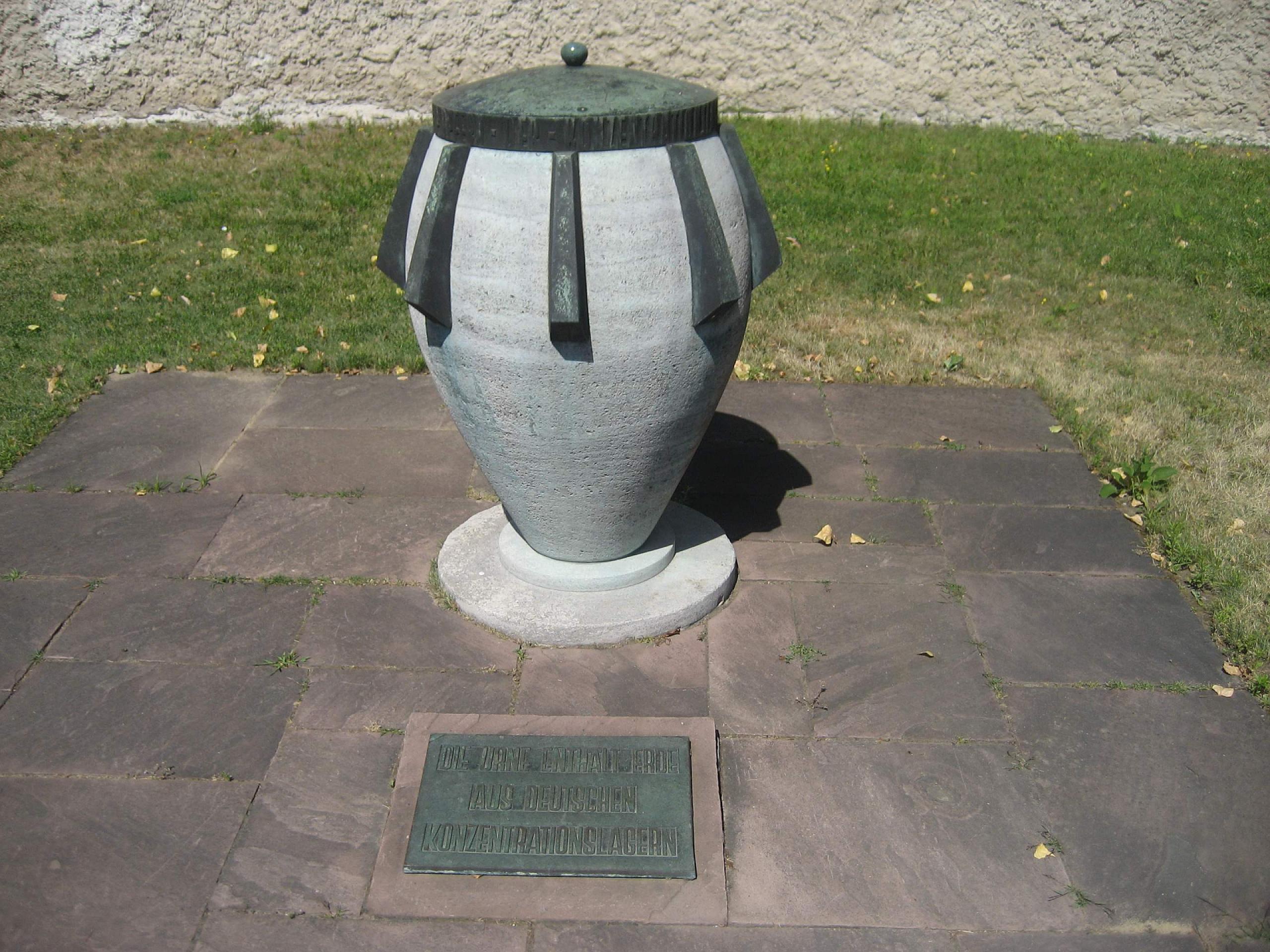
Until this day, a correctional facility is located on the premises of the former state prison. In 1951, West Berlin's regional government decided to set up a memorial based around the former brick shed in which executions had taken place. The memorial was designed between 1951/52 and officially opened in 1952. The room where executions took place is now a memorial room. The memorial is supervised by the German Resistance Memorial Center. In the years 2002/2003, the memorial site was reconstructed in a manner appropriate to the historic site. Since 2003, there is a permanent exhibition entitled »Documentation on the death penalty at Plötzensee«.
Possibilities

Permanent exhibition, brochure available in several languages, guided tours

Open

daily 9.00 a.m. to 5.00 p.m.

Contact

http://www.gedenkstaette-ploetzensee.de

sekretariat@gdw-berlin.de

+49 (0)30 269 950 00

Hüttigpfad
13627 Berlin