POLIN Museum of the History of Polish Jews
Muzeum Historii Żydów Polskich POLIN
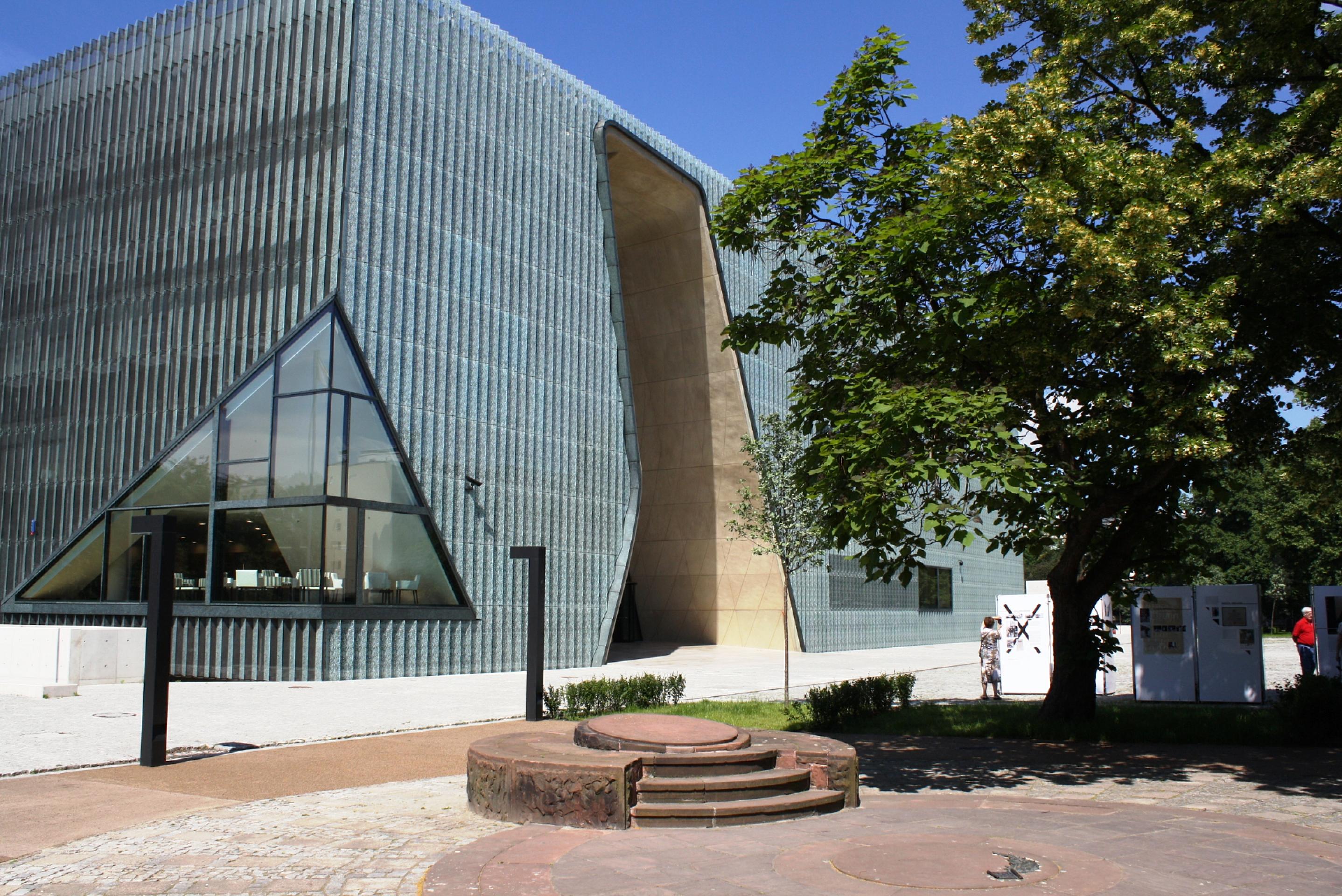
On the site of the former Warsaw Ghetto the Museum of the History of the Polish Jews recalls since 2013 the almost thousand-year-old presence of Jews in Poland.
History
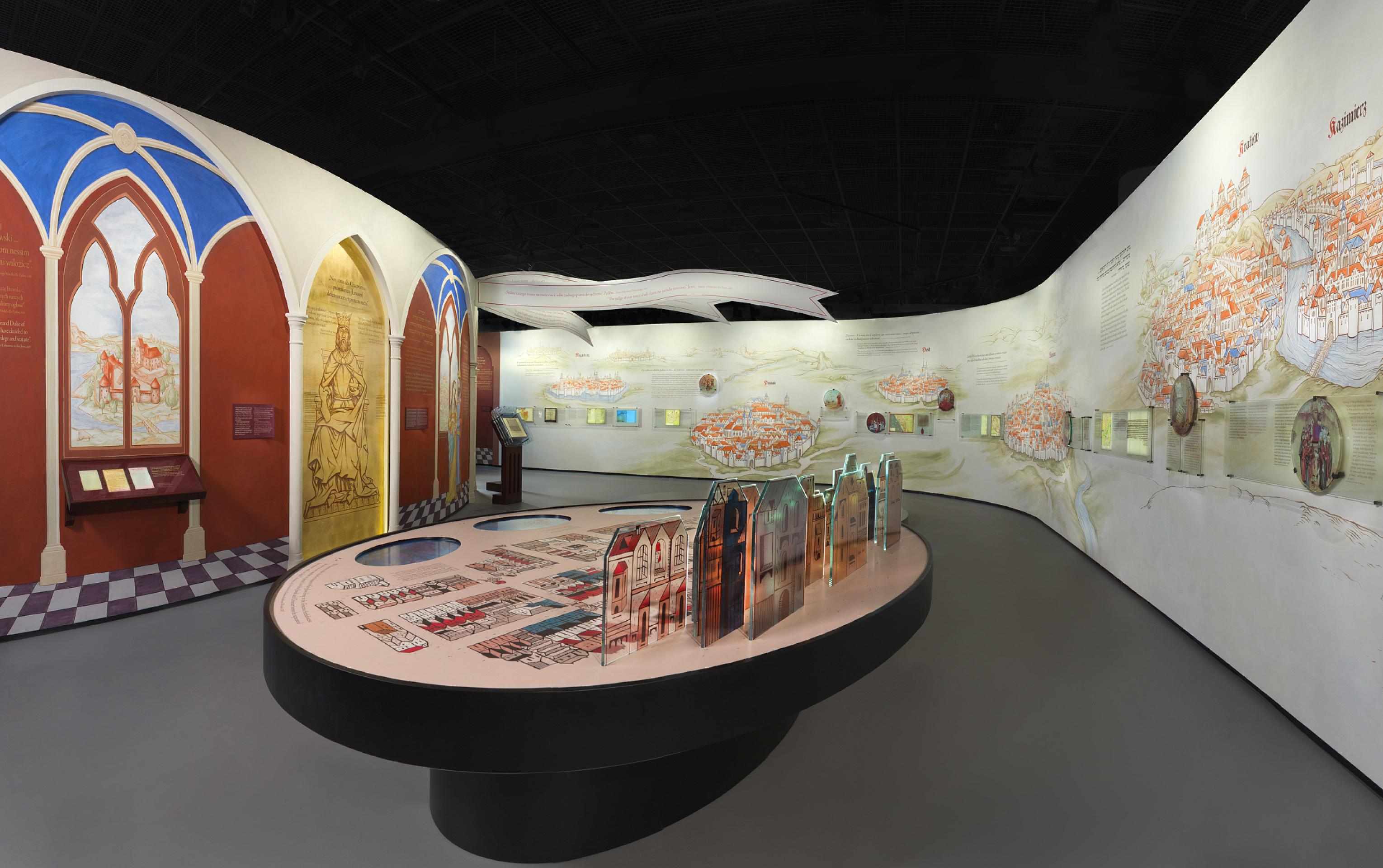
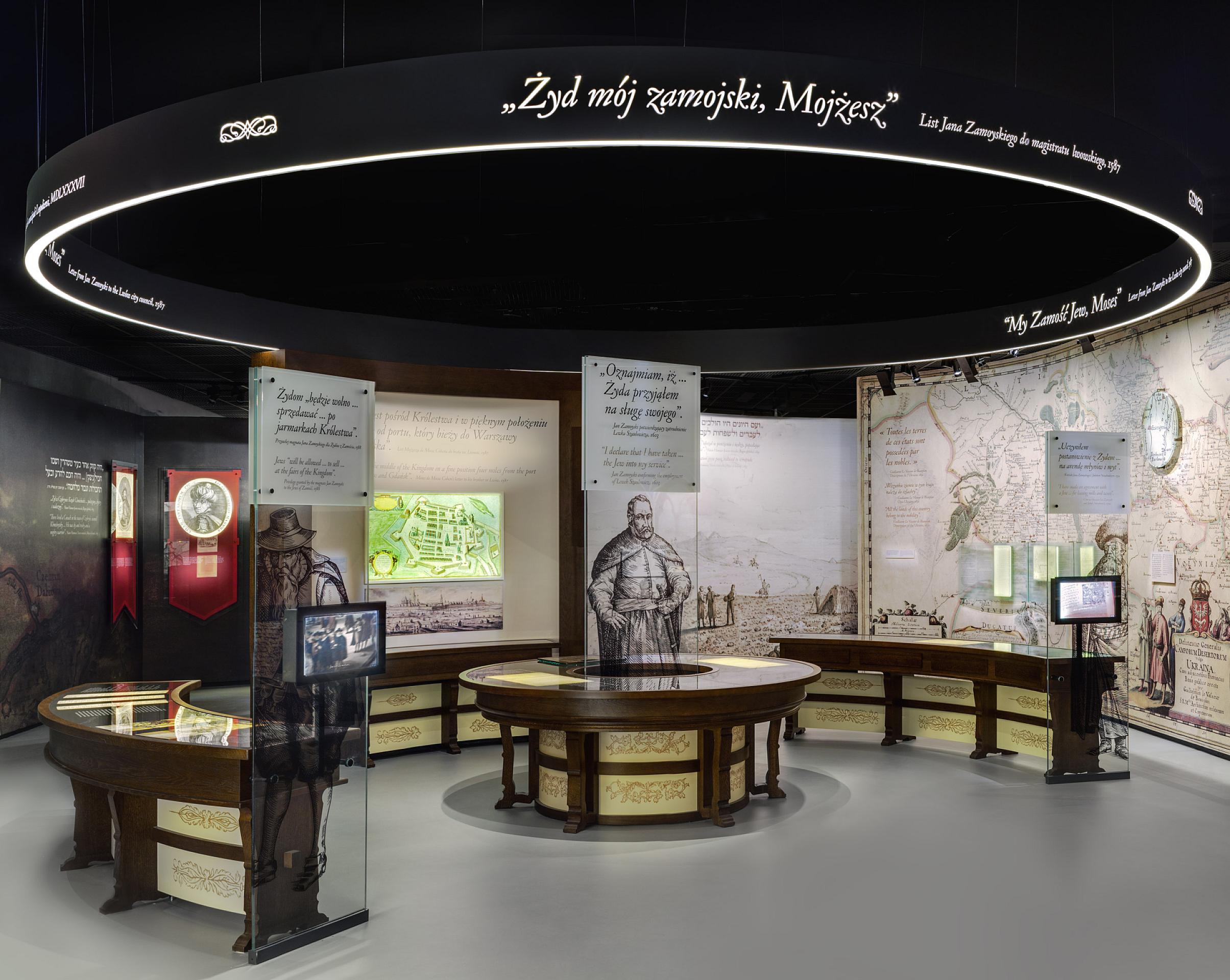
In medieval time Poland was regarded as the most tolerant country in Europe, targeted invitations by Polish kings attracted many Jews. Especially in trade and in the cities Jews played an important role. Although there had been anti-Jewish excesses in Poland too, Jewish life prospered and reached its golden age in the 16th century. After the Jews were expelled from Spain and other European countries in 1492, Poland was home to the largest Jewish community in the world. It is estimated that by that time approximately three quarters of all Jews lived in Poland. Separate religious movements within Judaism developed in Poland, Hasidism being the most influential.
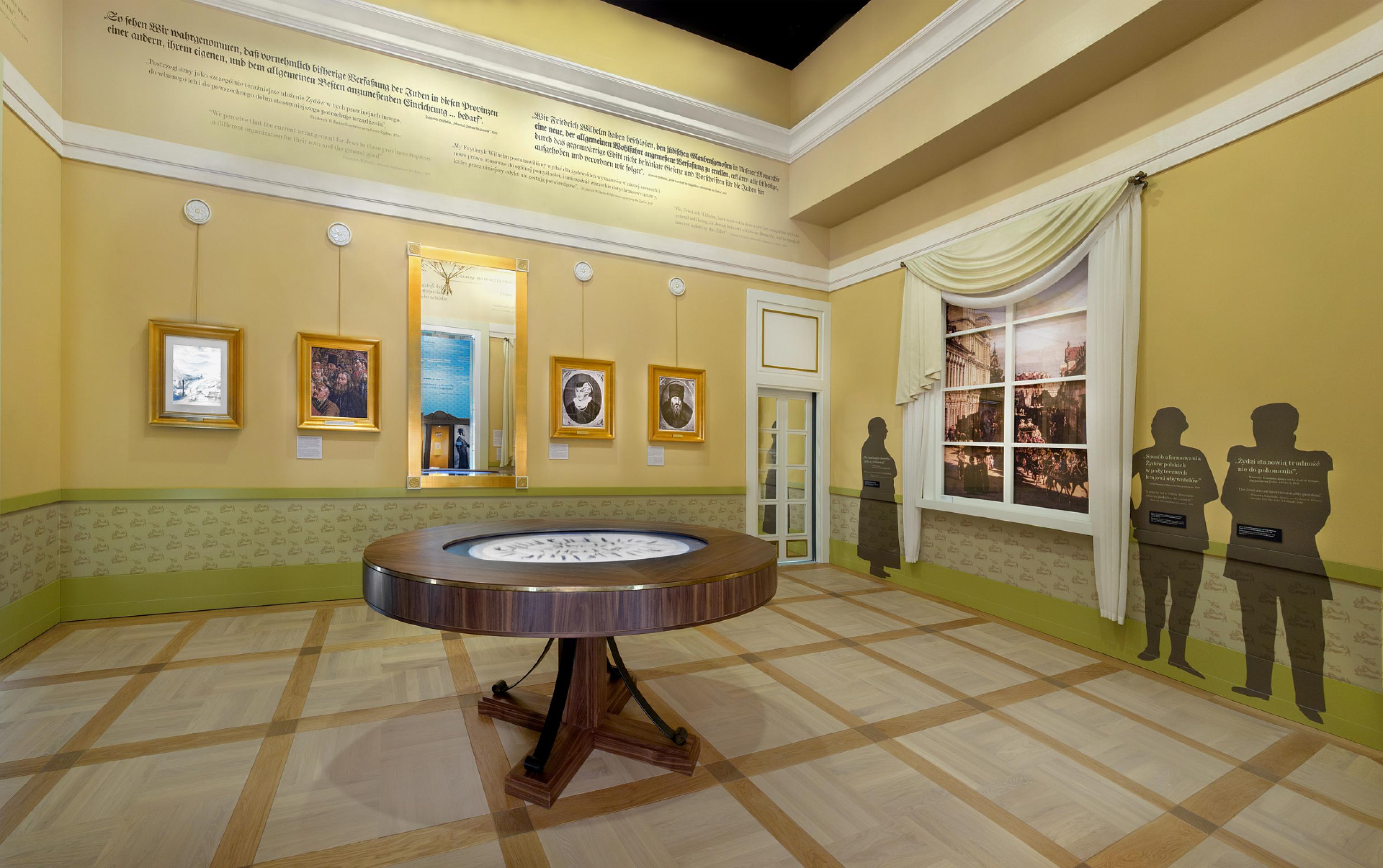
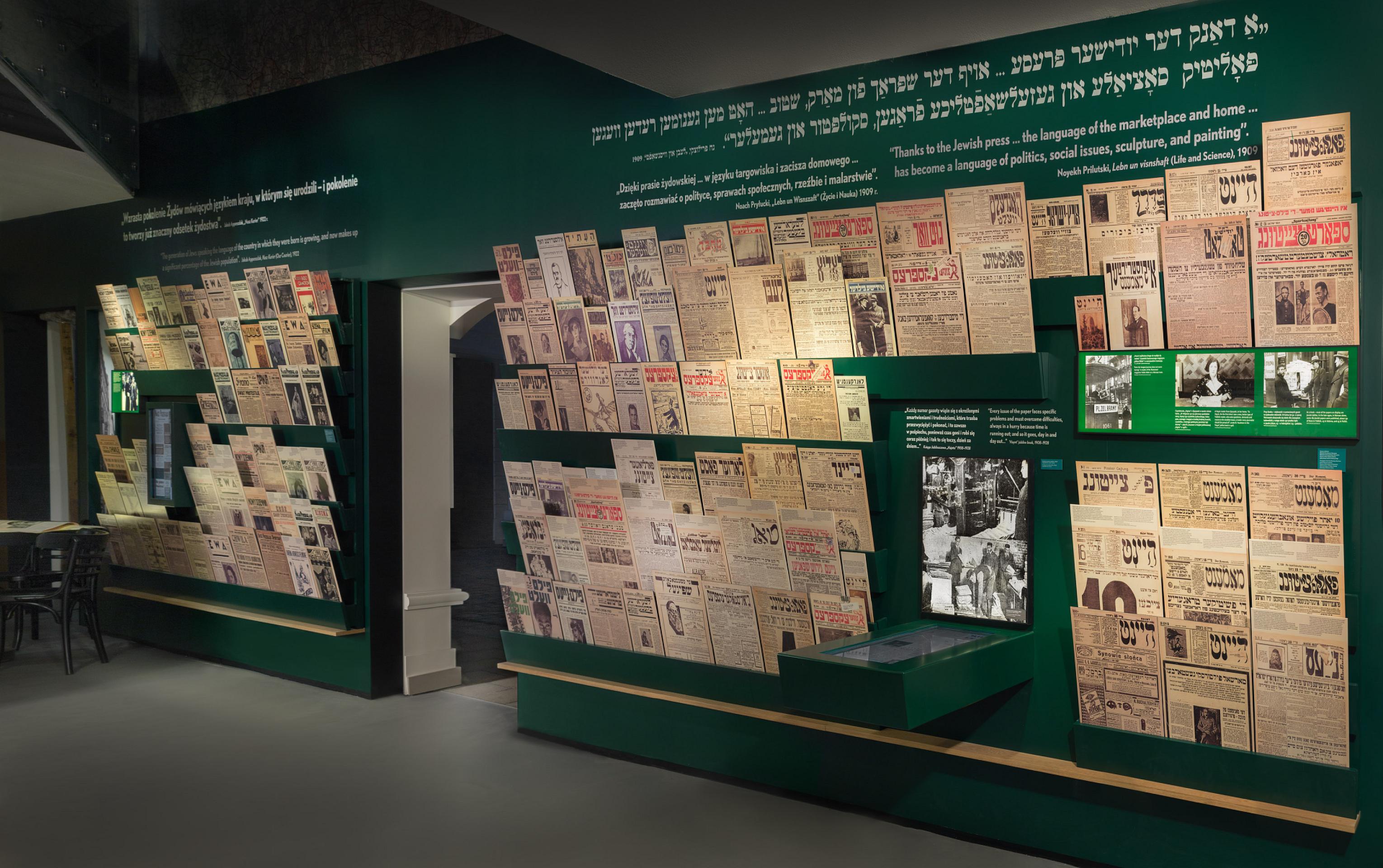
After Poland was divided among Austria, Prussia and Russia at the end of the 18th century, the living conditions for Jews developed very differently in the now separate territories. Especially in the Russian Empire Jews suffered increasingly from anti-Semitic prosecutions culminating at the beginning of the 20th century in bloody pogroms. When Poland regained its sovereignty after World War I, the country was again home of the world's largest Jewish community. Whilst in the eastern parts many Jews live in shtetls, cities like Warsaw and Cracow saw the rise of a bourgeois middle class. This diverse Jewish life was almost totally annihilated in the Holocaust: Between 1939 and 1945 the National Socialists murdered approximately 90% of the more than three million Polish Jews. After the war many of the survivors left the country which had become part of the Soviet power sphere. In 1968 the communist government started an anti-Semitic campaign which again resulted in a large wave of emigration. Only since the country's democratisation after 1989 Jewish life can flourish again in Poland. The number of Jews living in Poland today is estimated at several tens of thousands.
Victims
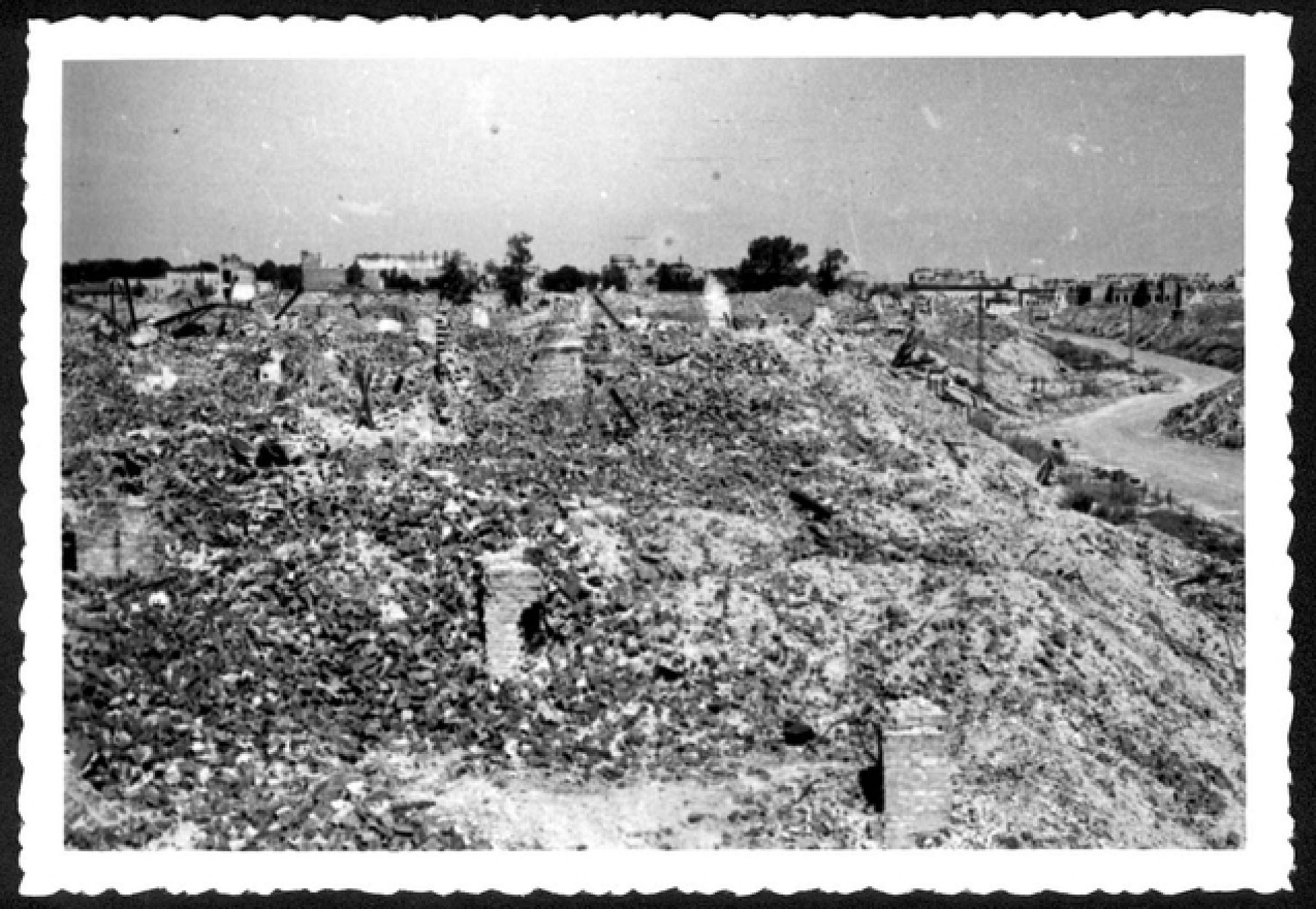
The museum is dedicated to the history and culture of the Jews in Poland, the Holocaust being only a part of the overall presentation. About three million Jews perished in Poland. Approximately 450,000 Warsaw Jews were murdered in extermination camps or fell victim to forced labour, hunger and diseases in the ghetto.
Remembrance
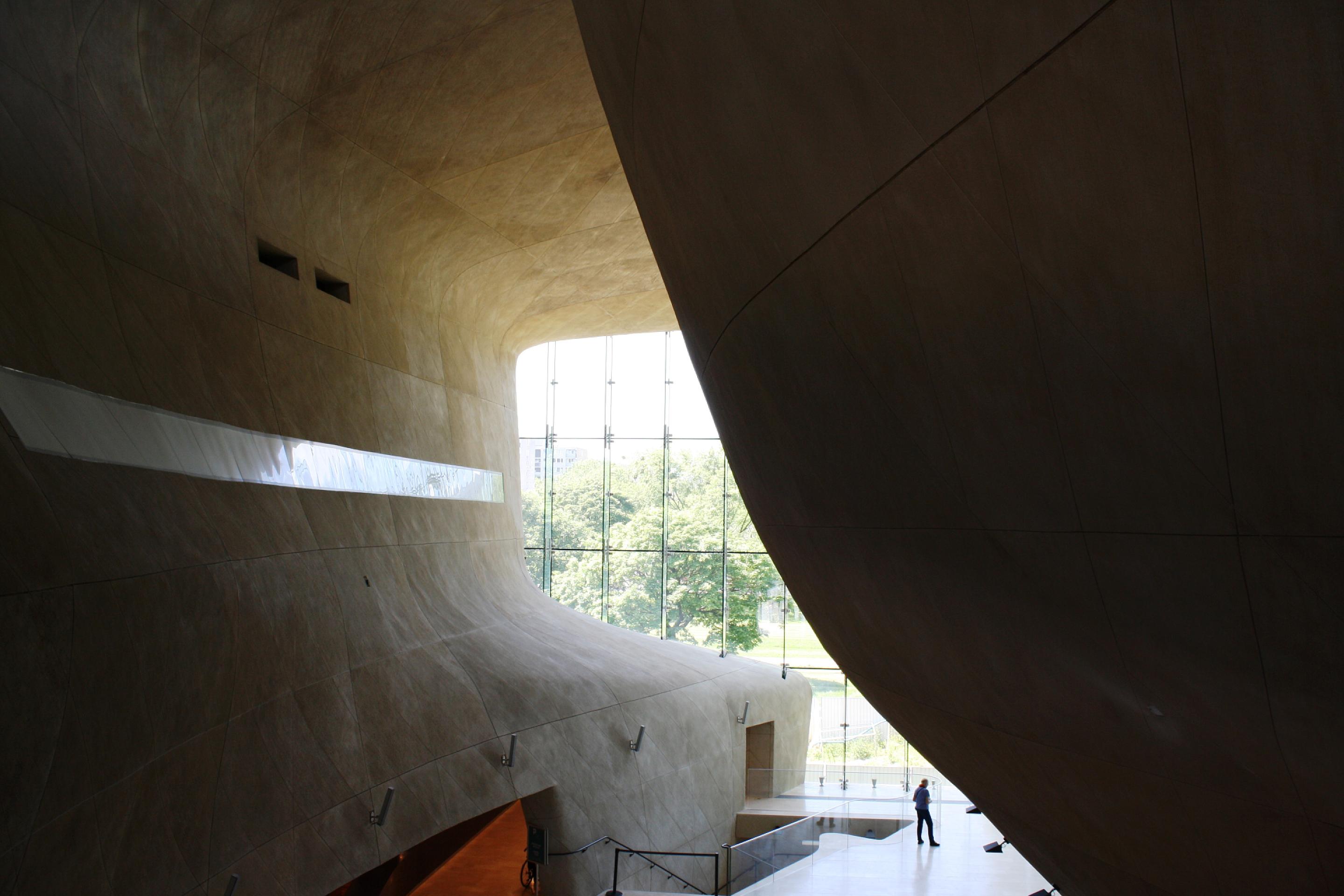
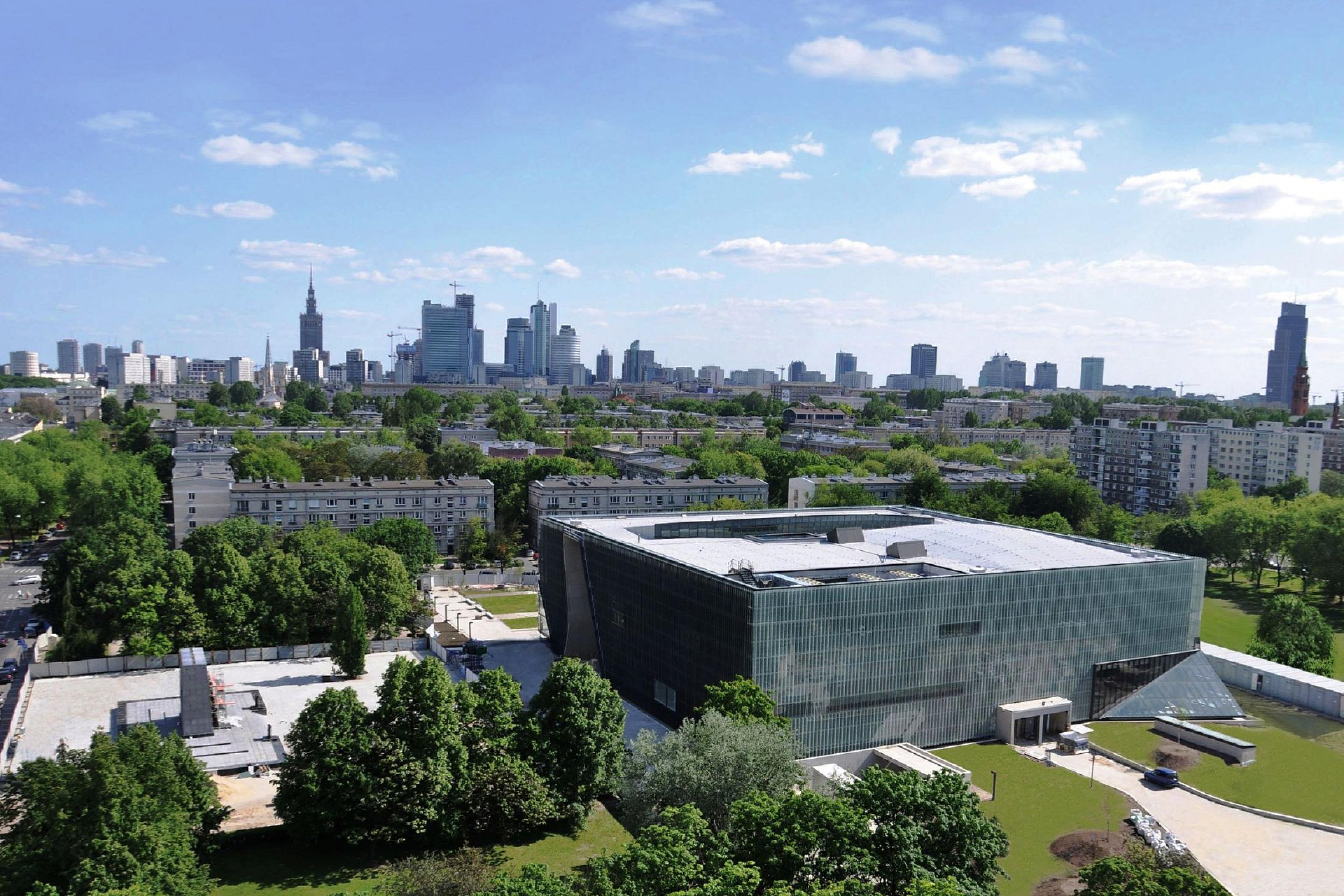
Many surviving Polish Jews left the country after the war. One reason was the anti-Semitic sentiment in parts of the population and repeated pogroms against Jews in the immediate post-war period like the one in Kielce in 1946. Most of them emigrated to the USA or Israel. The memory of the more than three million Jewish victims from Poland was to a large extend tabooed in the years of communist dictatorship. Only after the changes of 1989 did the memory of Polish Jews become a focus of attention. In 1995 the Jewish Historical Institute in Warsaw, which had been founded directly after the war, suggested the establishment of a museum of the history of Polish Jews. Thanks to public and private support by means of donations a museum was founded and a collection assembled. The foundation stone for a new building was laid on a plot on the former site of the Warsaw Ghetto in 2009. The spectacular building designed by the Finnish architect Rainer Mahlamäki is directly at the Ghetto Heroes' Memorial of 1948. The museum was ceremoniously opened in April 2013 on the 70th anniversary of the Warsaw Ghetto uprising, the opening of the core exhibition followed a year later.
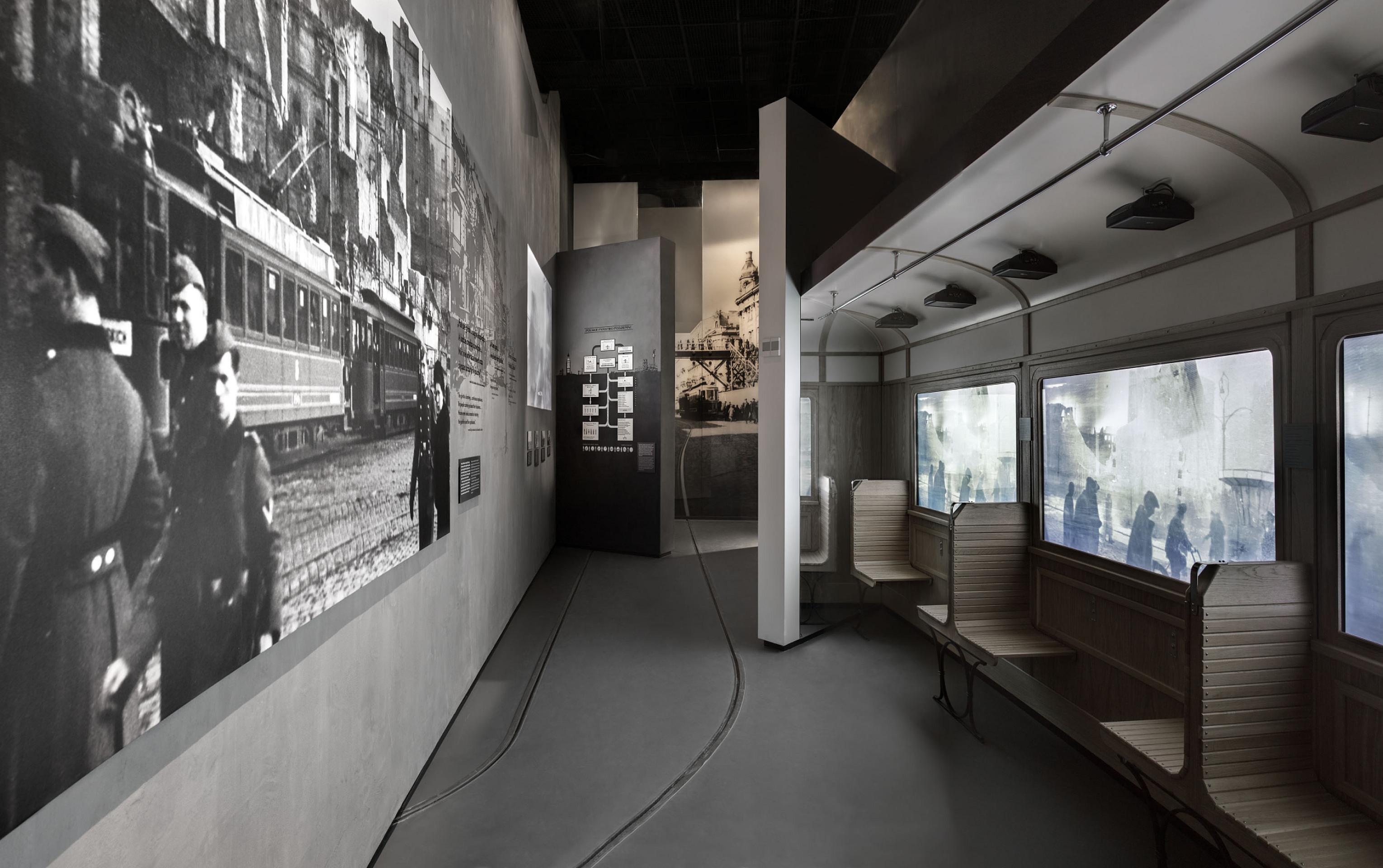
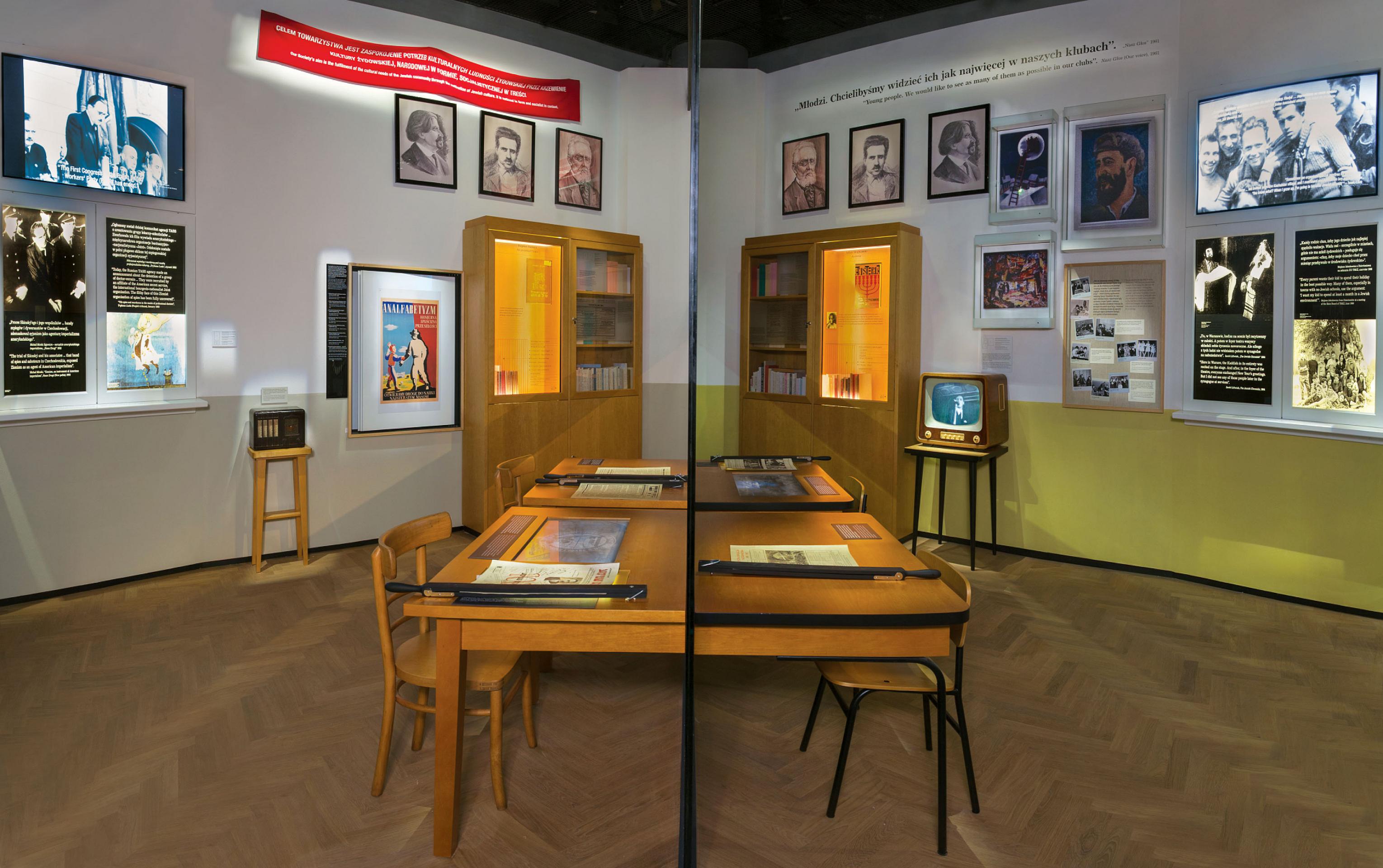
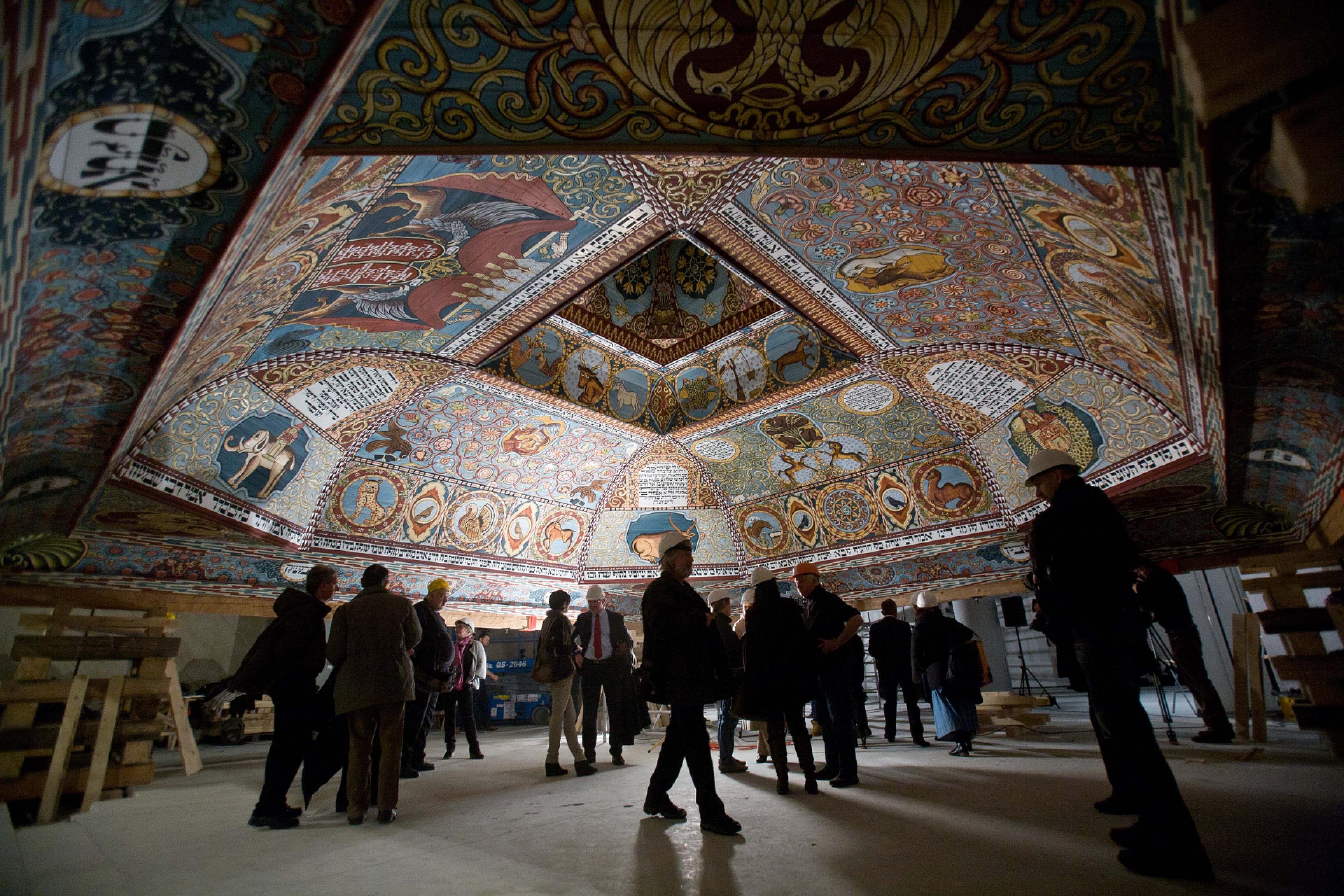
The core exhibition shows the thousand-year-old history of Jews in Poland and their contribution to the country's economical and cultural development, but it also portrays Poland as a multicultural country before the outbreak of the Second World War. The museum wants to be a lively place and make itself stand out with events, concerts and a diverse educational offer. A highlight of the museum is the wooden synagogue of Gwoździec, reconstructed using 17th century techniques.
In 2014 the museum gave itself the name POLIN, which is a reference for the Hebrew and Yiddish word for Poland.
Possibilities
Guided tours, educational offers, publications, events
Open
Thursday and Friday 10 a.m. to 4 p.m.
Saturday and Sunday 10 a.m. to 6 p.m.,
closed on Monday, Tuesday and Wednesday
Contact
polin@polin.pl
+48 (0)22 4710300
ul. Anielewicza 6
00-157 Warszawa