Prisoner of War Camp »Stalag IVB« Mühlberg/Elbe
Kriegsgefangenenlager »Stalag IVB« Mühlberg/Elbe
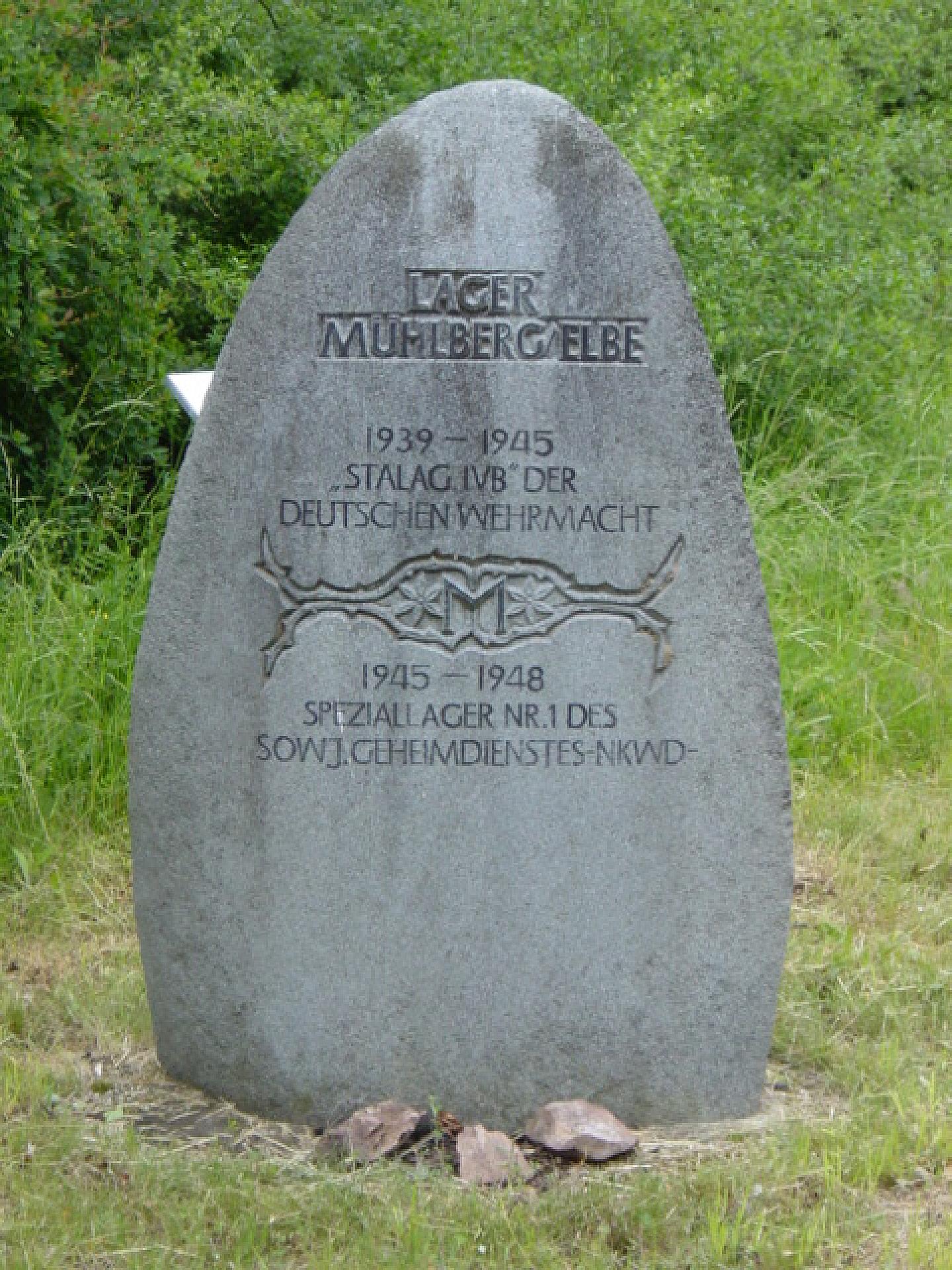
Between 1939 and 1945, the German Wehrmacht operated a prisoner of war camp in Mühlberg/Elbe in Brandenburg. After 1945, the Soviet authorities used it as a special internment camp. Today, several monuments recall into memory the thousands of victims of both camps.
History
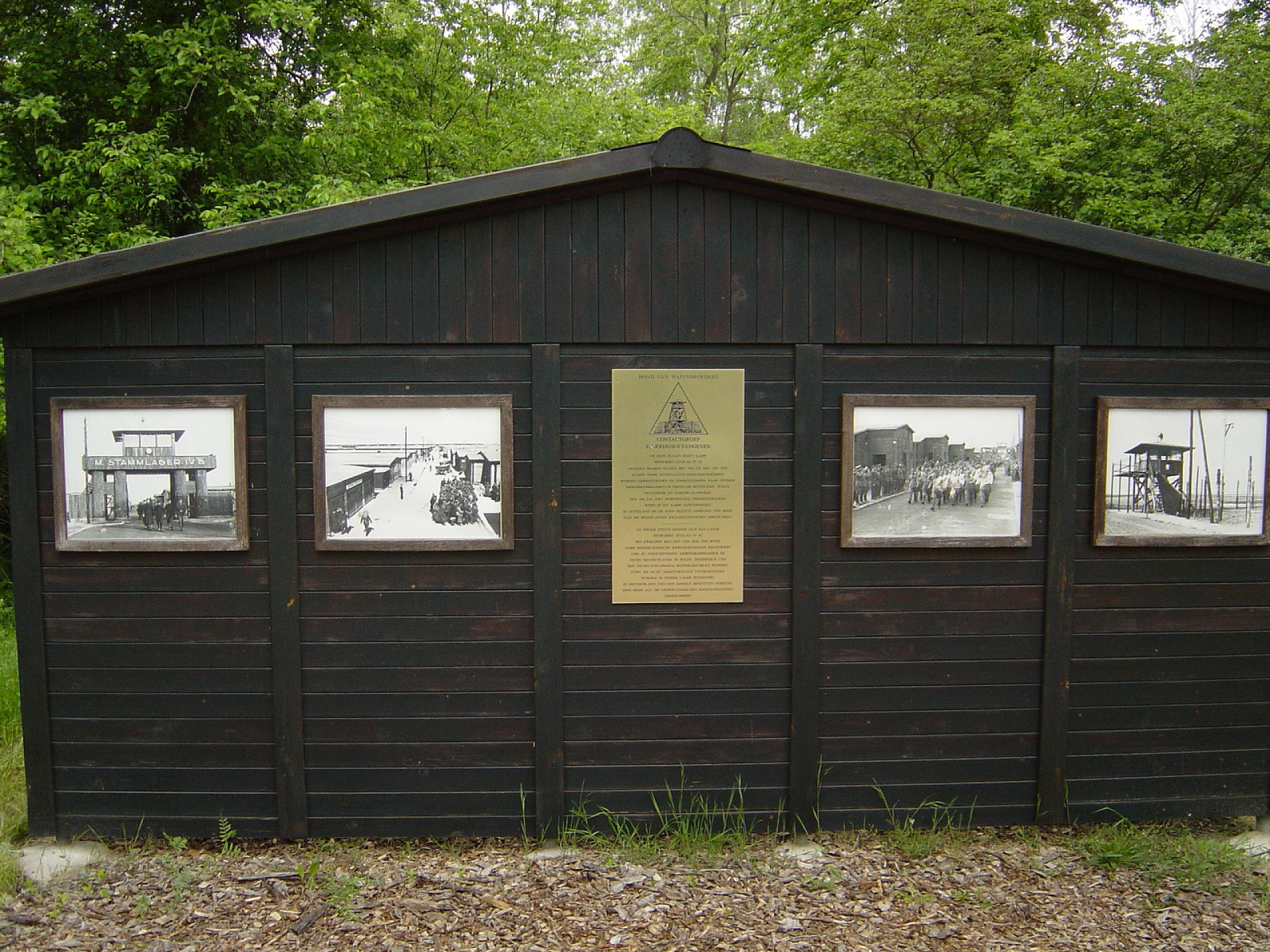
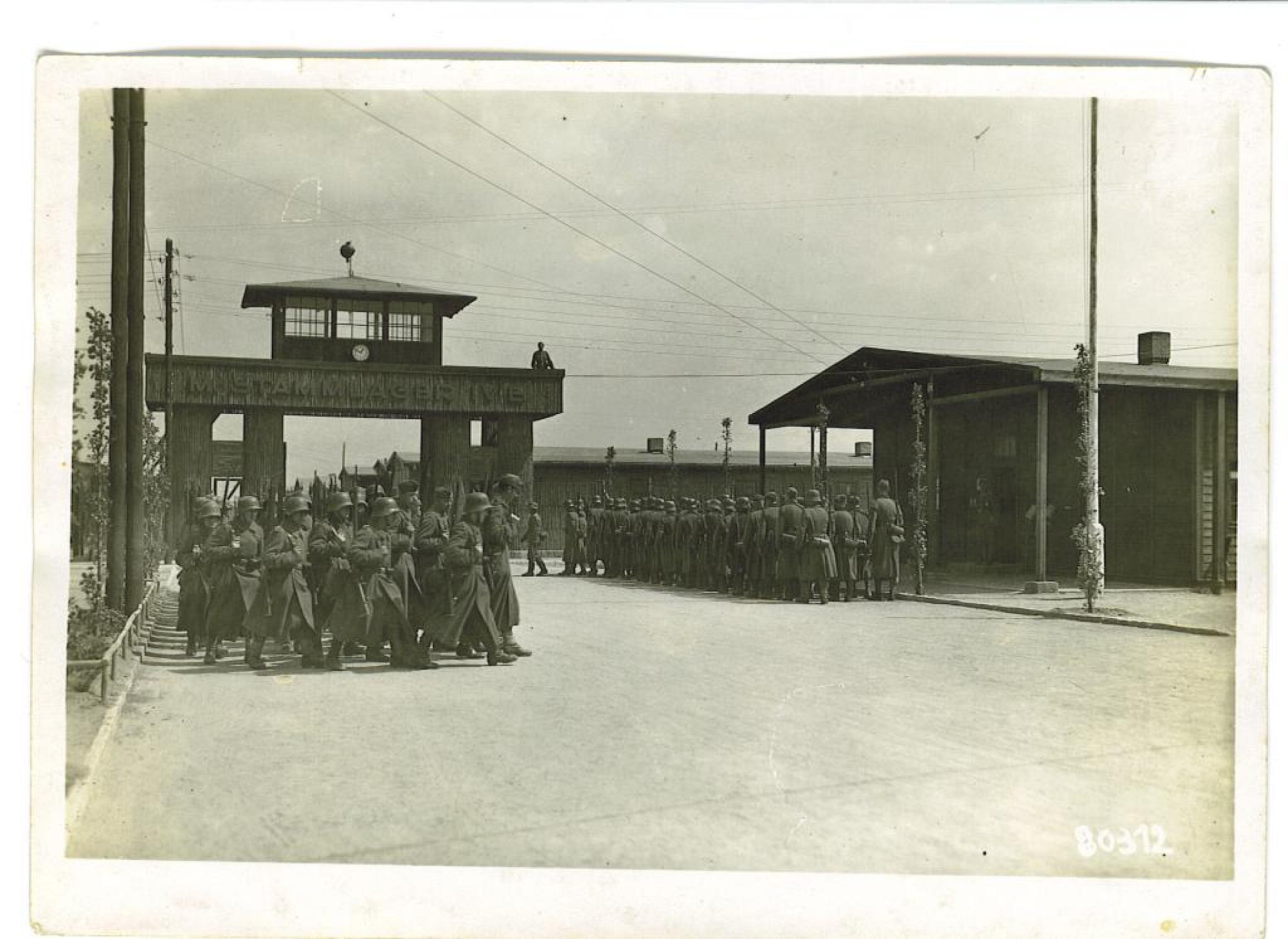
In September 1939, a sapper unit of the German Wehrmacht began construction work for the »M.-Stalag IVB« prisoner of war camp in the meadows of Neuburxdorf near Mühlberg. The first soldiers to be brought here in October 1939 were Polish soldiers. In the winter of 1939/1940 they were accommodated in makeshift tents since no barracks had been constructed yet. Beginning May 1940, »Stalag IVB« admitted French POWs; the following year, Serbian and Soviet POWs were brought here. From 1943 on, Dutch, Italian, Belgian and American soldiers were interned at Mühlberg.
The occupancy at the camp fluctuated since most of the prisoners were deployed in work details in branch camps. Prisoners unfit for labour remained in the camp. The »Stalag IVB« became a transit and registration camp as tens of thousands of prisoners passed through it in the course of the war. According to camp records, there were 25,052 prisoners of war at Mühlberg on January 1, 1945 - twice as many as had initially been planned. At this point, the majority of POWs were Soviet soldiers, who were not subject to the protection of the Geneva Conventions. The conditions they had to endure were especially harsh and inhumane, leading to a high death rate.
The camp was liberated by the Red Army on April 23, 1945, after which the Soviets used it for repatriating »Ostarbeiter«, labourers from the east, and captive members of the Vlasov army (Russian volunteers who fought for the Germans). In September 1945, the Soviet secret police NKVD took over the camp, installing Special Camp No. 1 here. During its existence until 2948, over 21,000 Germans were held here without trial. About 4,000 were deported to the Soviet Union; 6,700 perished at the camp.
Victims
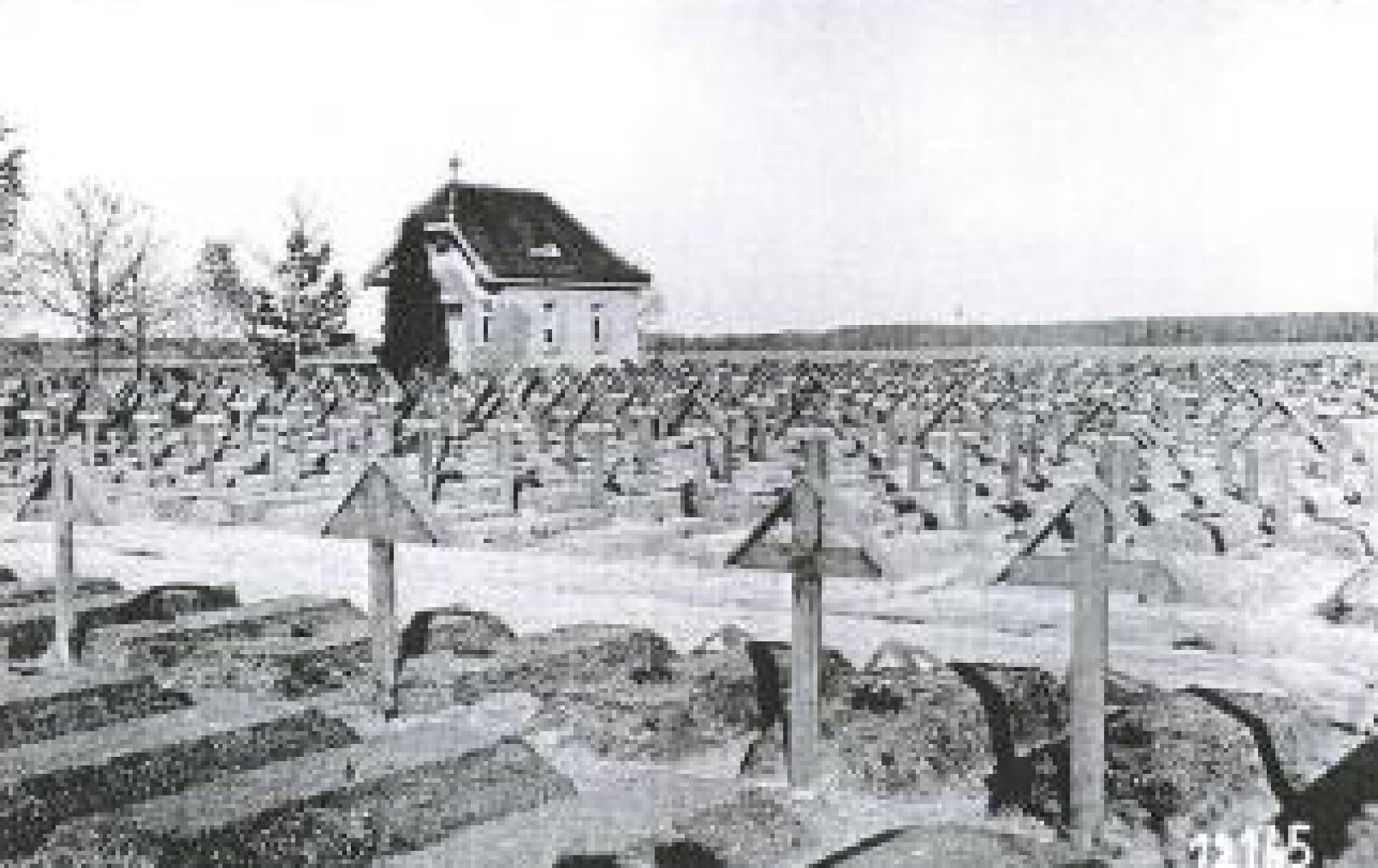
It is estimated that about 3,000 prisoners of war died at »Stalag IVB«. About 6,700 people died at the Soviet Special Camp No. 1 after 1945. The NKVD had their bodies hastily buried in mass graves outside of the camp grounds.
Remembrance
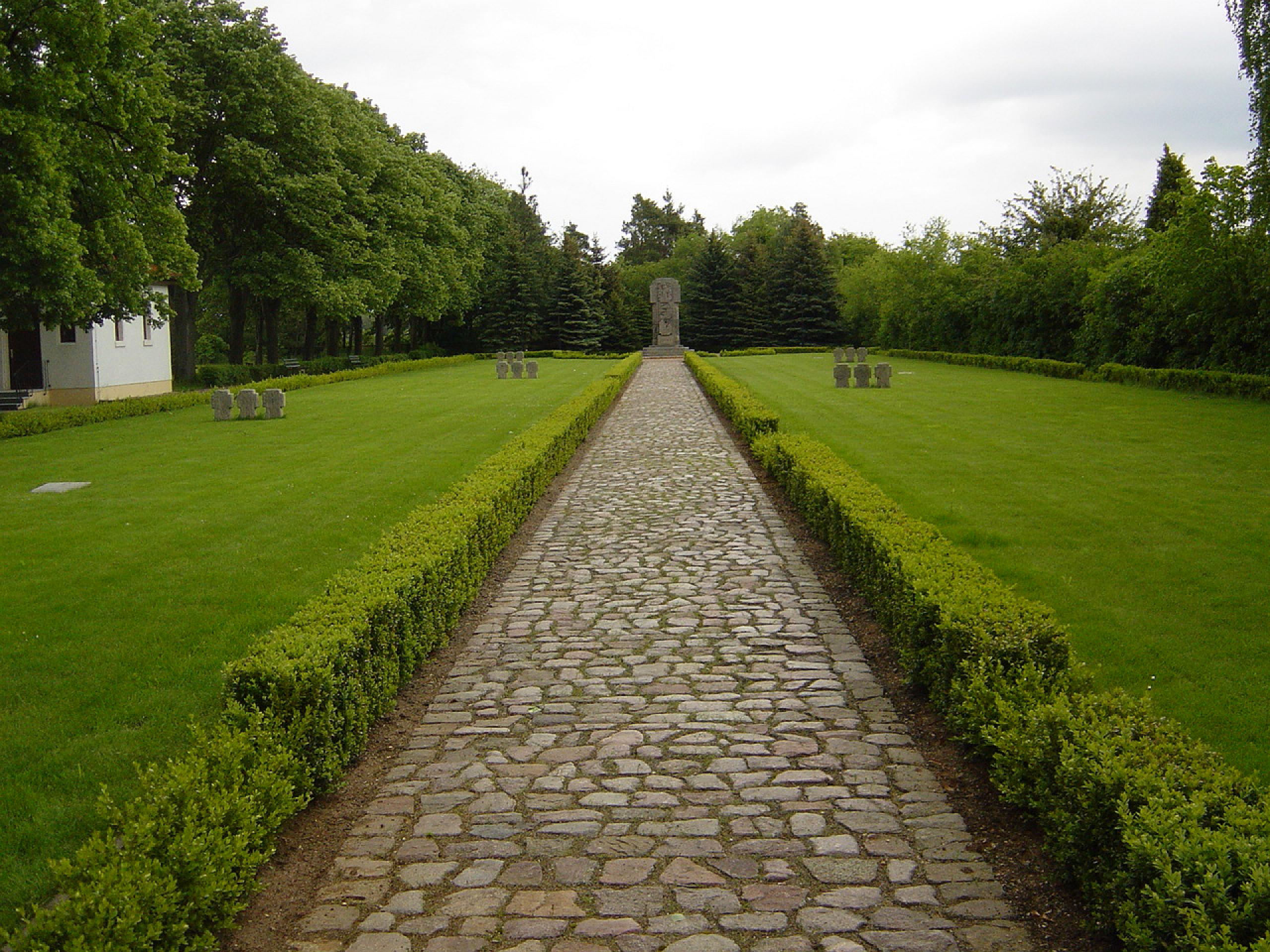
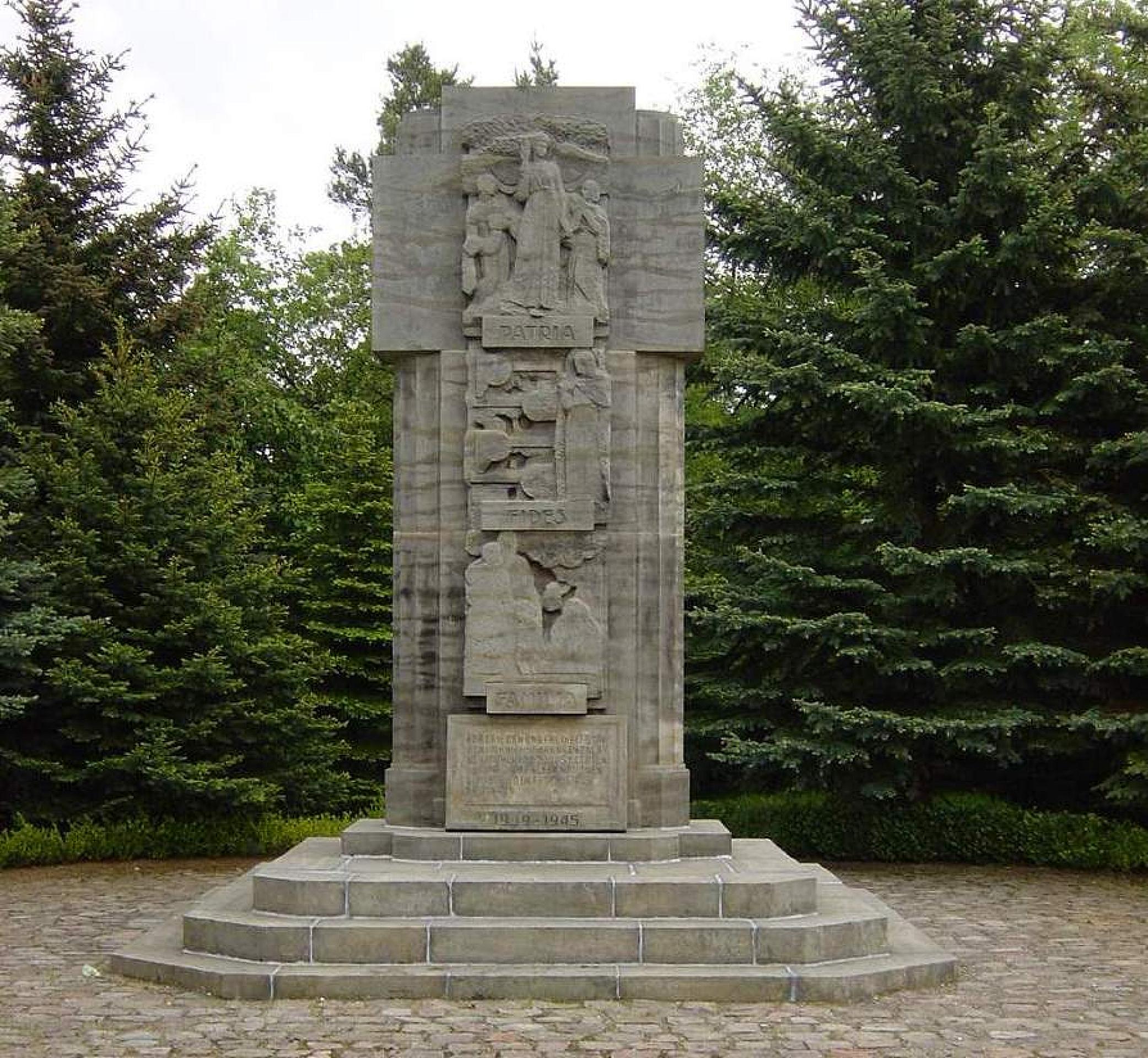
Already on November 5, 1944, while »Stalag IVB« was still in operation, a monument on the prisoners of war cemetery in Neuburxdorf was dedicated, approved by the German military authorities. French POWs wanted to honour their comrades who had died in captivity. After the end of the war this became a war memorial to all the victims of »Stalag IVB«.
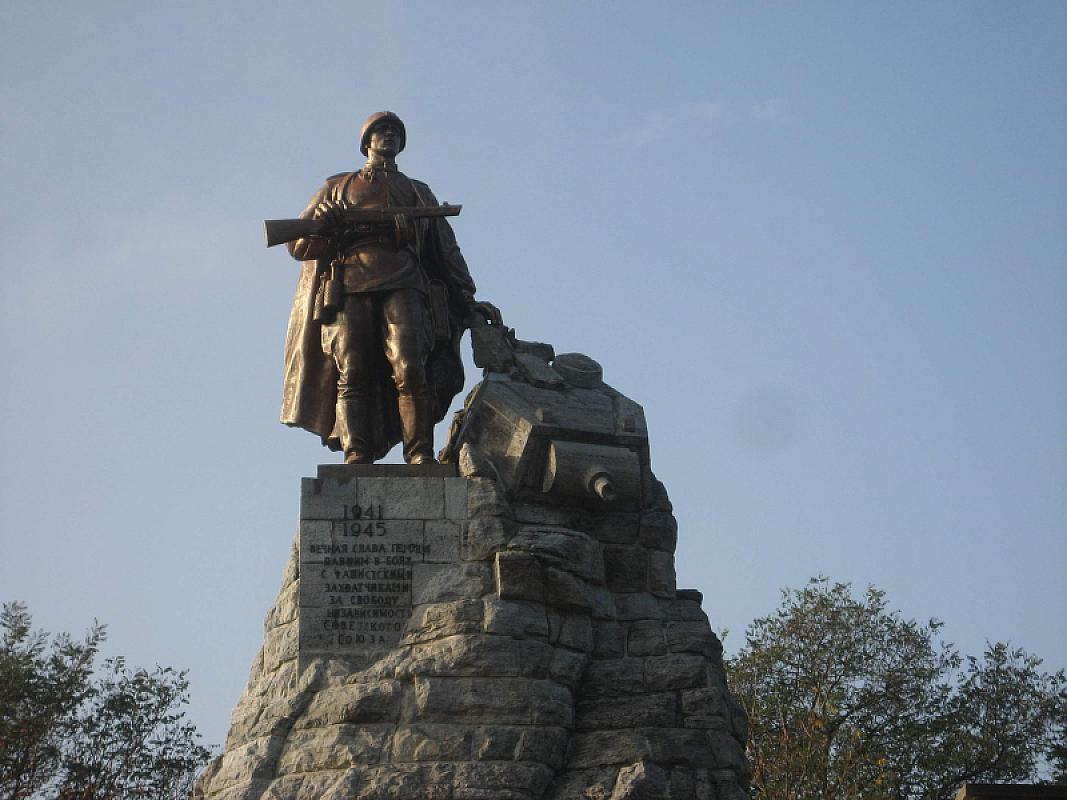
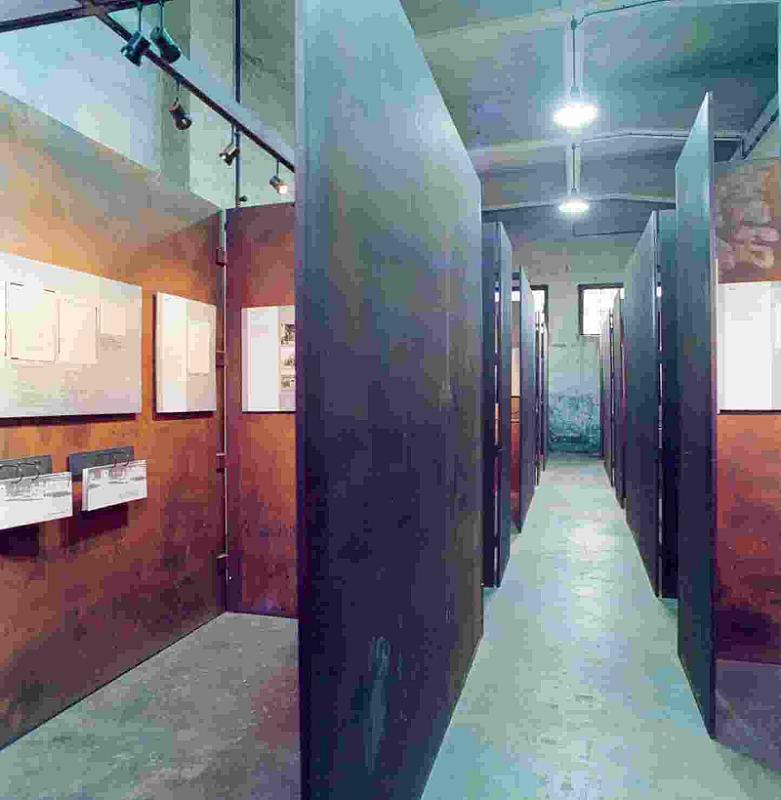
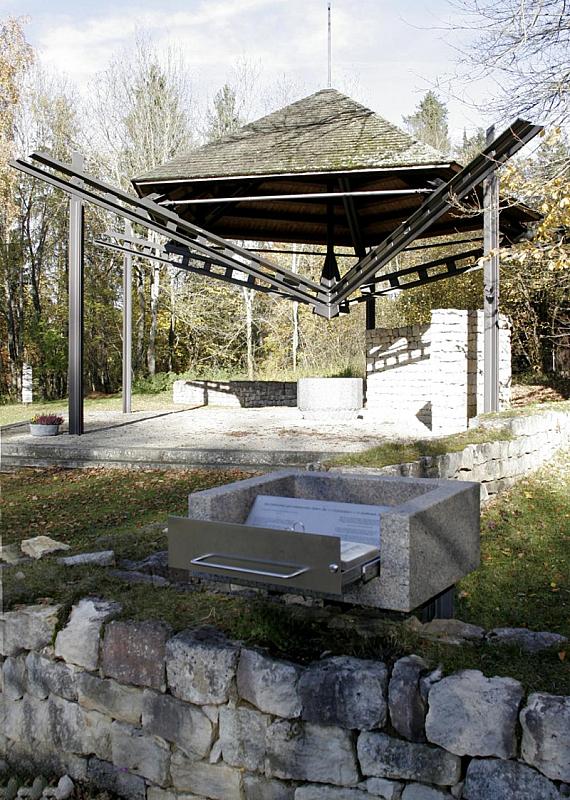
In 2004, an existing memorial complex was renovated with the support of the German War Graves Commission. It is dedicated to the victims of the NKVD's Special Camp No. 1. The municipal museum of Mühlberg presents an exhibition on the history of the camp between 1939 and 1948.
In 1991, the »Initiativgruppe Lager Mühlberg e.V.« support group was founded. It operates thanks to donations and aims to catalogue the names of all the camp's inmates as well document their fates. Together with the town of Mühlberg it is responsible for maintaining the former camp premises and the memorial complex.
Possibilities
Educational and memorial trail on the former camp grounds, informational programs and readings at schools, museums, libraries, project work with pupils, collection and archiving of artefacts and texts by survivors
Open
The premises of the former camp are accessible at all times.
Contact
http://www.lager-muehlberg.de/
infolager-muehlberg.de museum-muehlberg1547@lkee.de (Museum Mühlberg)
+49 (0)35342 837 000 (Museum Mühlberg)
04931 Mühlberg/Elbe