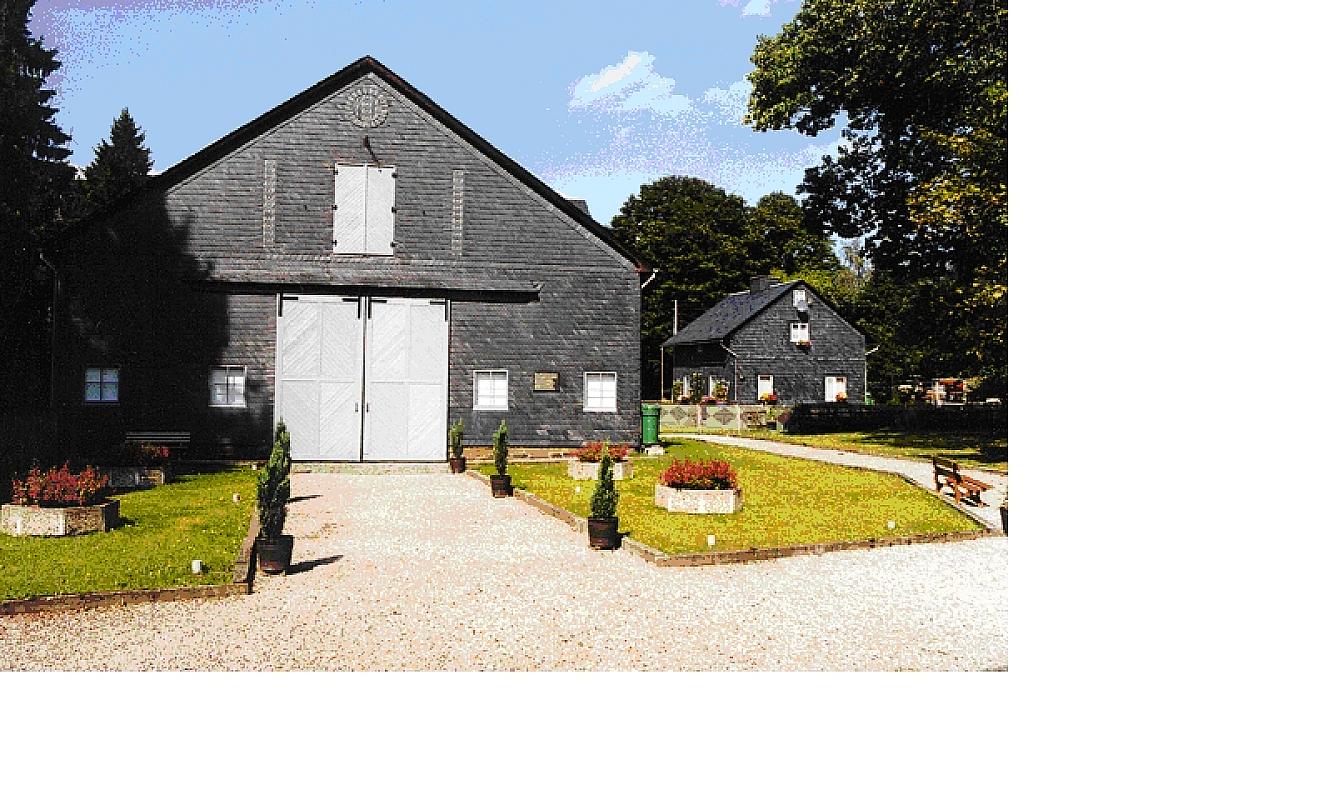
Radegast Station – Łódź Ghetto Holocaust Memorial
Stacja Radegast – Pomnik Zagłady Litzmannstadt Getto
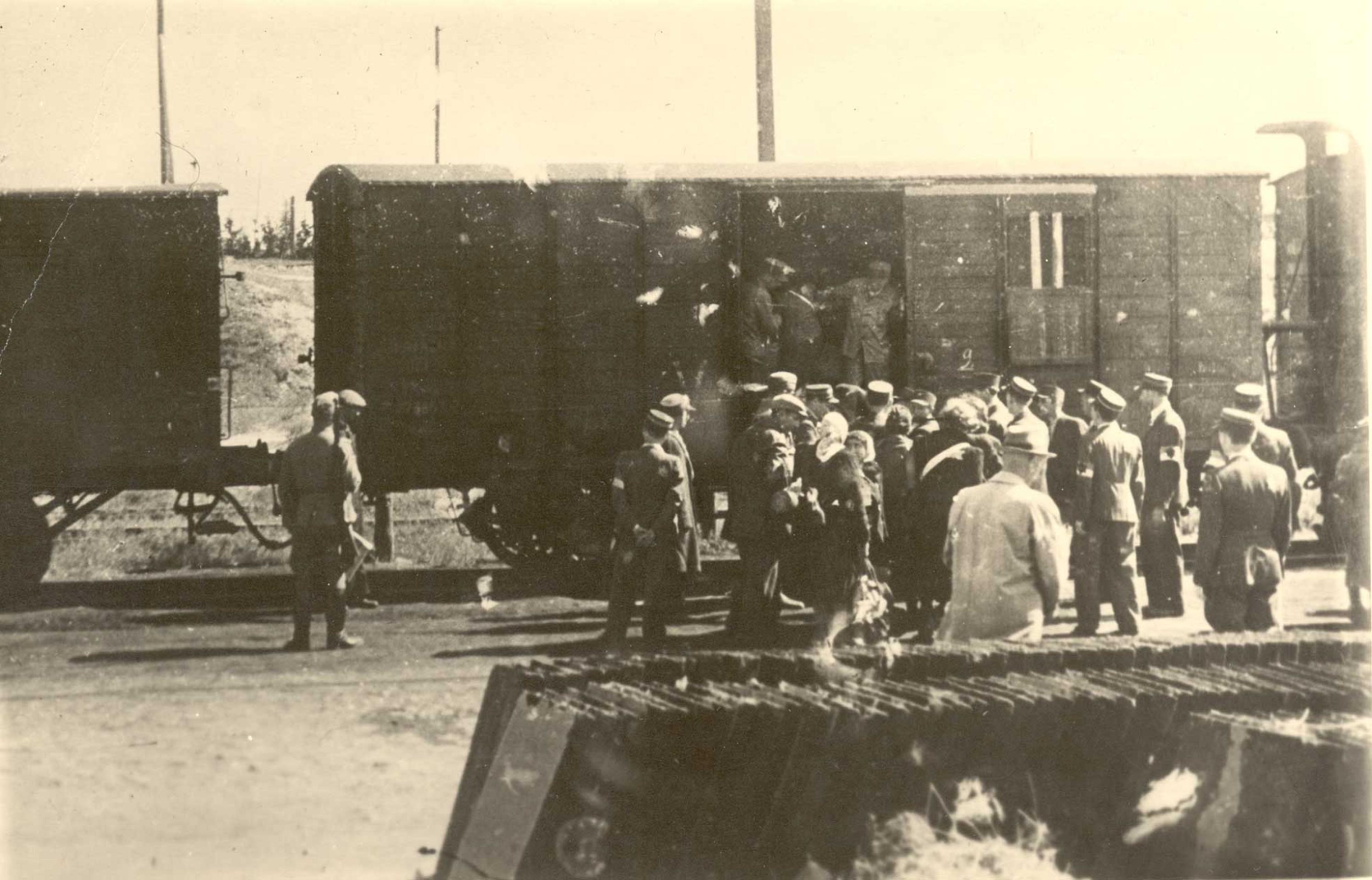
Between January 1942 and August 1944, the German authorities deported Jews and Sinti and Roma from the Łódź Ghetto to the Kulmhof and Auschwitz death camps – all of the transports departed from Radegast Station. Today, a memorial honours the victims of the ghetto and the deportations.
History
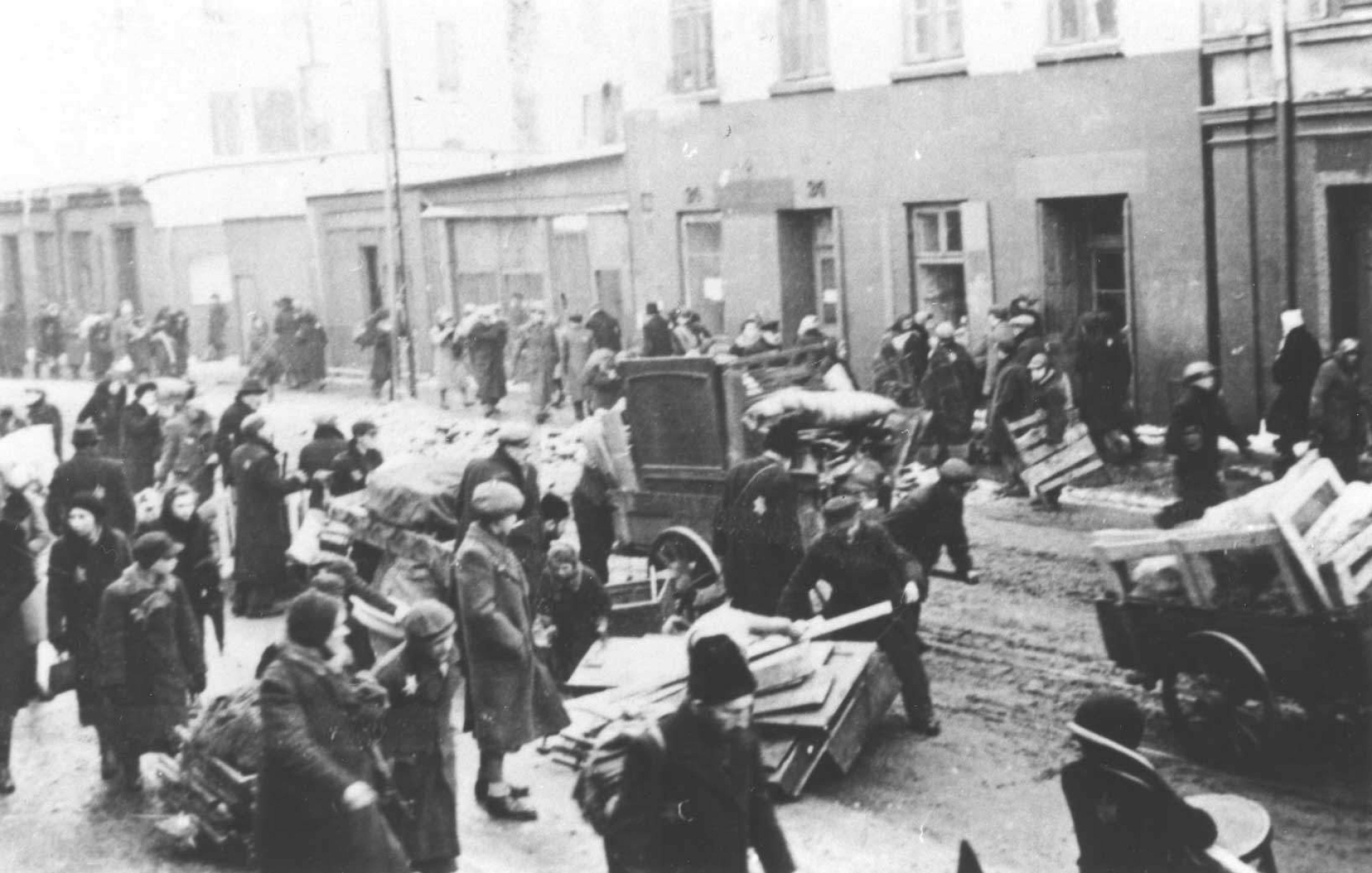
In the 19th Century, Łódź became the centre of the Polish textile industry and the city was home to a large Jewish community. On September 8, 1939, a few days after its attack on Poland, the German Wehrmacht invaded Łódź. The city was incorporated into the German Reich as part of the »Reichsgau Wartheland«. The Polish and Jewish inhabitants of the »Warthegau« were terrorised by the authorities, who planned to expel them from the region and replace them with »Volksdeutsche« – German nationals from Eastern Europe. In October 1939, Jews were no longer permitted to work in the textile trade; in November all of the city's synagogues were burned down. In February 1940, the authorities ordered the resettlement of all Jews to the poor quarter of Bałuty. A ghetto was established, and the Jewish population was to live there until its planned expulsion to the »Generalgouvernement«, the German-occupied, but not annexed part of Poland. The buildings in Bałuty were dilapidated, the quarter didn't have a sewage system or running water. On April 30, 1940, the ghetto was sealed off from the rest of the city. The isolated district was completely overcrowded – since 1940, Jews from western and central Europe had been deported to Litzmannstadt, as Łódź was called after April 1940. The ghetto was transformed into a »labour ghetto«. The Jews were forced to work for the German arms industry and for private companies both within the ghetto and outside of it. A »Judenrat« was installed by the German authorities, which coordinated forced labour deployment and the administration of the ghetto.
1941 marked the beginning of the systematic murder of Jews in Europe. Beginning January 1942, the SS deported Jews from the Łódź Ghetto to the Kulmhof (Polish: Chełmno) extermination camp where they were murdered in »gas vans«. Later, deportation trains from the Łódź Ghetto also went to Auschwitz.
Victims
The living conditions in the sealed-off Łódź Ghetto gradually worsened. The inmates were hungry and they grew weaker and weaker, suffering of rapidly spreading diseases. The situation became even more acute when the SS brought a further 20,000 Jews from Berlin, Frankfurt, Düsseldorf, Hamburg, Cologne, Vienna, Prague and Luxembourg to the already crowded ghetto. In addition, about 5,000 Roma from the Austrian province of Burgenland were accommodated in a »Gypsy camp« within the ghetto.
The chairman of the »Judenrat«, Mordechai Chaim Rumkowski, organised the deportations by orders of the German authorities. He chose who would be deported and instructed the Jewish ghetto police to forcibly bring them to Radegast Station. Between January 1942 and July 1944, there were several waves of deportations to the Kulmhof extermination camp. At the beginning of September 1942, 16,000 ill and elderly people over 65 and children under ten were deported to Kulmhof. In all, the SS murdered about 80,000 people from the Łódź Ghetto in Kulmhof.
Later, the deportation trains from Łódź also went to Auschwitz. Until August 30, 1944, 61,000 people were deported there. Some 43,500 people died in the ghetto alone. They starved or died of illnesses. In the spring of 1944, the German authorities decided to dismantle the ghetto. Some few Jews remained there as part of a »clearance commando«. Only about 870 of the once 200,000 Jews of the city survived in hiding until the liberation by the Red Army on January 17, 1945.
Remembrance
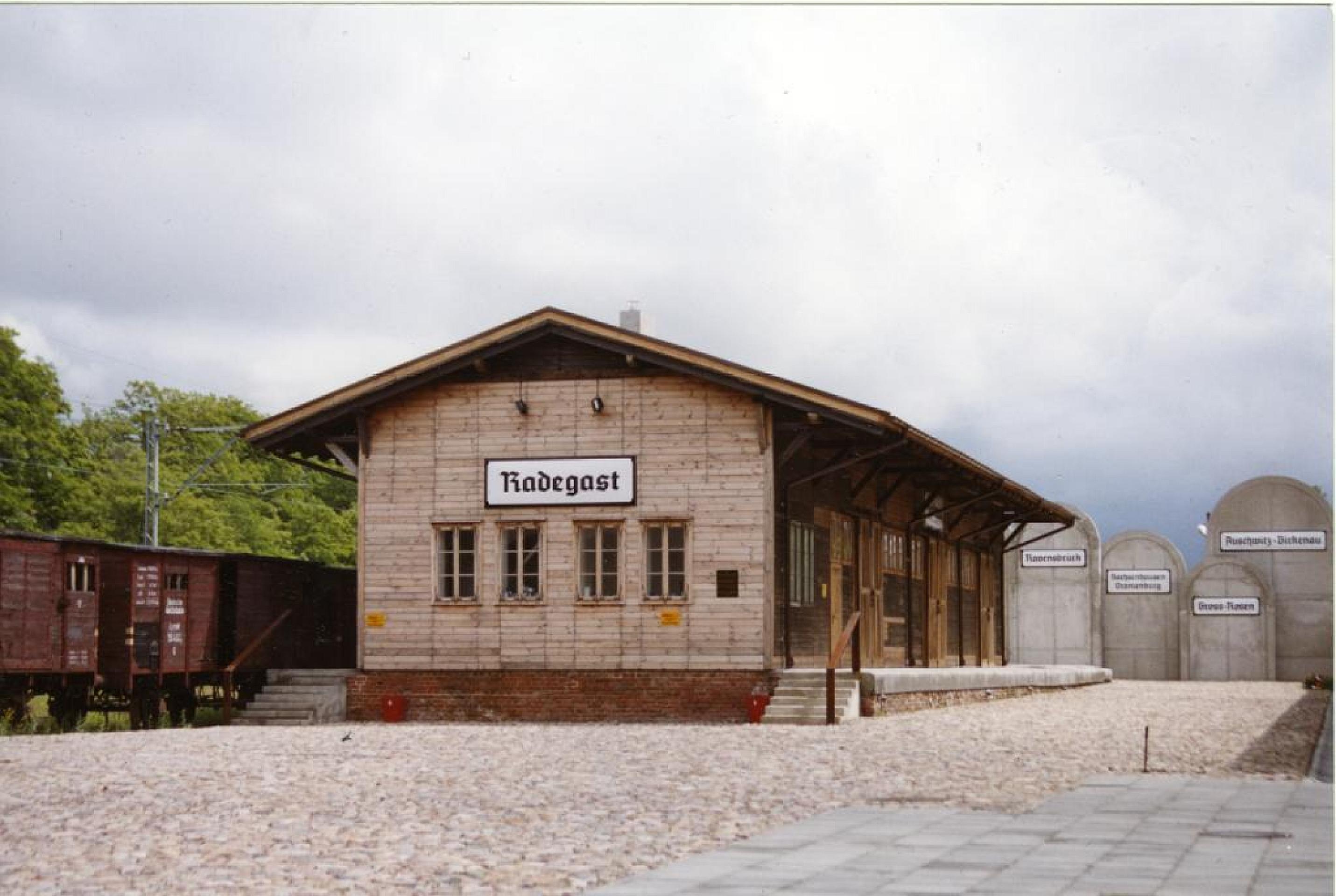
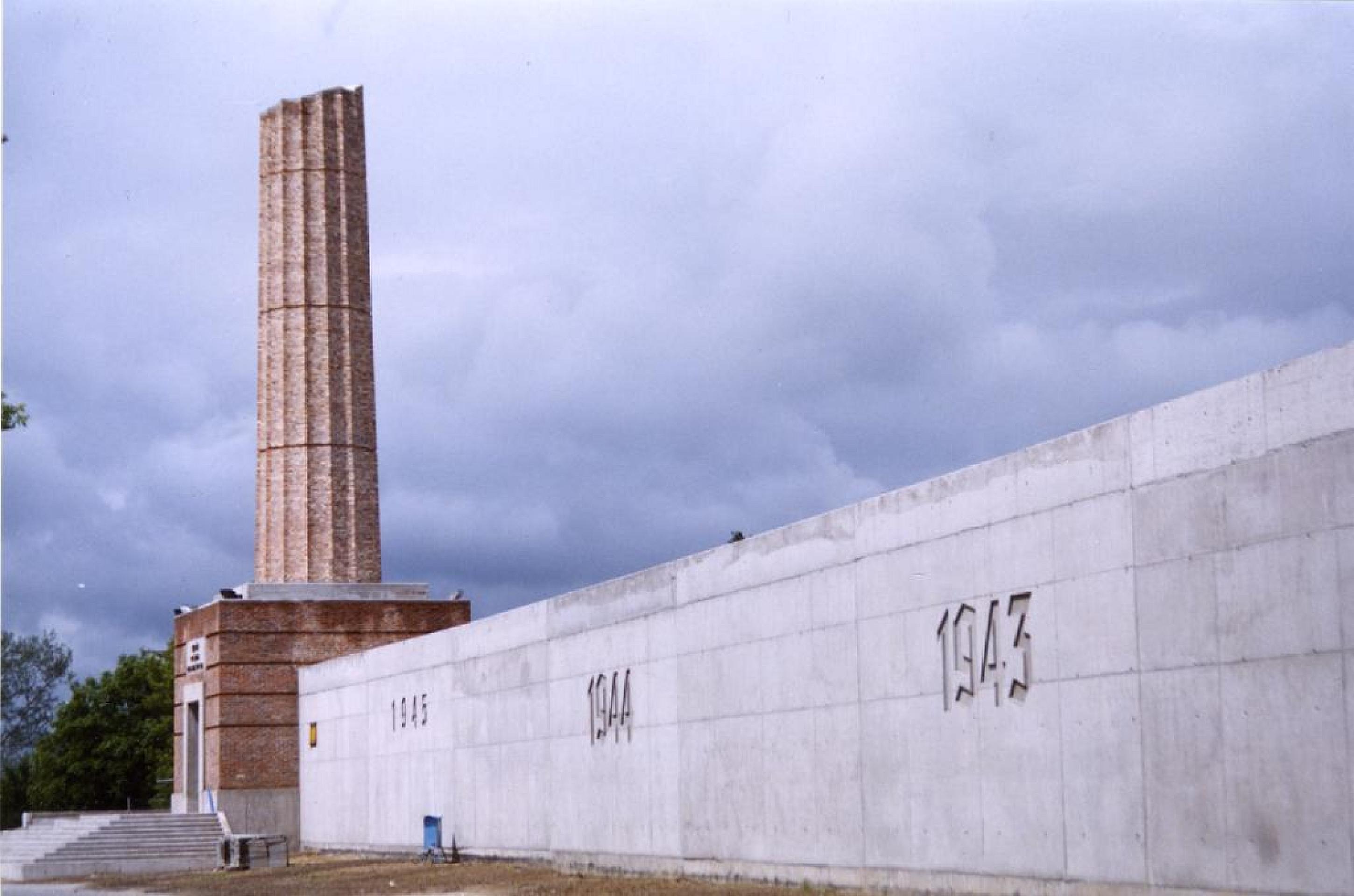
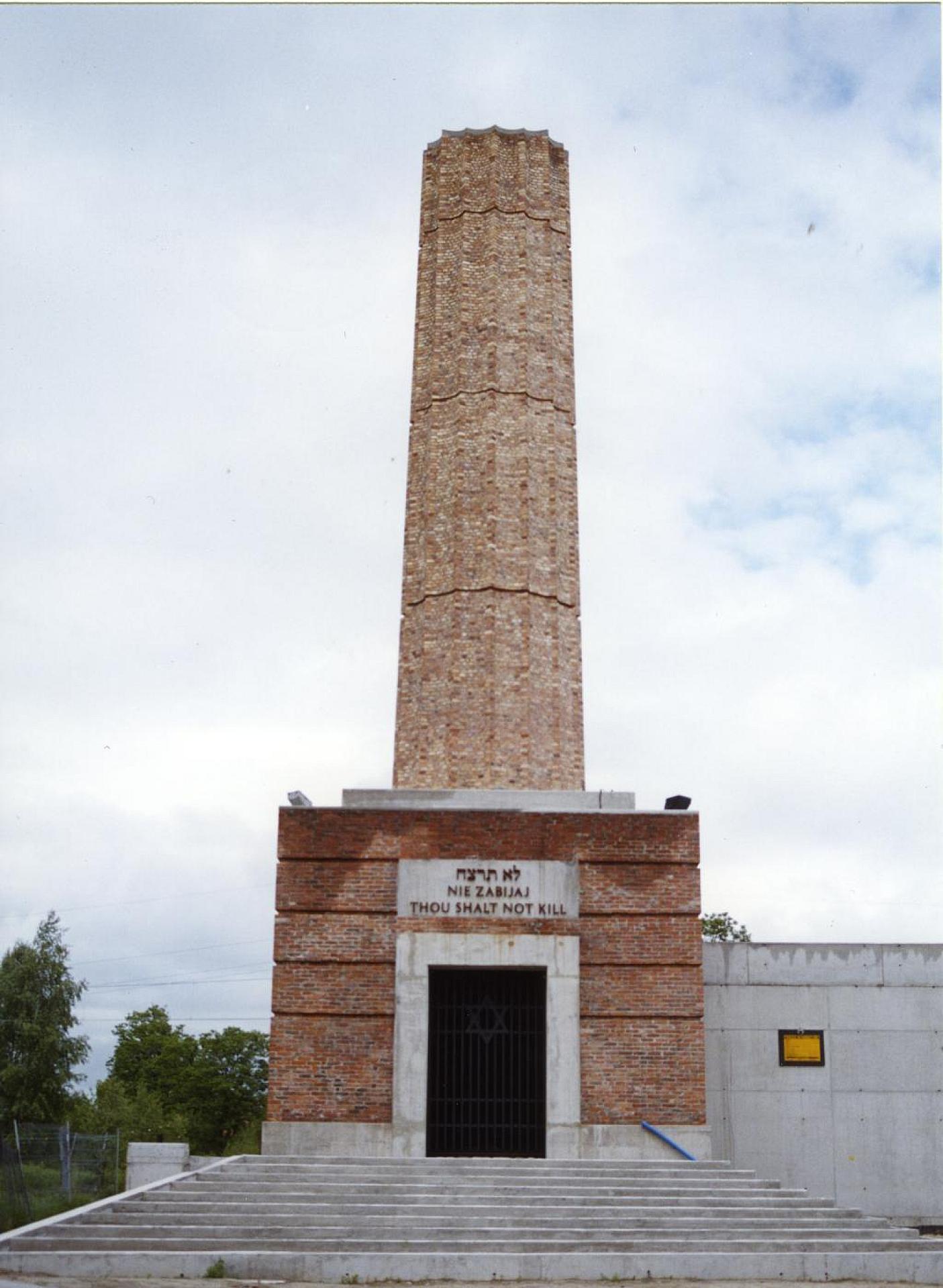
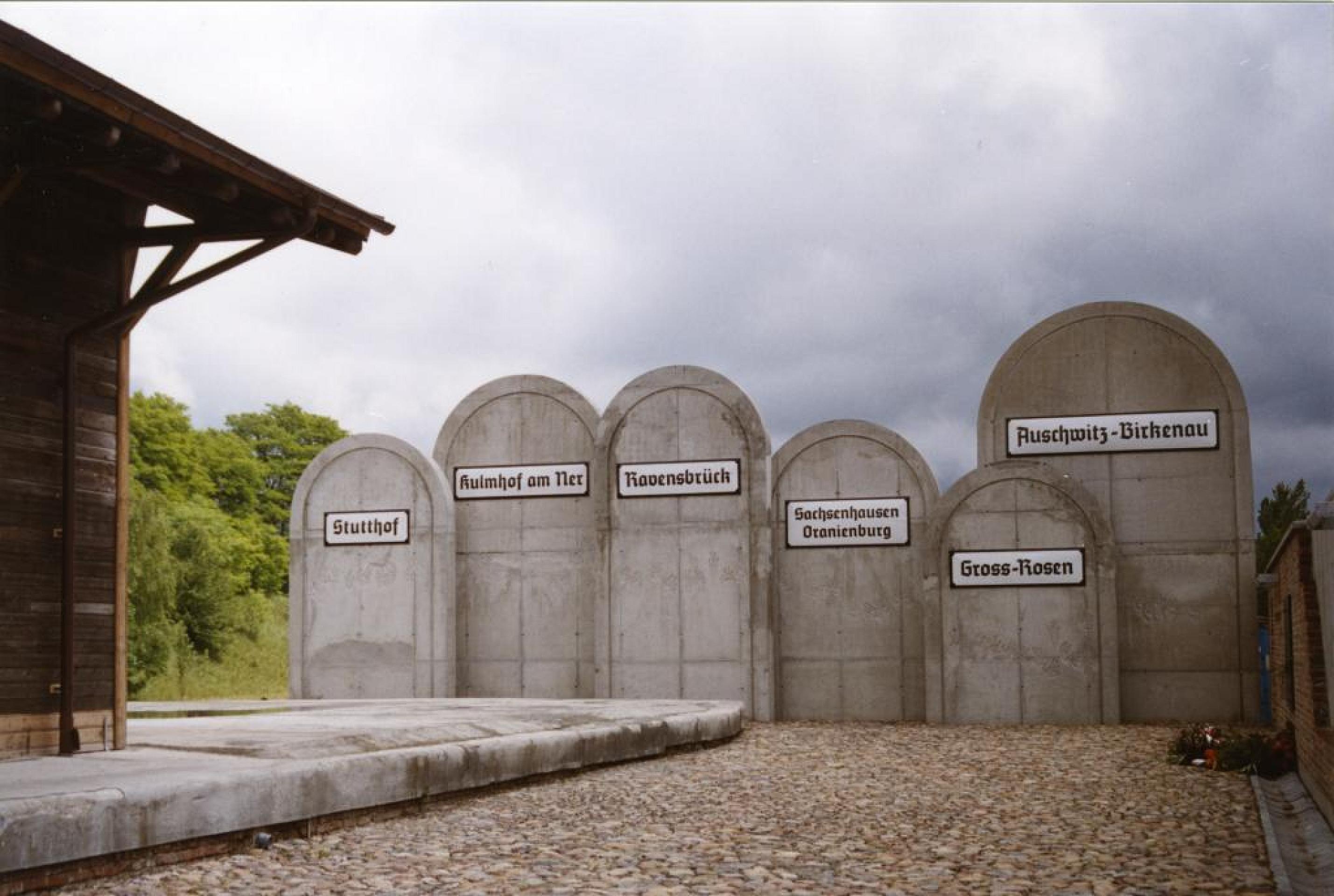
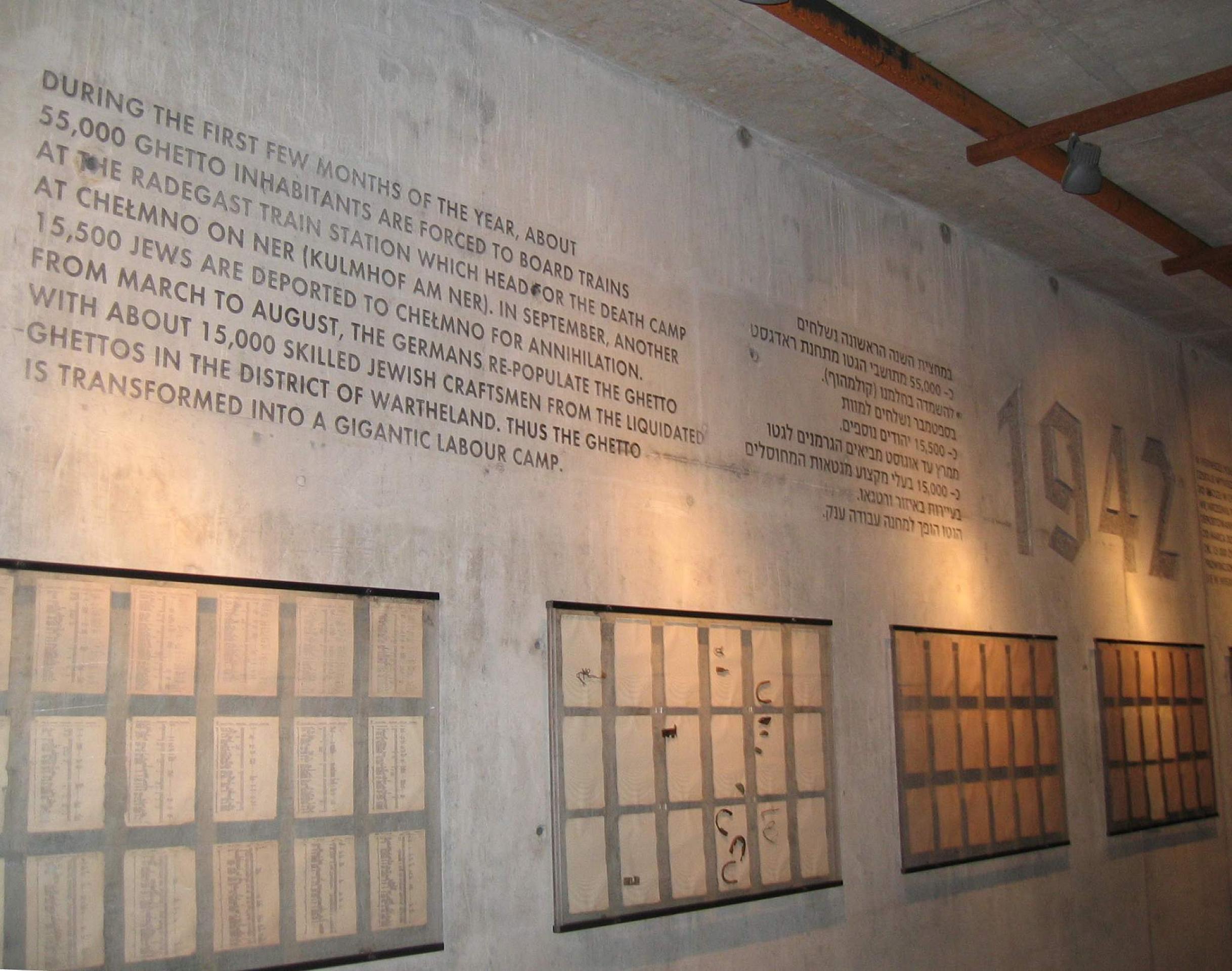
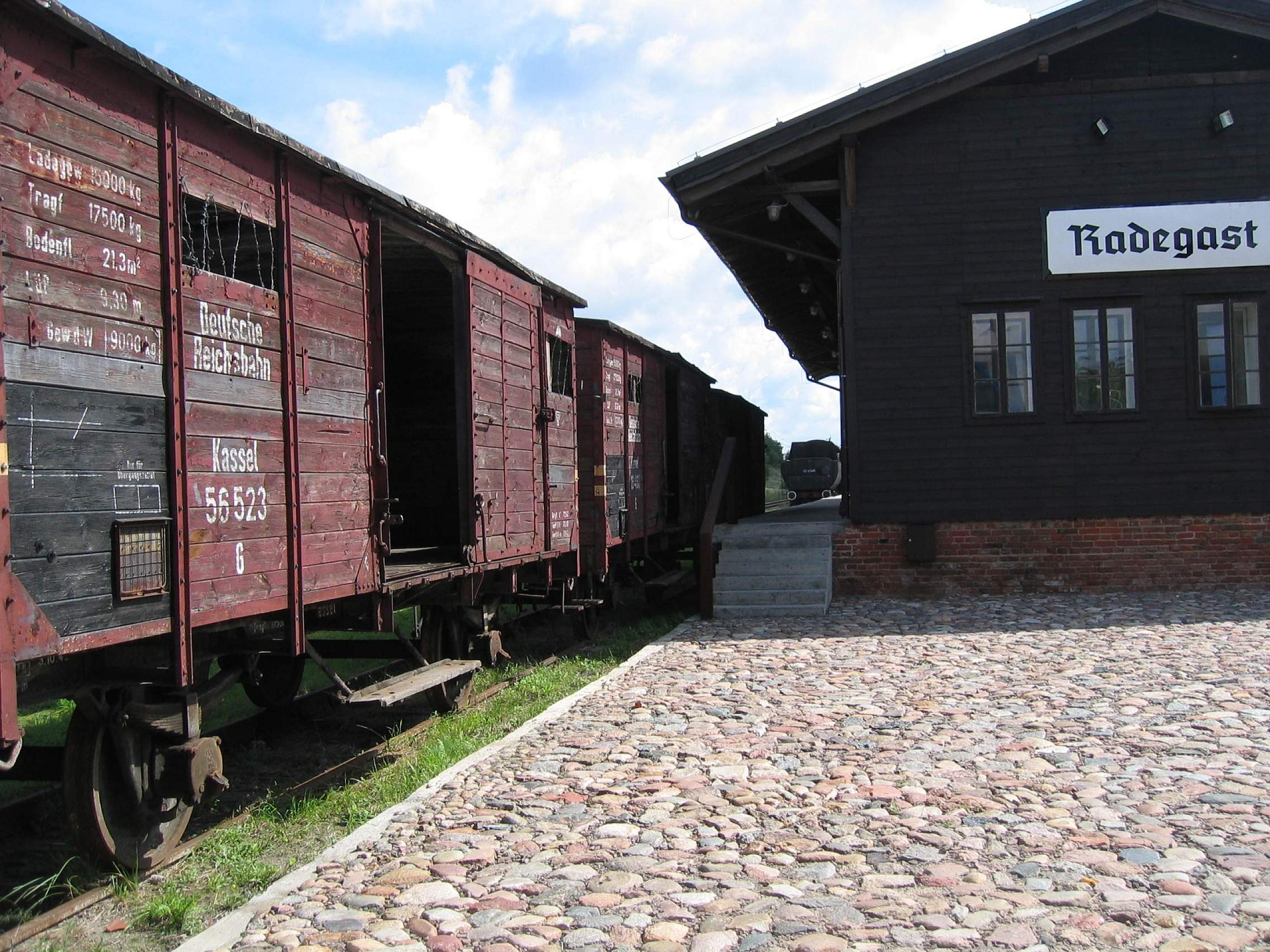
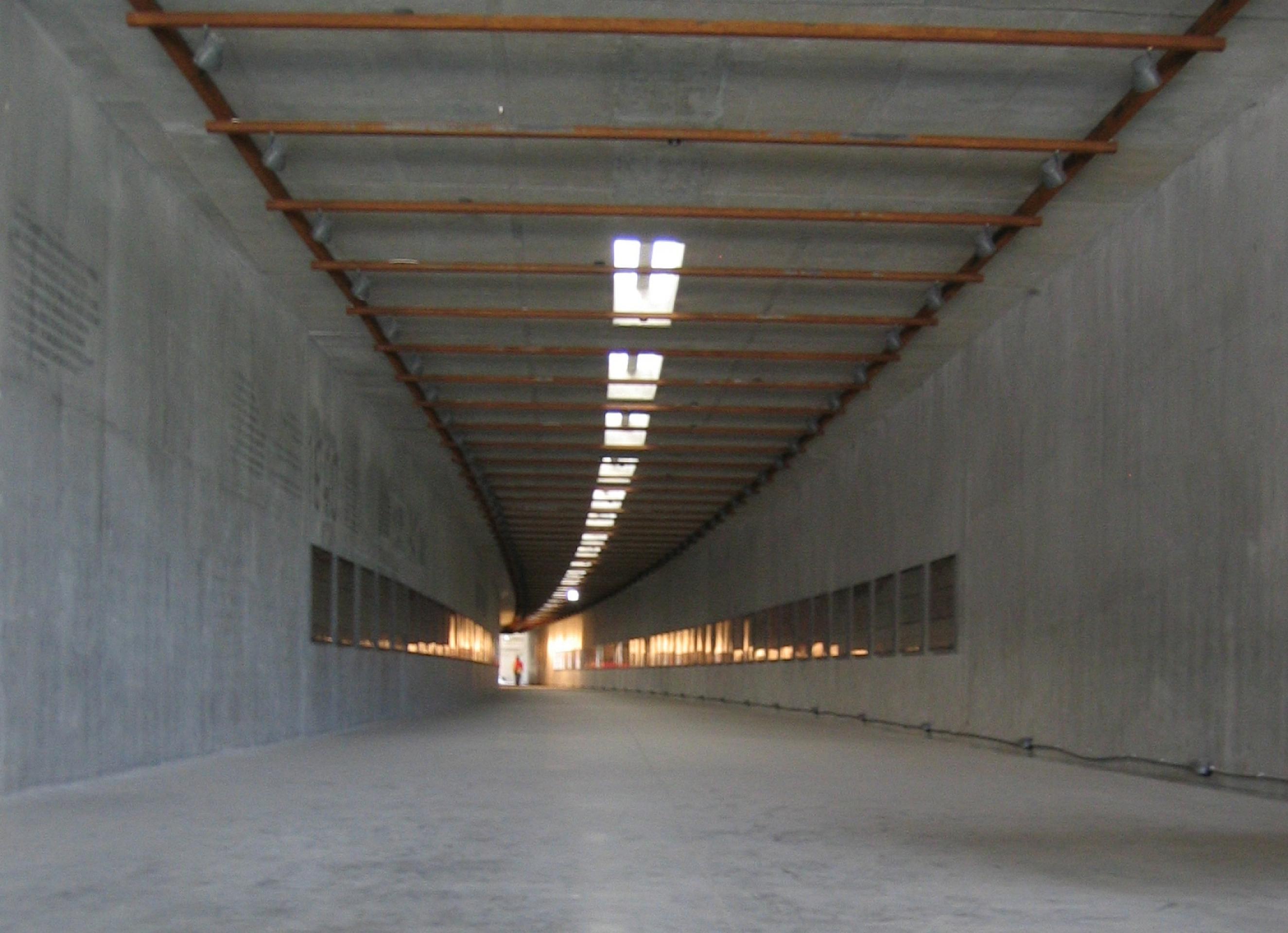
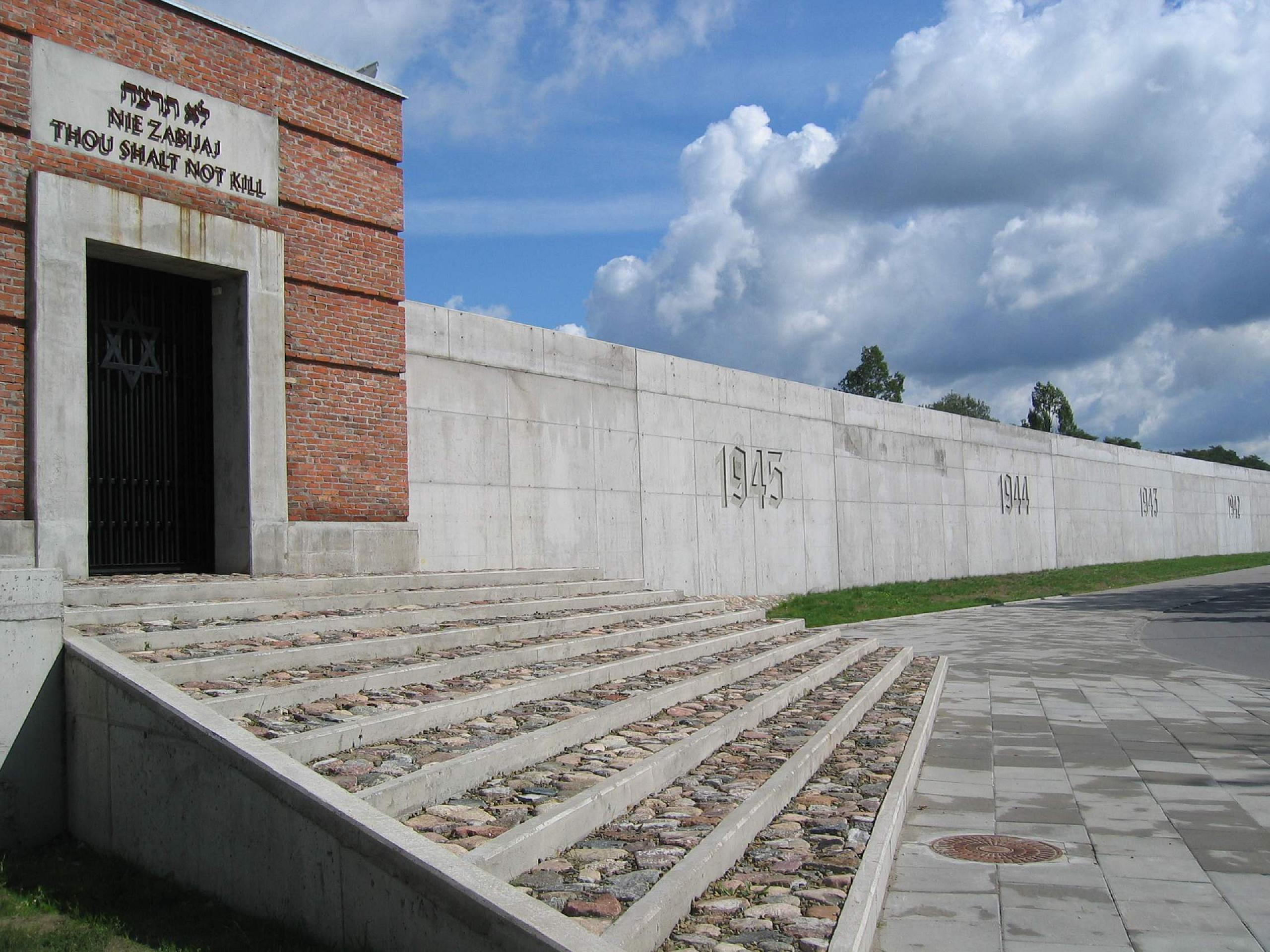
In 2005, the memorial was completed thanks to the Foundation Monumentum Iudaicum Lodzense (Polish: Fundacja Monumentum Iudaicum Lodzense) and donations from Poland and abroad. It commemorates not only the deportations but also calls into memory the conditions in the ghetto. Today, the former wood railway station building houses a museum which contains books with lists of names of those who were deported from Radegast Station to Kulmhof and Auschwitz. An original train of the German Reichsbahn with three cars as well as part of the former track system are on display next to the museum building. The monument shaped like a chimney bearing the inscription »Thou shalt not kill« was designed by Czesław Bielecki. A 140 metre long »Tunnel of the Deportees« presents transport lists of the deported Jews. The history of the ghetto is also presented in an exhibition. Furthermore, six symbolic gravestones bearing the names of German concentration and extermination camps also commemorate the victims of the Holocaust.
Possibilities
Permanent exhibition, temporary exhibitions, guided tours, commemorative ceremonies
Open
Monday to Thursday 10 a.m. to 3 p.m.
Saturday and Sunday 10 a.m. to 5 p.m.
Closed on Fridays
Contact
sekretariat@muzeumtradycji.pl
+48 (0)42 620 0590
al. Pamięci Ofiar Litzmannstadt Getto 12
91-859 Łódź