Skip to content

Railway Exhibition at the German Museum of Technology

Ausstellung Schienenverkehr im Deutschen Technikmuseum


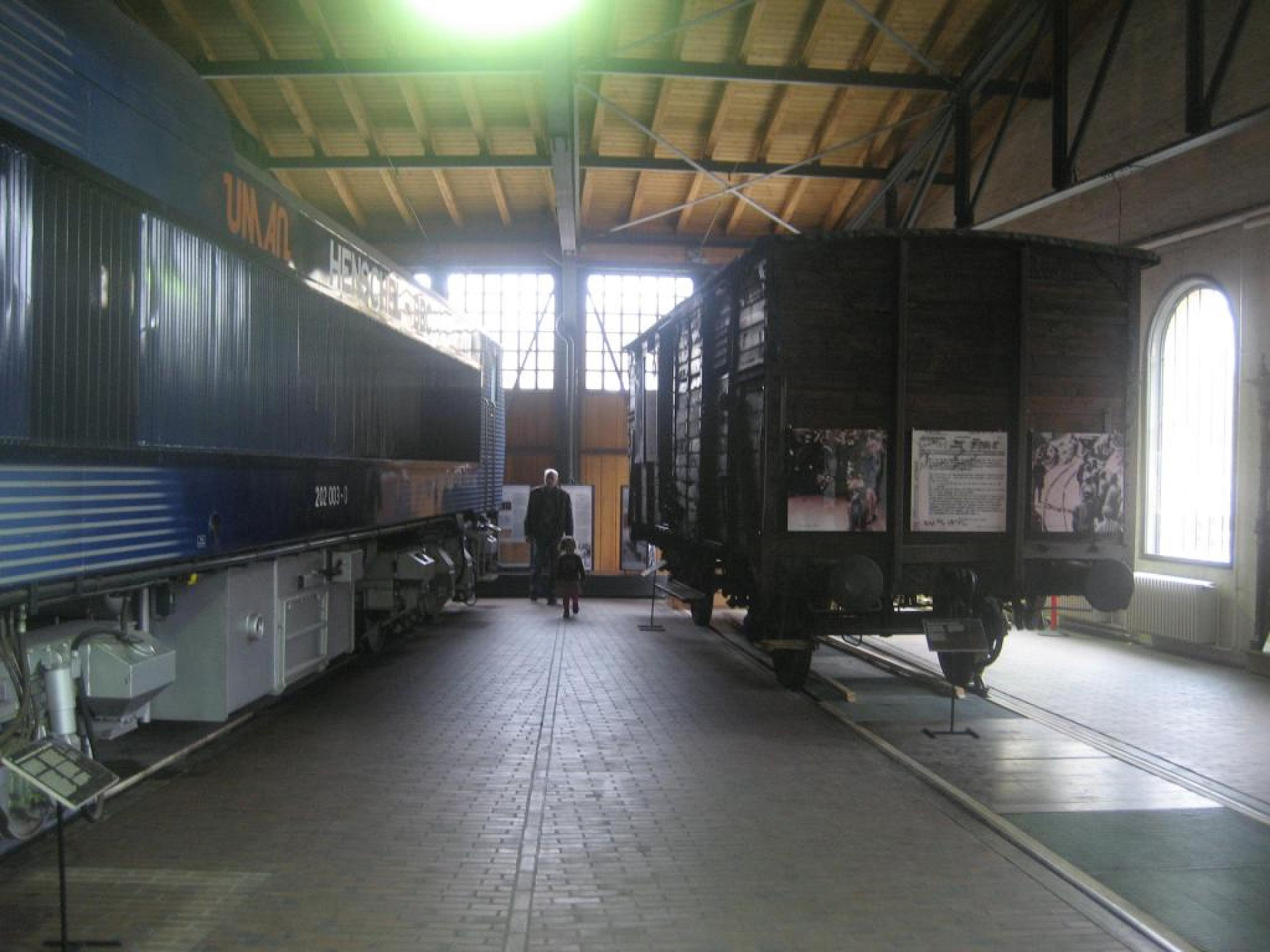
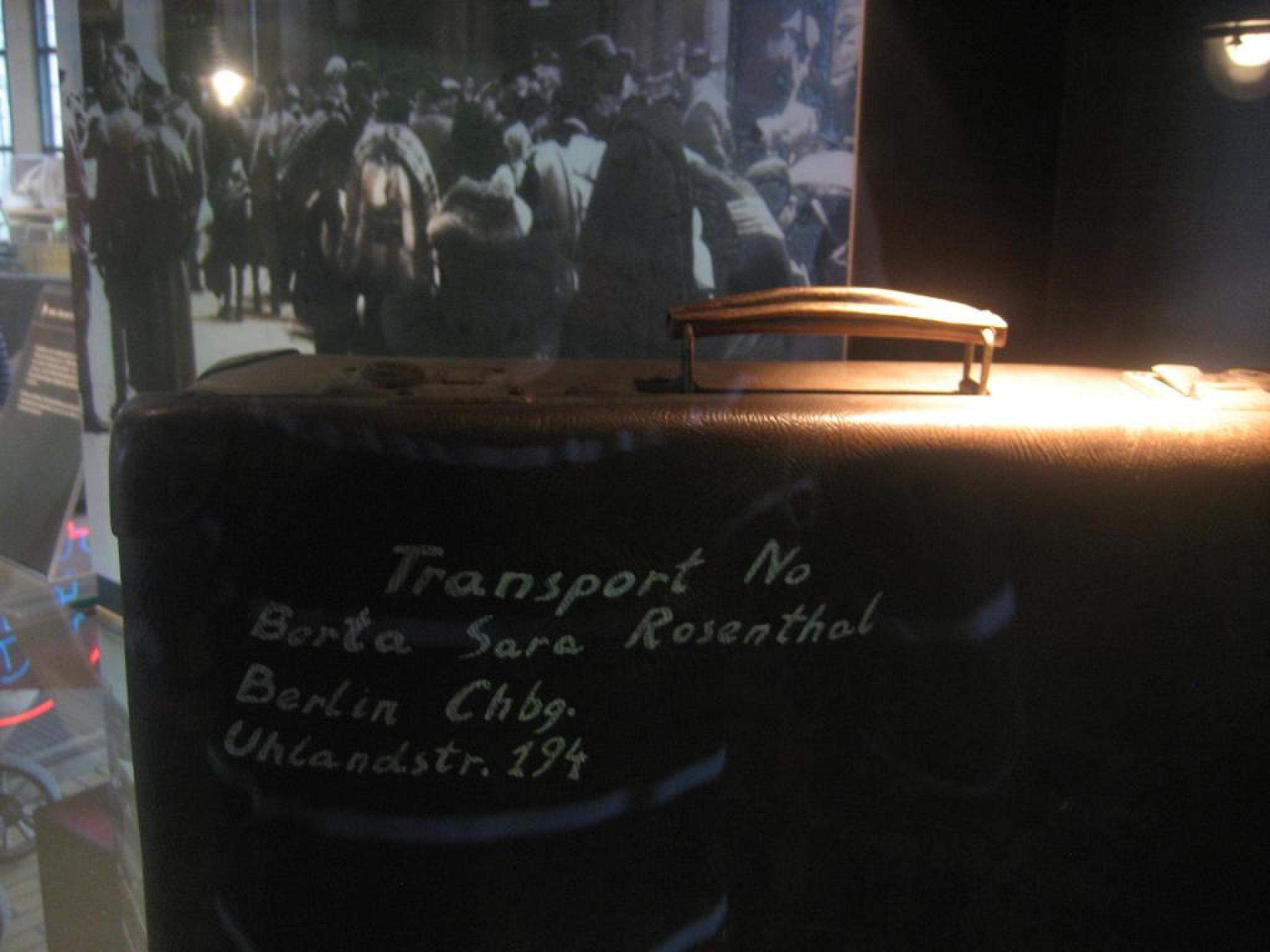
The German Museum of Technology deals in its exhibition with the involvement of the Deutsche Reichsbahn (German Reich Railway) in the Holocaust, and commemorates the deported Jews by presenting individual biographies of deportees.

History

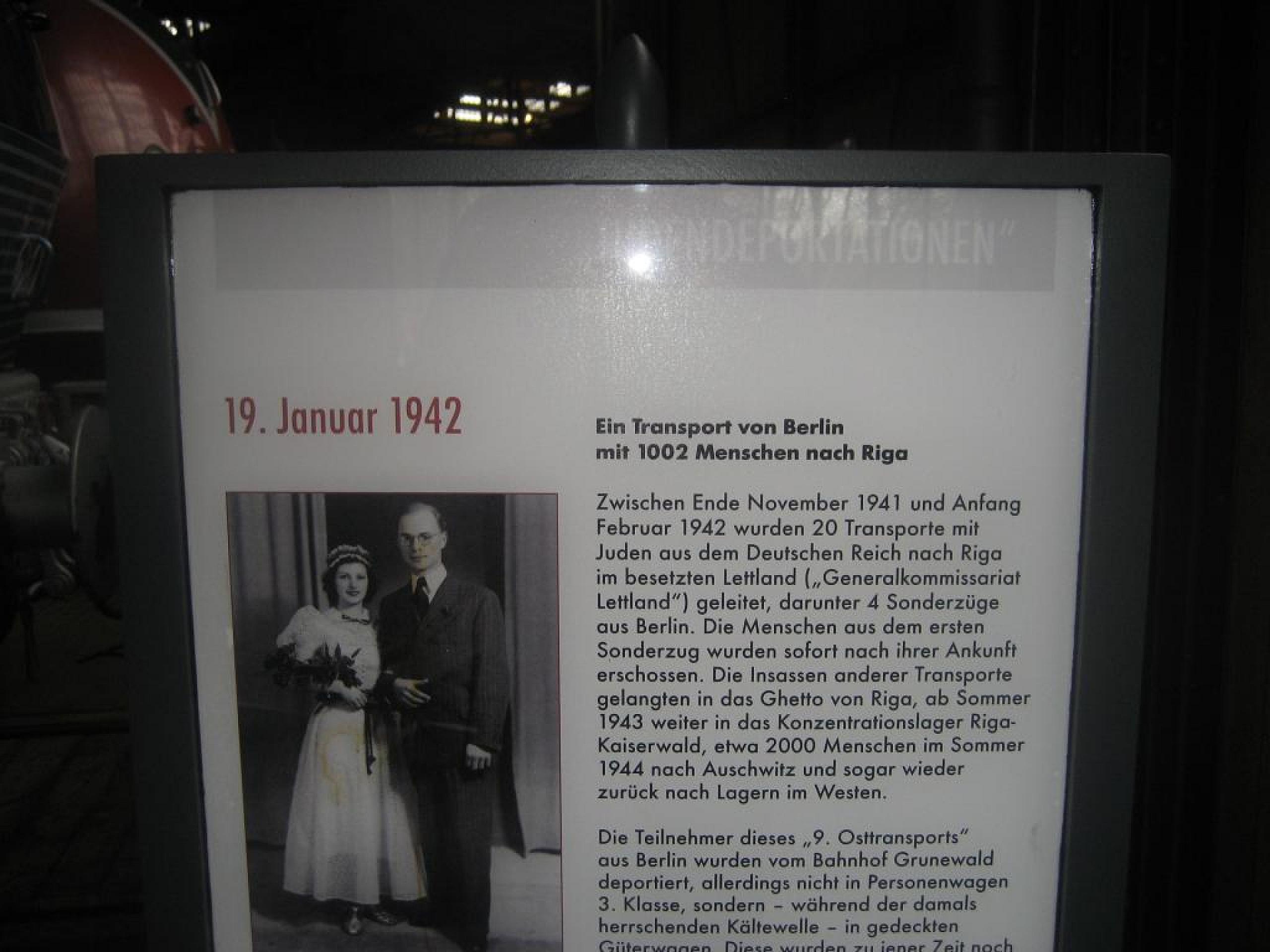
In October 1941, the Berlin-based Reich Main Security Office began deporting Jews from the German Reich to the east, to concentration camps and death camps in territories occupied by Germany. This happened in close cooperation with the Reich Ministry for Transport. All details connected to the deportations were planned by department IV B 4 of the Reich Main Security Office – the section for »Jewish Affairs« led by Adolf Eichmann. Already in 1939, the Reich Main Security Office had made use of the Reichbahn's services in carrying out extensive »resettlement operations«. Department 21 »Mass transportation« at the Reich Ministry for Transport was responsible for all issues concerning the Reichsbahn. It checked all Gestapo orders for special trains and compiled the respective railway schedules. A sub-department coordinated all authorities involved in conducting the deportations. At first, the Reichsbahn used older passenger trains for the deportations, however, from 1942 on, it increasingly began deploying freight trains. The trains could carry up to 1,000 people on one transport. The cost of the »conveyance« of the Jews was charged to the respective Jewish community: 4 Pfennig per adult per kilometre, 2 Pfennig for children. The Reichsbahn granted a discount for transports carrying over 400 people.
Victims

About 130,000 Jews were deported by train from the German Reich to ghettos and death camps in the east. Some 180 trains carrying over 50,000 Jews departed from Berlin alone.

The entry to power of the National Socialists in 1933 heralded the state persecution of opponents of the regime, Jews, Roma – who were classed as »gypsies« -, the sick and many other groups. For the first time, anti-semitism became part of the government policy of a modern state and the persecution of all groups was progressively heightened. The process was characterised by the interplay between state regulation, violence from supporters of the regime and rabble-rousing propaganda from the press. The acts of terror against the Jews in November 1938 (»The Night of the Broken Glass«), culminating in around one hundred deaths, marked the prelude to the complete exclusion and murder of the Jewish minority. With the outbreak of the Second World War in September 1939, large parts of Europe fell under German control. In Eastern Europe in particular a multi-tiered system of camps and extermination sites was established, in which the SS murdered up to six million Jews, among them around 165,000 German Jews. It is estimated that around seven million Germans lost their lives in the war, including almost 3.5 million civilians. Around 28 million residents of the occupied Soviet Union (both soldiers and civilians) and three million non-Jewish Poles met a violent death. These groups are still barely commemorated in Germany. Germany came under Allied occupation in 1945 and 1949 saw the foundation of the German Democratic Republic (GDR) and the Federal Republic of Germany (FRG), who had very different cultures of remembrance. The GDR profiled itself as an »antifascist« state. The former concentration camps at Buchenwald, Ravensbrück and Sachsenhausen became »National Memorials« and primarily documented the communist resistance during the war. In the Federal Republic, the dominant memory was initially of the victims of Allied bombing raids and those who had fled or been expelled from their homes in the former territory of the Third Reich. It was left to specific groups to remember Nazi persecution, the Holocaust or the resistance. With the exception of the war crimes trials, there was no public discussion of perpetrators or involvement in crimes. However, the situation was to change in the mid-1960s, when the statute of limitations for murder was lifted following a lengthy debate. Also during this period, memorial sites were established at former concentration camps (1965: Dachau and Neuengamme; 1966: Bergen-Belsen) and the German Resistance Memorial Centre was opened in 1968 in West Berlin. However, it was not until the 1980s that a diverse and often small-scale landscape of memory developed as the result of local initiatives. Following German unification in 1990, a national memorial site concept was developed and there was a major review of German sites of memory. The Memorial to the Murdered Jews of Europe in Berlin was inaugurated in 2005. The Topography of Terror, a comprehensive documentation of National Socialist crimes and perpetrators, has opened with a new centre in May 2010; the documentation centre »Flight, Expulsion, Reconciliation« followed suit in 2021. In the meantime, central memorials in Berlin have been erected to commemorate further groups of Nazi victims as well: the murdered Sinti and Roma, the patients murdered in the context of the Nazi’s »Euthanasia« killings and the persecuted homosexuals. The German victims of National Socialist terror in the former Eastern territories of the Third Reich were forgotten by both German states after the end of the war. For decades, memory of these victims was only preserved by West German associations for Germans born in these territories and it mainly excluded the period from 1933 to 1945.

Remembrance

For many years, the complicity of the German railway in the crimes committed by the National Socialist regime was not publicly addressed. First efforts to face the past emerged at the end of the 1980s, when public pressure forced the Deutsche Bahn – the German state railway – to deal with its history.
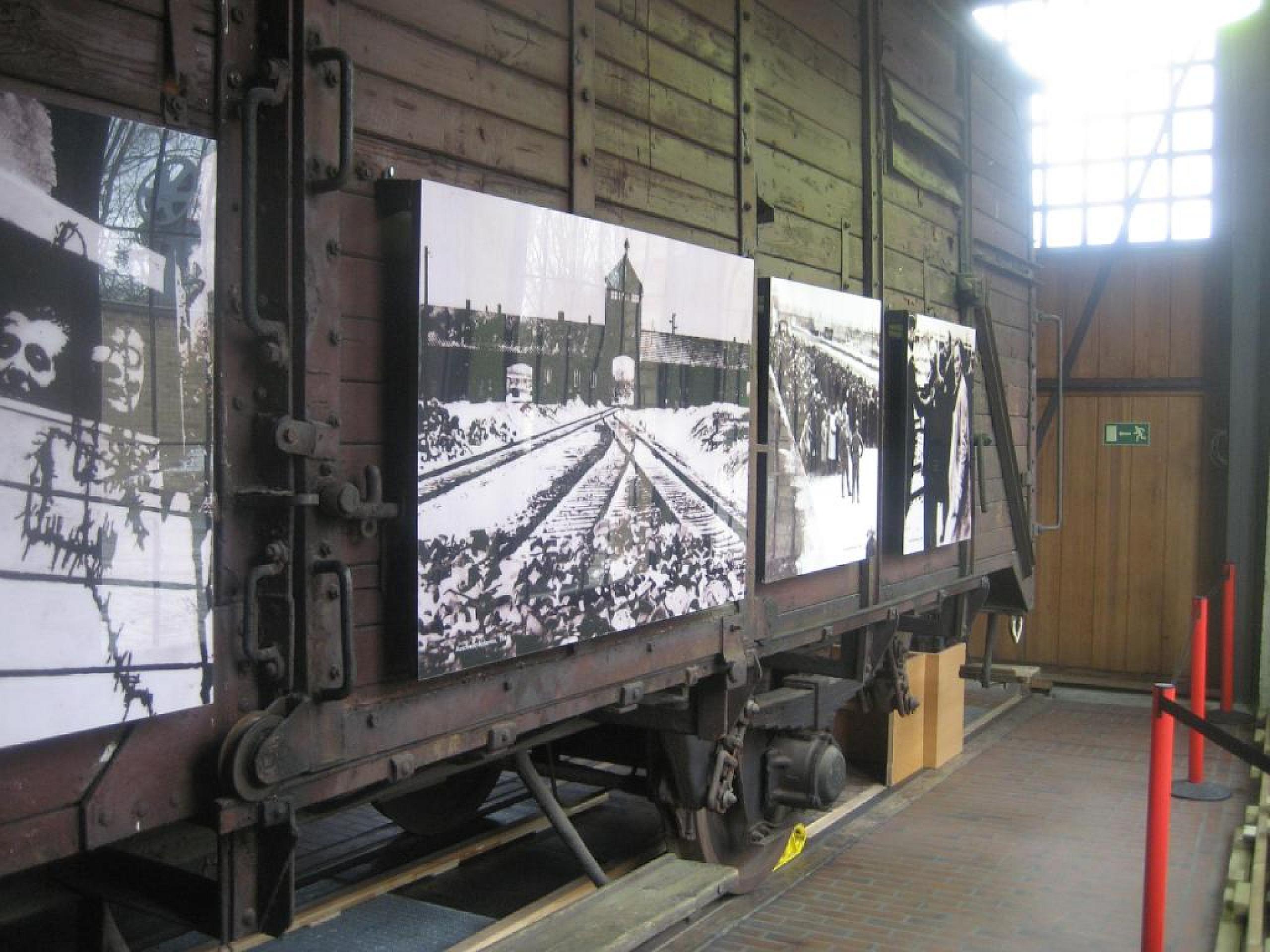
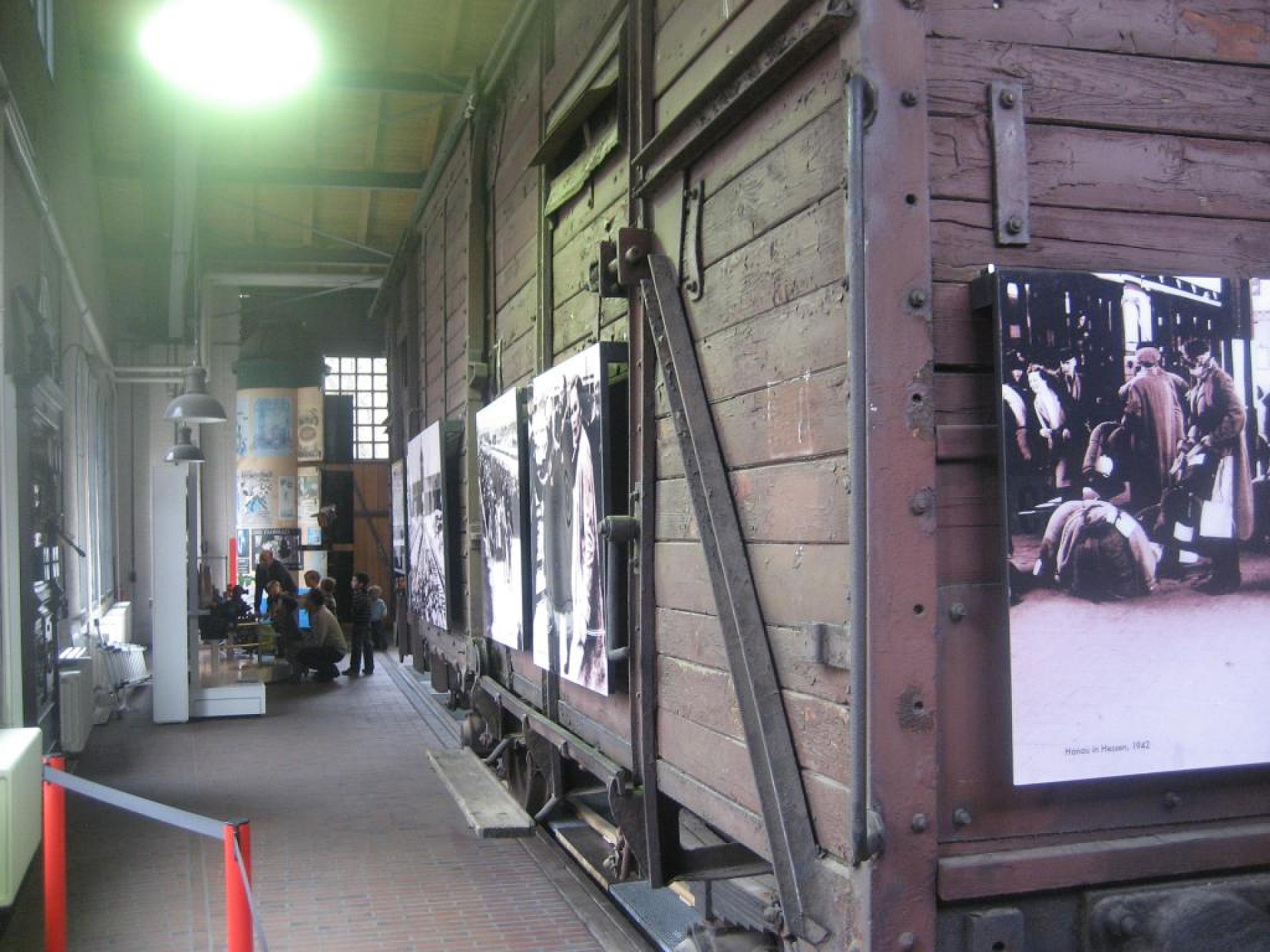
The German Museum of Technology has presented information about the deportation of Jews by the German Reichsbahn since 1988. One of the freight cars used for the deportations is on display at the museum. In October 2005, a permanent exhibition on this topic was unveiled in locomotive shed 2 of the museum. The exhibition strives to give an overview of the deportations from the German Reich to the ghettos and death camps, dealing with the topic in all its complexity. The exhibition was created by Alfred Gottwaldt, a leading expert on the topic of rail transport. Among other things, the exhibition portrays the biographies of 12 Jews deported from Berlin and Brandenburg. Visitors can retrieve information about all of the deportation transports at a media station; in addition, twelve transports which departed from Berlin are presented in detail.
Possibilities

General tours and special tours for children, school groups and other groups, children's birthday parties, group events, lectures, seminars, historical archive, museum park

Open

Tuesday to Friday 9 a.m. To 5.30 p.m., Saturday and Sunday 10 a.m. To 6 p.m., closed on Mondays

Contact

http://www.sdtb.de

info@sdtb.de

+49(0) 30 90 254 0

Trebbiner Straße 9
10963 Berlin