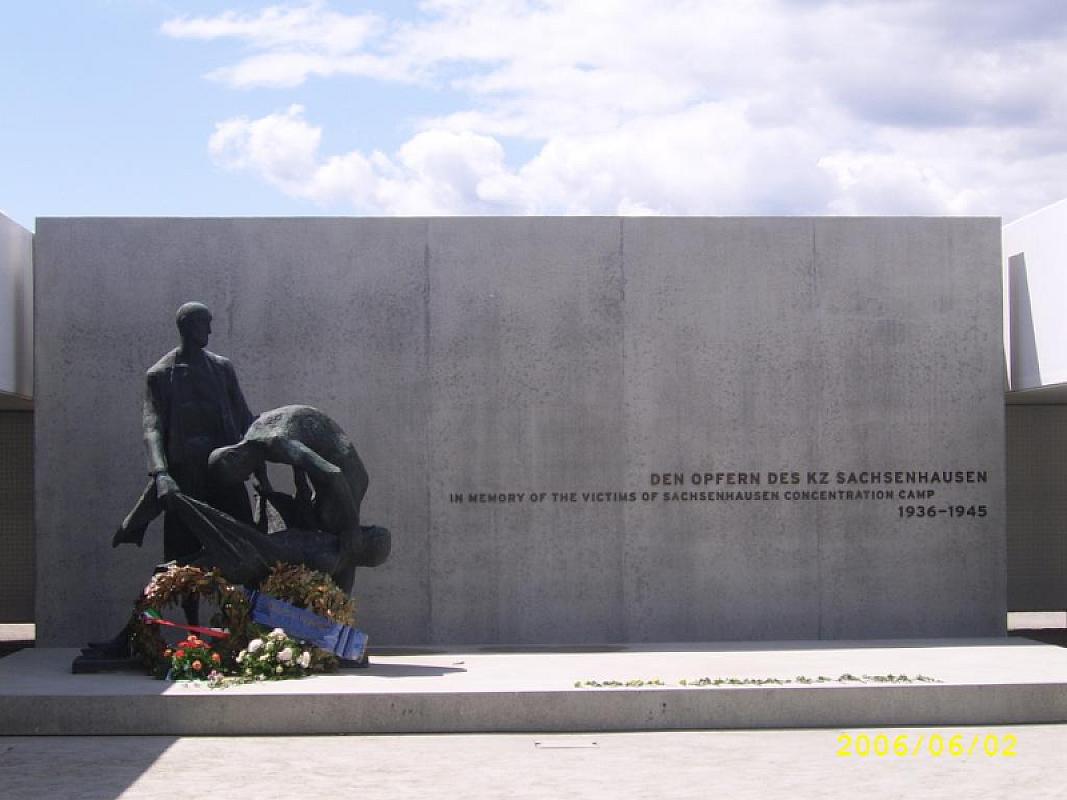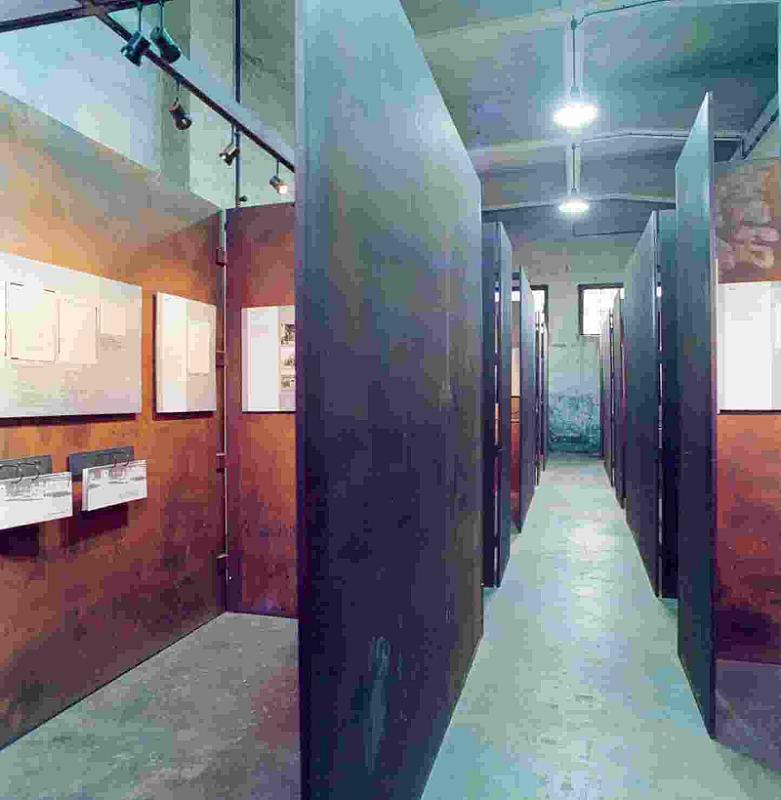
The SS established the largest concentration camp for women on German territory at Ravensbrück. Ravensbrück Memorial presents the camp's history in various exhibitions and commemorates the fate of tens of thousands of women who were imprisoned in the concentration camp and had to conduct forced labour.
History
Starting November 1938, the SS Economic Administration Main Office (WVHA) had a concentration camp for female prisoners established close to Ravensbrück, about ninety kilometres north of Berlin. From then on, Ravensbrück was the only major concentration camp for women on German territory. The first prisoners were about 1,000 women from Lichtenburg concentration camp. By the turn of 1939/1940, the SS had imprisoned around 2,000 women from European countries occupied by the Wehrmacht. Three years later, there were already 10,500 prisoners in the camp.
In April 1941, a men's camp was added to the women's camp and was administered by the SS as a satellite camp of Sachsenhausen. From the summer of 1942 on, the »Uckermark juvenile protective custody camp« was set up for »asocially criminalised« adolescent girls and young women.
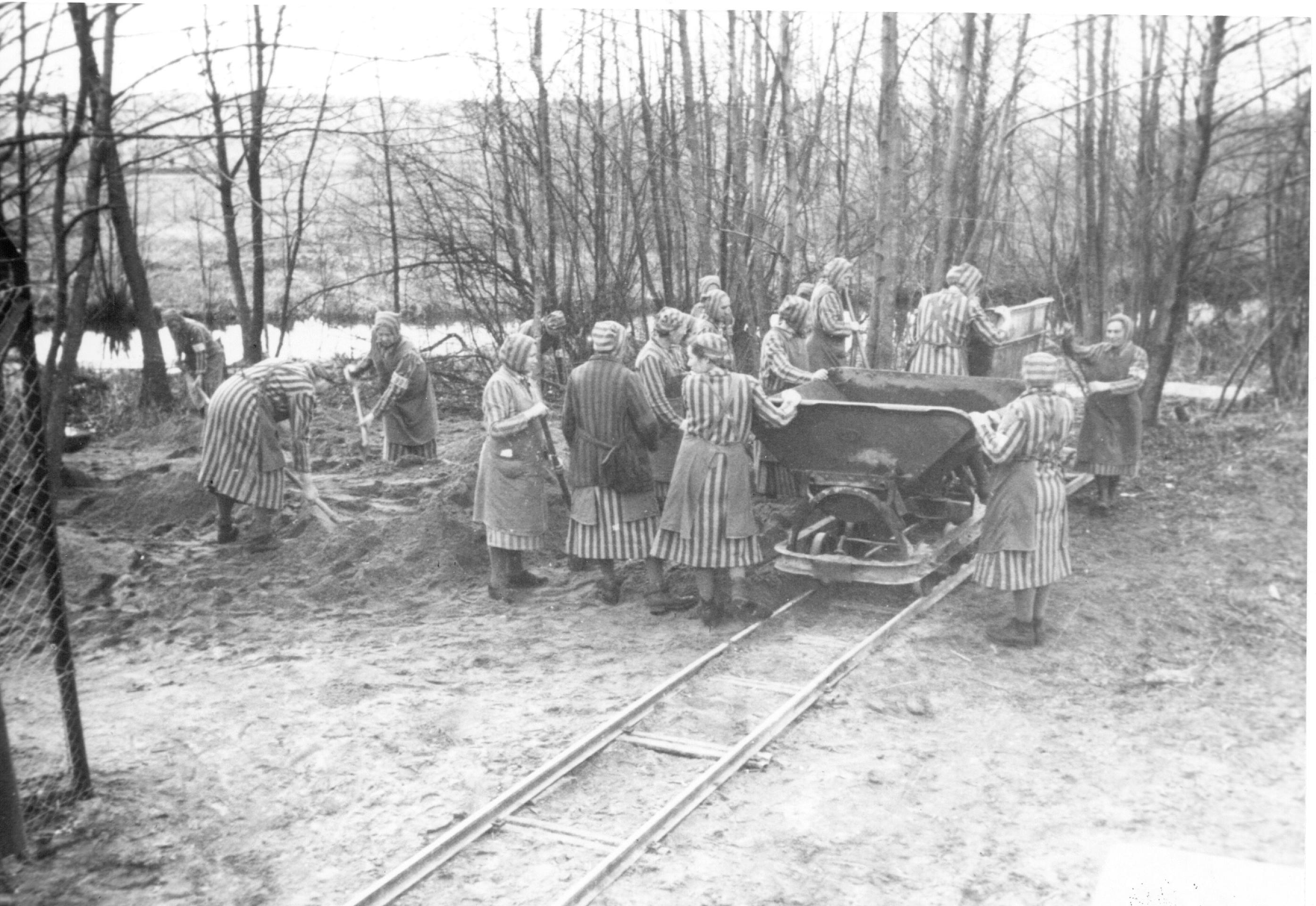
Many of the women who arrived at the camp were deployed by the SS in forced labour in various satellite camps of Ravensbrück. The WVHA rented out prisoners who were able to work to armaments concerns against payment, however, the women were also forced to work in SS-run factories. At the Ravensbrück »industry yard« they had to conduct labour in textile and leather workshops but they also laboured in agriculture as harvest workers.
From 1942 on, the SS deployed female Ravensbrück prisoners in several concentration camps in forced prostitution. Most women returned to Ravensbrück months later, physically and psychologically damaged.
Due to the high death rate among the prisoners, the SS decided to build a crematorium in 1943. At the beginning of 1945, the SS set up and additional gas chamber next to the crematorium and murdered several thousands of prisoners in it.
At the end of April 1945, the Red Army liberated around 3,000 sick prisoners who had been left behind in the camp. Prior to that, the SS had sent thousands of prisoners who were still able to walk on a death march towards the northwest.
Victims
Between 1939 and 1945, close to 132,000 women and children and about 1,000 girls from the »Uckermark youth protective custody camp« were registered as prisoners of the Ravensbrück concentration camp. Prisoners included Jehovah's Witnesses, criminals and criminalised people, Jews, Sinti and Roma, political prisoners, »asocials« and prisoners of war.
The prisoners came from over twenty countries. Polish women constituted the largest prisoner group. There were also many German, Russian and Ukrainian as well as Jewish women imprisoned in Ravensbrück and its satellite camps. Between 1941 and 1945, there were approximately 20,000 prisoners in the Ravensbrück men's camp.
In 1944/1945, the SS deported prisoners from camps in the east to Ravensbrück. The SS had about 6,000 of these prisoners murdered at Ravensbrück and their remains burned in the crematorium.
Many of the prisoners died of the catastrophic hygienic conditions in the camp. Epidemics broke out among the prisoners especially during the final phase of the war. Over hundred women died as a consequence of medical experiments which had been performed on them by SS doctors at Ravensbrück from the summer of 1942 on.
It is estimated that a total of 28,000 women and men perished in Ravensbrück concentration camp, its satellite camps and on the April 1945 death marches.
Remembrance
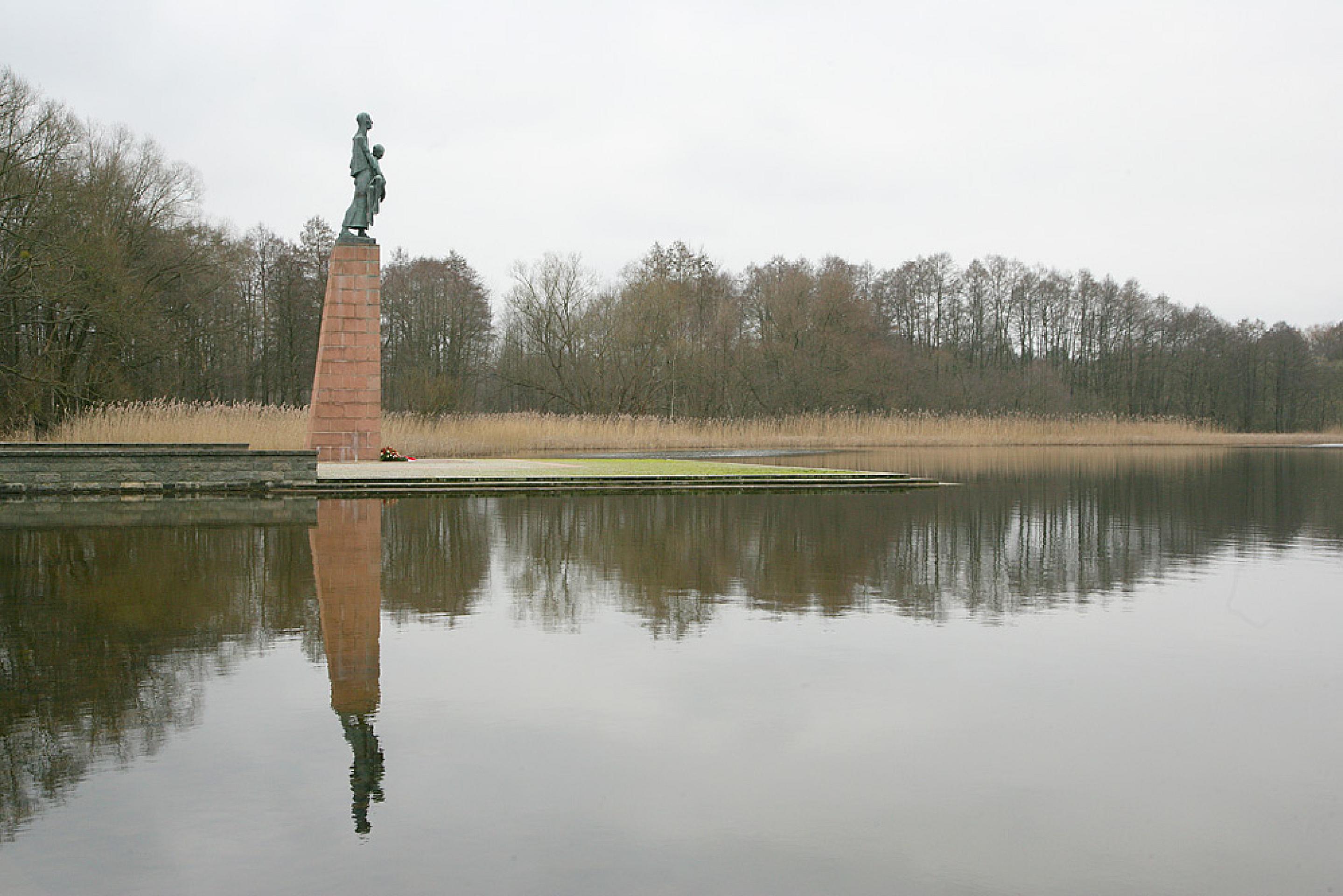
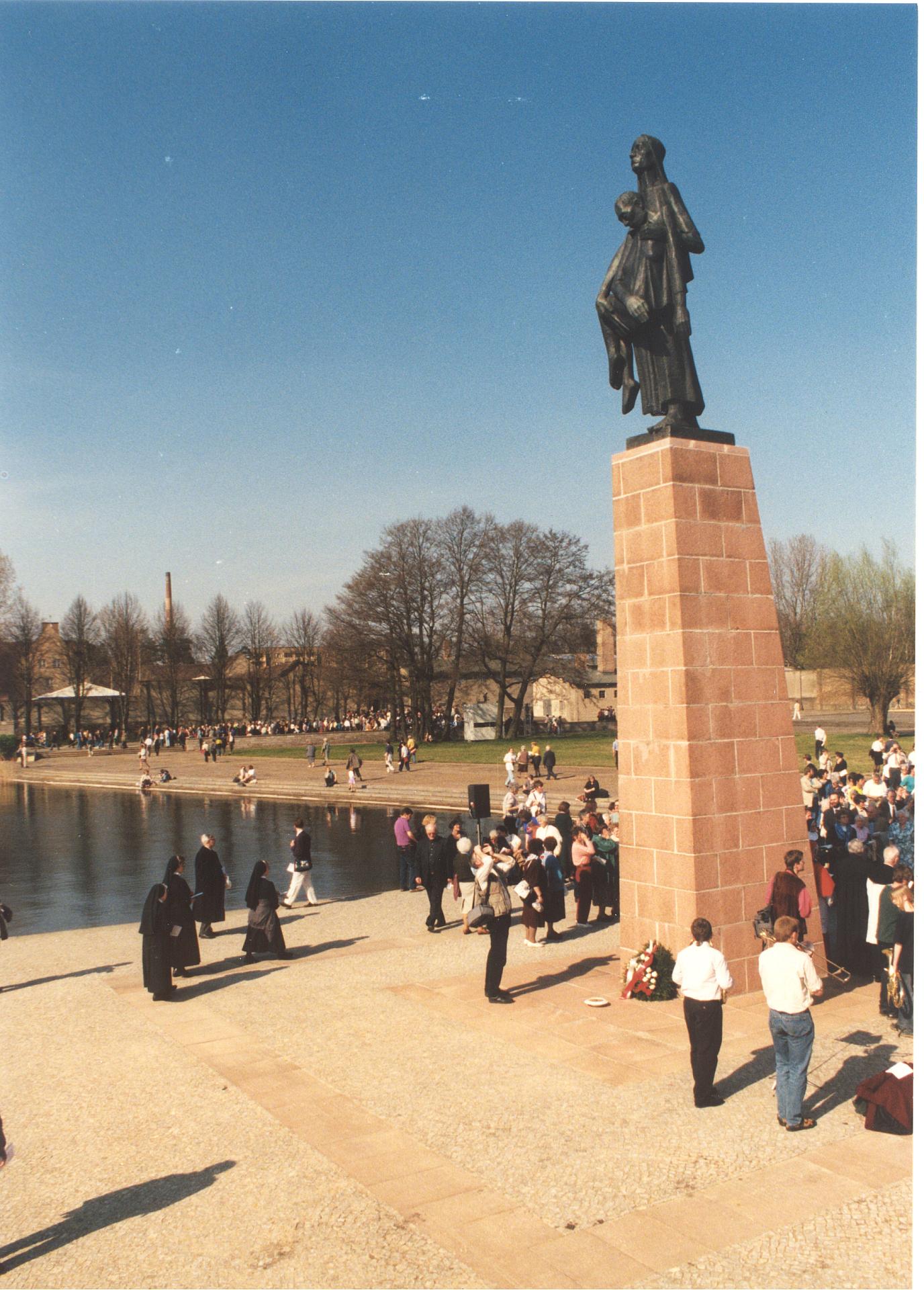
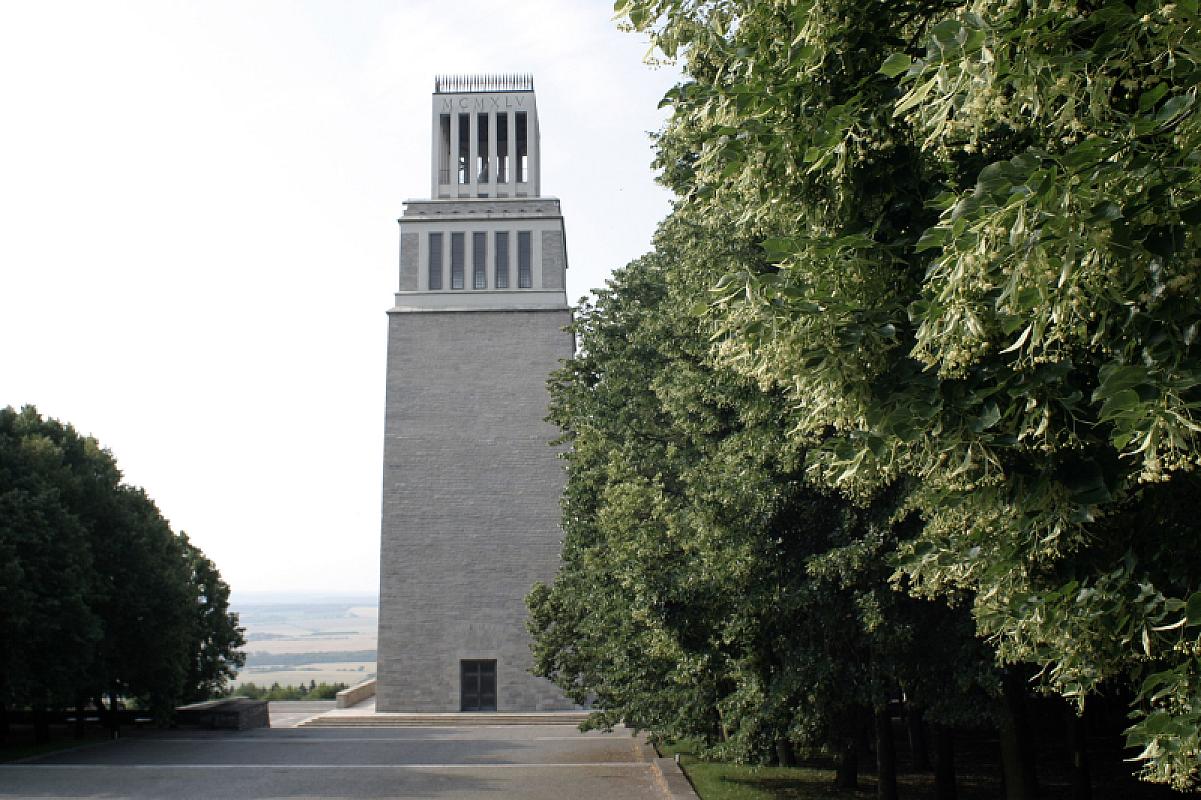
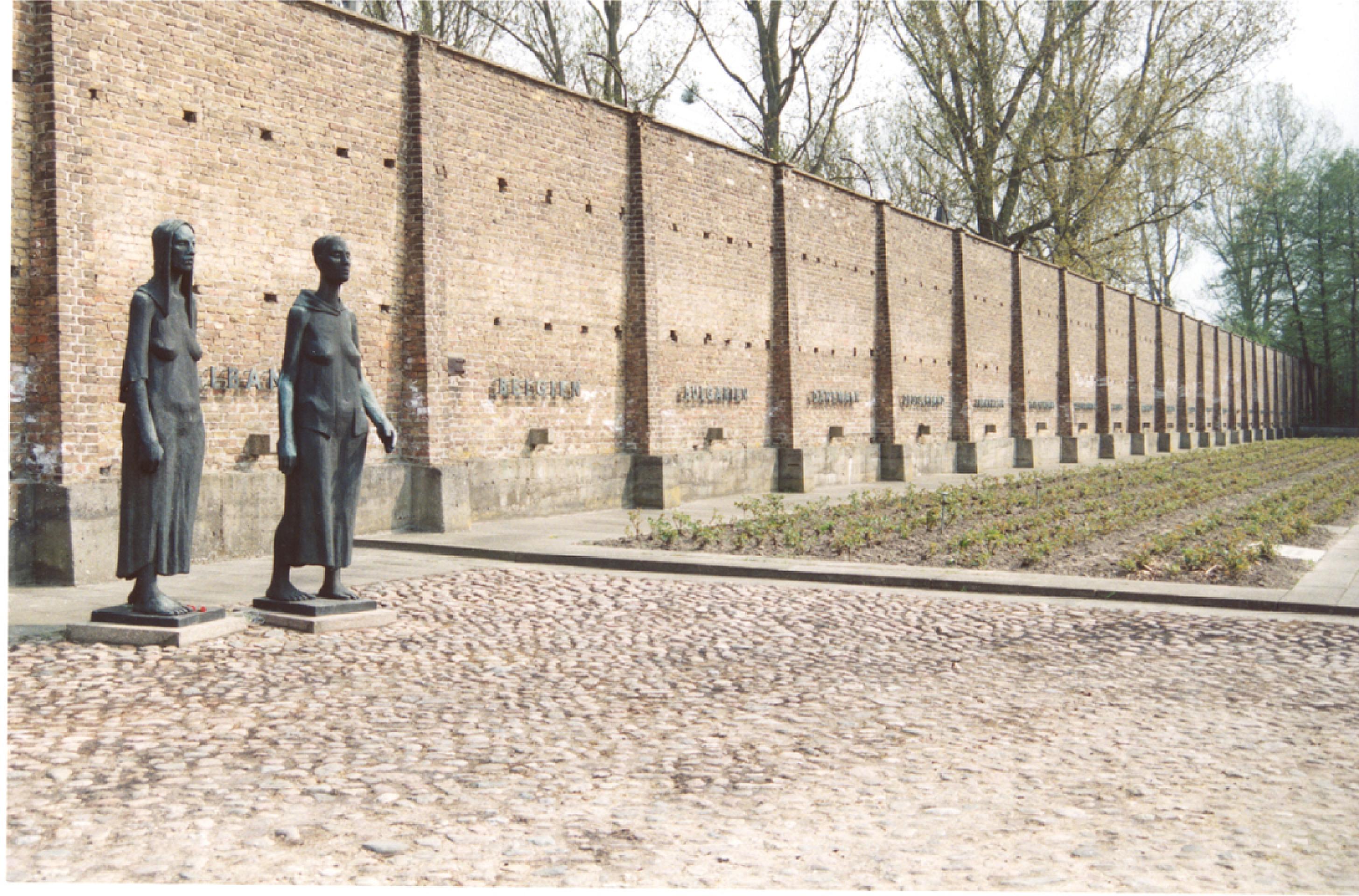
After the end of the war, the Red Army claimed the premises of Ravensbrück concentration camp. In 1959, the Ravensbrück National Memorial was inaugurated, the second GDR national memorial after Buchenwald (opened in 1958). The monument »Burdened Woman« by sculptor Willi Lammert, located on the shore of the Schwedt Lake, was set up at the time.
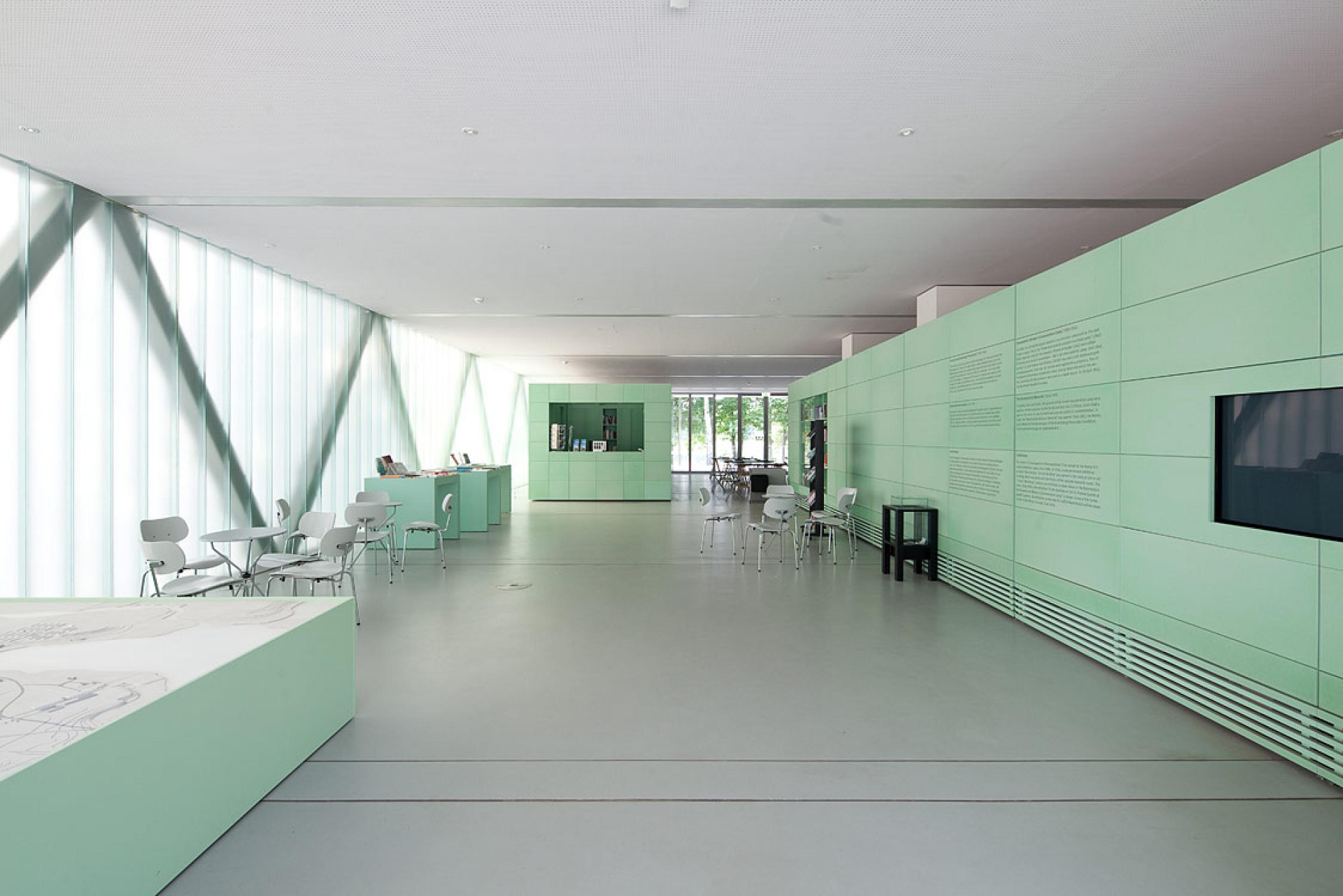
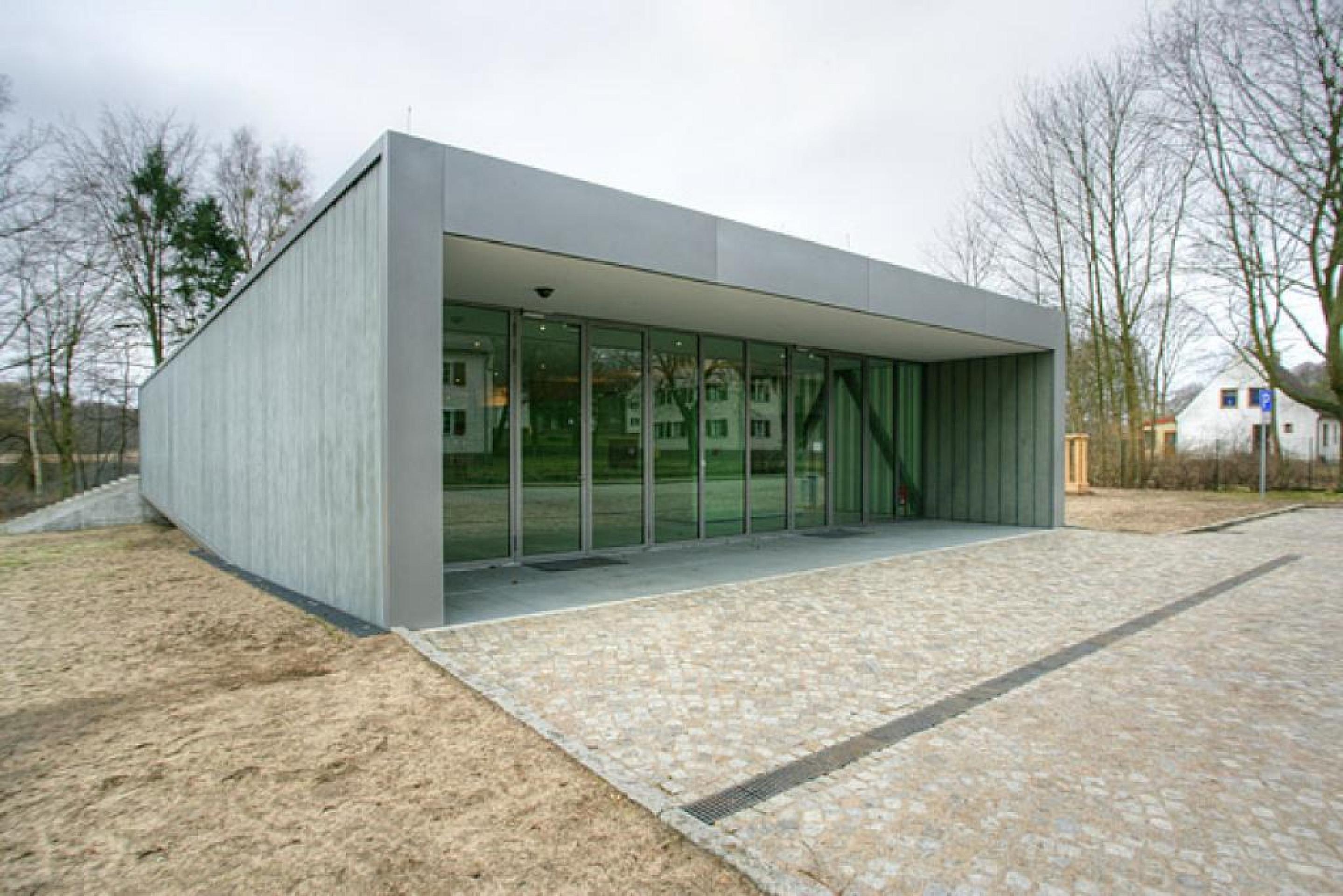
Since January 1, 1993, the Ravensbrück Memorial has been part of the Brandenburg Memorials Foundation. The commemorative site, previously influenced by official GDR ideology, was redesigned. The Museum of »Anti-Fascist Resistance« at the former SS headquarters was replaced by two new permanent exhibitions. Three further memorial rooms were added. Thematically they deal with the following issues: the prisoners incarcerated at Ravensbrück following the July 20, 1944 attempt on Hitler’s life, the camp’s Jewish prisoners as well as the Sinti and Roma imprisoned at Ravensbrück.
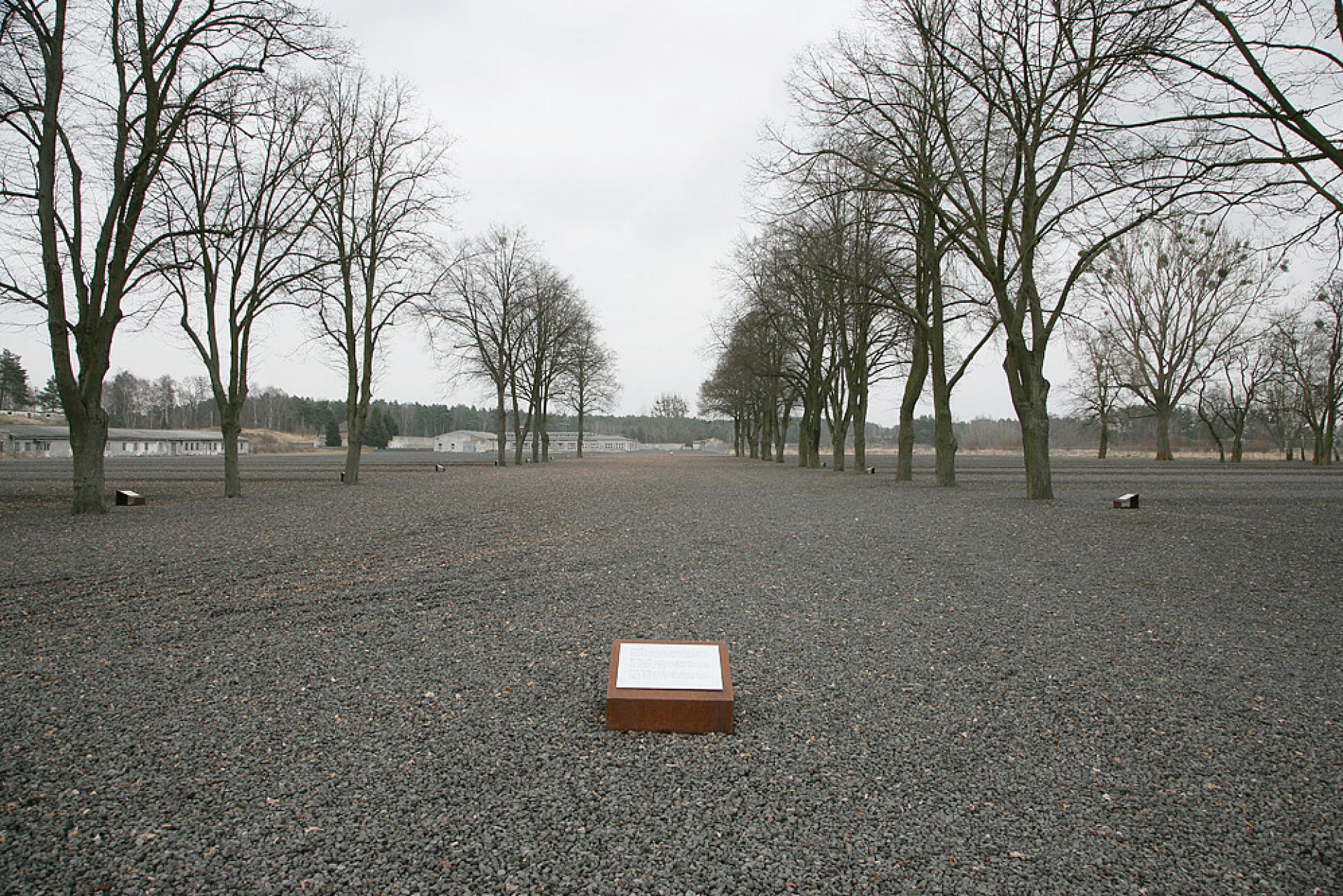
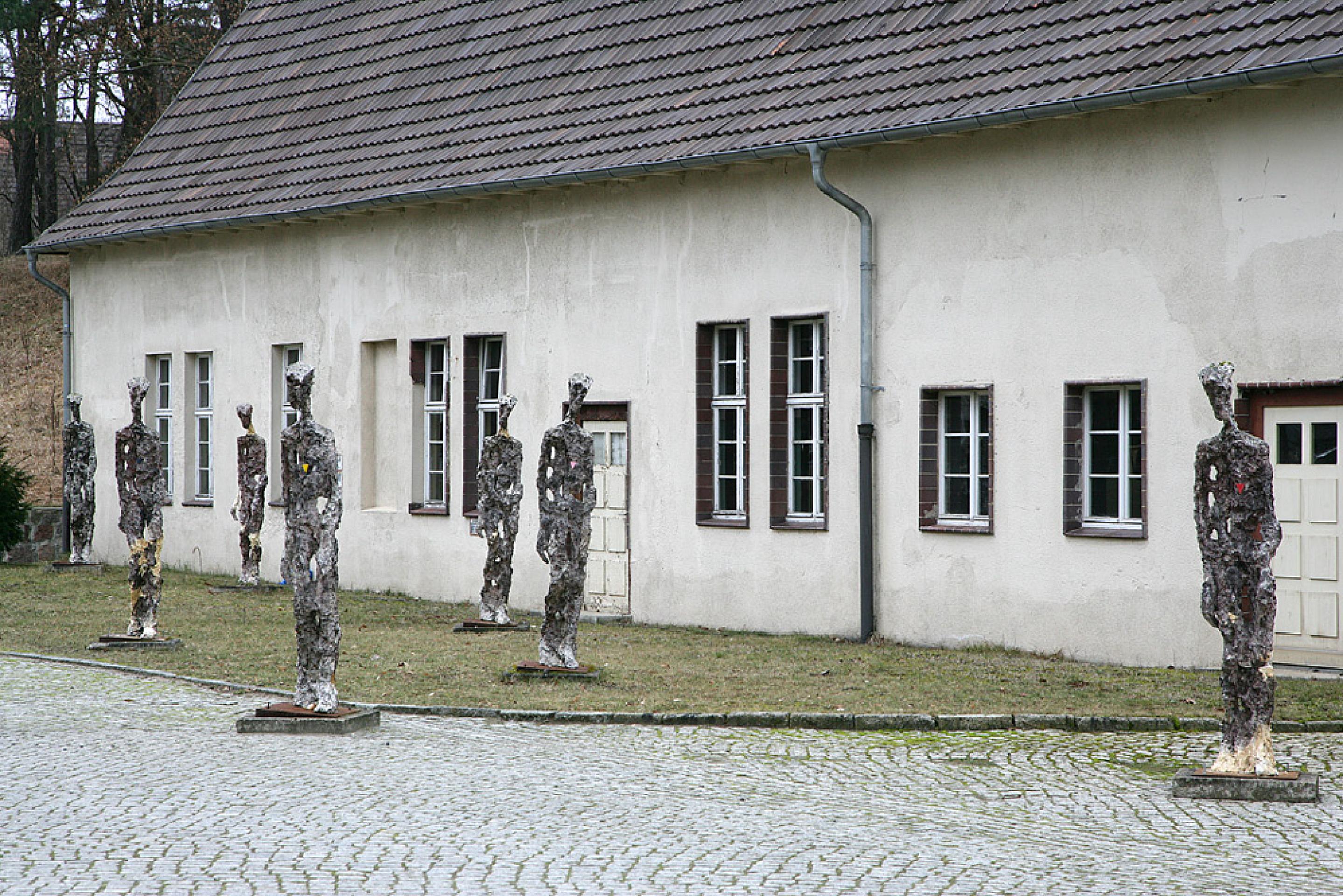
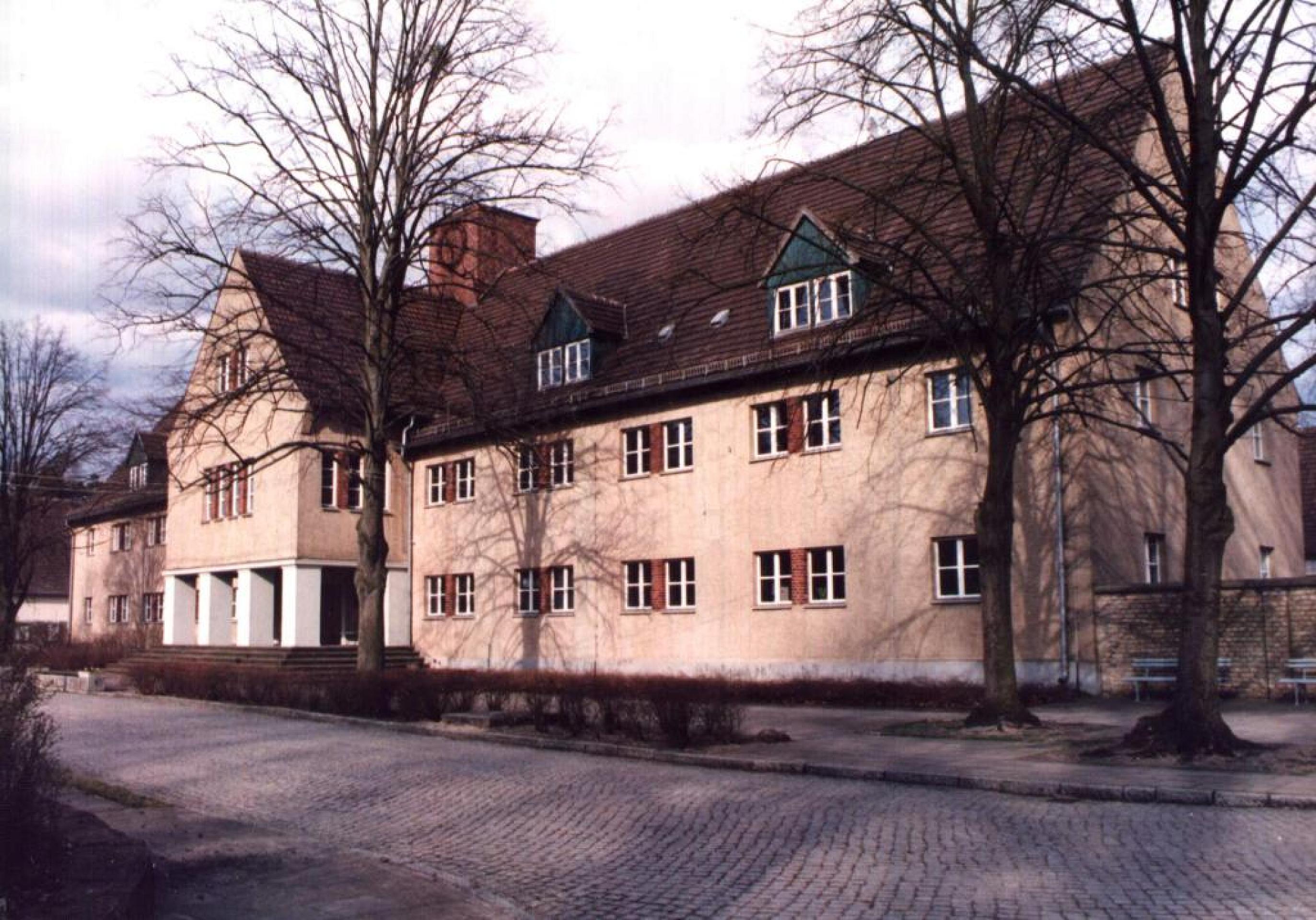
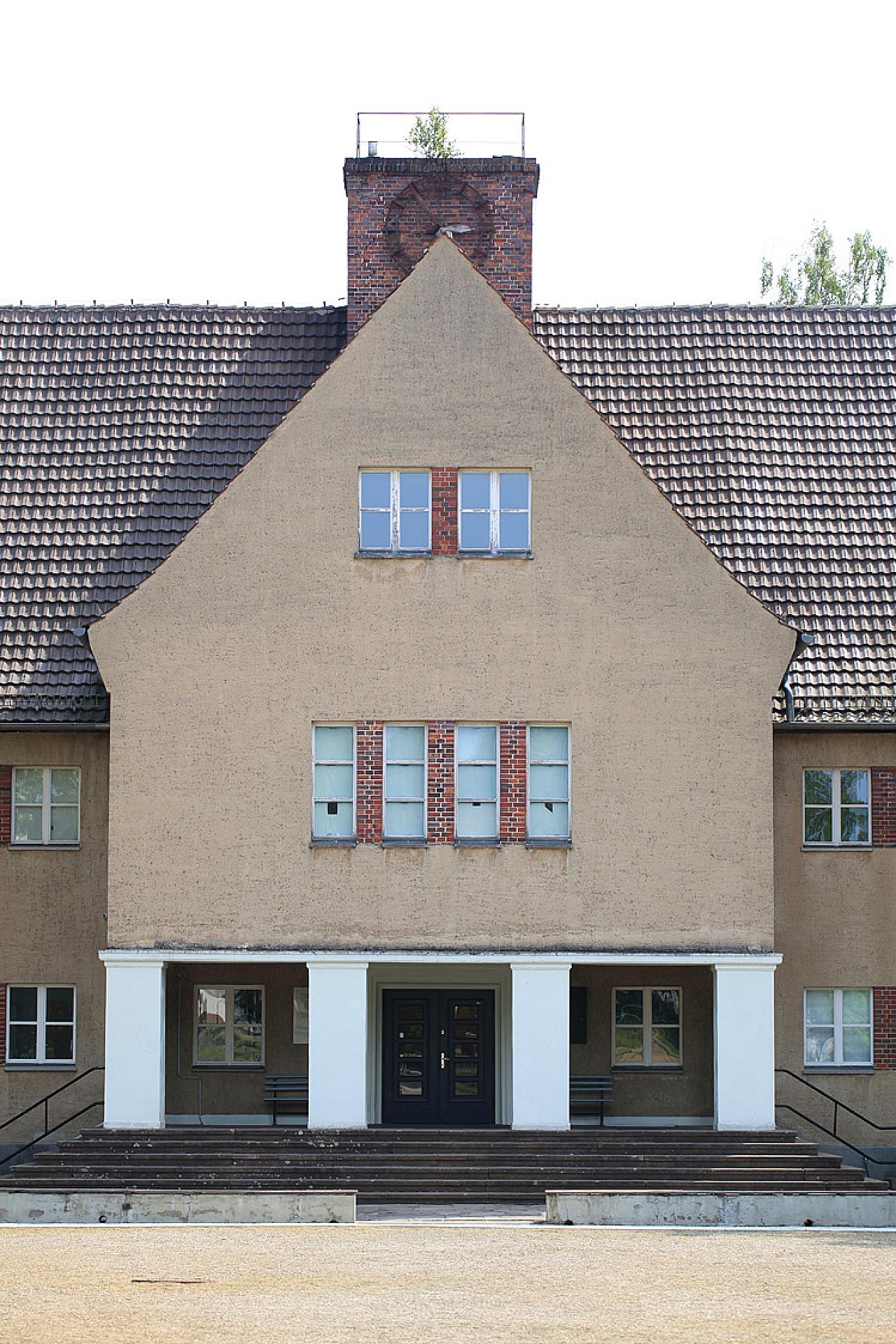
Until 1993/94, the camp's former premises were not accessible as they were utilised by the Soviet Army. When the troops withdrew, the reconstruction of the premises and the remaining buildings could begin. In a process which consisted of several stages, the industry yard, parts of the barrack camp, the premises of the Siemens factory and the former »Uckermark youth protective custody camp« were made accessible to visitors. One of the former houses for female guards at the former SS housing estate was restored according to the guidelines for the restoration of historic monuments. Since 2004, an exhibition on the female personnel at Ravensbrück has been on display in that building. Two years later, a further exhibition on the history of the cell building was added.
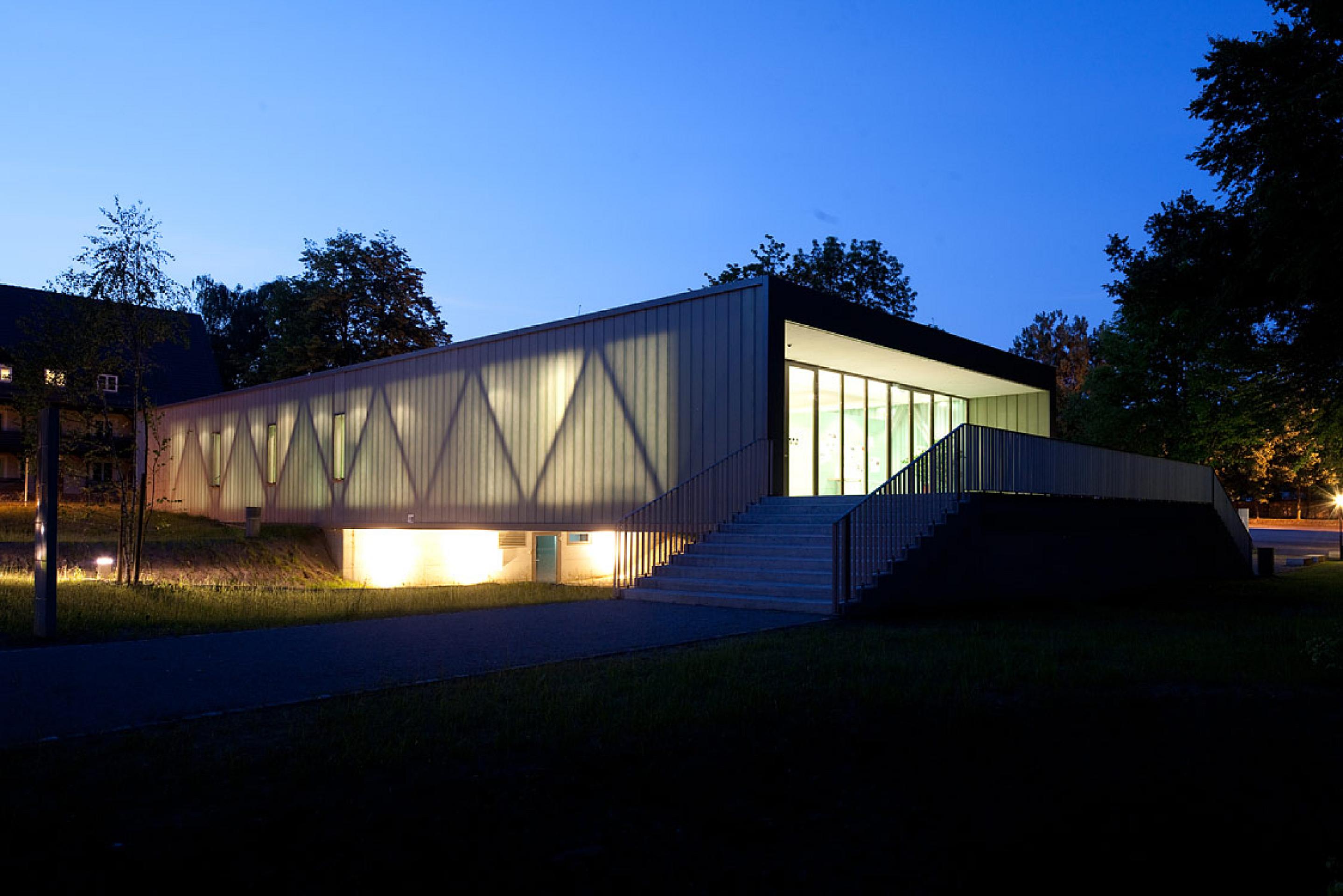
Since 2002, there has been an international youth meeting centre at the memorial.
Possibilities
Special and temporary exhibitions, library, archive, historical-political educational programmes, the international youth meeting centre holds seminars and organises projects for one or more days in Ravensbrück
Open
May to September daily 9 a.m. to 8 p.m., October to April daily 9 a.m. to 5 p.m.
Contact
info@ravensbrueck.de
+49 (0)33093 608-0
Straße der Nationen
16798 Fürstenberg/Havel