Remembrance of Lager Sylt Concentration Camp
Remembrance of Lager Sylt Concentration Camp
The remains of a former subcamp of the Neuengamme concentration camp are located on the Channel Island of Alderney, a British Crown Dependency.
History
The Channel Islands are an archipelago of British Crown Dependencies in the southern English Channel, off the coast of Normandy. When the German Wehrmacht defeated the French Army in May/June 1940 and forced the British forces to retreat from the continent, Great Britain evacuated large parts of the population on the Channel Islands, including almost all of the 1,400 residents of the third-largest island, Alderney. The islands were then occupied by the Wehrmacht. Anticipating an Allied invasion, the German occupying forces began constructing the Atlantic Wall - a series of fortifications along the coast - in 1942. The strategically important Channel Islands were also to be secured. Concentration camp prisoners, prisoners of war and Organisation Todt construction units were deployed for this purpose. In March 1943, SS Construction Brigade I arrived on Alderney comprising 730 prisoners from the Sachsenhausen concentration camp and 270 prisoners from the Neuengamme concentration camp. They were accommodated in »Lager Sylt«, which officially became a satellite camp of the Neuengamme concentration camp. There were three further camps on the island - also named after German North Sea Islands -, however, they were administered by Organisation Todt. Prisoners were frequently transferred from these camps to Lager Sylt, including many Soviet prisoners of war. After the Allied invasion of Normandy in June 1944 (in the course of which the Channel Islands did not play a military role), the SS dismantled the camp and evacuated the prisoners to the mainland. Only 572 prisoners arrived in Belgium; some of the prisoners had fled, others were murdered by the guards.
Victims
Soviet prisoners of war comprised about half of the inmates at Lager Sylt; other prisoner groups included Poles, Dutchmen, Czechs and Frenchmen as well as criminals and people deemed »work-shy«. Some residents of Alderney who had not been evacuated in 1940 were also held at the camp and deployed in forced labour. Sources differ on whether or not there were Jews among the prisoners.
It is not possible to determine the exact number of prisoners or fatalities for Lager Sylt because camp occupancy fluctuated due to transfers from other camps. In June 1943, the SS transported 200 prisoners who were no longer capable of working to the Neuengamme main camp; about 100 prisoner died on Alderney of undernourishment, illnesses or abuse by the camp guards. According to other sources, the camp may have claimed up to 700 lives.
Remembrance
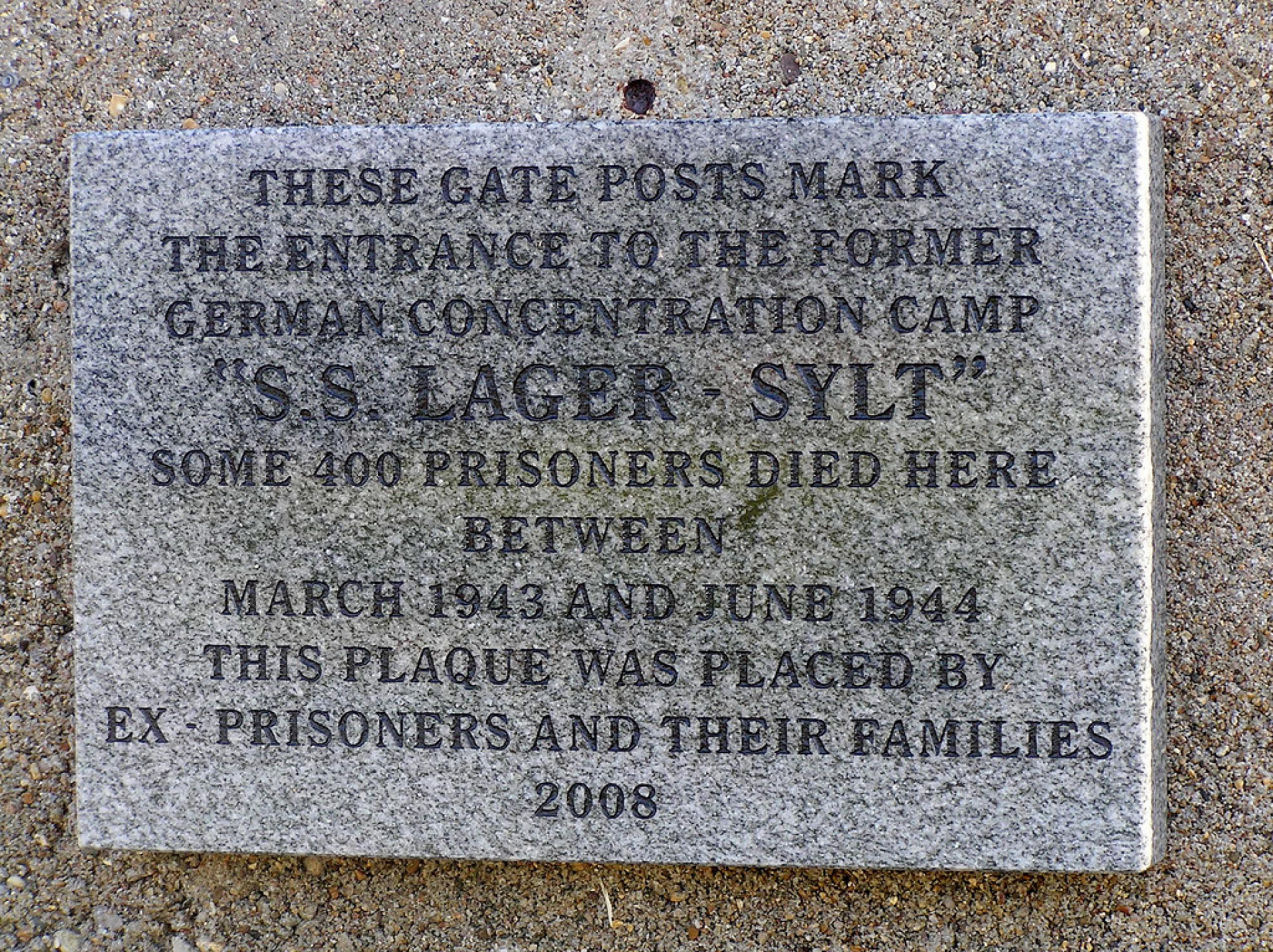
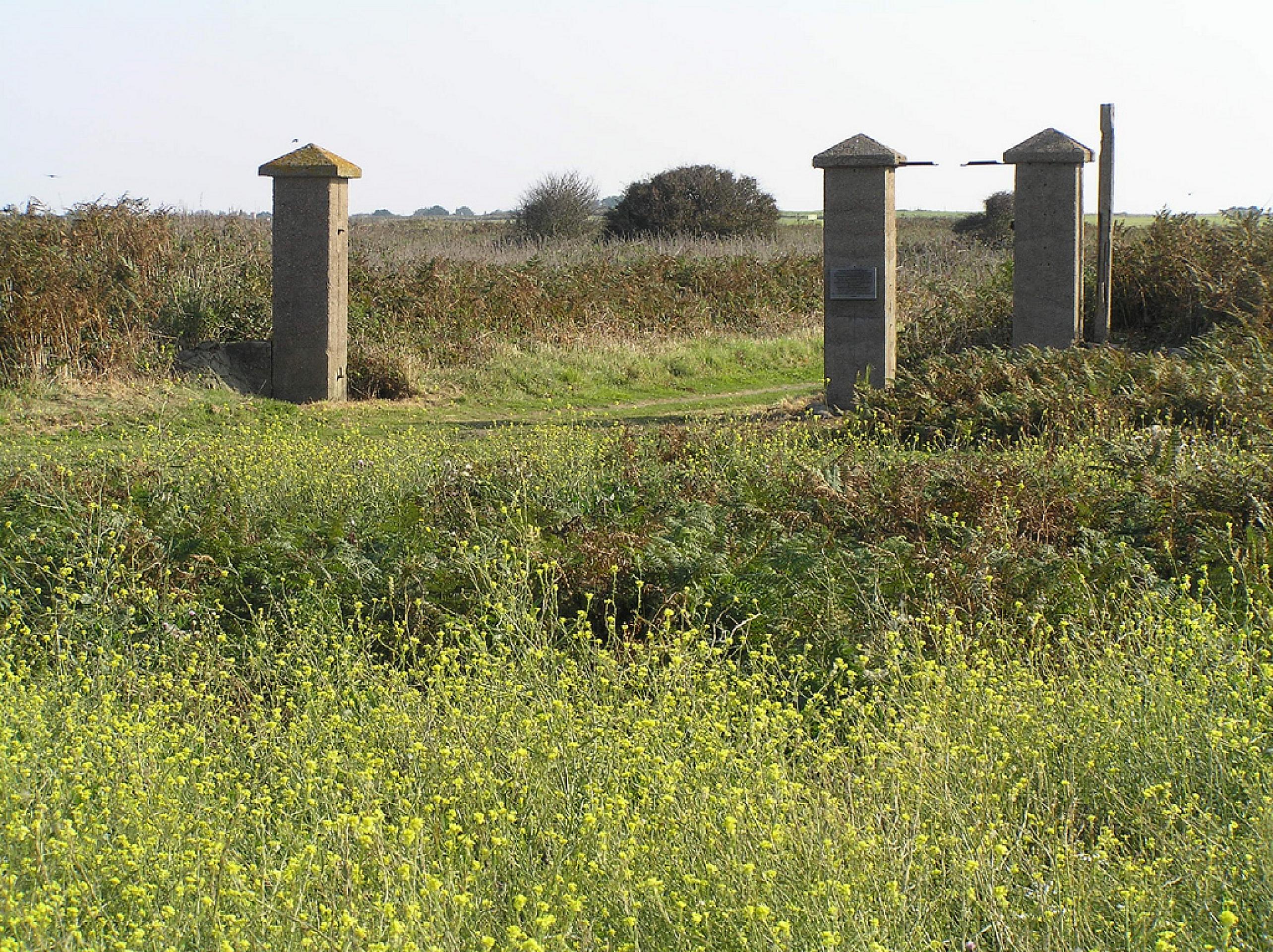
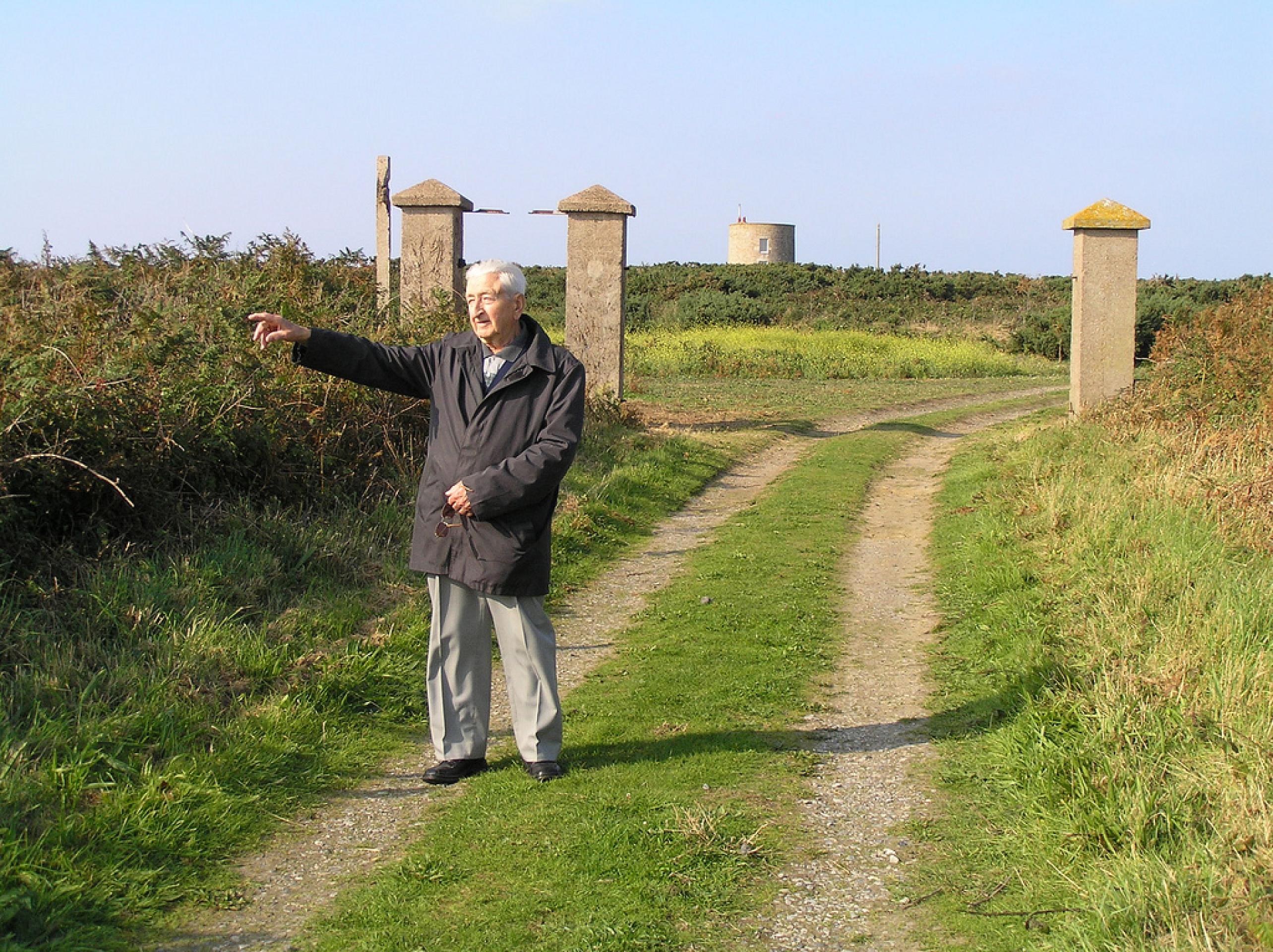
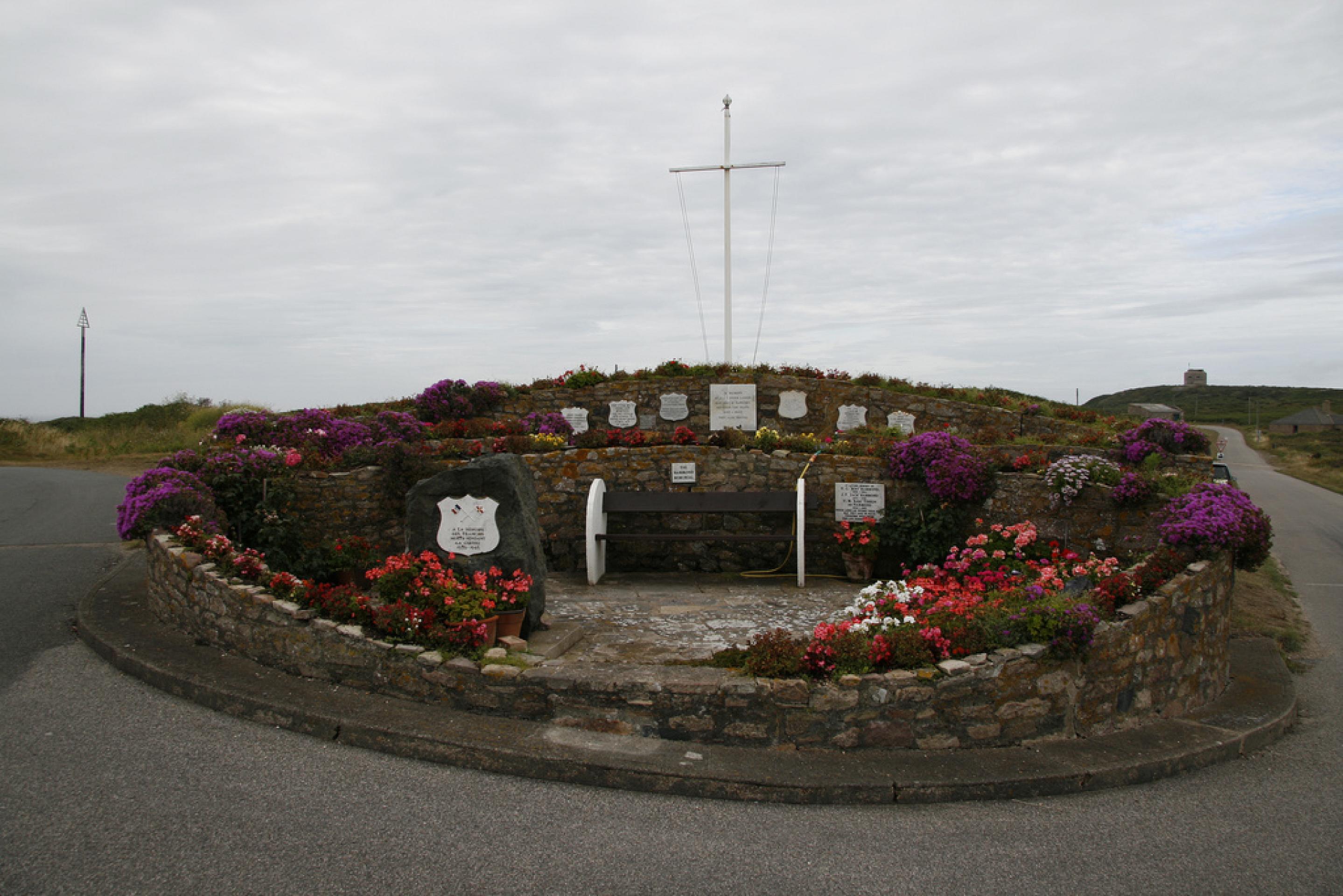
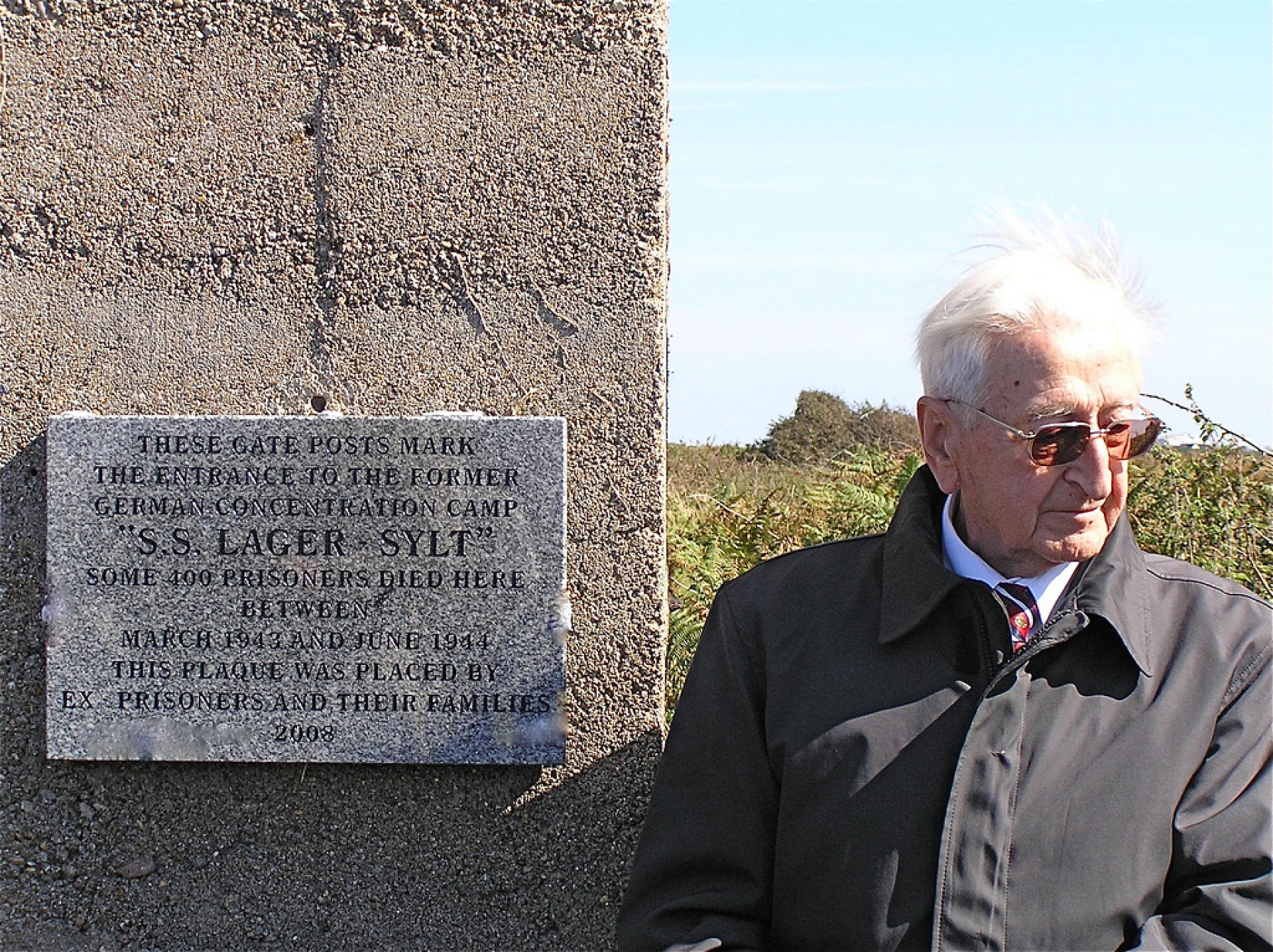
Little remains of Lager Sylt on the historic site. This is probably due to the fact that most of the islanders (who had been away from Alderney between 1940 and 1944) do not wish to be reminded of the German occupation. By way of exception, a memorial was erected at the beginning of the 1950s and extended in 1966 by the Hammond family. The »Hammond Memorial« honours the former prisoners who perished on the island, comprising memorial plaques in several languages including French, Polish and Hebrew. Though there are numerous traces of the Atlantic Wall on Alderney, there are only few reminders of the actual camp. The entrance gate still stands and has in recent years been cleared of rank growth. In 2008, a memorial plaque was affixed to the gate in the presence of one of the last surviving former prisoners of Lager Sylt.
Open
The premises are accessible at all times.
Contact