In the Northern Lithuanian city of Panevėžys (also Ponevezh) several memorials and a small museum commemorate the formerly significant Jewish community and their murder in 1941.
History
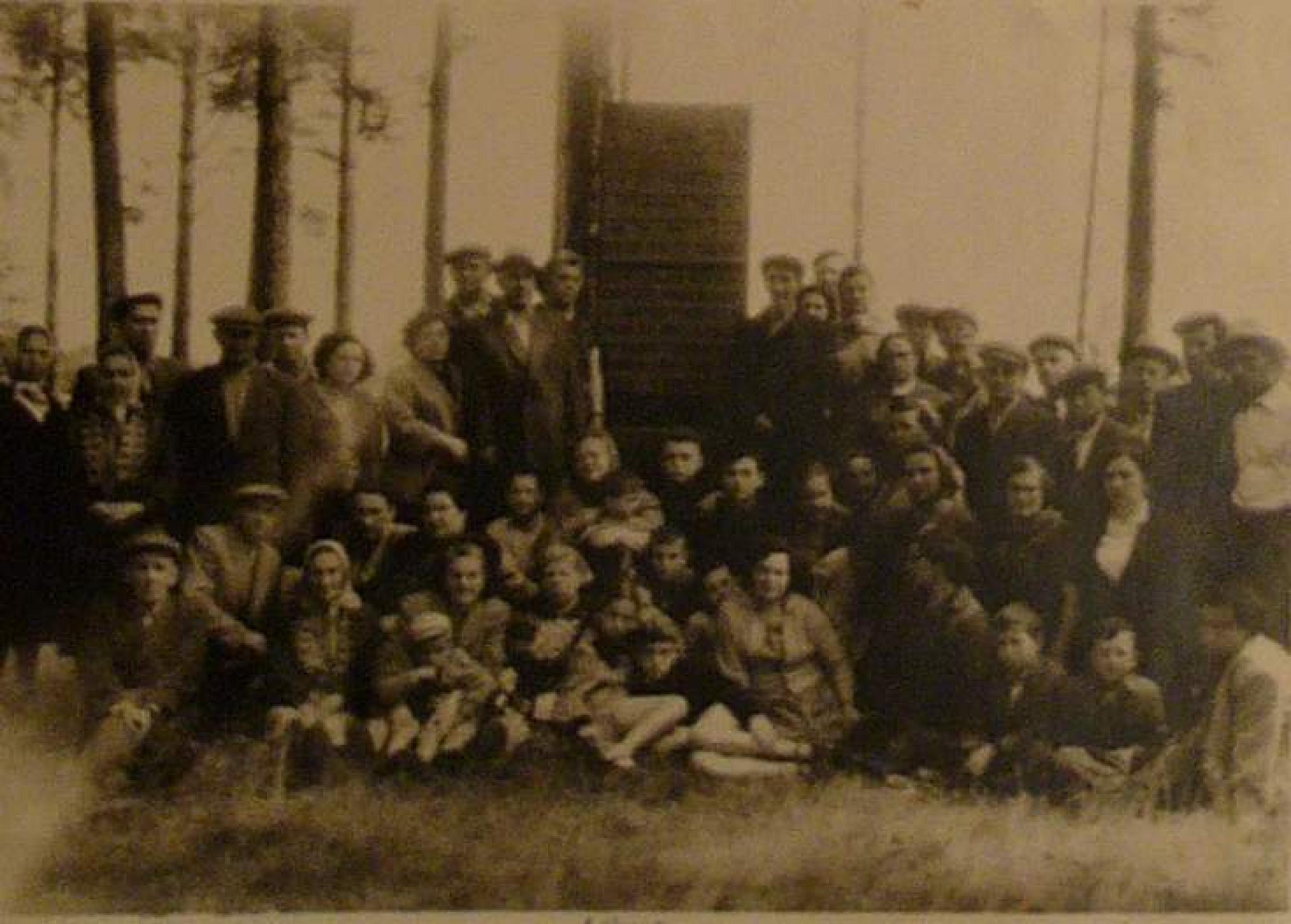
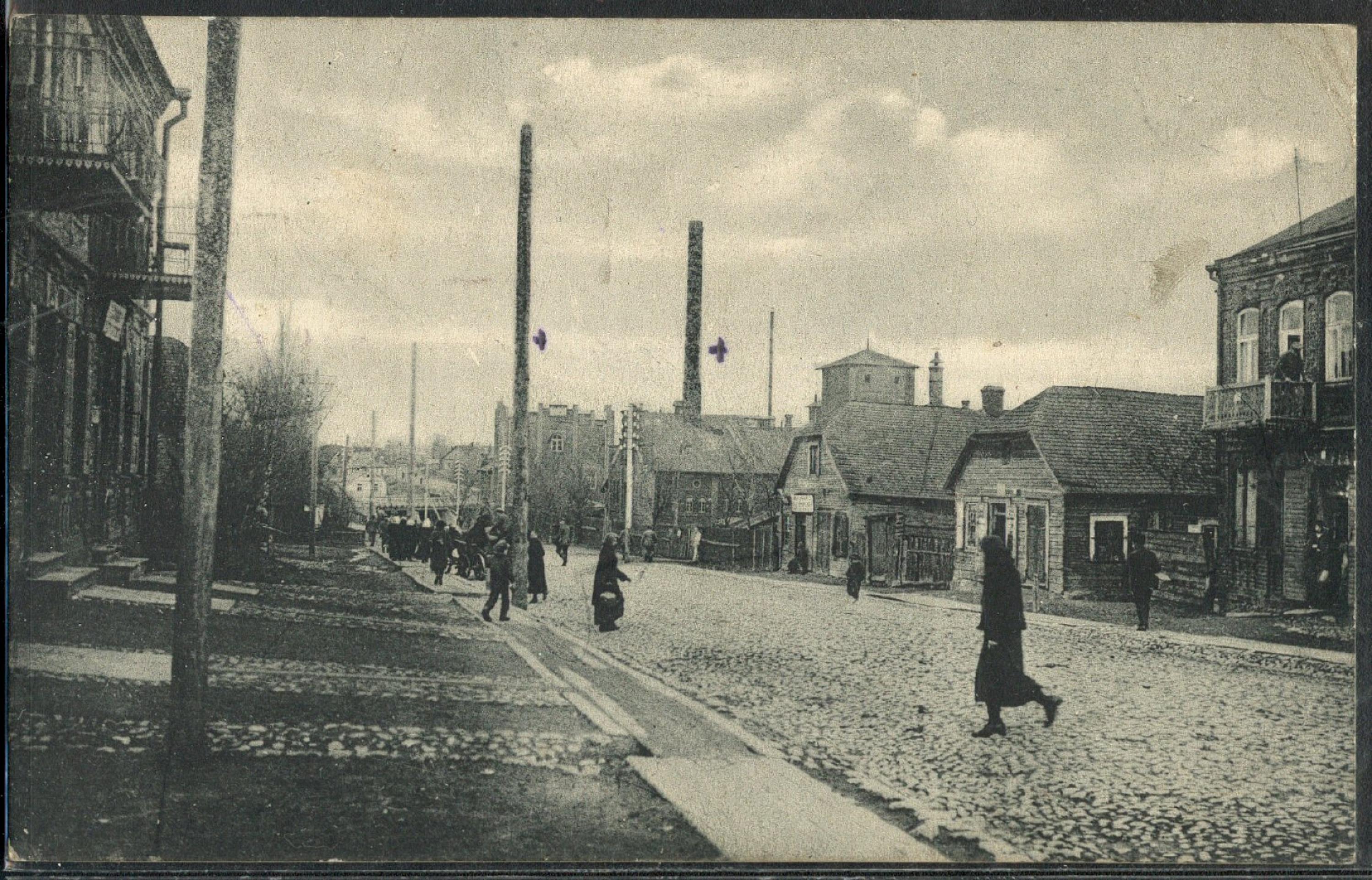
In 1939 the Jewish Community of Panevėžys, one of the largest cities in Lithuania, had about 6,800 members and was considered the second largest in the then-independent country. The deeply traditional Jewish community administration, the »Kahal«, consisted of twelve small prayer houses and synagogues, both a high school for girls and boys, a hospital, libraries, social welfare organisations, as well as the cultural association, »Kneset Israel«.
In 1940 Lithuania was occupied by the Soviet Union. Soviet state security murdered numerous opponents of the regime in Panevėžys and deported many of its inhabitants to Siberia.
Shortly after German Wehrmacht marched into Panevėžys on 26 June 1941, the occupiers issued an order to establish a ghetto. The Jews from the town and surrounding villages had to relocate to the ghetto by 11 July 1941. The ghetto was guarded by Lithunian police on German orders. Up to 8,000 people were crammed into the small area of the ghetto.
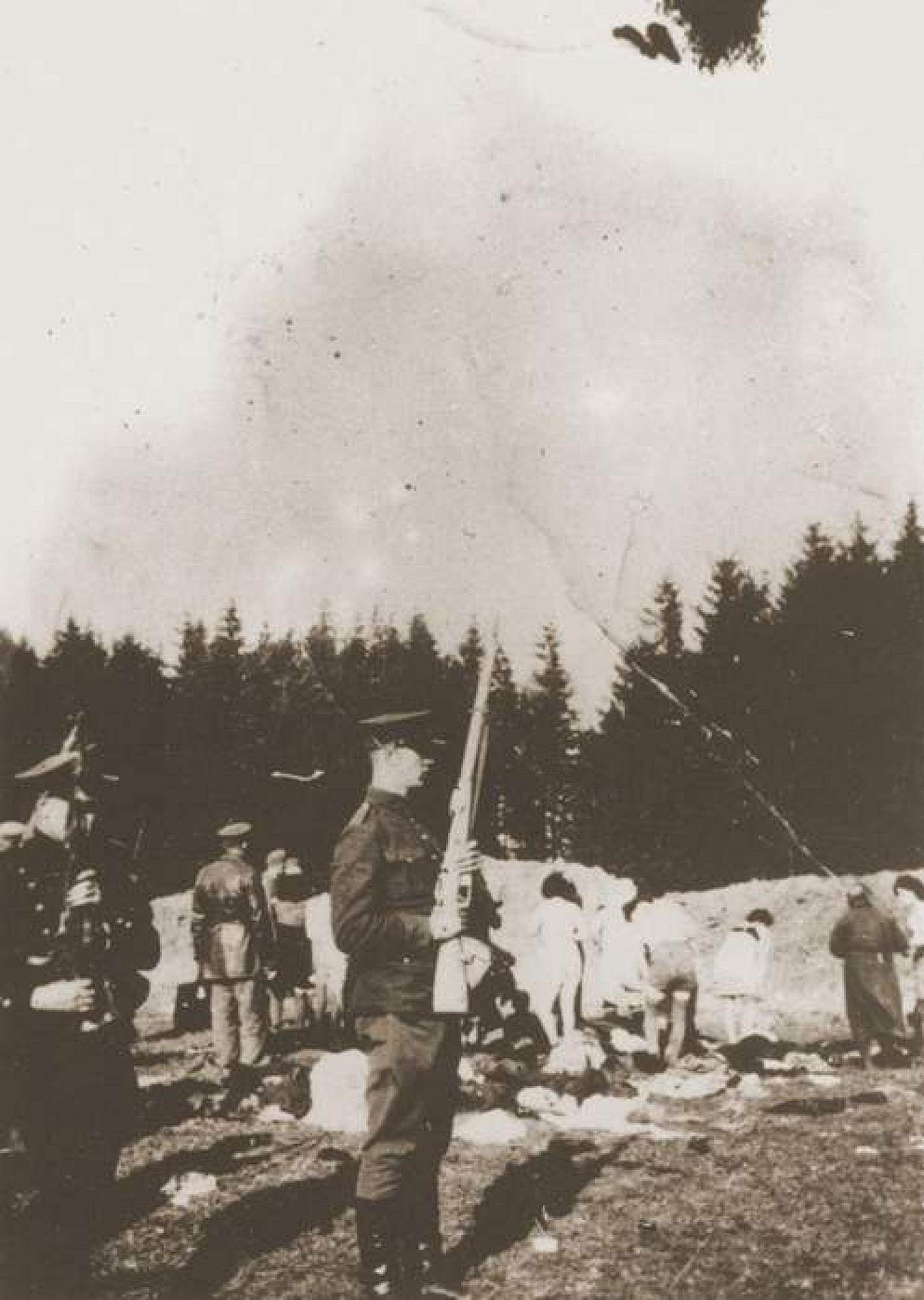
During the next 40 days, the inhabitants of the ghetto were subsequently murdered in mass shootings, above all in the forests of Pajuostė and Žalioji giria. On July 21, 1941, with the help of Lithuanian volunteers, German units shot 103 men, among them 70 Jews, in a forest near Staniūnai (formerly Kaizerlingas). The last and largest mass shooting was carried out on August 23 or 24 1941 by the German-Lithuanian »Rollkommando Hamann« (raiding squad) of the SS, assisted by Lithuanian helpers. The Jewish Community of Panevėžys was thus extinguished.
Victims
German and Lithuanian units murdered close to 13,500 Jews from the region around Panevėžys between June 1941 and 1944, for the most part in mass shootings. Approximately 8,000 of them were from the the Panevėžys ghetto. On 23 or 24 August 1941 alone 7,523 Jews perished according to SS accounts.
Remembrance
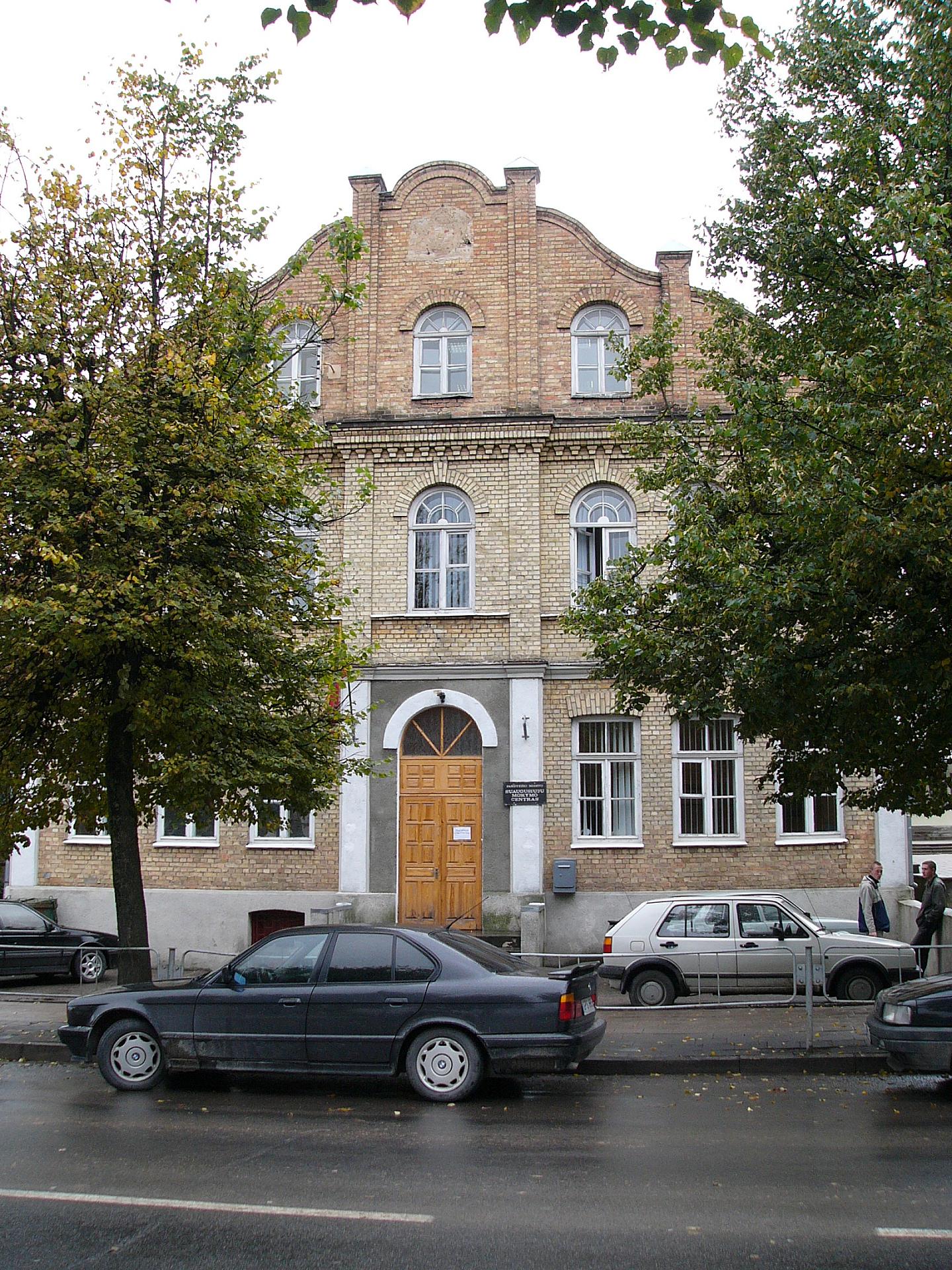
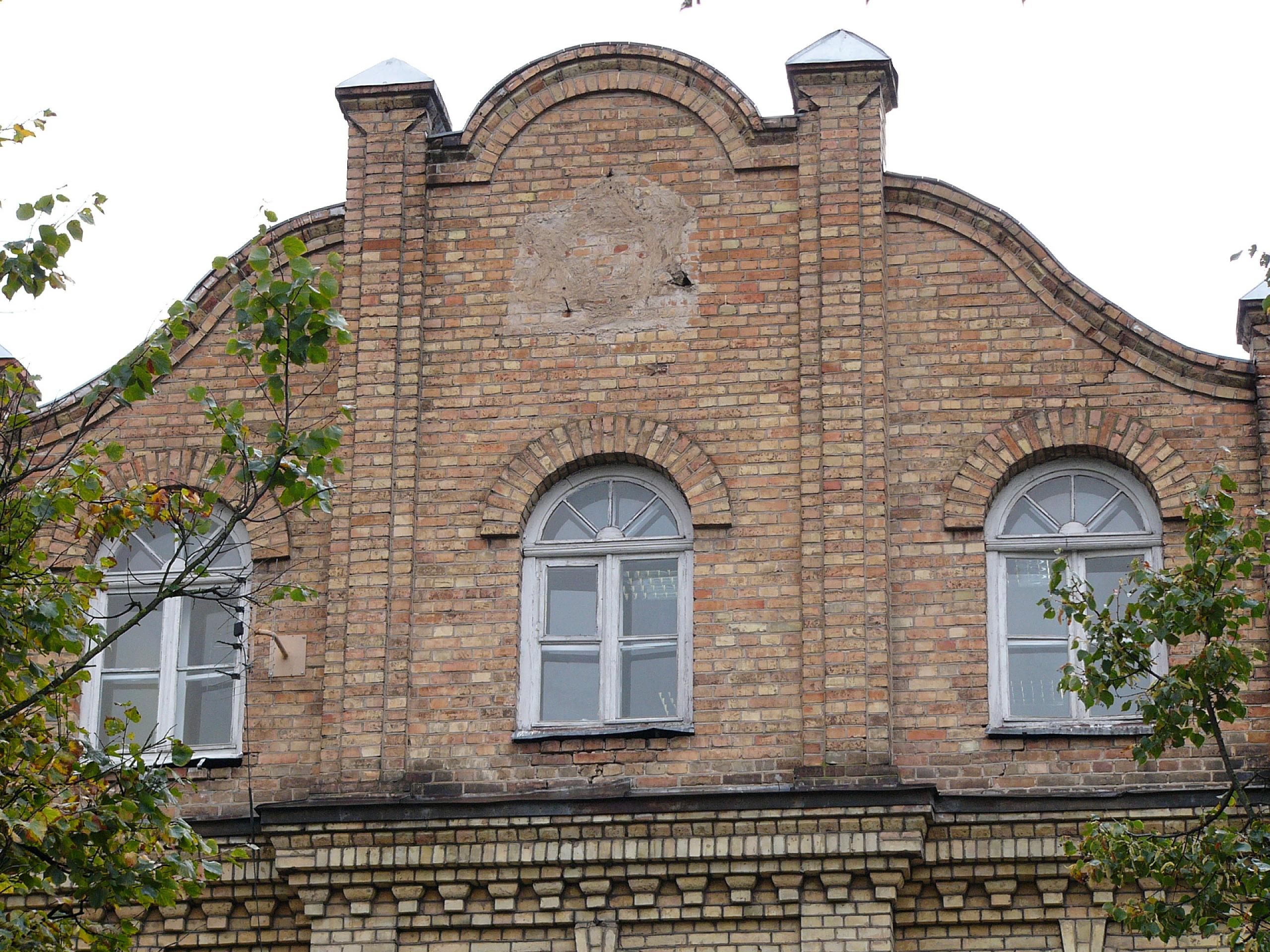
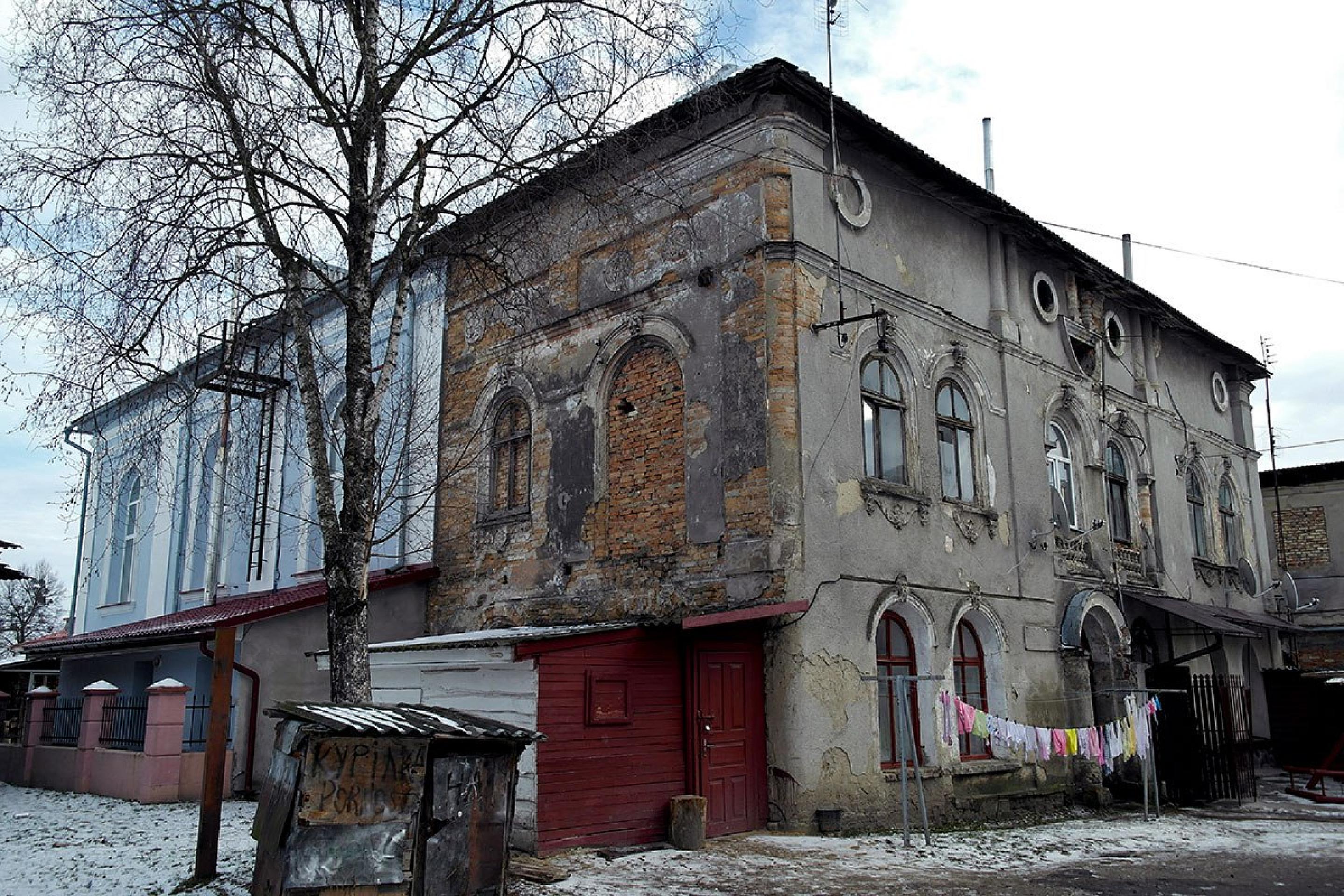
Today, the Jewish community of Panevėžys has about forty members. For many years they have been collecting materials on the regional Jewish history and the extermination of Lithuanian Jews in the Holocaust. The collected objects and documents have been displayed in a small permanent exhibition since November 2004. There is also a library and an archive. These institutions are located in the restored historic building which once housed the Jewish girls' high school of Panevėžys.
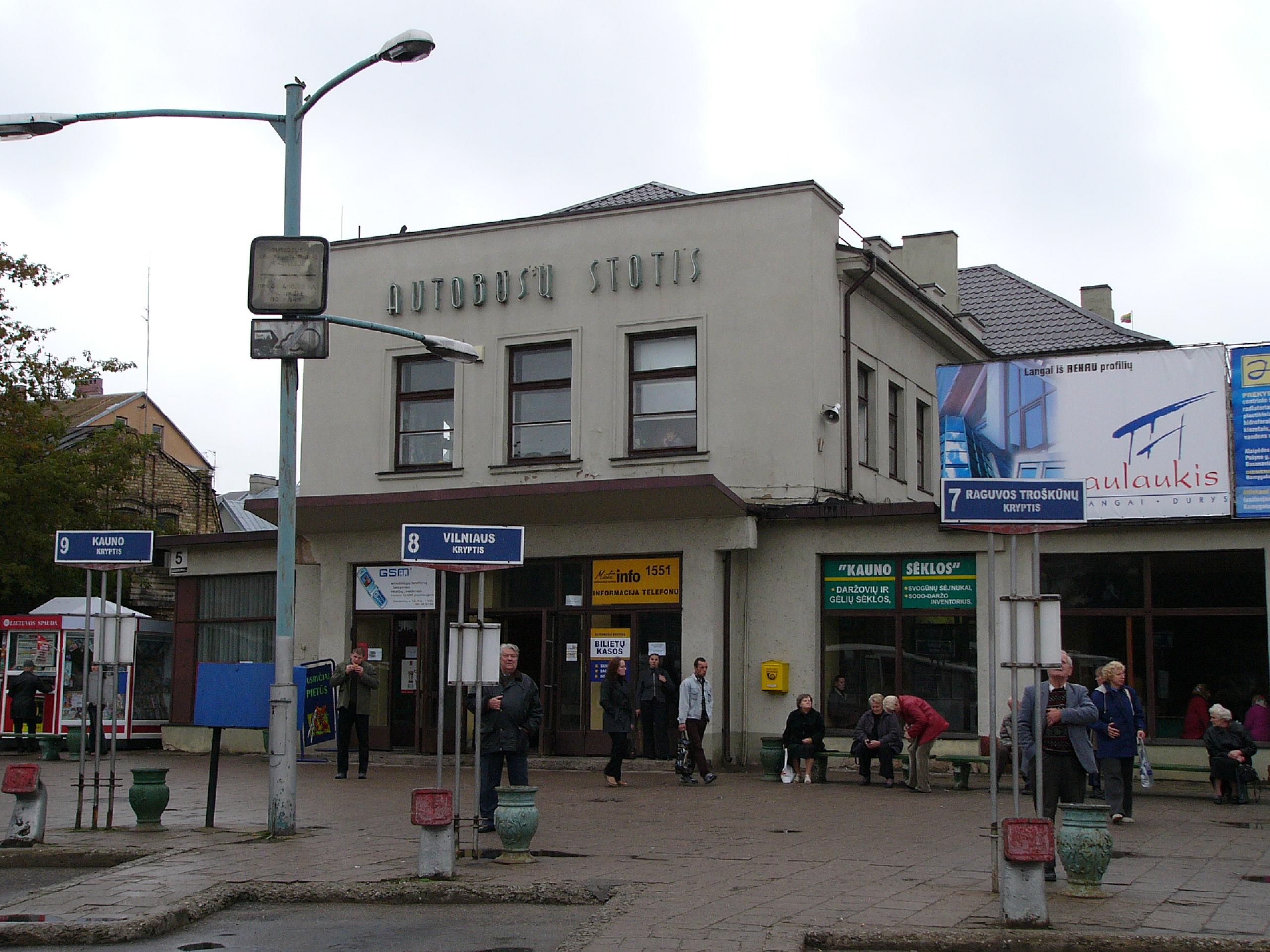
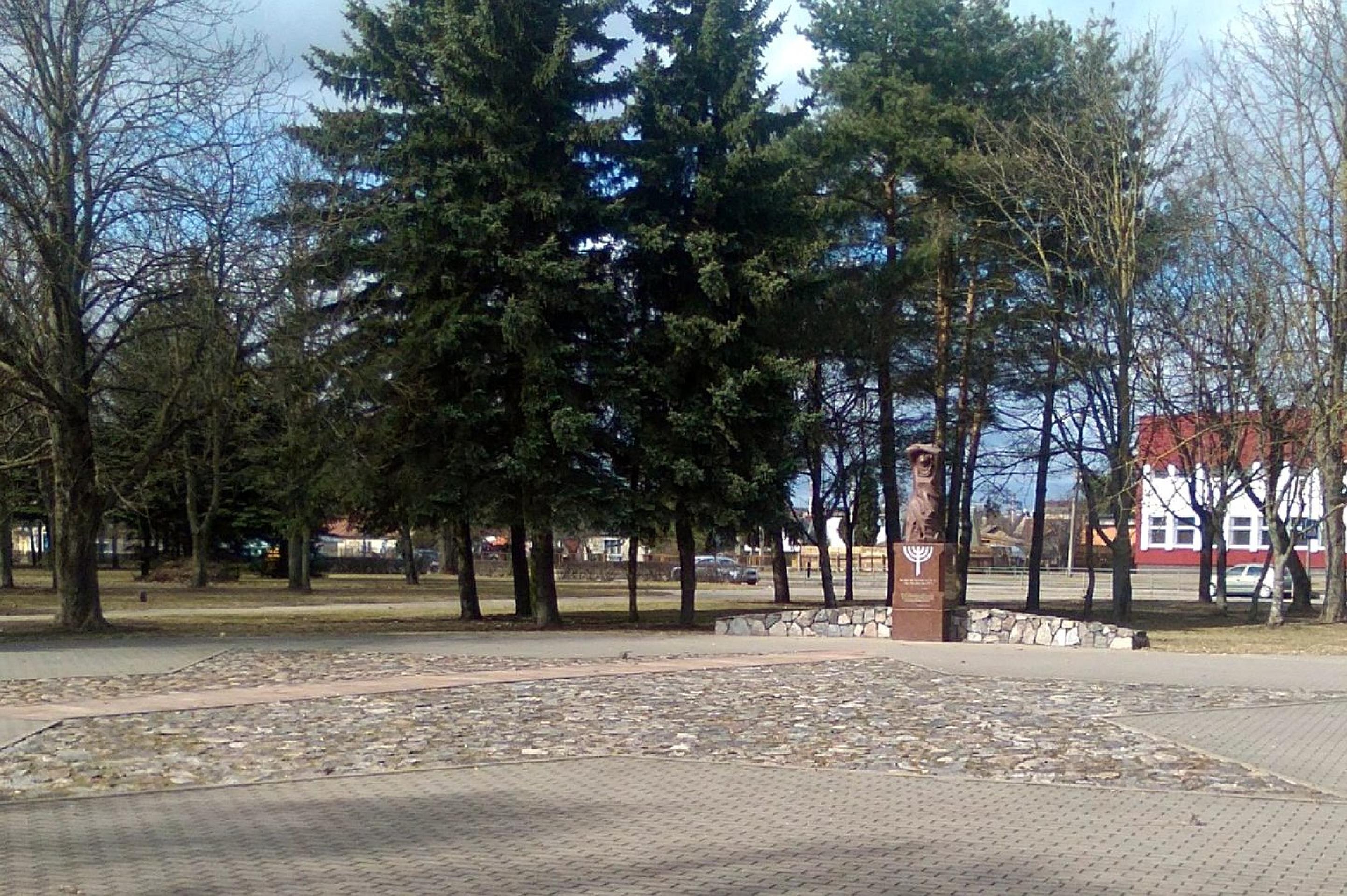
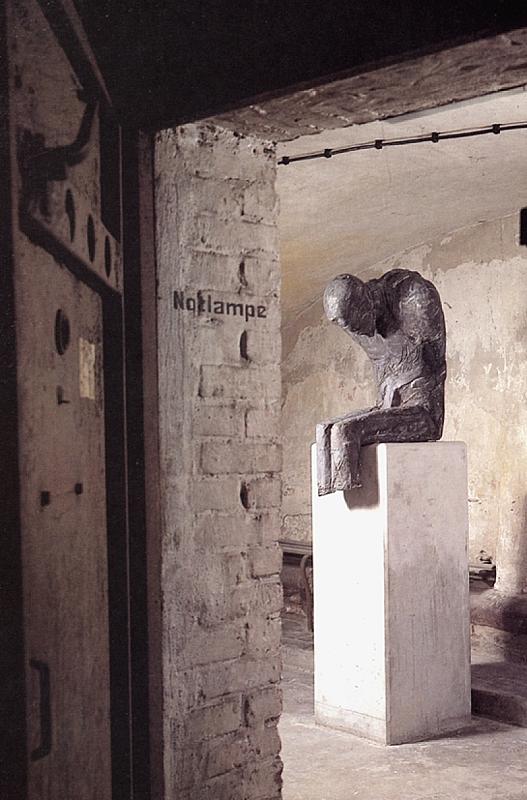
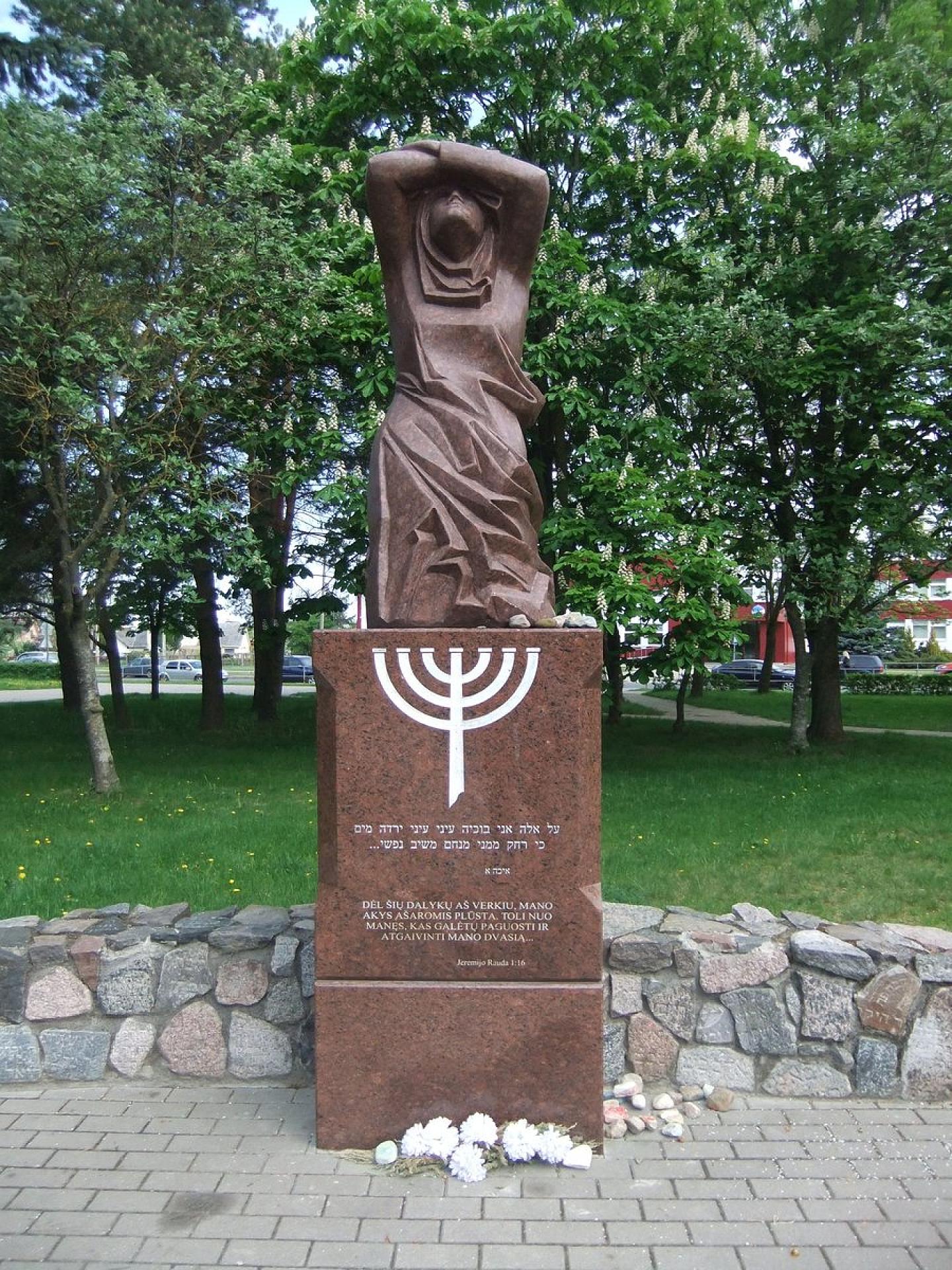
Today there are only a few traces of Jewish life left in Panevėžys. Some former synagogues are still standing but have been serving different functions for decades. The municipal bus station for instance is also a former synagogue. The Jewish cemetery survived the war, only to be destroyed under Soviet rule in 1966. Since 2009 the park on its former premises is also a memorial. The sculpture in its centre is called »Mourning Jewish Mother« and was created by the artist Vytautas Tallat-Kelpša. The wall behind the statue consists partly of stones originating from the old Jewish cemetery that had been used in construction works after its destruction.
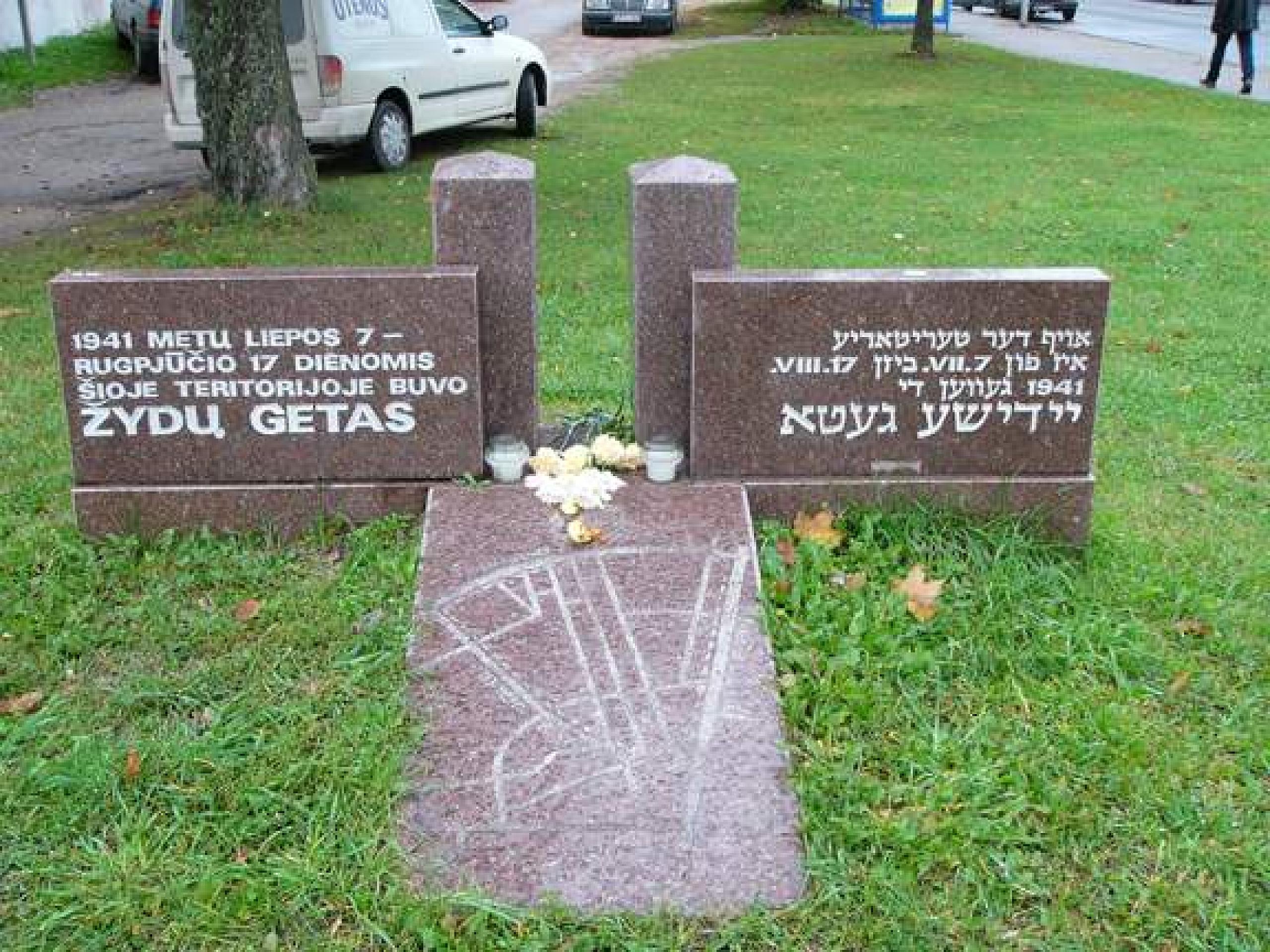
Already in 1993, a memorial was erected on the site of the former ghetto. The memorial symbolized the entrance to the former ghetto. The outline of the ghetto is engraved in the granite stone. The Yiddish and Lithuanian inscription reads: »Here existed a Jewish ghetto from 7 July 1941 until 17 August 1941.« The sculpture was created by the artist V. Zigas.
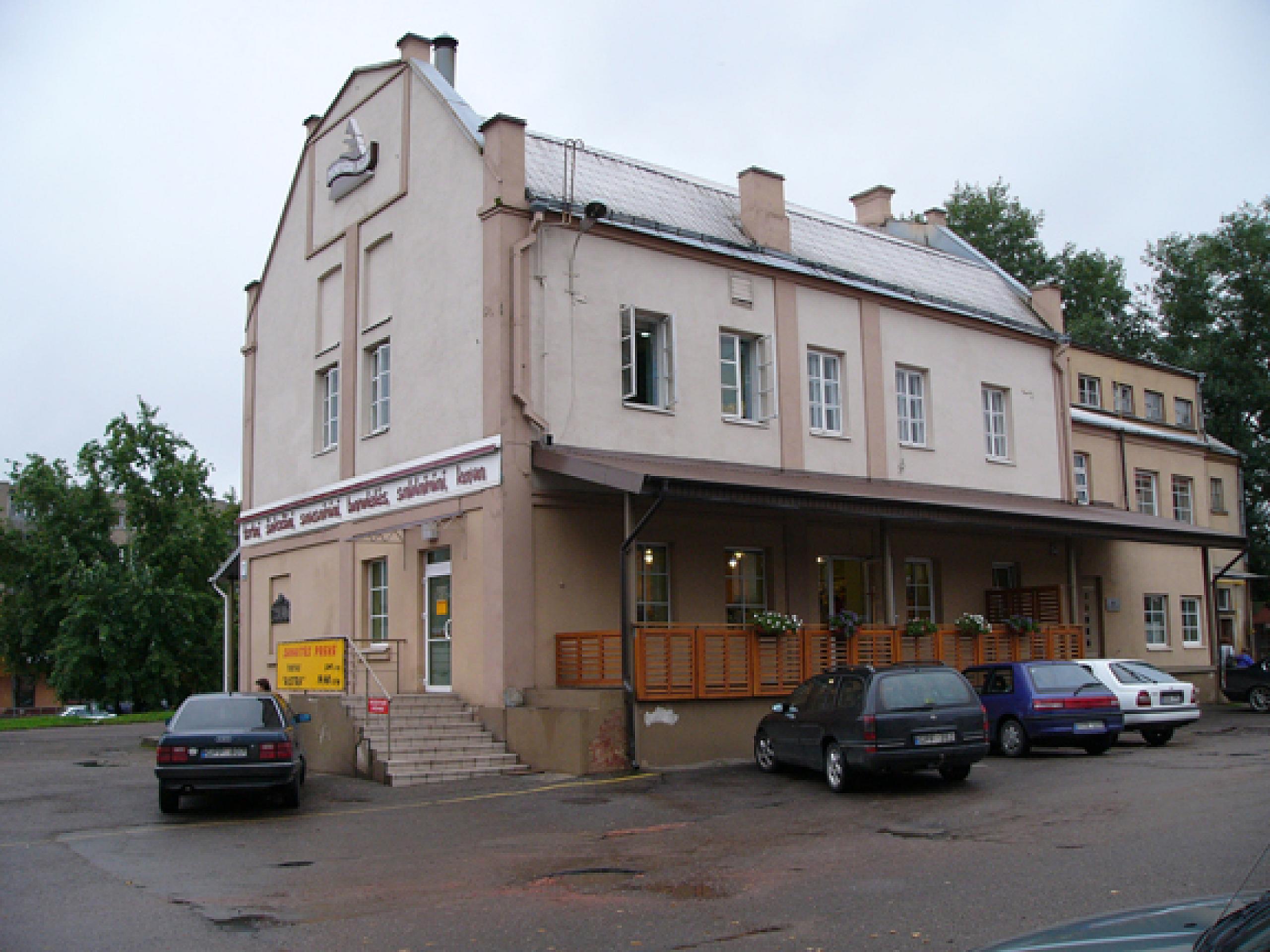
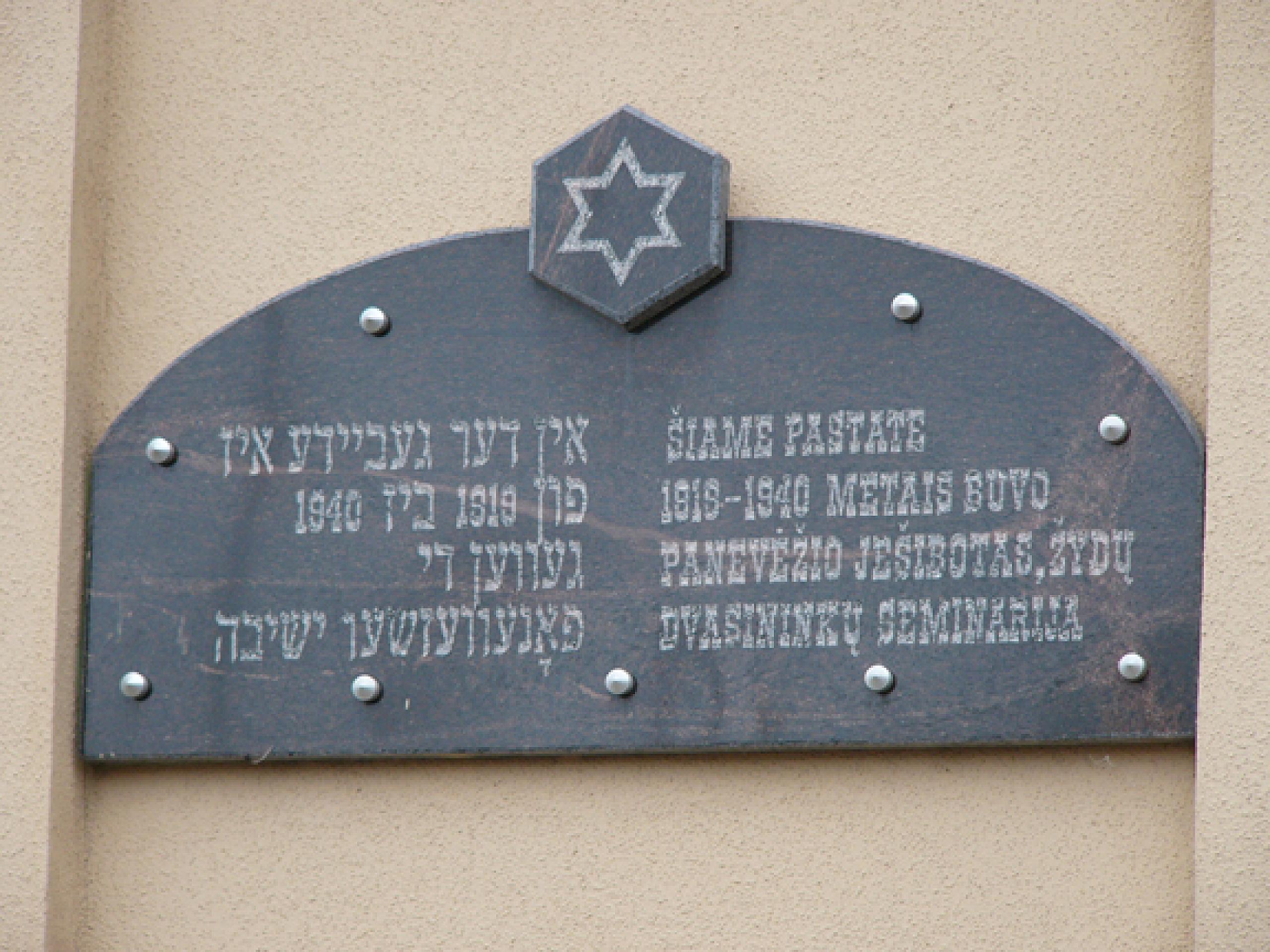
One of the most important Jewish institutions before the war was the »Ponevezh Yeshiva«, one of the best known talmudical academies of ultra-orthodox Judaism. There is a memorial plaque on its former building. The Yeshiva itself was founded anew in Israel in 1944.
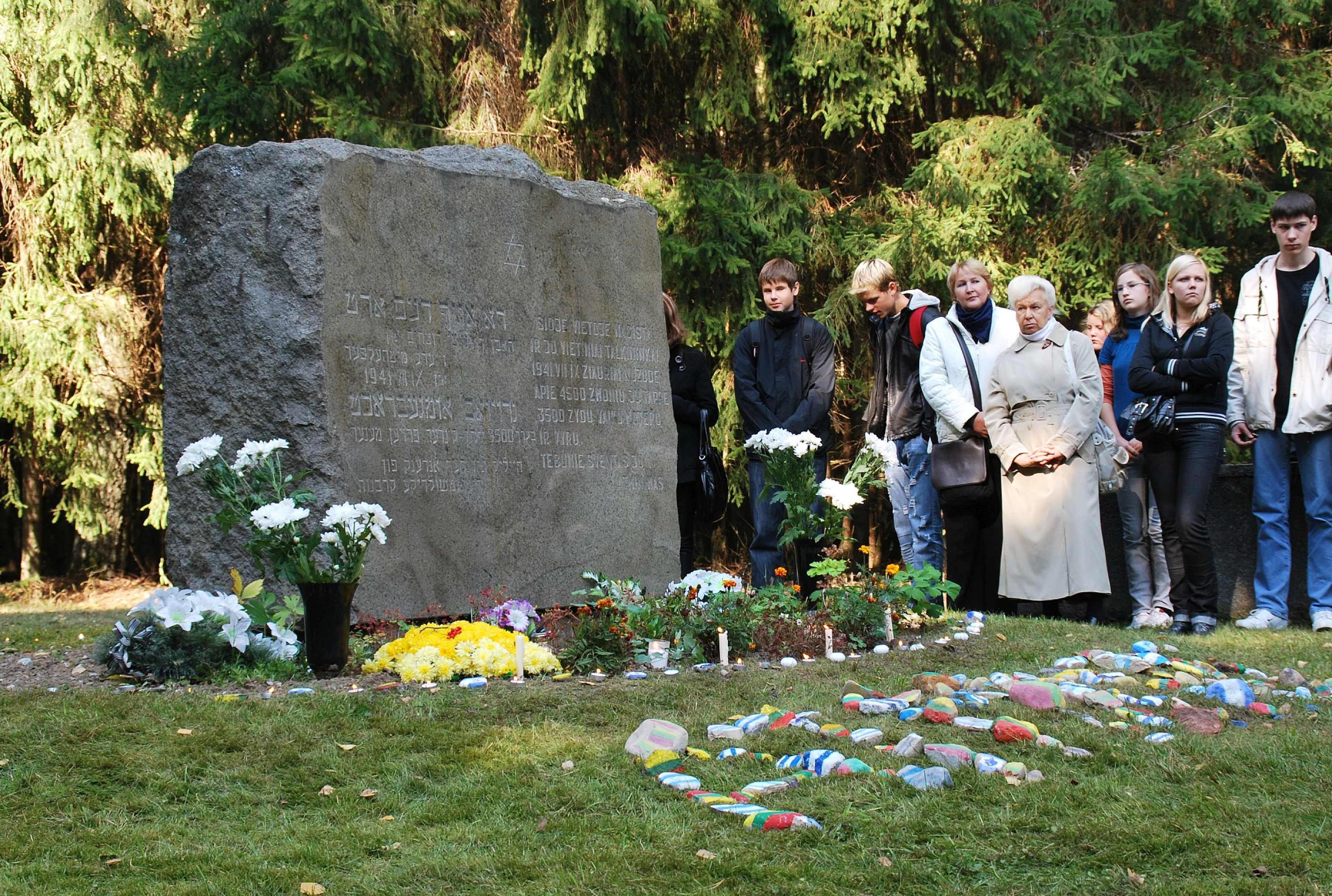
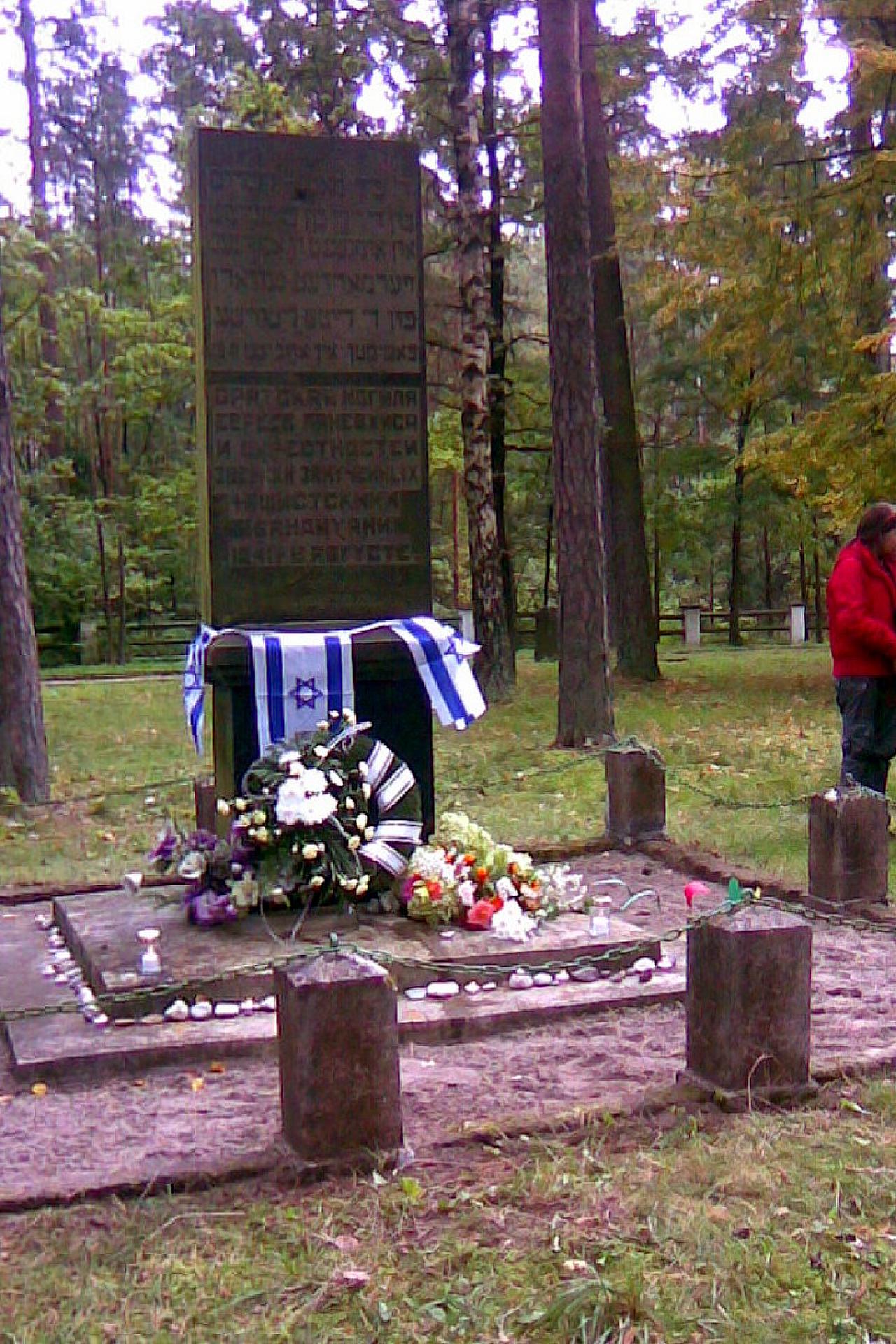
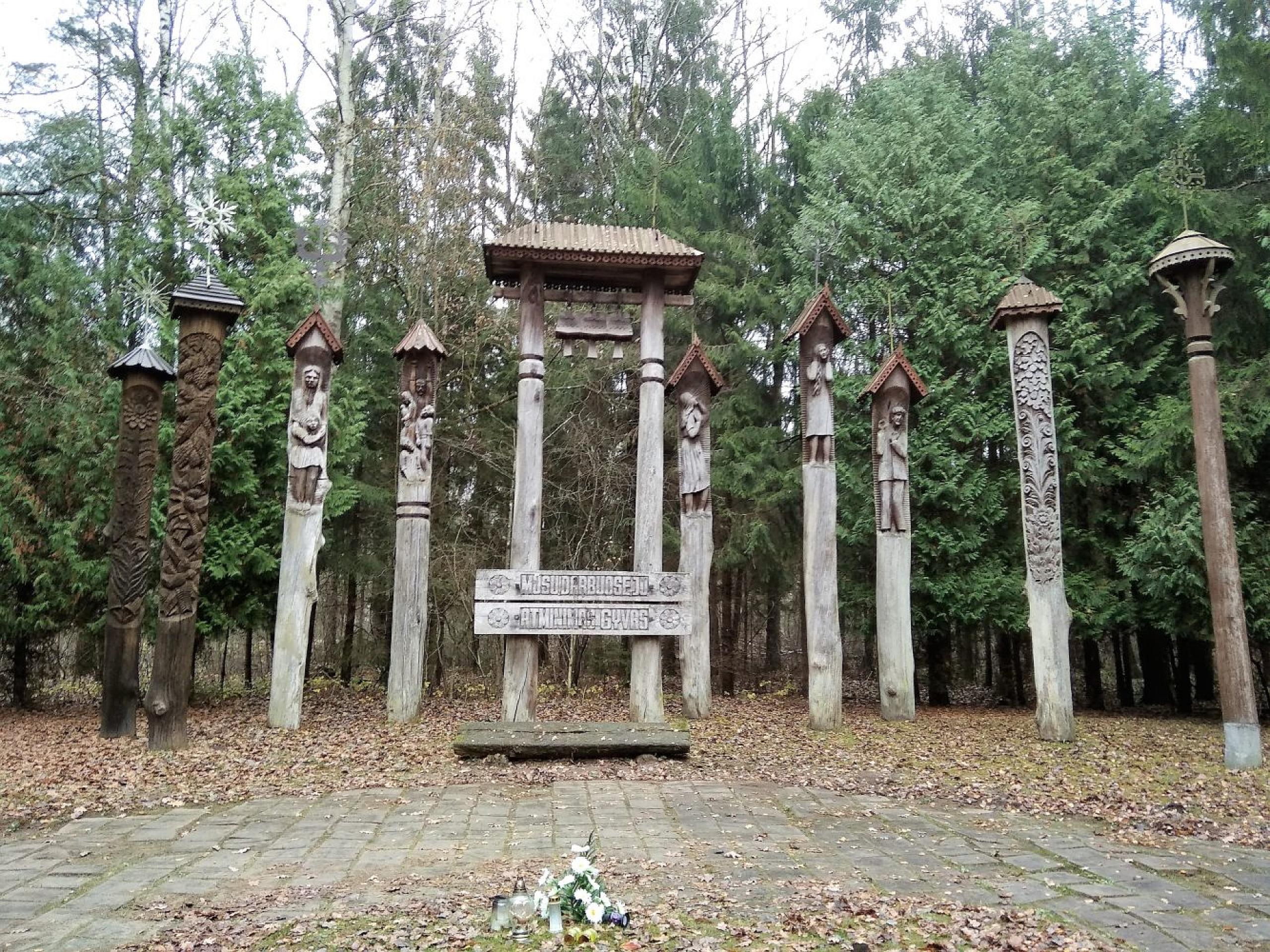
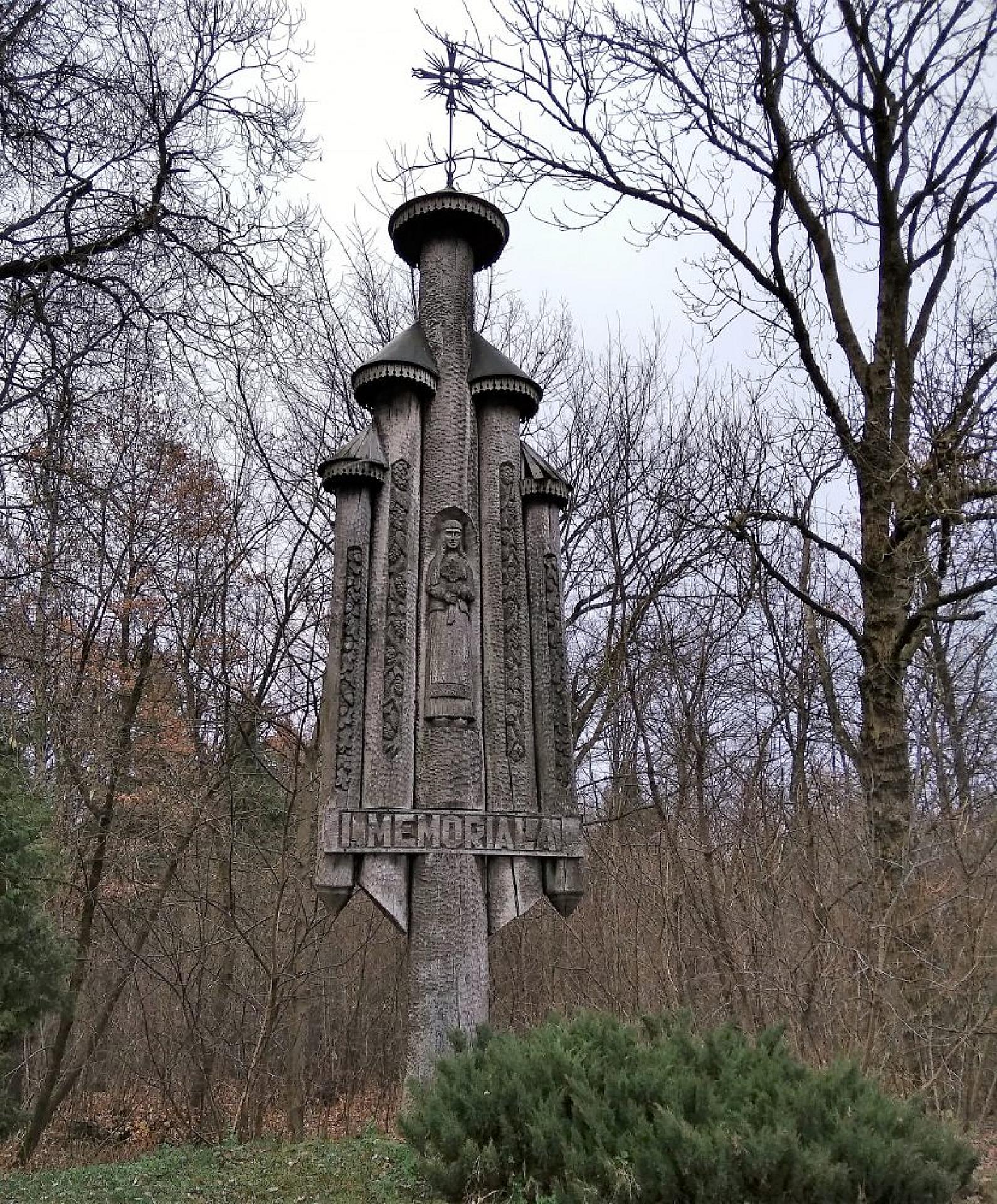
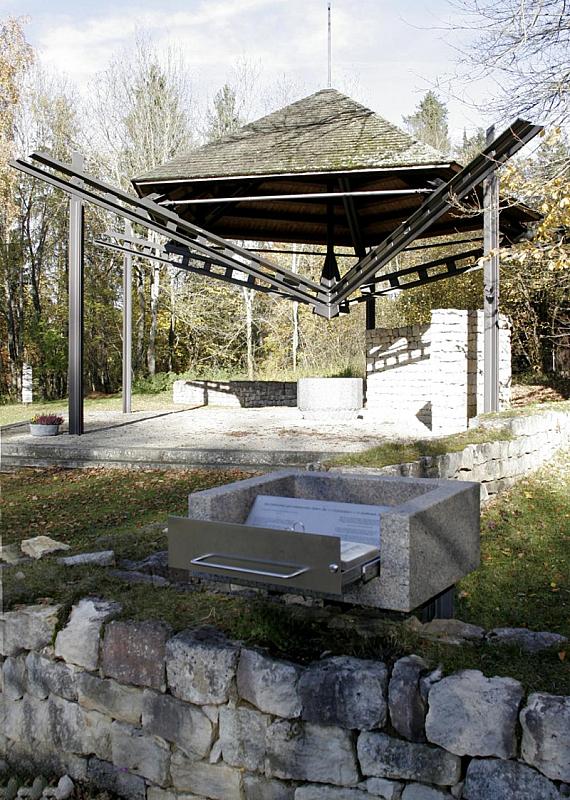
On the sites of the mass shootings in the Pajuostė und Žalioji giria forests memorials were unveiled already shortly after the war to commemorate the murdered Jews. At the site of the first mass shooting in the Staniūnai (Kaizerlingas) forest, a memorial site was opened in 1979 consisting of traditional Lithuanian wooden sculptures. It was complemented in 1984 when another sculpture was added to mark the entrance.
Open
The monuments are accessible at all times.
»Ghetto Gates«-Memorial : corner of Klaipėdos/Krekenavos gatvė
Memorial »Mourning Jewish Mother«: Park Atminimo skveras
Contact
genavta@ahoo.com
+370 611 20882
Ramygalos g. 18
36236 Panevėžys