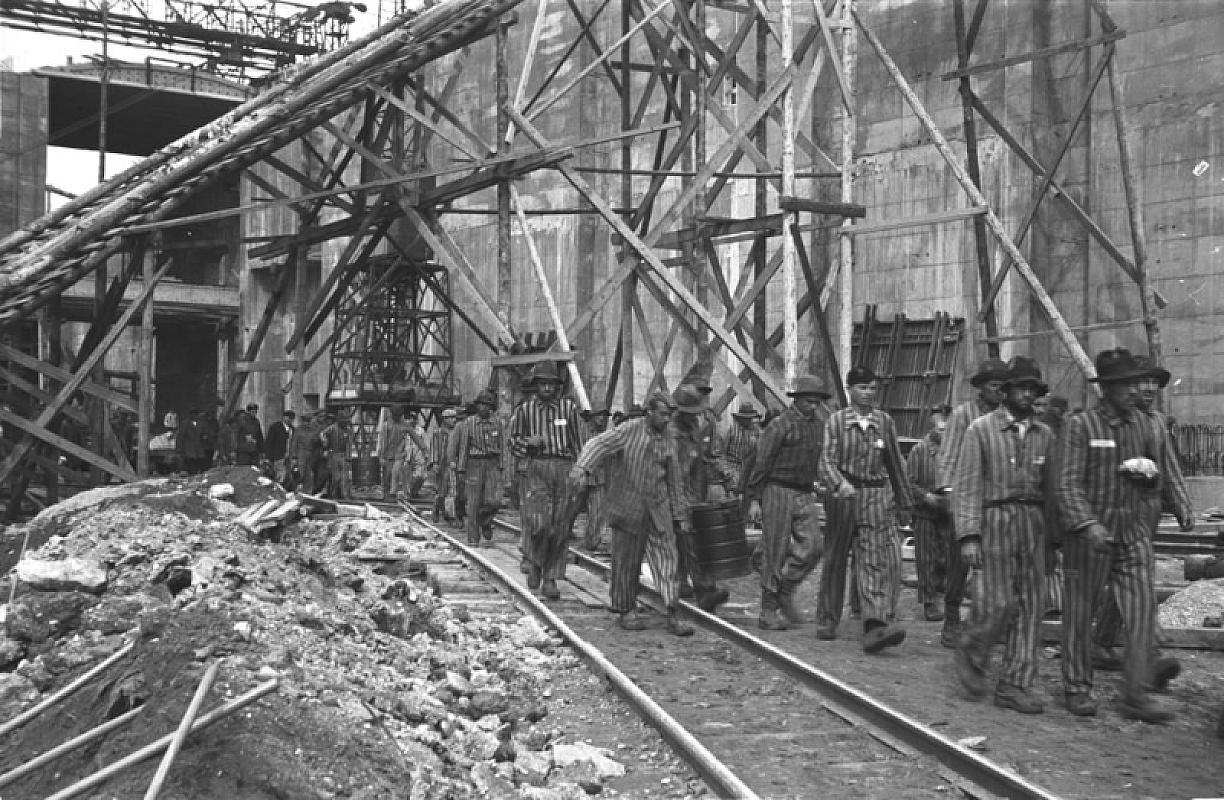
Remembrance of the murdered Jews of Vileyka
Память убитых евреев города Вилейка / Памяць забітых яўрэяў горада Вілейка
In the Belarusian city of Vileyka, three memorials commemorate the Jews murdered in the city between 1941 and 1944.
History
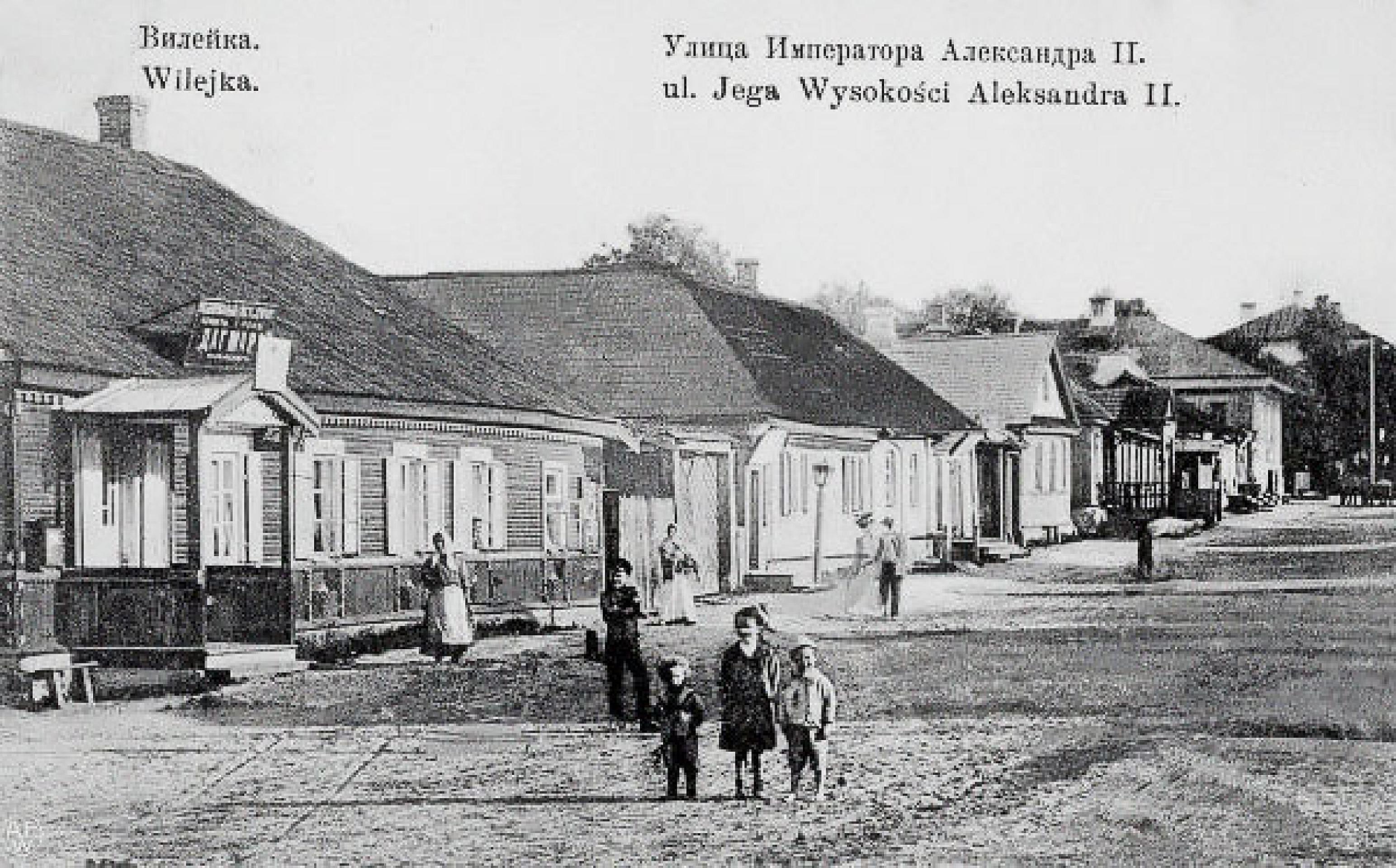
Prior to the First World War, the small town of Vileyka, about 100 kilometers northwest of Minsk, belonged to the Russian Empire. Polish during the interwar period, Vileyka passed to the Soviet Union in 1939 in the course of the Molotov-Ribbentrop Pact. At the end of the 19th century, about 1,330 of the city's 3,600 inhabitants were Jews. On the eve of the Second World War, about 1,000 Jews still lived in the city.
The German Wehrmacht occupied Vileyka on June 26, 1941. Anti-Jewish measures came into force immediately: Jews had to wear identifying badges, form a »Jewish Council« to implement German orders and conduct forced labour. On July 12, 1941 all Jewish men between the age of 15 and 60 were called upon to register in the synagogue. The Germans let all the skilled workers go, all others were detained on the pretext that they were supporters of Soviet power. Subsequently, members of Sonderkommando (sub-group of Einsatzgruppe) 7a of Einsatzgruppe (mobile killing squad) B, supported by local auxiliaries, drove the Jews to the village of Stavki two kilometres away and shot them there. In addition to the 140 Jews, the unit also shot 13 non-Jewish men. A few days later, men from Einsatzkommando 9 drove a total of 400 Jewish children, women and men to a piece of forest near the village of Porsa called »Lisaja Gora« and shot them there. By December 1941, the occupation authorities had set up several ghettos and labour camps in Vileyka. On March 3, 1942 members of the Security Service of the SS (SD) shot and killed all residents of the so-called children's ghetto in the prison yard and burned their bodies on the premises. At the beginning of November 1942, the Security Service of the SS (SD) imprisoned hundreds of Jews in various houses and then set them on fire. On March 28, 1943 more Jews who were considered incapable of work were shot dead. Thereafter only a few Jews were still alive in Vileyka. Shortly before their retreat, the Germans shot all the Jews still living in Vileyka together with all the prisoners.
Victims
Members of Sonderkommando 7a shot about 140 Jewish men and up to 13 Belarusians during the first »Aktion«. On July 20, 1941 Einsatzkommando 9 shot about 400 Jewish children, women and men. At the beginning of February 1942, the Security Service of the SS (SD) set up a local branch in Vileyka. Its members shot up to 29 Jews in the first weeks. Again and again Jews from the surrounding villages were deported to Vileyka. In September 1942, several hundred Jews were deported from Szczuczyn to Vileyka. Those who were unable to work were shot. On March 3, 1942 the SD, supported by Belarusian and Latvian auxiliaries, shot about 300 Jews. At the beginning of November 1942, during a »Großaktion«, the Security Service of the SS (SD) shot all residents of the initial central ghetto, some residents of another ghetto and Jews who had just arrived in the city. The number of victims is between 100 and 400 according to contemporary witnesses accounts. The total number of victims is estimated at more than 1,500 Jews.
Remembrance
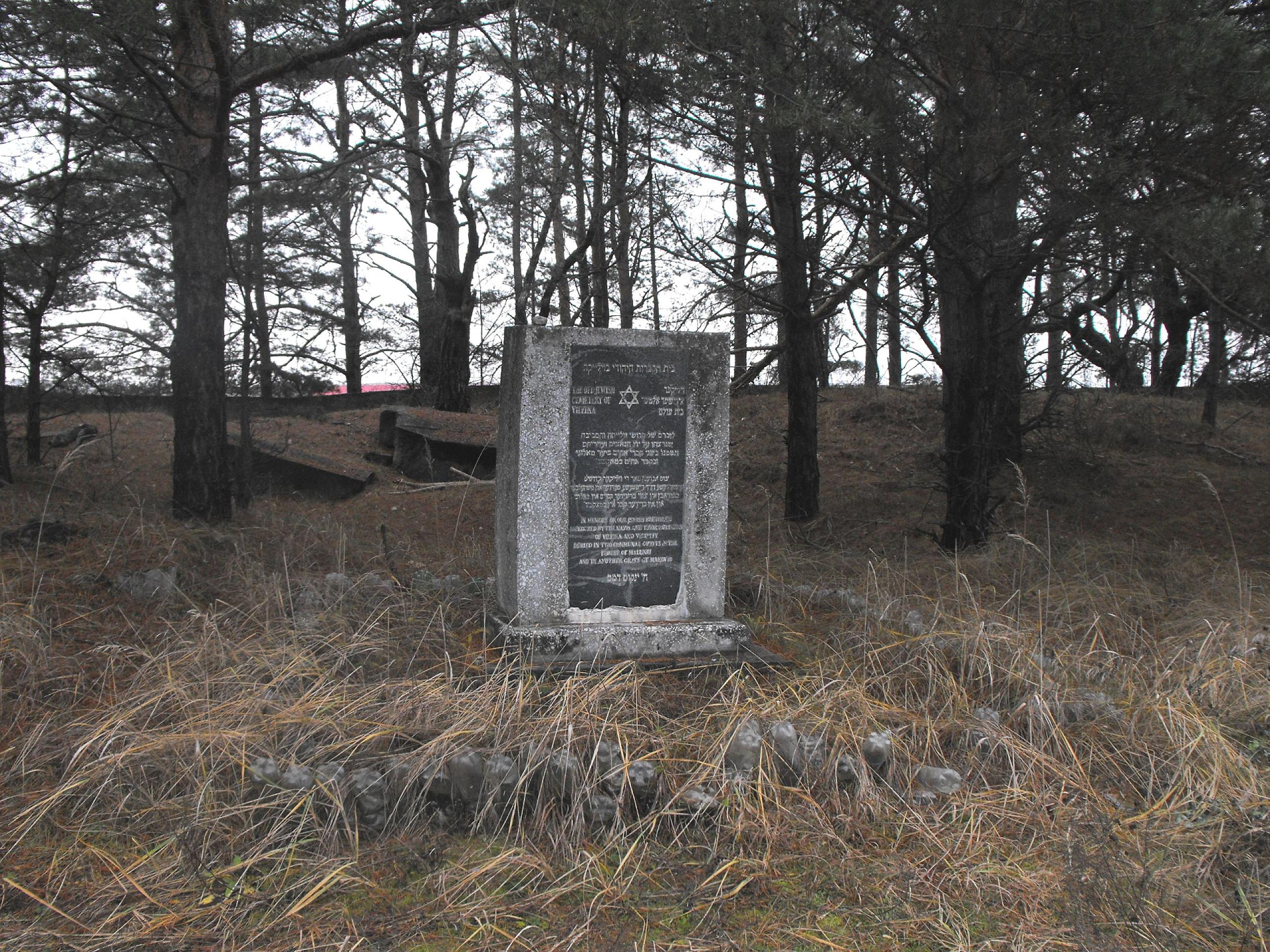
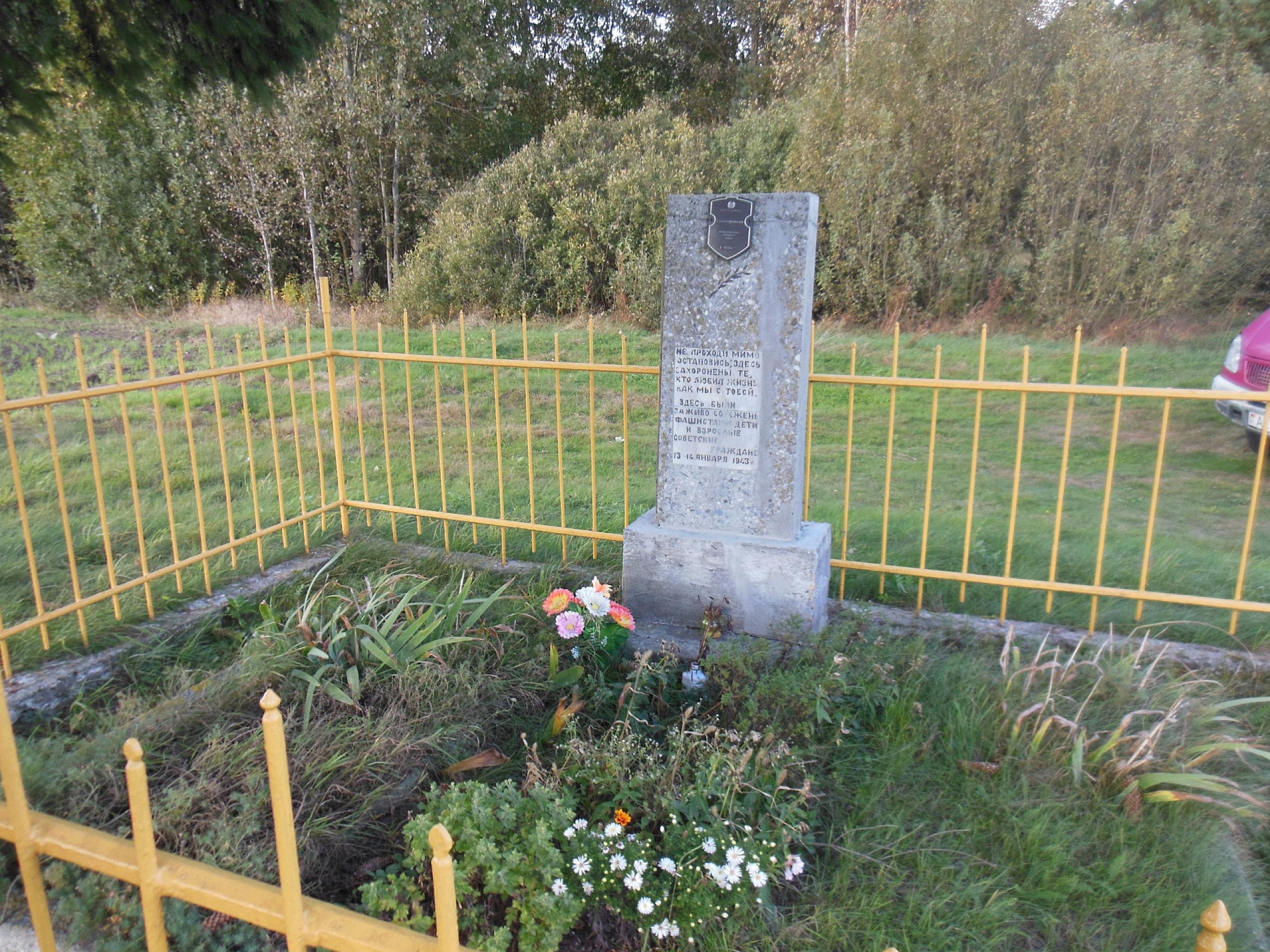
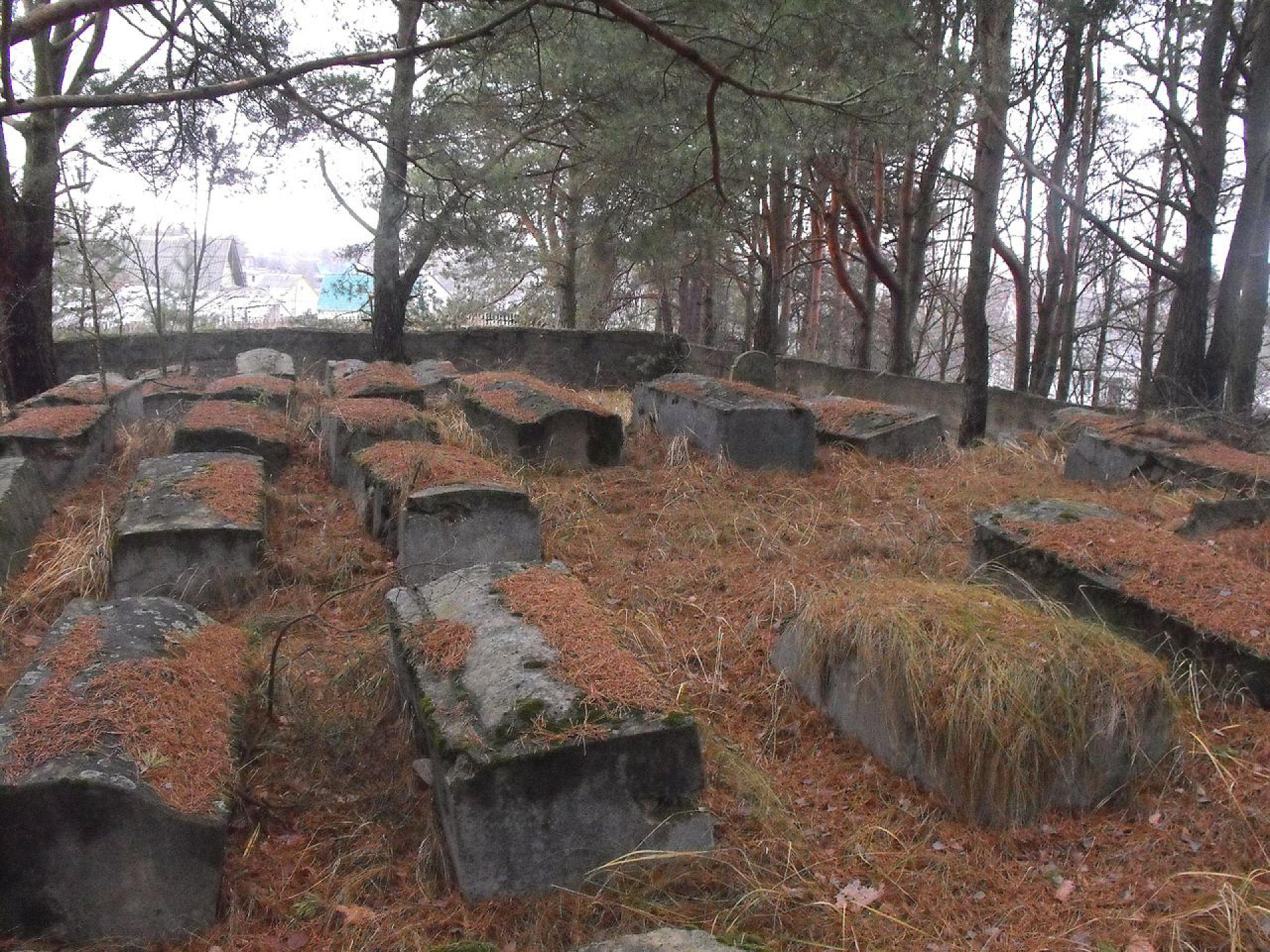
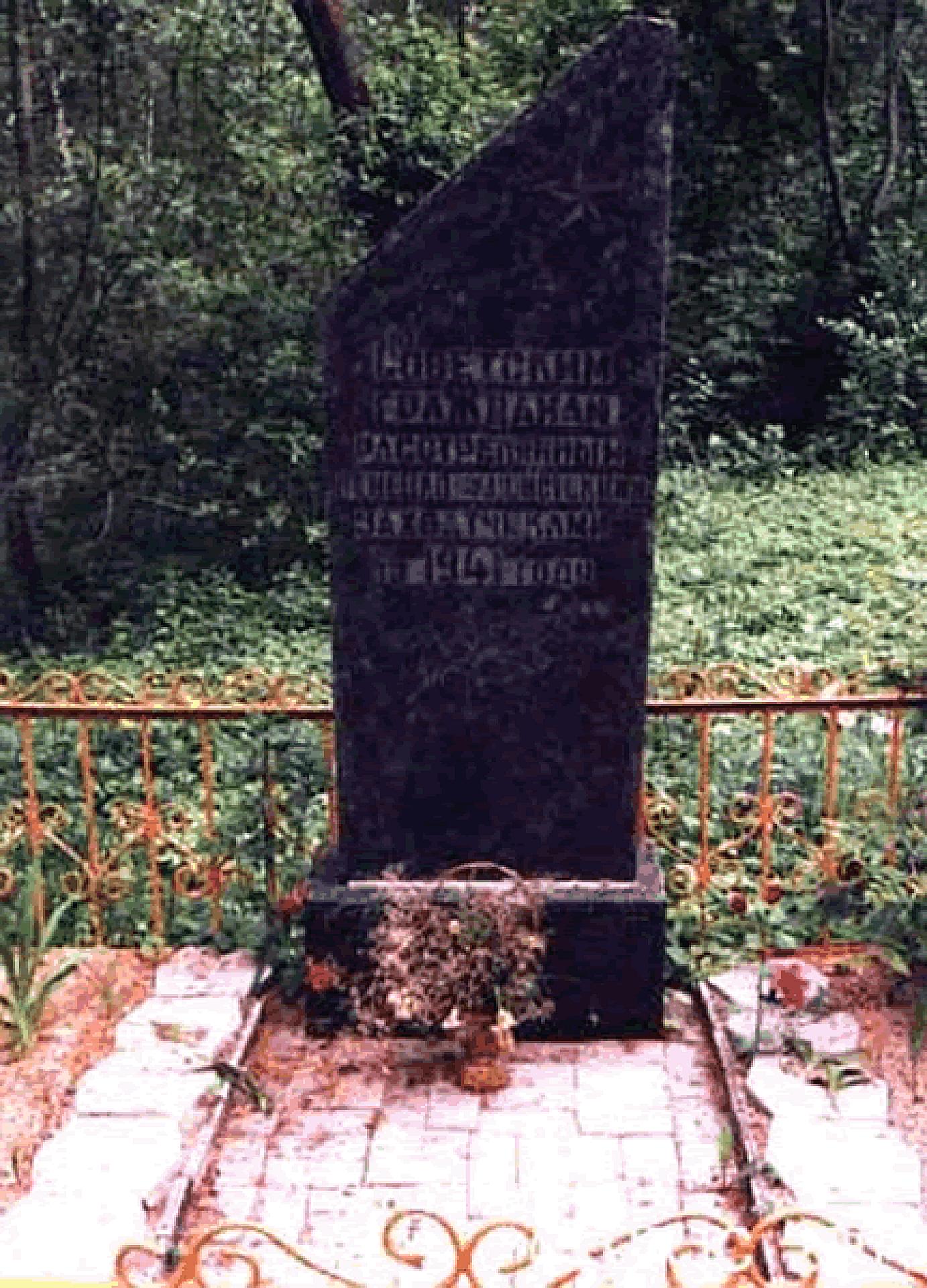
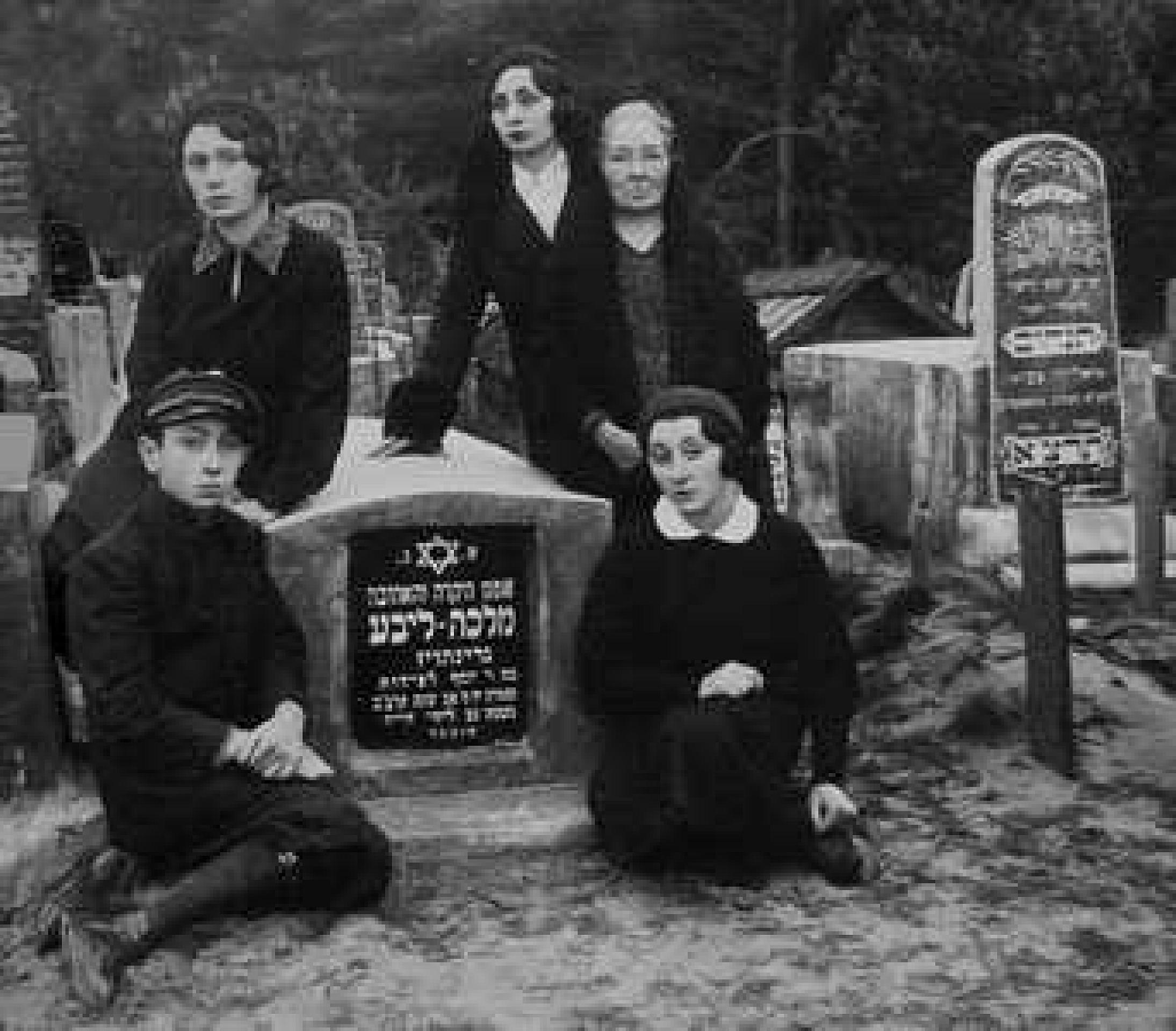
The Red Army liberated the town on July 2, 1944. After the war almost no Jews lived in Vileyjka. The Jewish cemetery in the south of Vileyka, existing since the 18th century, is still standing as a reminder of the Jewish community today. In the 1990s a memorial made of black granite was erected there, which remembers the city's murdered Jews in Hebrew and English. A Star of David is engraved on the upper half. Beside the memorial about 150 gravestones are still preserved, about half of which are in decay. Another memorial is located on the left side of the road leading from Makovye district to Porsa village and marks the memorial place »Lisaya Gora«. It was built in 1972 and commemorates the »peaceful Soviet citizens« who were murdered there by the Germans. The Jewish identity of the victims is not mentioned. Two years later the city erected another memorial made of black granite near the village of Stavki. On it the following inscription is engraved: »To the Soviet citizens, shot by the German-Fascist occupiers in 1941«. The synagogue was located in Partisanskaya Street. The building was misappropriated during the Soviet era.
Open
The memorials are accessible at all times.
Contact
vil_museum@mail.ru