Rhineland-Palatinate National Socialist Documentation Centre / KZ Osthofen Memorial
NS-Dokumentationszentrum Rheinland-Pfalz / Gedenkstätte KZ Osthofen
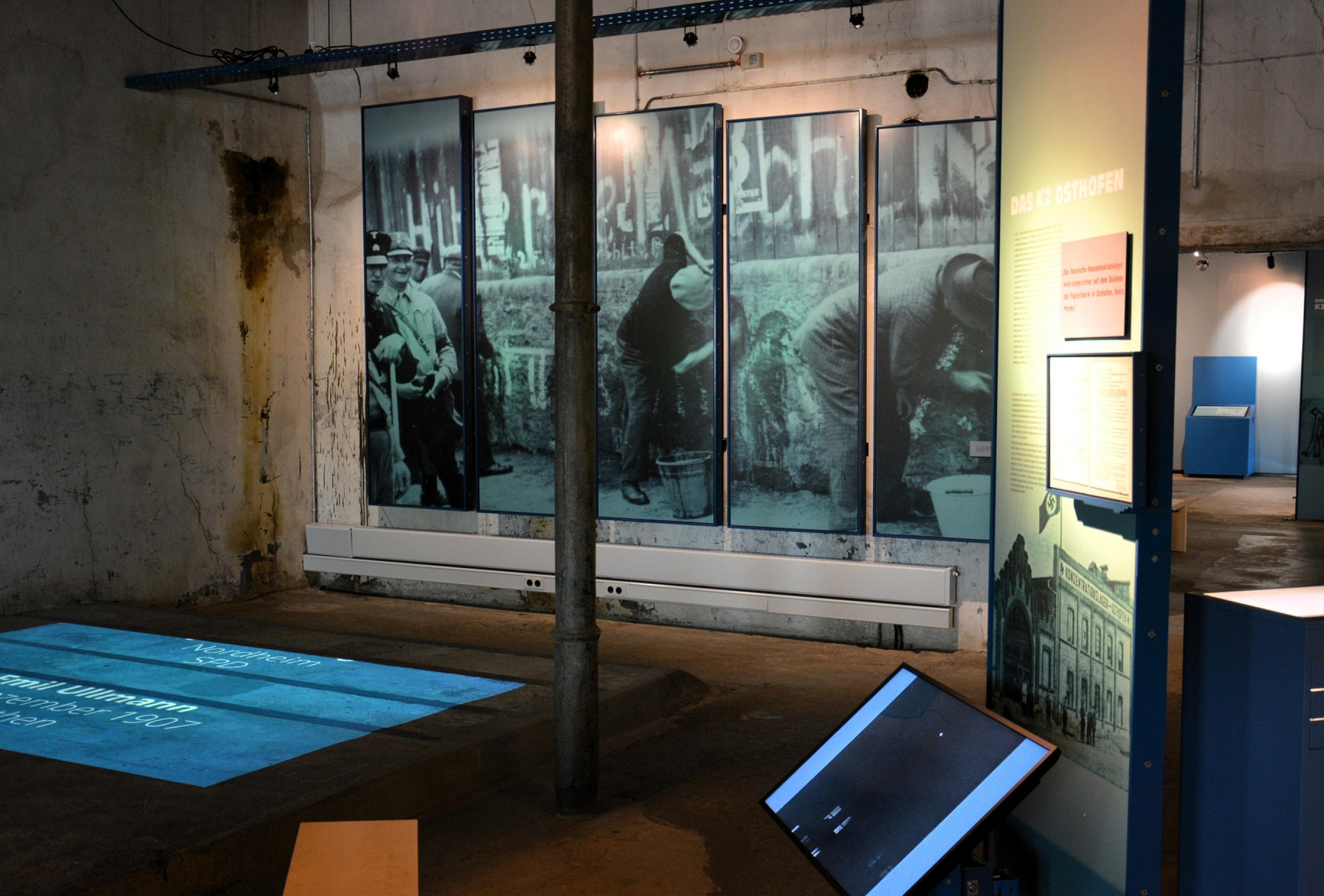
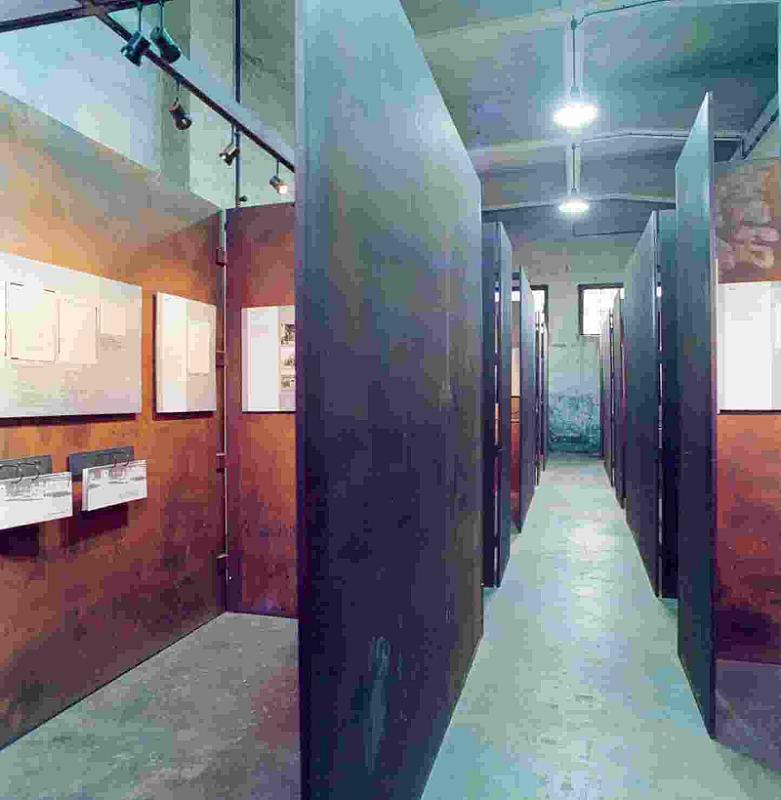
Between March 1933 and June 1934, an early concentration camp was in operation in Osthofen, a small town near Worms. The people incarcerated there were for the most part political prisoners in police custody. An exhibition compiled by the Centre for Political Education in Rhineland-Palatinate and the Osthofen Project support association presents information about the National Socialist period in the region. At the same time it commemorates the fates of those imprisoned at the Osthofen and Hinzert concentration camps.
History
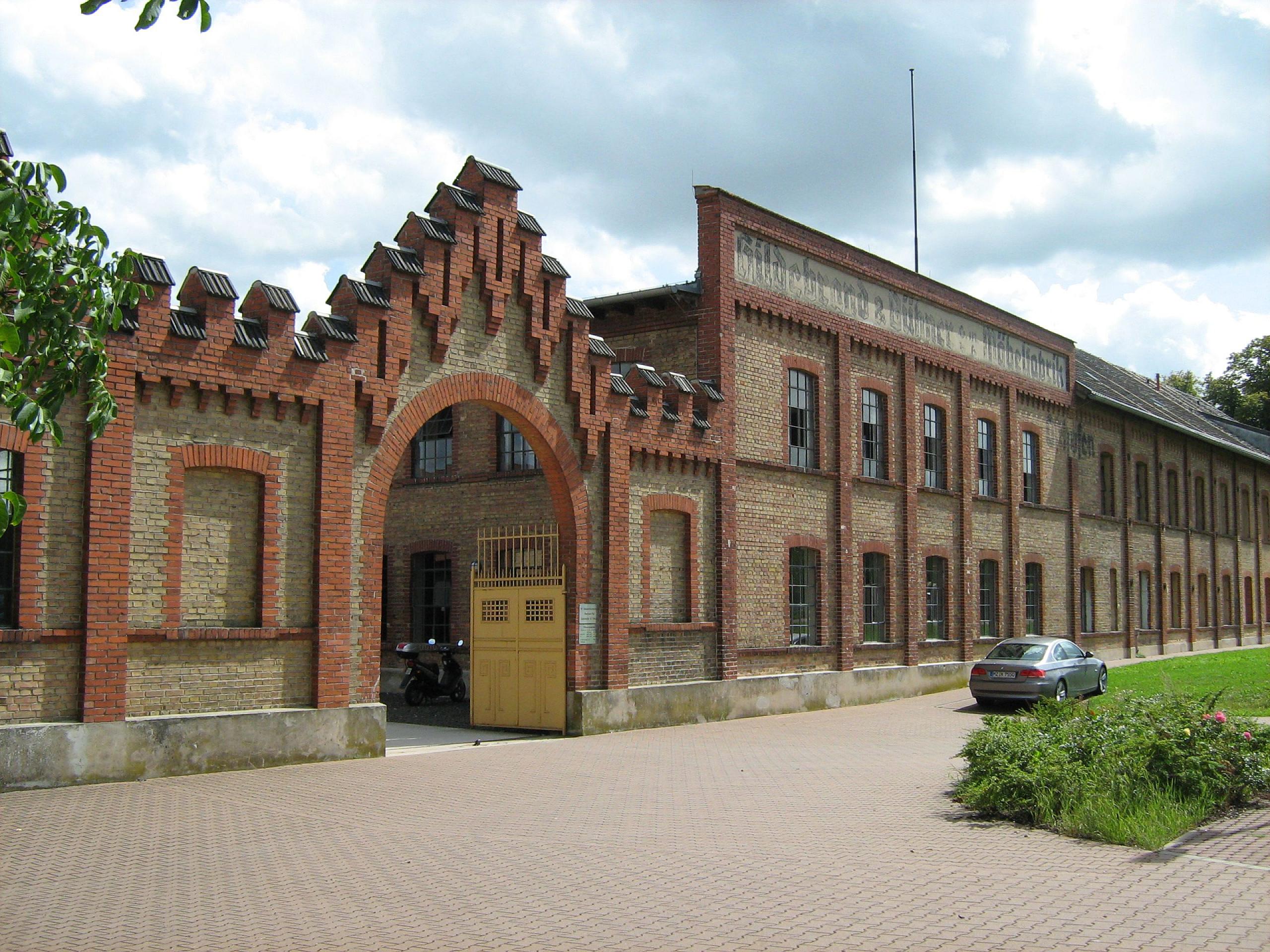
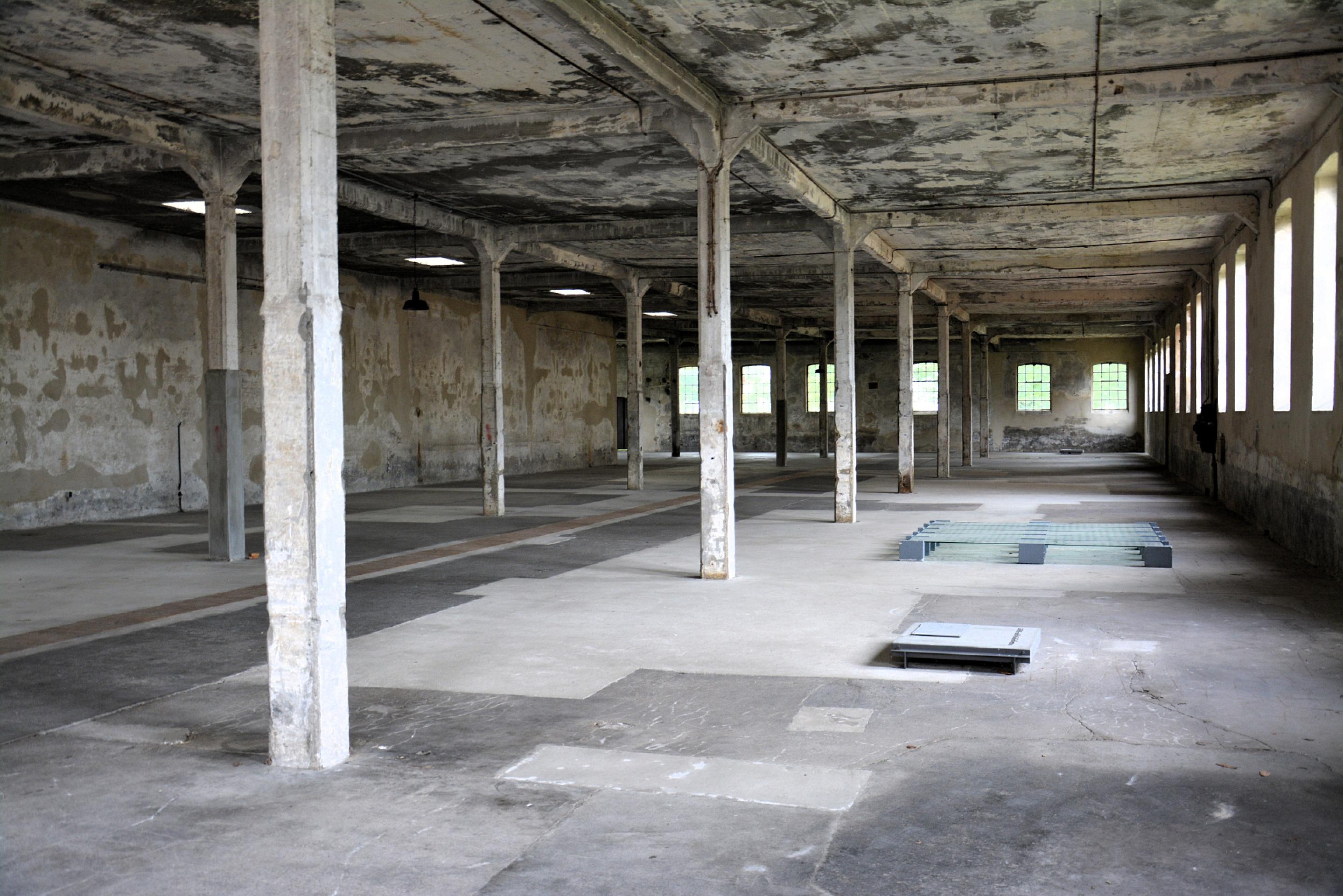
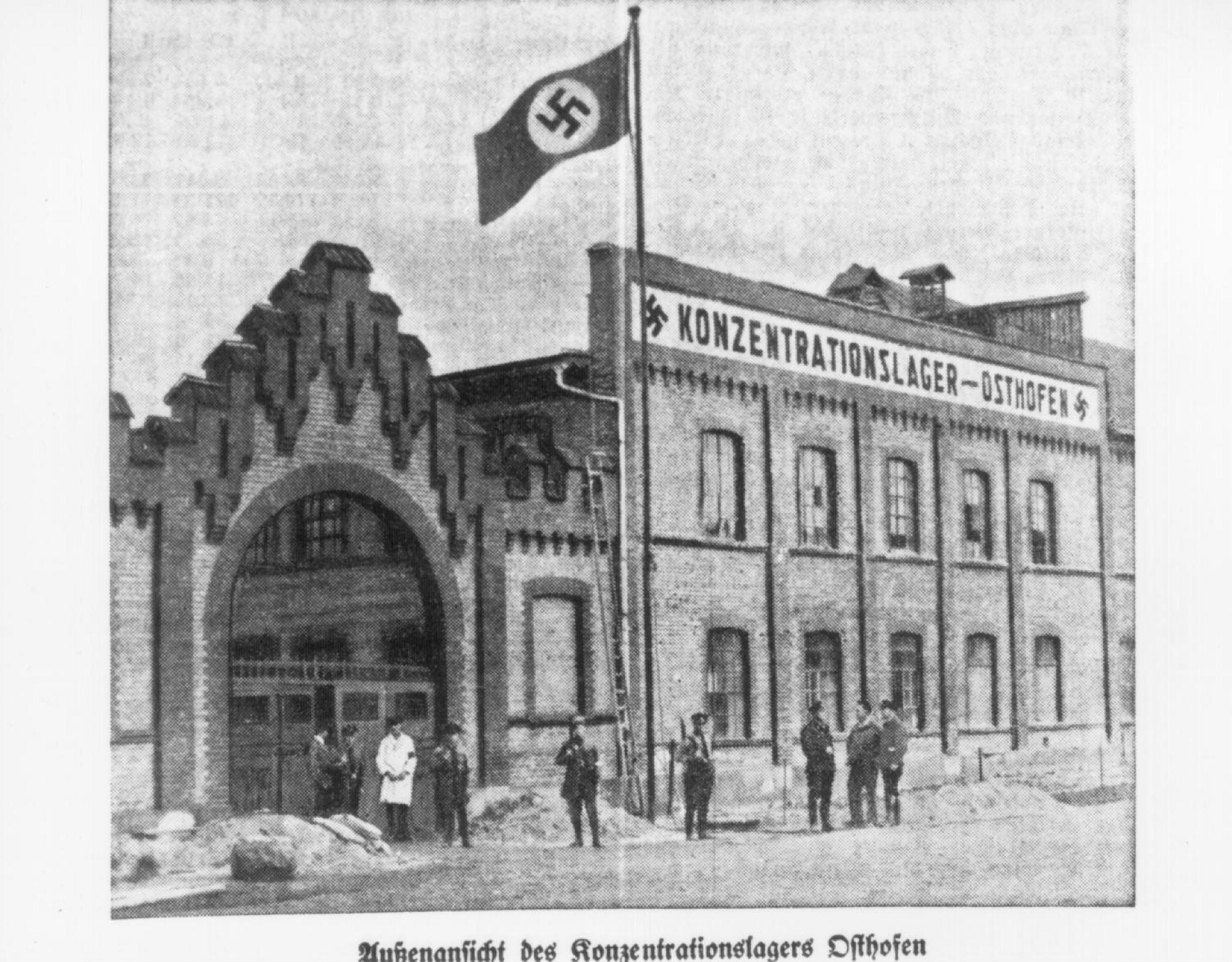
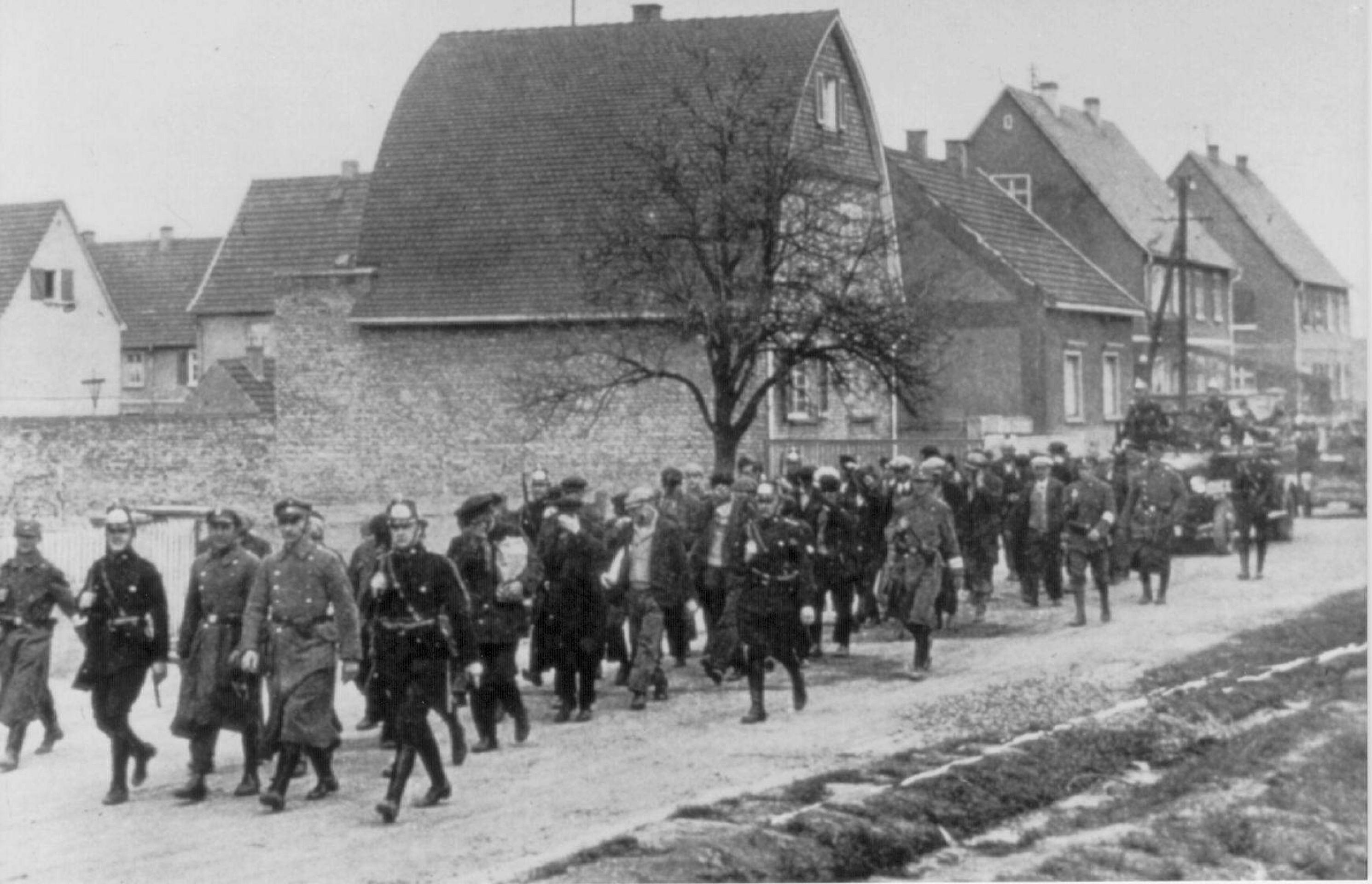
Shortly after the National Socialists' rise to power, the new government began suppressing all opposition and quickly established several concentration camps. By order of the local NSDAP, a concentration camp for the region of Hesse/Rhine-Hesse was established in March 1933 in a derelict paper mill in Osthofen. It came under administration of the Worms police department. Communists but also social democrats, who had been in »protective custody« for over a week, were to be incarcerated here. A second camp, constituting part of the Osthofen camp, was meant for prisoners who were to be subjected to »more severe arrest«. The latter camp was later moved to the Osthofen district court prison. From June 1933 on, the police increasingly arrested Jews and members of oppositional parties other than the KPD and the SPD. The prisoners were taken to the Osthofen concentration camp without being put on trial. The National Socialist press presented the camp as an educational and correctional facility in which »savage Marxists« were to become »decent humans«. In reality, conditions at the camp were very brutal. The prisoners in both camps were severely abused by the guards. In camp I the men were accommodated in large, unheated, cold and damp factory buildings. They had to build their own furnishings and improvised fireplace in order to be able to heat the factory hall in winter. In camp II conditions were far worse. While prisoners at camp I were allowed visitors and could receive food parcels, this was denied to the prisoners at camp II. Supplies were insufficient at both camps, yet all of the prisoners were deployed in work details in and outside of the camp. The Osthofen concentration camp was dissolved in June 1934. Many prisoners later came under the scrutiny of the Nazi authorities once again and were persecuted or imprisoned.
Victims
Despite the severe abuse and terrible conditions the prisoners were subjected to, there were no fatalities at the Osthofen concentration camp. Over half of the prisoners were members of the KPD. The two other large prisoner groups were social democrats and Jews. Members of the Centre Party, Catholics, Jehovah's Witnesses and several Sinti and Roma were also brought to the Osthofen concentration camp following their arrest. On average the men were incarcerated for four to six weeks, some were imprisoned much longer however. There was one female prisoner among the inmates at Osthofen. Carlo Mierendorff, a member of the Reichstag from the SPD and later part of the Kreisauer Kreis resistance group, was one of the prisoners at the Osthofen concentration camp.
Remembrance
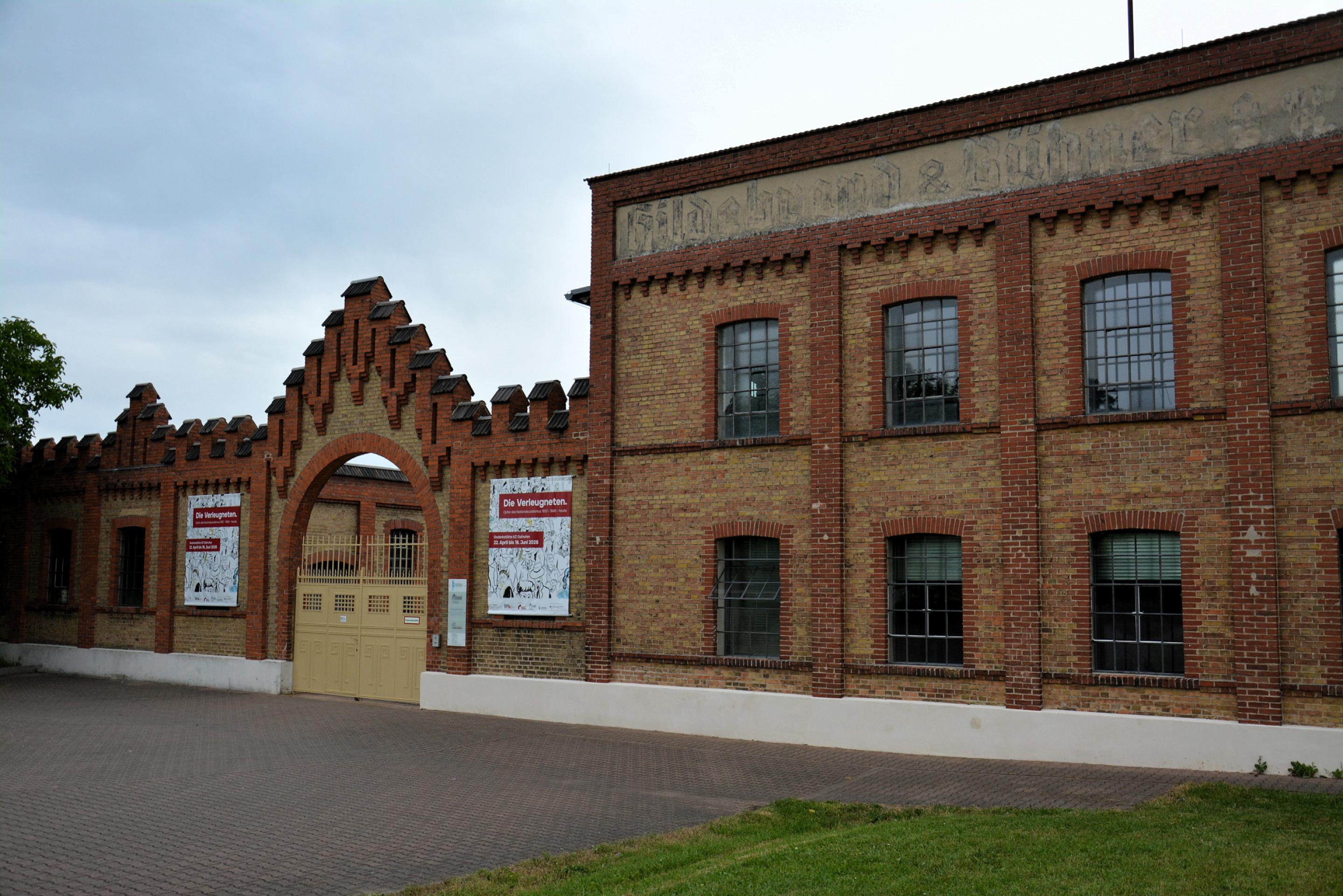
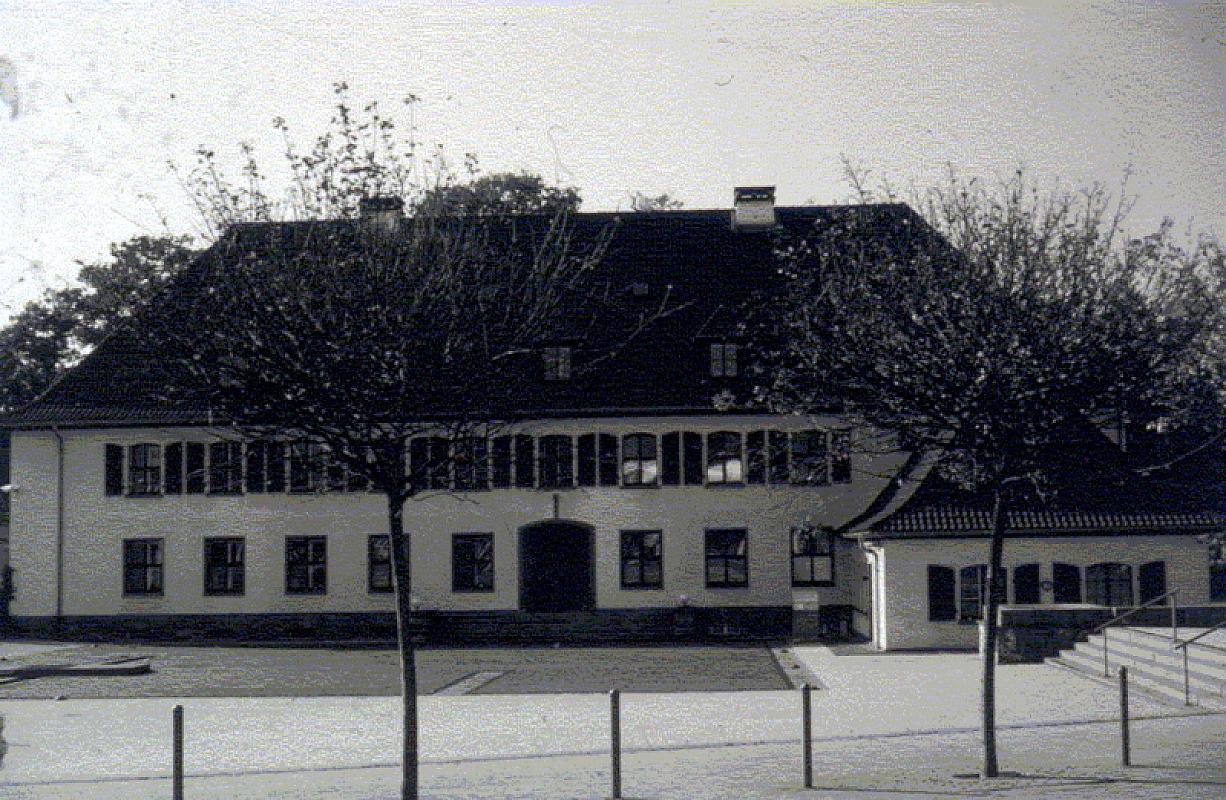
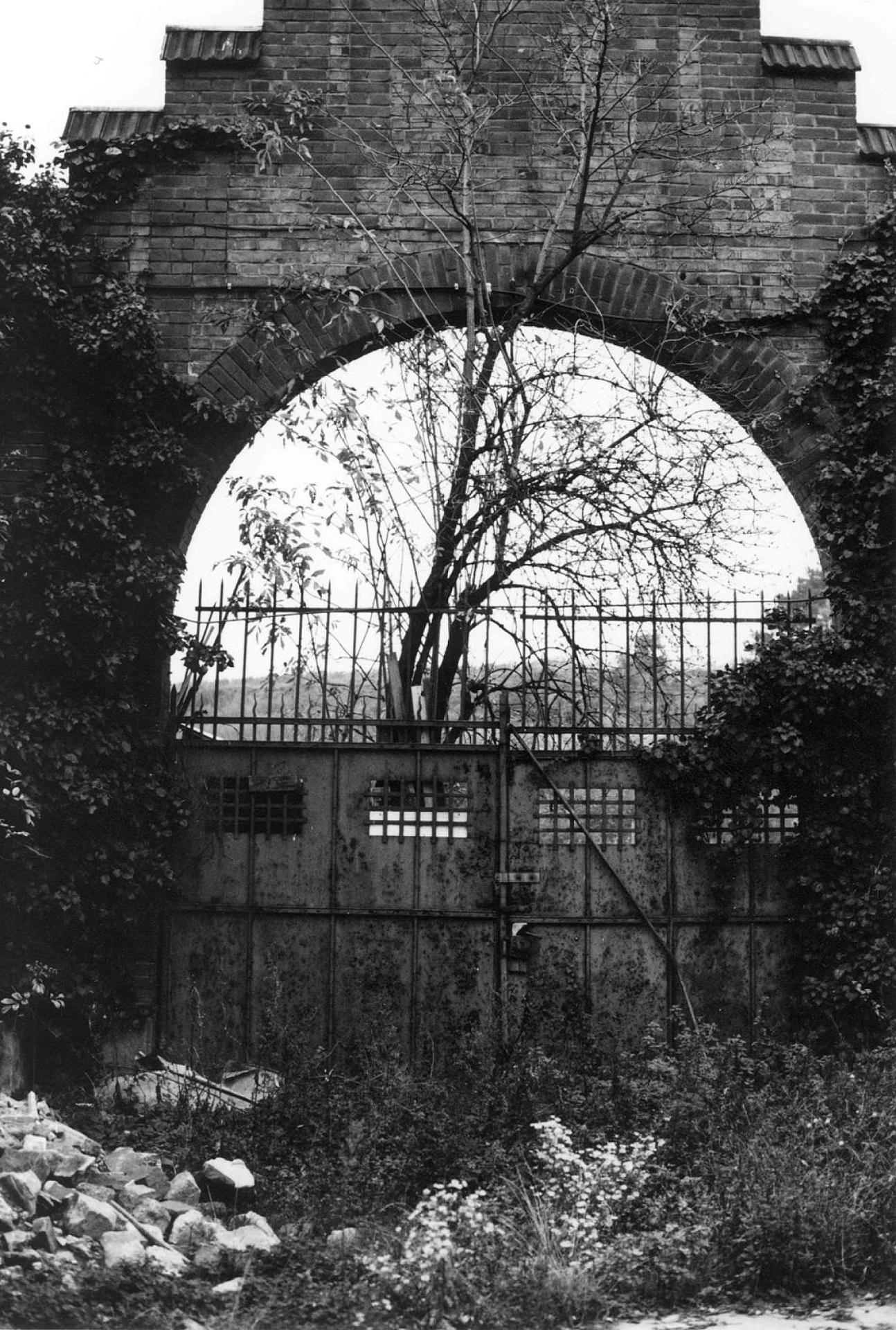
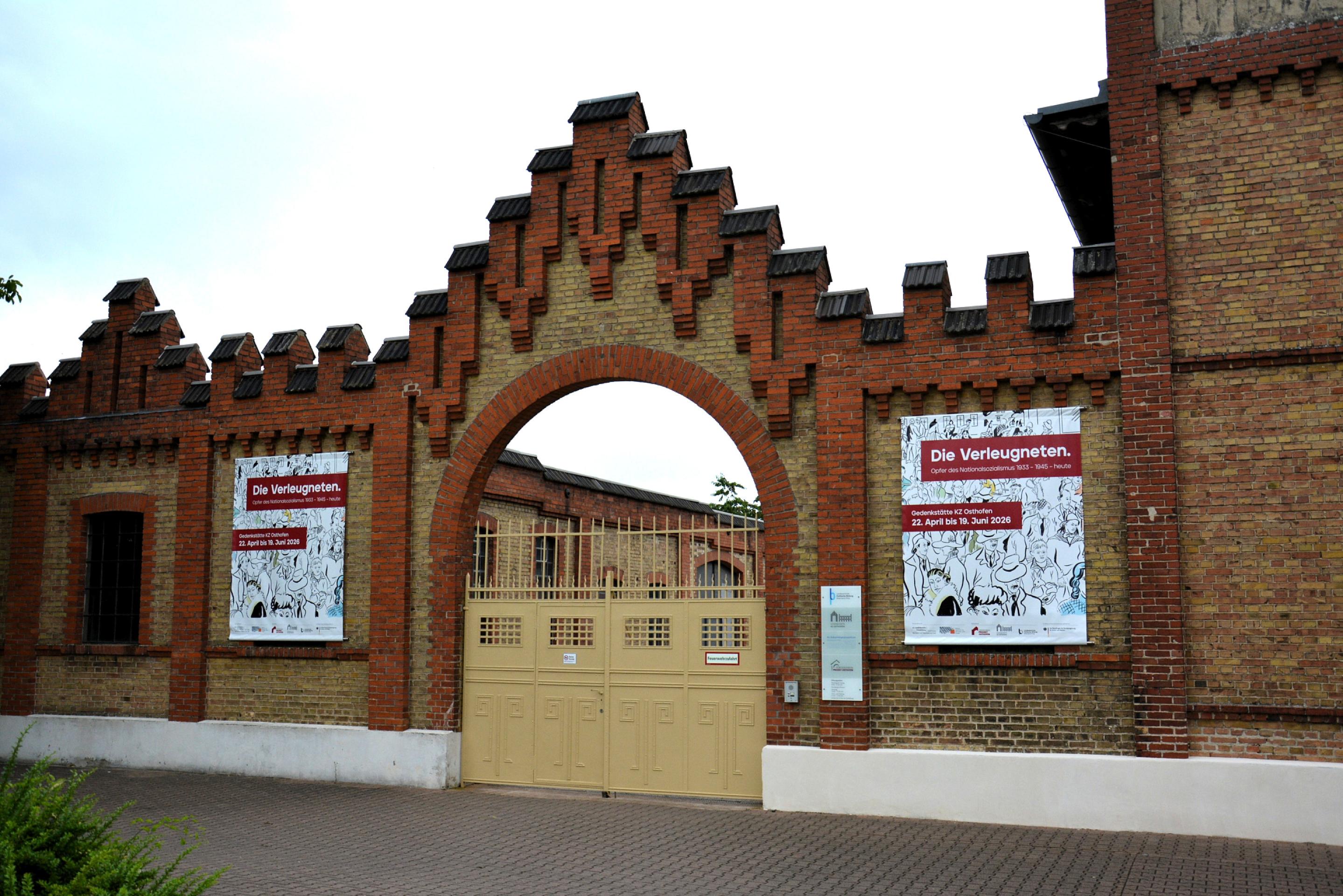
The historic building of the Osthofen concentration camp has been preserved because, following the camp’s closure, it housed a furniture factory for decades. During the Second World War, forced labourers were also employed there. After the factory closed in 1976, the building was used as a warehouse.
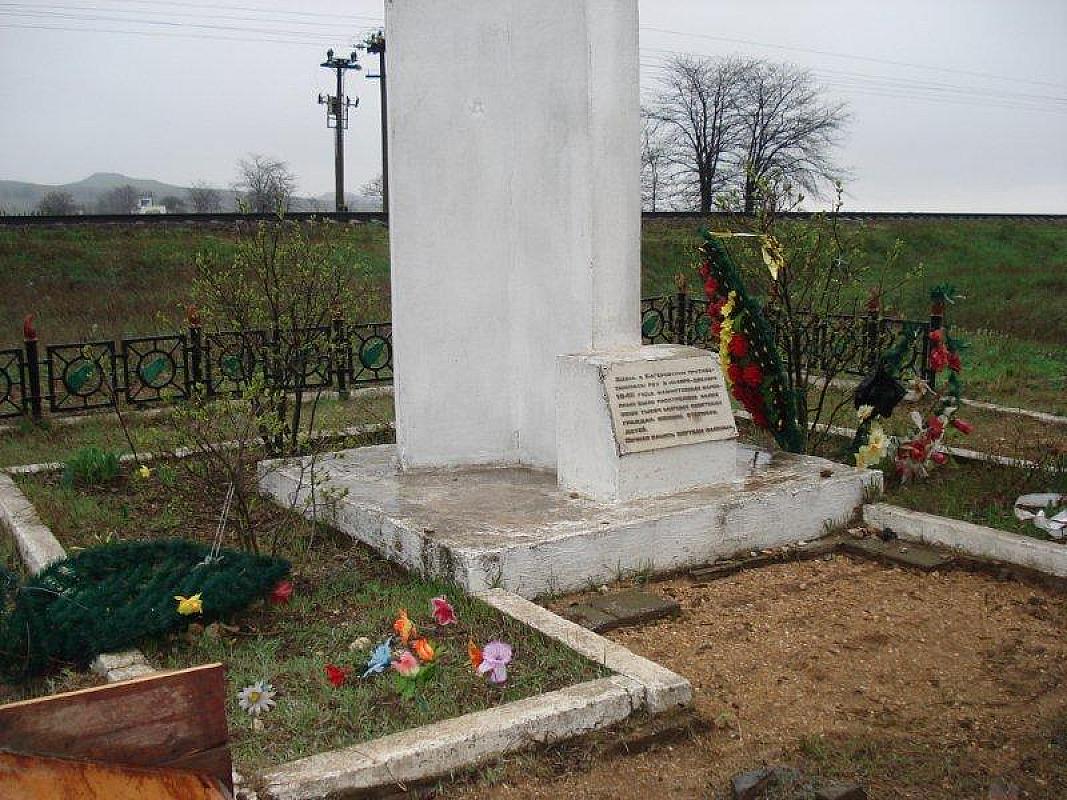
In 1972, former prisoners of the Osthofen concentration camp founded an association; in 1978, this association set up a memorial plaque on the exterior wall of the factory building. In 1992, the state of Rhineland-Palatinate purchased the plot of land on which the camp stood. In 1996, a first documentation centre on the National Socialist period was opened on the premises of the old paper mill. Since 2002, the National Socialist documentation centre of Rhineland-Palatinate has had its seat in the upper floor of the remodelled building. Visitors can learn about both the history of National Socialism in the region and the history of the Osthofen and Hinzert concentration camps in the centre's reading room. The centre is run by the Centre for Political Education in Rhineland-Palatinate and closely cooperates with the Osthofen Project support association. They jointly developed the new permanent exhibition - »National Socialism in Rhineland-Palatinate« - which was opened in 2004.
The Osthofen concentration camp served as the inspiration for the novel »The Seventh Cross«, which the writer Anna Seghers (1900–1983) published in exile in 1942. One room in the memorial is dedicated to the author and her novel.
Possibilities
Guided tours by appointment, reading room
Open
Tuesday to Friday 9 a.m. to 5 p.m., Saturday, Sunday and on holidays 1 p.m. to 5 p.m.
Contact
https://www.gedenkstaette-osthofen-rlp.de/
info@ns-dokuzentrum-rlp.de
+49 (0)6242 910 810
Ziegelhüttenweg 38
67574 Osthofen