Riga Ghetto and Latvian Holocaust Museum
Rīgas geto un Latvijas Holokausta muzejs
In the Latvian capital of Riga about 30,000 Jews had to live in a fenced off ghetto from October 1941. Shortly afterwards the SS murdered the Jews of Riga and deported Jews from the German Reich to the Riga ghetto. Since 2010 the Ghetto Museum commemorates the ghetto and the fate of its inhabitants.
History
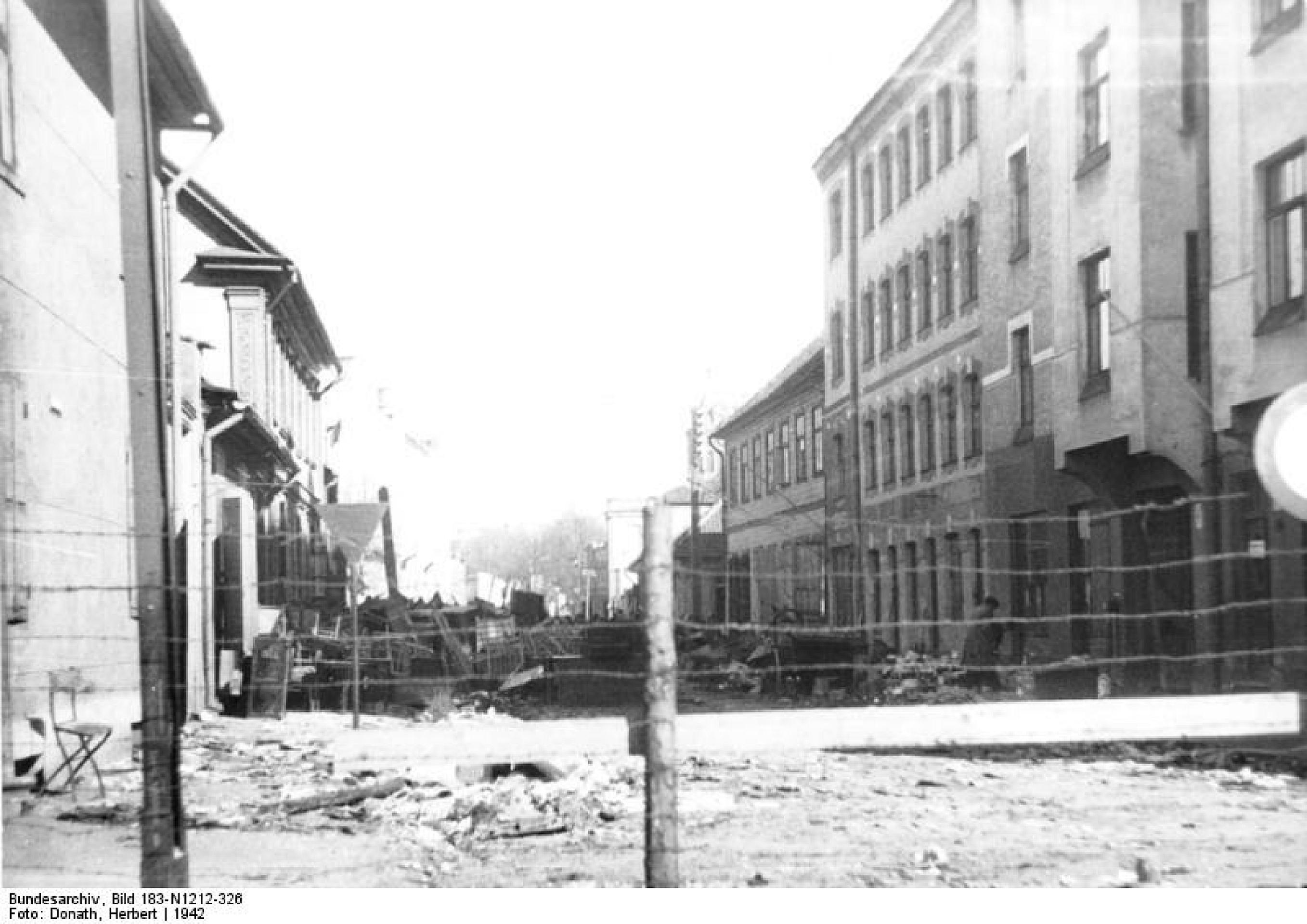
Prior to World War II about 40,000 Jews lived in the Latvian capital of Riga. In 1940 the Soviet Union occupied Latvia. After the Red Army retreated from the approaching German Wehrmacht in July 1941, many Latvians greeted the Germans as liberators. Latvian nationalists inflamed violent pogroms against Jews, whom they regarded as Soviet collaborators, hundreds of Jews perished. Along with the Wehrmacht the SS Einsatzkommando 2 (mobile killing squad) had marched into Riga. Members of the SS continued the killings: They shot several thousand Jewish men from Riga and its surroundings in the Biķernieki forest outside the city. At the same time Wehrmacht and SS planned to concentrate the Jews of Riga in a large ghetto: At command of the occupying forces all Jews had to move to the ghetto by mid-April 1941. It was set up in the particularly derelict district of Maskavas Forštate (Moscow Forshtat), where many poor and Jews lived. This area consisted mainly of wooden houses with no sanitation or water supply. By the end of October about 30,000 people moved to the ghetto, which was then cordoned off by the Wehrmacht. The ghetto was guarded by Latvian auxiliary police. The Jews were only allowed to leave the ghetto to work, contact between Latvians and Jews was strictly forbidden. One month later the senior SS and police leader Friedrich Jeckeln ordered to clear the Maskavas Forštate by the end of November and to kill all its occupants. Members of the SS shot the Riga Jews in the forest of Rumbula during two big »Aktionen«.
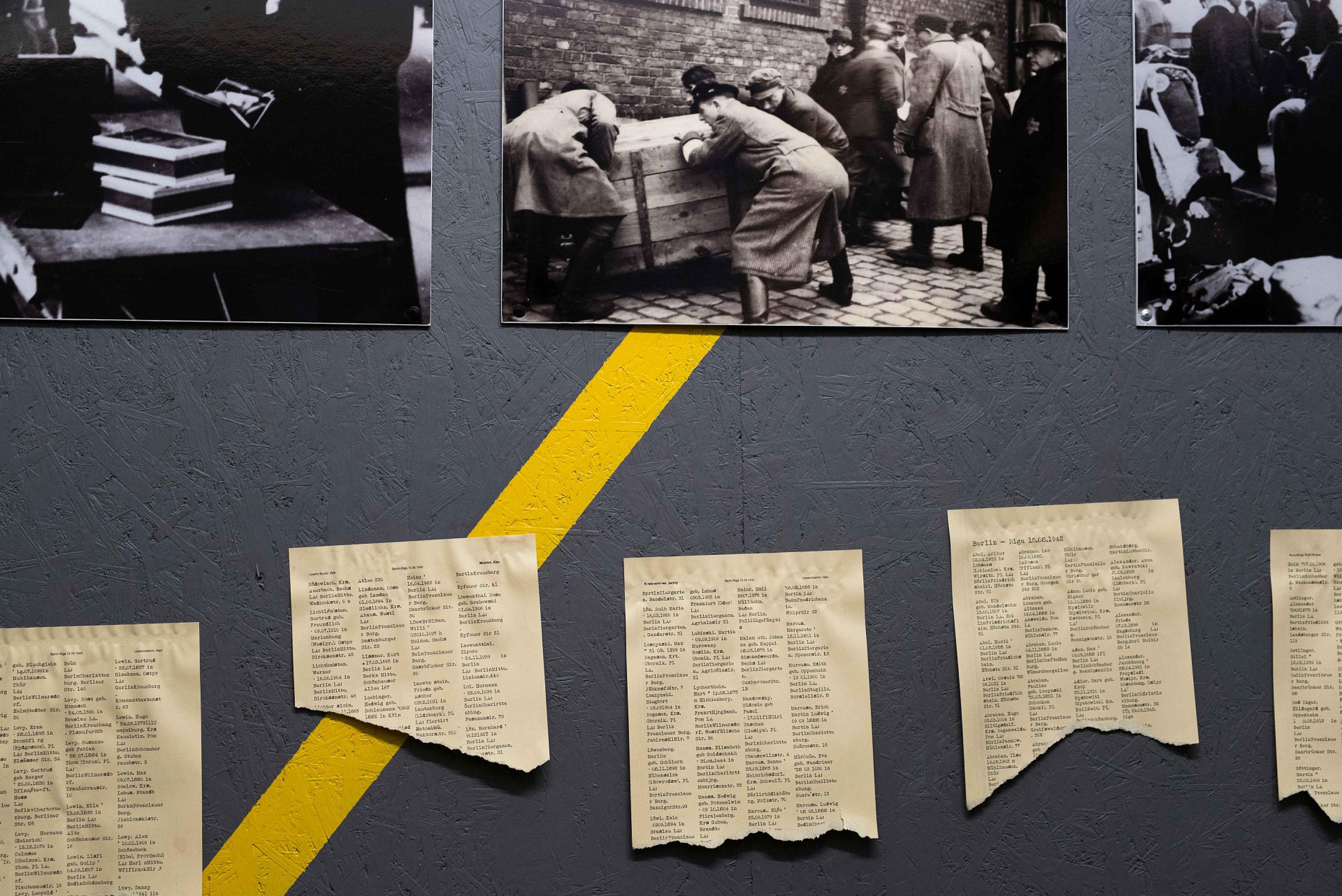
From December 1941 the SS deported about 25,000 German, Austrian and Czech Jews to the cleared ghetto. Beginning of 1942 members of SS and Latvian accomplices murdered thousands of them in the Biķernieki forest. The surviving 12.000 Jews had to conduct forced labour until the dissolution of the ghetto.
Victims
After the pogroms and murder operations by the Einsatzgruppen (mobile killing units) committed against Jewish men it was mainly elderly, women and children who were moved to the Riga ghetto until October 1941. Of the approximately 30,000 occupants about 8,200 were men, 15,700 women and 5,600 children under the age of 14. Almost all the Jews of Riga were murdered later by the SS and their accomplices.
The 12,000 German Jews in the Riga ghetto who were still alive in 1942 were deported to the Kaiserwald concentration camp near Riga after the dissolution of the ghetto in 1943. Their further fate remains uncertain.
Almost all 70,000 Latvian Jews fell victim to the persecution by the National Socialists and their accomplices.
Remembrance
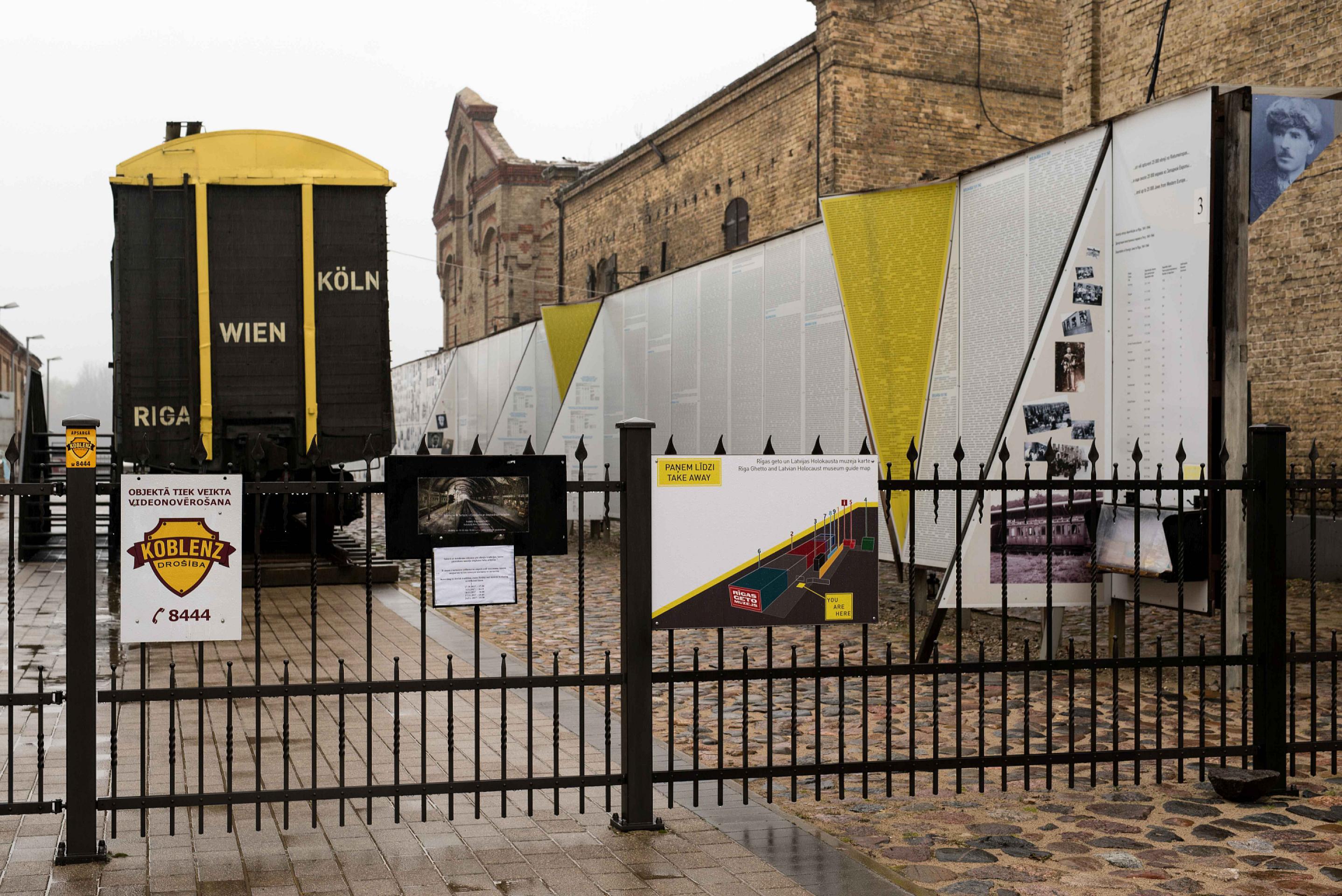
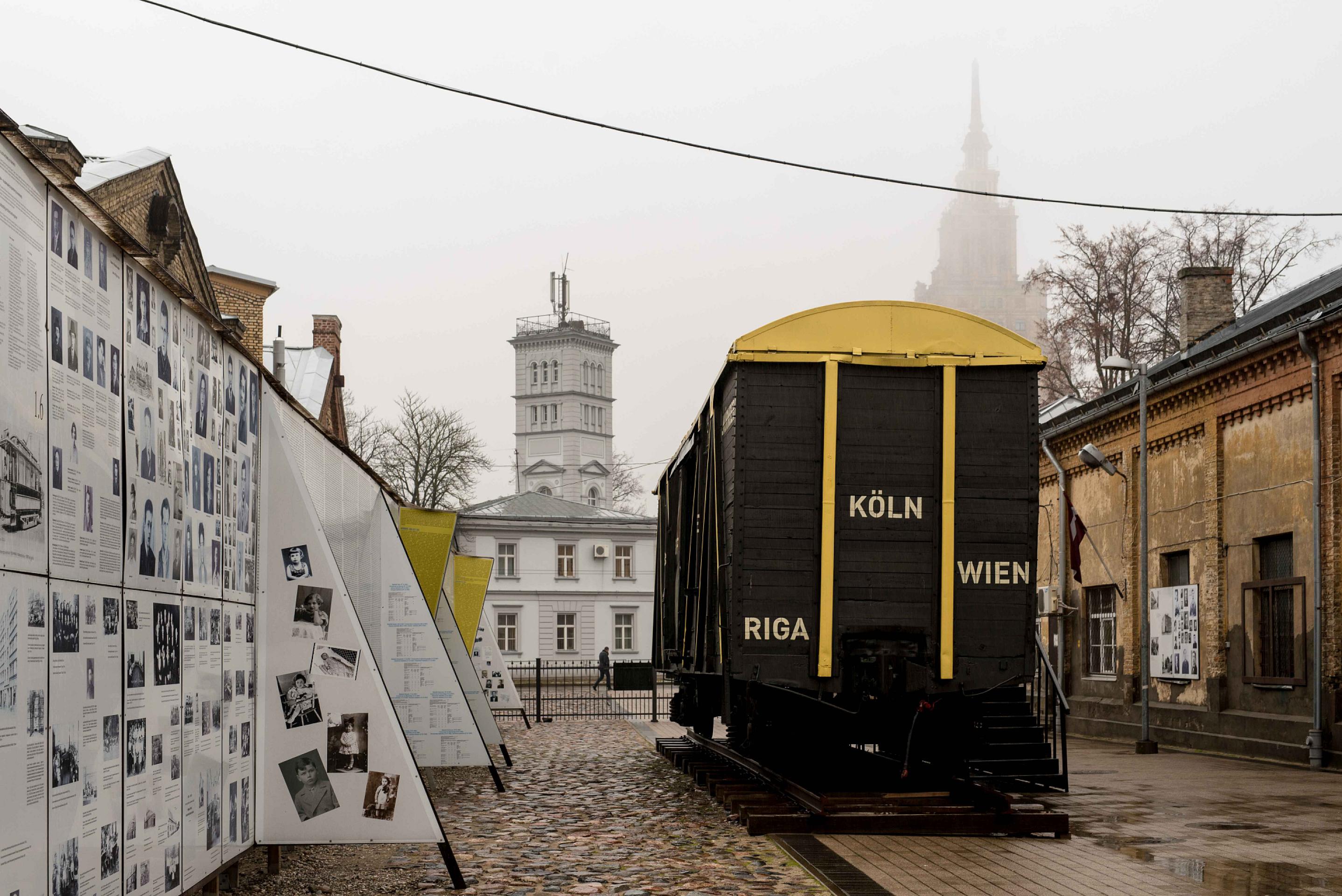
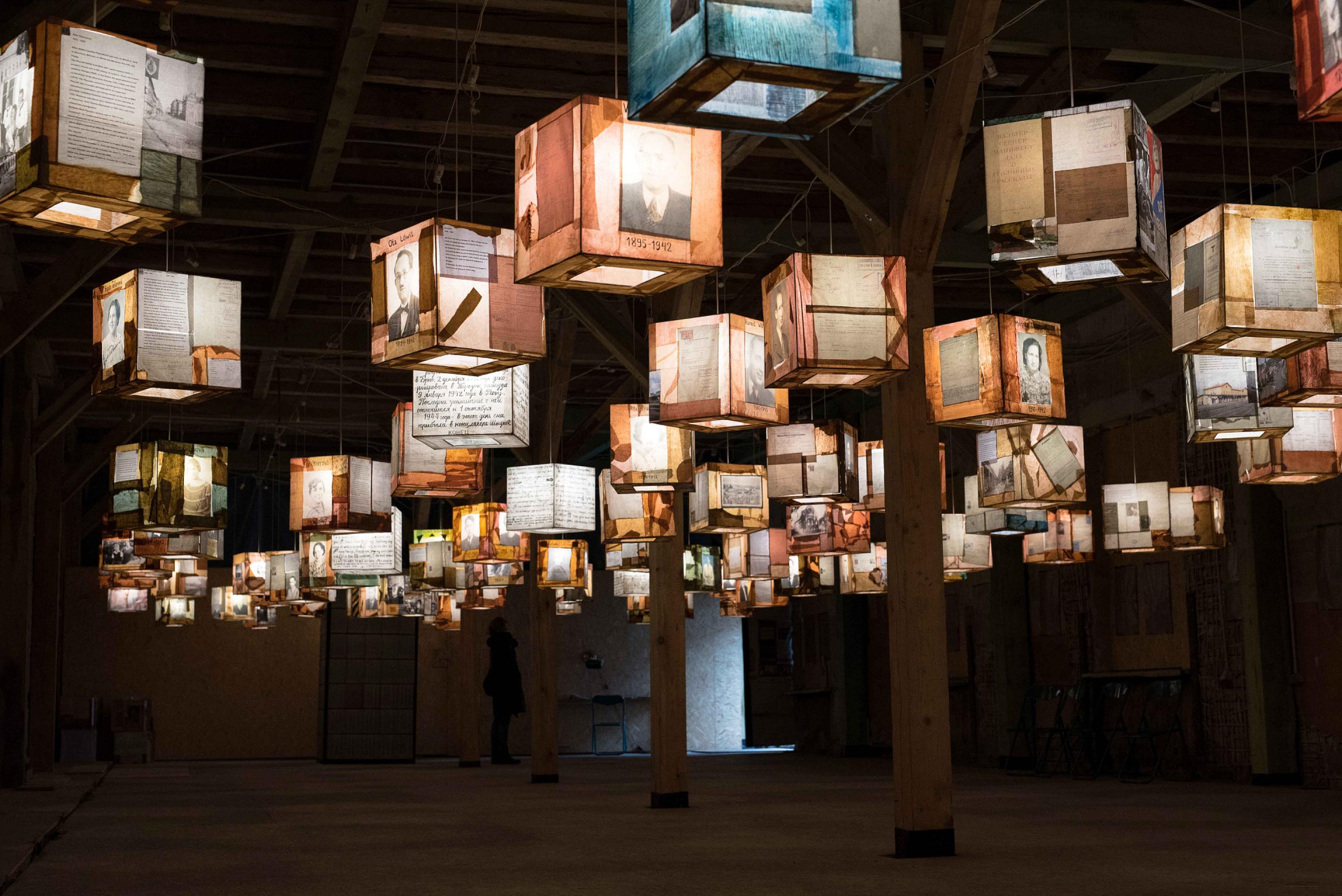
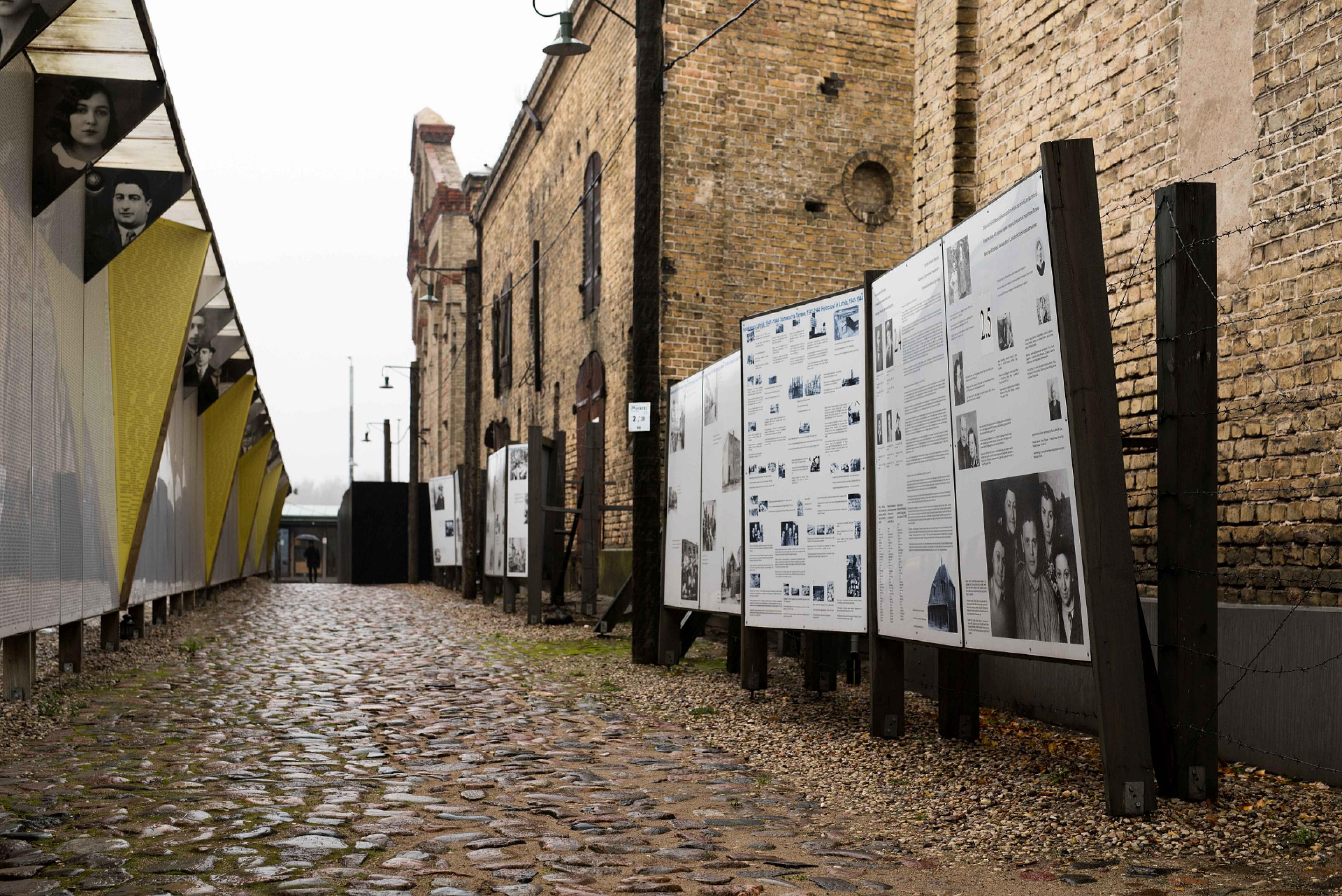
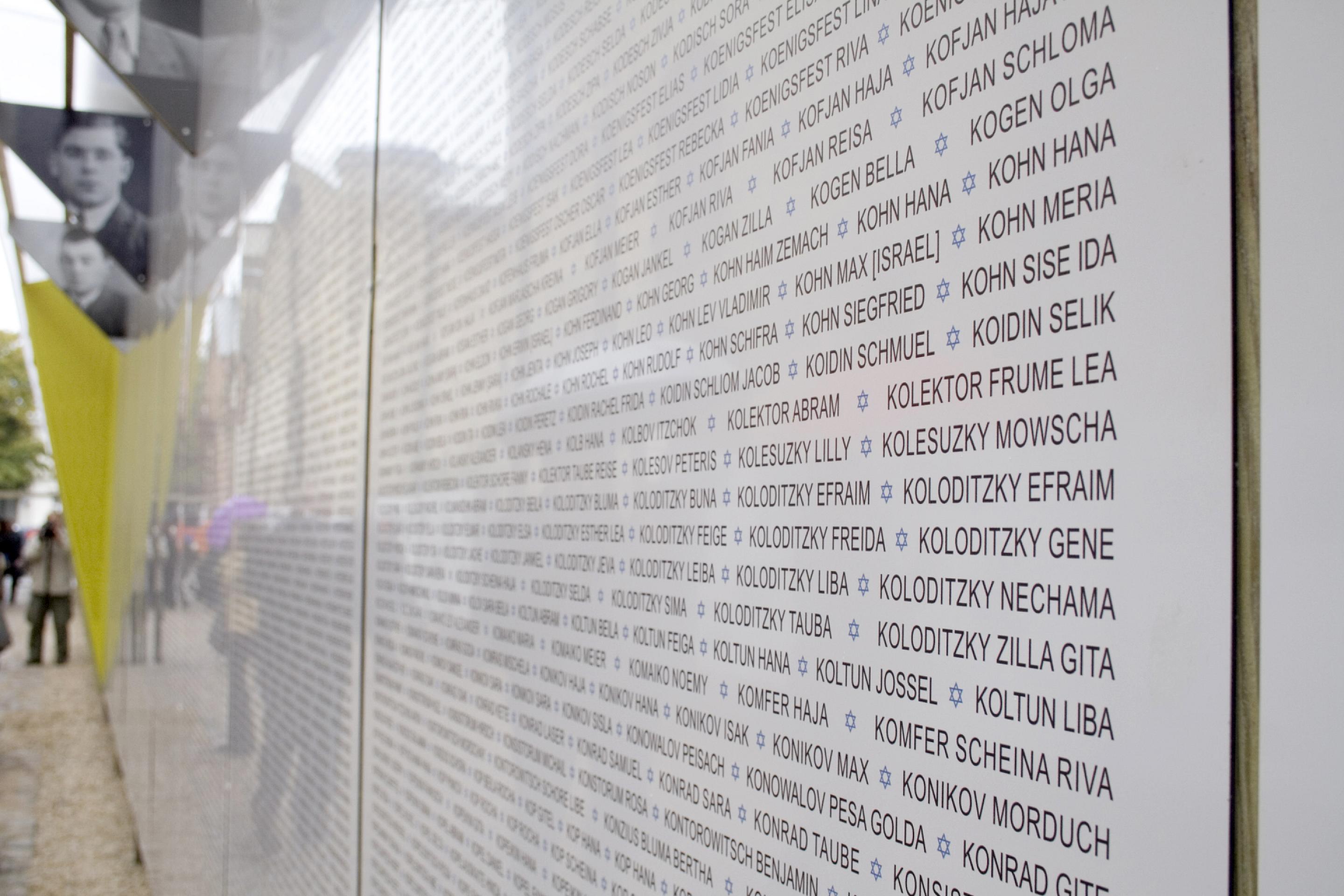
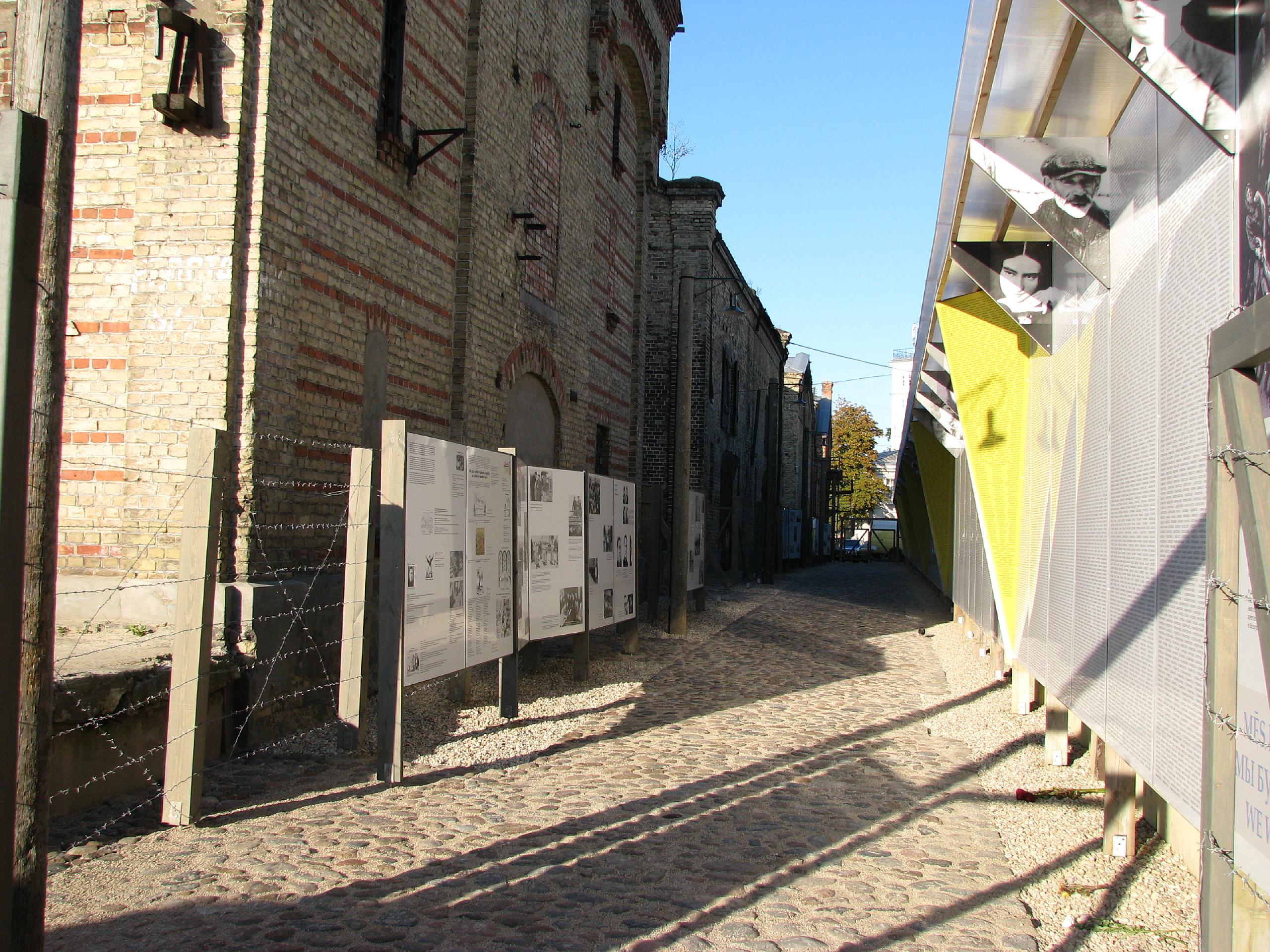
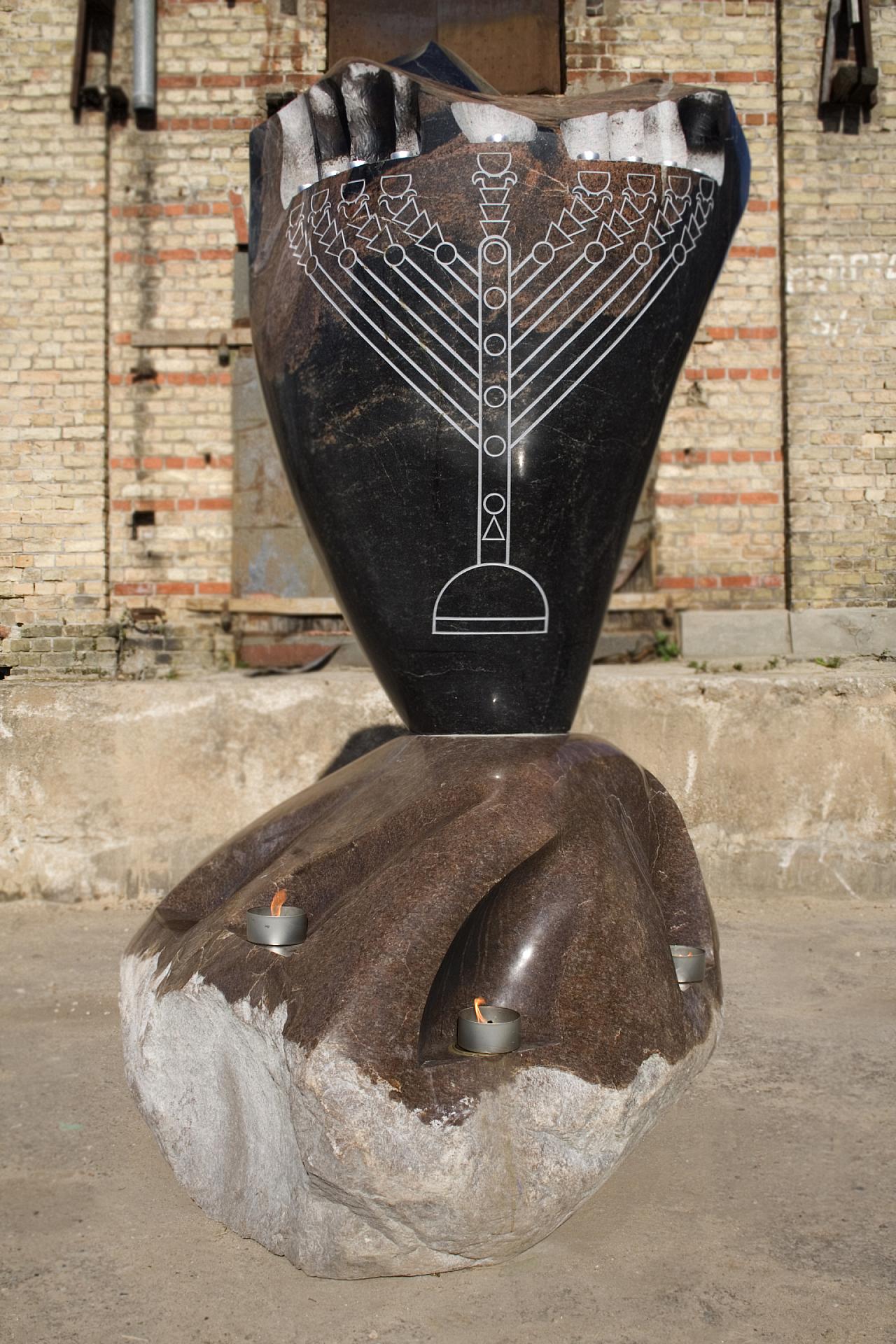
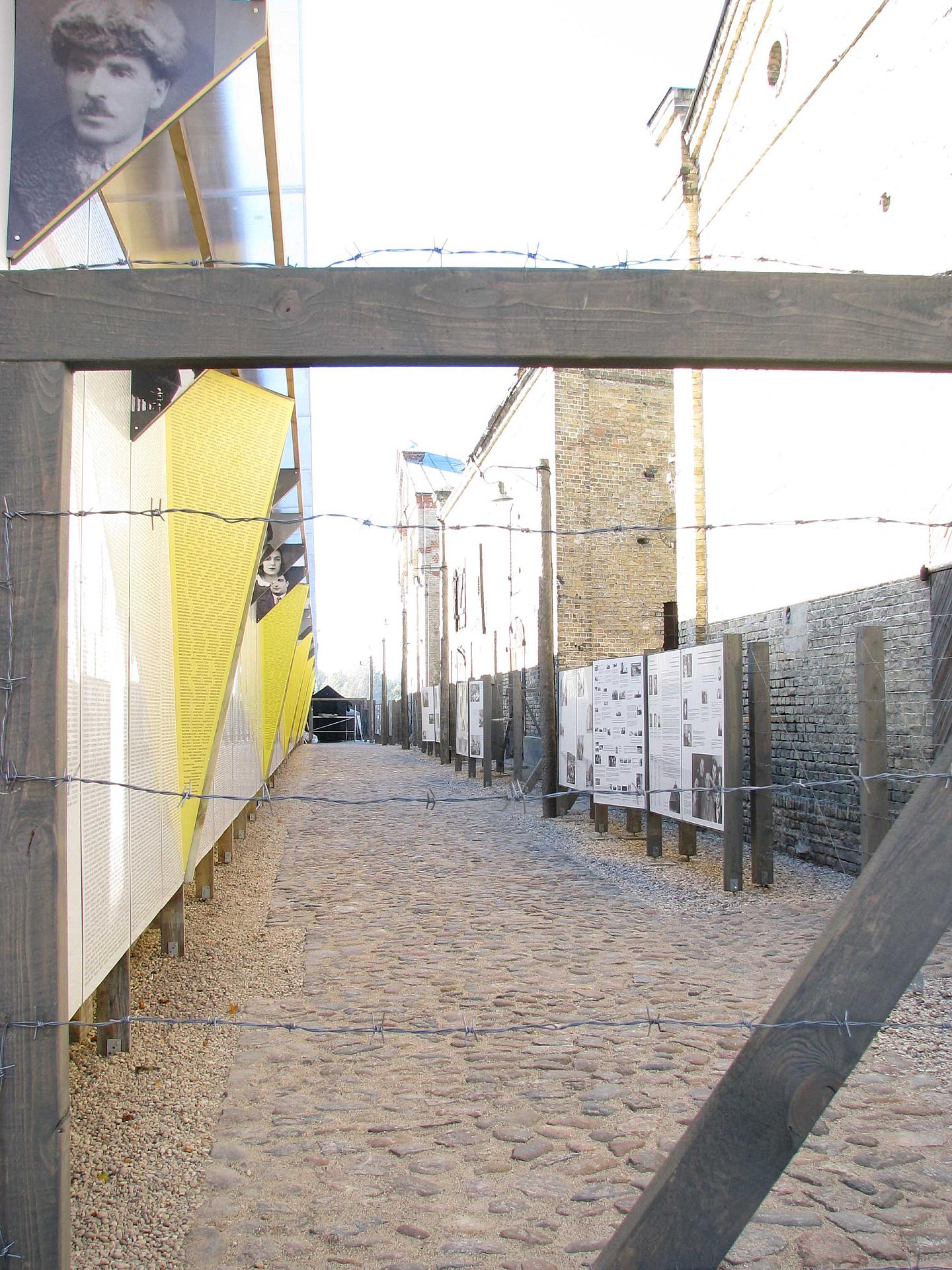
The Ghetto Museum is located in the district of Spīķeri near the border of the former Riga ghetto. The city of Riga handed the building as well as the surrounding grounds for free use to the Jewish organisation Shamir, who initiated the foundation of the museum. In September 2010 the museum was opened with an open-air exhibition. The proper exhibition building is currently being renovated and the reconstruction of an authentic ghetto building is in progress. Step by step more exhibition areas are to be added. Specific attention will be paid to the individual fates of Latvian Jews. In the museum's courtyard is a plaque with the names of more than 70,000 Latvian victims of the holocaust.
Open
Daily 10 a.m. to 6 p.m.
Contact
rgm@rgm.lv
+371 672 708 2
Maskavas iela 14a
LV-1050 Rīga