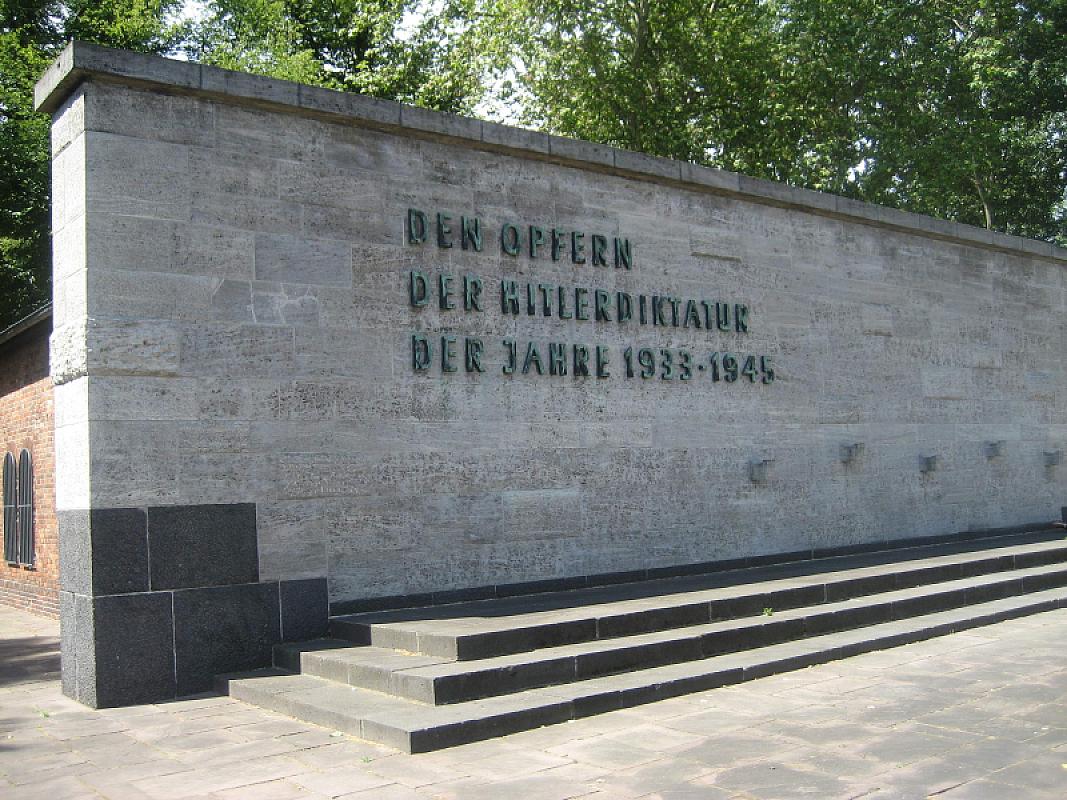
Risiera di San Sabba Memorial
Civico Museo della Risiera di San Sabba - Monumento Nazionale
At the end of October 1943, during the German occupation, the former rice mill (Italian: Risiera) of San Sabba, a district of Trieste, was transformed into a collection and transit camp. Hostages, partisans, prisoners of war as well as Jews were held here. Many of the prisoners were murdered, the rest deported. In 1965, the Risiera was declared a national monument, and in 1975, the »Municipal Museum of the Risiera di San Sabba« was established. It has since been expanded a number of times.
History
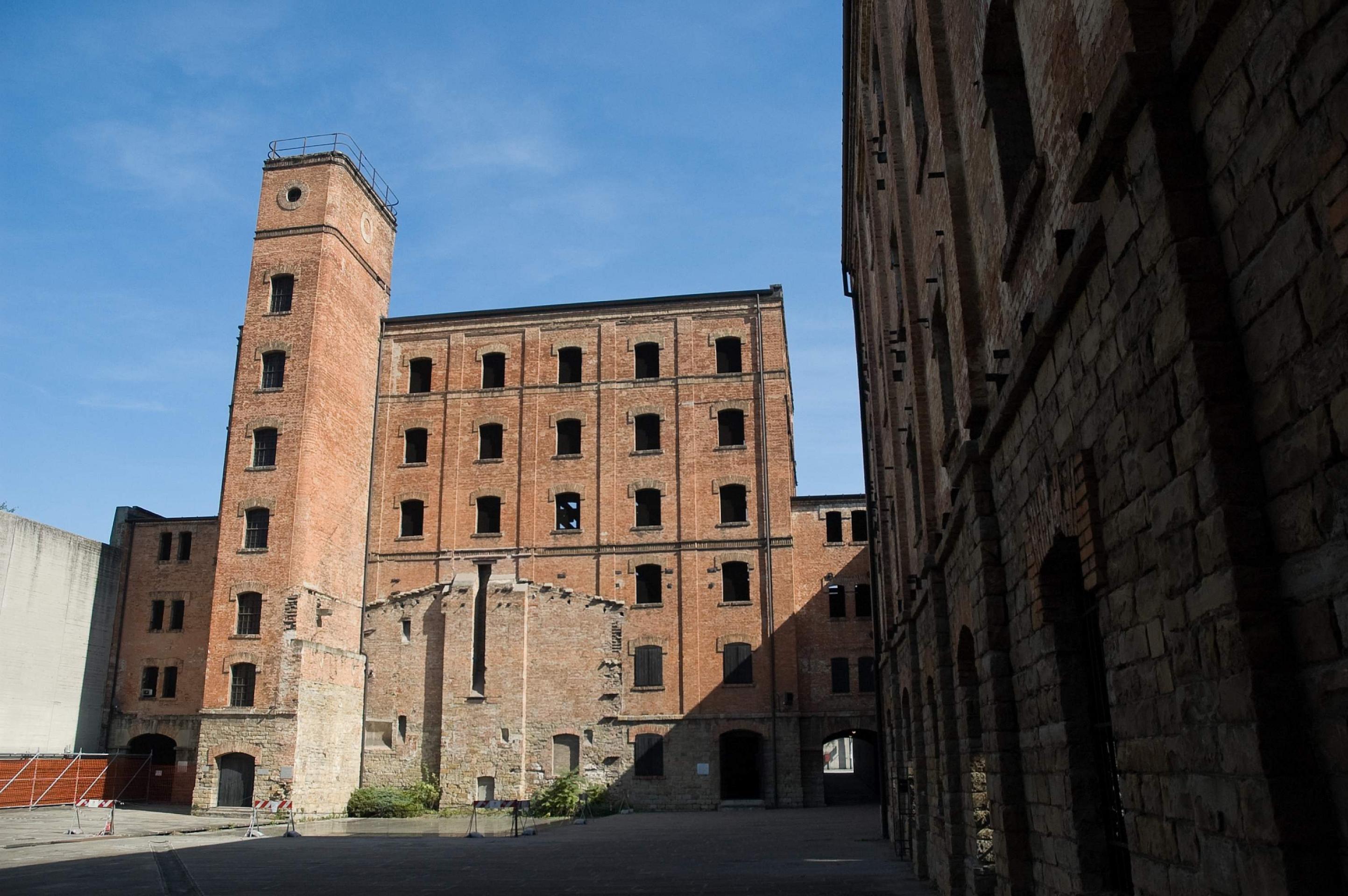
Following Italy's capitulation on September 8, 1943 and the subsequent invasion of the German Wehrmacht, the region of Trieste officially became part of the »Italian Social Republic« - a fascist puppet state under German occupation. De facto Trieste was the capital of the »Adriatic coast operation zone«, which was incorporated into the German Reich and directly controlled by the German administration. Not long after the invasion, in autumn 1943, the Germans set up an internment camp for Italian prisoners of war in a 1913 rice mill (Italian: Risiera). At the end of October 1943, it was transformed into a »police detention camp«.
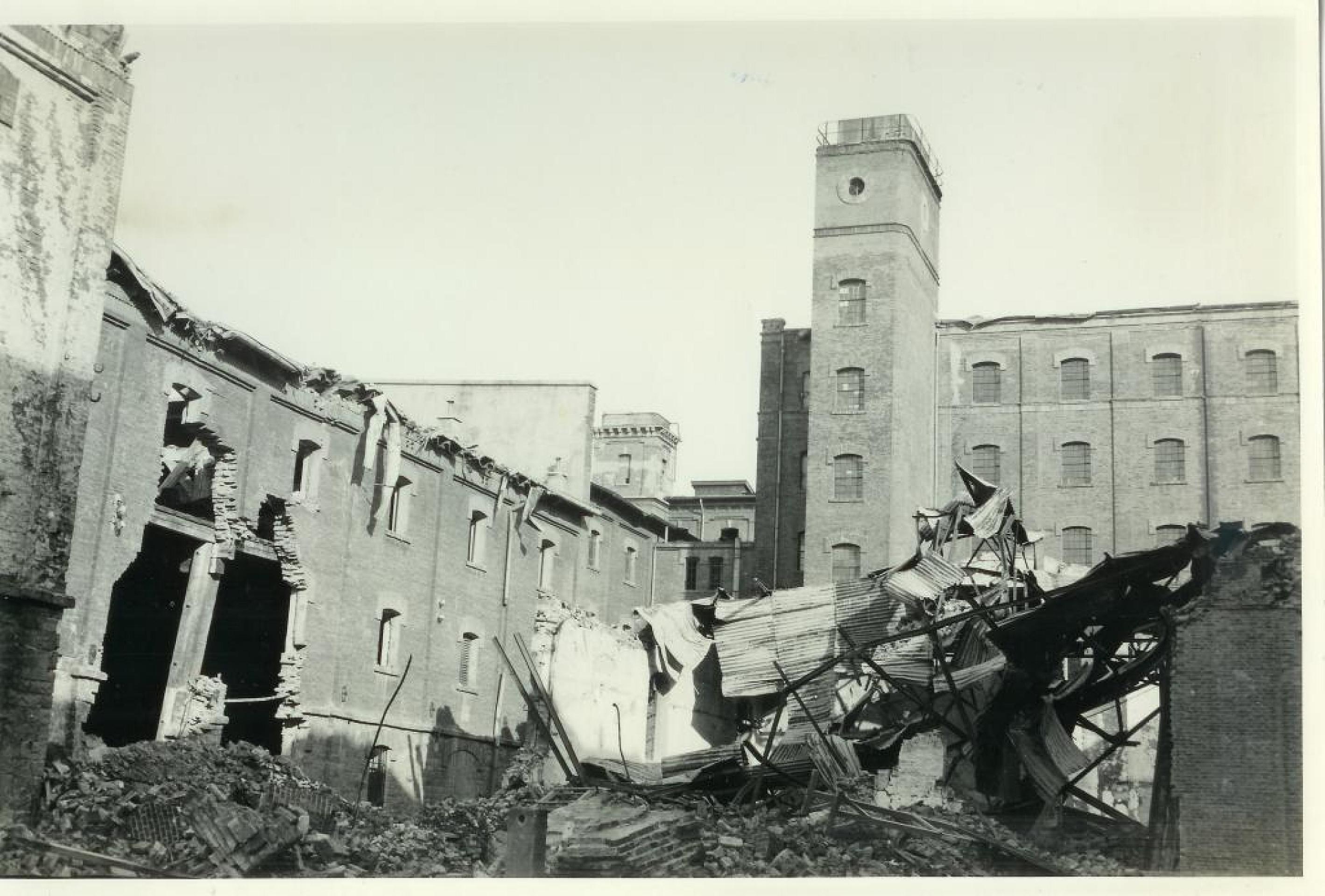
The camp was subordinate to »Sonderabteilung Einsatz R« within the SS and police organisation. The members of this special unit had played an important role in the murder of Polish Jews in the course of »Aktion Reinhardt« 1942/43. The unit's commander, Christian Wirth, had previously been an inspector for the Belzec, Sobibor and Treblinka extermination camps. He died in May 1944, and August Allers took his place as commander, while Josef Oberhauser administered the camp. Hostages, partisans, and political prisoners from Italy, Slovenia and Croatia were interned at the Risiera camp. They were brutally interrogated, tortured and many of them murdered: mass executions of between 40 to 70 people took place two or three times a week. The corpses were burned in kilns at the rice mill until March 1944, when a crematorium was set up at the camp. Thousands of prisoners, among them Jews from Trieste and neighbouring regions, were deported to concentration camps or death camps from San Sabba. On April 29, 1945, the camp was dissolved. In an attempt to erase evidence of the murders, the camp personnel blew up the crematorium before taking flight.
Victims
Between 15,000 and 25,000 prisoners passed through the Risiera camp. Most of them were Italian partisans and political prisoners, primarily from Trieste and surrounding areas. There were also Slovenian and Croat prisoners at the camp as well as hostages and civilians who had been captured in various raids. Prior to the camp's dissolution on April 29, 1945, 30 to 40 prisoners were released; the rest were deported to other concentration camps and extermination camps. 800 to 1,200 of the detainees were Jews. They came from Trieste, which had a Jewish population of 5,000 before the war, as well as from neighbouring regions.
After the Fossoli transit camp was closed in August 1944, Jews who had been arrested in Venice and Padua were brought from Fossoli to the Risiera camp. The Jewish prisoners were for the most part deported to Auschwitz-Birkenau, from the end of 1944 they were transferred to other camps in the German Reich. Only a few dozen survived the war. A total of 22 deportation trains departed from Trieste, the last was headed for Bergen-Belsen in February 1945.
3,000 to 5,000 people perished in the Risiera: they were shot, beaten to death or murdered in »gas vans«, or they died of the effects of torture, hunger and illnesses. The exact number of victims of the Risiera camp is not known.
Remembrance
Those responsible for the crimes committed in the Risiera camp were never prosecuted: Christian Wirth died during the war, August Allers died in 1975 before his trial could be completed. Josef Oberhauser was given a life sentence by an Italian court, but he was never extradited by the German state, which on principle doesn't extradite its own citizens to other states.
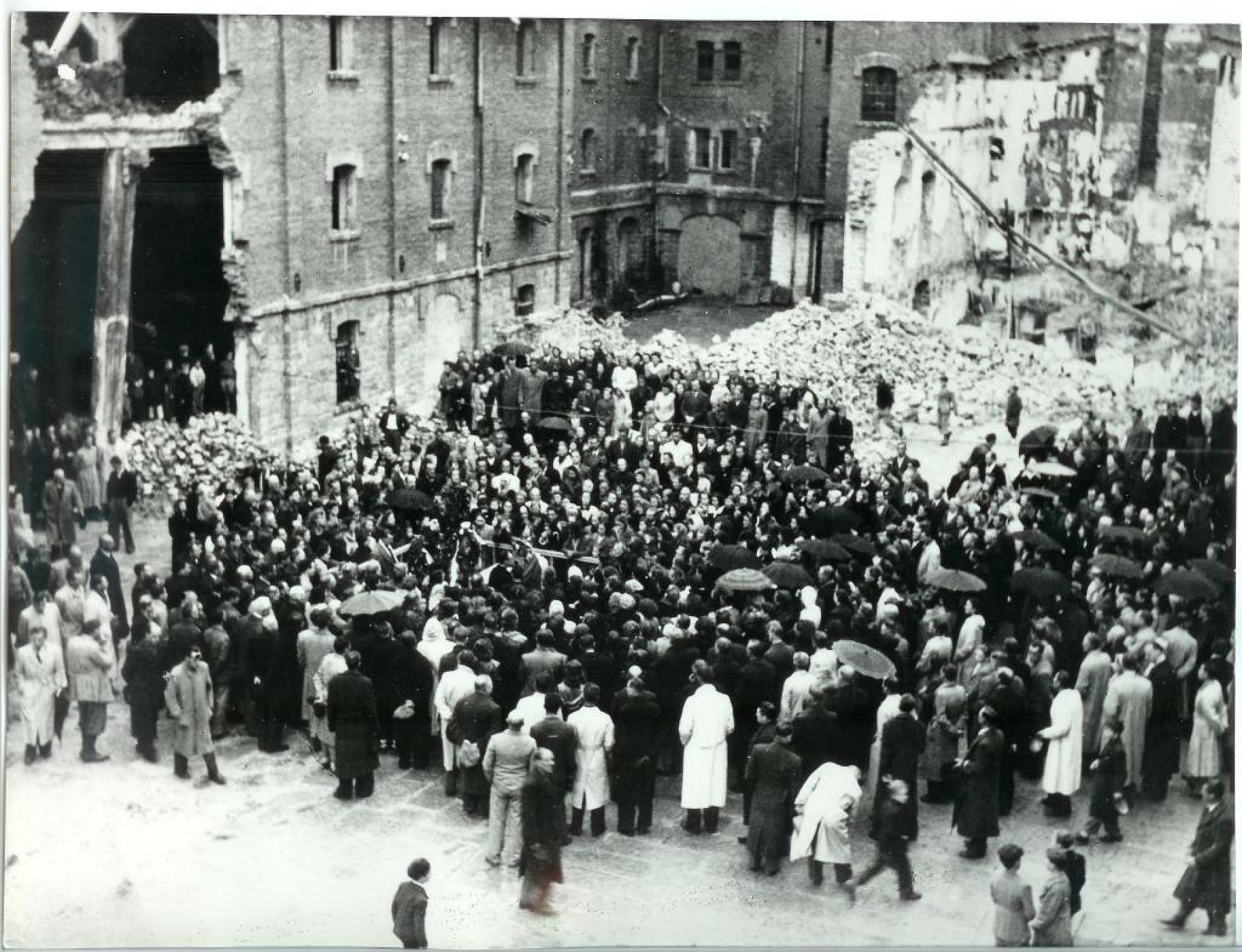
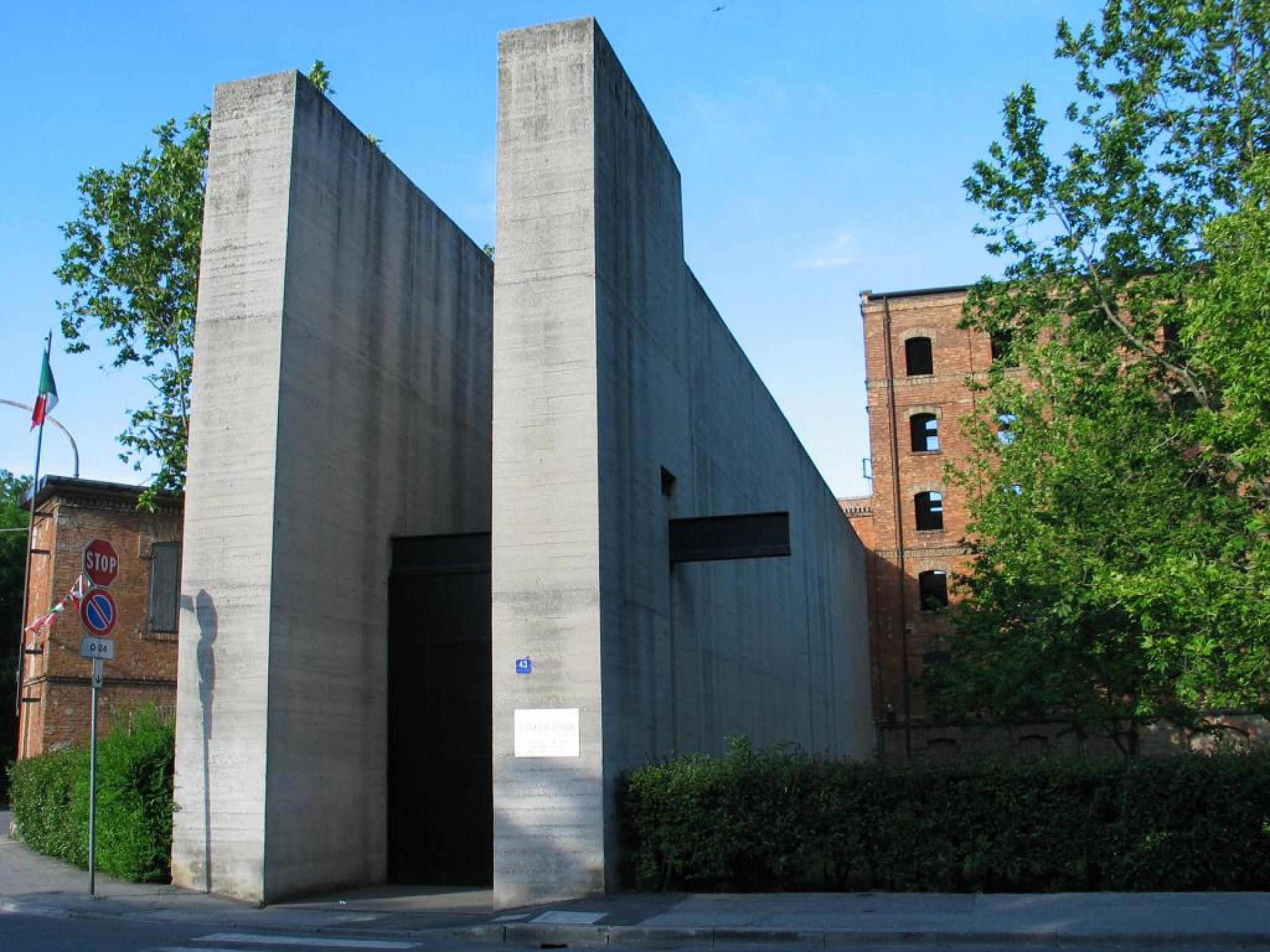
After the camp's liberation, the Allies used the rice mill as a collection camp for Italian refugees from Istria, the Kvarner Gulf and Dalmatia. In 1965, Italian president Giuseppe Saragat proclaimed the Risiera di San Sabba a national monument. In 1975, the »Municipal Museum of the Risiera di San Sabba«, designed by Romano Boico, was opened and later expanded.
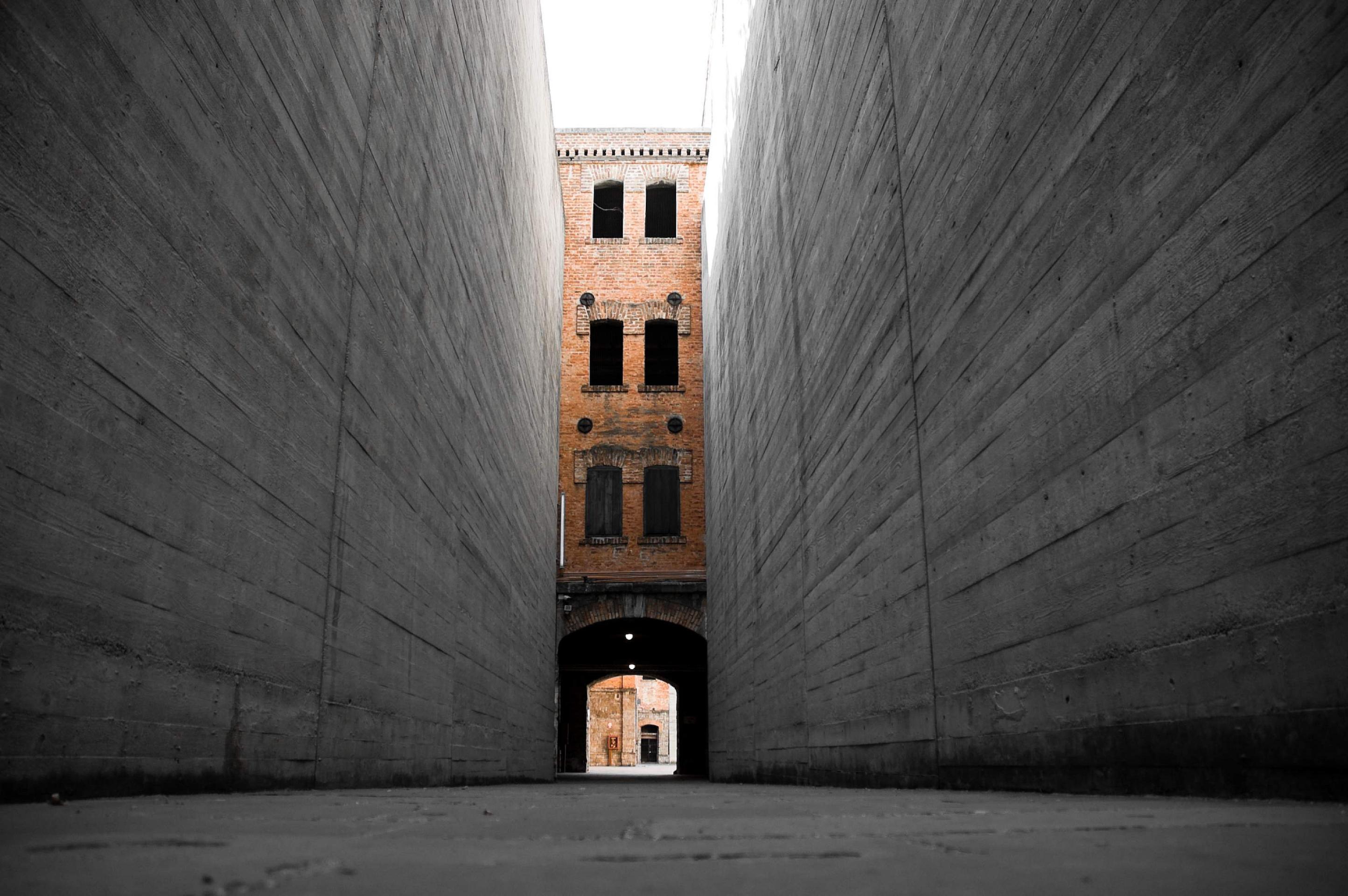
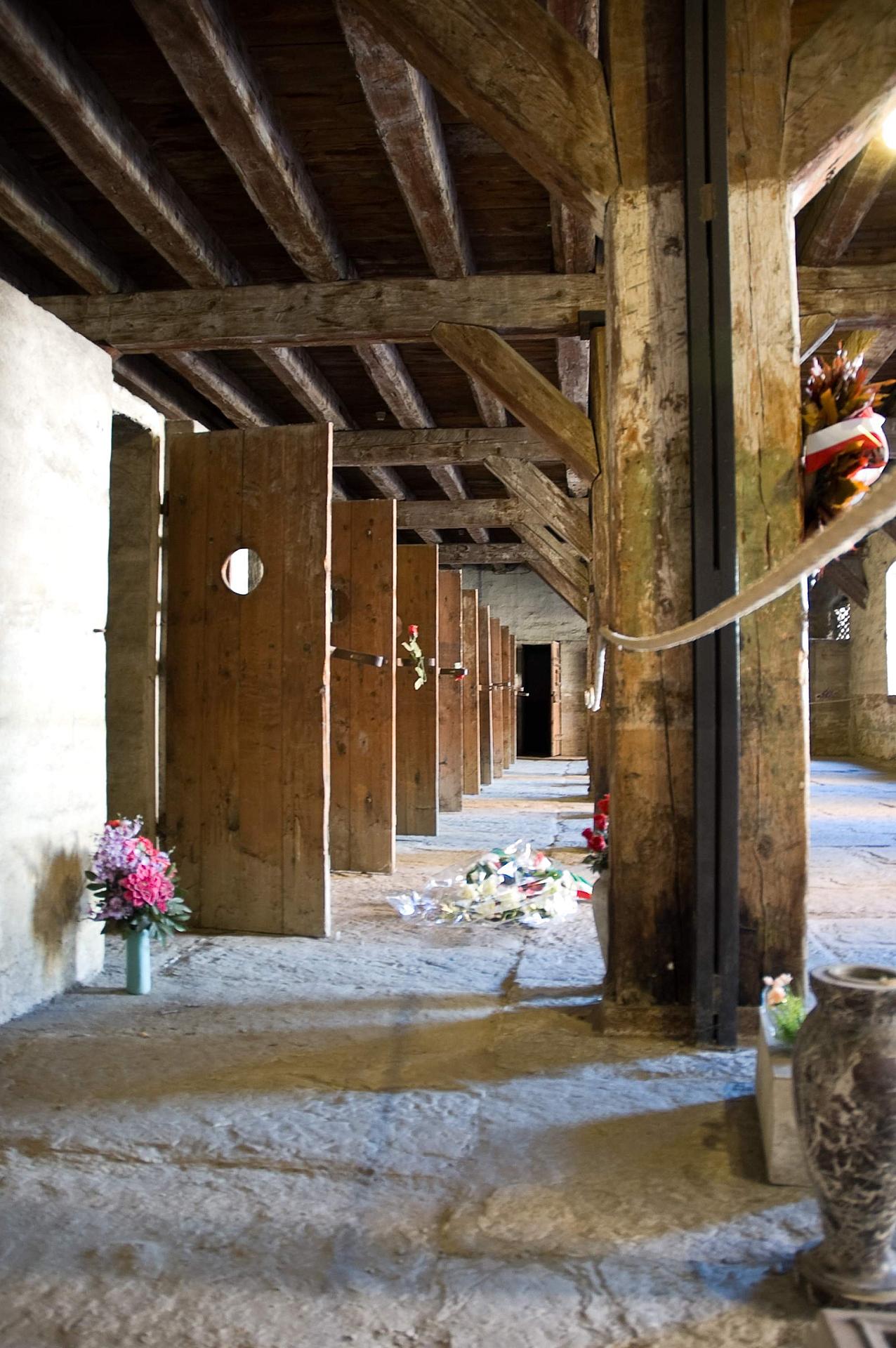
The museum complex comprises several parts: the gutted and restored industrial construction, originally built in 1913, with a newly designed entrance area, whose 11-metre high concrete walls are to create a »disturbing approach« to the historical building, as well as modern, concrete exhibition spaces. 17 prison cells and a death cell have been preserved in their original state. The permanent exhibition is on display in what was once the camp kitchen and canteen. Personal belongings of the prisoners, such as diaries and drawings, are part of the exhibition. In 2001, the exhibition was expanded to include a section on the history of the camp's Jewish prisoners.
Possibilities
Exhibition, library, pedagogical programme and tours, videos »La Risiera di San Sabba« (1993) and »La memoria dell'offesa« (1995), brochure and exhibition catalogue, available in six languages
Open
Daily, from 9.00 a.m. to 5.00 p.m.
Closed on January 1 and December 25.
Contact
http://www.risierasansabba.it/
risierasansabba@comune.trieste.it
+39 040 826 202
Ratto della Pileria 43
34148 Trieste