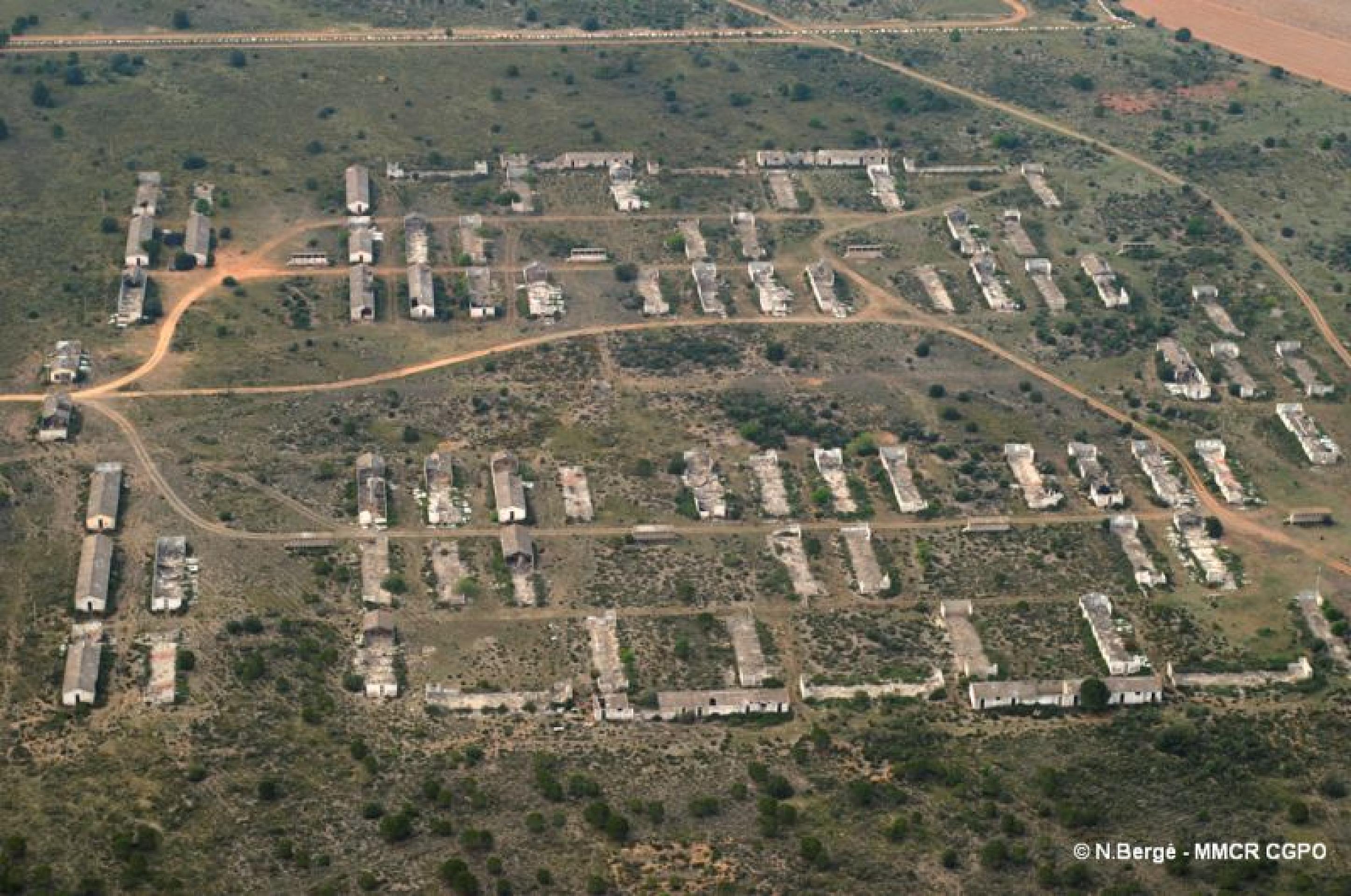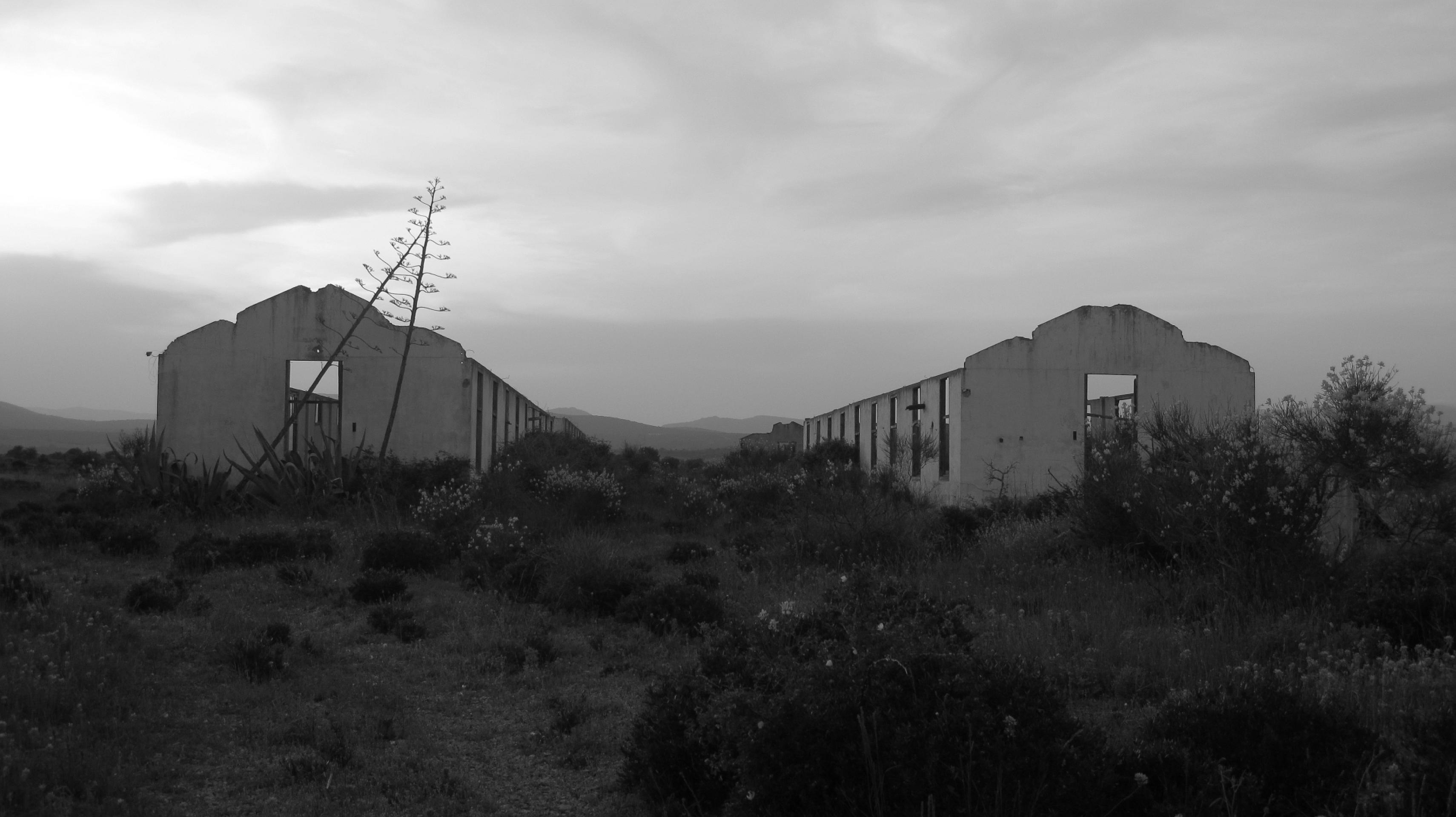
The Rivesaltes military camp was established in the Département Pyrénées-Orientales in 1938. It served, among others, as an internment camp of the Vichy Regime. Spanish civil war refugees, Sinti and Roma, political opponents and Jews were held here - a total of about 20,000 people. In 1942, 2,500 Jewish prisoners were deported from Rivesaltes to the Drancy transit camp or directly to Auschwitz.
History
The Joffre military camp, named after general Joseph Joffre who was commander-in-chief of the French Army during the First World War, was established in 1938. Here, soldiers were to be trained for deployment abroad and adapt to the climate - Rivesaltes is about 50 km north of the Spanish border on a barren plateau which is exposed to severe winds.
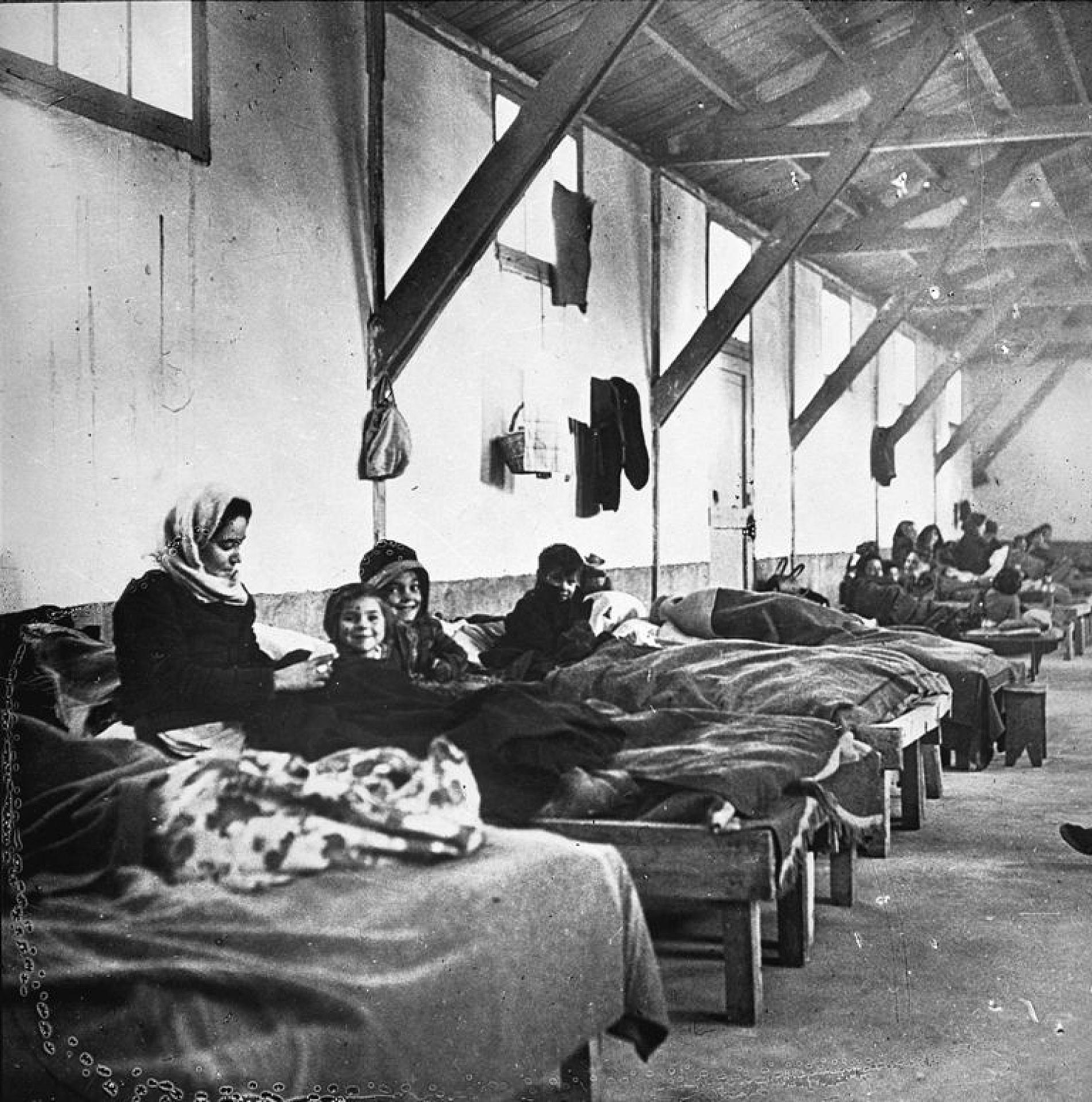
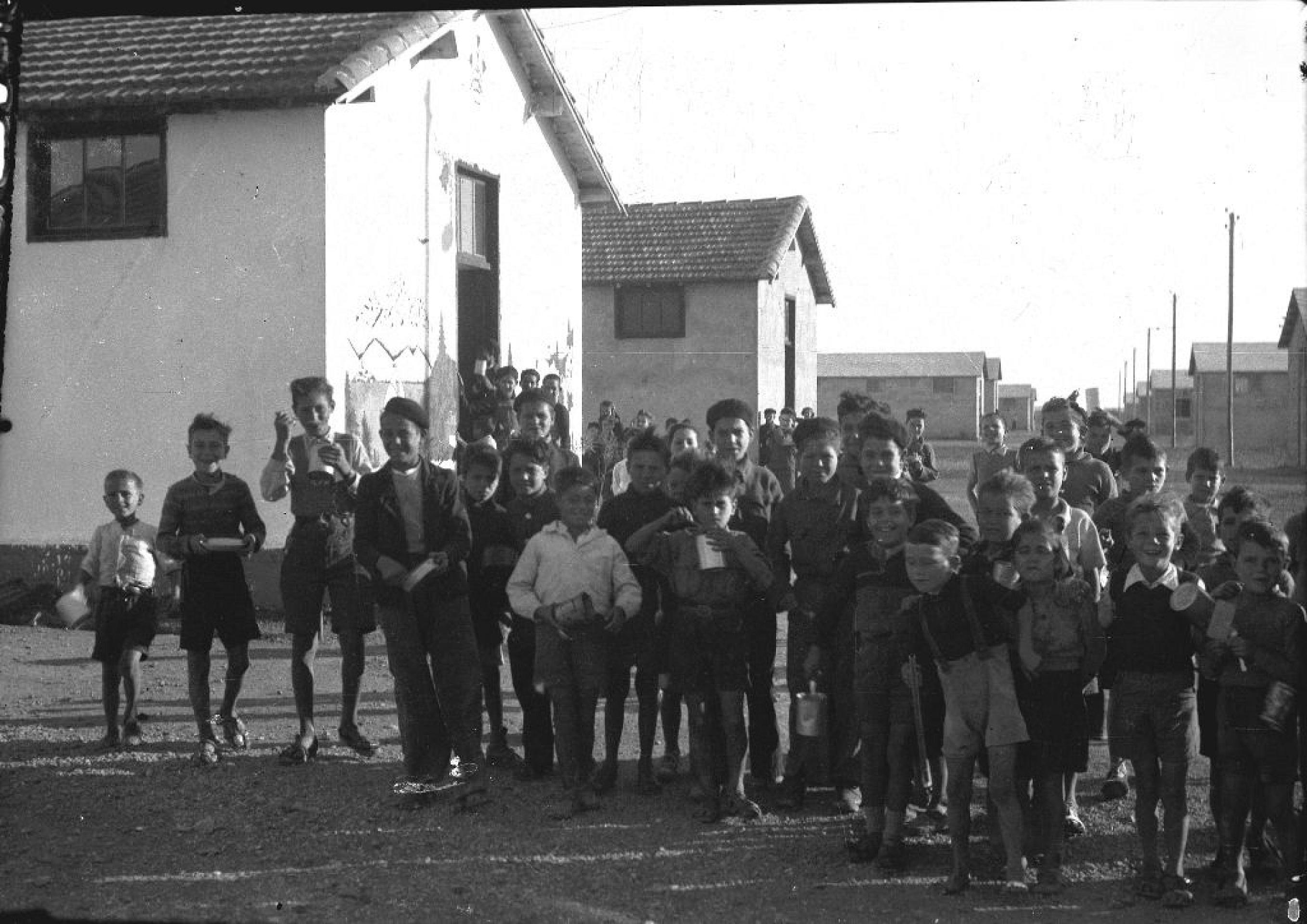
At first, refugees from the Spanish civil war, of whom tens of thousands had come to Southern France at the end of 1939, were interned at Joffre Camp. After the German Wehrmacht defeated the French army in June 1940, Rivesaltes lay in the unoccupied part of France which was administered by the Vichy government, a close ally of Germany. In January 1941, the Vichy regime opened the »Centre d'Hébergement de Rivesaltes« (Rivesaltes Accommodation Centre) on the camp premises for interning Sinti and Roma, political opponents and Jews, including many Jewish deportees from Baden and the Palatinate, who had been deported to the Gurs camp in October 1940. In May 1941, there were 9,500 prisoners of 16 nationalities at Rivesaltes. The harsh climate, the terrible sanitary conditions and the constant undernourishment the prisoners were subjected to claimed many lives. In August 1942, the Vichy authorities converted Rivesaltes into a regional collection camp, from which Jews were deported in nine transports to the Drancy transit camp near Paris or directly to the Auschwitz extermination camp.
Victims
Among the prisoners of the Rivesaltes camp were Spanish Republican refugees; they were deployed in labour details alongside other prisoners. The Vichy regime also held political opponents, Sinti and Roma, and Jews at Rivesaltes. The harsh climate and the terrible sanitary conditions led to many deaths. From summer until autumn 1942, Rivesaltes served as the central transit camp in Southern France for the deportation of about 2,500 Jewish men, women and children to Auschwitz-Birkenau.
Remembrance
After the liberation of Southern France in the summer of 1944, German and Italian prisoners of war as well as French collaborators were held in parts of the military camp Rivesaltes. Already in 1962, it accommodated Algerians who had fought on the side of the French in the Algerian civil war and were forced to flee after the country gained independence. This camp was gradually dismantled until 1972. Between 1986 and 2007, two barracks were used as a camp for illegal immigrants pending deportation. Today, the camp is still property of the French military forces.
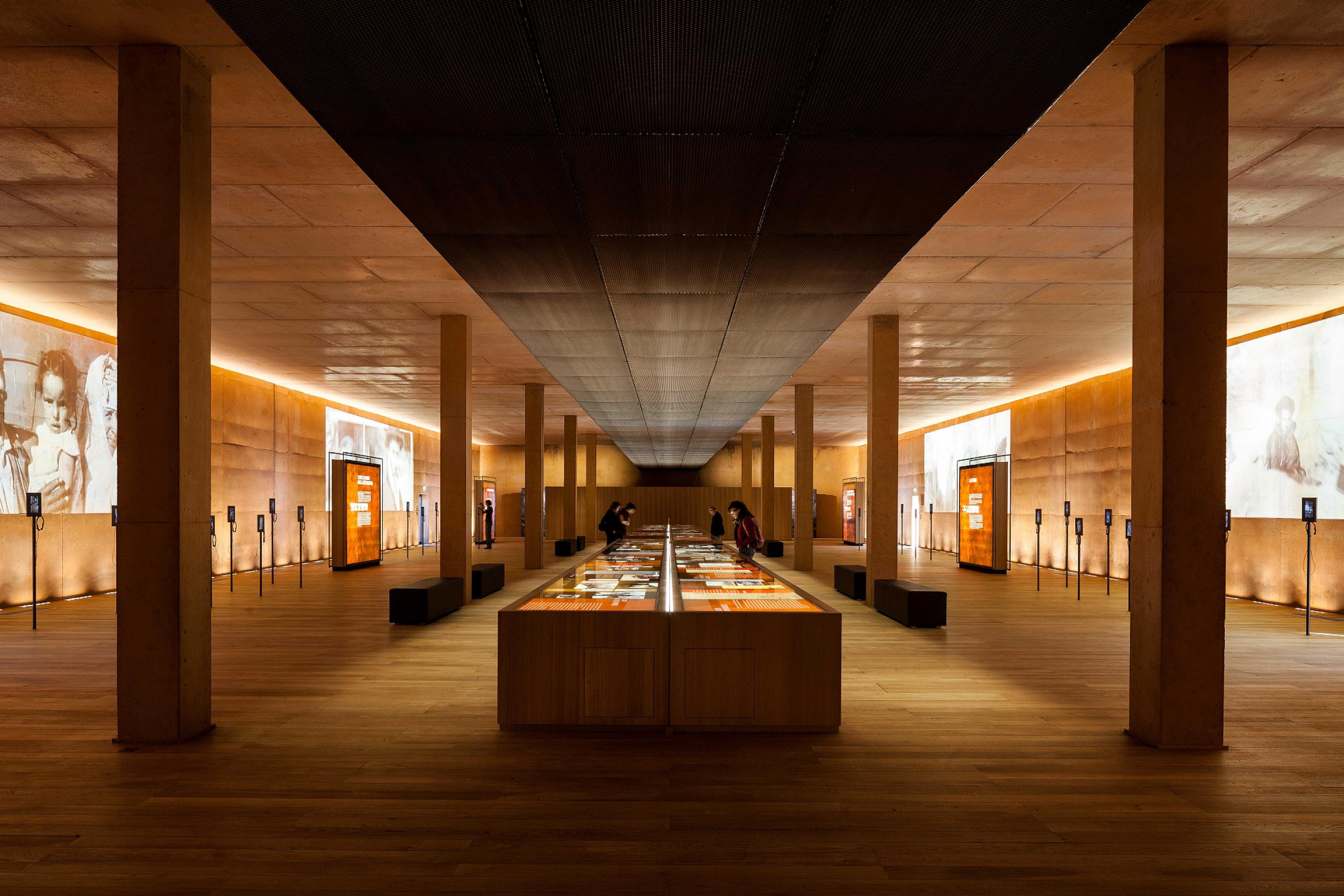
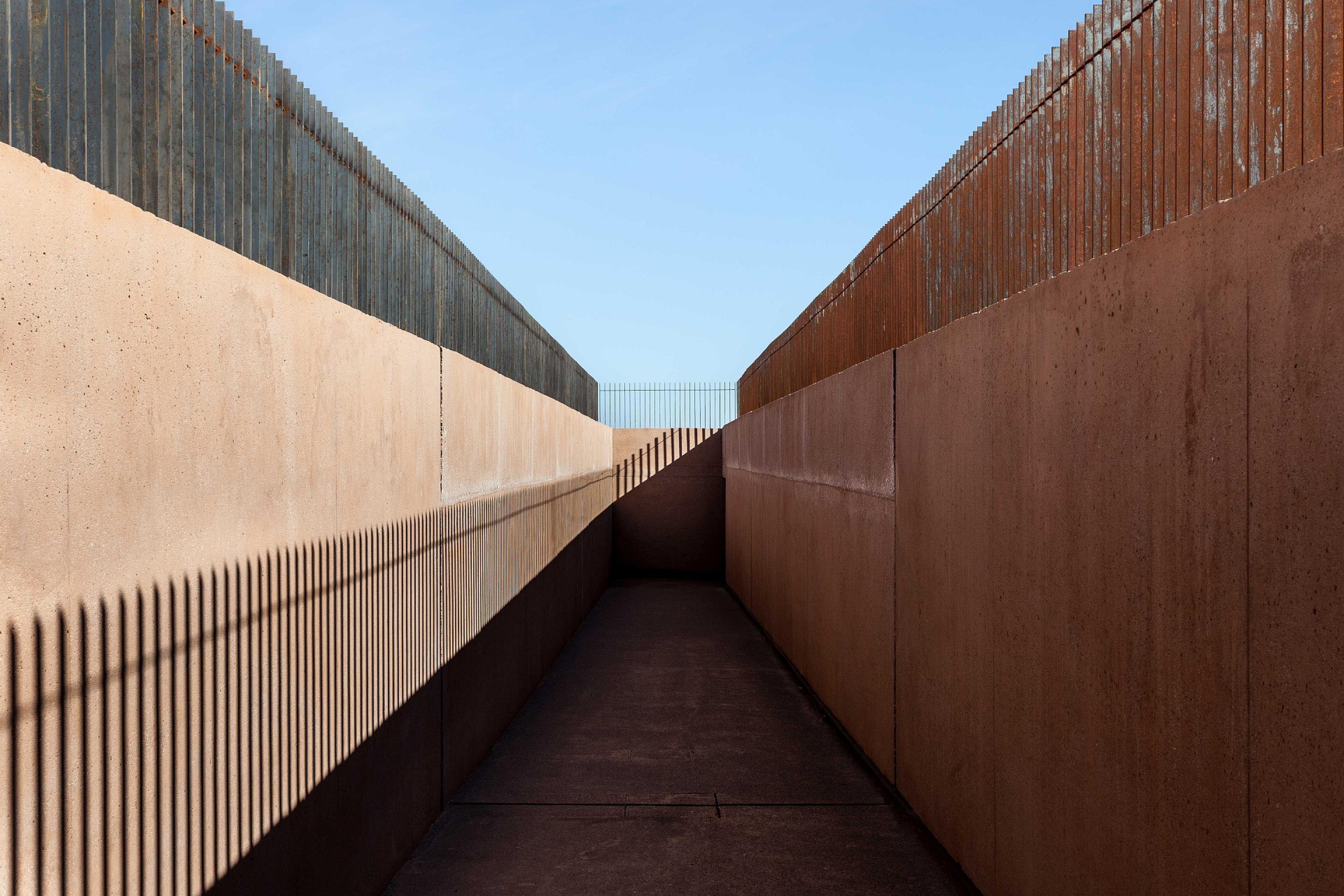
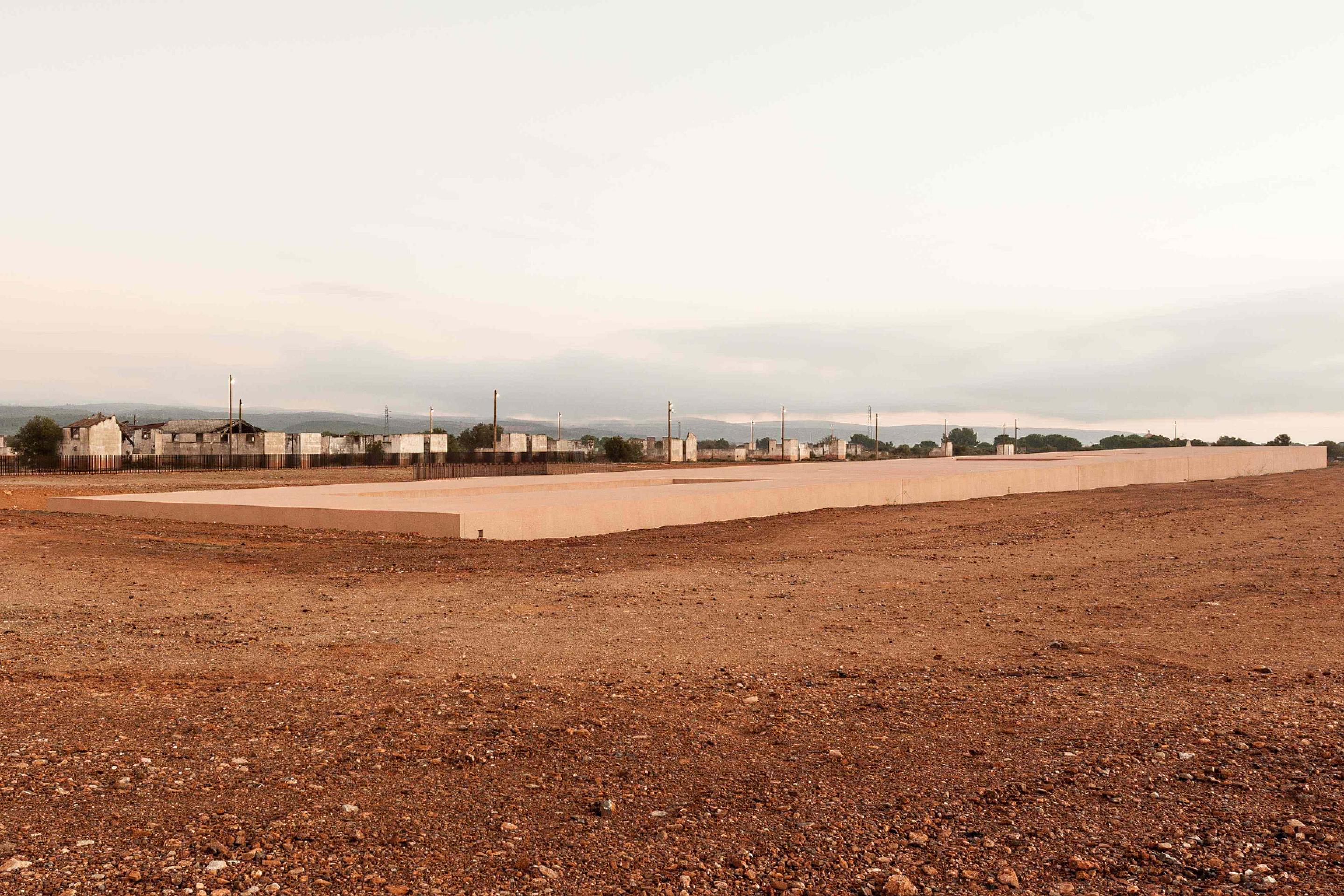
In 1997, plans of tearing down the remains of the camp were announced, as a result of which a citizens' initiative submitted a petition for the preservation of the premises - the petition was signed by 1,000 people, including Auschwitz survivor and former President of the European Parliament Simone Veil, and writer Claude Simon. A part of the former camp premises, Îlot F (42 of 600 hectares total), was purchased from the French military and placed under monumental protection in 2000. That same year, the development of a memorial museum was begun. Architect Rudy Ricciotti won the tender for the design of the memorial; the subterranean information centre he designed was finished in 2015. Beside a spacious permanent exhibition the building houses facilities for research and education.
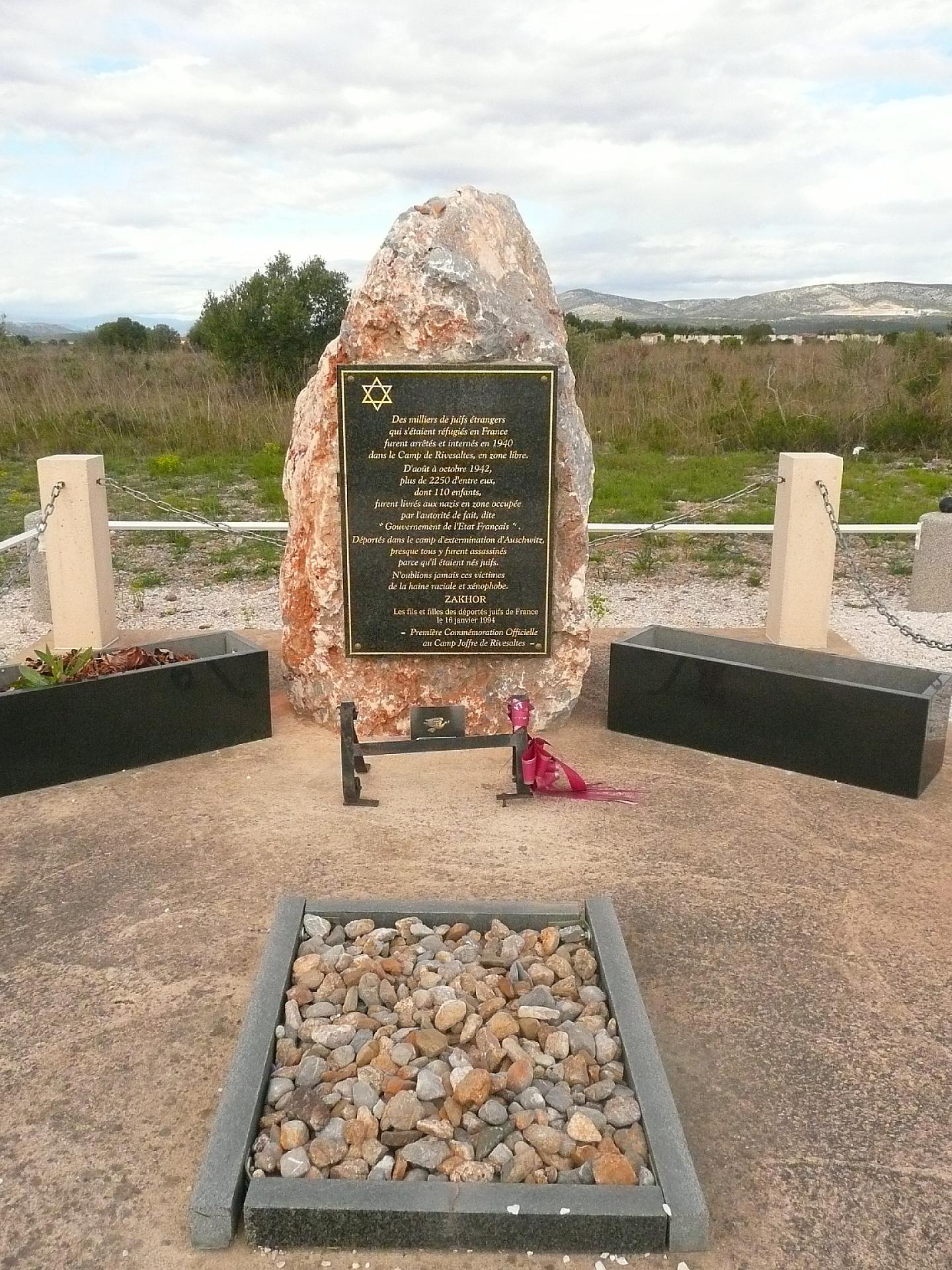
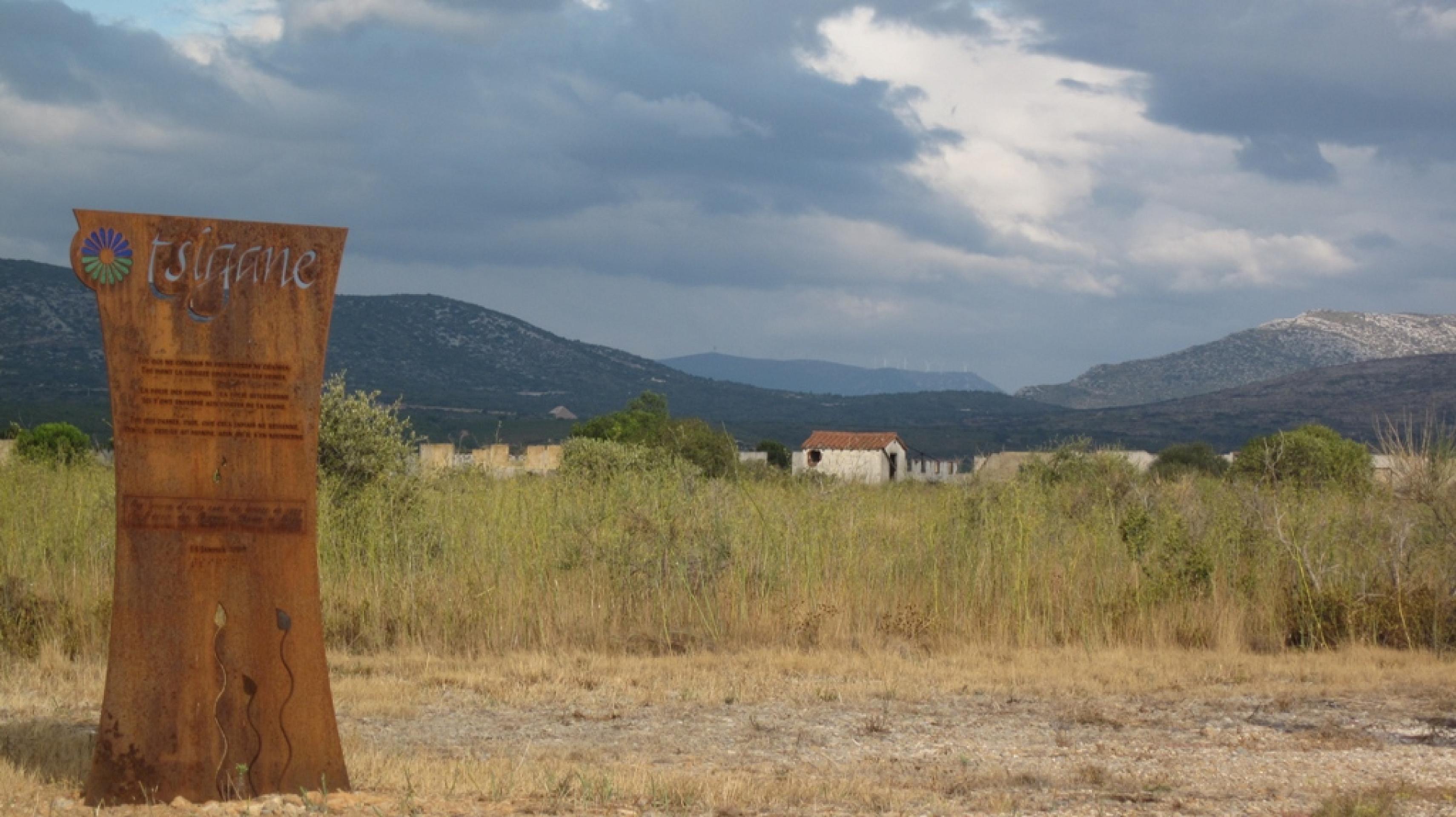
Five stelea already commemorate the different groups which were held at Rivesaltes: one stele, initiated by Serge Klarsfeld in 1984, recalls the deportation of Jewish internees from Rivesaltes, either via transit camps or directly to Auschwitz. A second stele honours the Spanish refugees at the camp, a third is dedicated to the imprisoned Sinti and Roma. The fourth stone commemorates the refugees from Algeria, the so-called Harkis. After relocation of the camp for illegal immigrants, a stele was erected for its inmates also.
Possibilities
Permanent exhibition, temporary exhibitions, guided tours
Open
April to October daily 10 a.m. to 6 p.m.,
November to March Tuesday to Sunday 10 a.m. to 6 p.m.,
Closed January 1, May 1, November 1 and December 25
Contact
http://www.memorialcamprivesaltes.eu/
info@memorialcamprivesaltes.fr
+33 (0)468 08 39 70
Avenue Christian Bourquin 66600 Salses-le-Château
92300 Rivesaltes