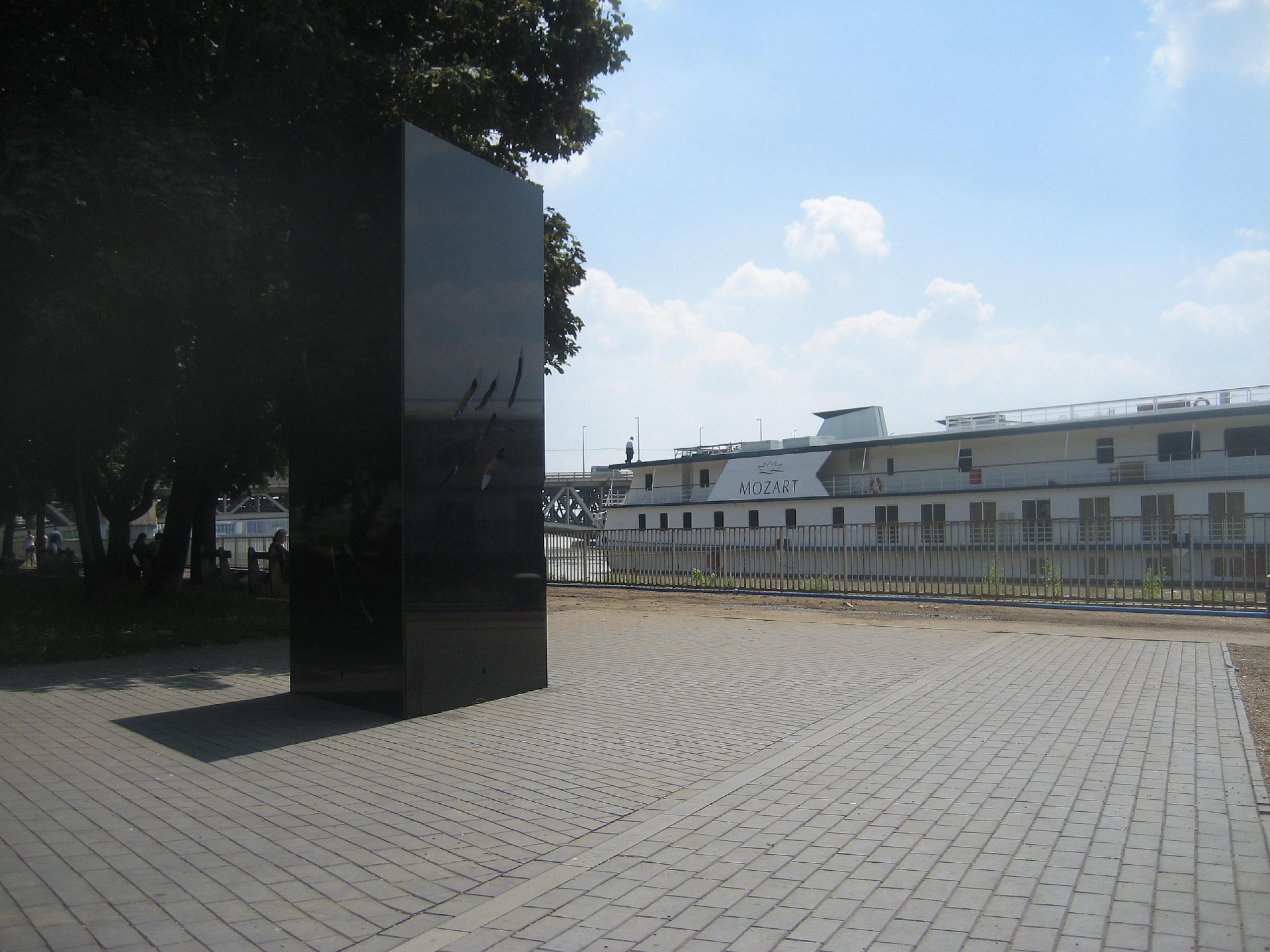
In 2006, a memorial in Budapest was dedicated to the Roma murdered during the Second World War.
History
The first Roma settled in Hungary during the Middle Ages. The population comprised many different tribes and groups who immigrated during different periods. They practised various traditional professions. Since the 18th century there had been attempts, at times violent, to force the nomadic »Gypsies« to settle down. During World War I, the Hungarian government introduced measures deeming unemployed Roma and those without a permanent stay criminal. The elites only dealt with the issue of Roma living conditions from the perspective of public order. Towards the end of the 1930s, first suggestions were made to re-evaluate the situation of the Roma from a racial perspective; radical solutions such as forced sterilisation were proposed. Following the beginning of the Second World War, some Roma were expelled from Hungarian border regions. At the same time, Roma were not persecuted to the extent as Jews were; they were, for example, conscripted for military service like other Hungarian citizens.
When Hungary was occupied by the German Wehrmacht, Hungarian authorities began rounding up Roma in many places, mostly during the summer of 1944, and handing over men and women capable of working to the Germans, who in turn deported them to concentration camps such as Mauthausen and Ravensbrück. The largest collection camp for »Gypsies« was set up in a fortress in the north of Hungary, in Komárom. The living conditions for the thousands of prisoners were catastrophic. When the National Socialist Arrow Cross Party came to power in October 1944, its followers carried out several massacres of Roma, mostly in far-off villages.
Victims
The number of Roma murdered by the National Socialists and their helpers is much disputed; most estimates speak of 500,000. The best known single event of the genocide of the Roma is the dissolution of the »Gypsy camp« in the Auschwitz-Birkenau extermination camp: In the night of August 2/3, 1944, the SS murdered all of the Roma remaining in the camp; about 3,000 perished in the gas chambers.
The persecution of Hungarian Roma has not been documented as thoroughly as the mass murder of Jews which took place at the same time. Many killing operations, especially towards the end of the war, were not organised in any way, but occurred haphazardly. While some historians state that about 5,000 Hungarian Roma were murdered, other sources cite up to 20,000.
Remembrance
Until today, only a few historians have conducted research on the persecution of Hungarian Roma during World War II, the history is also little known to the public. The first books and documentaries on this topic were only published after the collapse of the communist system.
Since the political and economic transformation, the situation of the Roma in Hungary has changed decisively. On the one hand, many Roma have become unemployed and live in poverty, prejudices against the Roma are also articulated more openly. On the other hand, Roma can organise themselves better than ever and many live out their identity, particularly in the field of art and culture.
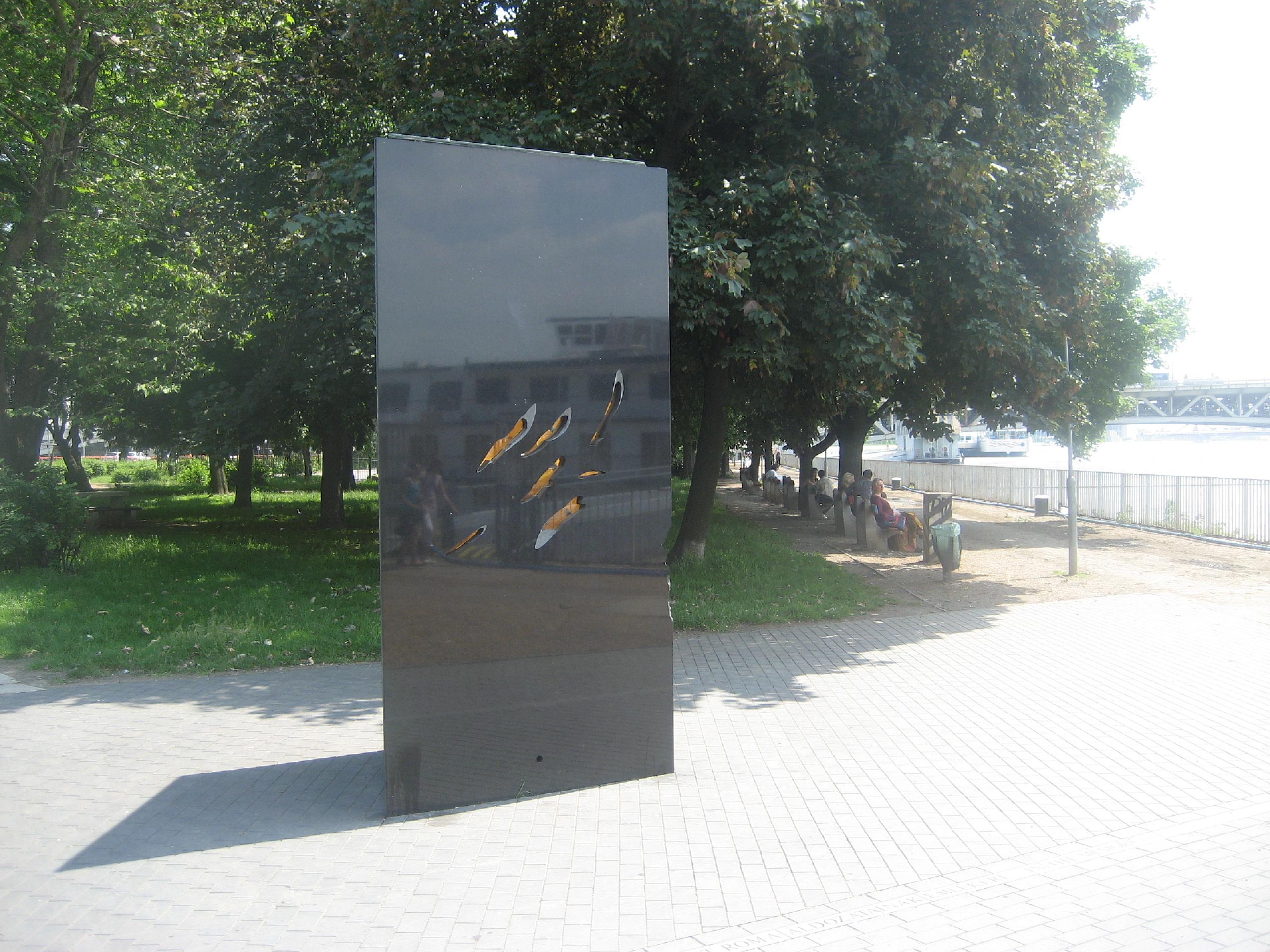
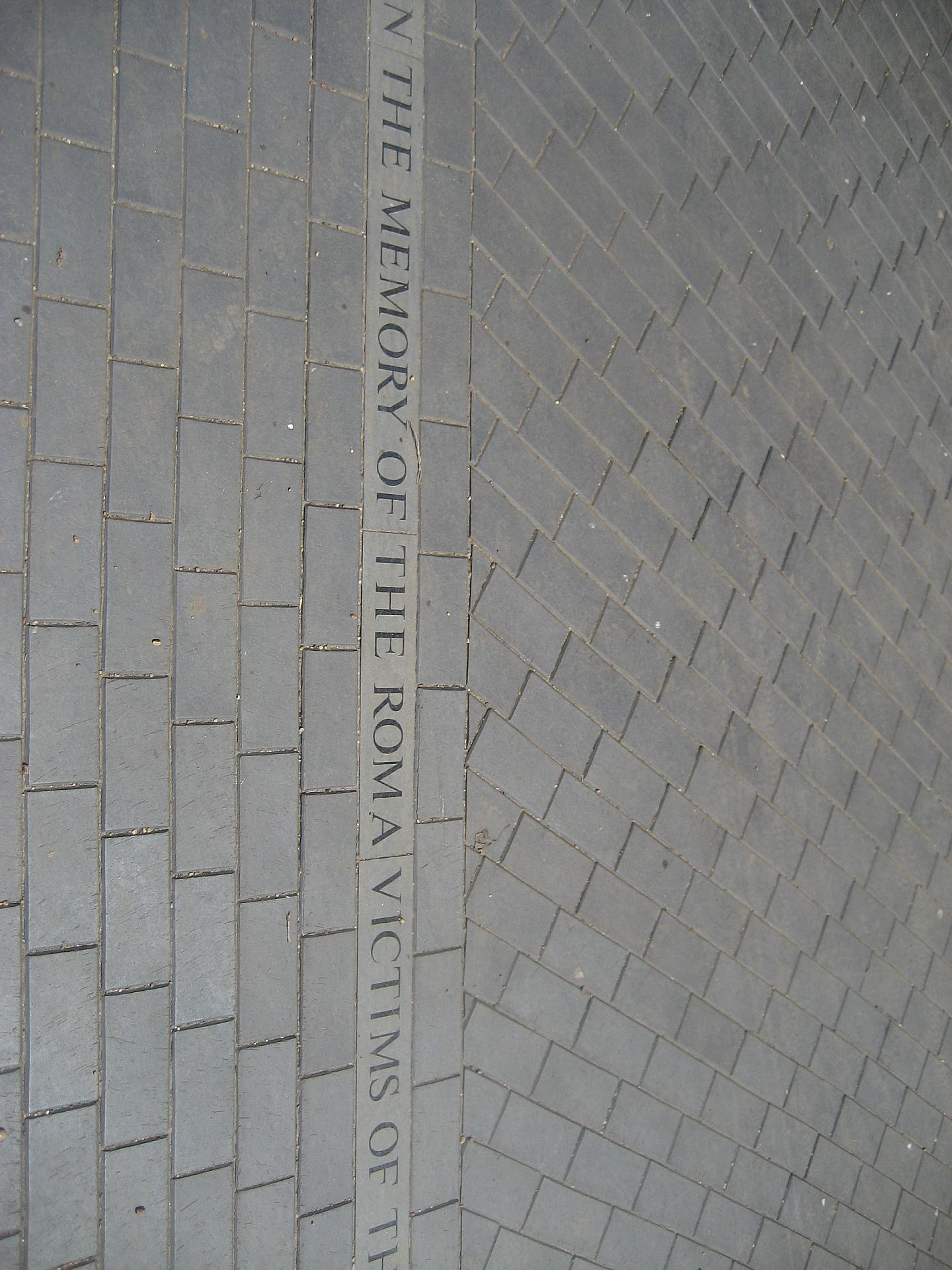
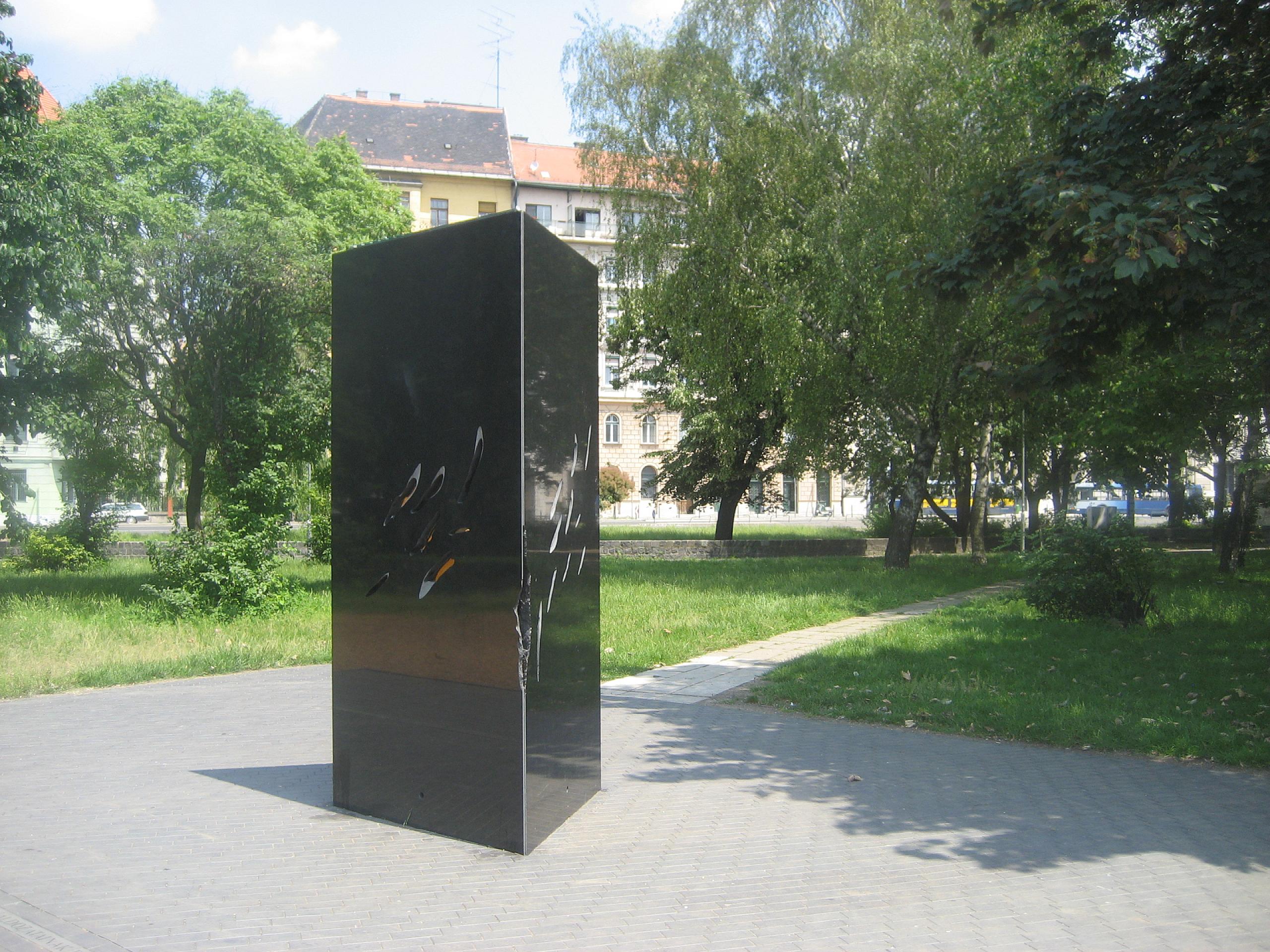
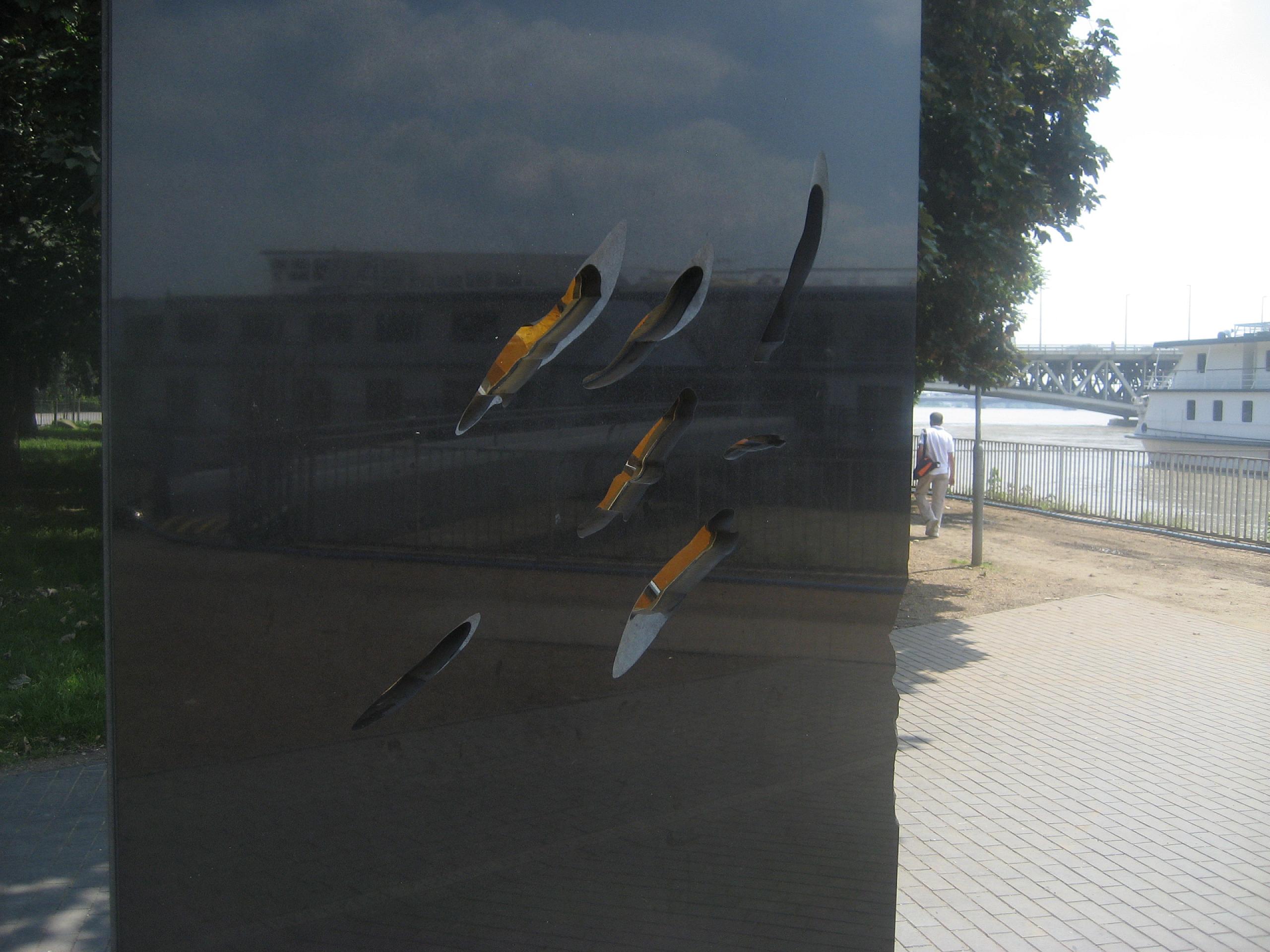
The »Roma Holocaust Memorial« in Budapest was erected in 2006 in a park on the bank of the Danube. It was a joint initiative of the municipal »Budapest Galéria«, the administration of the IX. district in Budapest and several civil-society Roma organisations. According to its dedication, the monument doesn't specifically commemorate the Hungarian victims, but all »Roma victims of the Holocaust«. There is no information tablet. The memorial was designed by Ákos Maurer Klimes and Tamás Szabó. It consists of a stele made of black granite, which is fractured in several places. Close up one can see gold paint on the inside of the stele. The glistening of the paint should serve as a reminder of the fire in a crematorium.
Open
The memorial is accessible at all times.
Contact
Nehru Park, Közraktár u.
1093 Budapest