Skip to content

Seelow Heights Memorial

Gedenkstätte Seelower Höhen


The Battle of the Seelow Heights, which took place in the spring of 1945, was the largest battle on German territory in the course of the Second World War. Tens of thousands of Soviet, Polish and German soldiers lost their lives. Today, a monument which was erected shortly after the war as well as a memorial located on the historic site commemorate the battle and its many victims.

History

At the beginning of 1945, Soviet and American troops were competing over the conquest of Berlin. When the fort at Küstrin had been taken and the bridge heads on the Oder river had been stabilised at the end of March, the Red Army seemed to be at a strategic advantage. The first defensive line of the 1st Belorussian Front under the command of Georgy Zhukov was to lead the troops to Germany's capital along Reichsstraße 1. The largest natural obstacle on the way were the Seelow Heights on the western edge of the Oderbruch about 70 kilometres east of Berlin. Here, the 9th Army of the Wehrmacht, composed of various units thrown together, set up its defensive line. 200,000 men on the defending side were faced with 900,000 men on the attacking side.
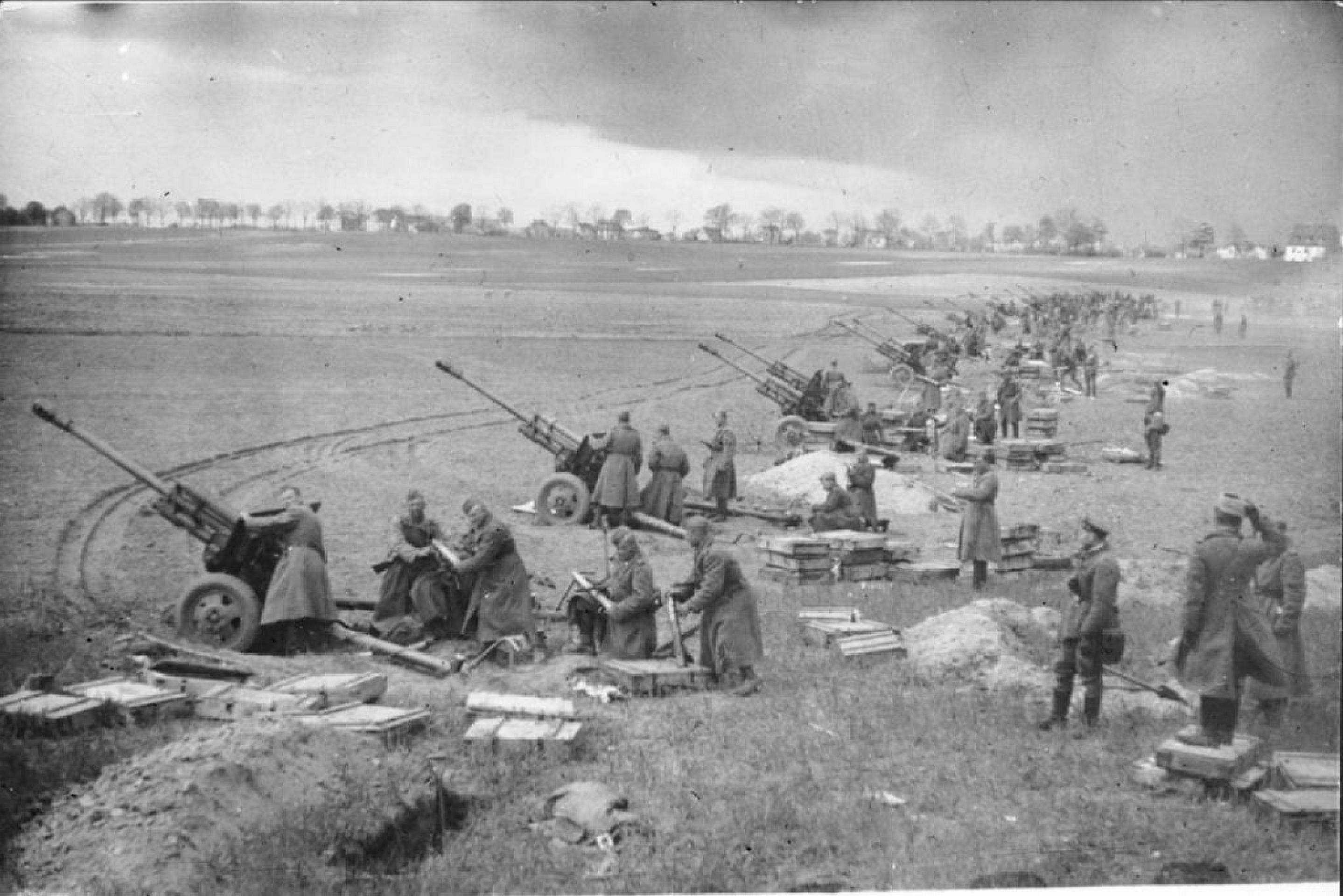
The assault of the Soviet troops, assisted by the 1st Polish Army, was launched in the early hours of April 16, accompanied by one of the heaviest artillery barrages of World War II. 120 anti-aircraft searchlights were to blind the Germans during the attack of the infantry, yet using them turned against the Red Army who ended up suffering great losses. The tank units Zhukov quickly summoned caused further chaos. Instead of a fast breakthrough, it took four days before the German positions could be broken and the road to Berlin opened up.
Victims

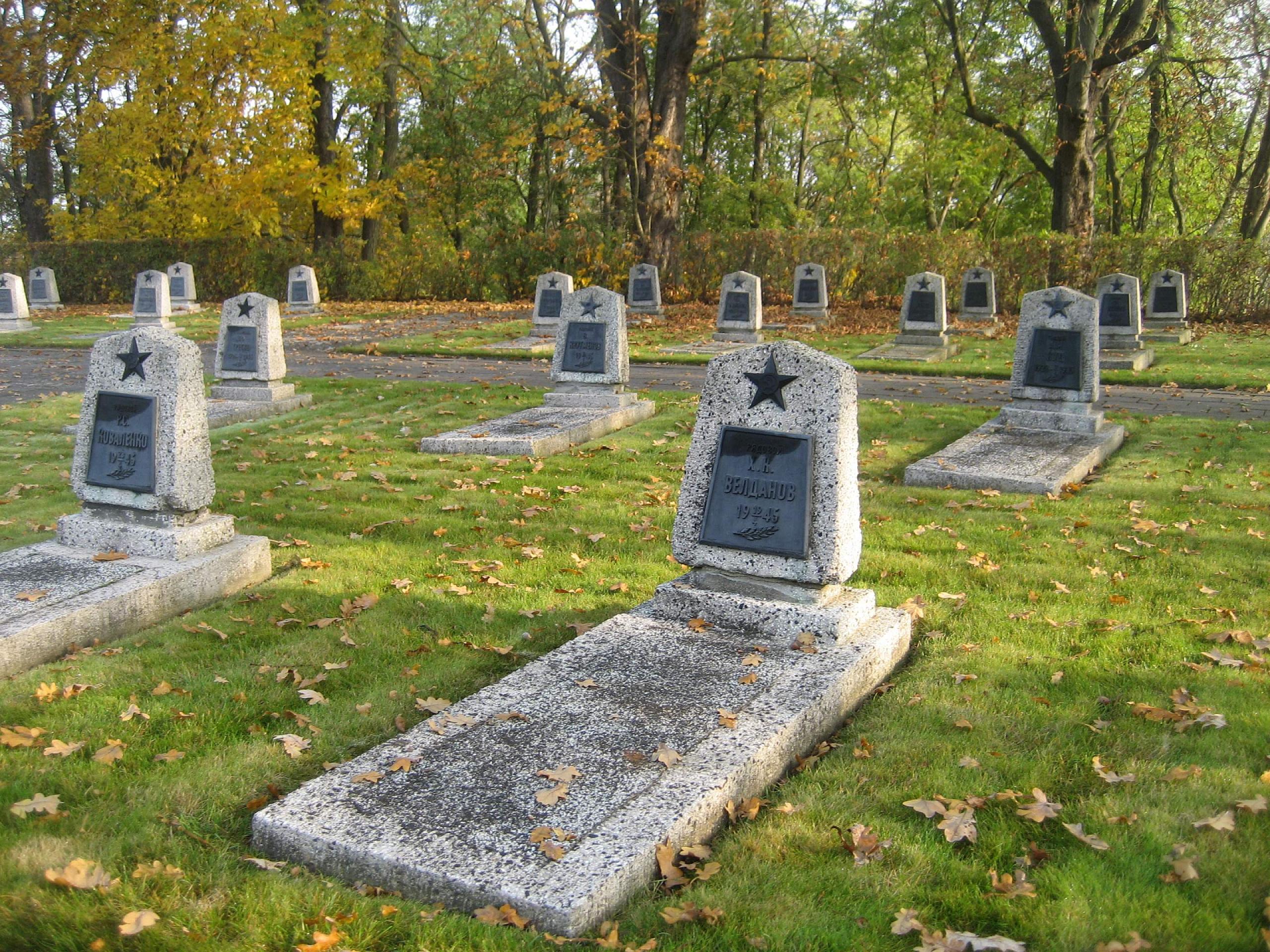
Over 100,000 soldiers died during the battles for the bridge heads and the »Battle of the Seelow Heights«. Between April 16 and 20, 1945, in the course of the battle of the Seelow Heights, over 35,000 Soviet soldiers fell, the death toll on the German side was 12,000. After the war, hundreds of civilians died in the area as a consequence of the battle: of malnourishment, diseases and blind shells.

The entry to power of the National Socialists in 1933 heralded the state persecution of opponents of the regime, Jews, Roma – who were classed as »gypsies« -, the sick and many other groups. For the first time, anti-semitism became part of the government policy of a modern state and the persecution of all groups was progressively heightened. The process was characterised by the interplay between state regulation, violence from supporters of the regime and rabble-rousing propaganda from the press. The acts of terror against the Jews in November 1938 (»The Night of the Broken Glass«), culminating in around one hundred deaths, marked the prelude to the complete exclusion and murder of the Jewish minority. With the outbreak of the Second World War in September 1939, large parts of Europe fell under German control. In Eastern Europe in particular a multi-tiered system of camps and extermination sites was established, in which the SS murdered up to six million Jews, among them around 165,000 German Jews. It is estimated that around seven million Germans lost their lives in the war, including almost 3.5 million civilians. Around 28 million residents of the occupied Soviet Union (both soldiers and civilians) and three million non-Jewish Poles met a violent death. These groups are still barely commemorated in Germany. Germany came under Allied occupation in 1945 and 1949 saw the foundation of the German Democratic Republic (GDR) and the Federal Republic of Germany (FRG), who had very different cultures of remembrance. The GDR profiled itself as an »antifascist« state. The former concentration camps at Buchenwald, Ravensbrück and Sachsenhausen became »National Memorials« and primarily documented the communist resistance during the war. In the Federal Republic, the dominant memory was initially of the victims of Allied bombing raids and those who had fled or been expelled from their homes in the former territory of the Third Reich. It was left to specific groups to remember Nazi persecution, the Holocaust or the resistance. With the exception of the war crimes trials, there was no public discussion of perpetrators or involvement in crimes. However, the situation was to change in the mid-1960s, when the statute of limitations for murder was lifted following a lengthy debate. Also during this period, memorial sites were established at former concentration camps (1965: Dachau and Neuengamme; 1966: Bergen-Belsen) and the German Resistance Memorial Centre was opened in 1968 in West Berlin. However, it was not until the 1980s that a diverse and often small-scale landscape of memory developed as the result of local initiatives. Following German unification in 1990, a national memorial site concept was developed and there was a major review of German sites of memory. The Memorial to the Murdered Jews of Europe in Berlin was inaugurated in 2005. The Topography of Terror, a comprehensive documentation of National Socialist crimes and perpetrators, has opened with a new centre in May 2010; the documentation centre »Flight, Expulsion, Reconciliation« followed suit in 2021. In the meantime, central memorials in Berlin have been erected to commemorate further groups of Nazi victims as well: the murdered Sinti and Roma, the patients murdered in the context of the Nazi’s »Euthanasia« killings and the persecuted homosexuals. The German victims of National Socialist terror in the former Eastern territories of the Third Reich were forgotten by both German states after the end of the war. For decades, memory of these victims was only preserved by West German associations for Germans born in these territories and it mainly excluded the period from 1933 to 1945.

Remembrance

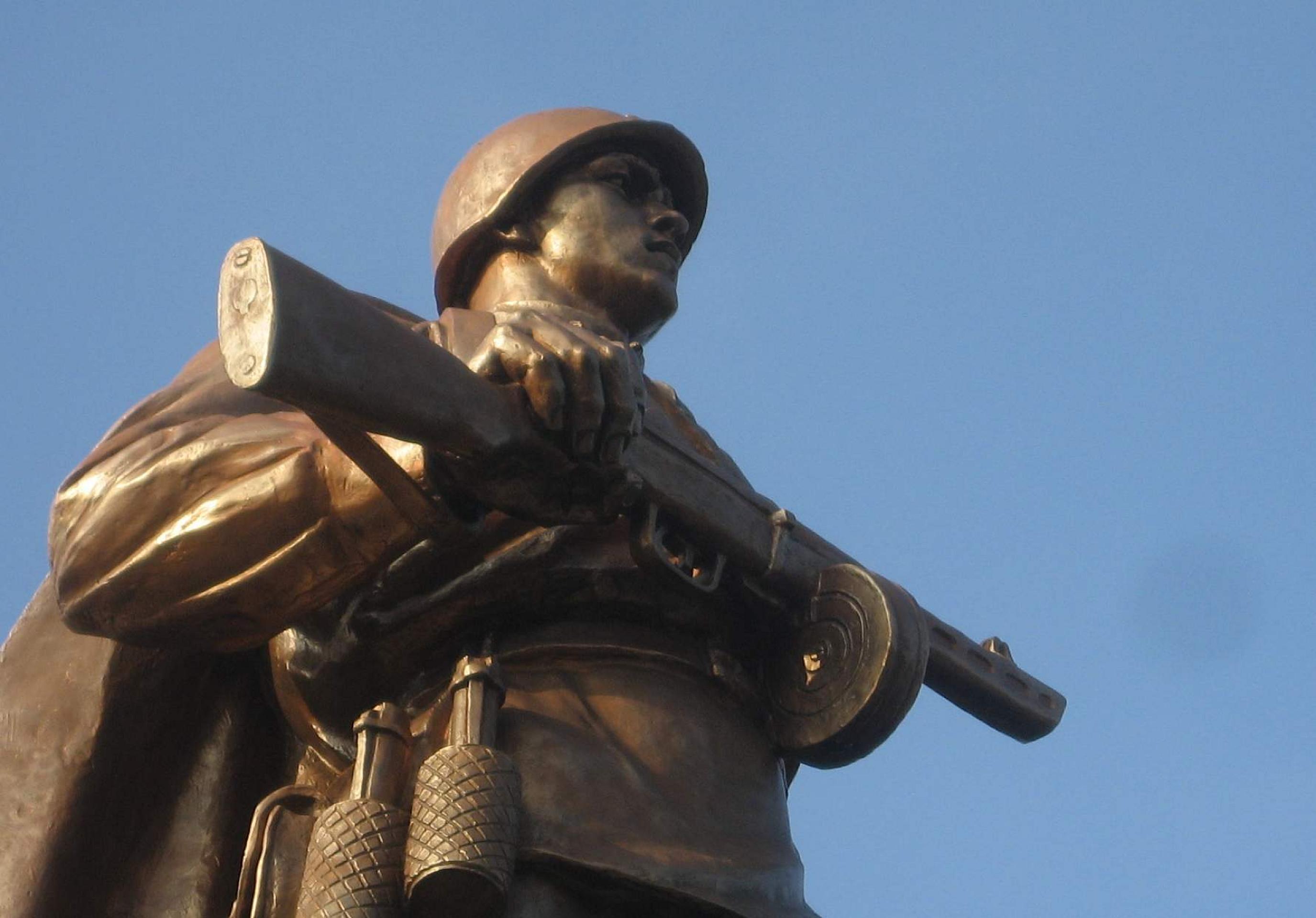
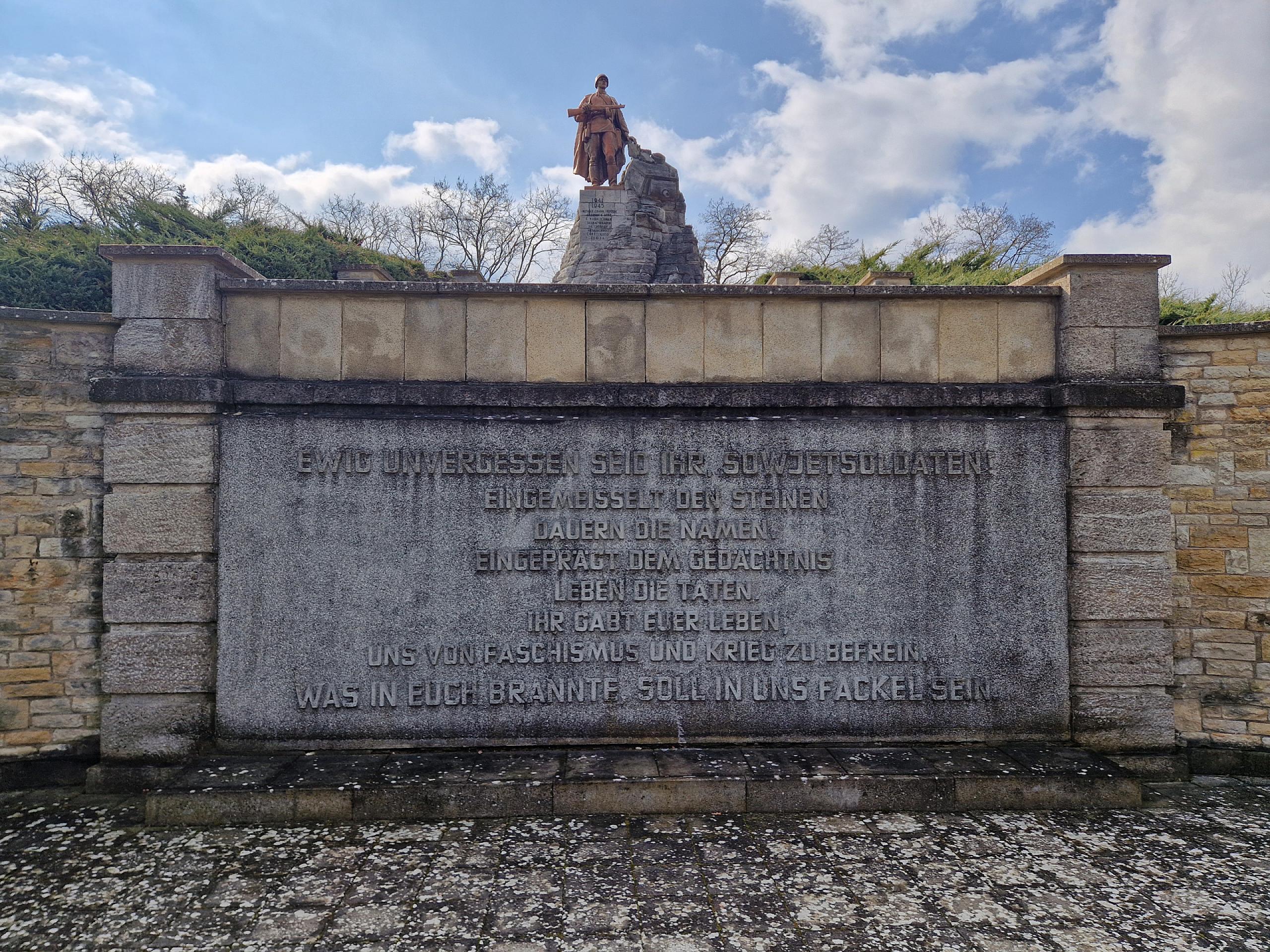
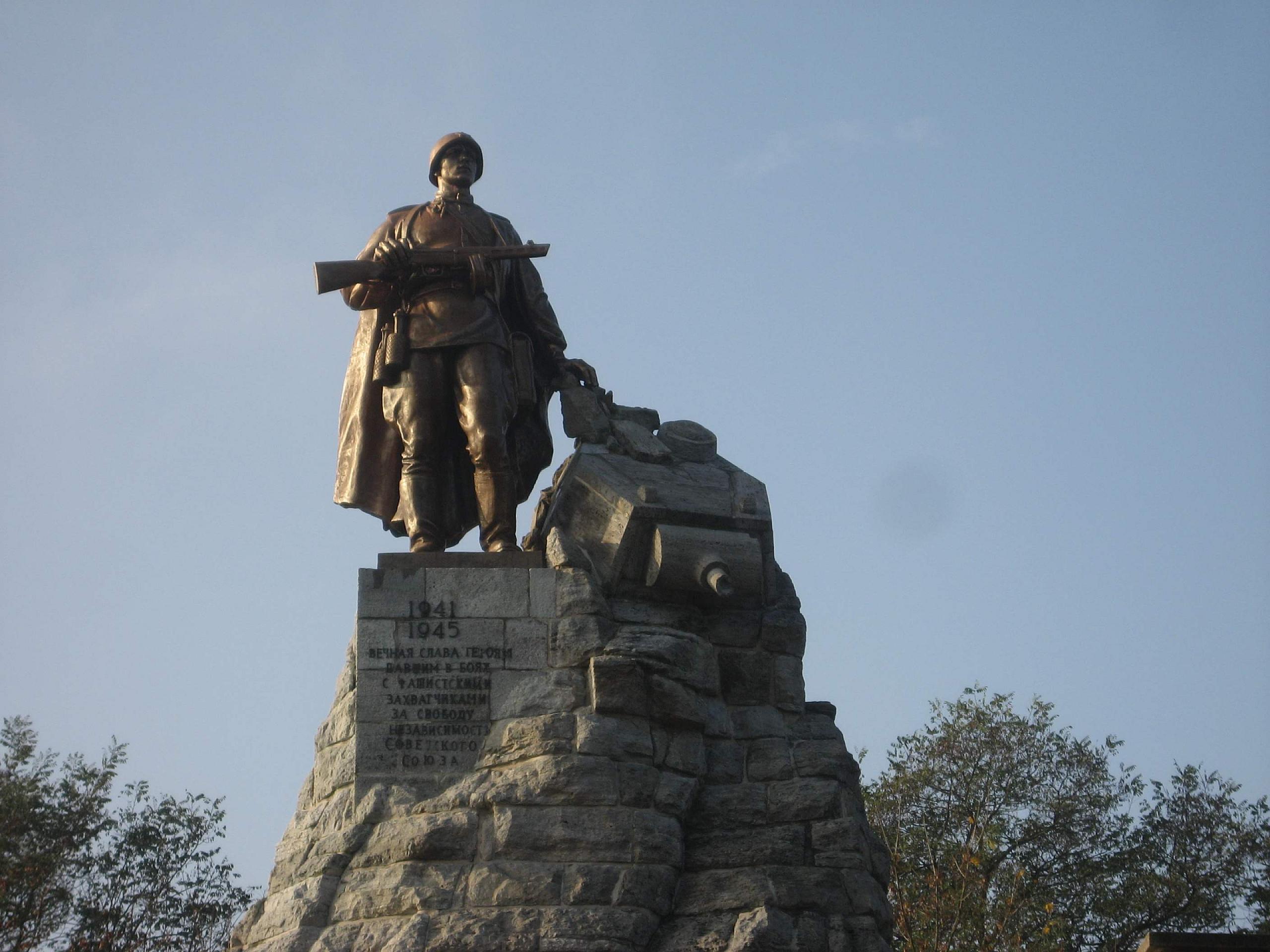
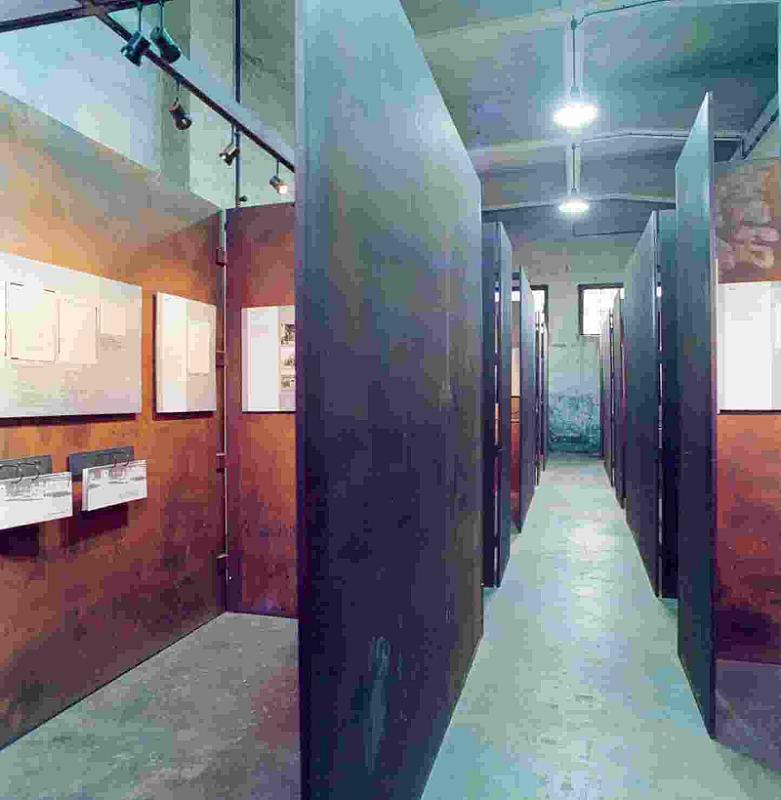
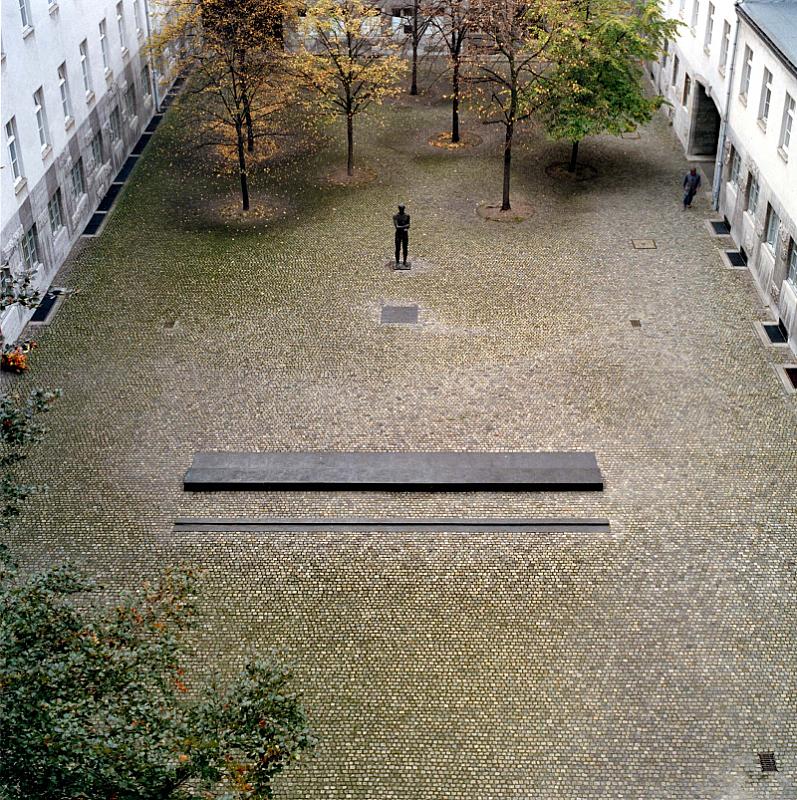
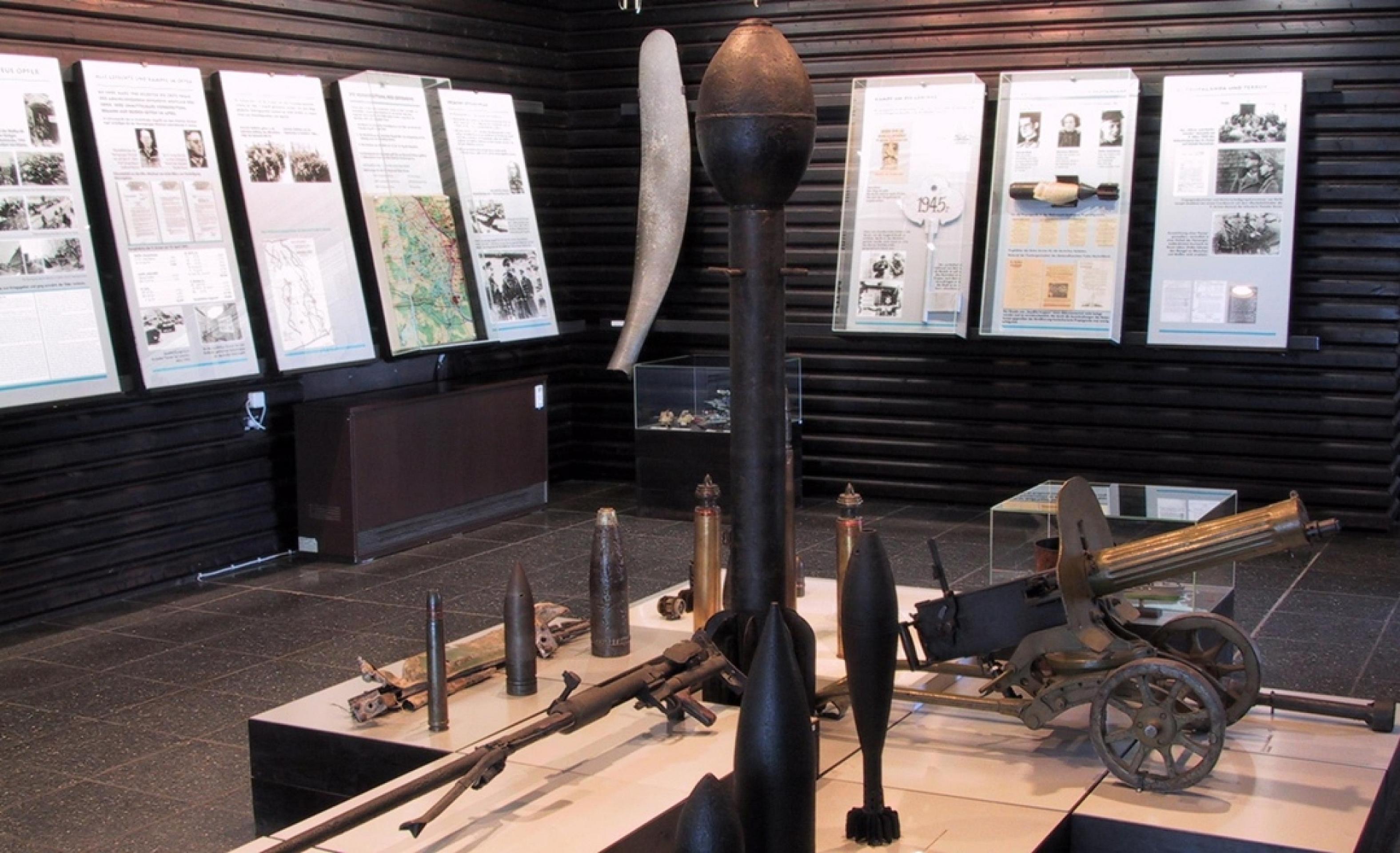
Already a few days after Berlin had been conquered, Marshal Zhukov commissioned sculptor Lev Kerbel with erecting a series of monuments along the invasion route of the Red Army, next to the graves of the fallen soldiers. The resulting bronze sculpture towers over the graves of 200 Soviet soldiers. It depicts a young soldier of the Red Army who meditatively looks on beyond the graves of his comrades towards the homeland. In 1972, the »Memorial to the Liberation of the Seelow Heights« was inaugurated. During GDR times, the exhibition described the battle from the Soviet perspective only. After German reunification, the exhibition concept was redesigned. In 1995, a new exhibition – which also addresses the fates of German and Polish soldiers as well as the many civilian victims – was opened.
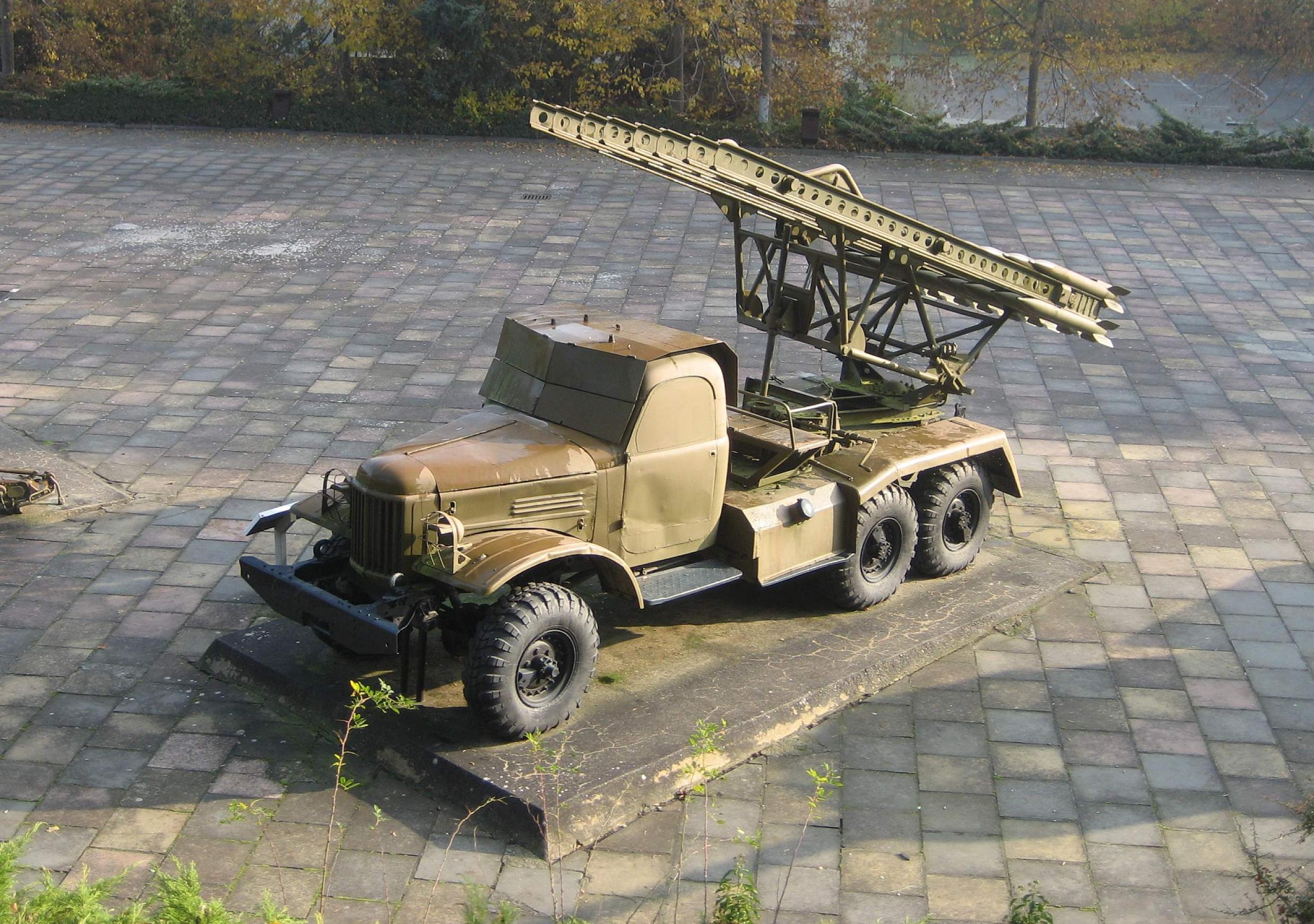
Military equipment is displayed on the premises of the memorial site: tanks, rocket launchers, artillery pieces as well as one of the anti-aircraft searchlights used during the battle. The memorial is administered by the Kultur GmbH Märkisch-Oderland.
Possibilities

Guided tours and workshops for school groups, training, lectures, documentary and slide show, museum shop

Open

Tuesday to Sunday and on holidays 11 a.m. to 4 p.m.

Contact

https://seelowerhoehen.de/

info@seelowerhoehen.de

+49 (0)3346 597

Küstriner Straße 28 a
15306 Seelow