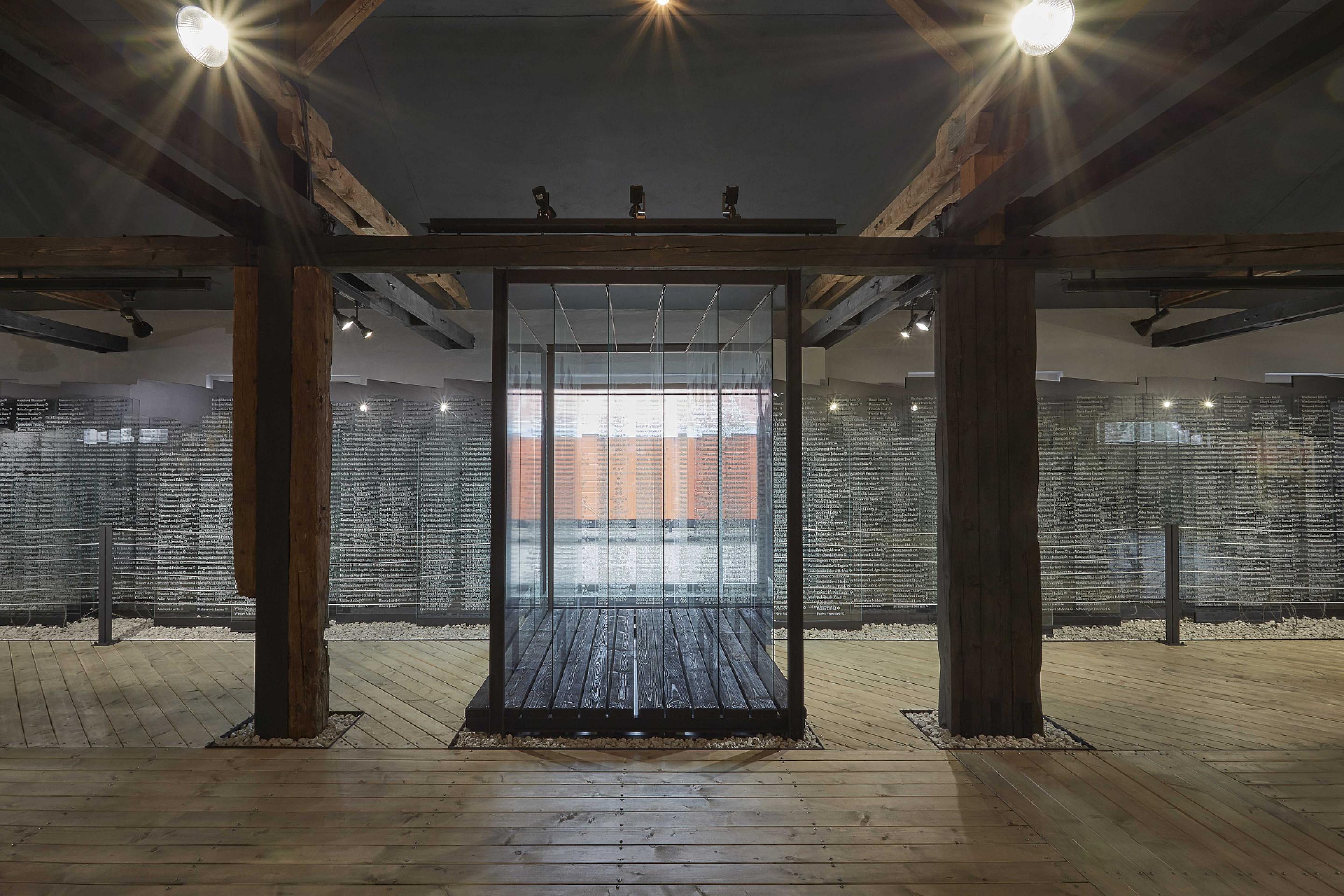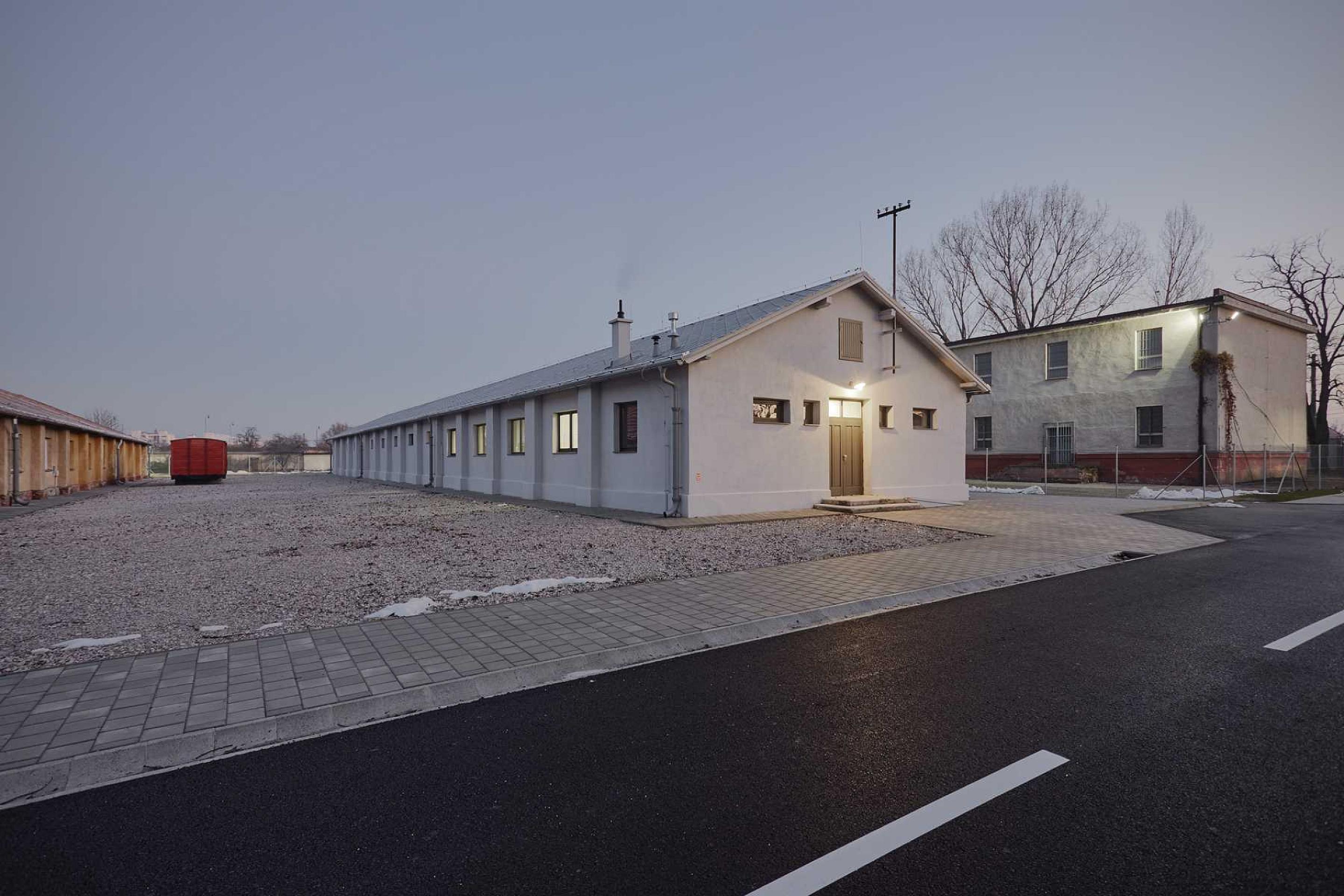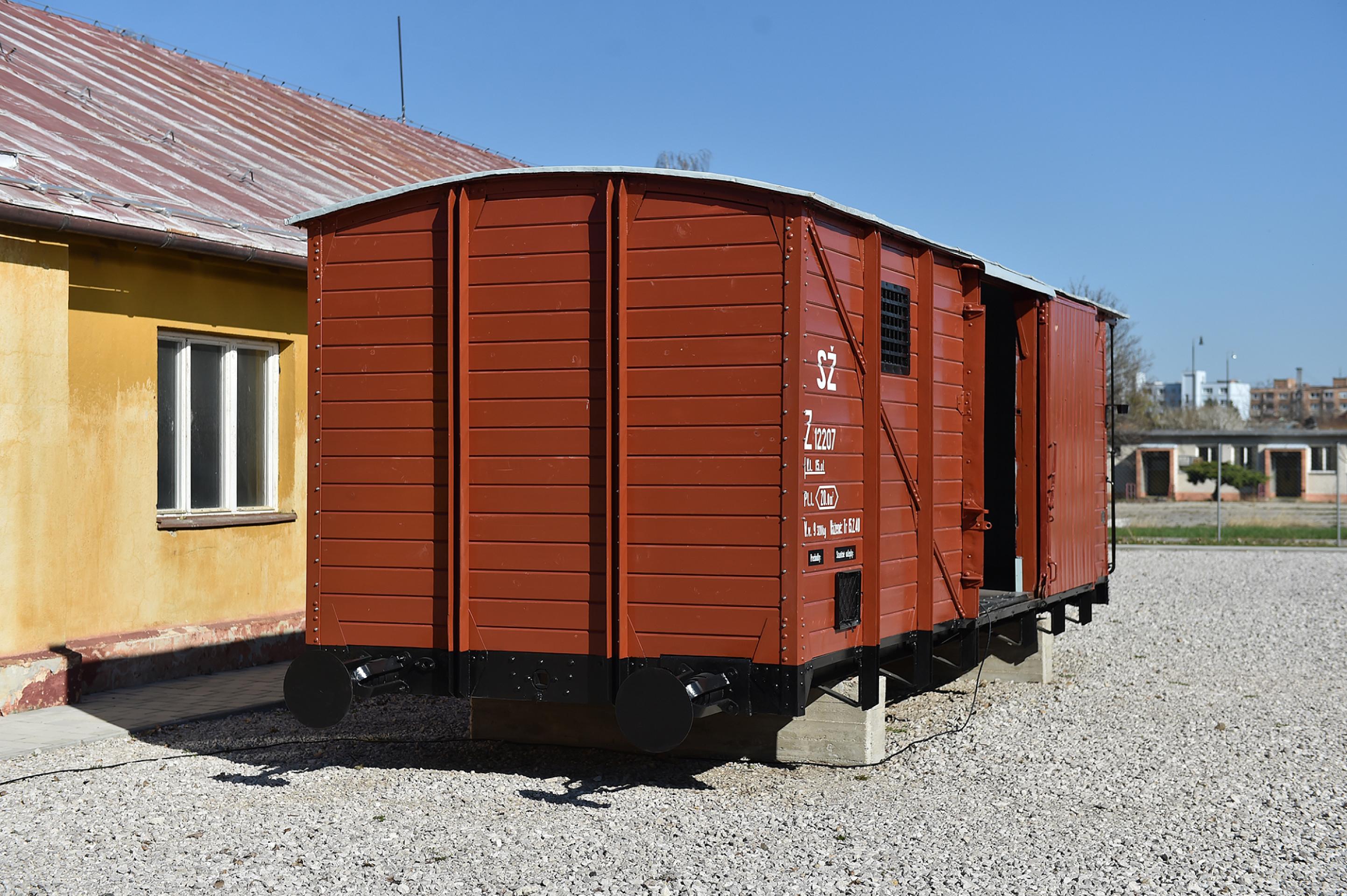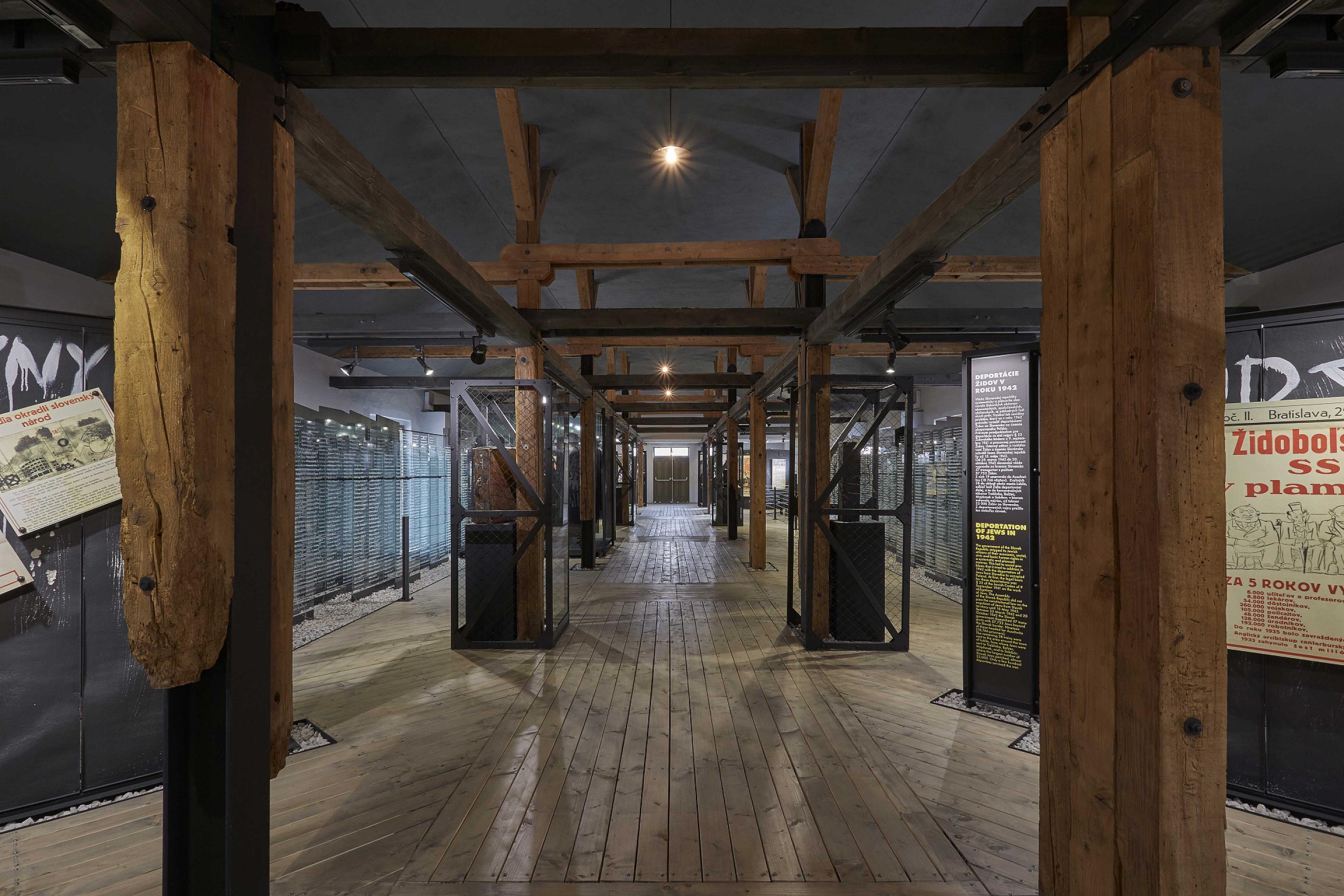
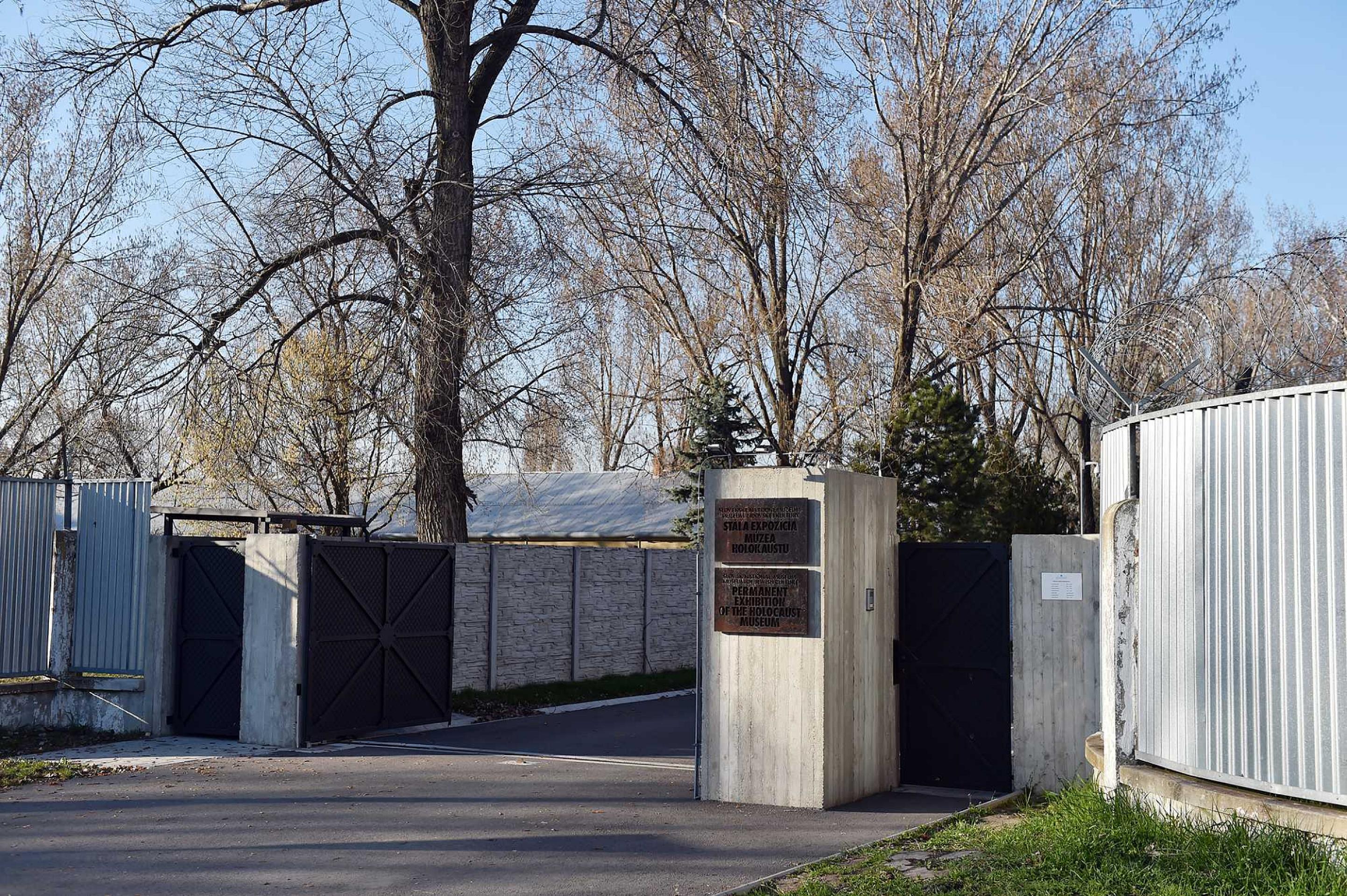
Located at the site of the former forced labour and transit camp Sered’ is a Holocaust Museum commemorating the Jewish inmates of the camp and the victims of the Holocaust in Slovakia. The museum, opened in 2016, is the first of its kind in Slovakia.
History
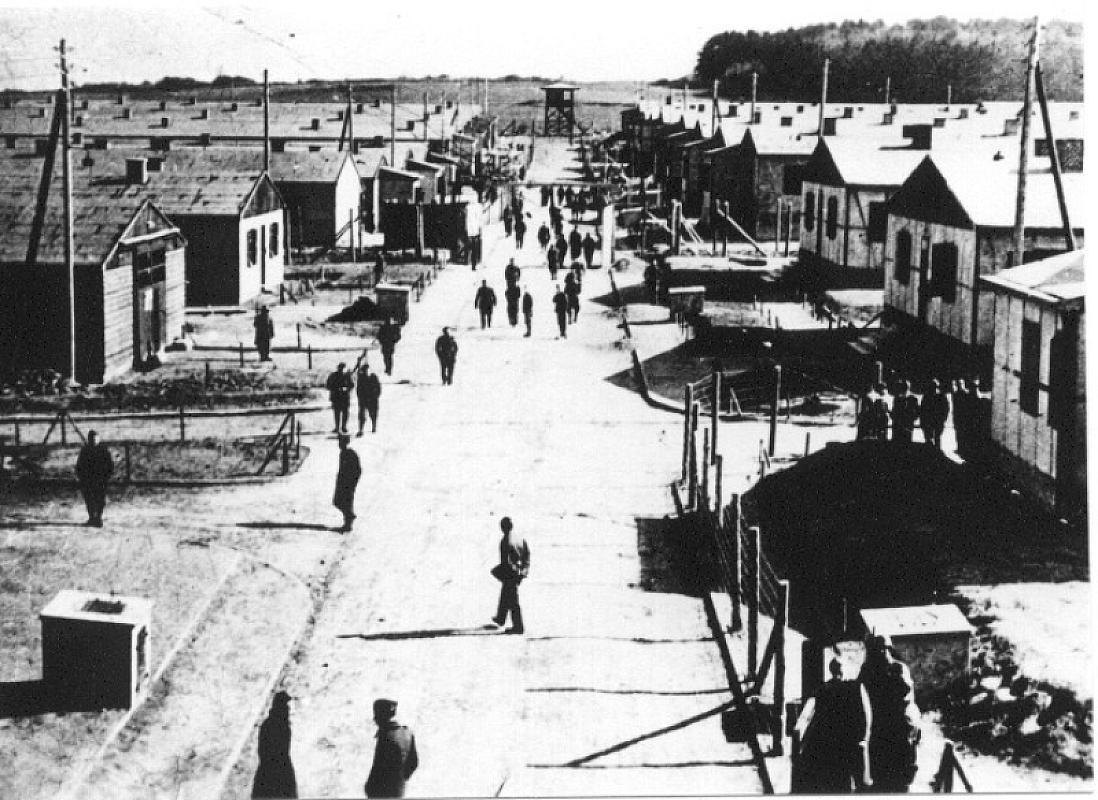
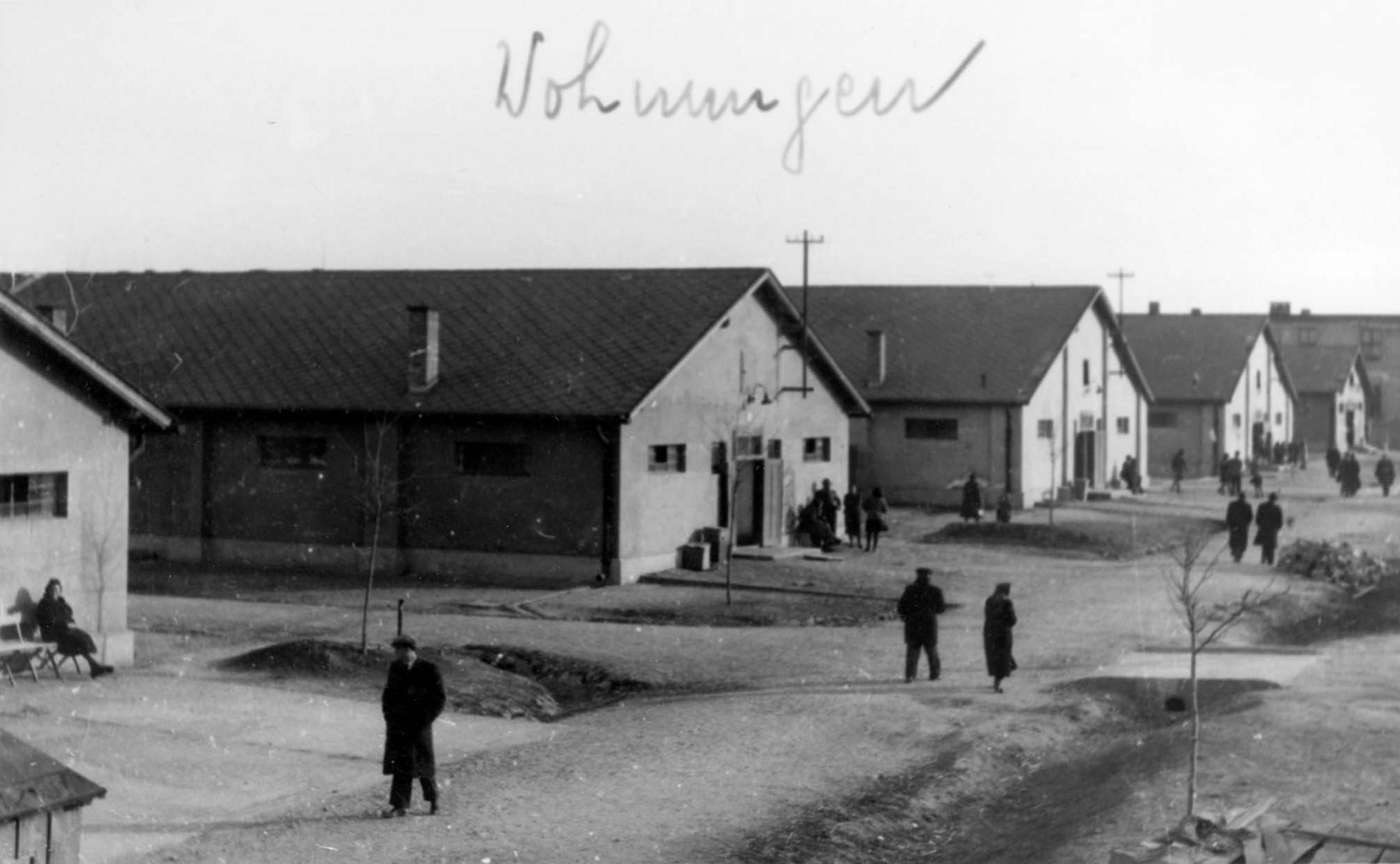
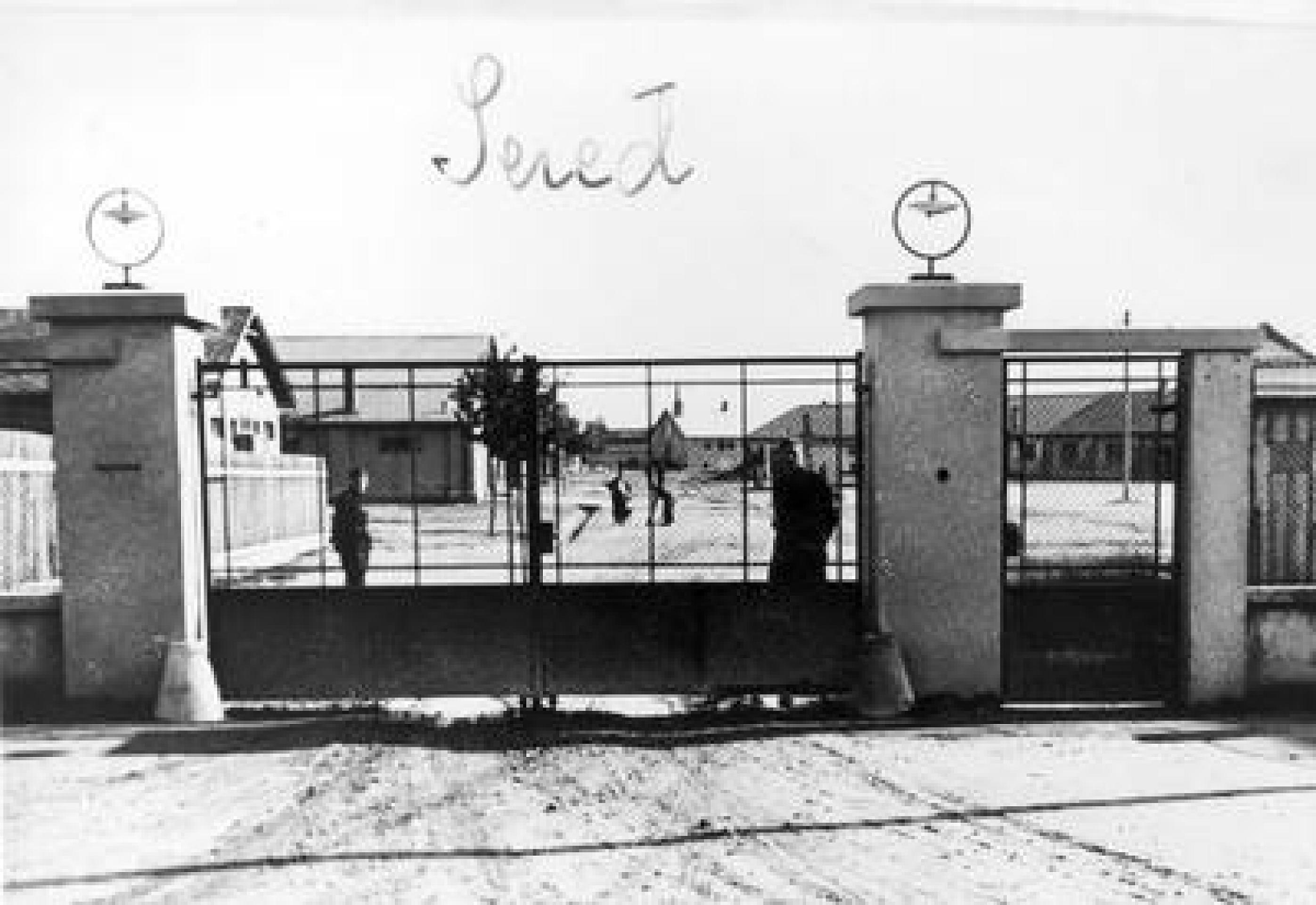
Between 1941 and 1945, located in the small town of Sered’, 60 km to the east of Bratislava, was one of the three large forced labour camps for Jews established in Slovakia - a close ally of the German Reich. It was set up on the premises of army barracks after the Slovak government had introduced a system of forced labour for Jews. The camp was guarded by members of the Hlinka Guard. From the spring of 1942 on, when the Slovak authorities began mass deportations, the camp was primarily used as a transit camp. About 4,500 Jews were deported from Sered’ to occupied Poland in a total of five transports.
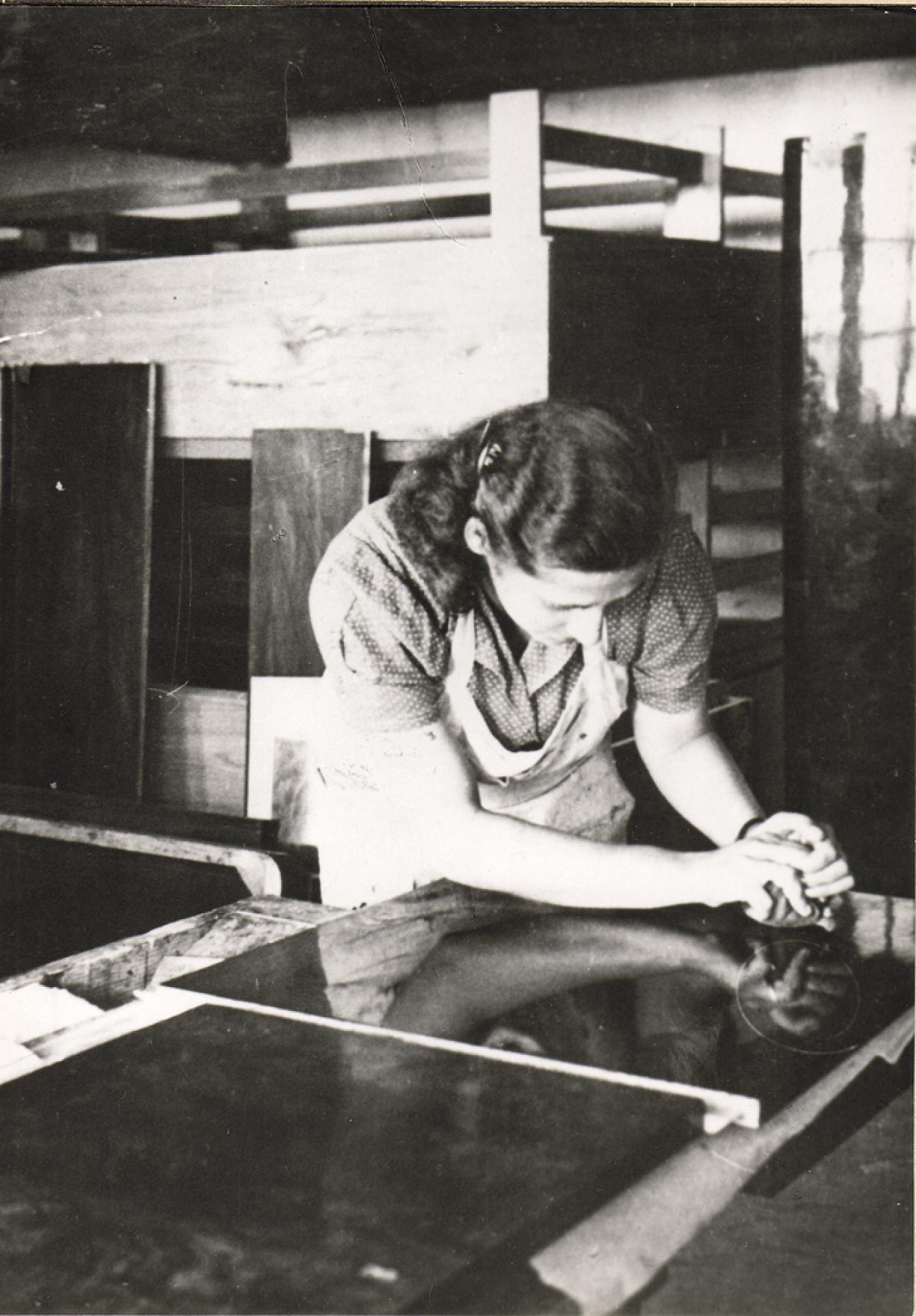
The deportations were halted temporarily in 1942, resulting in a consolidation of camp life at Sered’. Towards the end of 1943, about 1,300 people were incarcerated at the camp and deployed in producing goods both for state institutions and for the consumer market. Leisure activities and cultural events were permitted; at the same time, a resistance movement began to form. When the Slovak National Uprising was launched in August 1944, many prisoners were able to flee from the camp and join forces with the insurgents in central Slovakia.
After the uprising was suppressed and western Slovakia occupied by German troops, the SS again used Sered’ as a transit camp. Mainly Jews who had been arrested by the SS Einsatzkommando 14 (mobile killing squad) in Bratislava and vicinity were brought to Sered’. Until March 1945, 13,500 Jews were deported from Sered’, the primary destinations being Auschwitz and Theresienstadt. The Red Army liberated the camp on April 1, 1945.
Victims
4,500 Jews were deported from Sered’ in 1942, and a further 13,500 were deported between 1944 and 1945. Only few survived. Altogether, approximately 70.000 Jews from Slovakia perished in the Holocaust.
Remembrance
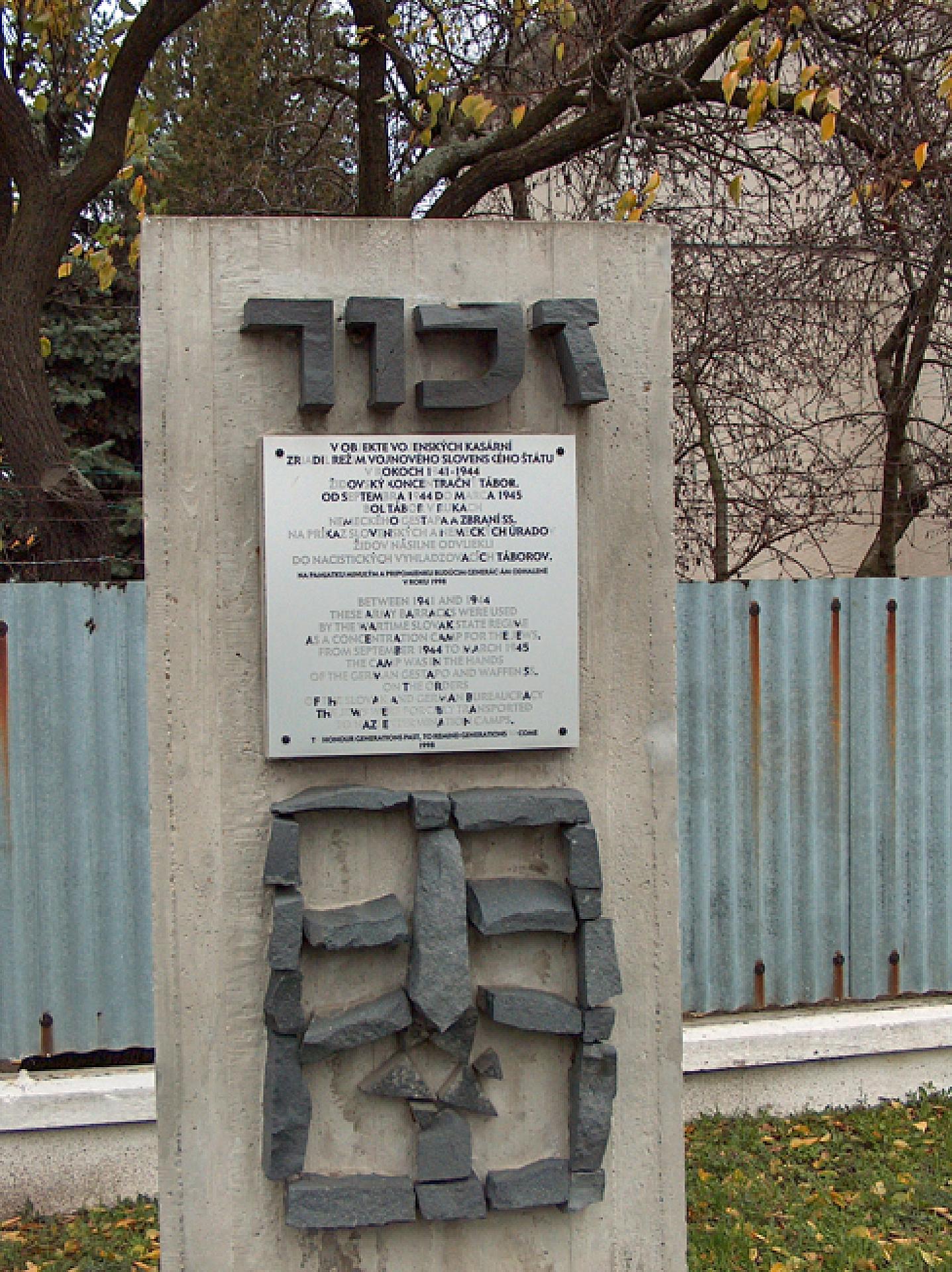
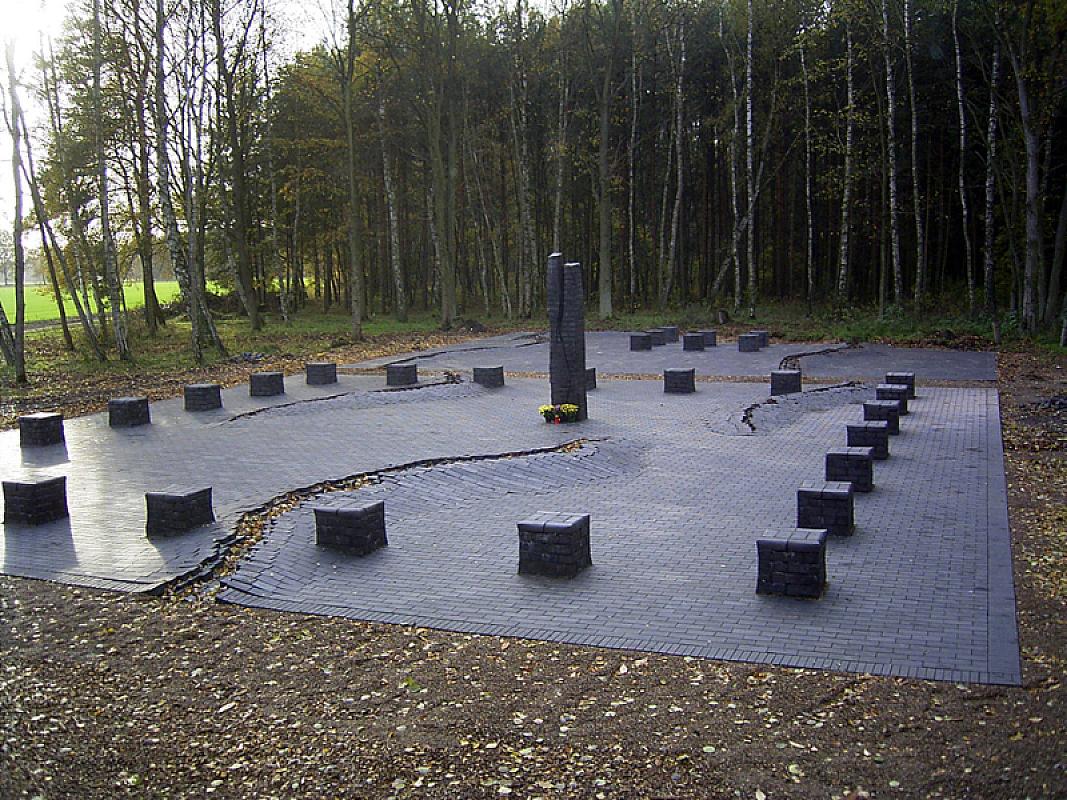
For over 70 years the premises of the former camp were part of a military base and thus inaccessible to the public. It was not until 1998 that a simple memorial was erected just outside the gate commemorating the camp and the fate of its victims.
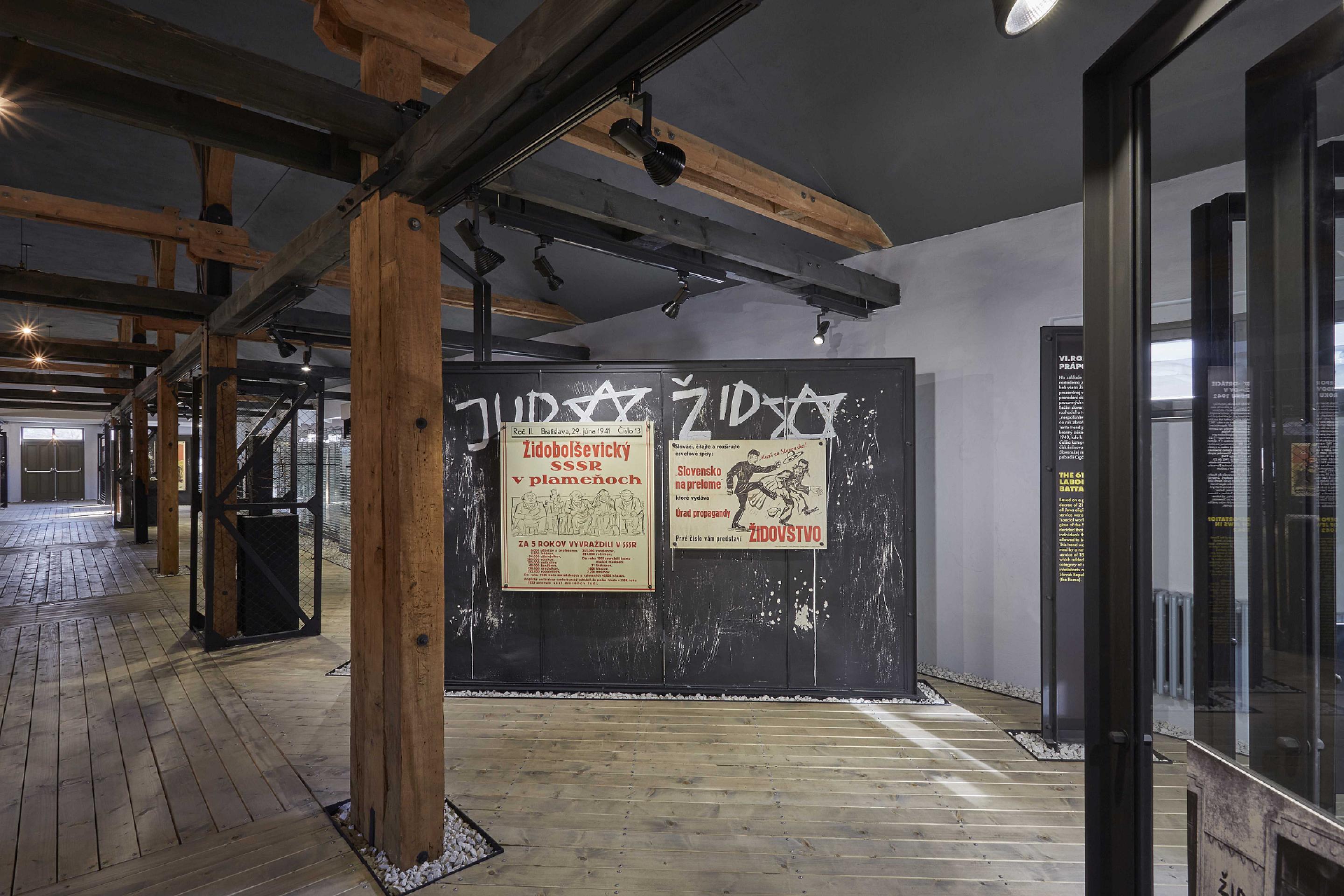
After years of planning, the Sered’ Holocaust Museum could finally be opened in 2016 as a branch of the Slovak National Museum. The permanent exhibition is located in two of the five barracks of the former camp that still exist today. Among others, the exhibition is about Slovakia's complicity in the Holocaust, the life conditions of the prisoners in the camp, the deportations into extermination camps in German-occupied Poland, the murders after the Slovakian National Uprising of 1944 and the fate of survivors. It is the first museum in Slovakia that is dedicated to the memory of the Holocaust.
Possibilities
Permanent exhibition, temporary exhibitions
Open
September to June Monday to Thursday 8 a.m. to 3 p.m., Friday 8 a.m. to 12 p.m., Sunday 9 a.m. to 4 p.m., closed on Saturday
July and August: Sunday to Friday 9 a.m. to 4 p.m.
Contact
http://www.snm.sk/?visiting-21
holocaust.museum@snm.sk
+421 31 24 51 103
Kasárenská ulica 1005
92601 Sered