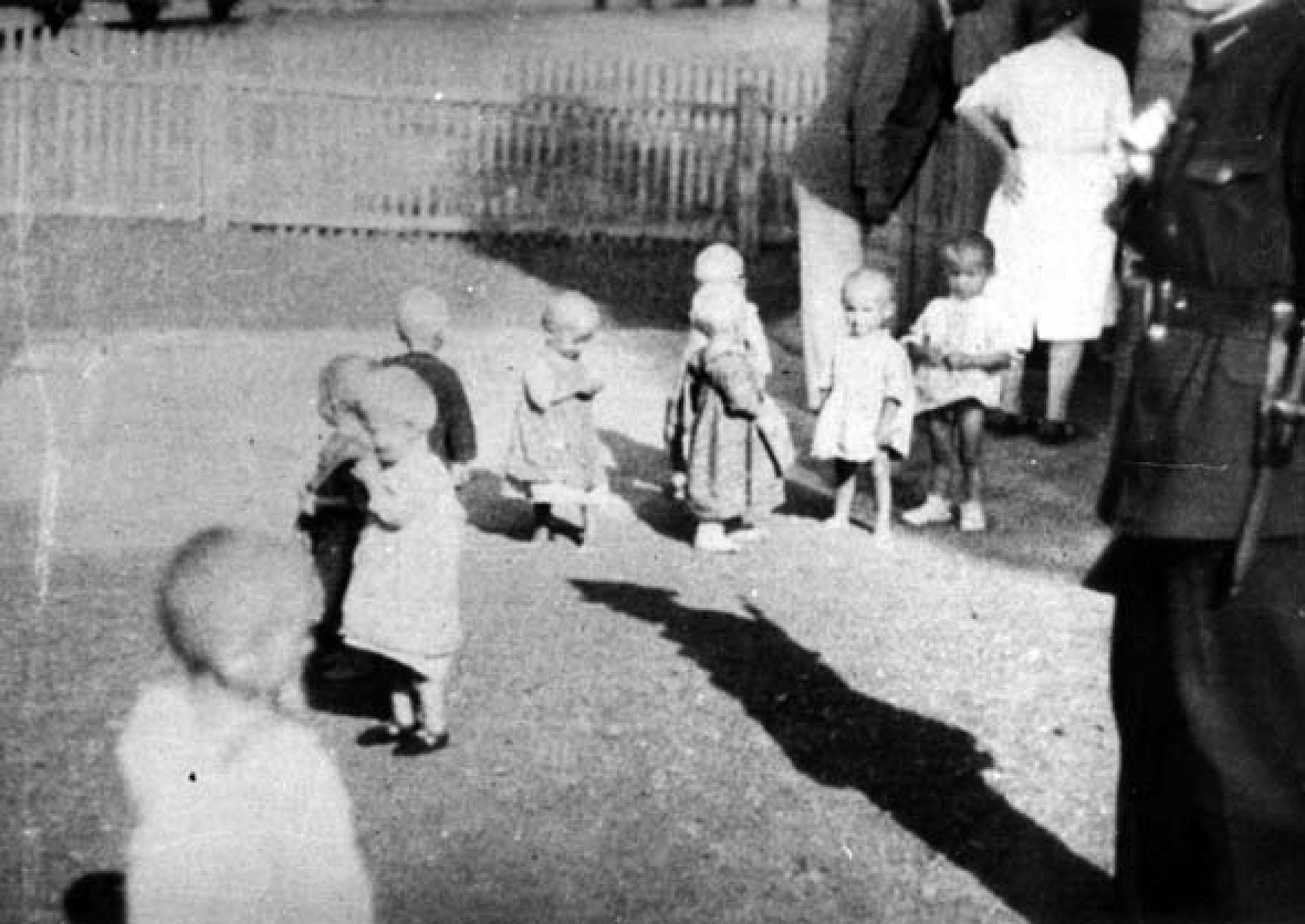
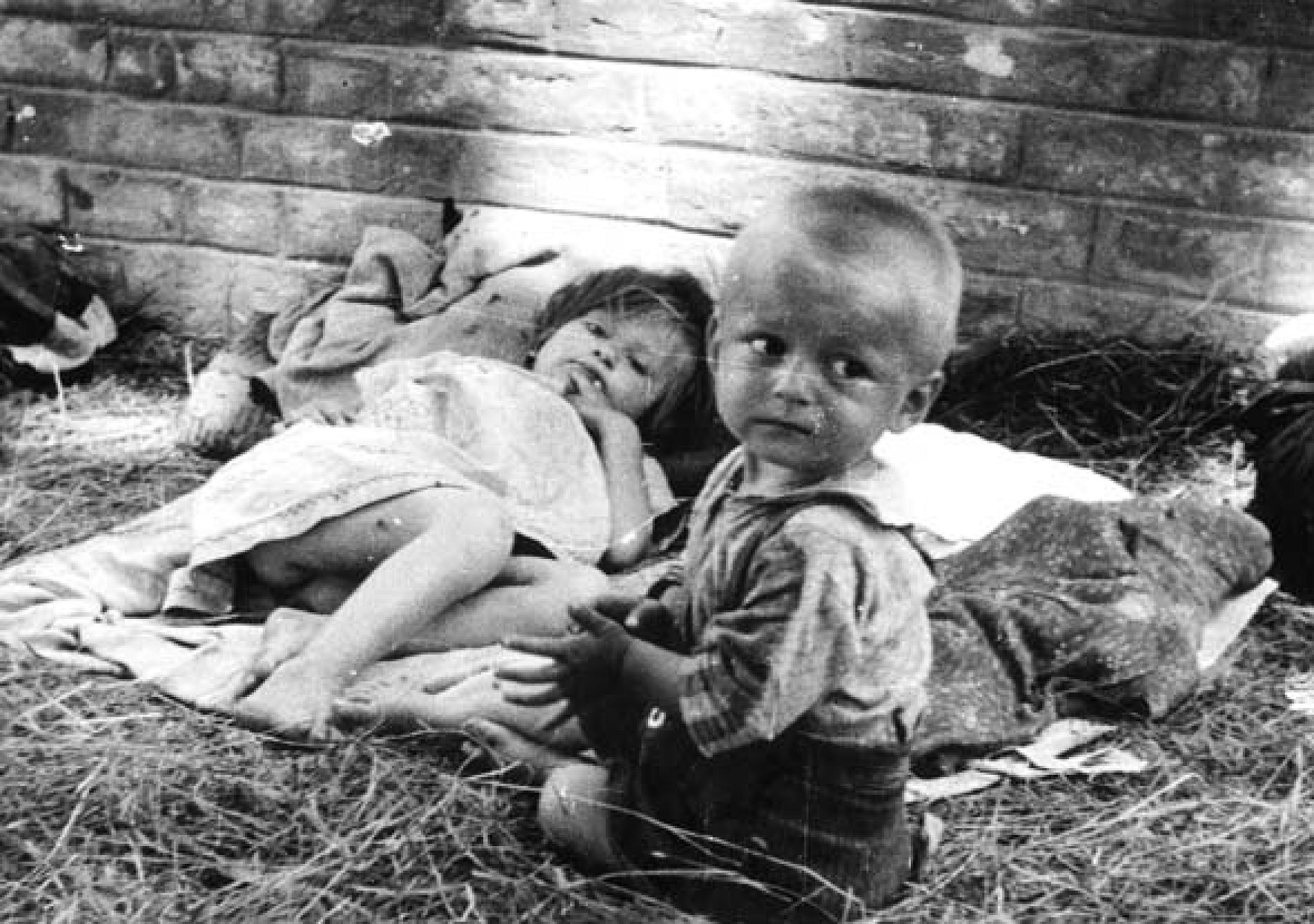
Several memorials in the Croatian city of Sisak serve as reminders of the children's concentration camp in which the fascist Ustaša held about 7,000 children between 1942 and 1943. Over 1,100 children perished.
History
The city of Sisak lies about 50 kilometres south of Zagreb, half way between the Croatian capital and Jasenovac further in the south. In April 1941, the fascist Ustaša movement proclaimed the Independent State of Croatia (Croatian: Nezavisna Država Hrvatska) following the invasion of Yugoslavia by the German Wehrmacht and its allies. Already in the summer of 1941, several camps were established all over the country in which Serbs, Jews and Roma were interned by the Ustaša. The largest of these camps was located in Jasenovac. Beginning 1941, several collection and transit camps were set up in the area of Sisak.
In July 1942, the Ustaša established a collection camp for the elderly, for women and children in Sisak. The children were accommodated in a separate children's camp. From August 1942 on, children from other camps were also brought to Sisak, mainly from the Jasenovac camp. At the end of September 1942, there were about 4,700 children in the Sisak camp. The premises comprised several buildings including barracks, a primary school and a convent. Catholic nuns supervised the children, who were given insufficient clothing and food, many were completely neglected. At the beginning of January 1943, the Ustaša dismantled the camp and transported the children to Zagreb.
Victims
It is estimated that about 7,000 children passed through the camp between 1942 and 1943. At least 1,100 children died of illnesses and hunger. According to some sources, the number of fatalities may have exceeded 1,800.
After the First World War Croatia was part of the Kingdom of Serbs, Croats and Slovenes. In 1929 the Kingdom became Yugoslavia, a dictatorship established by King Alexander I (1888–1934) with the overall support of Serbian officers. The Croatian nationalist Ante Pavelić (1889–1959) left the country and fought the monarchist dictatorship with his terrorist underground movement »Ustasha« from a base in fascist Italy. In April 1941, Yugoslavia was occupied by German troops and their Italian, Hungarian and Bulgarian allies and the state was split into a number of annexed and occupied territories serving as puppet states of the Nazi regime. The »Independent State of Croatia« was established as a result, in reality a puppet state of the Third Reich led by the regime of terror of the Croatian Ustasha and their »Poglavnik« (leader) Pavelić. The policy of persecution and extermination adopted by this regime was primarily directed against the large Serbian minority as well as Jews, Roma and religious and ideological opponents. In summer 1941, the ruling authorities in Jasenovac established the largest concentration camp in the Balkans. More than 80,000 people met a violent death here, including around 48,000 Serbs, 13,000 Jews, 16,000 Roma and over 4,000 Croats.
Summer 1941 also marked the start of the armed campaign of the communist partisans led by Marshal Josip Broz Tito (1892–1980). By 1942-43 Tito’s troops had gained control over a large part of Croatia and in 1944-45 they took the whole of Yugoslavia. Pavelić fled and Tito became head of state. He had tens of thousands of former opponents and civilians – including many Croats – persecuted and murdered.
Prior to the break-up of Yugoslavia in 1991, around 6,000 highly diverse memorial sites had been established in Croatia commemorating the »victims of fascism« and the resistance. They were dedicated to victims of the terror regime of the Croatian Ustasha, of the German and Italian occupation, but also of the royalist Serbian militia (Chetniks). The victims were generally remembered as »patriots«, the state version of events being that all victims had been persecuted and killed by »treacherous fascists«. Fallen or murdered members of the resistance, above all leading partisans and members of the Croatian and Yugoslavian communist parties, were also commemorated.
After Croatia declared independence in summer 1991, the Serb-dominated Yugoslav People’s Army launched a war against the country, which was to last until the end of 1995. During this war, the Jasenovac memorial site was occupied and badly damaged by Serbs and the museum was looted. Once Croatia had regained Jasenovac, President Franjo Tudjman (1922–1999) sought to establish a memorial site there to remember all Croatian victims of the Second World War and the 1991-1995 war. However, it was not until 2006 that a permanent exhibition on the history of the camp was opened on the site together with an education centre. There have been conflicting approaches to the Second World War in Croatia since 1991. By 2000, over 3,000 sites of memory, including graves, had been damaged and removed from the public domain. Other parts of the country continue to remember the legacy of the »anti-fascist people’s liberation campaign«.
The most important memorial site of the country is still Jasenovac, where there have been decades of controversy around the exact number of victims and their ethnic composition. By now some leading Croatian politicians acknowledged the responsibility of today’s Croatia for the crimes of the Ustasha in speeches at the historical site.
In 2022, a new holocaust memorial was inaugurated in Zagreb that commemorates above all those Jews who had been deported from the capital city.
Remembrance
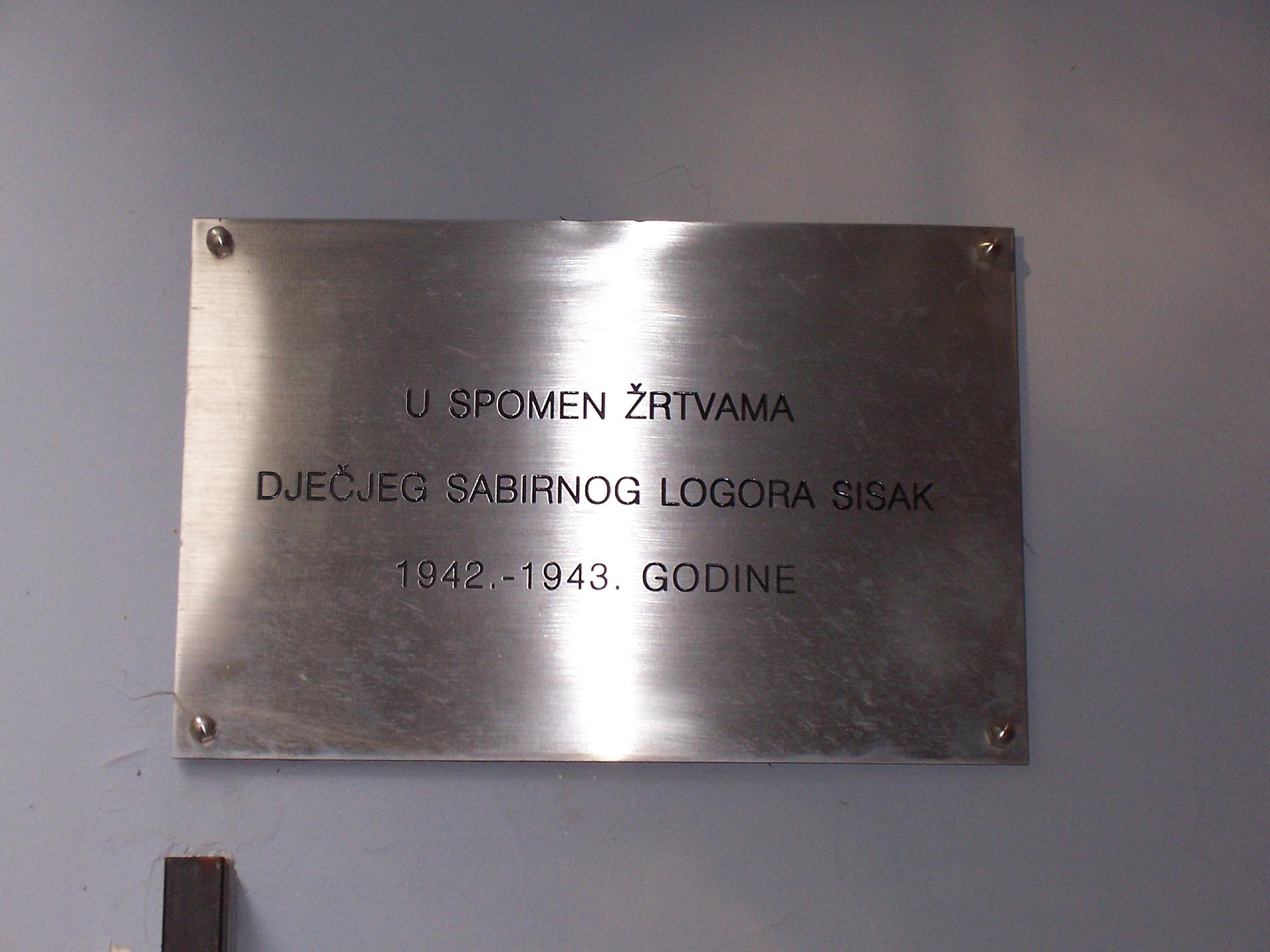
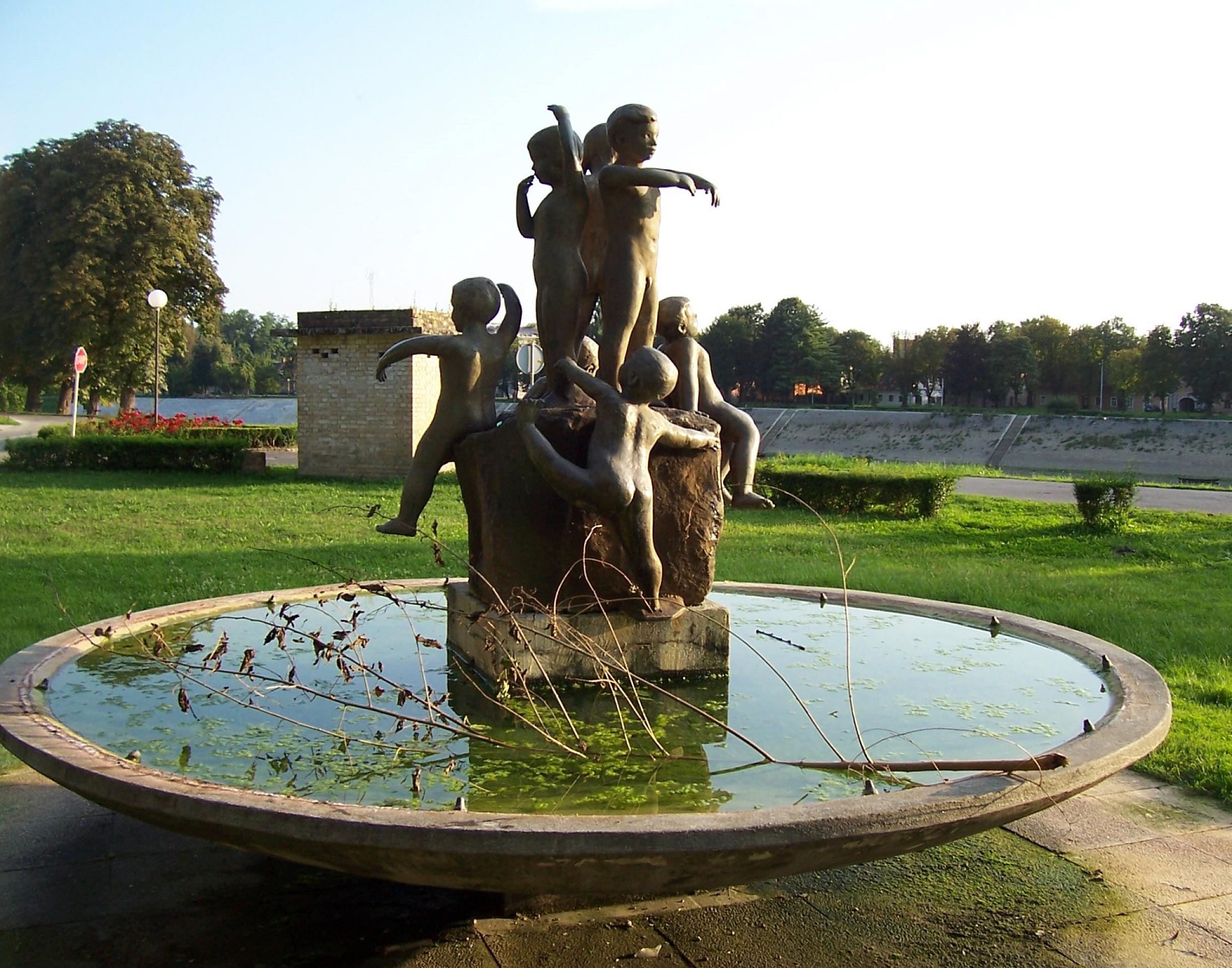
Several monuments have been set up in Sisak in honour of the children who were held at the camp and those who perished here. In 1960, a memorial plaque was affixed to one of the former camp buildings. The plaque was stolen in 1991 and was later renewed. Not far from the building is a playground with a memorial plaque and a fountain with a sculpture depicting playing children. The fountain was designed by Gabriel Kolar and erected in 1964.
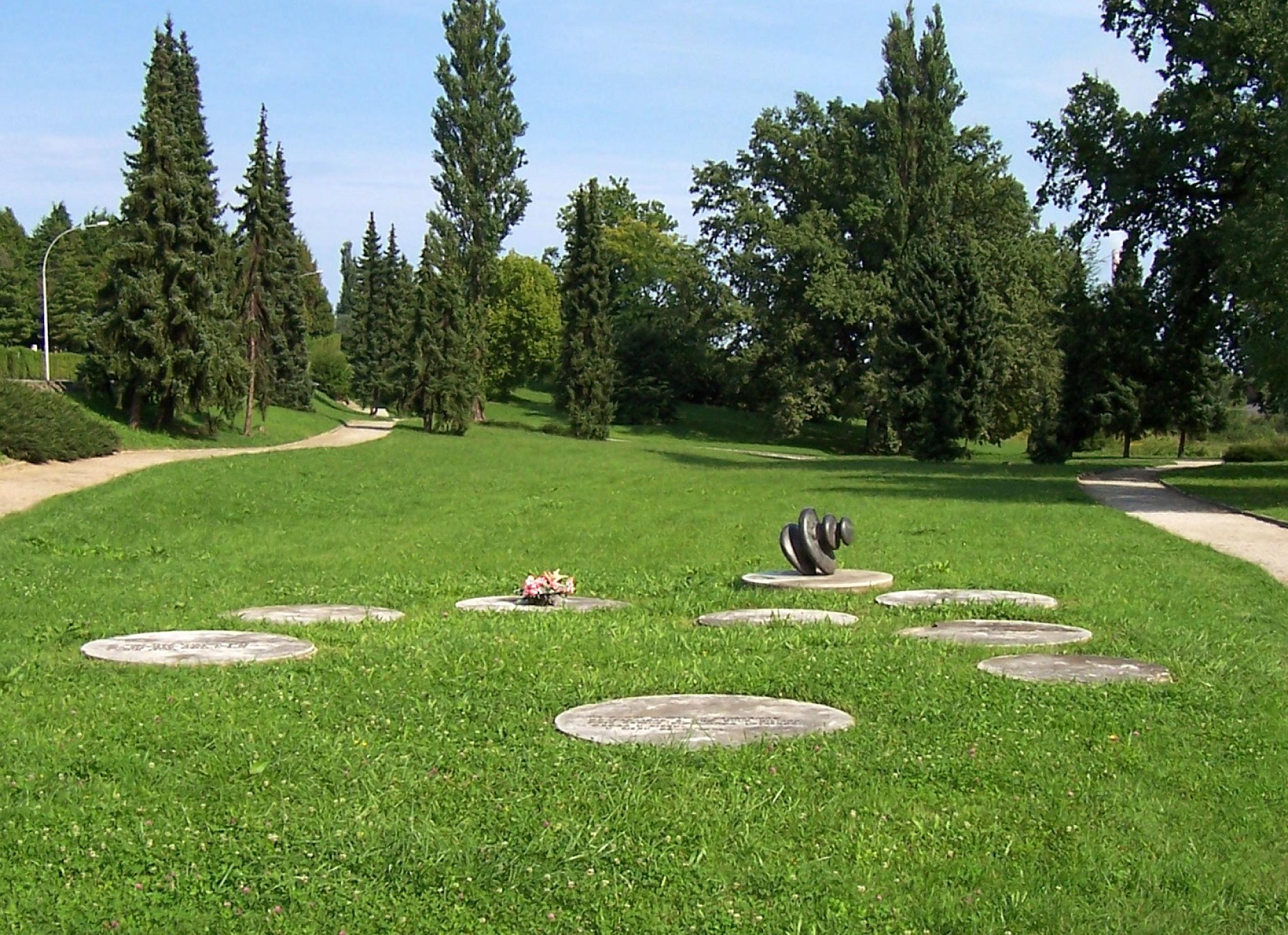
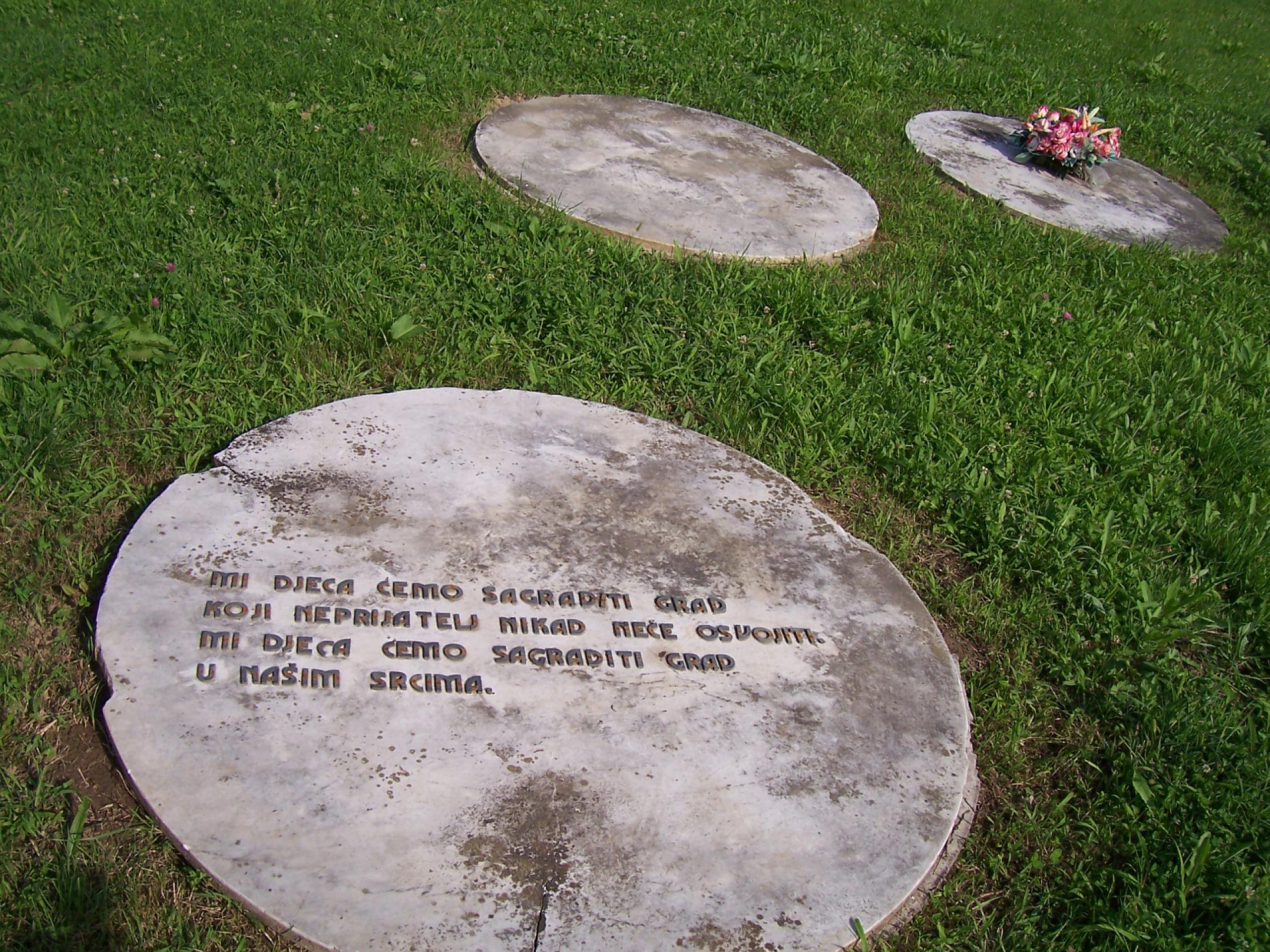
A further memorial site is located across the Viktorovac cemetery: 9 round stone slabs on the ground commemorate the children who were buried on-site in a mass grave. The stone slabs, designed by artist Mira Wenzler, were set up in 1974.