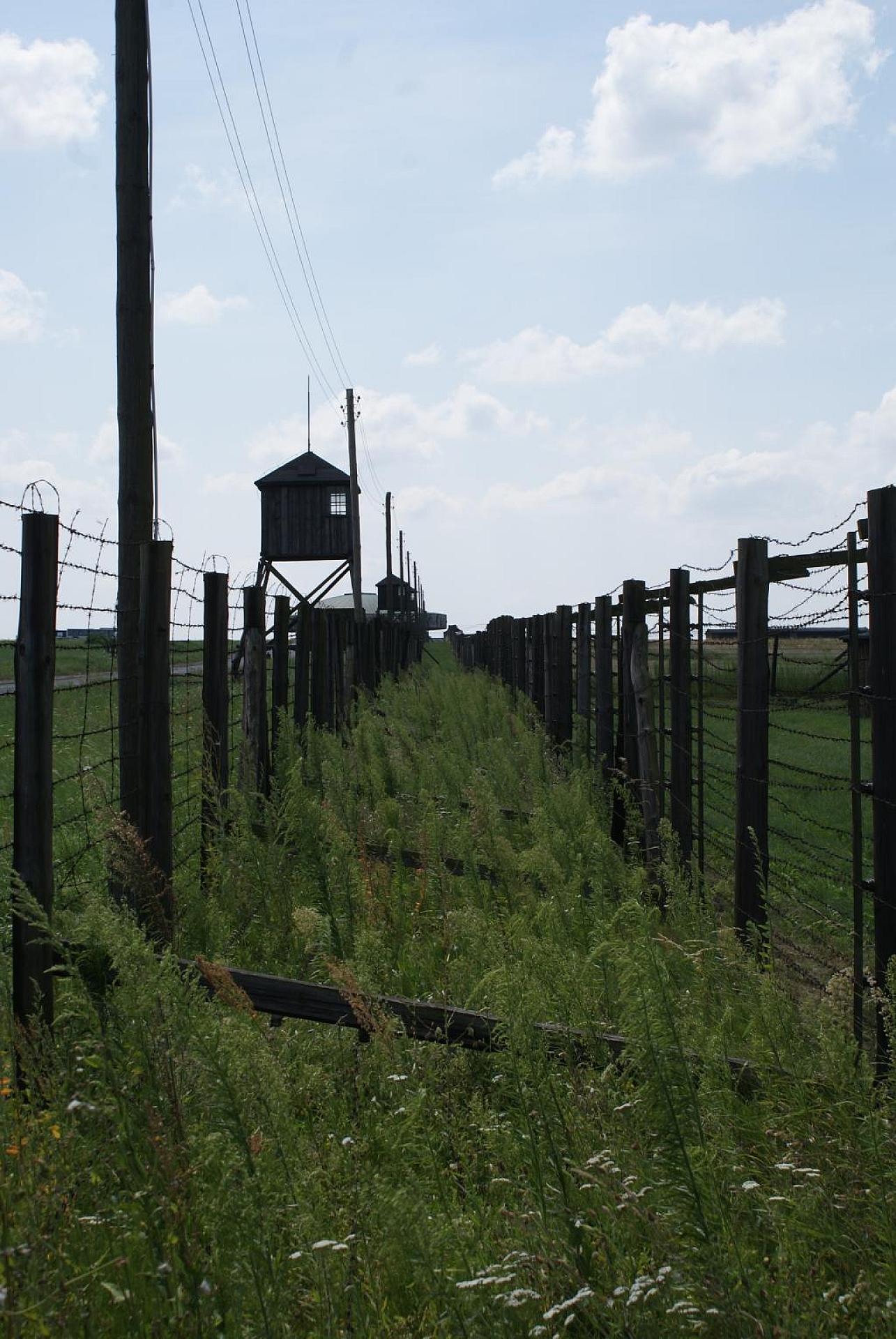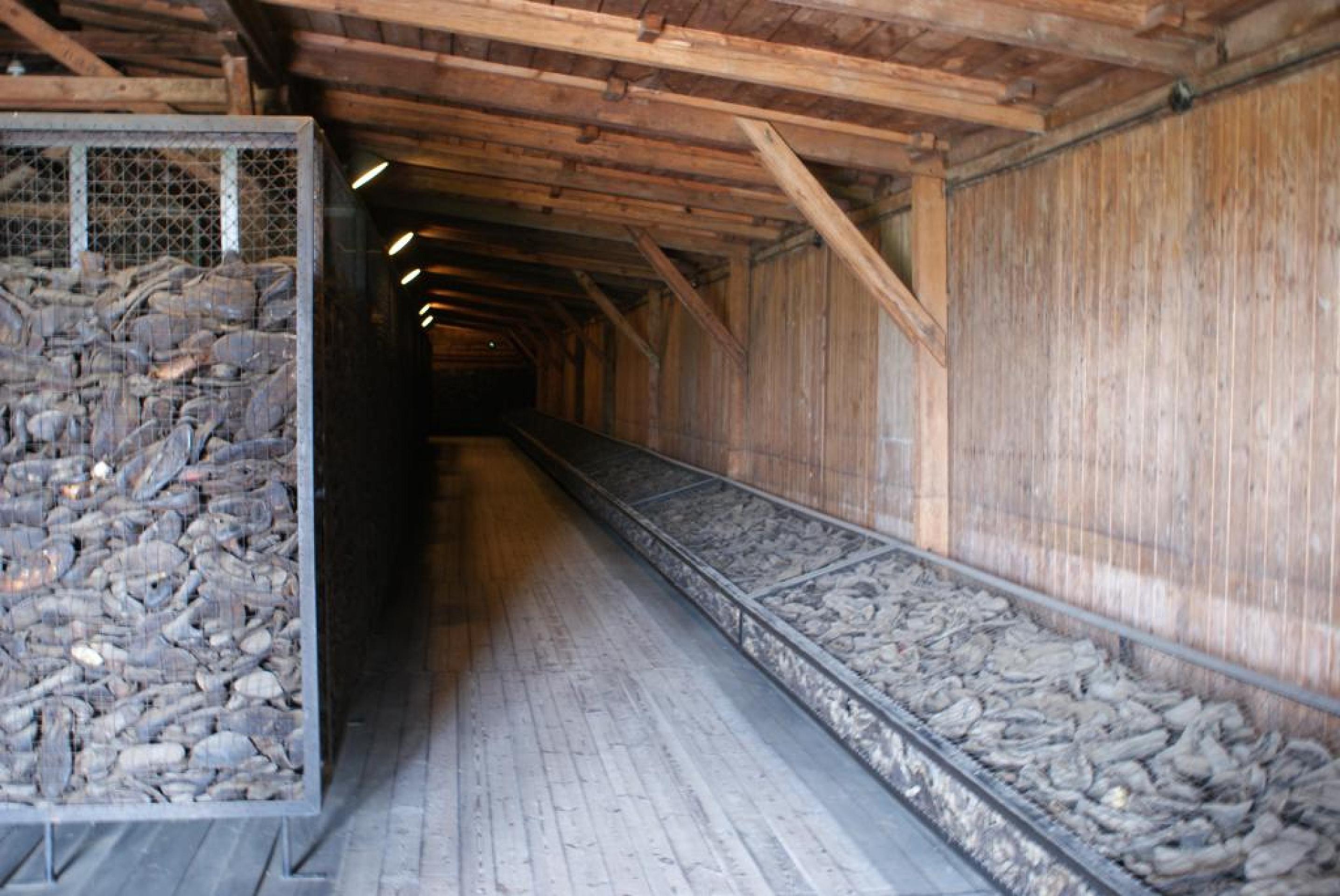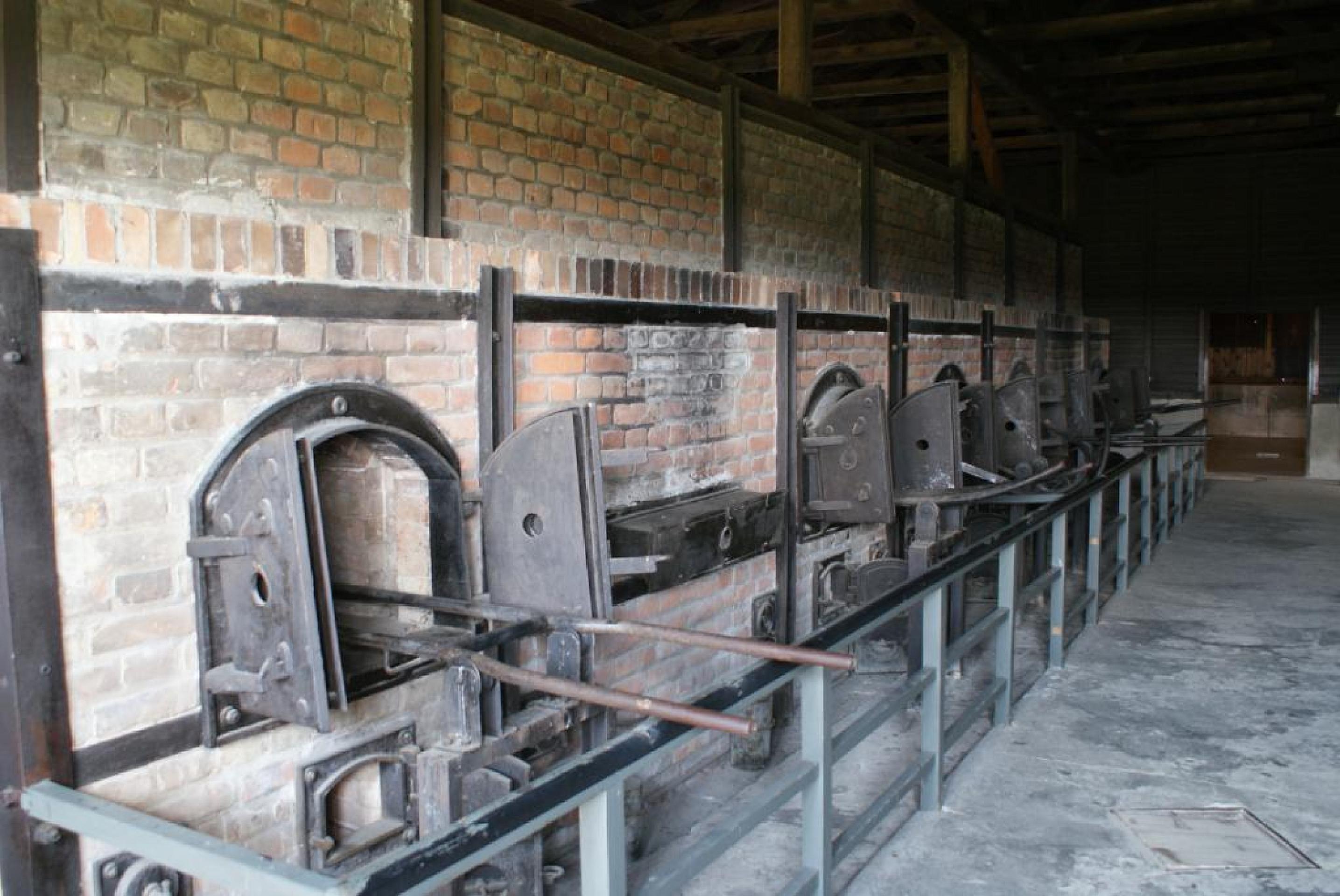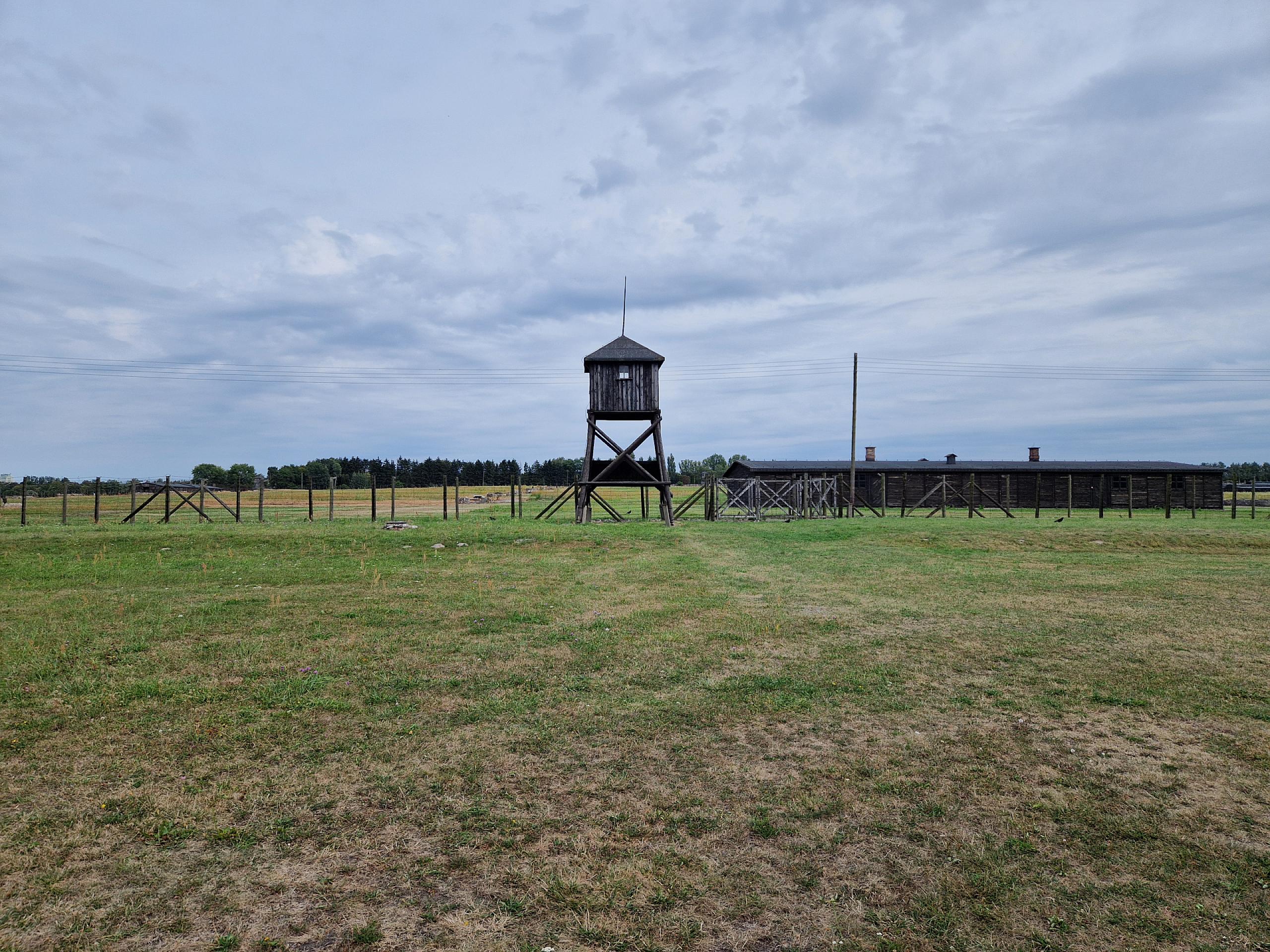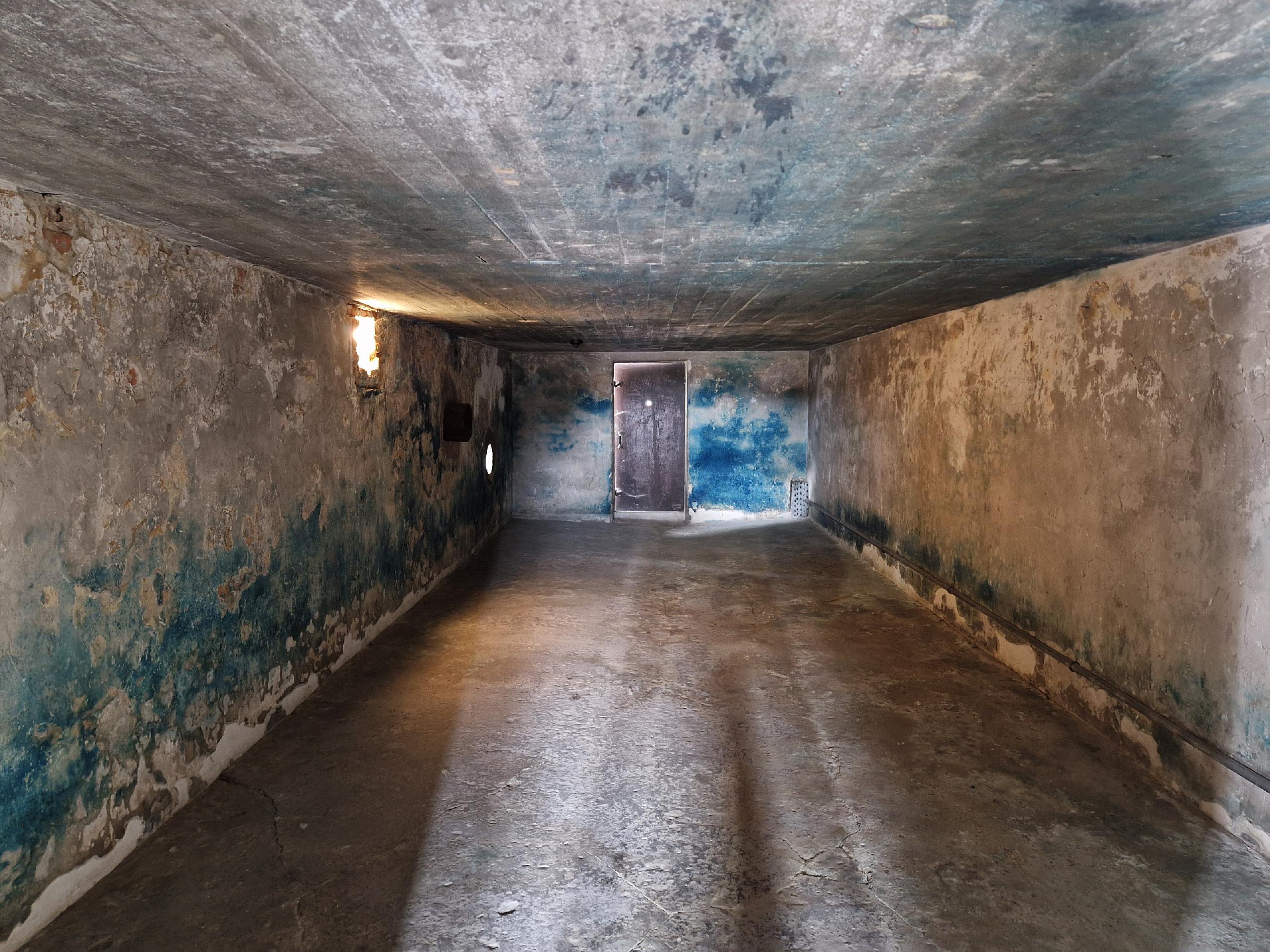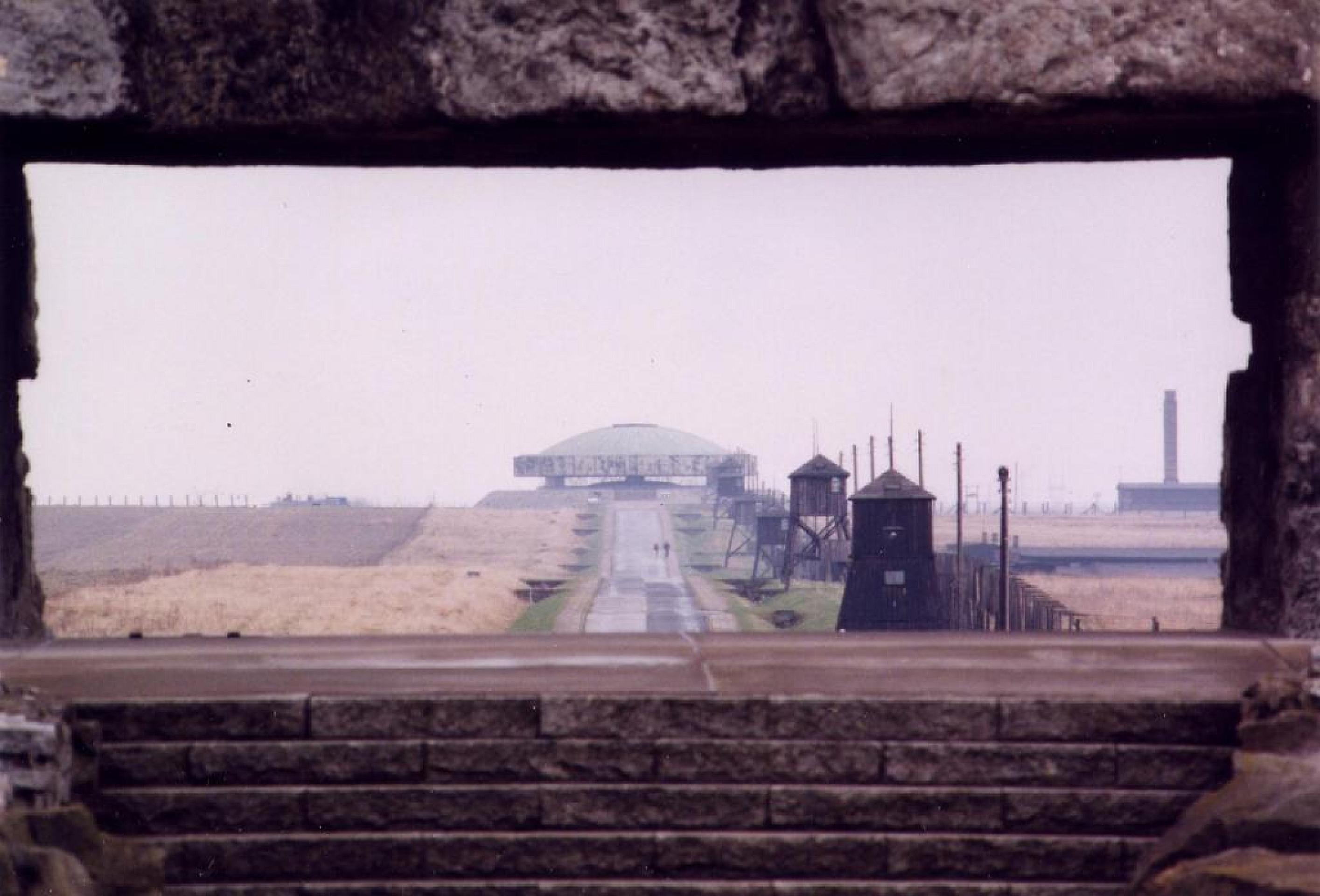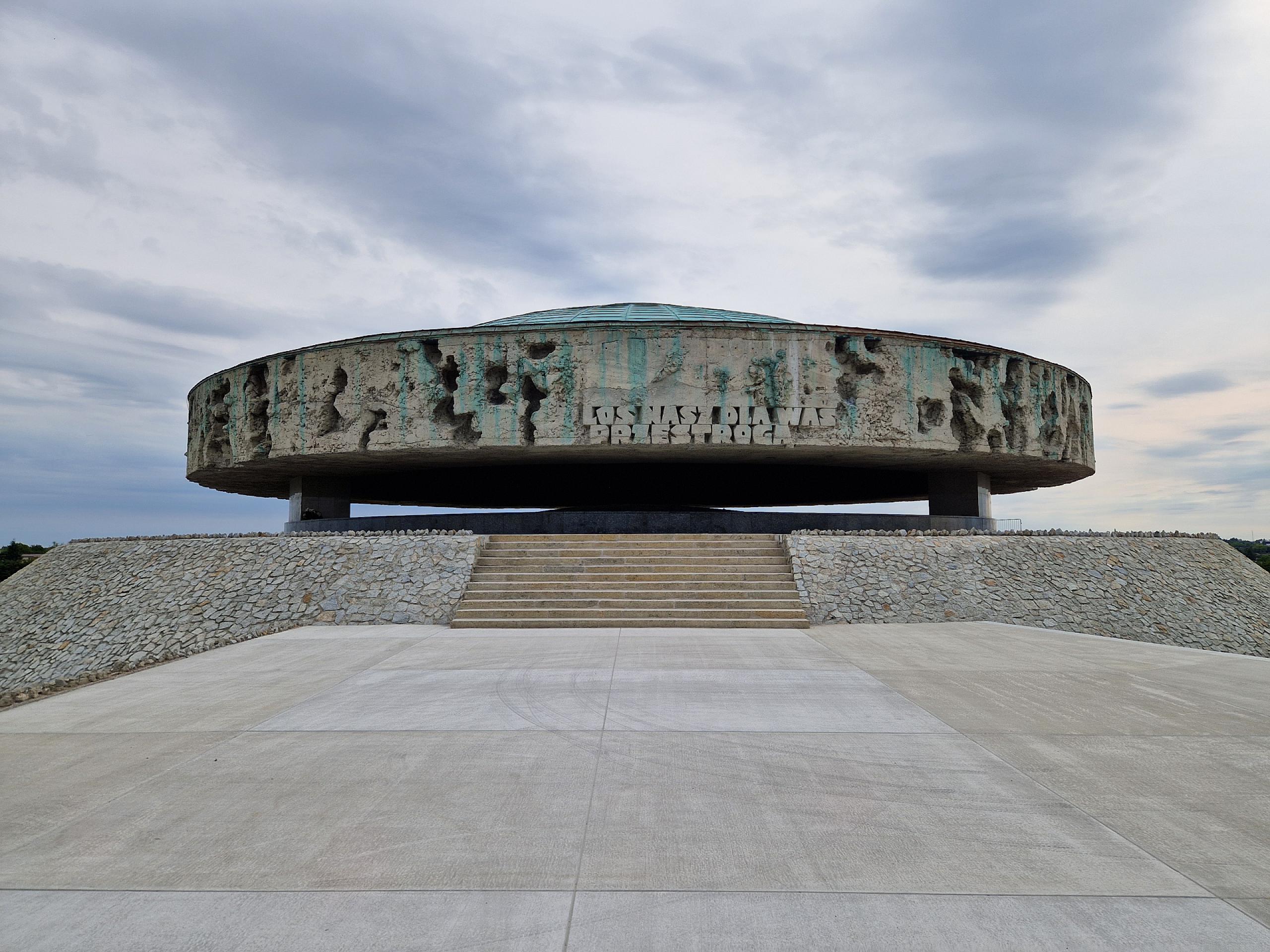
The Majdanek concentration camp was in operation on the south-eastern outskirts of Lublin between autumn 1941 and July 1944. Both Jewish and non-Jewish prisoners were held here and deployed in forced labour, shot and, since autumn 1942, murdered in gas chambers. The memorial, which was established on the former camp premises after the war, was one of the first memorials in Europe to honour the victims of National Socialist crimes at the historic site.
History
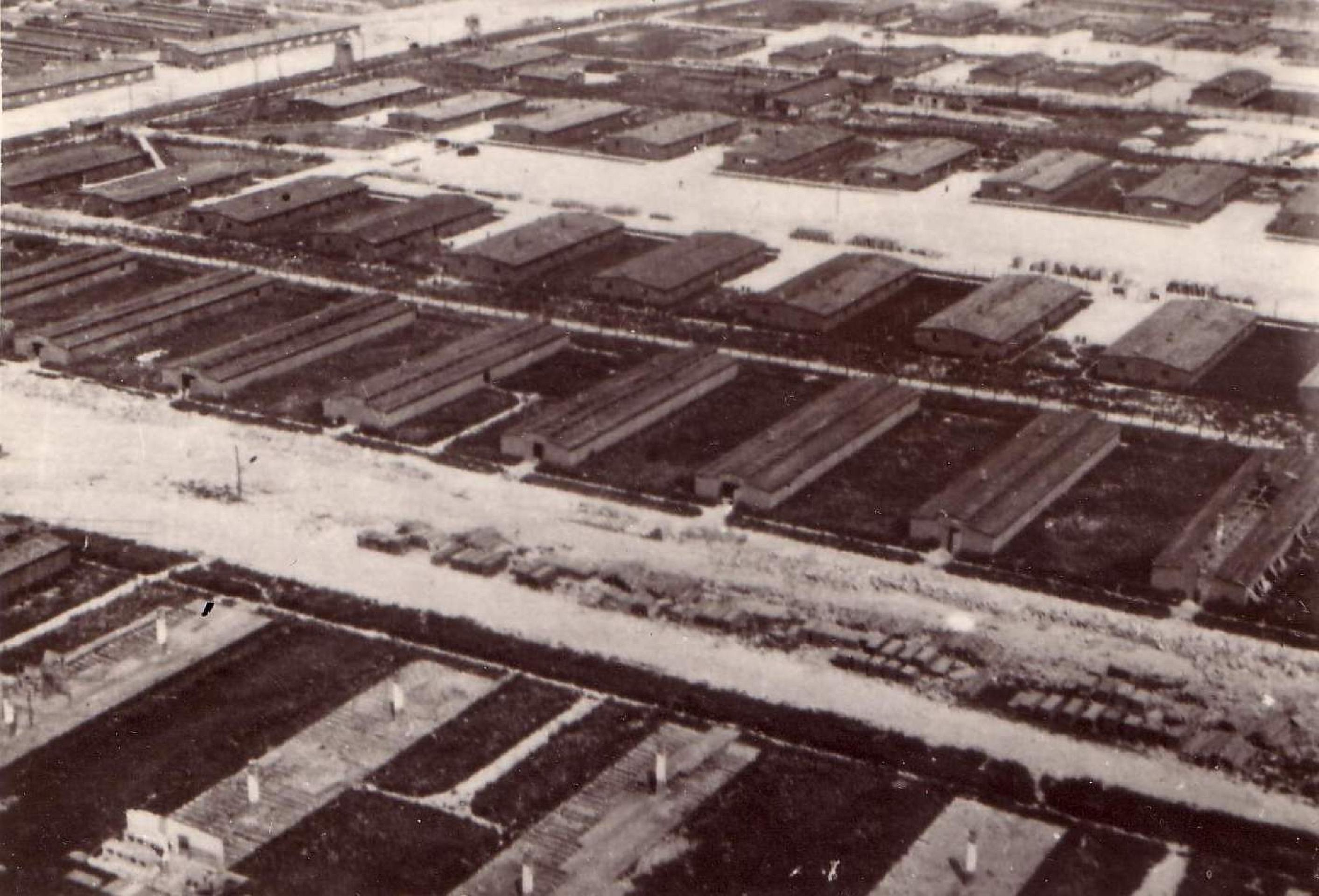
The Majdanek concentration camp was established in the Majdanek district of Lublin by order of Heinrich Himmler in autumn 1941. It was officially designated as a »Prisoner of War Camp of the Waffen SS in Lublin«. After the German attack on the Soviet Union in June 1941, the camp was to become a production site for the SS.
In the approximately 30 months of its existence, the »Lublin concentration camp«, as it was officially called from February 1943 on, fulfilled various functions and was subordinate to different entities within the National Socialist concentration camp system. The SS used it as a forced labour camp and partially as an extermination and transit camp. Between 1941 and 1944, there were 270 »labour commandos« at Majdanek, whose main task it was to expand the camp. From autumn 1942 on - after Odilo Globocnik, SS and police leader in the Lublin District, had issued an order to include Majdanek in »Aktion Reinhardt«, an operation aimed at murdering the Jews in the General Government - Jews were also deported to the camp for extermination. From that point on, Jews were murdered at Majdanek in gas chambers, similar to the death camps at Belzec, Sobibor and Treblinka.
Between the end of 1943 and the liberation by the Soviets in July 1944, only few Jews were deported to Majdanek. The prisoners were temporarily held there prior to being sent to various camps in the Reich. While the Red Army was advancing, the camp authorities tried to erase all traces of the mass murders. Prisoners were forced to open mass graves and burn the rotting corpses. Shortly before the camp's liquidation, several buildings were set on fire, yet when the Soviet troops arrived, they found most of the camp intact.
Victims
At first, all of the prisoners at Majdanek were men; from October 1942, there was a separate section designated for women. The backbreaking work, insufficient nutrition and catastrophic hygienic conditions caused many prisoners to die within a short time of their arrival at the camp. Prisoners no longer able to work were shot. In the winter of 1941 and in summer 1942, many prisoners who had fallen ill with typhus were shot by members of the camp SS in the nearby Krępiecki forest. Others were left to their own means, without supervision or care, at so-called death barracks.
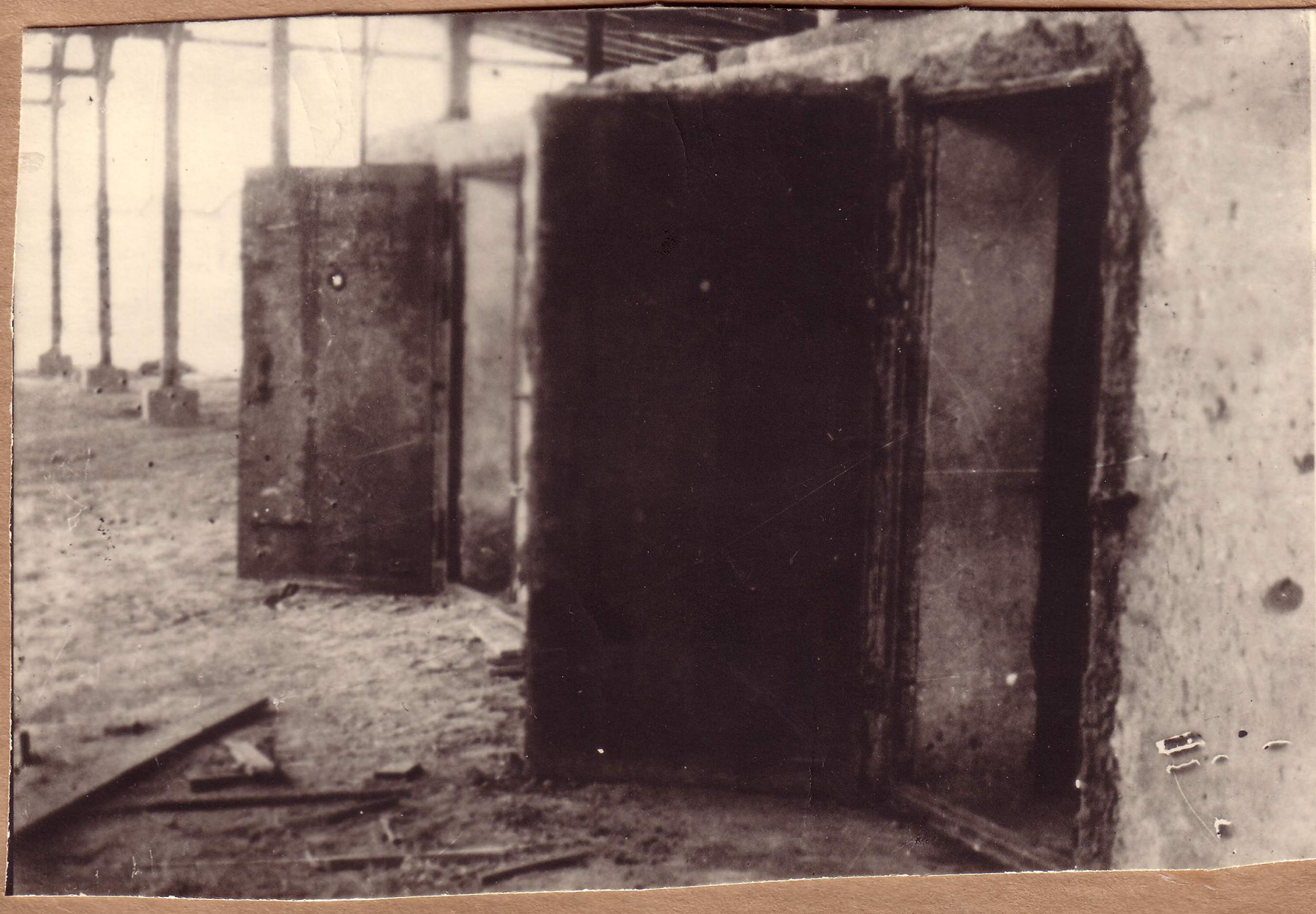
The first victims to be murdered at the gas chambers, which were set up in autumn 1942, were ill prisoners, both Jews and non-Jews. When new transports arrived, predominantly Jewish children, elderly and ill people were murdered. Of the 15,000 Jews whom the SS deported from the Warsaw Ghetto to Majdanek in April and May 1943, 4,000 to 5,000 were asphyxiated by carbon monoxide or Zyklon B. The remaining Jews were selected for forced labour.
On November 3, 1943, members of the SS and police shot 18,000 Jews from the Lublin District, from Majdanek and other forced labour camps in an operation referred to as »Aktion Erntefest« (»Operation Harvest Festival«). The victims were shot in the back of the head or machine-gunned on the camp premises and in the Krępiecki forest while music played in the background.
Lacking documentation makes it impossible to precisely trace how many prisoners were held at Majdanek and how many were murdered. According to the latest research, at least 78,000 perished at Majdanek - about 60,000 of them were Jews. Poles and Belarusians were the largest national groups among the non-Jewish victims.
Remembrance
On July 24, 1944, Soviet and Polish soldiers reached the camp at Majdanek, which had been abandoned two days earlier. Most of the camp was re-purposed to barracks for the military, and soon several of the remaining buildings were torn down. The local population participated in the demolition and reused the wood as construction material. Shortly after the camp's liberation, a Soviet-Polish commission was established to investigate the history of the camp. The commission's investigations led them to conclude that 1.5 million had perished at Majdanek. Already in November 1944, the »State Museum at Majdanek« was founded, becoming the first concentration camp memorial. When the military left the area in 1949, the museum took over the entire camp premises. In 1962, a permanent exhibition, strongly centred around the communist state propaganda, was opened.
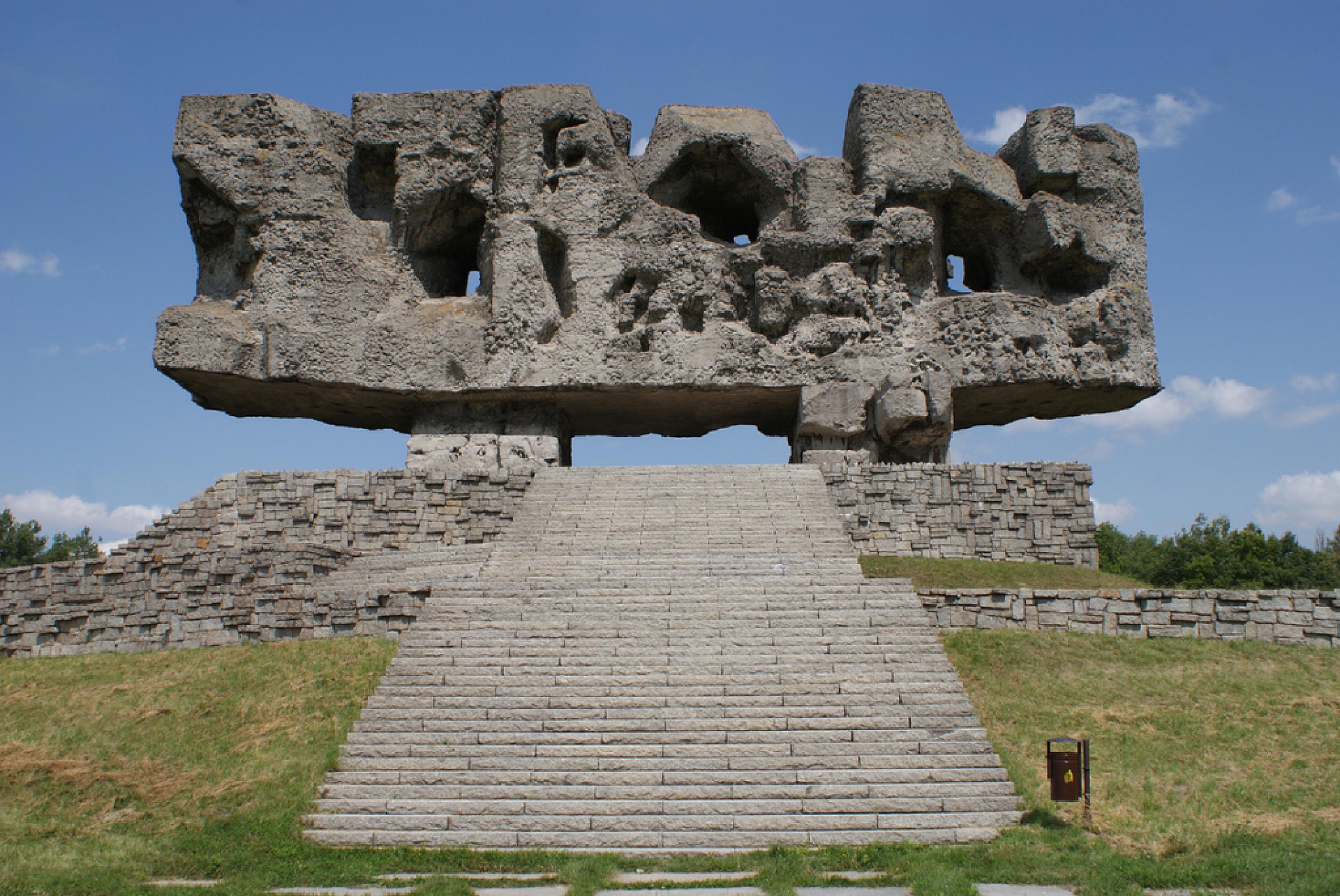
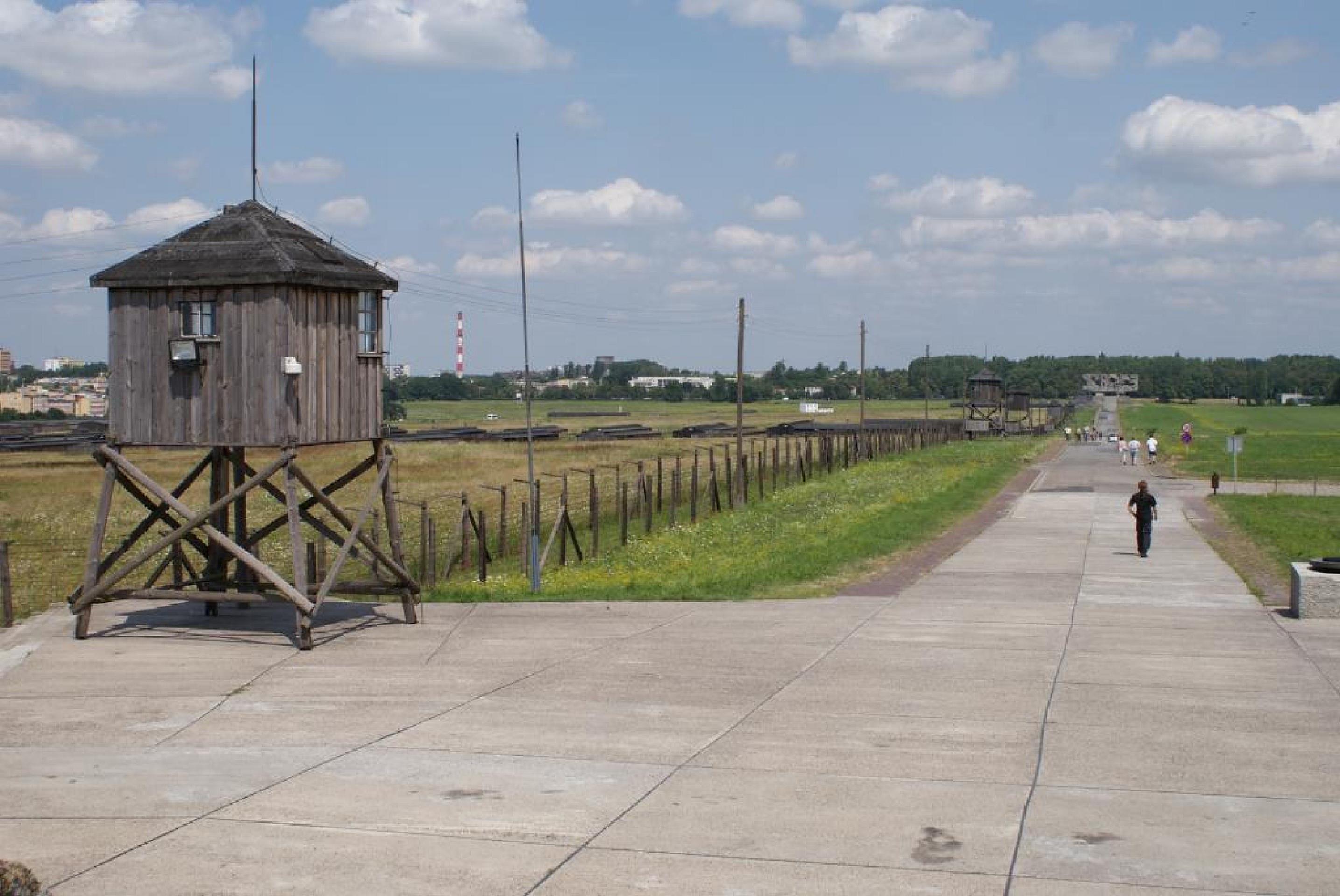
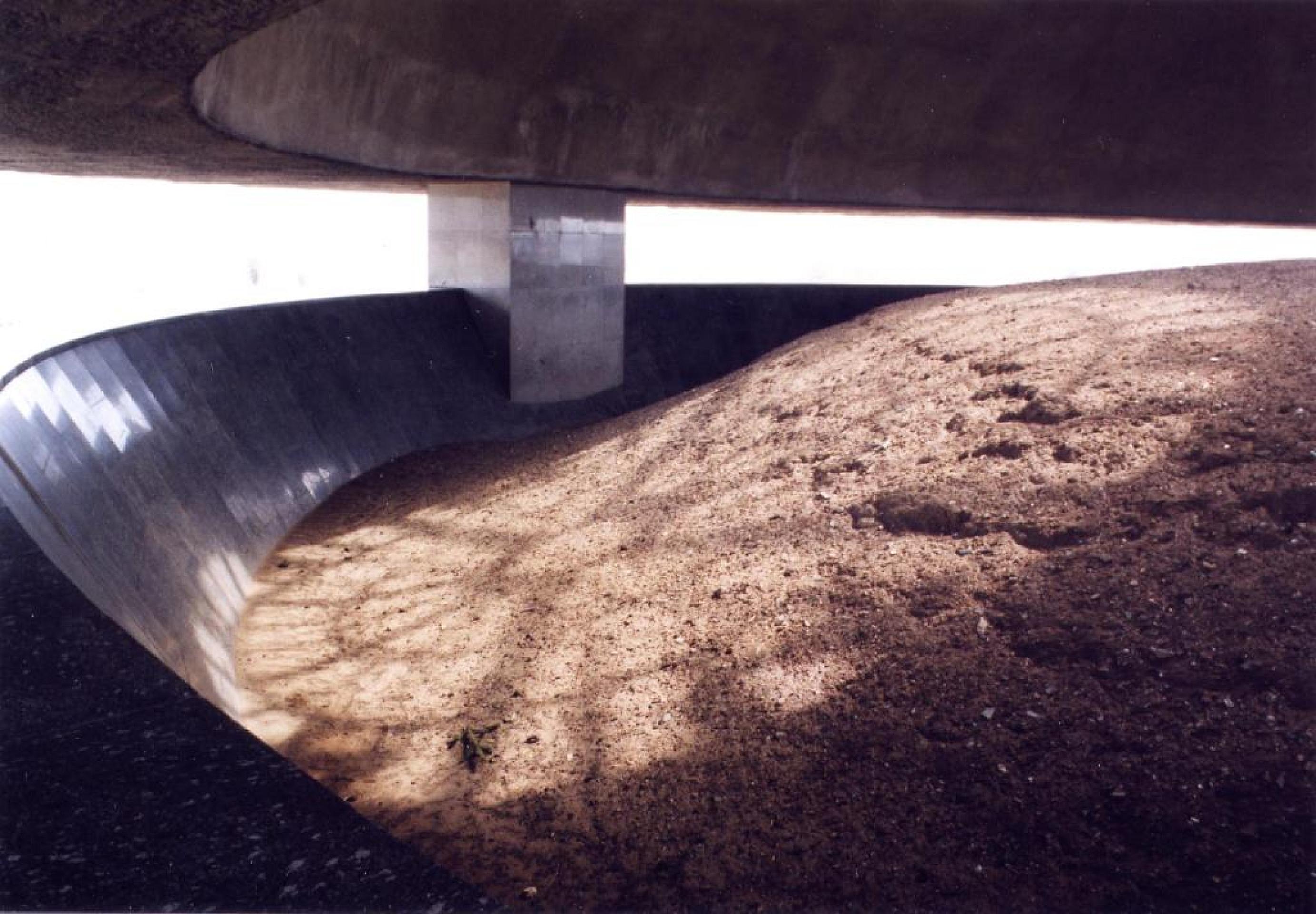
On September 1, 1969, the »Memorial to Struggle and Martyrdom« by Wiktor Tołkin and Jerzy Dembek was dedicated; until today, it towers over the memorial complex. The »Path of Honour and Martyrdom« leads through the middle of the camp premises and connects the monument with a the domed mausoleum, where the victims' ashes are stored.
Today, the museum comprises a total of 70 original buildings. Visitors can moreover see partly reconstructed crematoriums and gas chambers. A new permanent exhibition was opened in 1996.
Possibilities
Permanent exhibition, guided tours, history workshops, youth meetings, library, archive, special exhibitions, publications
Open
Premises: Apr. to Oct. 9 a.m. to 6 p.m., Nov. to Mar. 9 a.m. to 4 p.m., closed on Nov. 1
Exhibition, installation: Apr. to Oct. 9 a.m. to 5 p.m., closed Nov. to Mar. and on public holidays
Visitor Service: Apr. to Oct. 9 a.m. to 5 p.m., Nov. to Mar. 9 a.m. to 4 p.m., closed on Mondays and holidays
Contact
centrum@majdanek.pl
+48 (0)8171 028 33
ul. Droga Męczenników Majdanka 67
20-325 Lublin