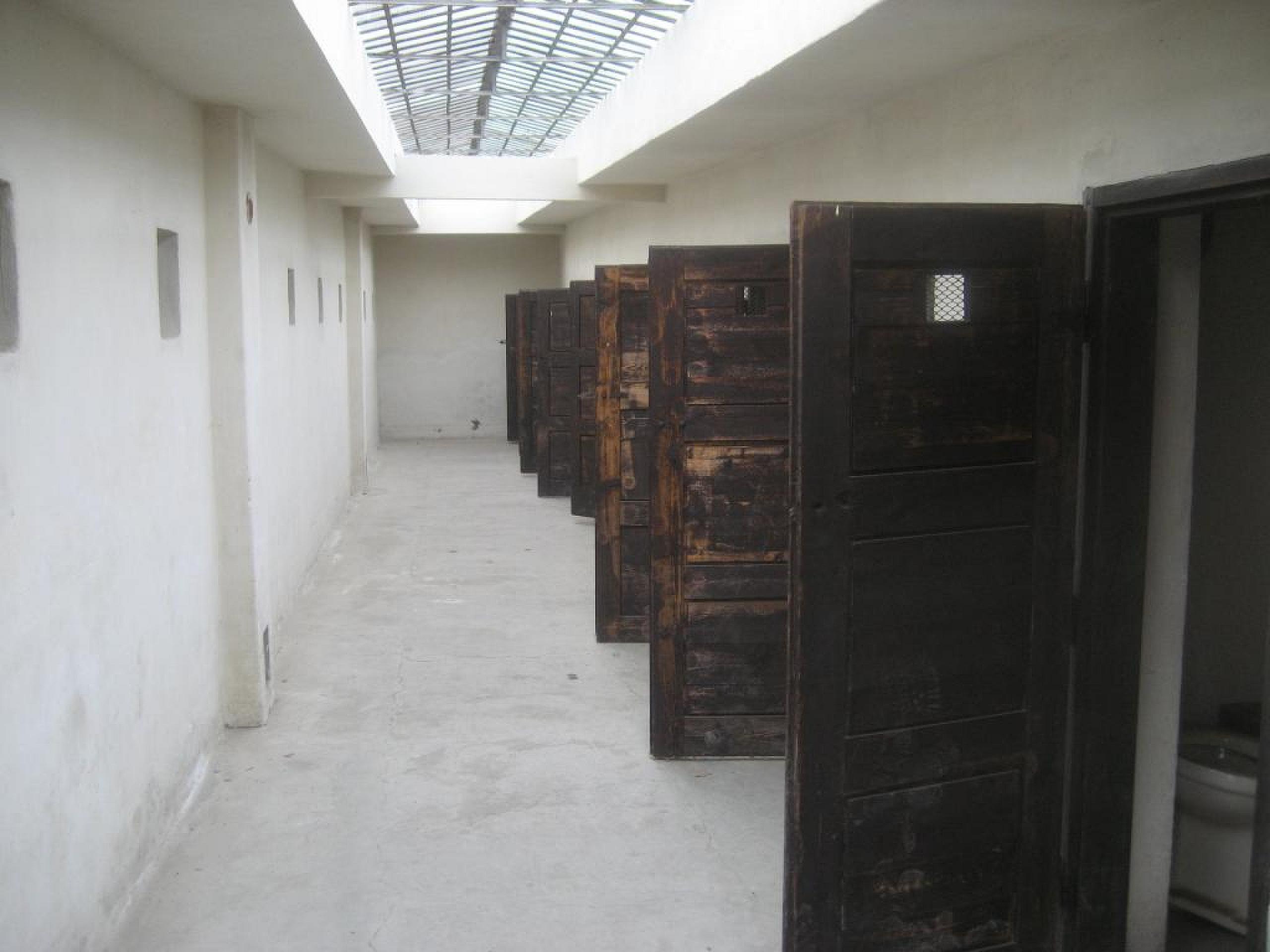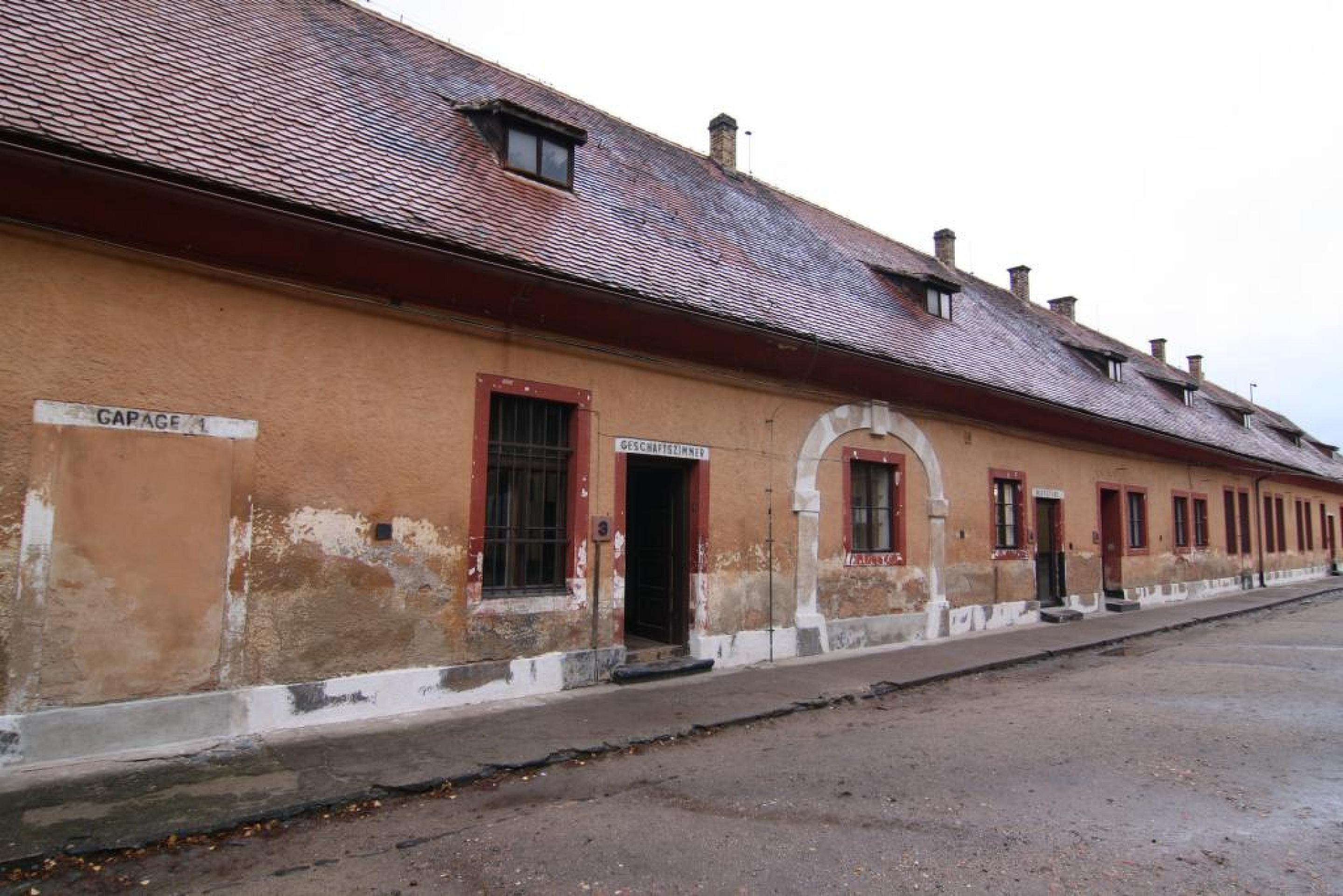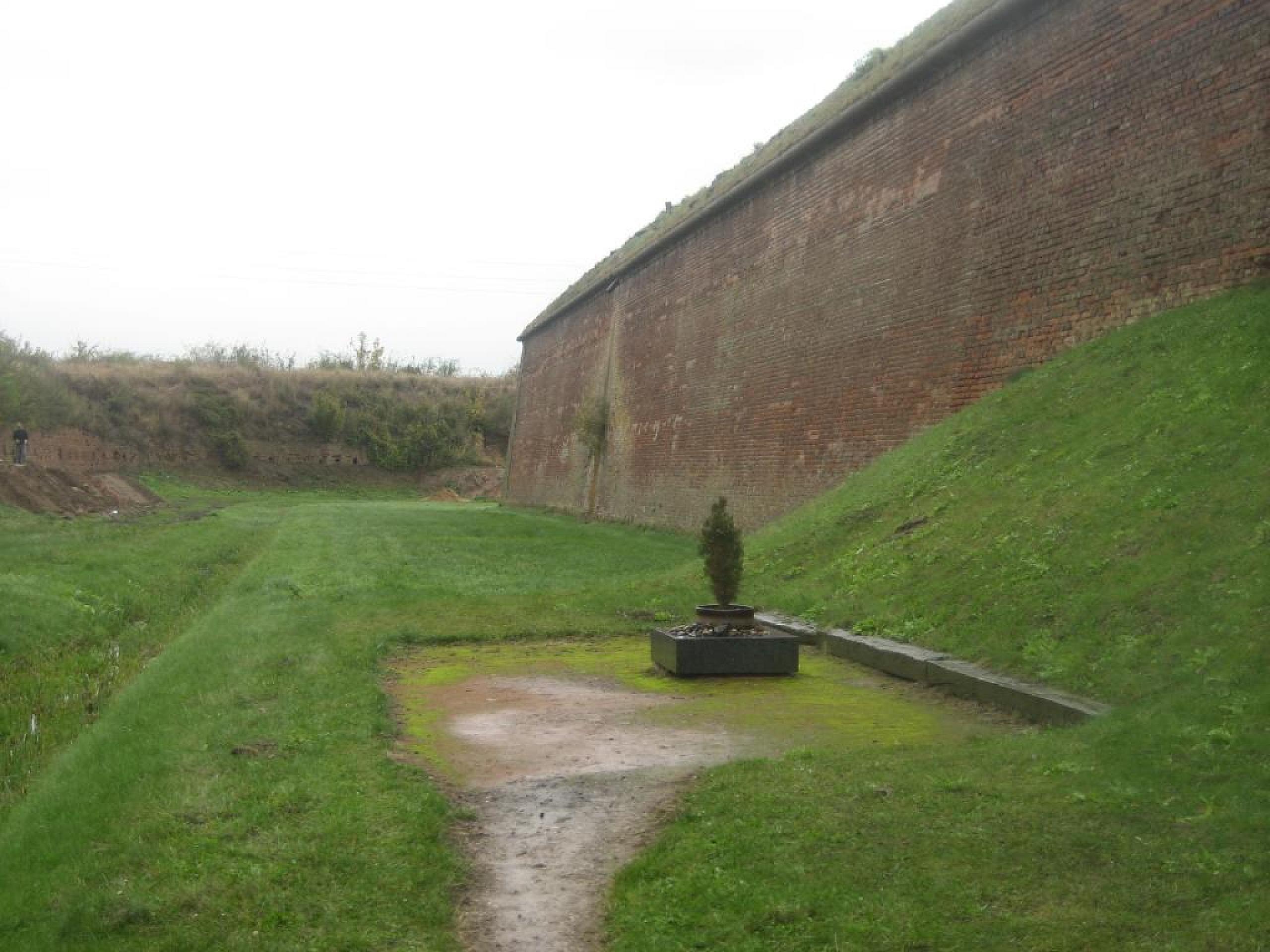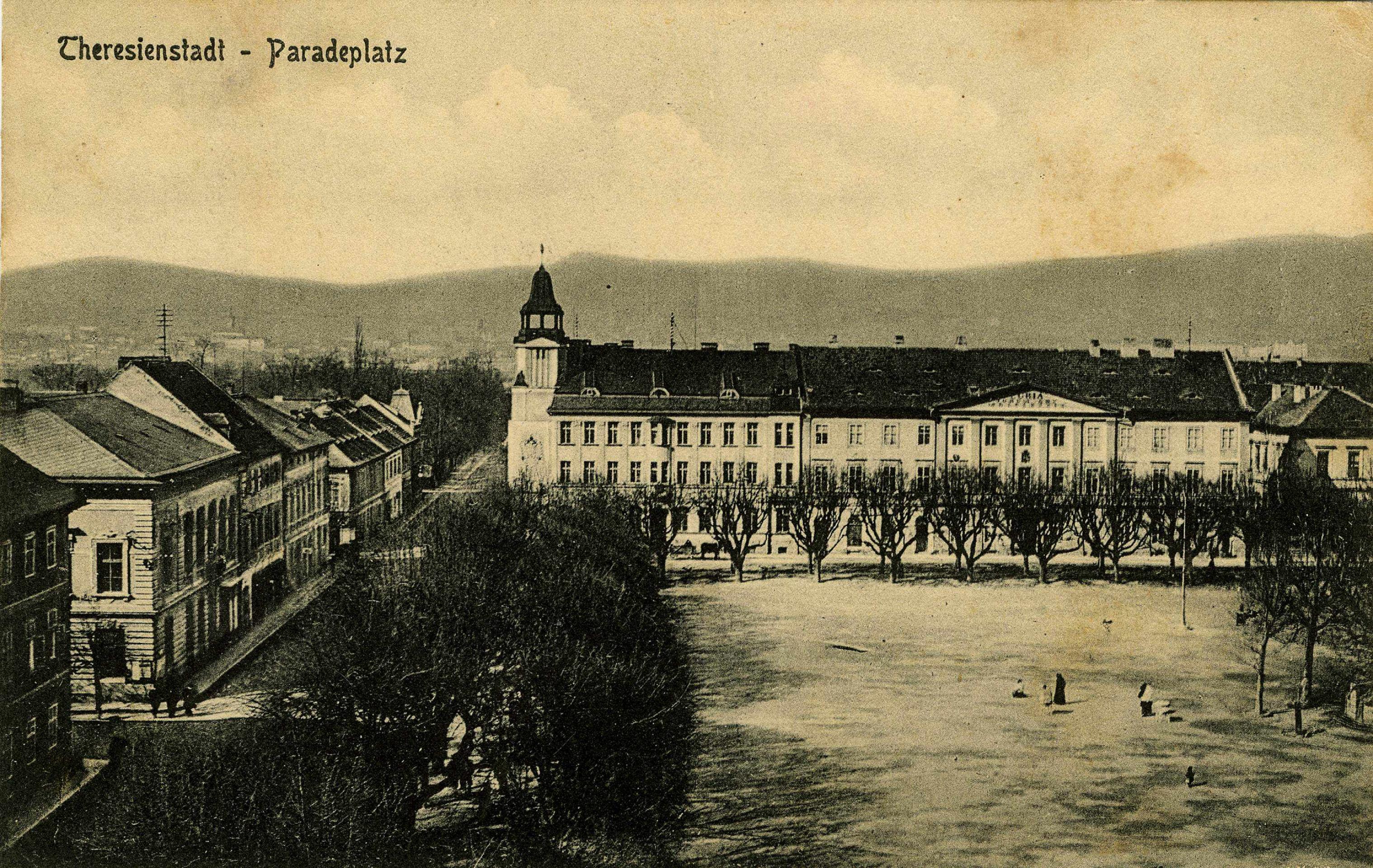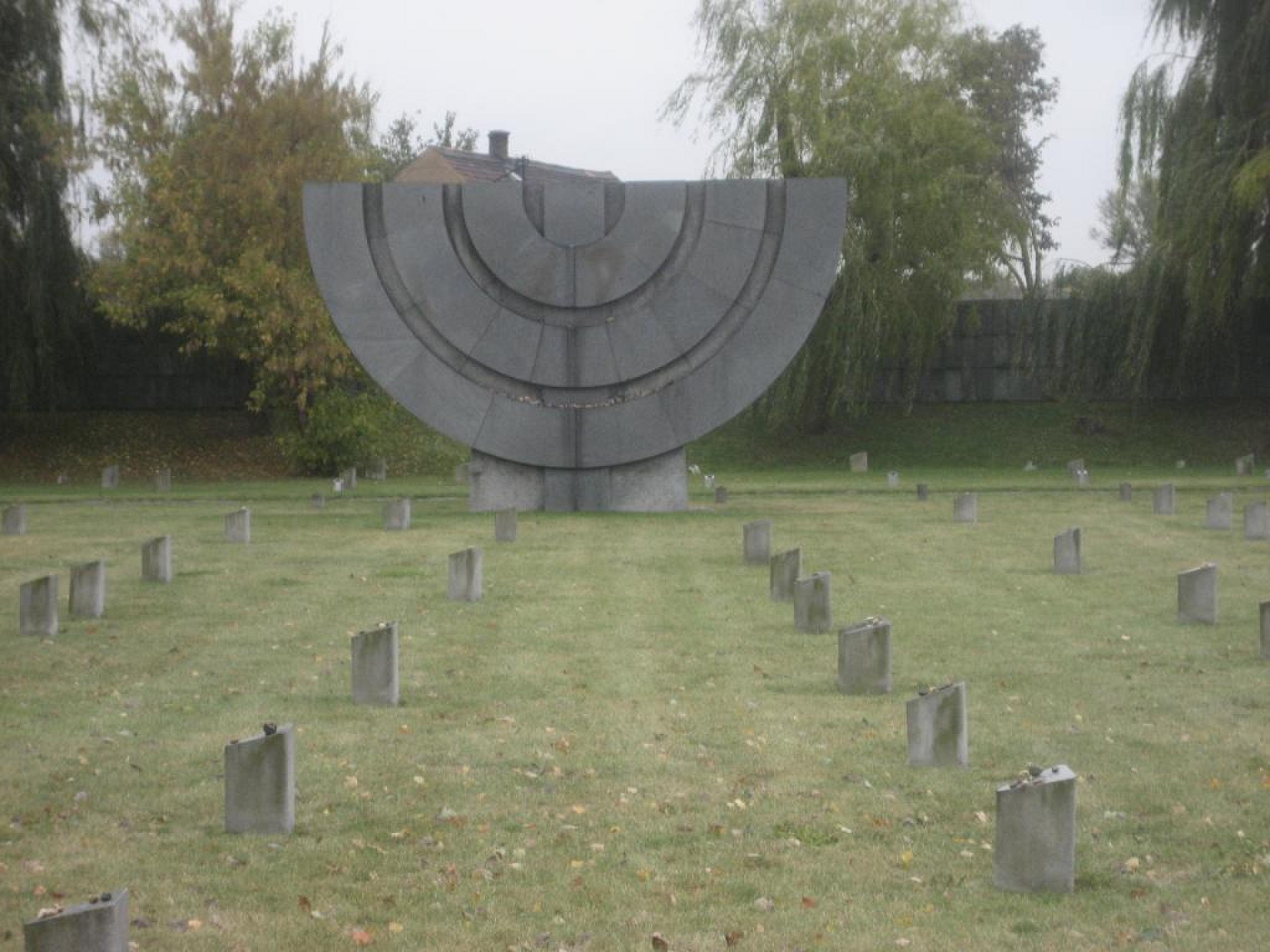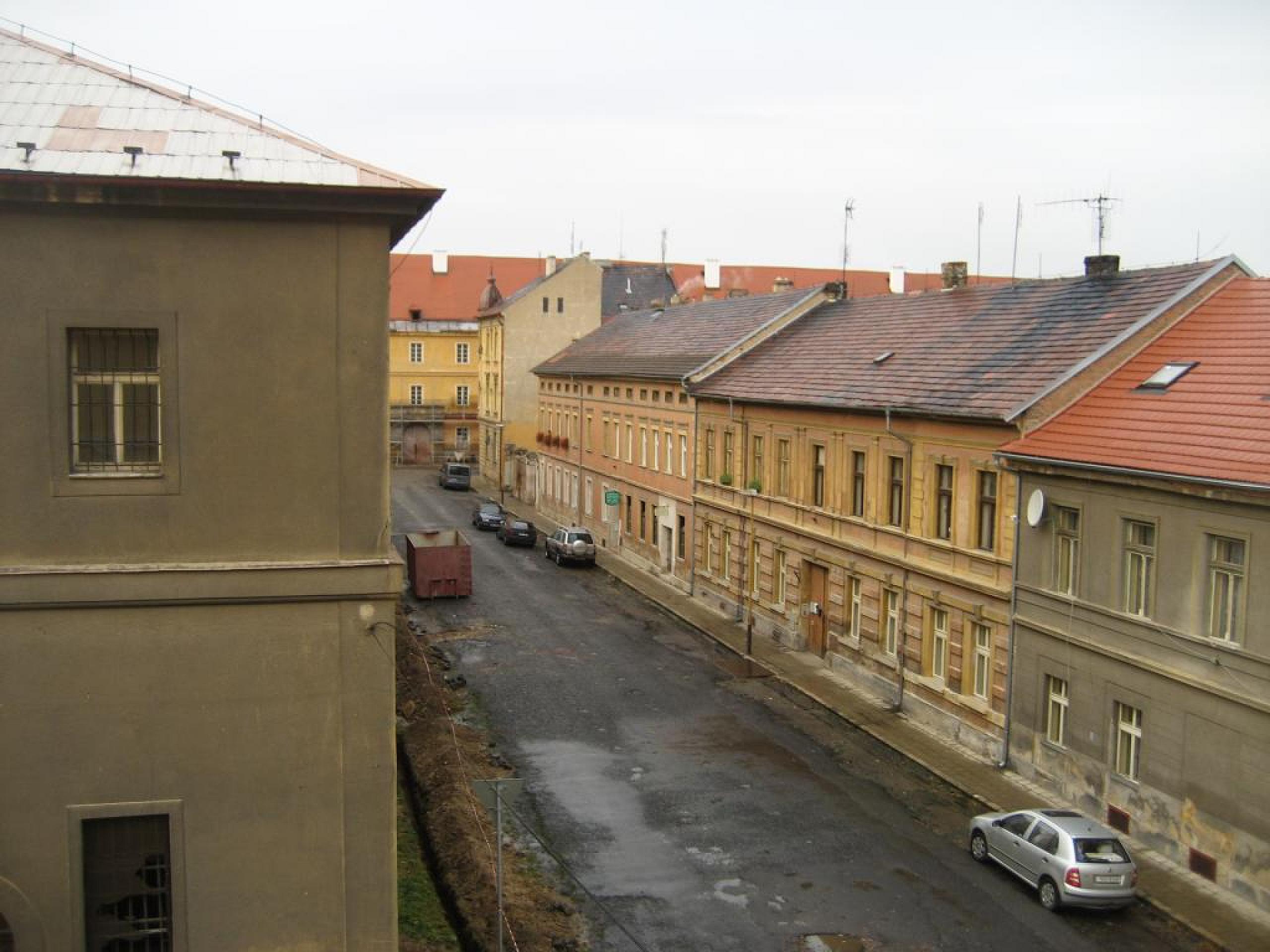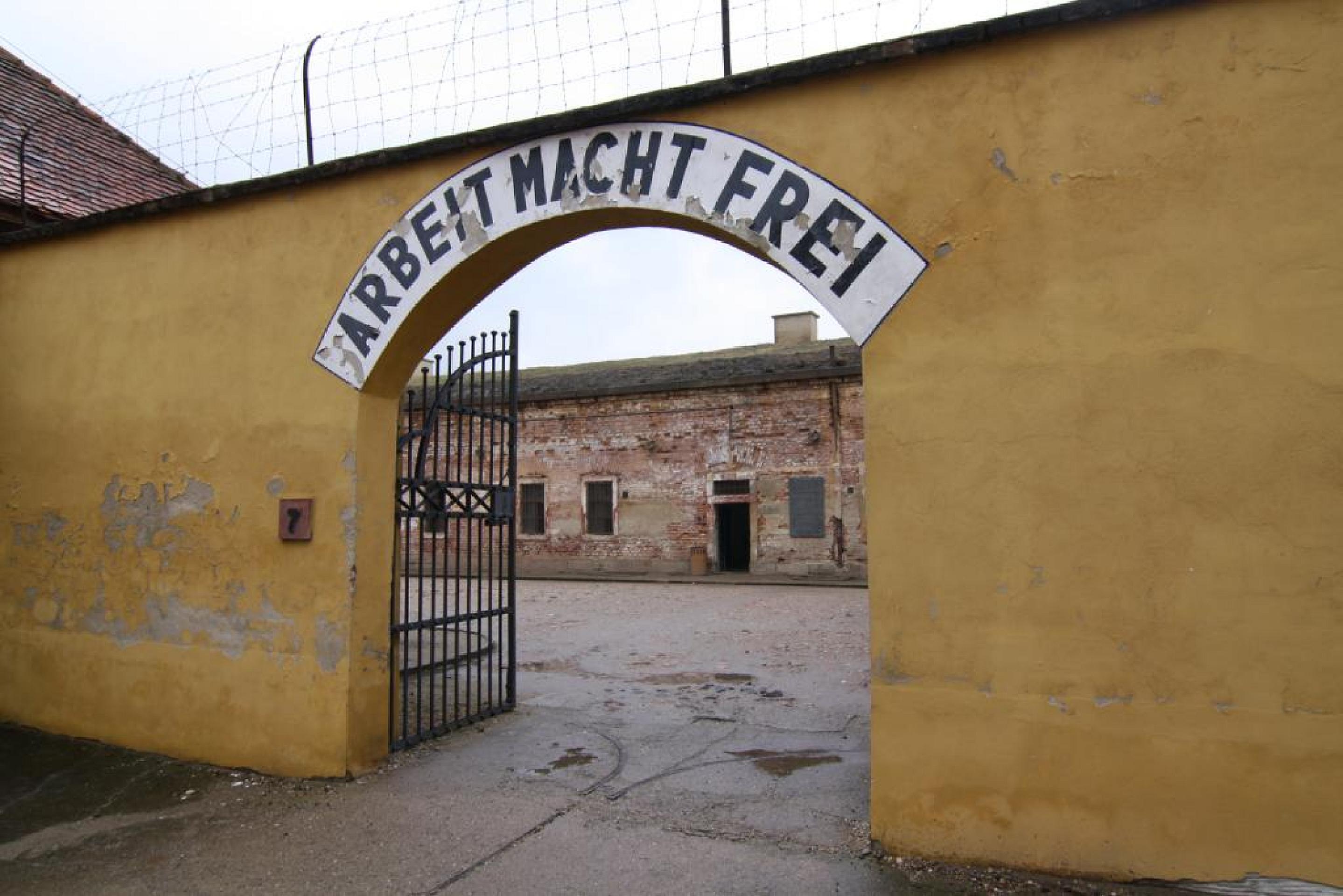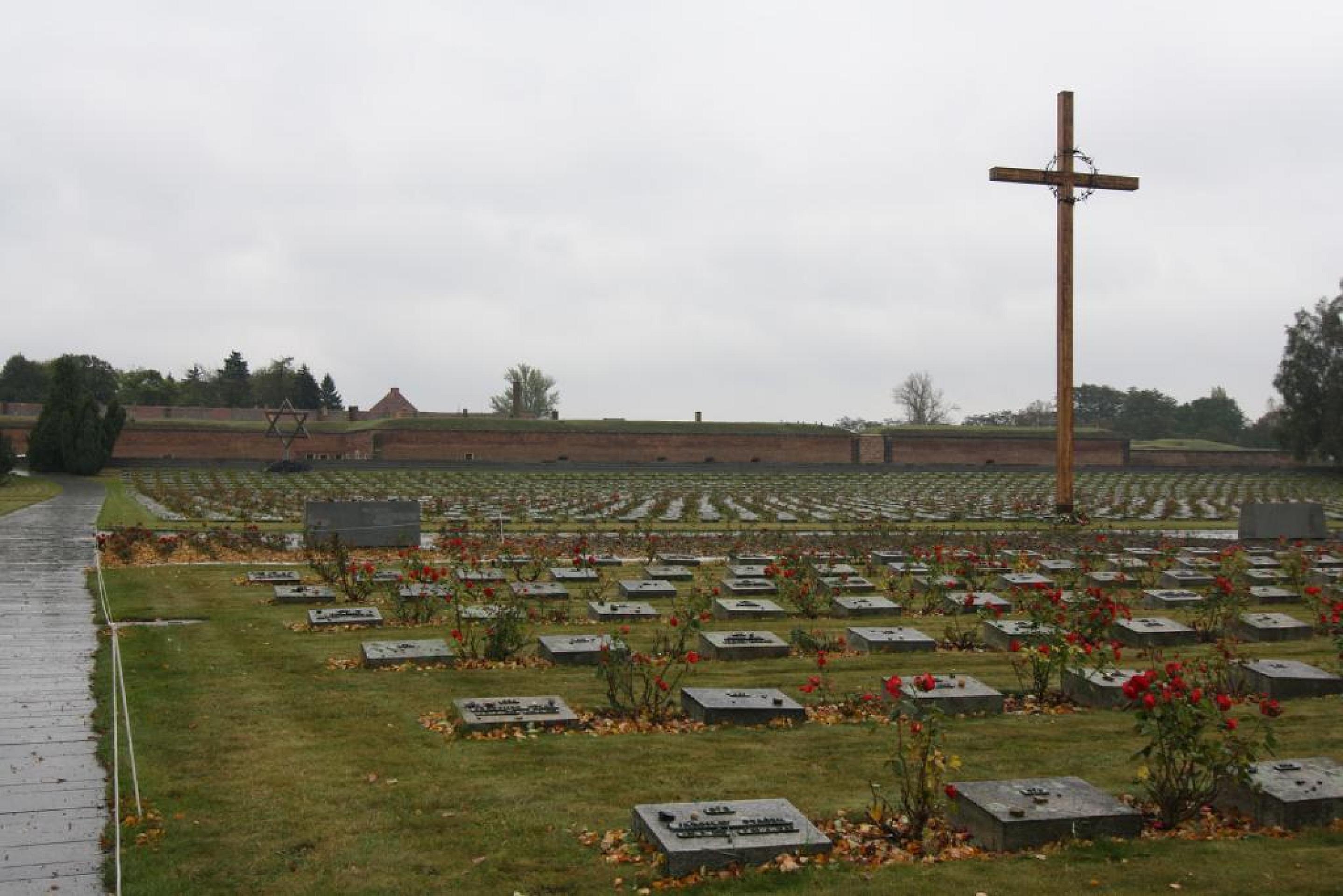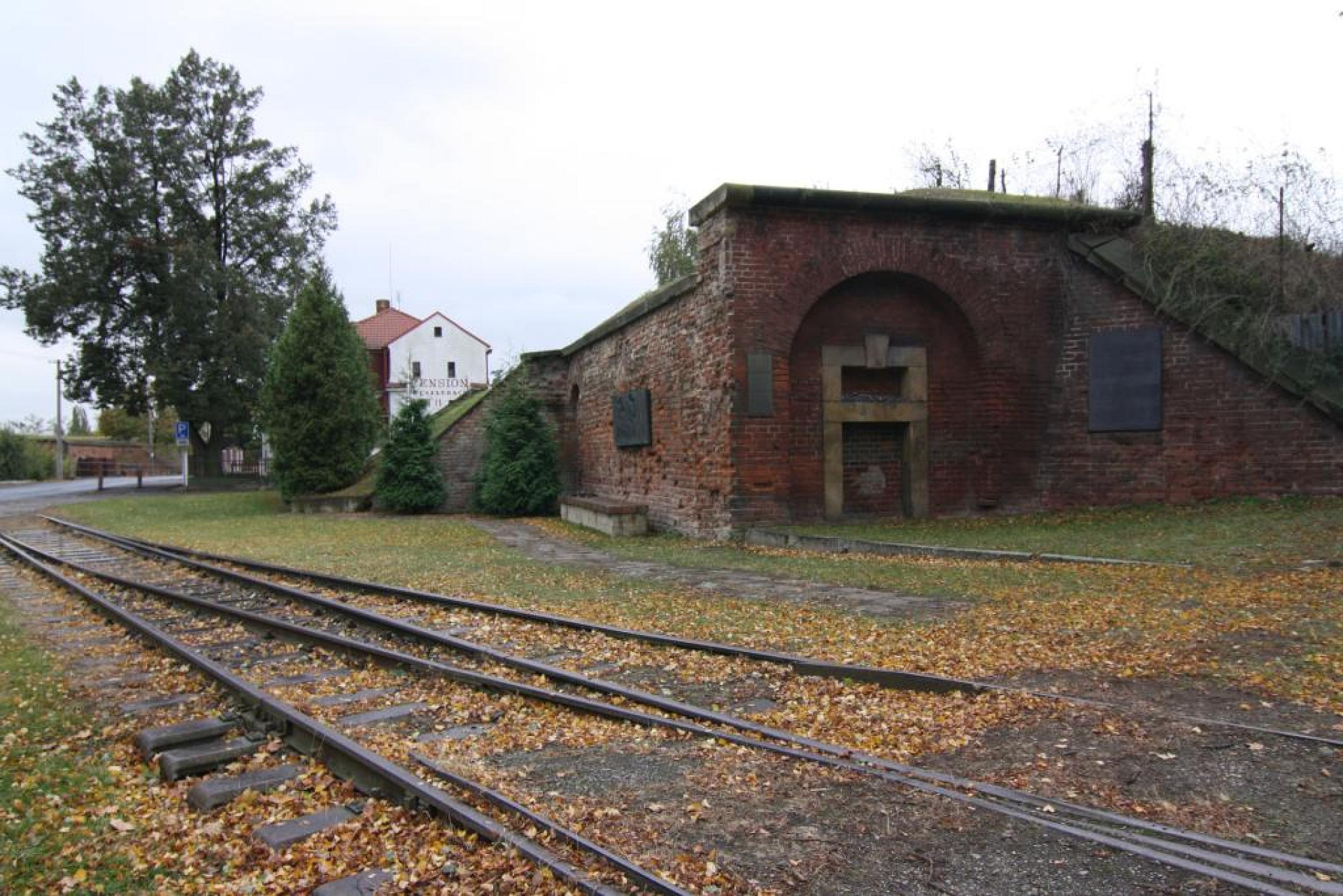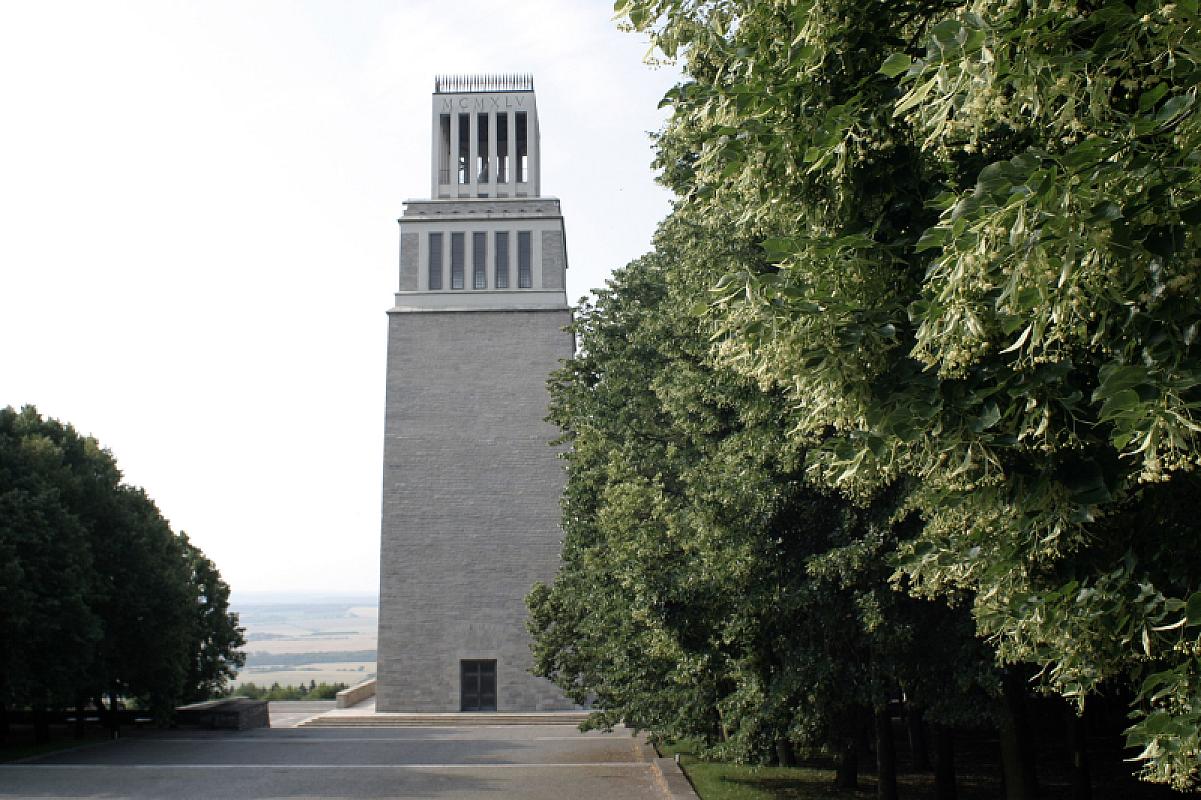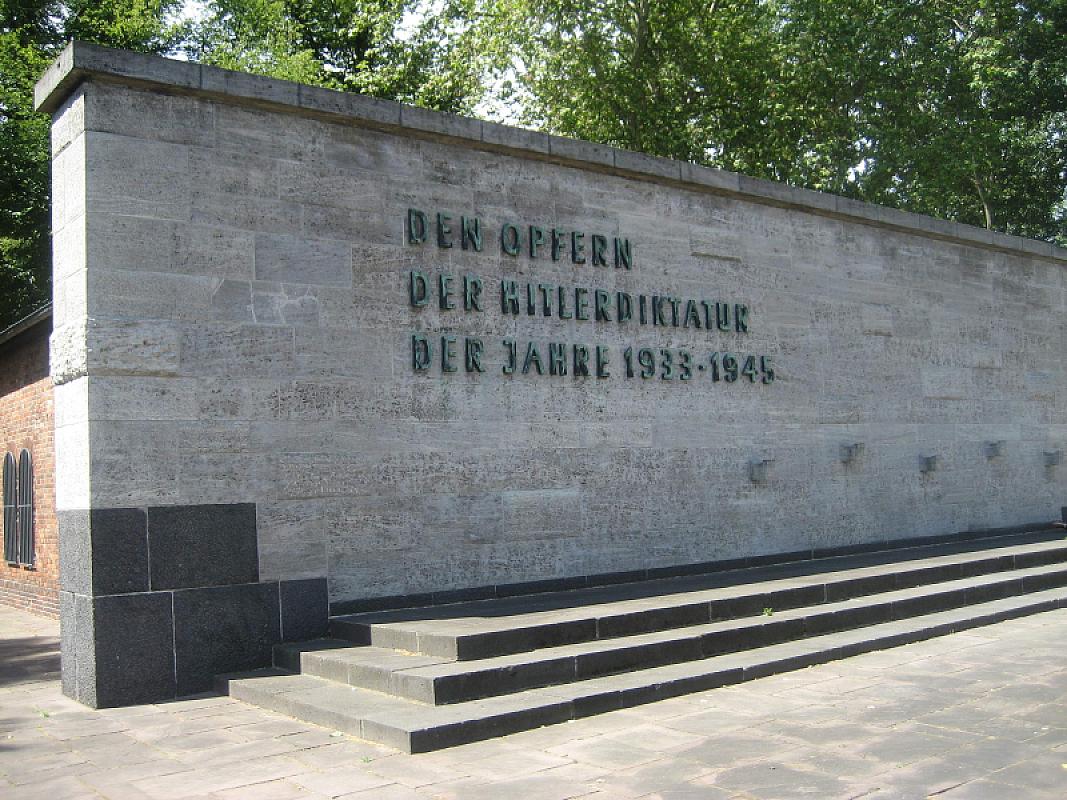
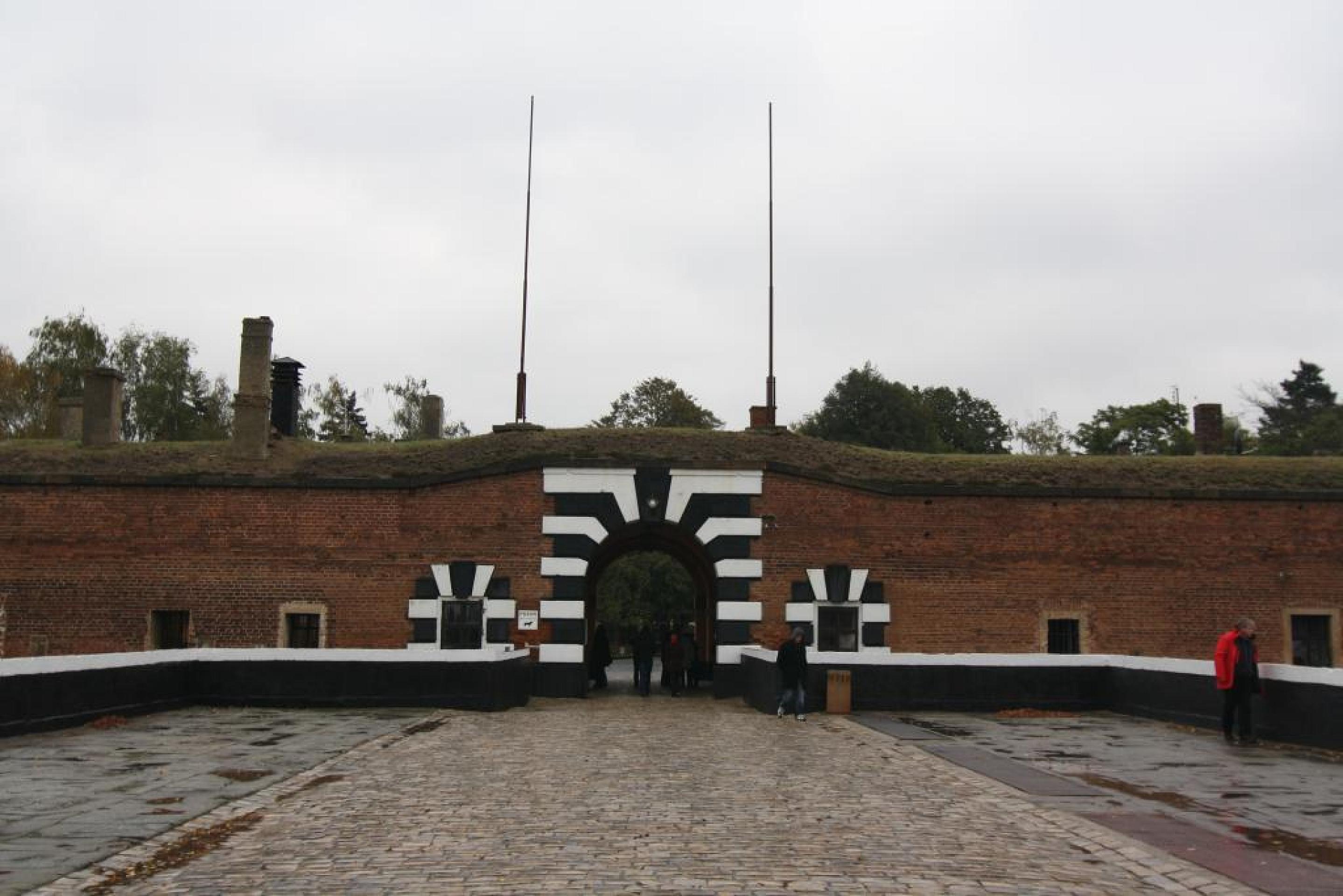
Located in Terezín (German: Theresienstadt), a garrison town founded by the Habsburgs at the end of the 18th century to the north-west of Prague, several memorials, cemeteries and a museum commemorate the former ghetto and the people who perished there. Of the ghetto's tens of thousands of inmates, only few survived the Holocaust. A memorial in the close-by Small Fortress honours the political prisoners who were incarcerated at the Gestapo prison.
History
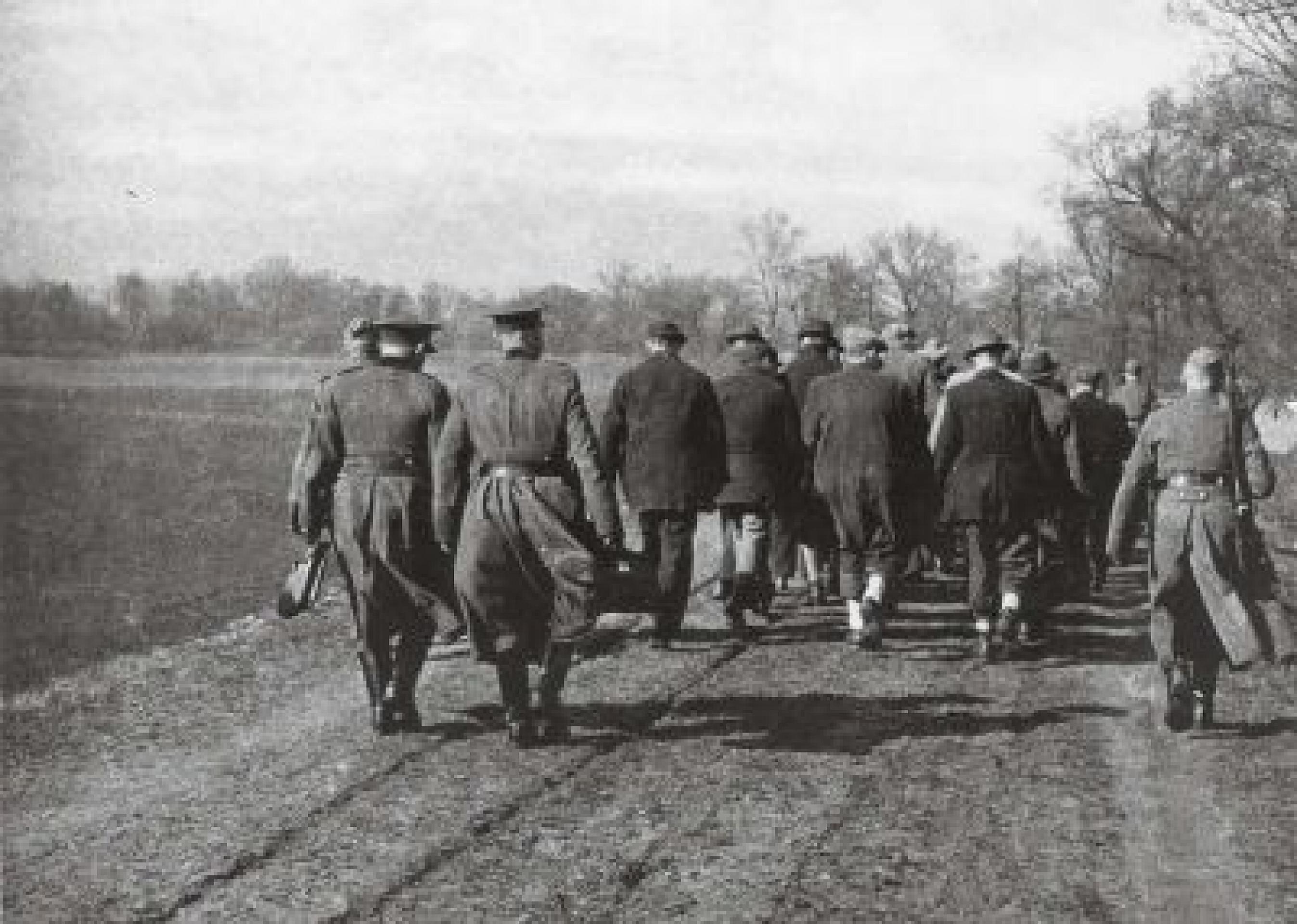
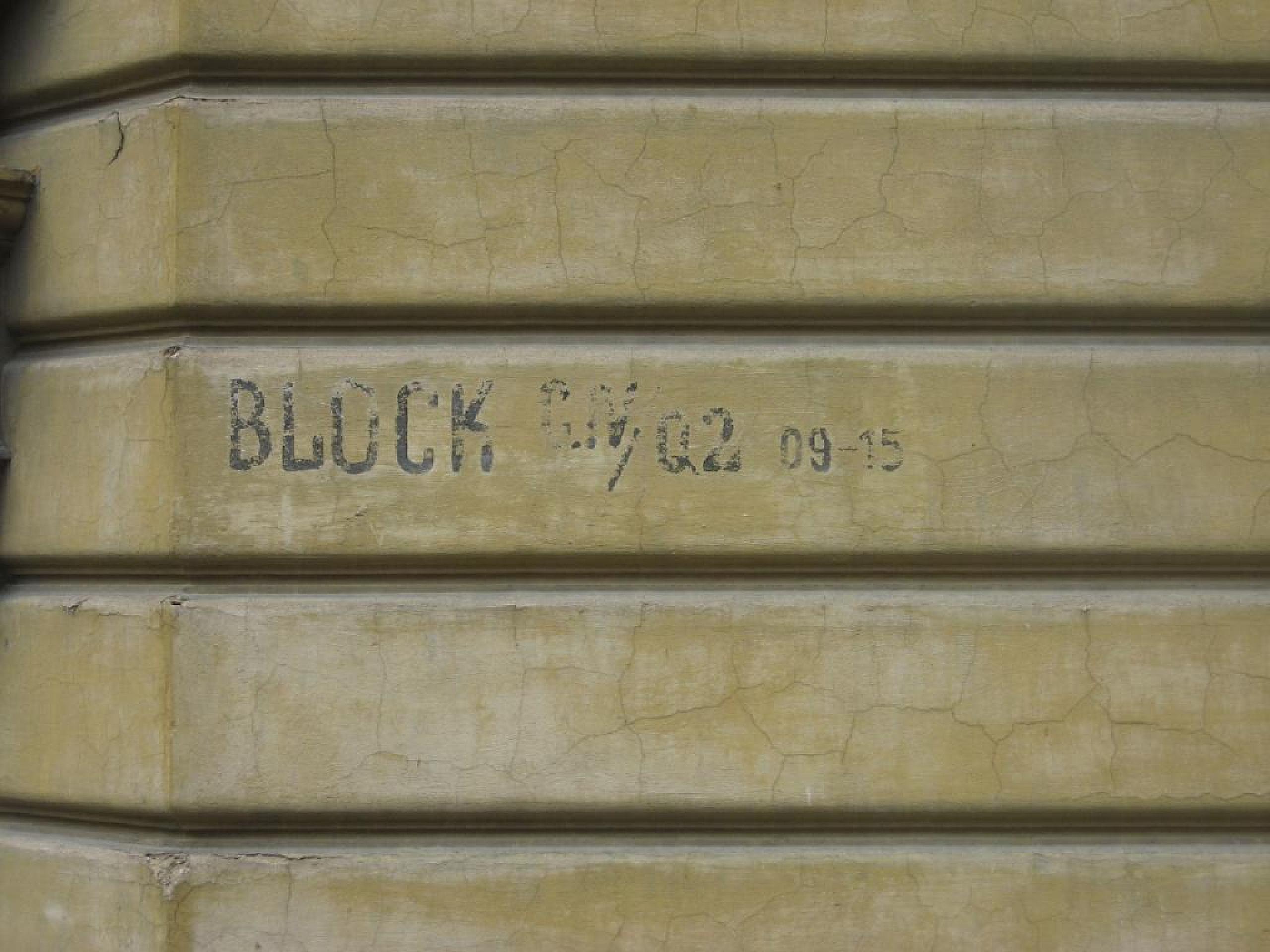
After the break-up of Czechoslovakia in March 1939, there were 118,000 Jews living on the territory of the newly established »Protectorate of Bohemia and Moravia«. During the first two years of occupation, about 27,000 managed to emigrate or flee. In 1941, the German authorities began deporting people to the ghettos of Łódź and Minsk. Most of the Jews, however, were forced into the Theresienstadt Ghetto. The old fortress complex made a complete isolation of the Jewish population possible. The approximately 7,000 Christian residents were forced to leave the town; at the end of 1942, there were about 56,700 people crowded into the small area of the ghetto. Theresienstadt became a subject of National Socialist propaganda as a »model ghetto«. World War One veterans and elderly Jews from the German Reich were brought here. In this way, they were for the time being exempt from the deportations to extermination camps, which had been taking place since 1942. This was also done for tactical reasons: since Jews were officially sent to the East for labour, including elderly people may have raised questions as to the sincerity of these declarations. Jews from other occupied countries were also brought to the Theresienstadt Ghetto. National Socialist propaganda portrayed Theresienstadt as a liveable Jewish town until the end. In reality, however, its residents were ruthlessly exploited and the catastrophic conditions in the ghetto led to a high mortality rate. At the beginning of 1942, deportations to the east of Germany's occupied territories began. The deportees were taken to other ghettos, shot or brought directly to extermination camps. In all, about 140,000 people passed through the ghetto. At the end of the war, only 19,000 lived to see the liberation. Located in close vicinity, in the so-called Small Fortress, was a Gestapo prison. A total of 32,000 people, mostly political prisoners, were incarcerated here under extremely harsh conditions.
Victims
In all, there were about 140,000 Jews in the Theresienstadt Ghetto. A fifth of the inmates died in the ghetto, 88,000 were deported to other ghettos and concentration camps, and almost all of them were murdered. About 19,000 people lived to be liberated by the Red Army. The Gestapo incarcerated about 32,000 political opponents at the Small Fortress; about 2,600 died there, 1,000 were murdered in other concentration camps.
Remembrance
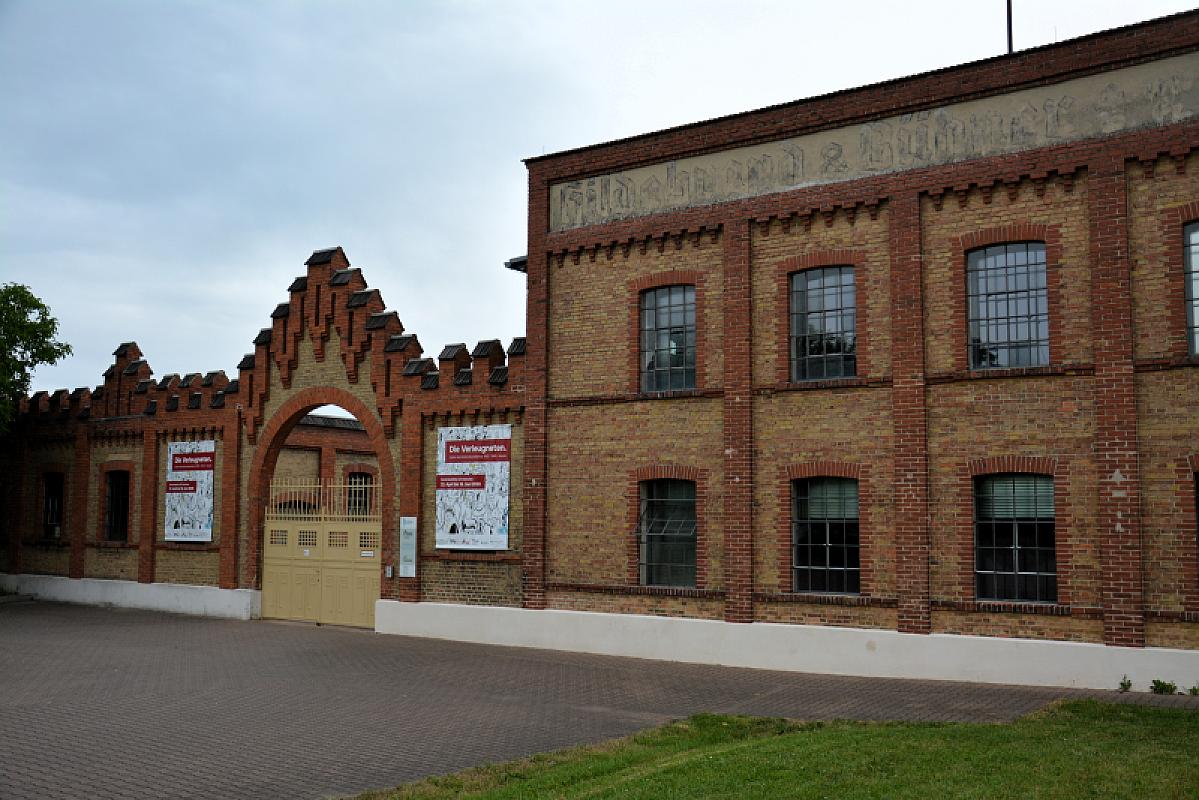
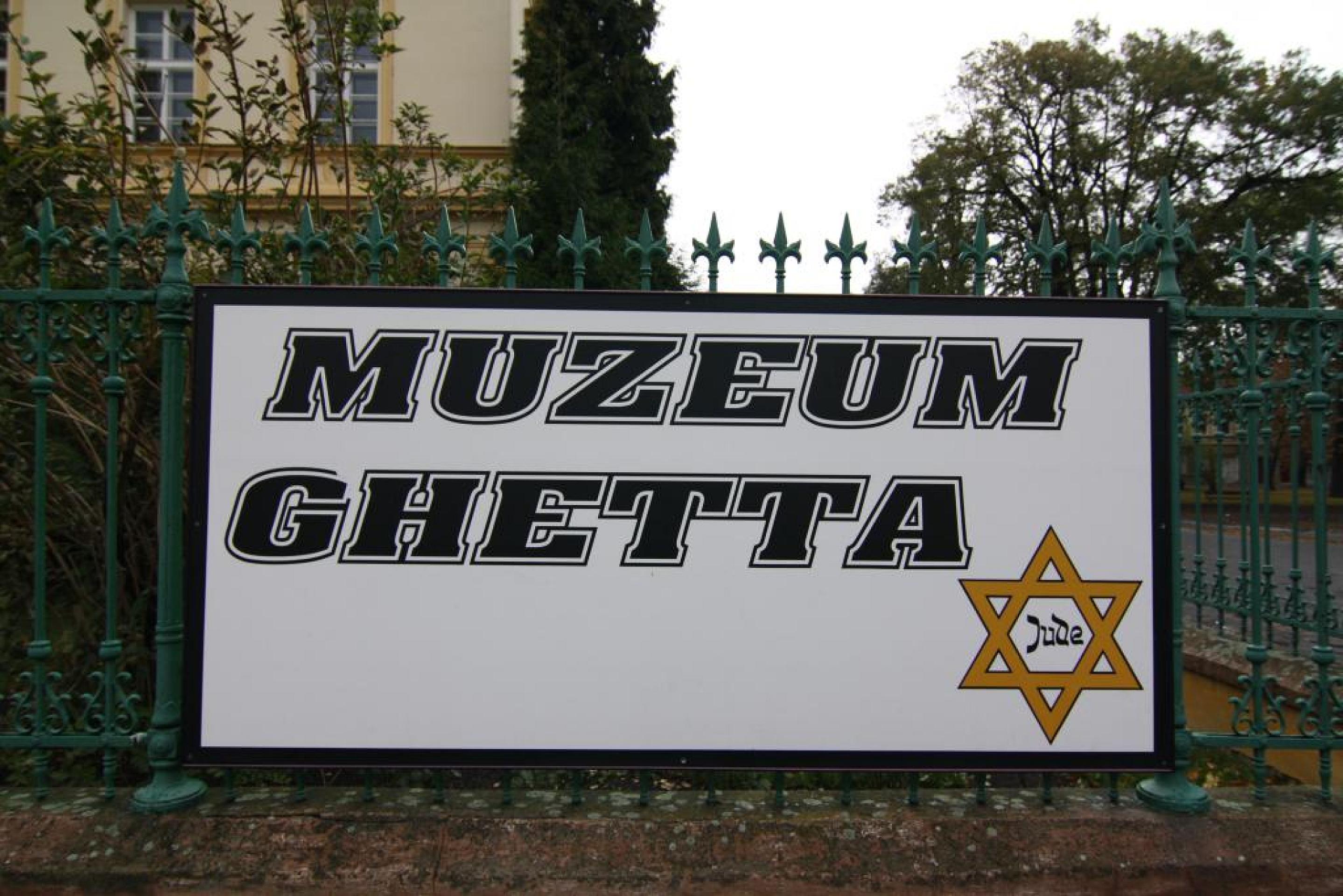
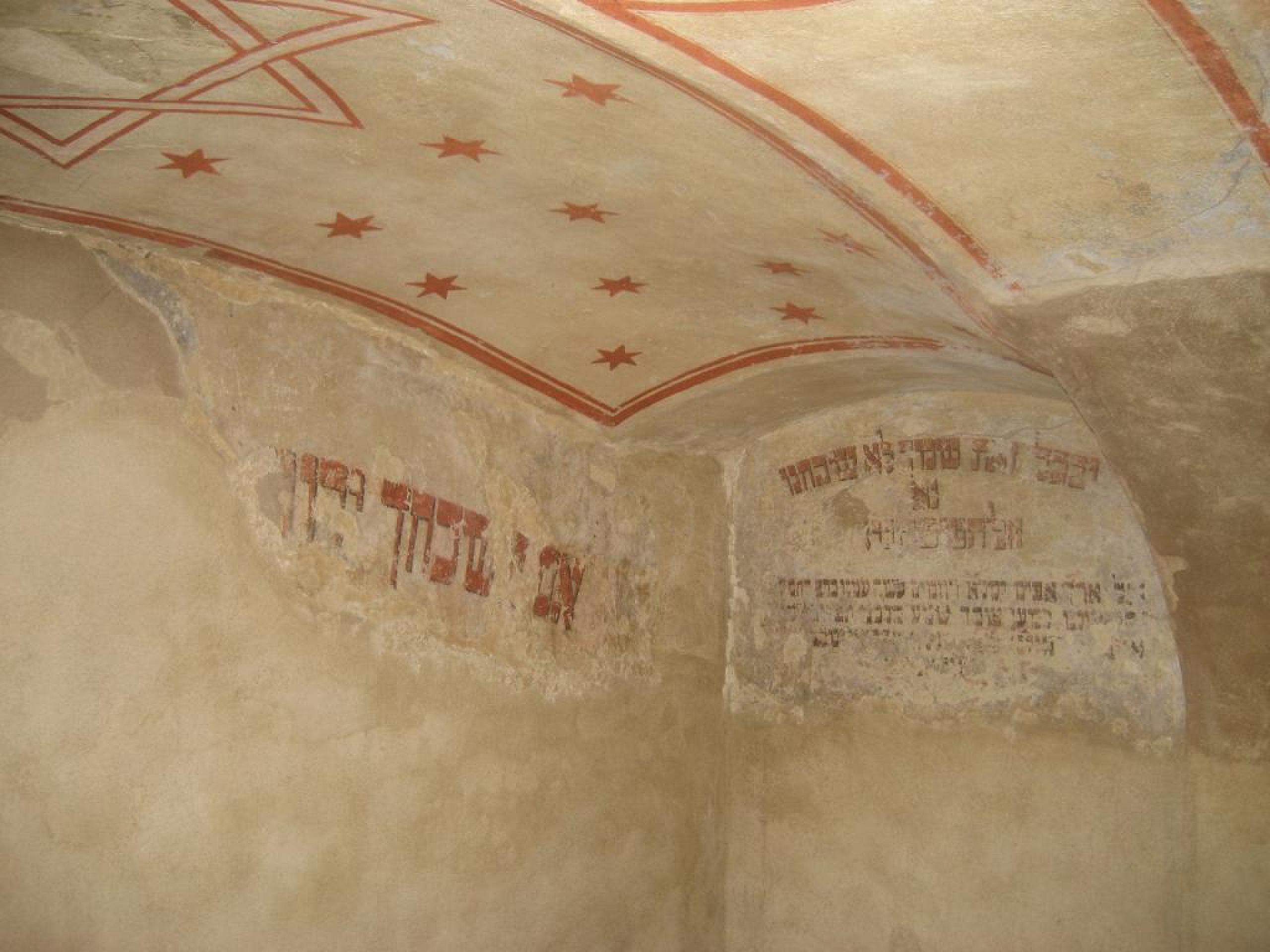
After the war, the Small Fortress was an internment camp for prisoners of war, National Socialists and alleged war criminals. Sudeten Germans were also interned here before being expelled from Czechoslovakia. The Czechoslovak government decided to transform the Small Fortress into a »Memorial of National Martyrdom« in 1947. The official policy of commemoration under the communist regime concentrated on the heroism and the suffering of communist resistance fighters in the Small Fortress, meanwhile the existence of the Jewish ghetto was marginalised. Only in 1991, after the »Velvet Revolution«, could a museum presenting the history of the Jews in the Theresienstadt Ghetto be opened. The national cemetery, on which the remains and ashes of thousands of victims were buried, was an important commemorative site after the war. On the banks of the Ohře river is a memorial to the approximately 22,000 Jews whose ashes were scattered into the river. There is a Jewish cemetery and a cemetery for Soviet soldiers. Since 1997, the »Magdeburg Barracks«, the former seat of the ghetto's Jewish council, have been used for presenting exhibitions about ghetto life as well as for hosting seminars and youth exchanges.
Possibilities
Archive, library, educational program for children and youths, yearbook, newsletter, various commemoration ceremonies
Open
Small Fortress: April 1 to October 31: daily 8.00 a.m. to 6.00 p.m.; November 1 to March 31: daily 8.00 a.m. to 4.30 p.m.
Ghetto Museum and Former Magdeburg Barracks: April 1 to October 31: daily 9.00 a.m. to 6.00 p.m.
November 1 to March 31: 9.00 a.m. to 5.30 p.m.
Closed from December 24 to 26 and on January 1.
Contact
http://www.pamatnik-terezin.cz
pamatnik@pamatnik-terezin.cz
+420 (0)416 782 225
Principova alej 304
41 155 Terezín