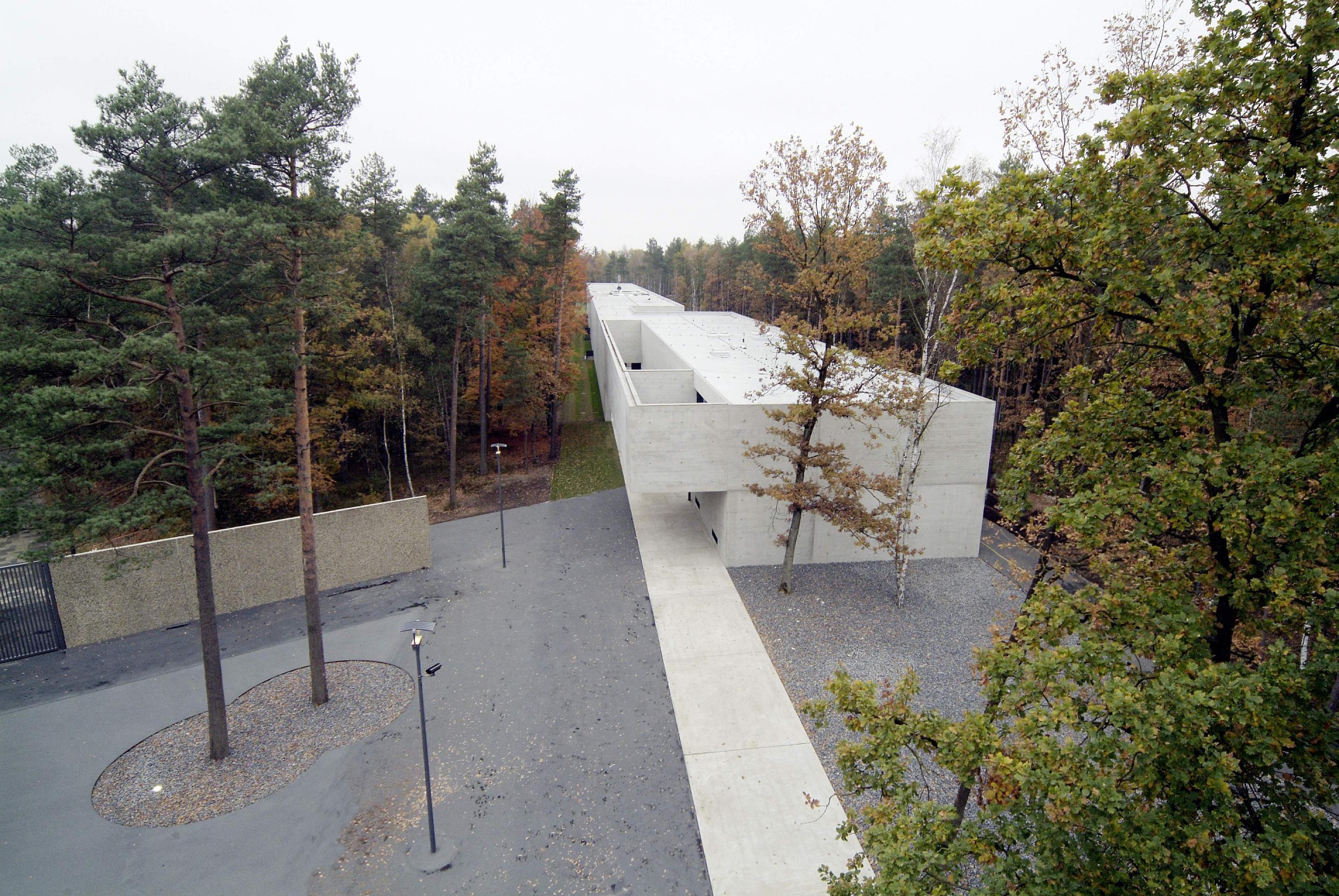
Between 1940 and 1942, there was a prisoner of war camp situated not far from the township of Bergen, in the southern Lüneburg heath. From 1943 to 1945, located on the site was the Bergen-Belsen concentration camp, where tens of thousands of prisoners from other camps perished shortly before the end of the war. A memorial dedicated to the fates of the prisoners of war and the concentration camp inmates was established in 1952.
History
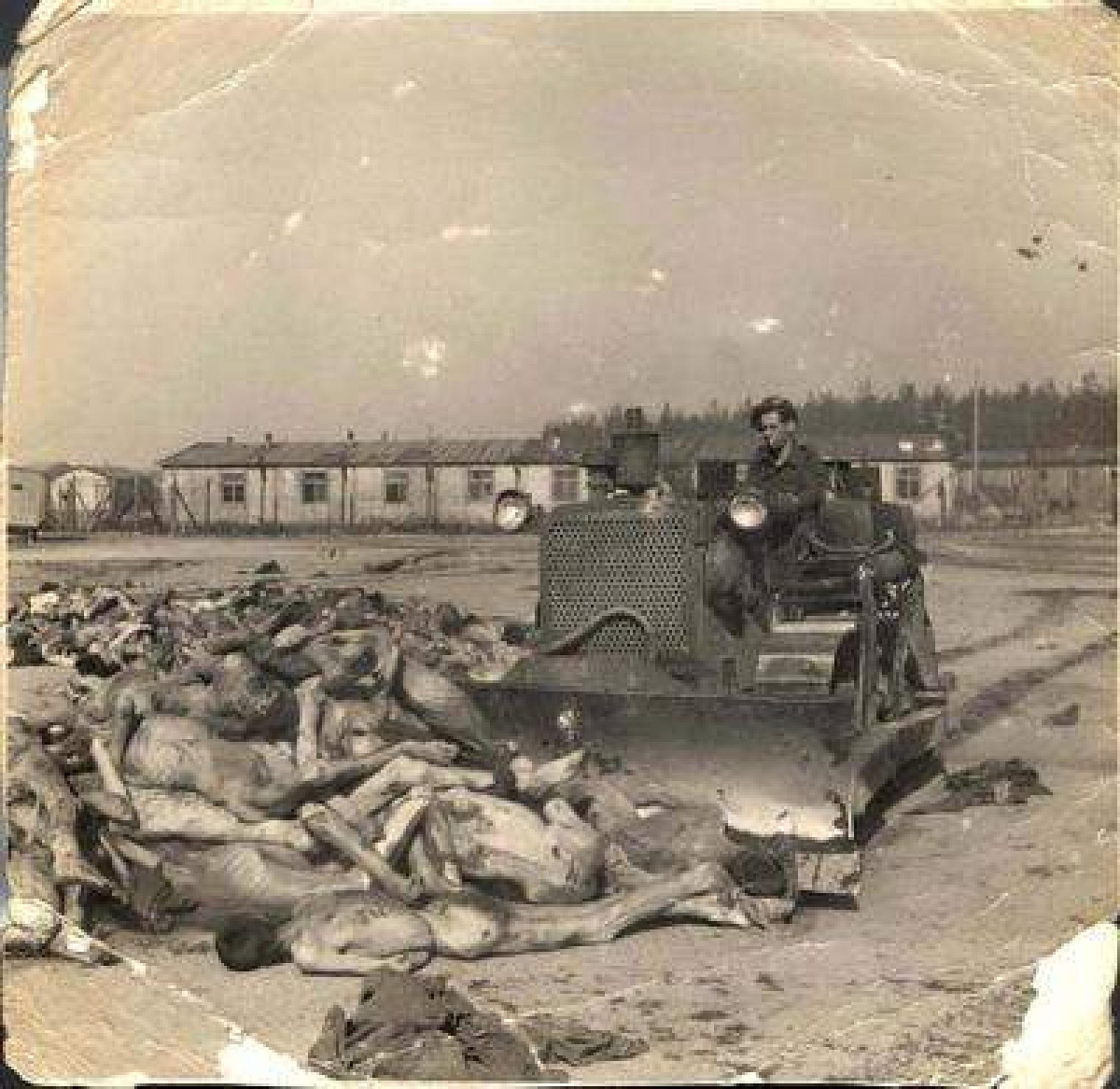
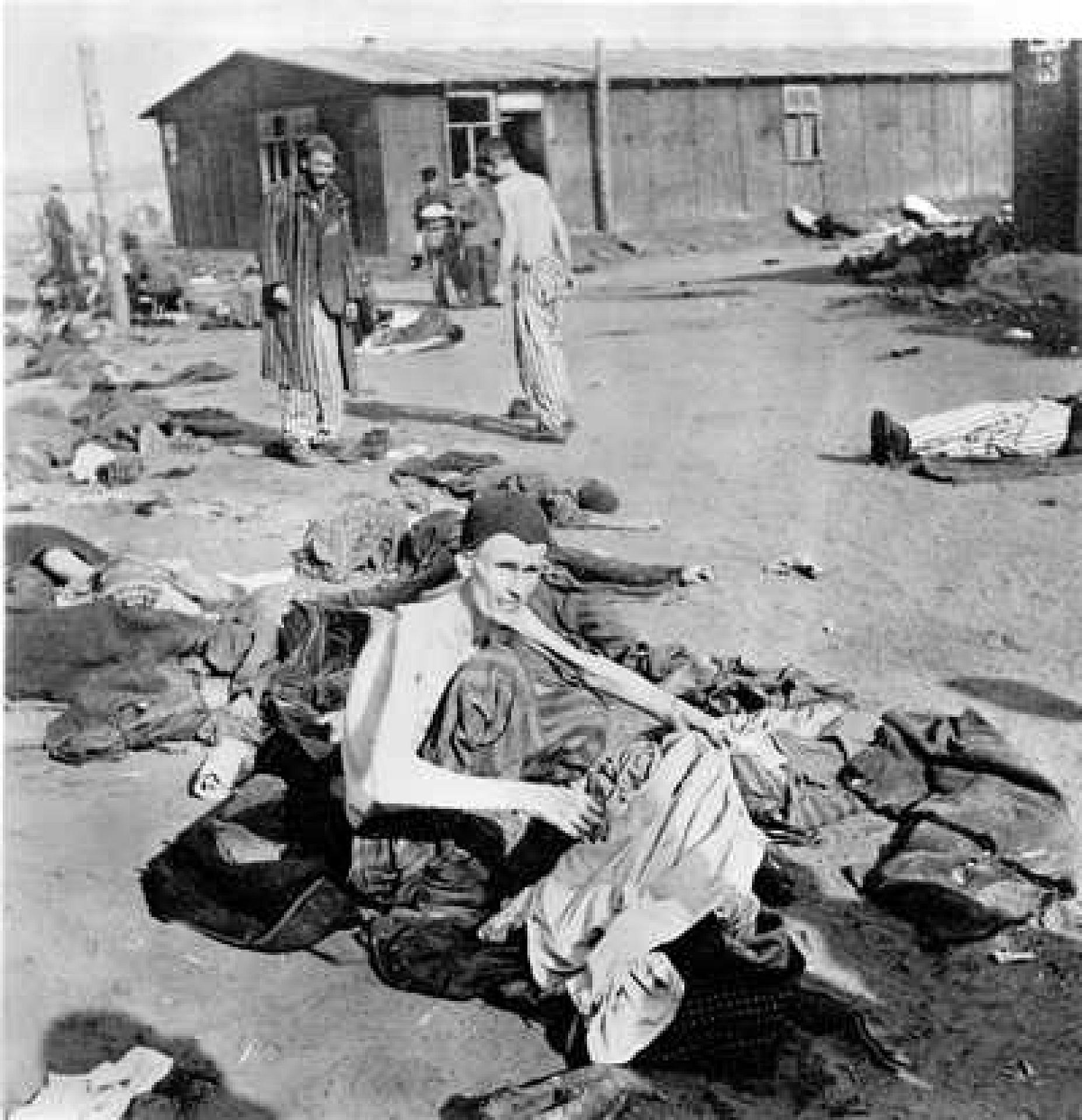
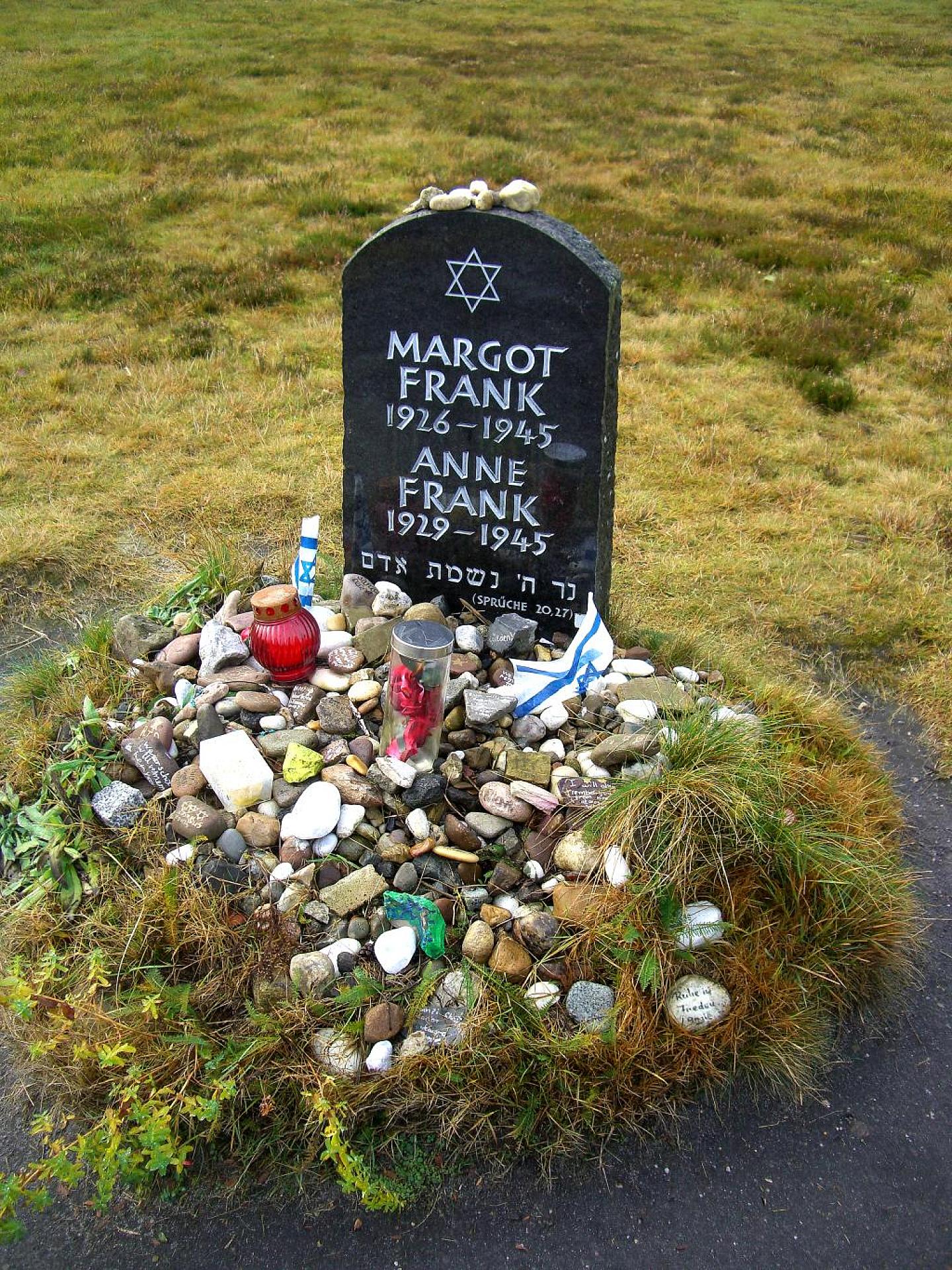
Following the Battle of France in 1940, 600 French and Belgian prisoners of war from the »Stalag XI B Fallingbostel« camp were brought to Belsen and deployed in the construction of barracks. In early 1941, the Wehrmacht set up the »Stalag XI C (311) Bergen-Belsen« camp in Bergen as a so-called Russian camp in preparation for the upcoming invasion of the Soviet Union. Between July and the beginning of November 1941, about 21,000 prisoners of war from the Soviet Union arrived at the camp. There the prisoners were left to care for themselves, they lived in self-dug burrows, in sheds and tents of their own construction. Diseases quickly spread. When a typhus epidemic broke out among the inmates in November 1941, the Wehrmacht admitted even more prisoners from the region into the »Stalag XI C« camp. By the spring of 1942, about 13,500 Soviet prisoners of war had died: they starved, froze or fell victim to diseases. In May 1942, there were only about 2,000 prisoners of war remaining in the Bergen-Belsen camp. In April 1943, the SS took over part of the camp and set up a »detention camp« for Jewish prisoners who were held as hostages. Only few were freed. The POW sick bay of the »Stalag« camp was the central hospital for the entire area until January 1945. From 1944 on, the SS ran the camp as a concentration camp for sick and weak forced labourers. At the end of 1944, many transports from camps in the east, which had been evacuated due to the approaching front line, arrived at Bergen-Belsen. The number of prisoners rose drastically from about 15,000 in December 1944 to over 40,000 on March 1, 1945. Many prisoners died shortly after their arrival at the camp. In March 1945 alone, over 18,000 people died, among them Anne Frank and her sister Margot. On April 15, 1945, British troops liberated the camp after a local truce took effect. The soldiers encountered thousands of decaying corpses and dying prisoners on the camp premises.
Victims
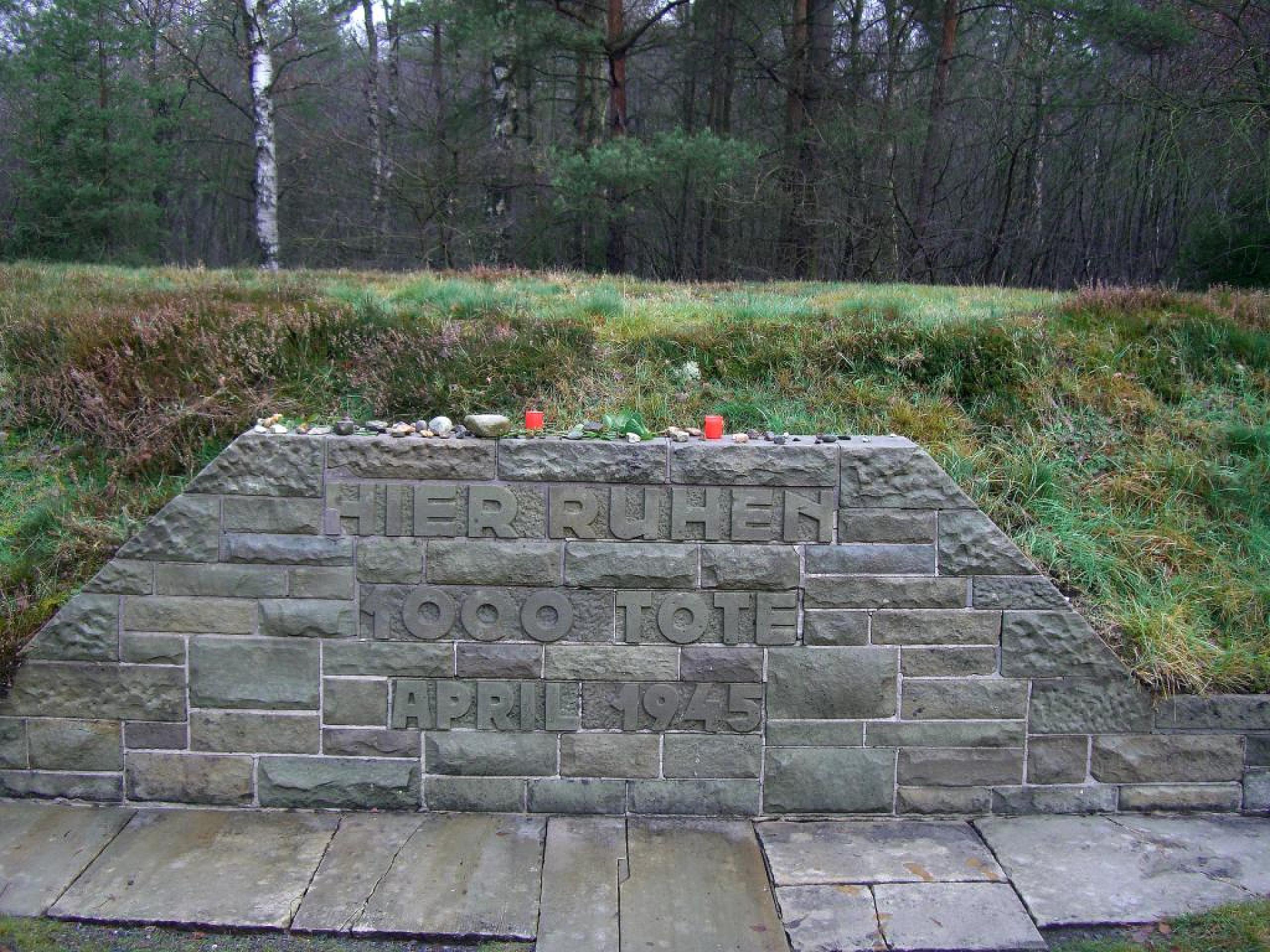
A total of about 19,500 prisoners of war died at Bergen-Belsen. The typhus epidemic, which broke out in the winter of 1941/1942, had killed around 13,500 Soviet prisoners of war by the spring of 1942. Until 1945, a further 6,000 Soviet soldiers died. Between July 1943 and December 1944, approximately 14,000 Jewish hostages were incarcerated in the exchange camp, only a small fraction of them was released. The Bergen-Belsen concentration camp was established in March 1944; at first, several thousands of forced labourers who were too weak to work were brought here from other camps. From the end of 1944 on, more and more »evacuation transports« of Jewish women from Auschwitz arrived. From December 1944 to February 1945 alone between 40,000 and 50,000 inmates from other camps were deported to Bergen-Belsen, of which two thirds were women. Shortly after the camp was liberated by British troops on April 15, 1945, about 14,000 of the 55,000 survivors died of diseases and the effects of the atrocious living conditions they had been subjected to. It is estimated that a total of 55,000 people died in the Bergen-Belsen concentration camp.
Remembrance
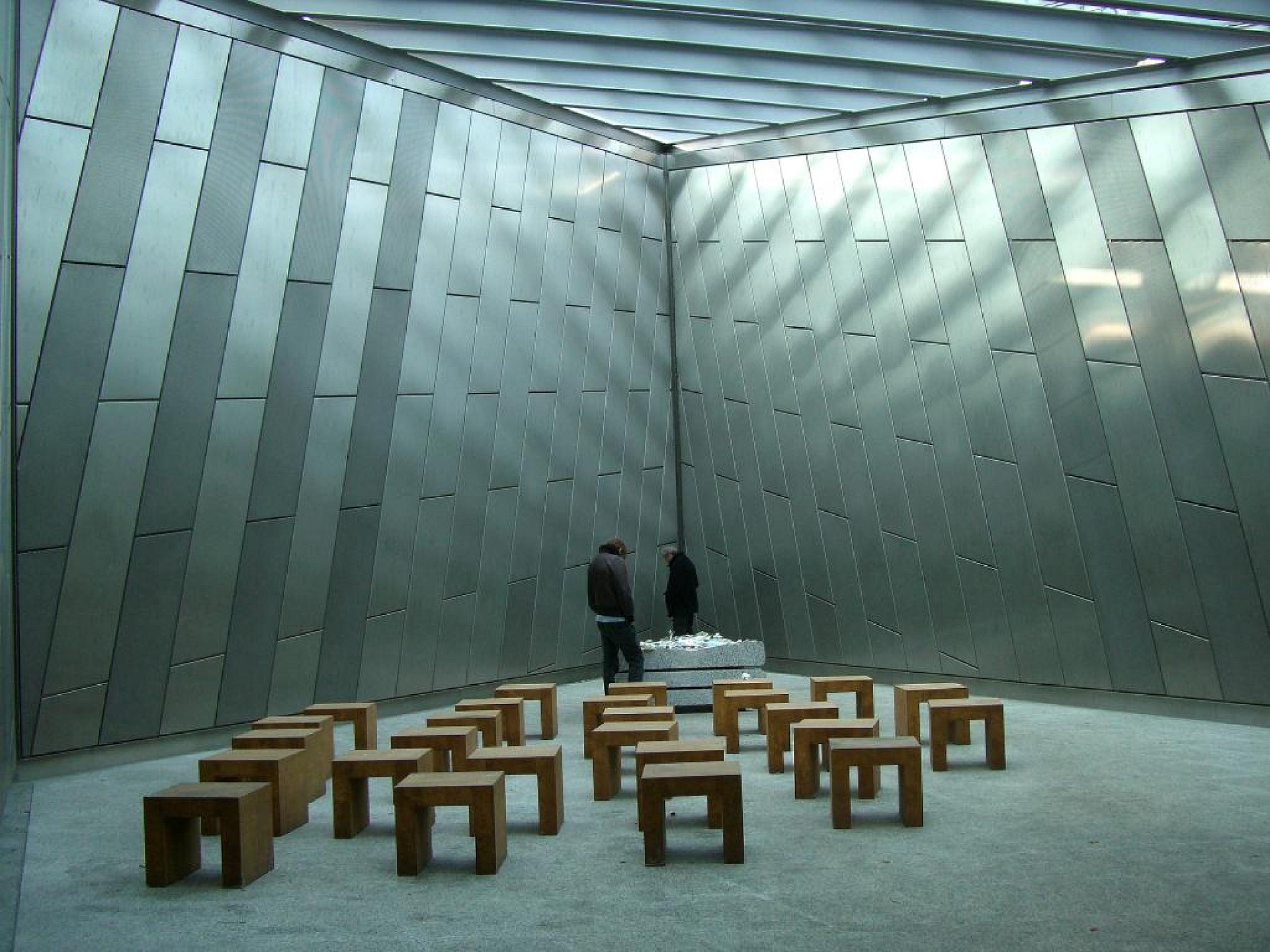
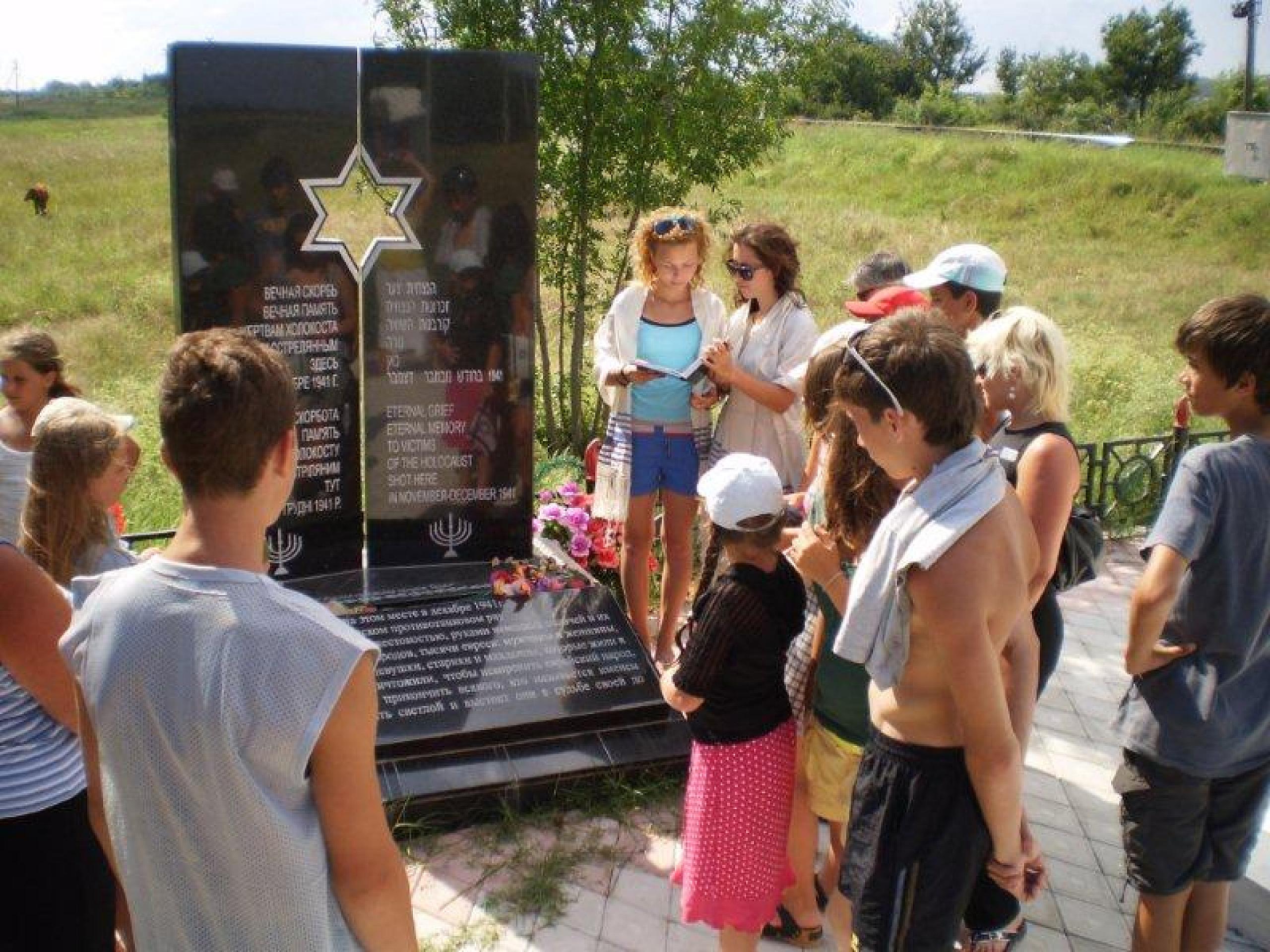
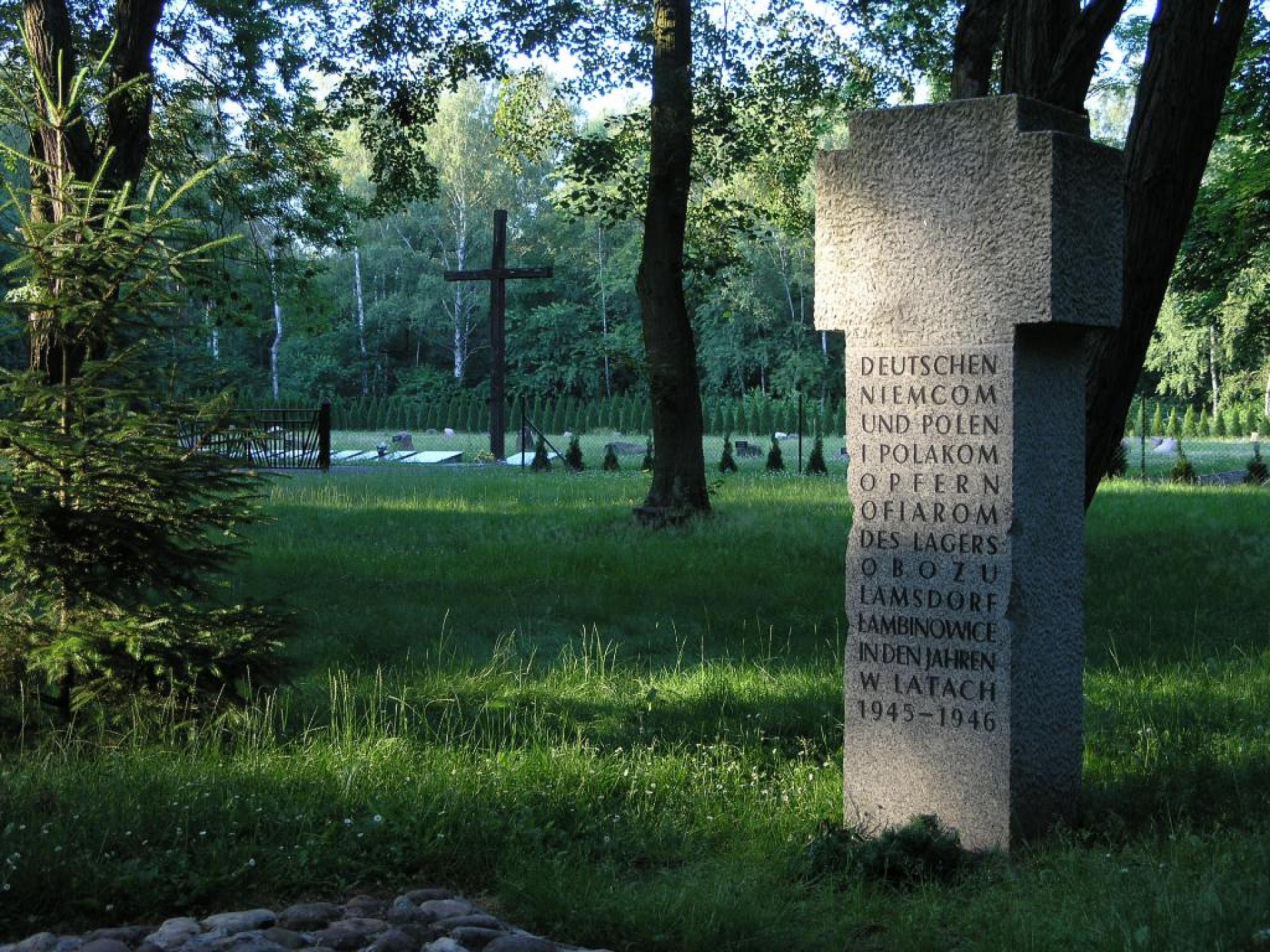
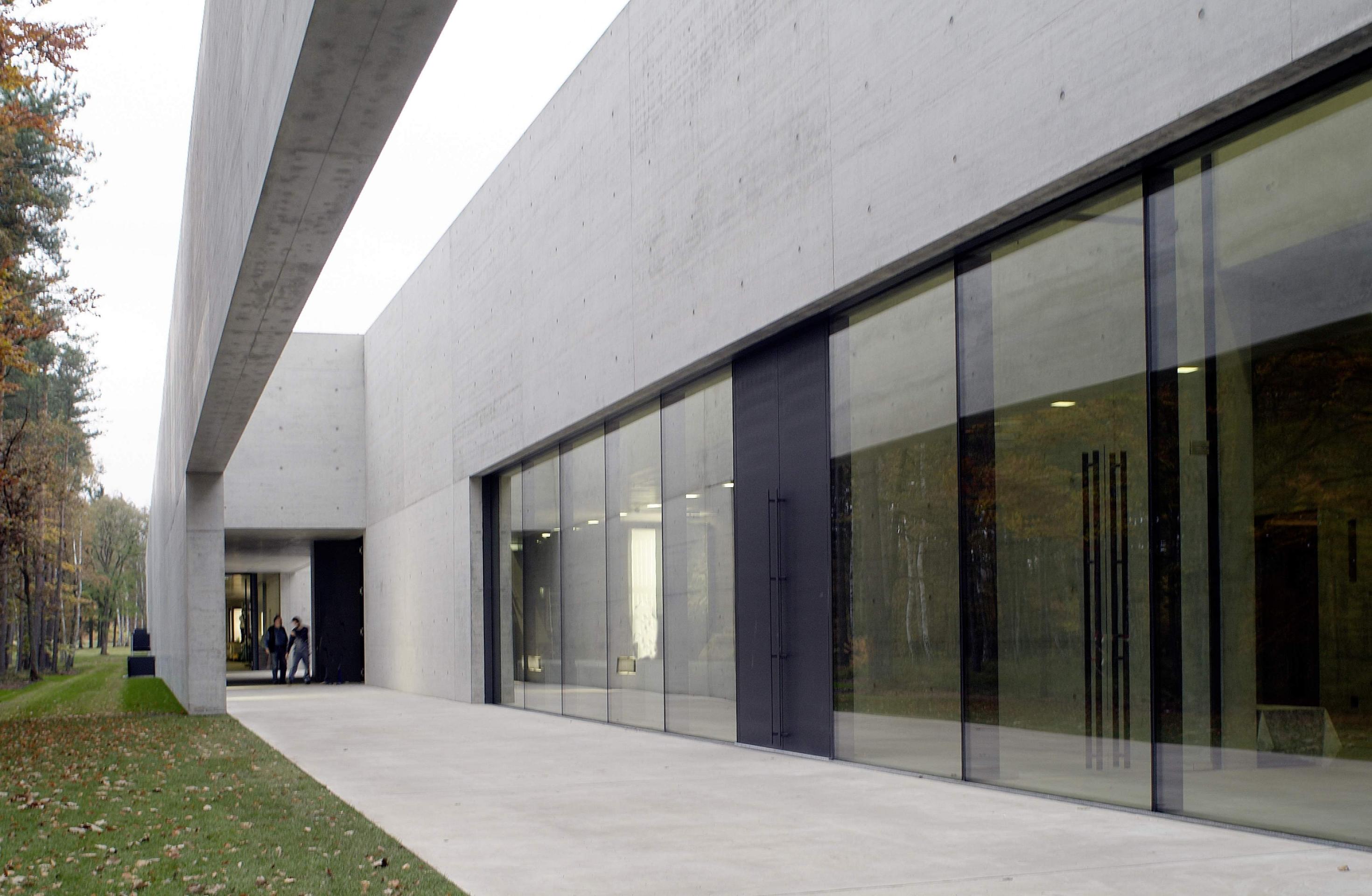
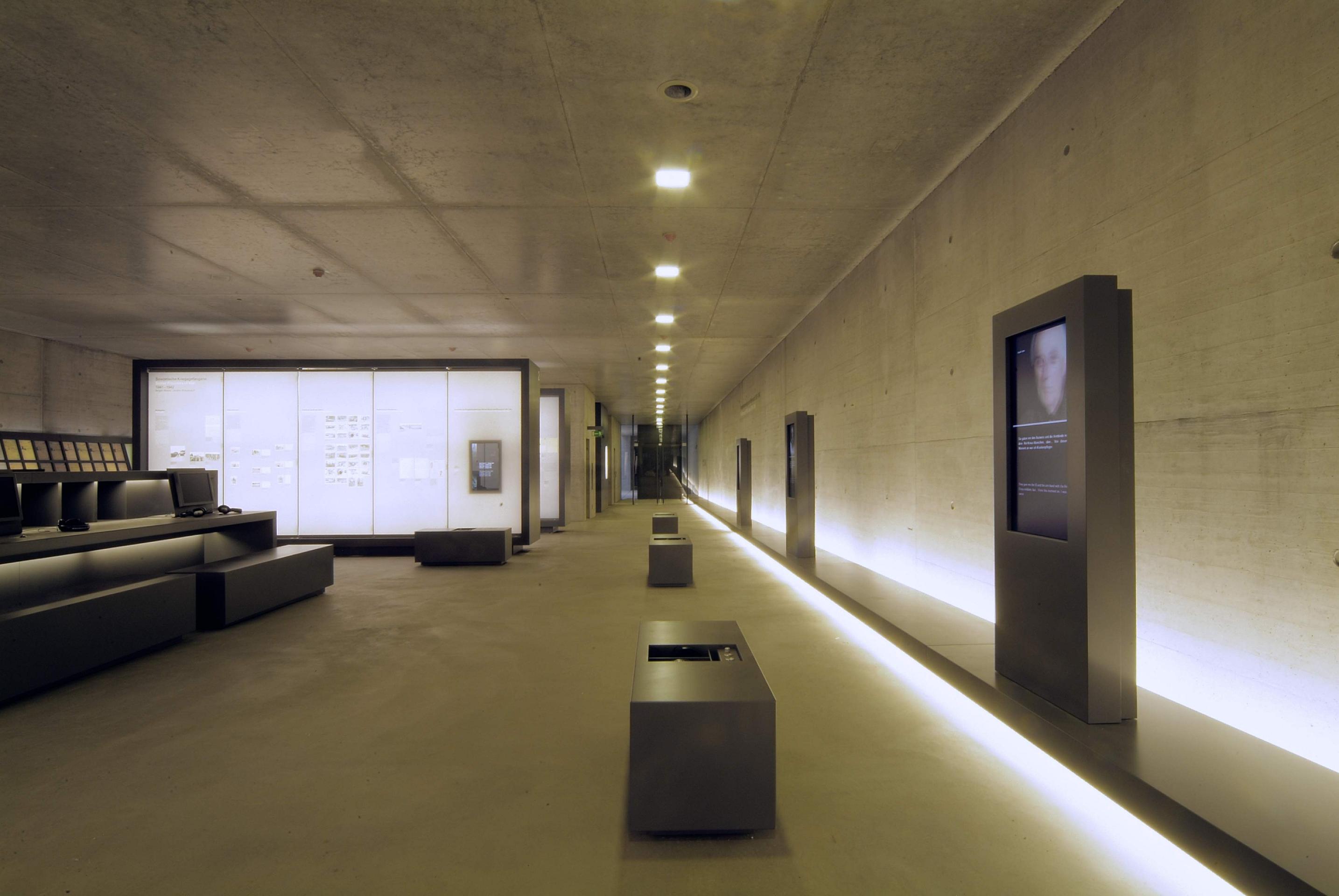
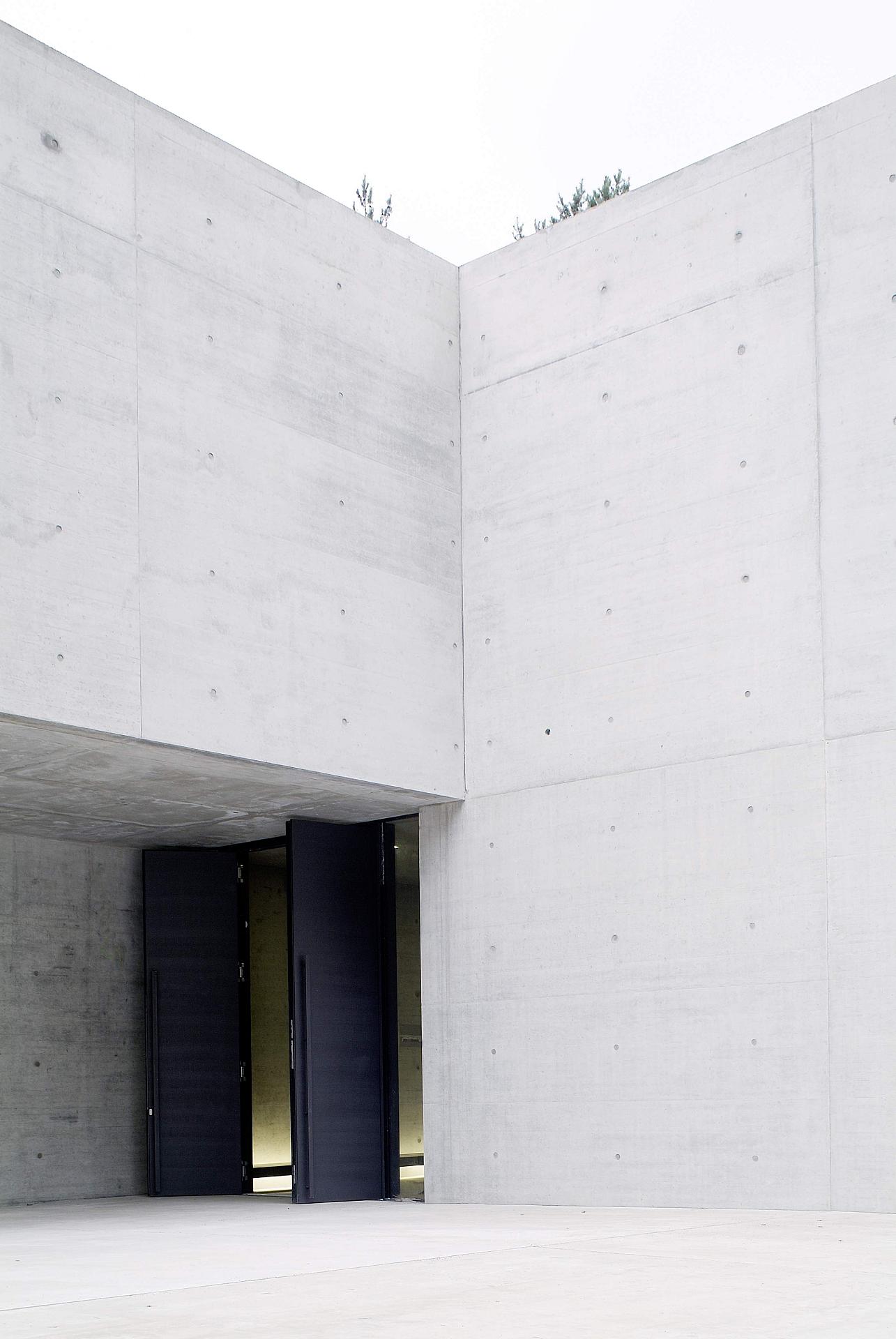
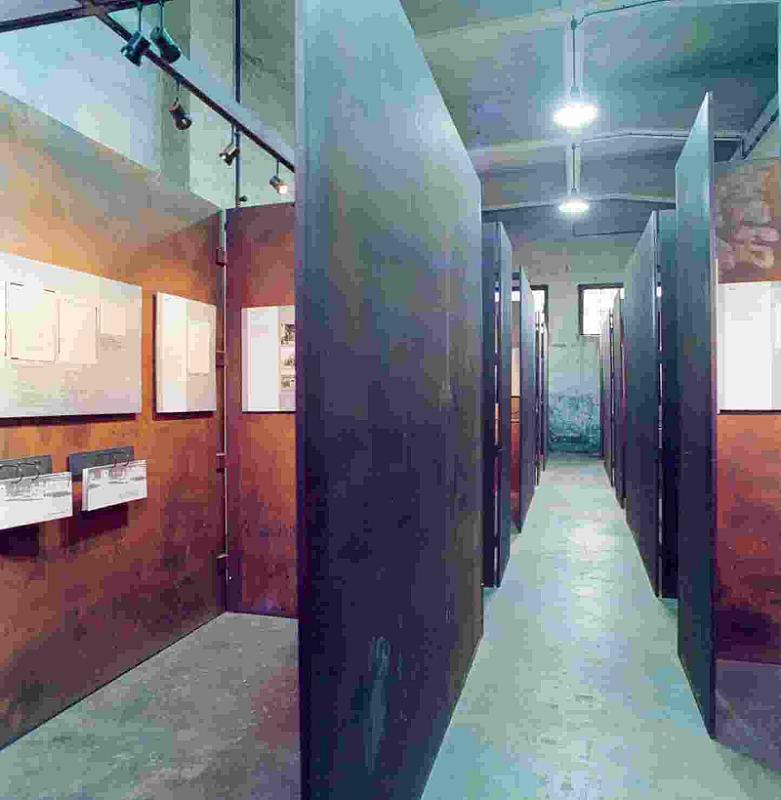
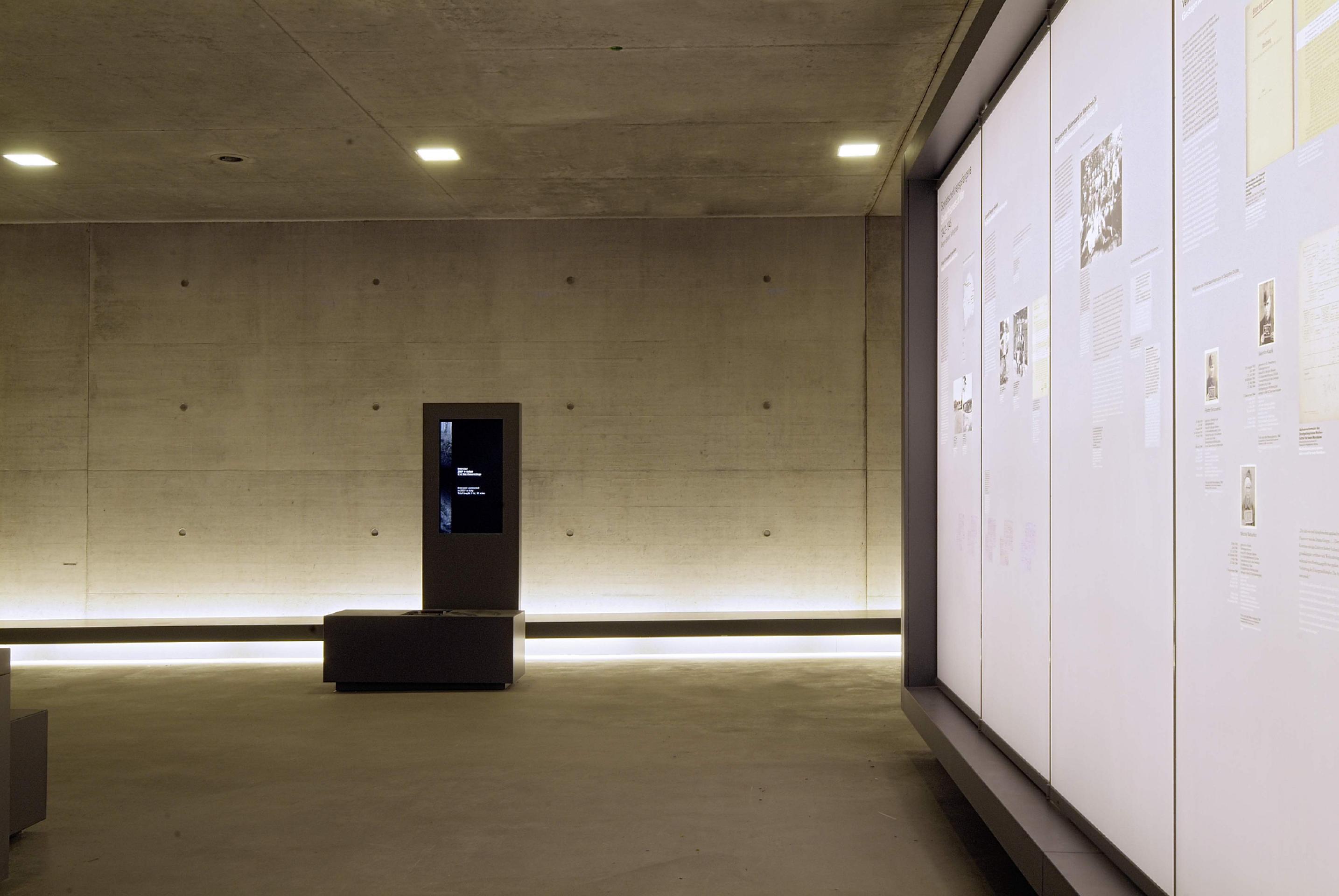
After the camp was liberated by British troops, its structures were temporarily put to a different use: the British Army had to provide for the approximately 55,000 survivors in close vicinity to the front. An emergency hospital with a capacity of about 14,000 beds was set up close to the camp. Despite all efforts, a further 14,000 former concentration camp inmates died shortly after liberation. On May 21, 1945, the entire camp was evacuated and the barracks were burned down - one of the reasons was to prevent diseases from spreading. The former camp inmates, now »displaced persons« (DPs), were accommodated in a camp on the military training area in Bergen-Hohne. From 1946 on, the entire premises became a Jewish »DP camp«. About 12,000 Jews resided here, either waiting to be able to return to their home countries or for emigration permits. In 1946, the survivors set up a monument to the Jewish victims. In the summer of 1950, the »DP camp« was dissolved. The former camp premises were remodelled into a park-like landscape, and a memorial run by the state of Lower Saxony was opened in 1952. A documentation house with a small permanent exhibition was established in 1966; in 1990, a documentation centre and a comprehensive exhibition were inaugurated. In 2000, the House of Silence - a space for commemoration and reflection - was opened. The documentation centre and the permanent exhibition were redesigned and reopened in 2007. The extended exhibition now also contains information on the POW camp and the »DP camp«.
Possibilities
Guided tours, study days, international youth work camps, German-Israeli youth meetings, library
Open
April to September: 10.00 a.m. to 6.00 p.m.
October to March: 10.00 a.m. to 5.00 p.m.
Closed on December 24, 25, 26 and 31 as well as on January 1.
Contact
Bergen-Belsen@stiftung-ng.de
+49(0)5051 475 9-0
Anne-Frank-Platz
29303 Lohheide