The Blue House in Breisach pays tribute to the Jewish history of the city and the fate of the Jews murdered in the Holocaust.
History
Breisach am Rhein was founded in 1185. Through the centuries its rulers changed frequently. The Habsburgs had the town expanded into a fortress at the beginning of the 16th century and the town was also of great strategic importance to the French King Louis XIV in the 17th century.
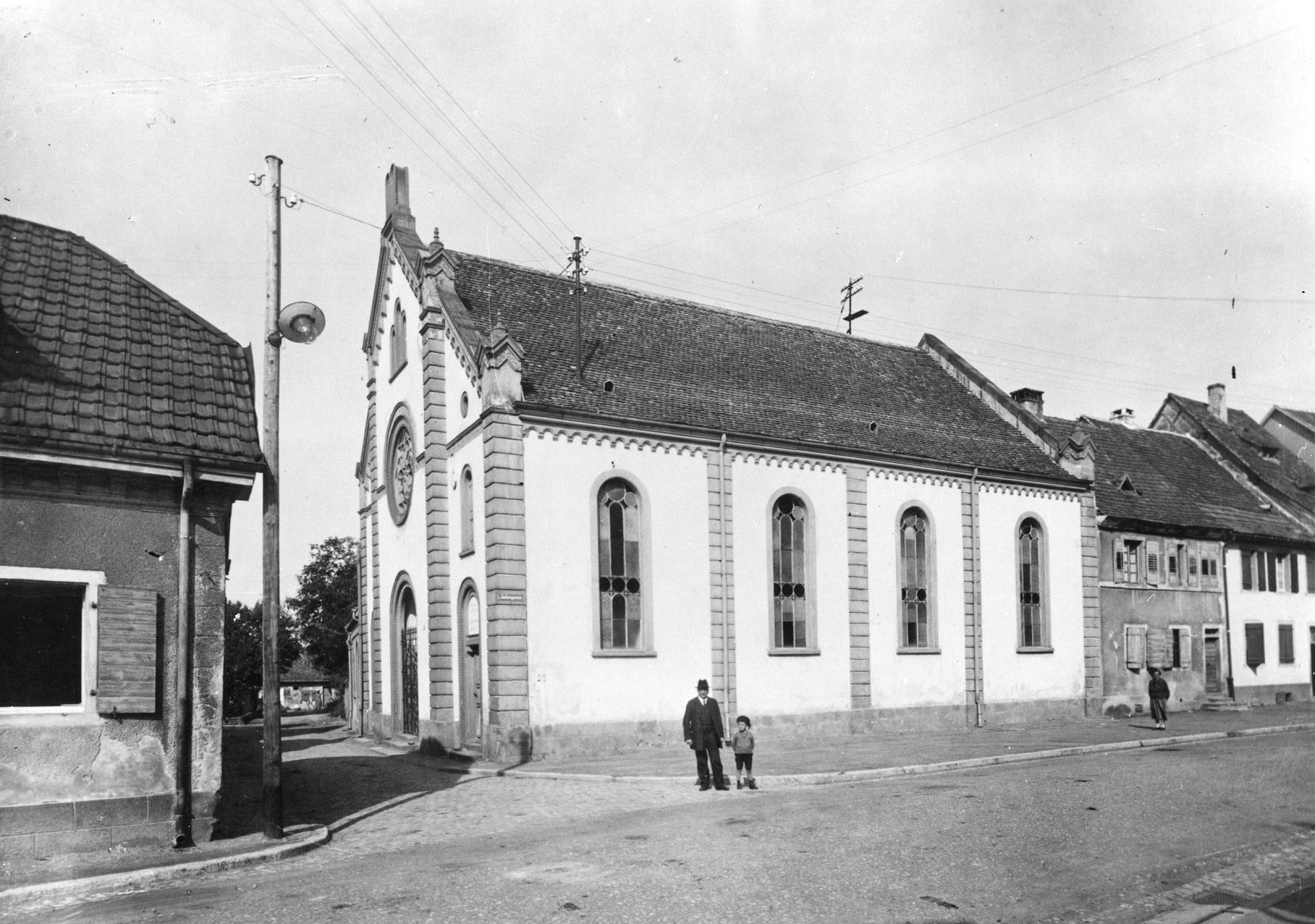
Jews had lived in Breisach in the 14th and the 15th century, not separated from their Christian neighbours. The first community was burned in 1349, the second expelled in 1424. The third community was founded in 1640 during the French occupation and settled on the northern side of the Münsterberg hill. In the 19th century the size and importance of the Jewish community grew again. In 1852, 526 Jews lived in Breisach, which was about one fifth of the total population. Jewish life took place mainly in and around the »Judengasse« (»Jewish Lane«). The community maintained a synagogue, an elementary school, a mikvah for ritual bathing, a community centre and two cemeteries. Jews participated more and more in the social life of the city.
When the Nazis came to power in 1933, 231 Jews were living in Breisach. During the November pogroms in 1938, SA men from Freiburg and Breisach raged in the city. The synagogue was destroyed and about 30 Jewish men were deported to the Dachau concentration camp where they were imprisoned for several weeks. Before and after these events, the majority of Jewish families from Breisach emigrated until 1940.
In June 1940 the German Wehrmacht defeated France. The neighbouring region of Alsace was annexed to the German Reich. Shortly afterwards the authorities deported the Jews, who had just returned after having been evacuated, from Breisach to Alsace. There they were placed in a psychiatric institution in Rufach (French: Rouffach). After one month they were able to return to Breisach. On October 22 and 23, 1940 all Jews from the Saar-Palatinate and Baden, including those from Breisach, were deported during the »Wagner-Bürckel-Aktion« to southern France and imprisoned in a camp run by French authorities in Gurs. This »Aktion« was the first major deportation of Jews from the German Reich. Most deportees died in Gurs or were later deported to the Auschwitz-Birkenau extermination camp and murdered there.
Victims
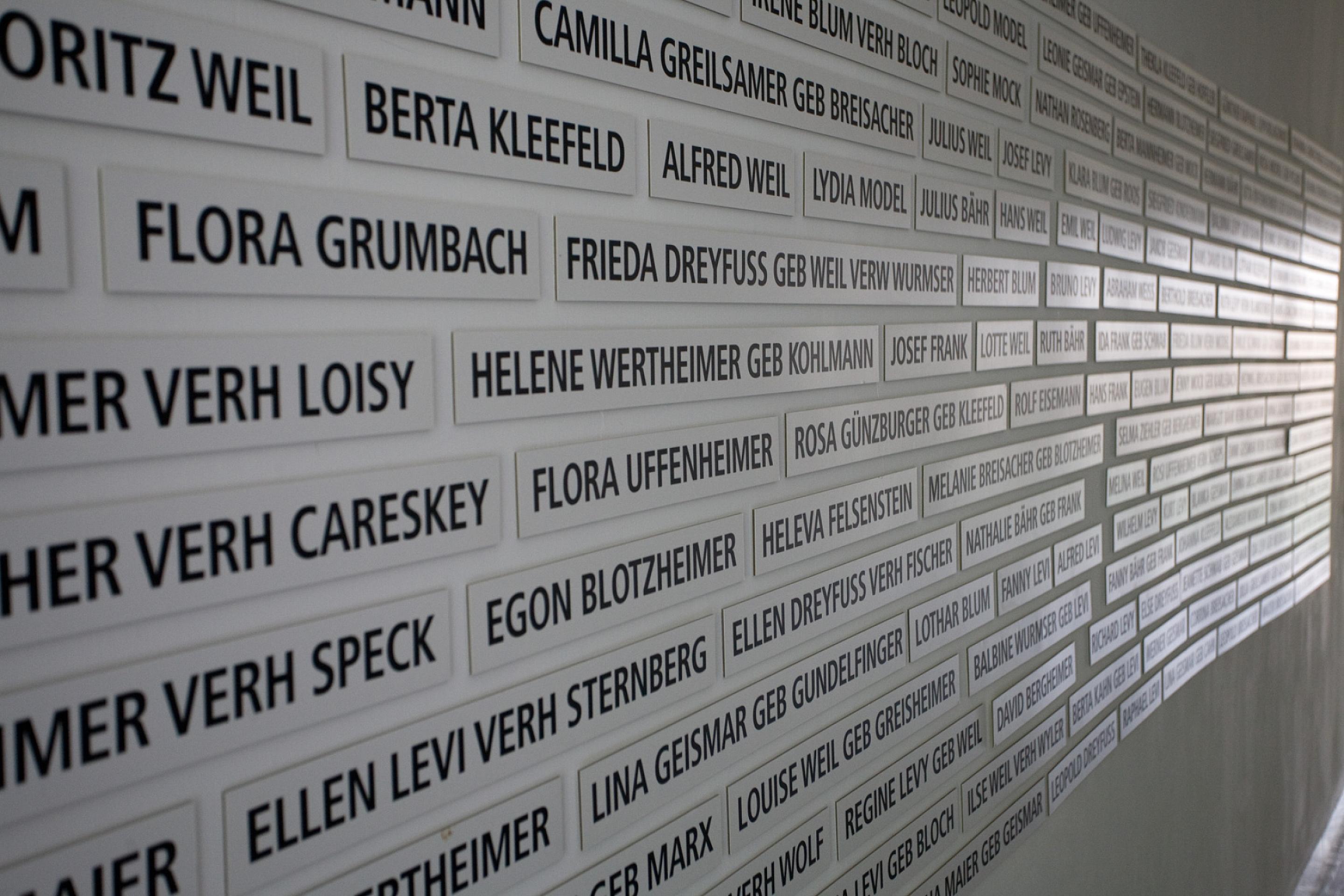
More than 120 Jews known by name from Breisach am Rhein were murdered in the Holocaust.
Remembrance
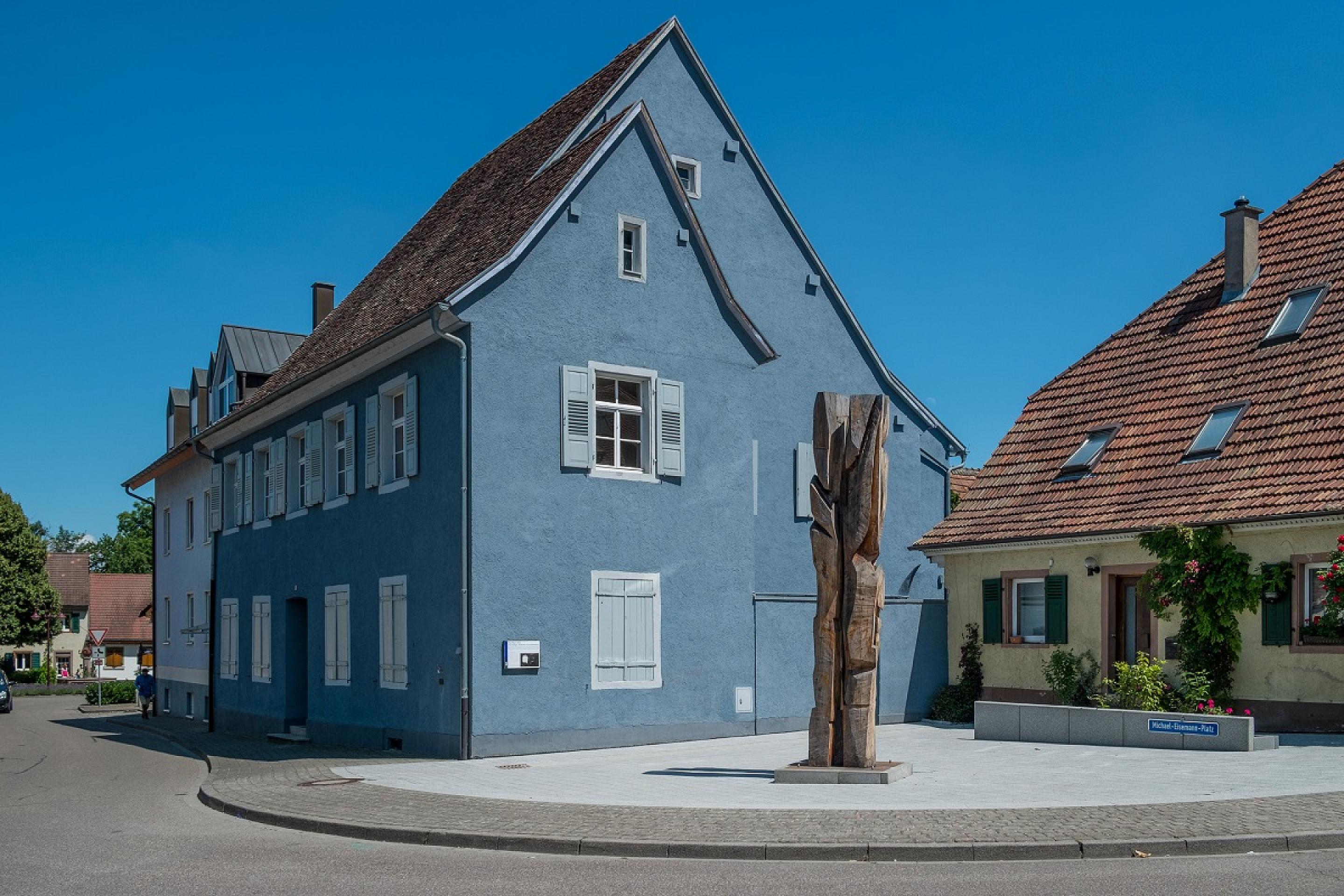
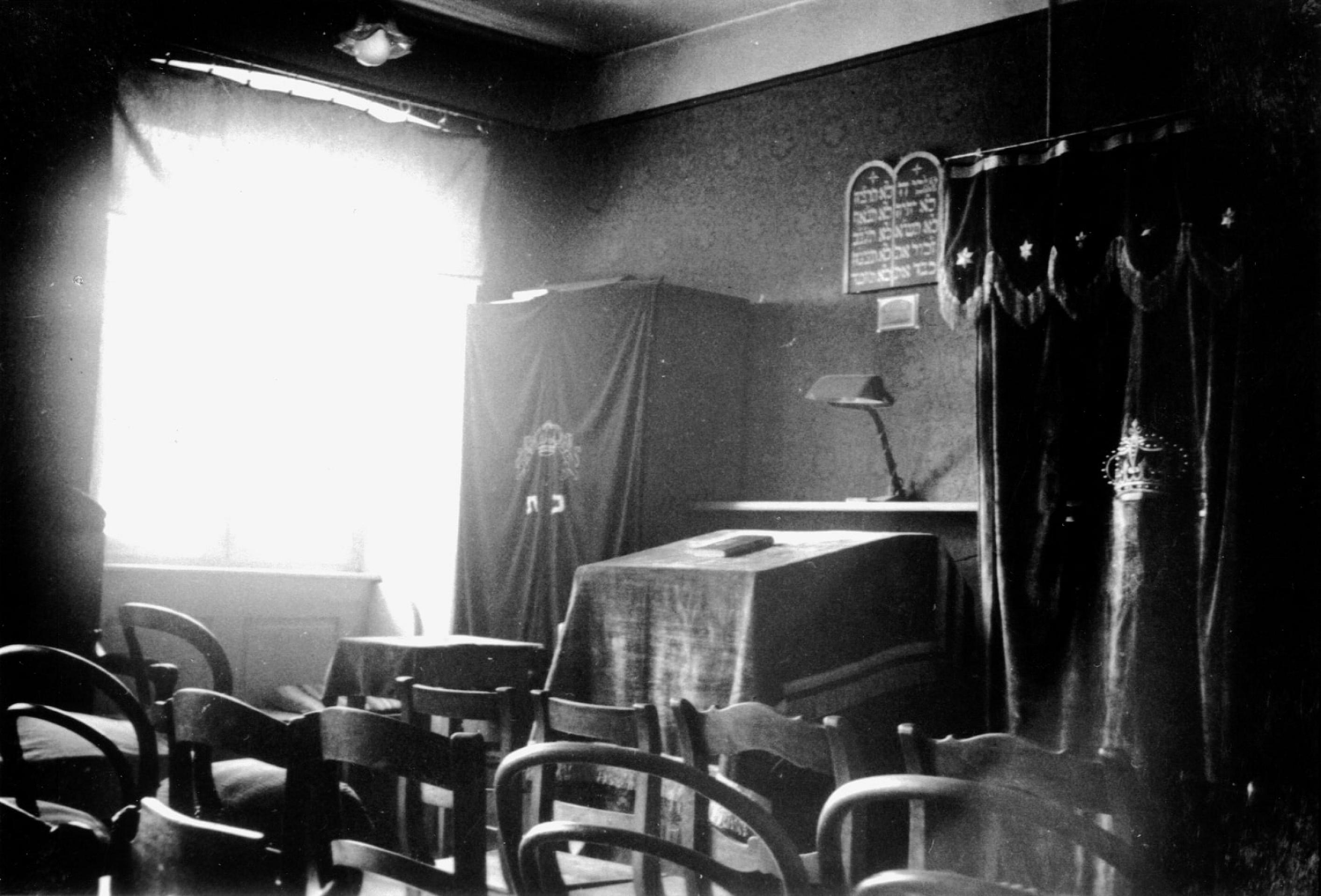
The Blue House in the former Jews Lane is considered one of the oldest buildings in Breisach, its foundations are based on the medieval city wall. In 1829, the Jewish community acquired the house, until then used as an inn, in order to establish a school there. The school existed until 1876. In the 20th century the building served as a community centre, the cantor also had his home here. After the synagogue was destroyed in November 1938, the community used one of the rooms as a prayer room. After the deportation of the Jews from Breisach, a company from Freiburg used the building as a workshop for military products. In 1953 the house was returned to the Jewish Community. In 1955 it was sold to Selma Ziehlel, the sole Jewish person to have survived the Holocaust in Breisach.
In the 1980s and 1990s, interest in the city's Jewish history grew. In 1998 a new memorial was erected on the site where the synagogue had stood until 1938, the square in front of it was renamed Synagogue Square a year later, while the street name Rheintorstraße was supplemented by »Former Jewish Lane«. At the renaming ceremony, Holocaust survivors were present.
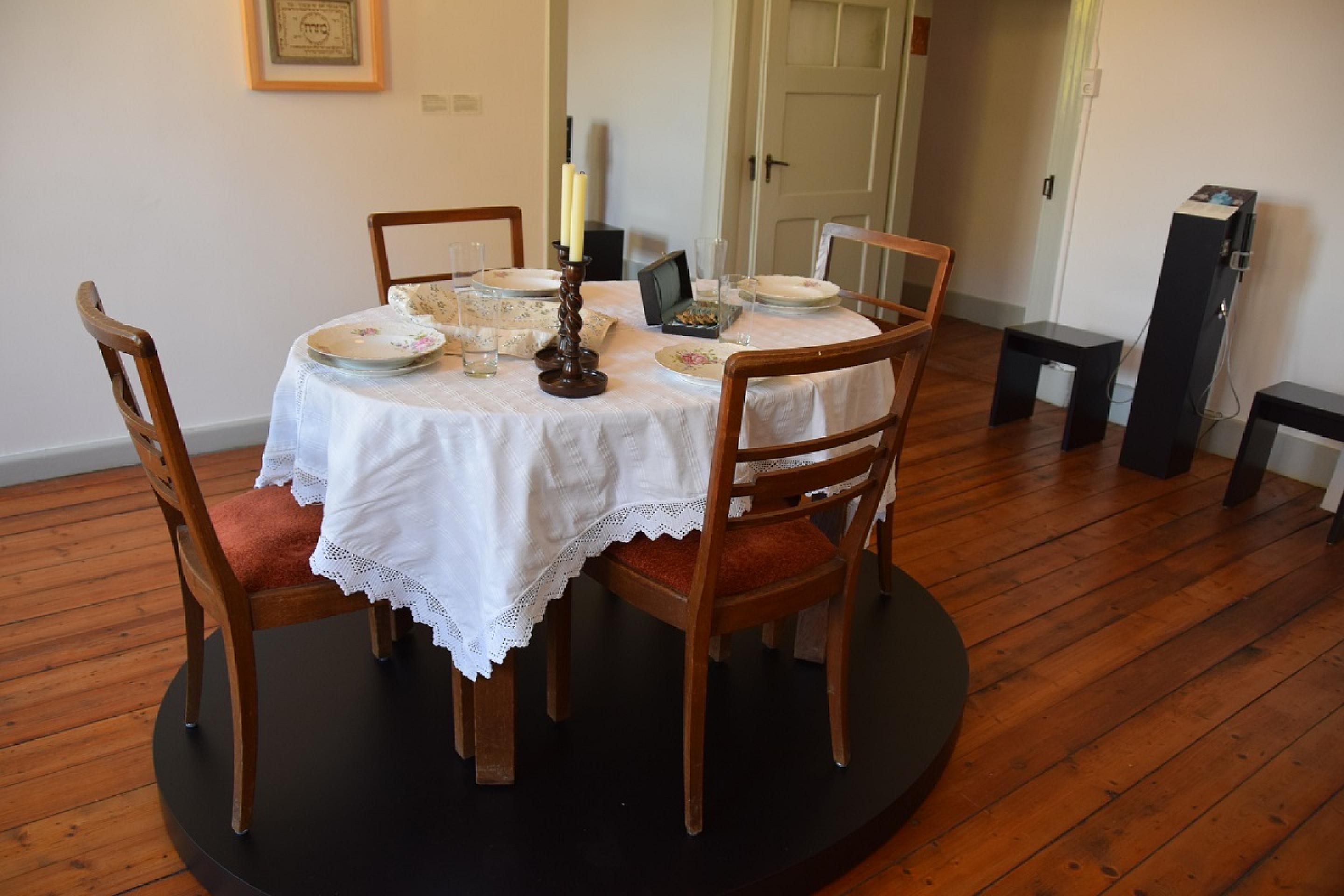
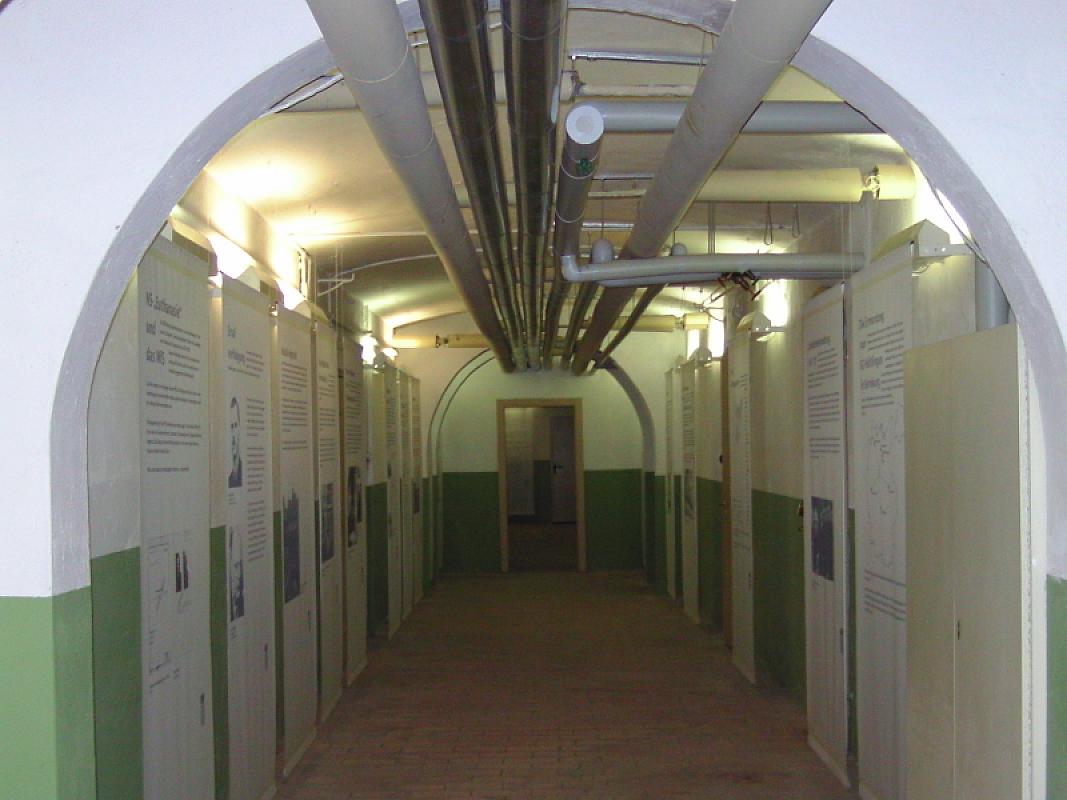
The Förderverein Ehemaliges Jüdisches Gemeindehaus Breisach e.V. (Association of the Former Jewish Community Center Breisach), which was founded in 1999 specifically for this purpose, acquired the Blue House in 2000 in order to save the building from decay and to establish a memorial and educational centre dedicated to the Jewish history of Breisach and the Upper Rhine region. In the following years the house was extensively renovated. Only during this renovation was the façade painted blue. Today the house is an educational centre and meeting place. On the upper floor, in the former living quarters of the cantor and his family and the prayer room, there is a permanent exhibition entitled »Jewish Life in Breisach 1931«. In the »Path of Remembrance«, the names of all members of the Jewish community in 1933 are affixed to the wall. The house also hosts a library.
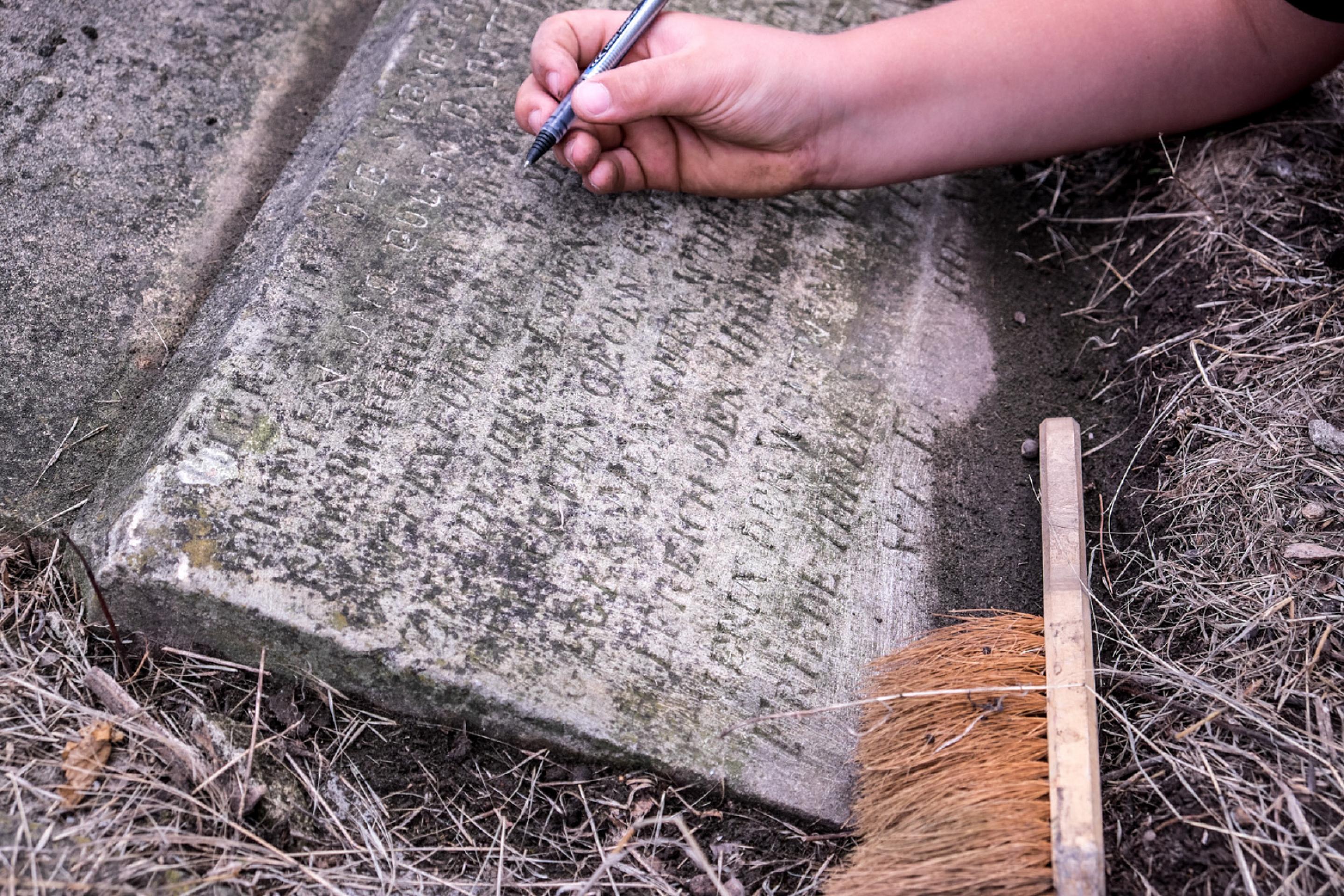
Behind Synagogue Square there is the Old Jewish cemetery used between 1755 and 1870. The New Jewish Cemetery (1870–1993) is at Isenberg hill. The oldest Jewish burial site (in use from 1640 to 1755) is in the forest near Mackenheim in Alsace across the French border.
Possibilities
Permanent exhibition, library, educational offers (guided tours, workshops, project days) for schools, guided tours and events for adults
Open
Permanent exhibition »Jewish Life in Breisach 1931«: Wednesdays and Sundays 2 p.m. to 5 p.m., further visiting times and guided tours on request. Library: Wednesdays 2 p.m. to 5 p.m.
Contact
https://blaueshausbreisach.de/
info@blaueshausbreisach.de
+49 (0)7667 911 374
Gedenk- und Bildungsstätte das Blaue Haus
Rheintorstr. 3
D-79206 Breisach am Rhein