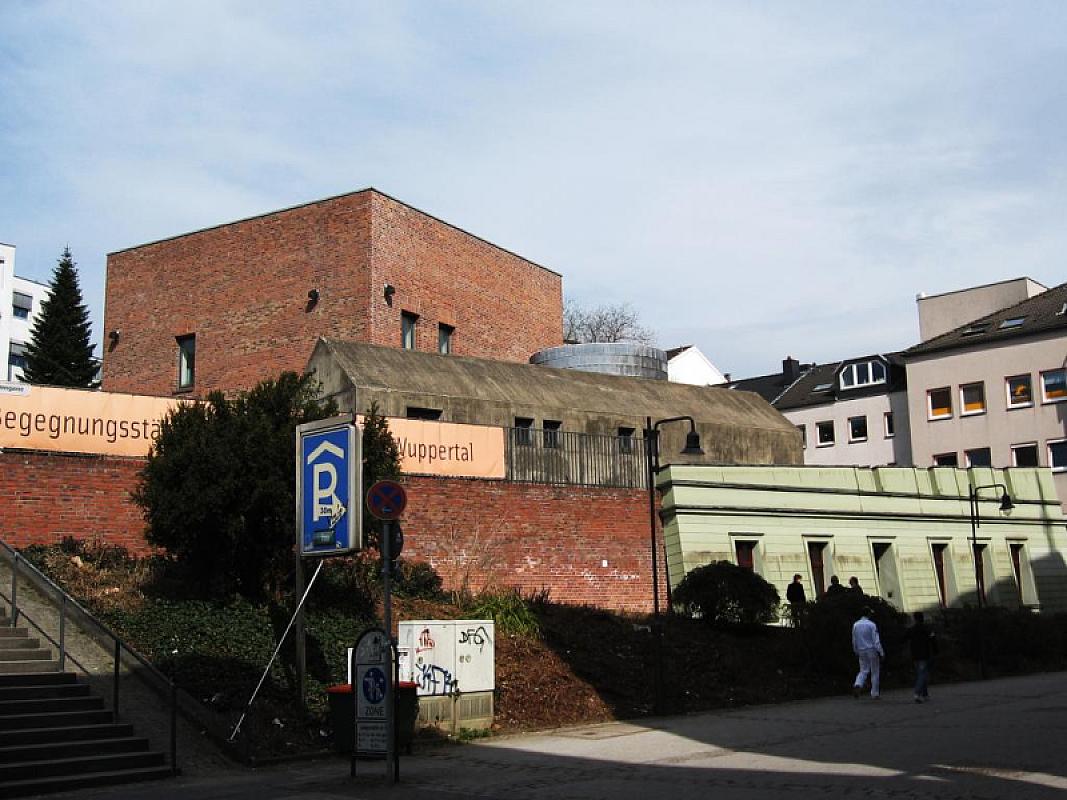
The Danish Jewish Museum was opened in Copenhagen on June 8, 2004. The museum tells the history of Jews in Denmark since the 17th century. The exhibition also commemorates the civil courage of non-Jewish Danes who saved a majority of the Danish Jews by shipping them into neutral Sweden in 1943.
History
Jewish life had been present in Denmark since the beginning of the 17th century. The first Jews were primarily Sephardic Jews from Portugal. Later, many Ashkenazim settled in Denmark. The constitution of 1849 granted the Jews equal rights.
On April 9, 1940, the German Wehrmacht occupied Denmark. There were around 7,500 Jews in Denmark at the time, including 1,500 refugees. The Danish government's policy of cooperation with the occupying forces protected Jews from persecution at first.
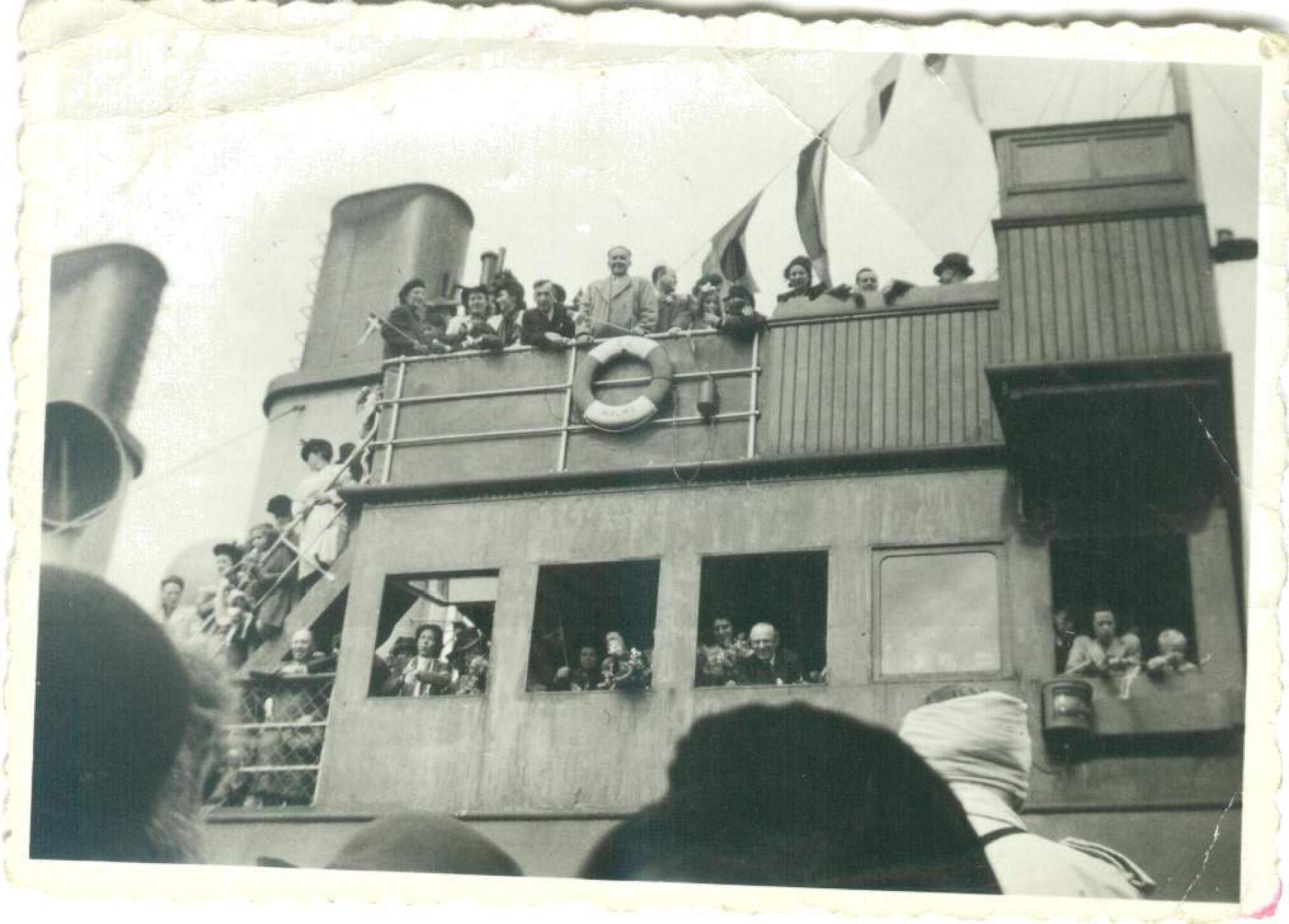
Due to the crisis caused by the increasing strength of the Danish resistance movement, the Danish government resigned in the spring of 1943. The German occupiers declared a state of emergency and began preparations for the deportation of the country's Jewish residents. When this became known in Danish circles, they set in motion a large-scale rescue operation, helping 7,000 Jews escape into neutral Sweden. However, 481 Jews were arrested by German policemen and deported to Theresienstadt. 53 perished there.
Victims
The museum is dedicated to the 481 Jews deported from Denmark to Theresienstadt, but it also presents a general history of Jewish life in Denmark.
At the start of the German occupation in April 1940 there were 7,500 Jews living in Denmark, of whom 1,500 were refugees. The government in Copenhagen saw no choice but to cooperate with the German occupying forces and sections of the population also collaborated. However, the German occupiers assured the Danes that they would refrain from attacks on the Jewish population. The number of Danish volunteers in the Waffen SS was initially much greater than the number of Danish resistance fighters. A quarter of these volunteers were members of the German-speaking minority in North Schleswig. The Danish underground movement increasingly gained strength from spring 1943 onwards. Strikes and acts of sabotage led to tension between Danes and Germans. Faced with fresh demands from the occupation administration, the Danish government resigned in August 1943. Werner Best (1903–1989), German Plenipotentiary in Denmark, declared a state of emergency and proposed to the leaders in Berlin that the Danish Jews be deported. The Danes became aware of these plans. With broad support from the population, 7,000 Danish Jews subsequently managed to escape to Sweden between September and November 1943. Around 480 Jews who were unable to flee were arrested by German police and deported to the Theresienstadt ghetto. 52 of them did not survive. A total of 116 Jews died as a result of the German occupation.
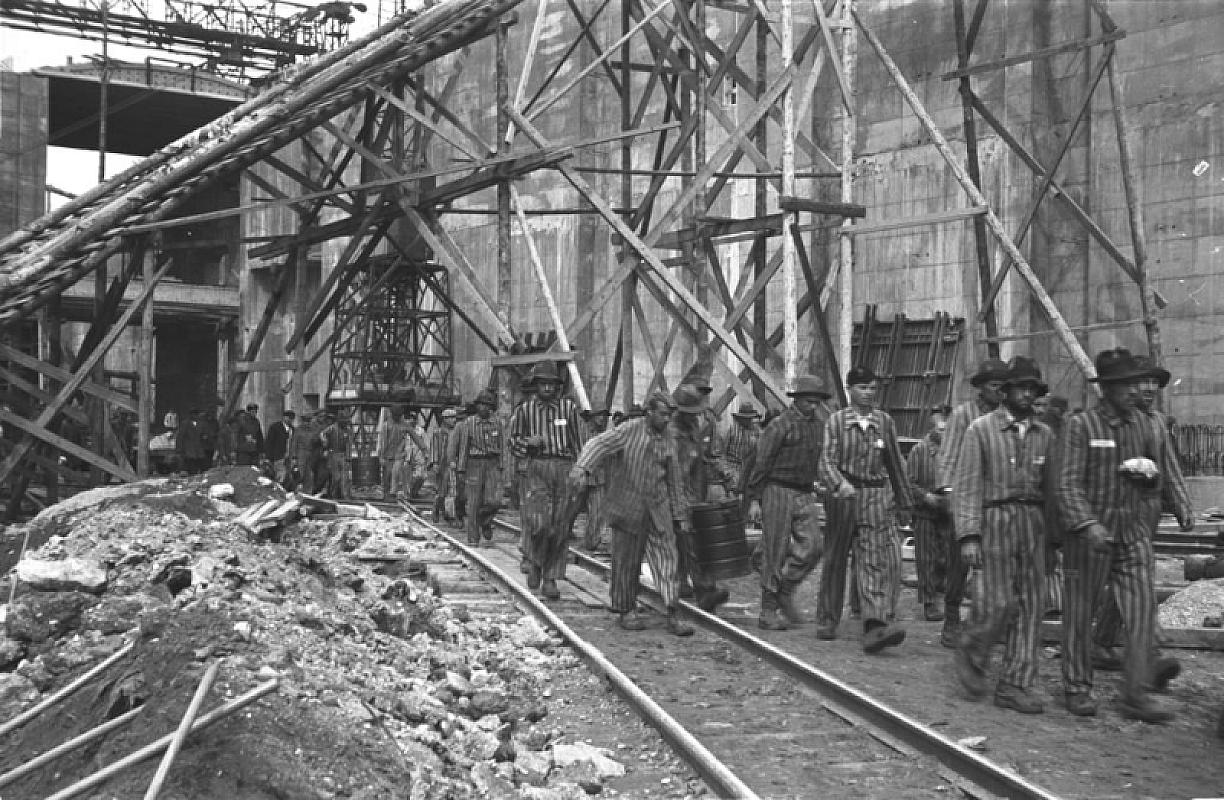
From 1944 onwards, members of the resistance were deported primarily via the Frøslev detention camp in southern Denmark to the German concentration camps at Neuengamme, Sachsenhausen, Dachau and Ravensbrück. Around 900 Danish resistance fighters were executed, lost their lives during acts of sabotage, raids or targeted killings, or died in German camps. Around 6,300 Danes out of a then population of around four million died as a result of the war.
For a long time, Danish memory of the Second World War was dominated by the resistance and a unilateral hostility towards the Germans. This is still reflected in the culture of remembrance. The main sites of memory are the »Frihedsmuseet« (Liberation Museum) in Copenhagen, founded in 1957 and dedicated to the resistance; the museum established in 1965 on the site of the former Fröslee detention camp; and the national Memorial Park to the »The Fallen Danish Resistance Fighters« in Ryvangen, inaugurated in 1950. Holocaust remembrance was initially a matter for the Jewish community, but attitudes changed in the 1970s as a result of international interest in the rescue of the Danish Jews. The culture and politics of remembrance in Denmark continue to be characterised by conflicting attitudes towards resistance and collaboration.
Remembrance
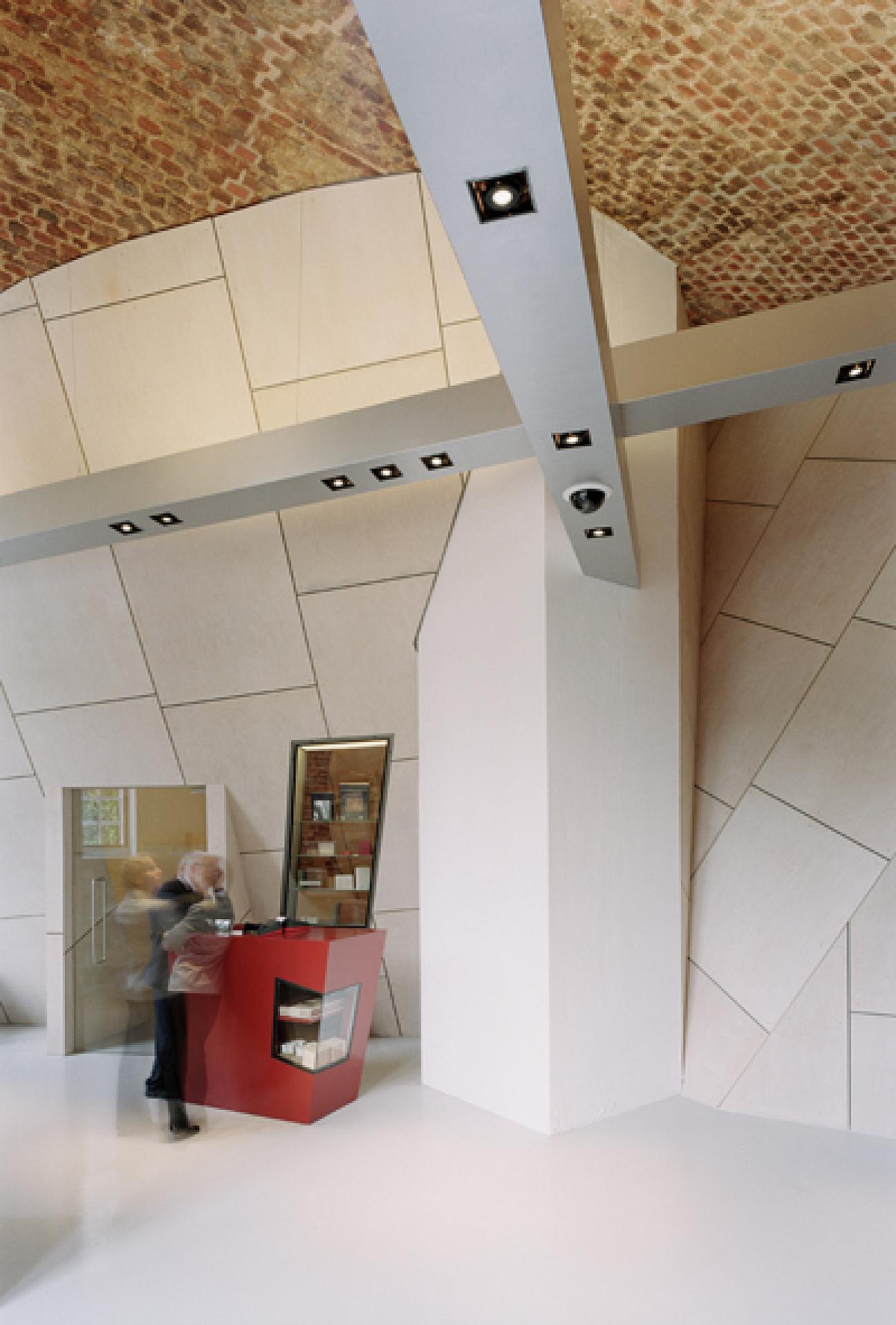
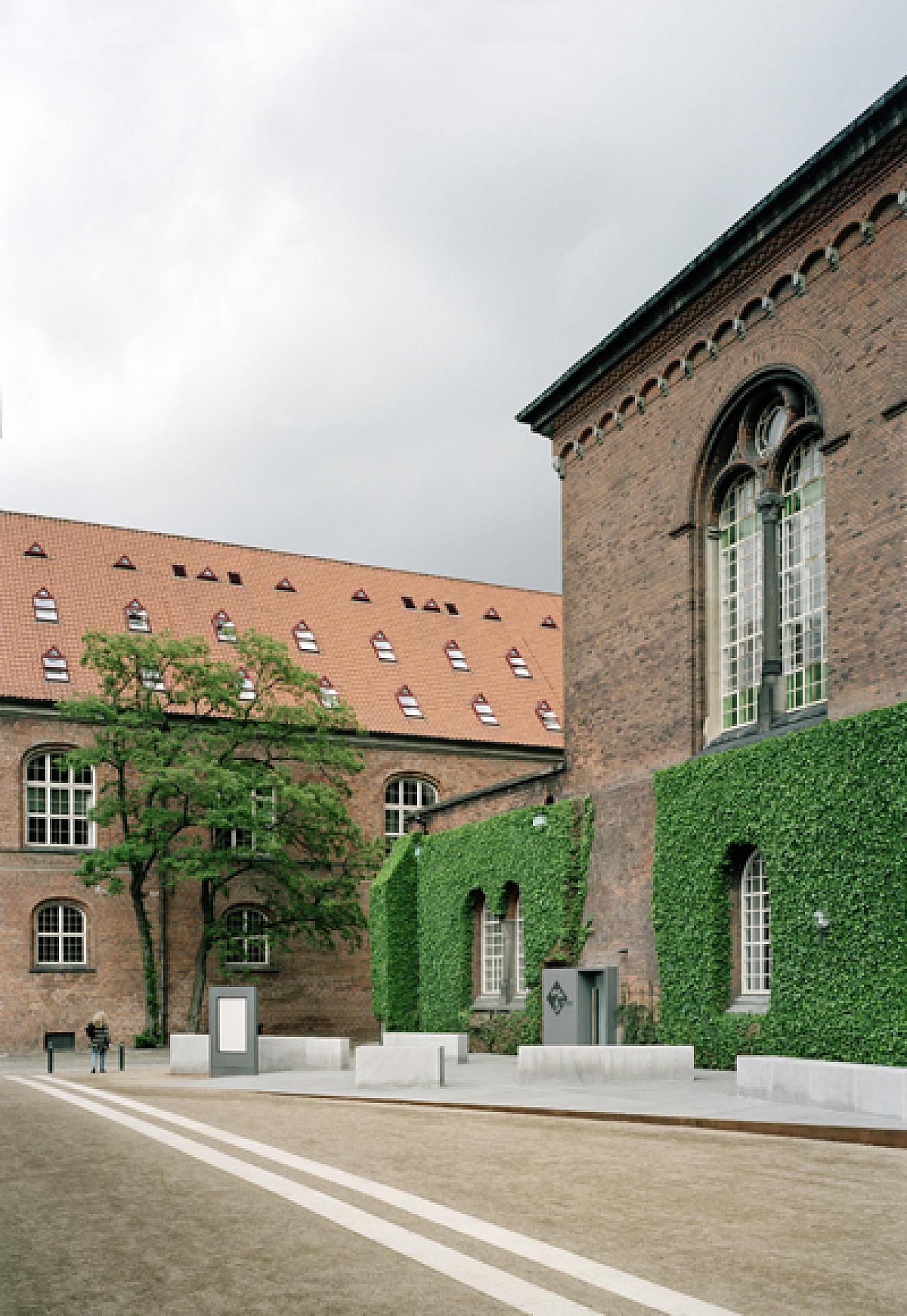
After decades of planning, the Danish Jewish Museum was opened on June 8, 2004. The museum is located in the old Royal Library. Torah scrolls, artistic craftwork and manuscripts were hidden here during the war.
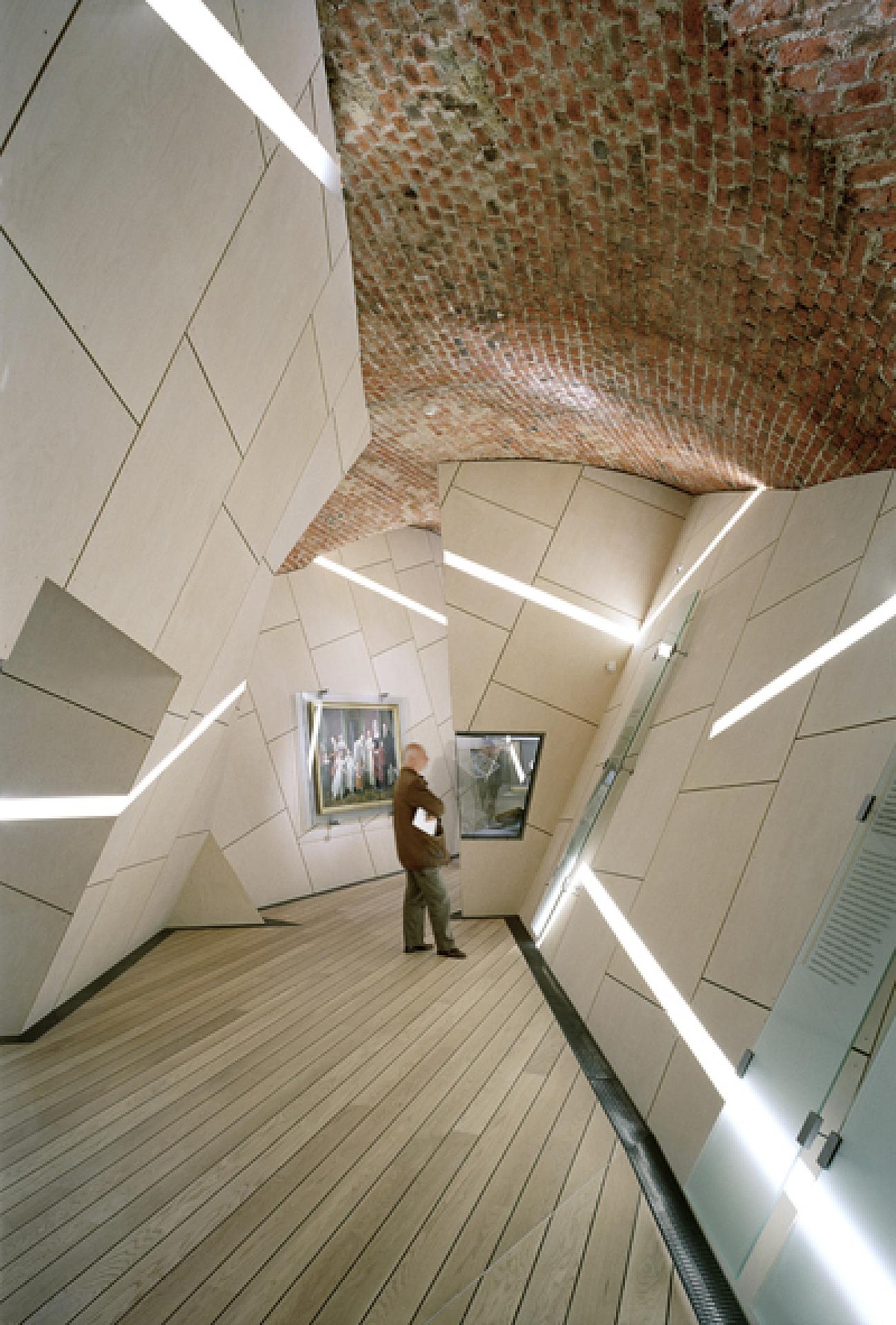
Daniel Libeskind designed the contemporary interior of the Museum. The Hebrew word »Mitzvah« is literally stamped on the groundplan of the building's angular and winding architecture. »Mitzvah« - meaning a good deed - refers to the rescue of around 7,000 Jews from Denmark. Today, the Museum is considered the national centre for Jewish history, culture and art in Denmark. The permanent exhibition presents 400 years of Jewish-Danish history in five sections.
Possibilities
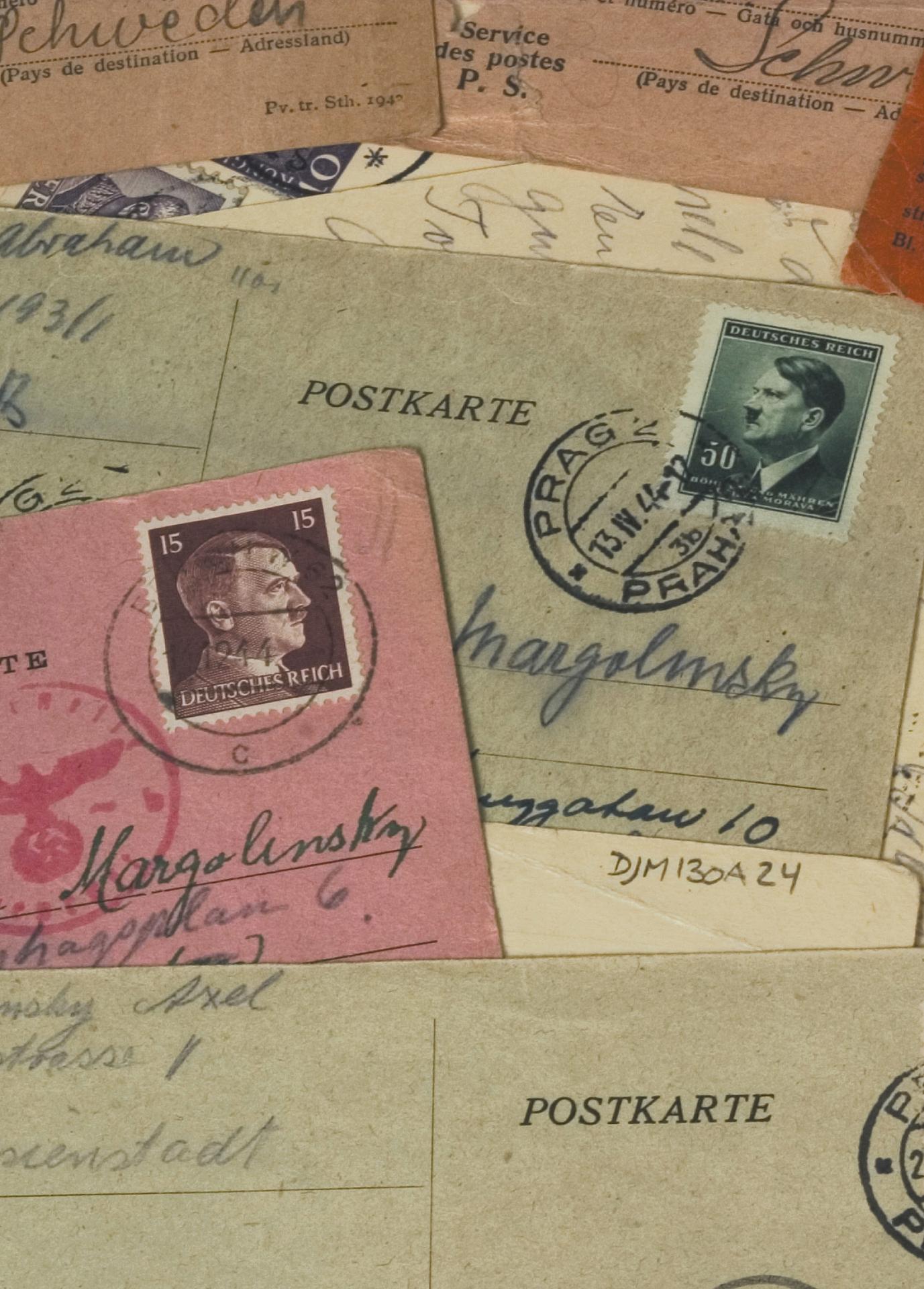
Exhibitions, guided tours, events, newsletter, library, during the summer months guidedcen tours of Jewish Copenhagen and Jewish cemetaries
Open
June to August: Tuesday to Sunday 10 a.m. to 5 p.m.;
September to May: Thursday 12.30 p.m. to 6.30 p.m., Friday to Sunday 12 p.m. to 5 p.m., Monday to Wednesday closed