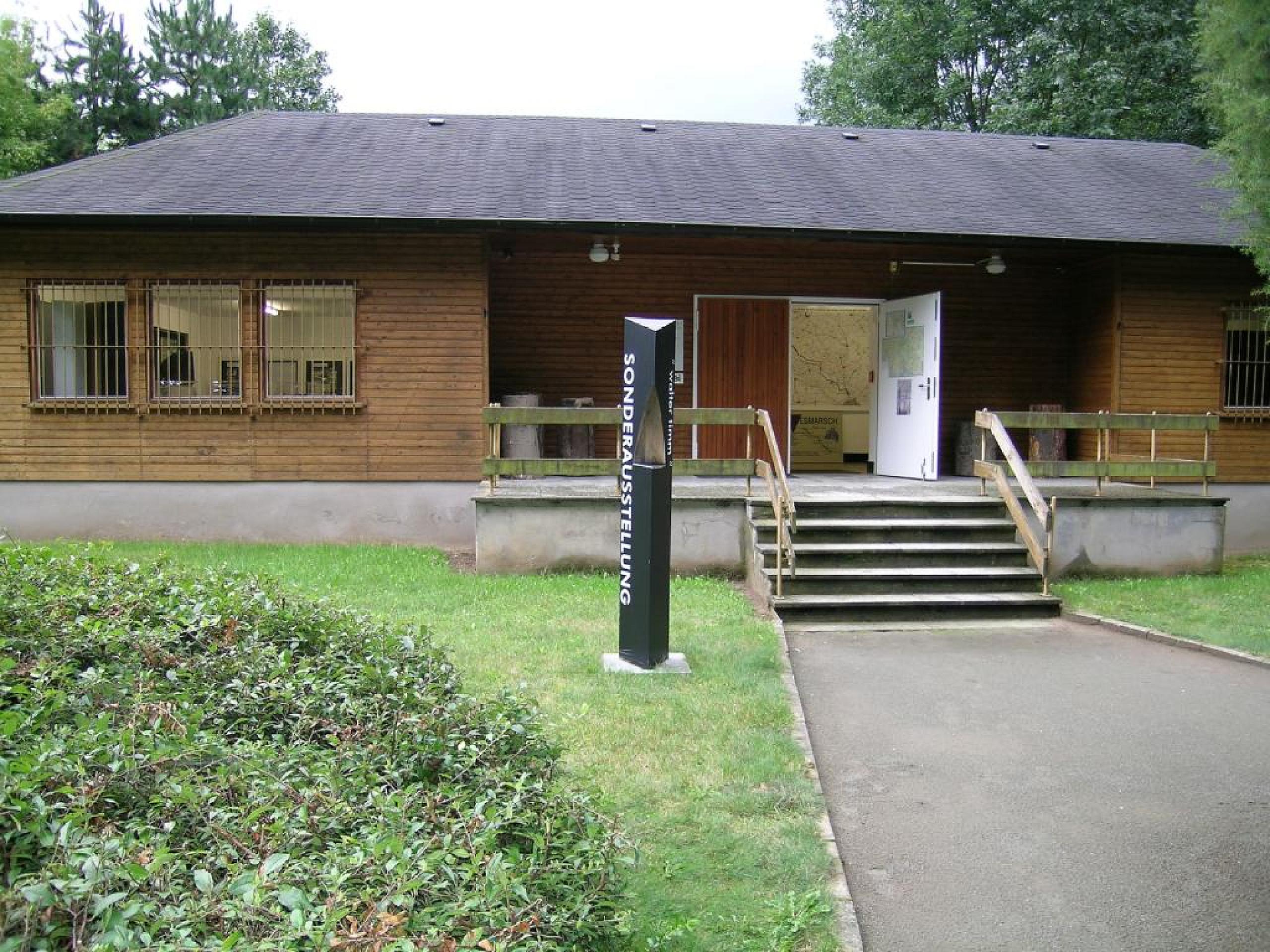
The Death March Museum in the Below Forest is situated in the north of Brandenburg close to Wittstock. Its exhibition commemorates the death march of the prisoners from Sachsenhausen concentration camp. In April 1945, many of them had to camp in the Below Forest on their way to the north-west of the German Reich.
History
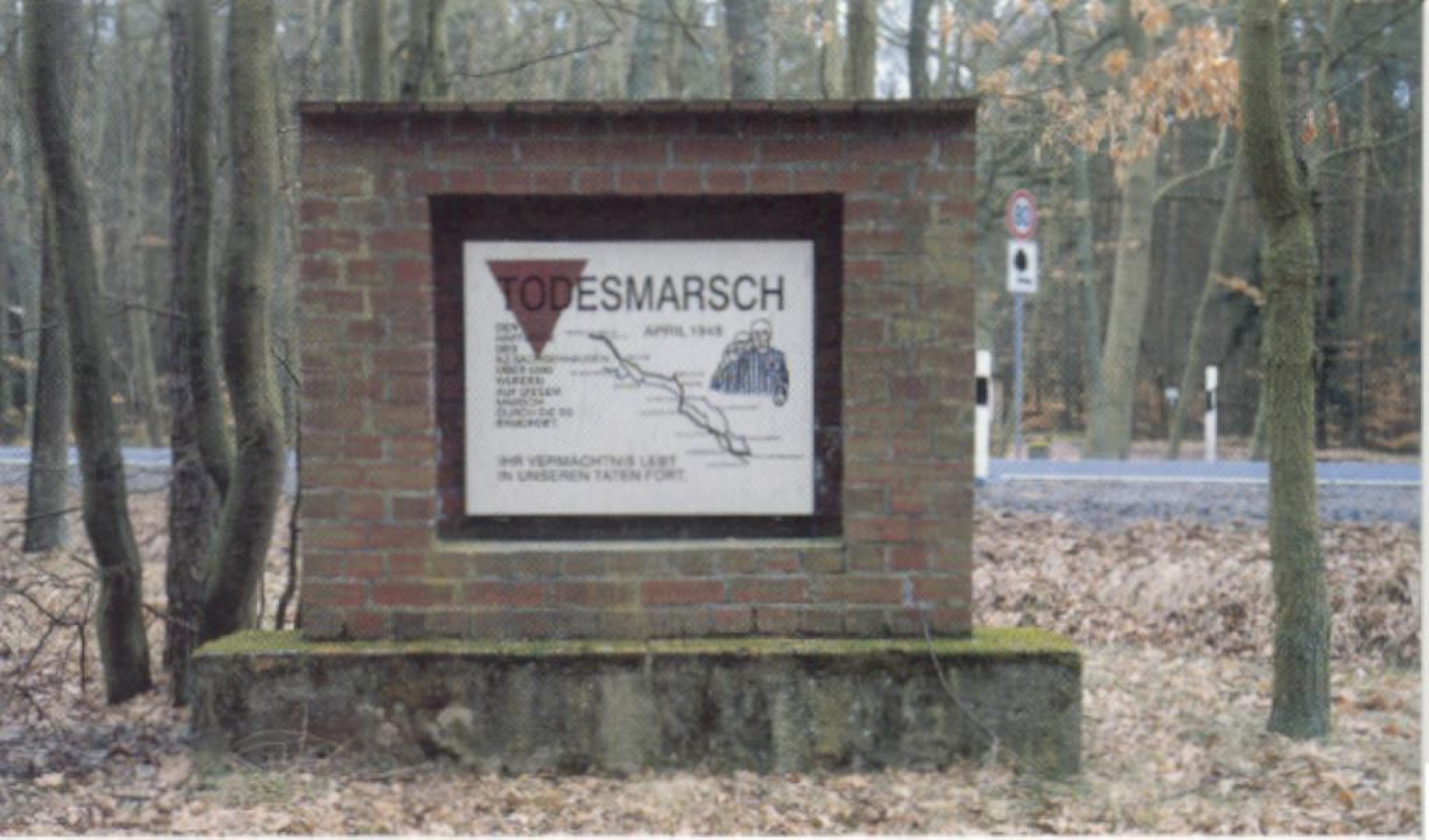
In 1944, the Reichsführer-SS Heinrich Himmler ordered the evacuation of all concentration camps. None of the prisoners were to fall into the hands of the Allies alive and give testimony about the conditions in the camps. On April 21, 1945, the SS began evacuating Sachsenhausen concentration camp and its sub-camps. Over 33,000 prisoners had to head towards the Baltic coast, marching in columns. According to statements of the last camp commander of Sachsenhausen concentration camp, Anton Kaindl, they were to be laden onto ships in the Bay of Lübeck and sunk in the Baltic Sea. Between 16,000 and 18,000 prisoners were forced to camp in the Below Forest after days of marching. From April 23 until April 29, they had to reside in makeshift shelters and dugouts. In order not to starve, the exhausted men ate herbs, roots and tree bark found in the forest. Female prisoners from Sachsenhausen had to stay at a barn close-by. On April 29, the SS forced the prisoners to continue their march north-west. A few days later, Allied forces liberated the prisoners not far from Schwerin, after most of the SS guard troops had defected.
Victims
The prisoners who had to take part in the death march at the end of April 1945 came from all over Europe. Soviet and Polish prisoners were the largest groups in the Sachsenhausen concentration camp. Apart from German and other resistance fighters there were thousands of Jews, Sinti and Roma, homosexuals, forced labourers and prisoners of war in the camp. Thousands of prisoners died on the death marches following the camps evacuation - they died of exhaustion or were shot by the SS while searching for food. 132 prisoners are buried on the cemetery in Grabow, not far from the Below Forest. They had perished in the forest camp or in a close-by emergency hospital.
Remembrance
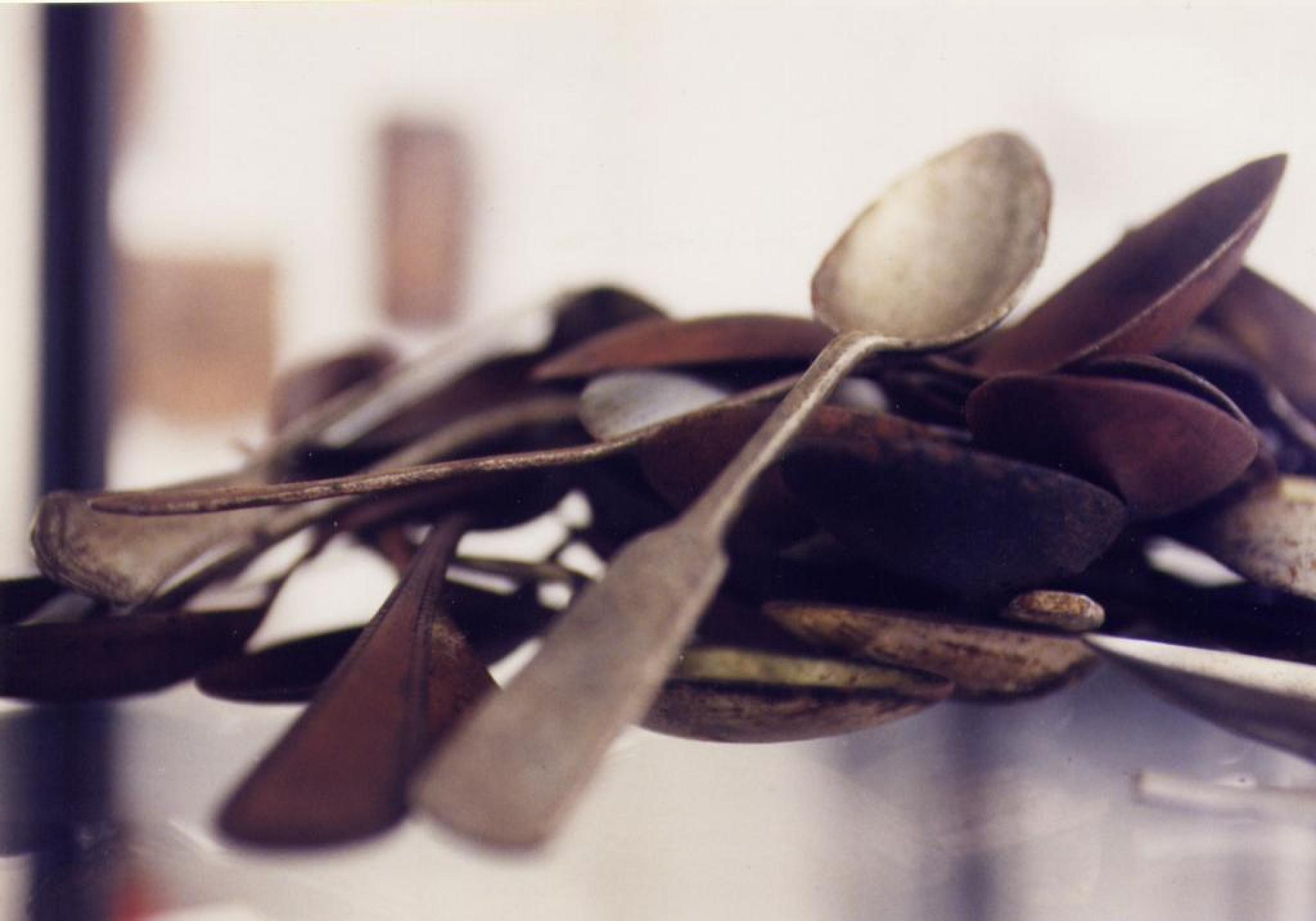
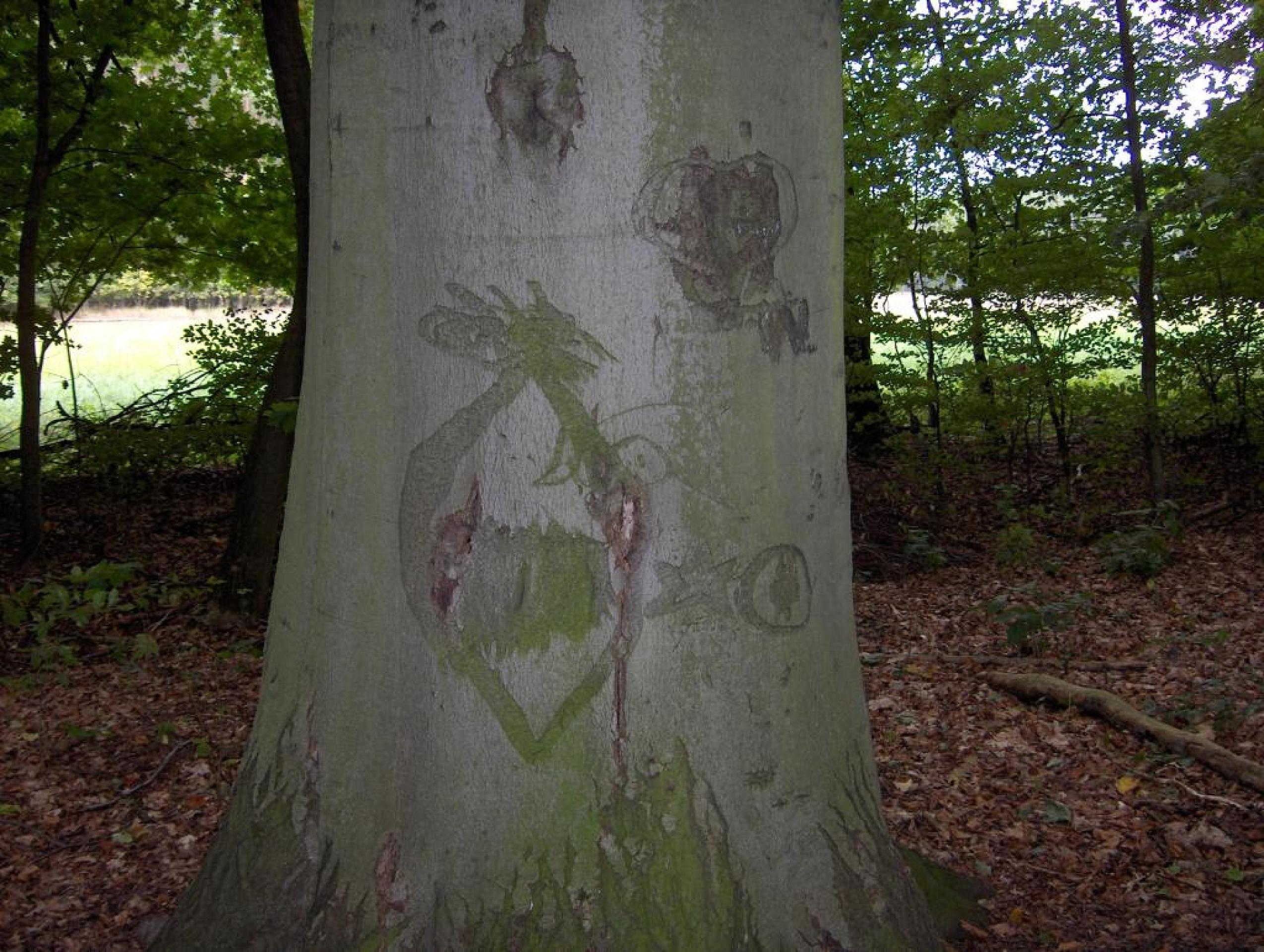
In 1975, a memorial complex was set up in the Below Forest consisting of a commemorative stele and parade grounds. In 1981, the GDR authorities set up a small museum on the site. The museum today, located on the site of the former forest camp, is a branch of the Sachsenhausen Memorial and Museum. The exhibition is dedicated to the subject of death marches. Additionally, objects the prisoners left behind in the Below Forest are on display. The Death March Museum is the starting point for guided tours through the forest area. Visitors can see the trees on which prisoners' inscriptions have been preserved and which are currently considered »natural monuments«. There are several memorial stones set up along the death march route on the 20,000 square metre large site. In the night of September 5, 2002, one of the museum's exhibition rooms was destroyed in a right-wing arson attack and the memorial was smeared with anti-Semitic slogans. Since 2004, a new exhibition concept is being developed under the auspices of the Brandenburg Memorial Foundation.
Possibilities
Outdoor facilities and museum trail accessible at all times, museum documentation about the death marches, educational workshops and guided tours
Open
March to November Tuesday to Friday 9 a.m. to 5 p.m., Saturday and Sunday from June until August 10 a.m. to 6 p.m. from September to May 10 a.m., closed on Mondays, December to February: by appointment
Contact
below@gedenkstaette-sachsenhausen.de
+49 (0)399 252 478
Belower Damm 1
16909 Wittstock