Skip to content

The Internment and Deportation Memorial at Royallieu

Mémorial de l´internement et de la déportation Camp de Royallieu


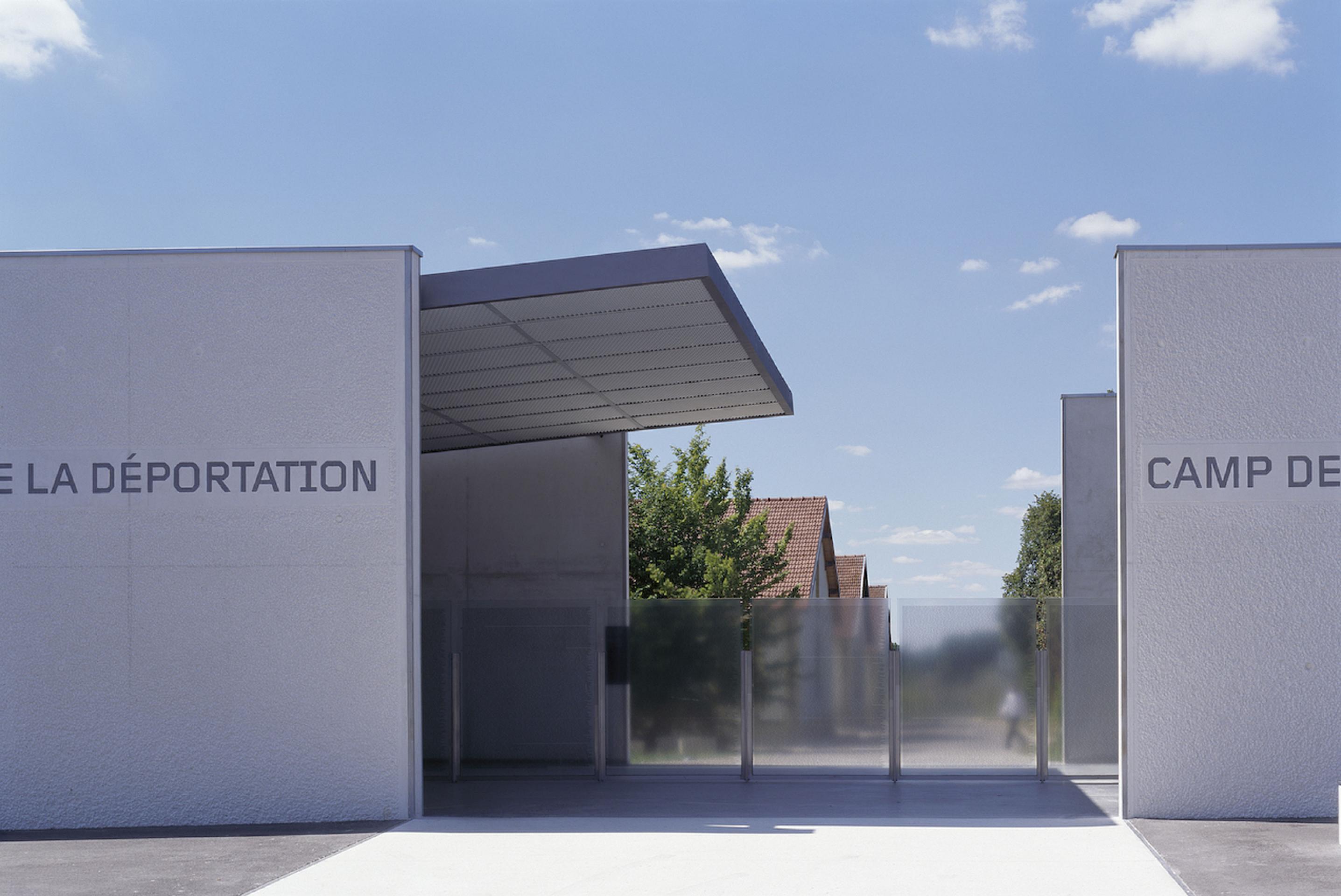
The »Mémorial de l'internement et de la déportation Camp de Royallieu« is located in the city of Compiègne near Paris. Following the occupation by the German Wehrmacht in June 1940, the Security Service of the SS (SD) set up an internment and deportation camp in Compiègne in 1941. The camp was used to intern French resistance fighters and Jews, among others. About 40,000 people were deported from the Royallieu-Compiègne camp to Auschwitz and other camps on German territory. A memorial on the historic premises has commemorated the history of the camp and the prisoners' fates since 2008.

History

Das »Mémorial de l'internement et de la déportation Camp de Royallieu« commemorates a German camp in occupied France. It was located in Compiègne - a most symbolic place, as this is where France and Germany twice signed armistice agreements, on November 11, 1918, and on June 22, 1940. At the end of the First World War, the armistice marked the defeat of the German Empire, while the armistice of 1940 meant the temporary victory of the German Wehrmacht over the French army.
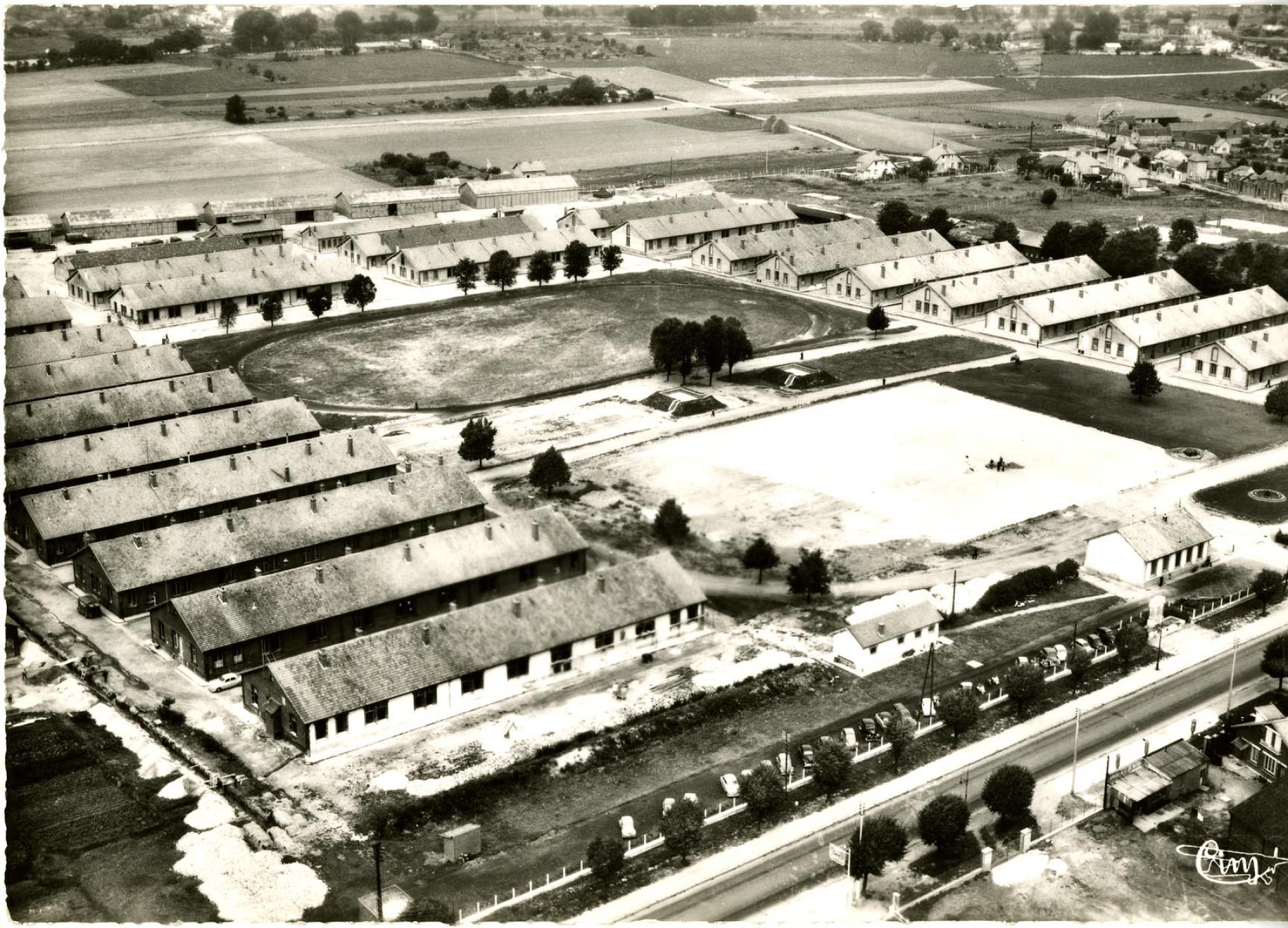
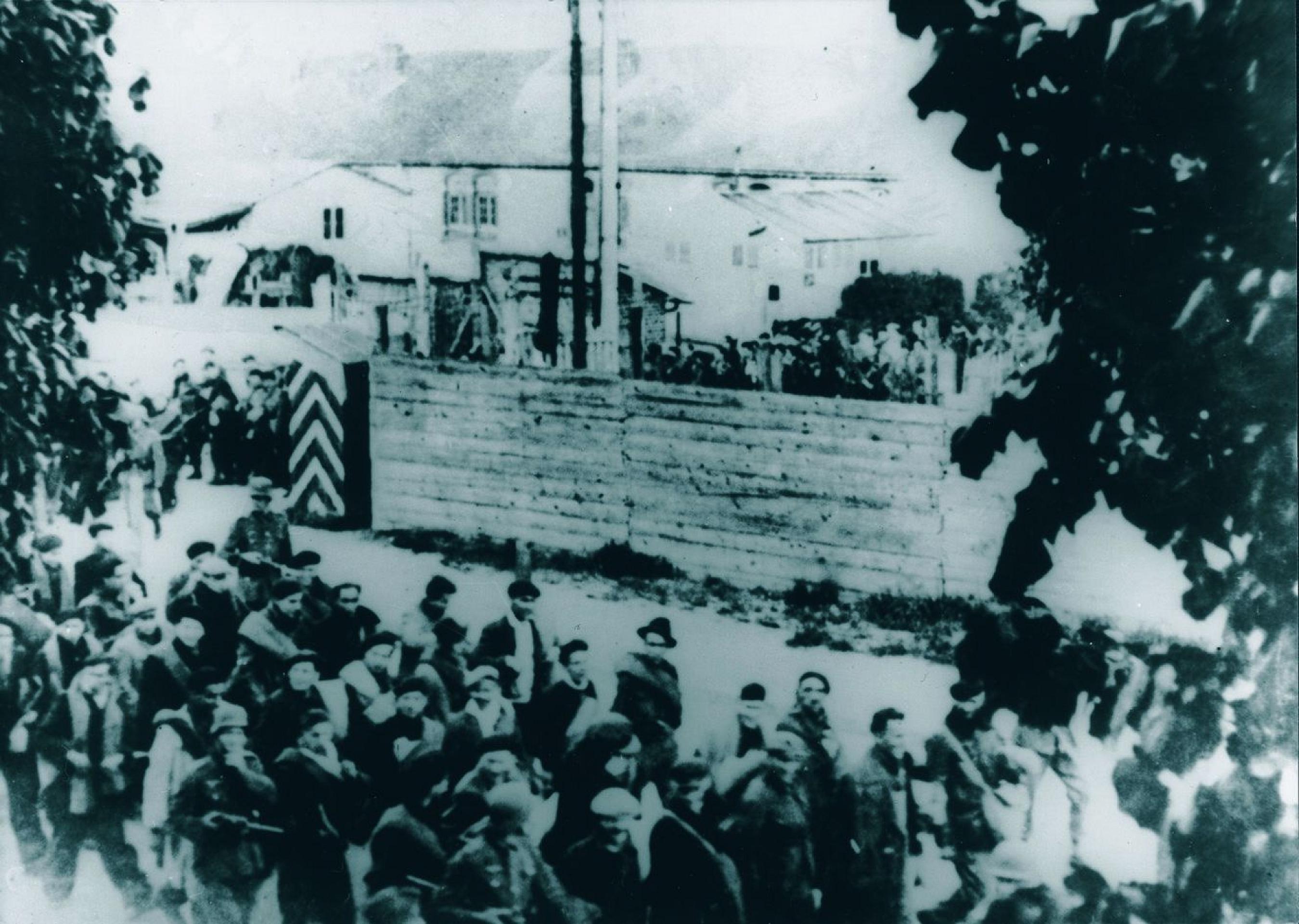
At the end of June 1940, the Wehrmacht confiscated the Royallieu-Compiègne barracks complex and interned French and British prisoners of war on the site. The Security Service of the SS (SD) set up a camp on the site in June 1941, where it imprisoned, among others, resistance fighters, British and Russian internees and Jews residing in France. A total of up to 45,000 people were held at Royallieu-Compiègne between 1941 and 1944. On average, the SD incarcerated prisoners for a month; about 40,000 people were deported subsequently.
Royallieu-Compiègne was the point of departure for the first transport of Jews from France bound for the Auschwitz death camp (March 27, 1942). Prisoner transports were also headed to the concentration camps at Mauthausen, Dachau, Neuengamme, Sachsenhausen, Ravensbrück and Buchenwald. Royallieu was the most important transit camp for opponents of the Vichy Regime, which collaborated with Germany. Next to Struthof-Natzweiler, it was the only camp on French territory solely under German control. After the war, the premises were again used by the French army.
Victims

In total, between 46,000 and 56,000 prisoners were held at Royallieu; a majority - about 70 percent - were political prisoners. 12 percent were Jews, who were subjected to the worst conditions at the camp. They were deported from Royallieu to the Auschwitz extermination camp. So-called hostages, mostly high-ranking French civil servants held under better conditions, represented some 8-9 percent of the inmates. Convicts were also held at the camp.

With the defeat of the French army in June 1940 the country came under German control. Northern France was governed by the German military administration, whilst the south was initially unoccupied. A government under German influence was established in the spa town of Vichy in the south of France. At the beginning of the Second World War, there were around 300,000 Jews living in France. The exact number is not known as there were no records of religious affiliation in France. The first anti-Jewish laws were passed in northern France at the end of 1940. The Jews were forced to register with the authorities, excluded from society and stripped of their possessions. These policies were followed by systematic arrests by the French police. Jews without a French passport were the main targets of the German SS and police as well as the French authorities. In an attempt to deter growing French resistance, the German military commander General Otto von Stülpnagel (1878–1948) started to have those not involved in the resistance shot and to have Jews in particular arrested. Those arrested were among the first to be deported to the death camps in occupied Poland from March 1942 onwards. A total of 75,000 people were deported to their deaths in the course of over seventy deportation operations. Most of the French Jews survived, mainly in hiding in the south of the country. Around 600,000 people died in France as a result of war and persecution, including 270,000 civilians. There continues to be little distinction drawn between the different groups of victims. However, since the late 1980s there has been increased research into the murder of patients of care homes and clinics. It is now estimated that around 50,000 people fell victim to these operations. Both northern and southern France experienced persecution, collaboration and resistance during the occupation. After the war, remembrance of both the campaign of the »Résistance« as an expression of French patriotism and the suffering associated with the »Déportation« provided a way of bridging the differences between the Gaullist conservatives and the Communists affiliated with Moscow. Consequently, many museums and memorial sites are dedicated to the resistance or remember the deportations, for example the »Mémorial des Martyrs de la Déportation« (Memorial to the Martyrs of the Deportation) in Paris, inaugurated in 1956, and the »Centre Européen du Résistant Déporté« (European Centre for Deported Resistance Fighters), which opened in 2005 at the memorial site at the former Natzweiler concentration camp. Since the early 1990s a number of sites of memory have been established, such as the Maison d’Izieu (Izieu Home) memorial near Lyon, which remembers the deportation of 44 Jewish children, the national memorial site at the former camp at Gurs as well as a memorial centre in Oradour sur Glane – a village destroyed by the SS in 1944. The central memorial site dedicated to the victims of the Holocaust is the »Mémorial de la Shoah« in the centre of Paris, which was opened in 2005. French presidents have since then acknowledged shared French responsibility for the Holocaust in France. The memorial site in Caen,commemorating the Normandy landings of 1944, was opened in 1988 and extended in 2002, is the most-visited memorial site outside Paris. The annual national commemorations marking the victory over Nazi Germany take place here. In addition, there are numerous regional museums in France, where the exhibitions focus on the themes of persecution, resistance and deportation.

Remembrance

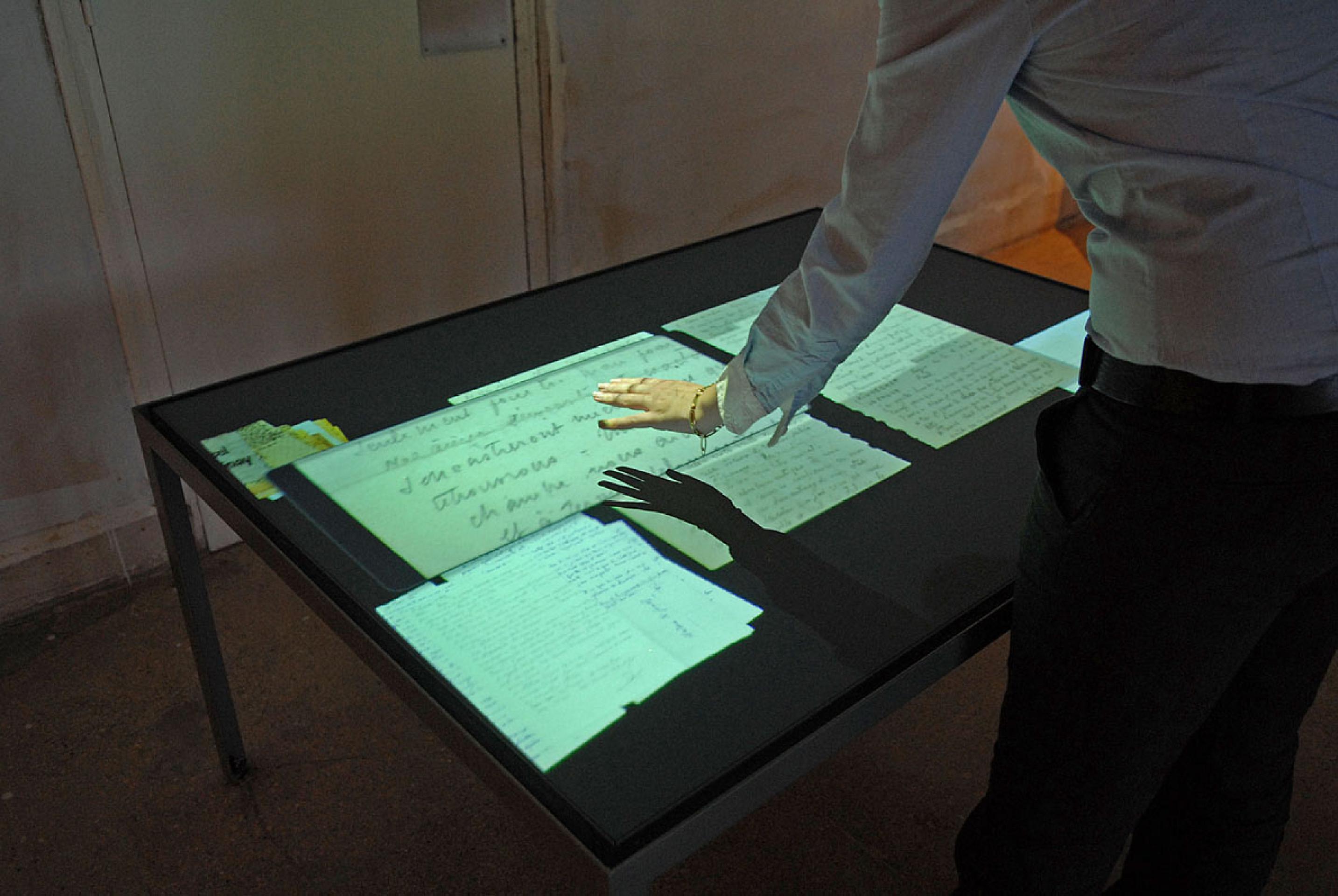
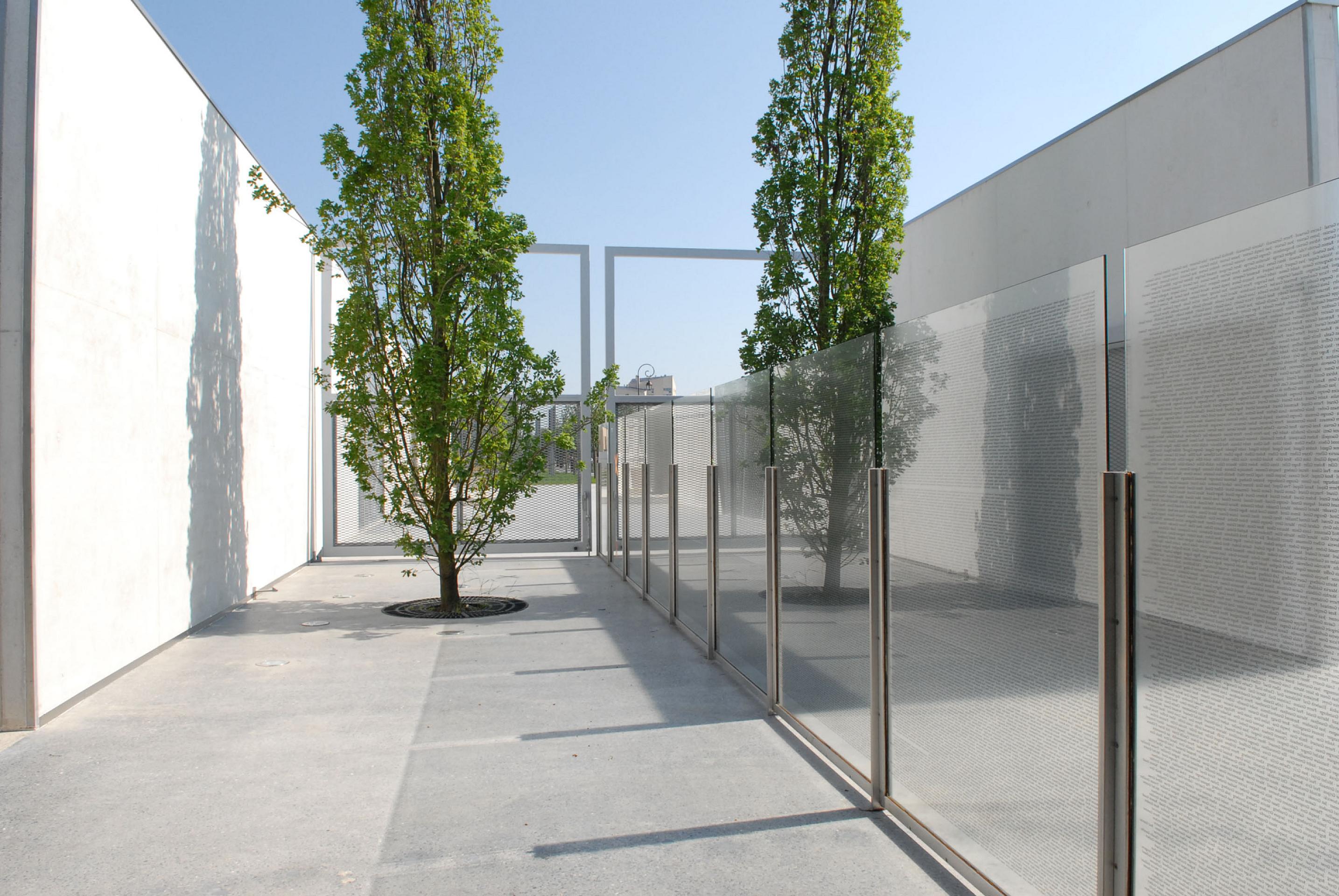
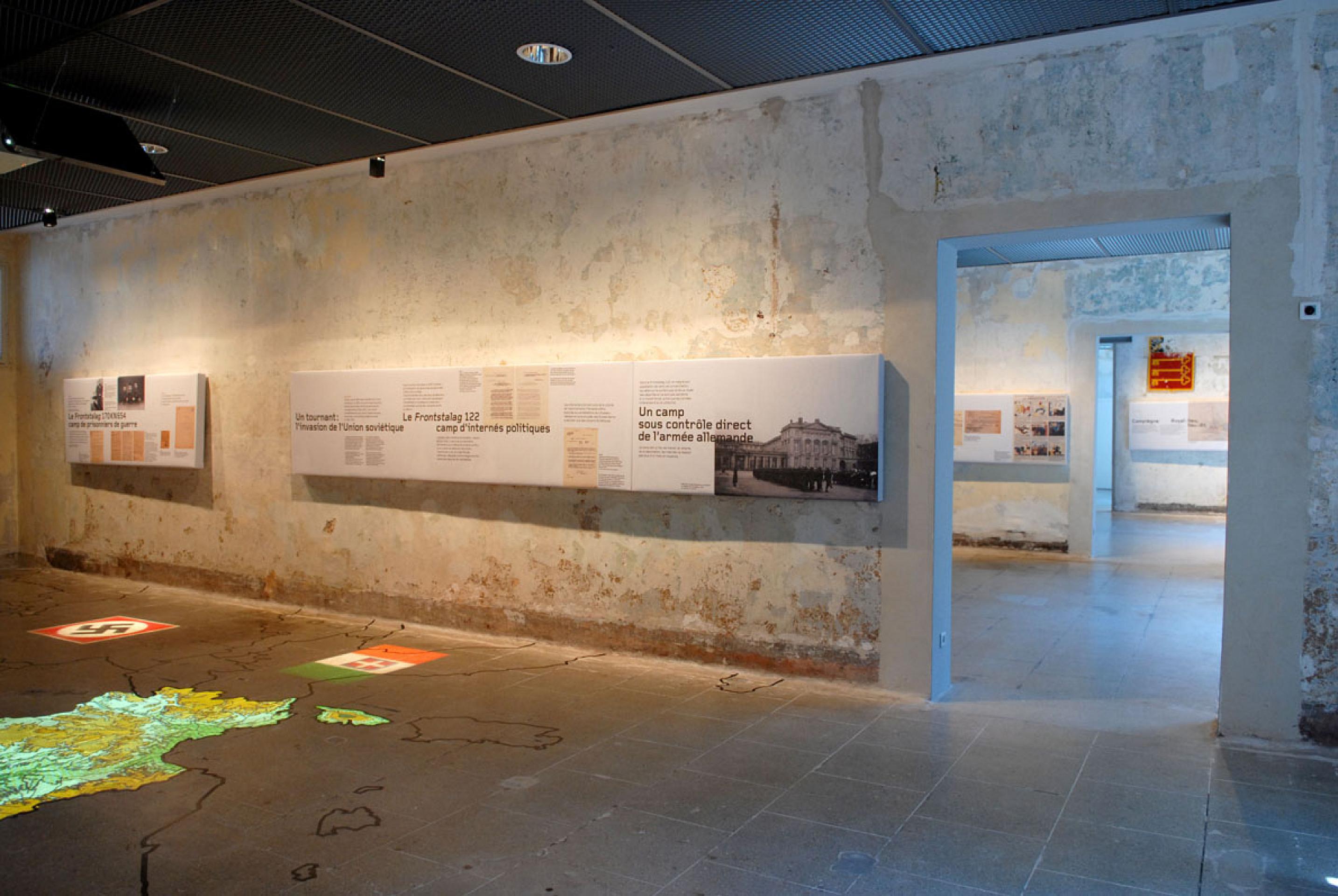
In 2008, a memorial was opened on the historic site. Established in cooperation with French historian and director Christian Delage, it comprises an exhibition, a chapel, a »wall of names«, an escape tunnel and garden of remembrance.
Possibilities

Exhibition and historic trail, guided tours, educational programme for pupils

Open

Daily 10 a.m. to 6 p.m. (except Tuesdays)

Contact

http://www.memorial-compiegne.fr

corinne.valere@memorial-compiegne.fr

+33 (0) 344 963 700

2 bis avenue des Martyrs de la Liberté
60200 Compiègne