The Maison d’Izieu - Memorial to the Exterminated Jewish Children
Maison d'Izieu - Mémorial des enfants juifs exterminés
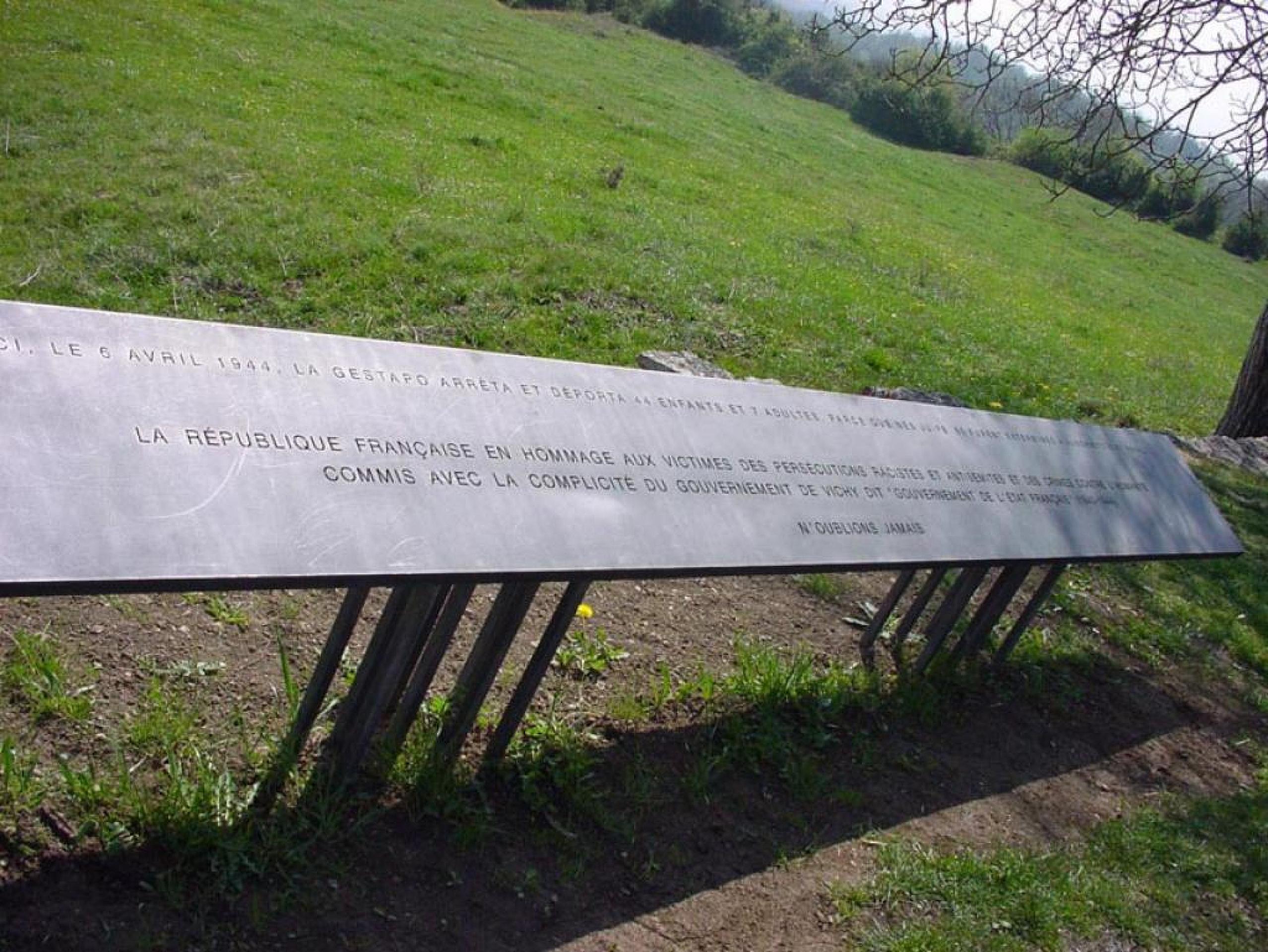
Since 1994, the Maison d'Izieu Memorial has commemorated the 44 Jewish children and their educators who were deported from here in 1944 and later murdered. It is one of the central memorial sites to the victims of National Socialist crimes in France.
History
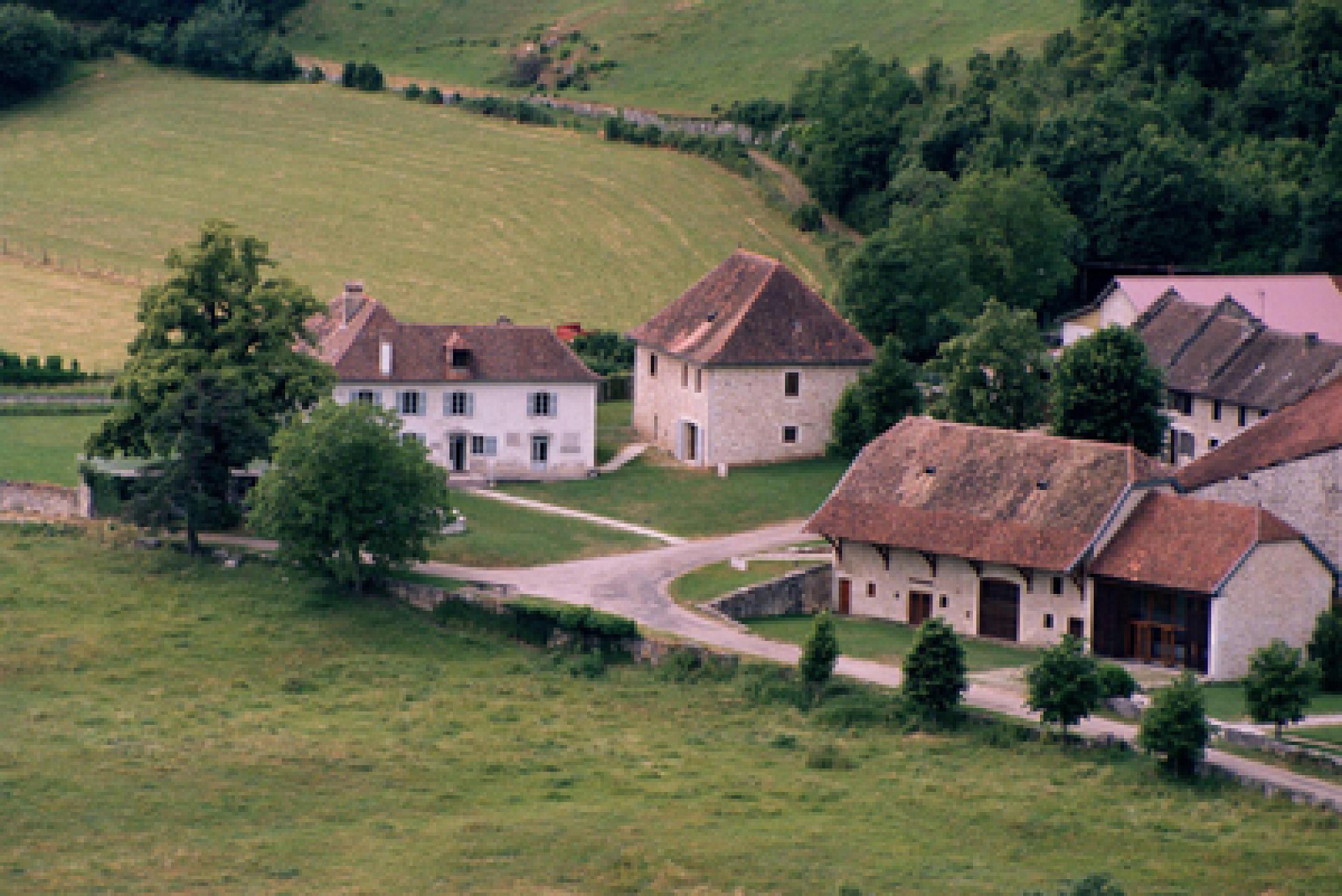
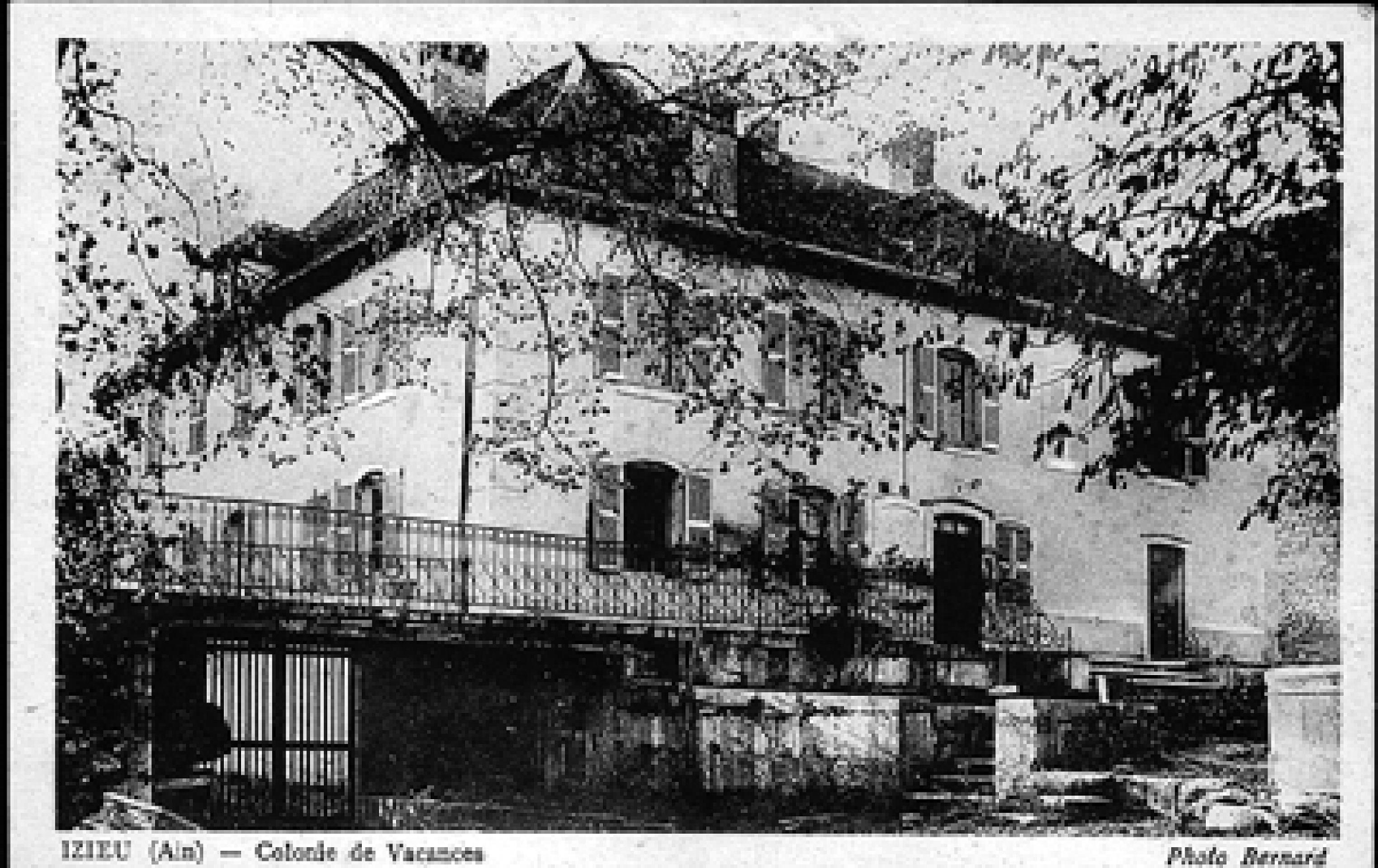
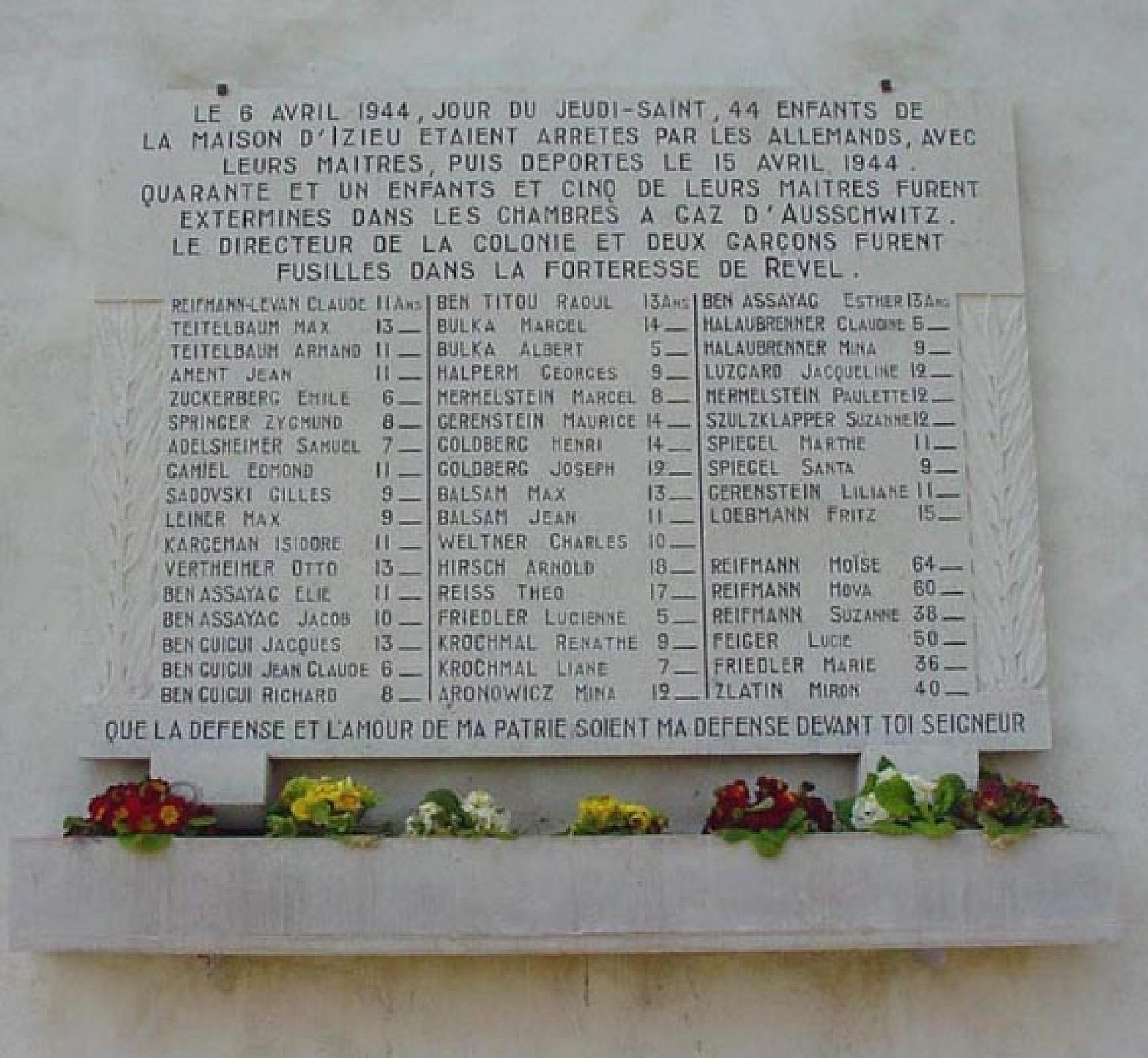
In May 1943, Jewish couple Sabine and Miron Zlatin took a group of Jewish children into their care in a house in Izieu, a village to the east of Lyon. Many of the youths had previously been held at internment camps in the south of France, set up by the Vichy government. Aid organisations such as the Œuvre de Secours aux Enfants (OSE, a welfare organisation for Jewish children) had succeeded in rescuing them from these camps. They were brought to Izieu where they were considered to be relatively safe: at the time, the region was not yet under German occupation, unlike the rest of France, but controlled by the Italians, who had occupied the region in November 1942. The children's home was officially established with the permission of the local sub-prefecture. In September 1943, German units took the territories which had previously been occupied by the Italians. Immediately, the SS and police apparatus began persecuting the Jewish population. On April 6, 1944, members of the Wehrmacht and Gestapo raided the Izieu orphanage and arrested the 44 Jewish boys and girls as well as 7 of their supervisors. 42 children and 5 supervisors were later murdered at the Auschwitz extermination camp by the SS. Two youths and the director of the orphanage were deported to Estonia and shot there.
Victims
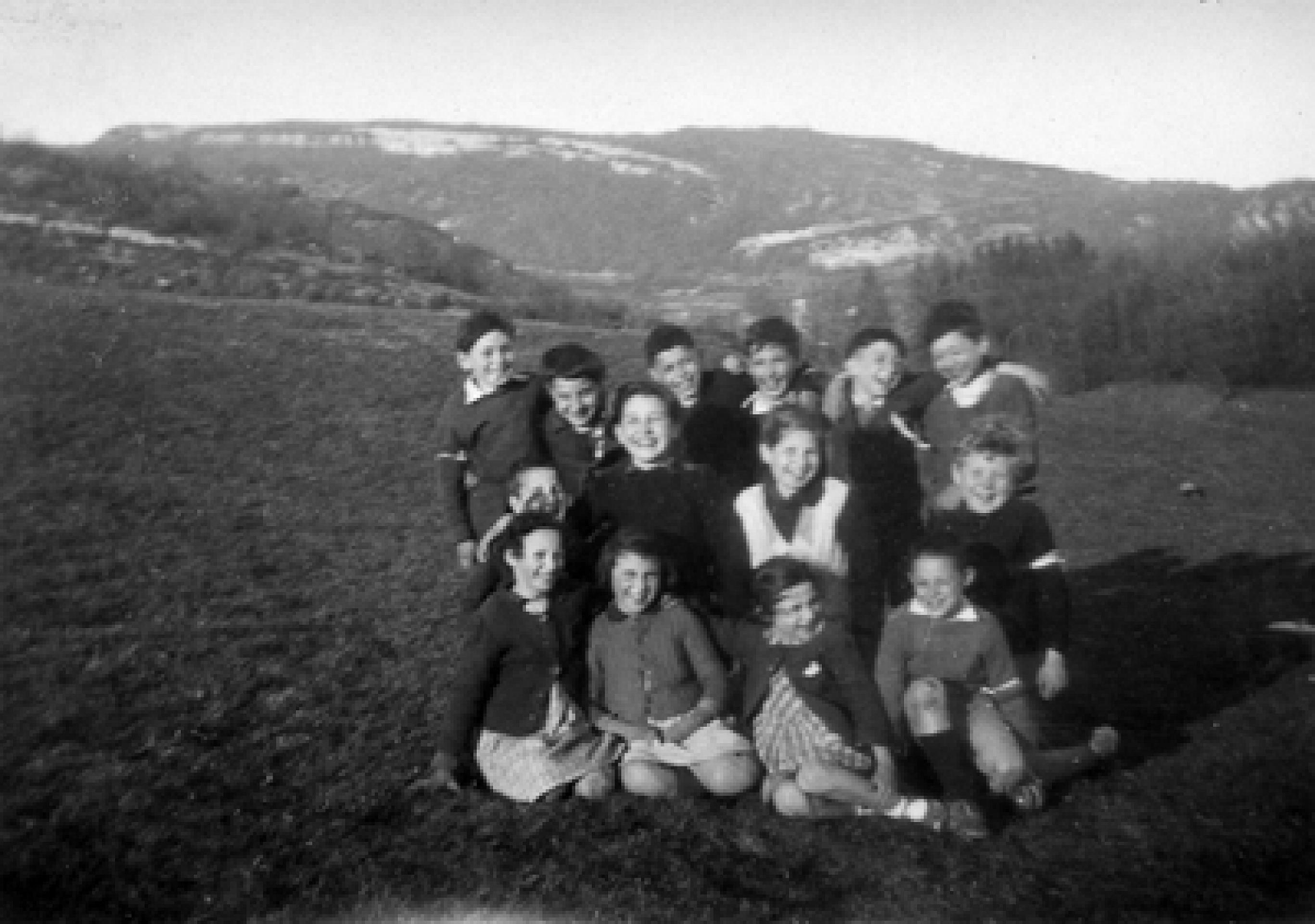
The children's home in Izieu was in operation for just under a year, and in that time, it offered a safe haven to over 100 children. On April 6, 1944, the day of the Wehrmacht and Gestapo round-up in Izieu, there were 45 children at the orphanage. All of them were from Jewish families with the exception of one boy, whom the Germans later released. 44 children and their 7 supervisors were first deported to Lyon and then to the Drancy transit camp near Paris. By June 1944, the SS had deported 42 of the children and 5 of their supervisors to the Auschwitz extermination camp. All except one supervisor perished in the gas chambers; member of staff Léa Feldblum survived the camp. Orphanage director Miron Zlatin and two youths were deported from Drancy to Estonia on May 15, 1944, where they were deployed as forced labourers. In the course of the summer of 1944, they were shot in Tallinn.
Remembrance
Sabine Zlatin, co-founder of the Izieu children's home, was temporarily away on April 6, 1944, the day of the raid. A few weeks later, she returned to the ransacked house and collected the children's letters and drawings. After the war, she continued her efforts to commemorate the history of the Izieu children's home and applied with the prefect of the Ain Département for the affixing of a memorial plaque on the house. On April 7, 1946, two years after the raid, the plaque and a memorial column were dedicated in a neighbouring town. Relatives of the children and locals could now jointly pay tribute to the victims.
1983 was a turning point in the commemoration of the Izieu home. Klaus Barbie, the former head of the Gestapo in Lyon, was put on trial in France. Lawyer and historian Serge Klarsfeld and his wife Beate had tracked him down in Bolivia a few years earlier. The deportation of the children of Izieu played a central role in the trial: while conducting research, Serge Klarsfeld found a telegram written by Barbie on April 6, 1944, reporting the arrest and planned deportation of the children. Izieu thus became a well-known site in French contemporary history. In 1988, following the end of the trial, an association whose aim it was to create a memorial on site was established. In 1992, French president François Mitterand included the project in his »Grands travaux« programme of nationwide presidential projects. In 1994, the Izieu memorial was opened.
Possibilities
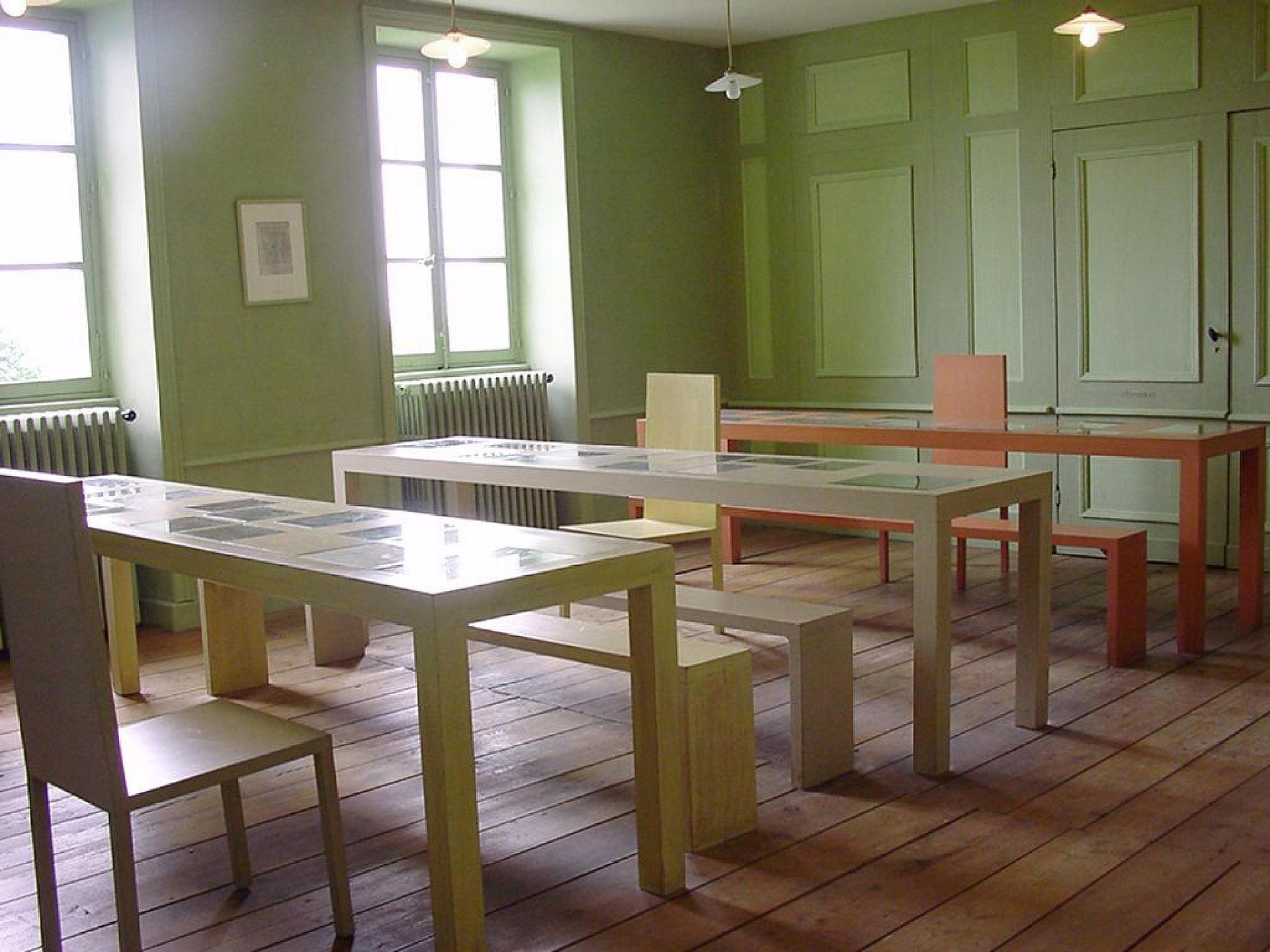
Permanent exhibition, guided tours for individual visitors and groups, educational offer for school groups, students and teachers
Open
Monday to Friday: 9 a.m. to 5 p.m. Saturday 2 p.m. to 6 p.m.
In July and in August daily 10 a.m. to 6.30 p.m.
Closed during the French Christmas holidays and all weekends in December and January
Contact
info@memorializieu.eu
+33 (0)4 798 721 05
70 route de Lambraz
01300 Izieu