The Museum of Danish Resistance 1940-1945
Museet for Danmarks Frihedskamp 1940-1945
Former Danish resistance fighters founded the Freedom Museum (»The Museum of Danish Resistance 1940-1945«) in 1957 in Copenhagen. It has since been located in a building constructed specially for this purpose.
History
Denmark was occupied by the German Wehrmacht in April 1940. Following this, a coalition - encompassing all major political parties - was formed and it began cooperating with the occupying forces. Their aim was to avoid a strict occupational regime by pursuing a policy of limited cooperation.
Eventually, however, opposition towards cooperation with the German Reich began to grow. Communist and conservative-nationalist groups began appealing in the illegal press for acts of resistance. Since 1942, a connection to the British »Special Operations Executive« had been forged. It supplied Danish resistance fighters with weapons and agents who trained them in sabotage techniques. In 1943, the government resigned in the wake of riots in several Danish cities, upon which the German occupiers declared a state of emergency.
When the Danish resistance found out about the planned deportation of Danish Jews, they initiated a large-scale rescue operation. They managed to save a large majority of the Jews living in Denmark.
There was an increasing number of sabotage acts undertaken by the resistance from the spring of 1943. The occupying forces countered these with arrests, deportations and executions of Danish resistance fighters and civilians.
Danish resistance fighters active in the underground or in exile in Sweden organised an underground army and their own police troops. These helped secure public order after the liberation in May 1945.
Victims
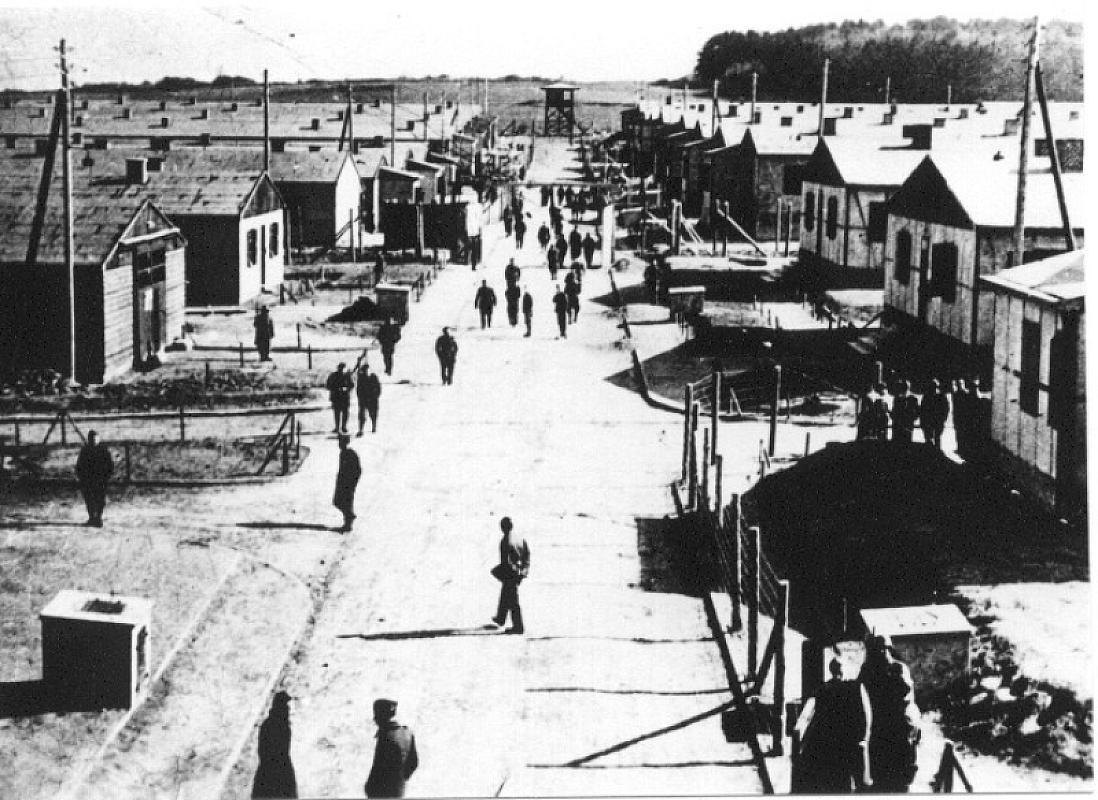
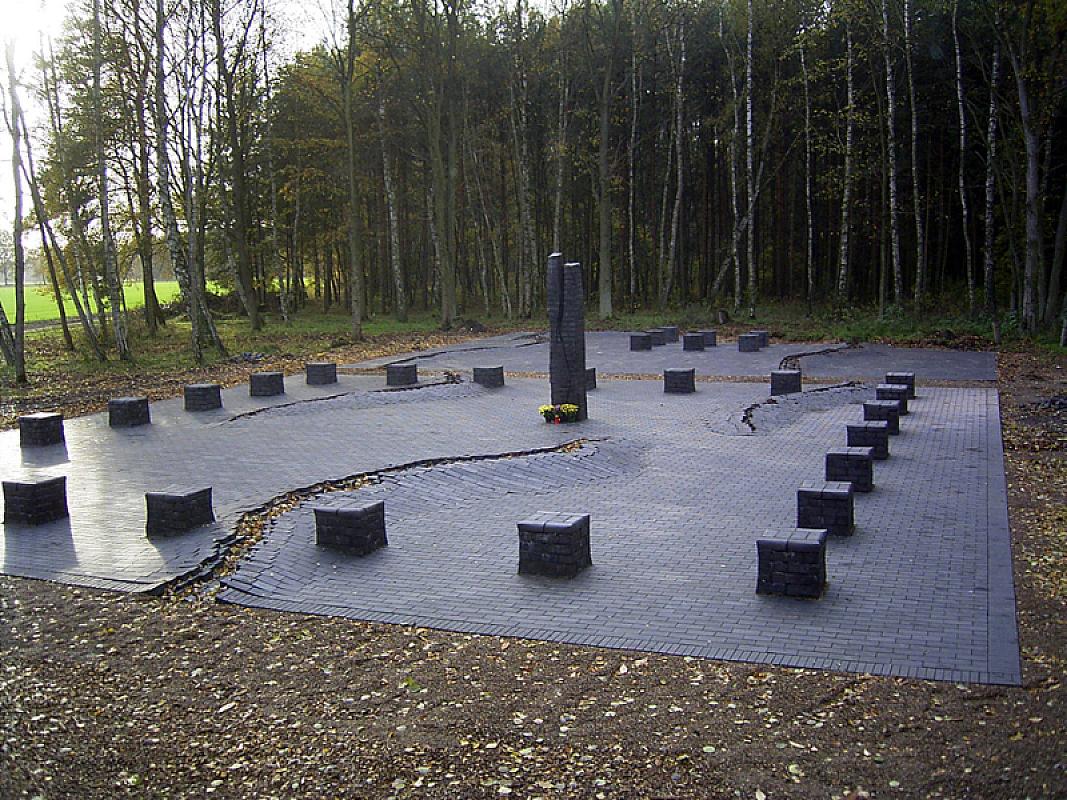
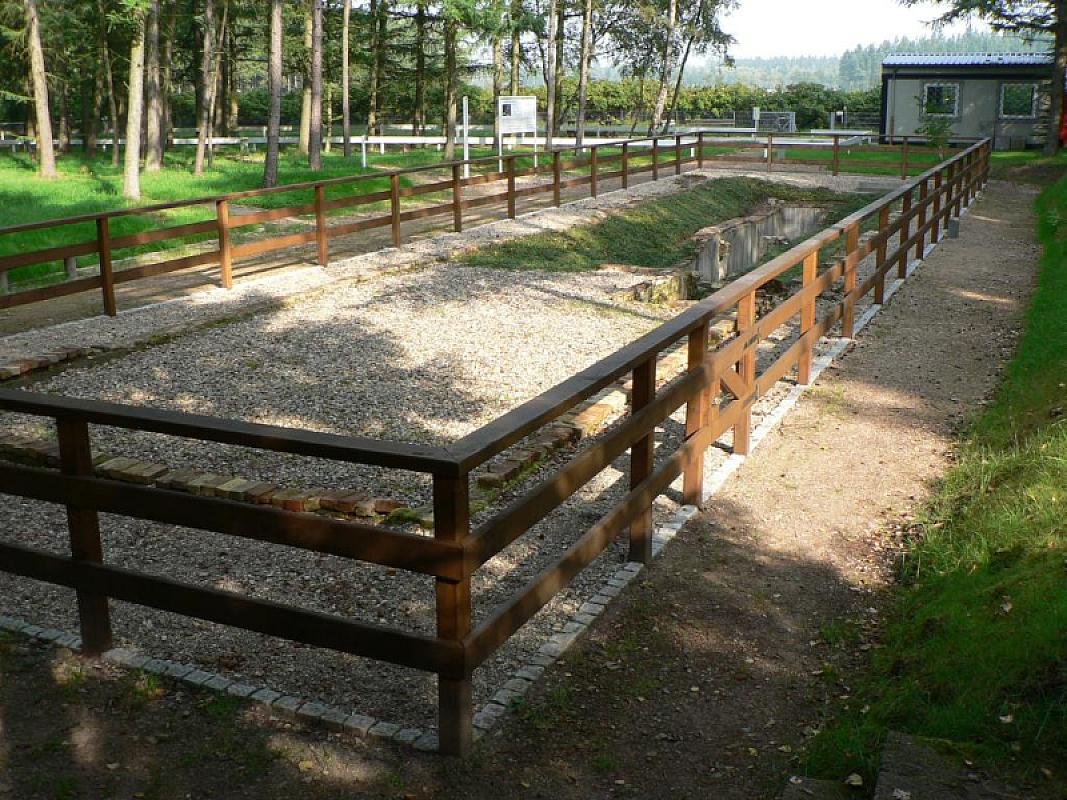
The Museum is also a memorial to the Danish resistance fighters who were arrested under German occupation, deported to German concentration camps or executed. It additionally supplies information on the fate of the approximately 480 Jews who were deported - and many murdered - by the occupying forces.
In all, around 6,300 Danish citizens died due to the war between 1940 and 1945.
Remembrance
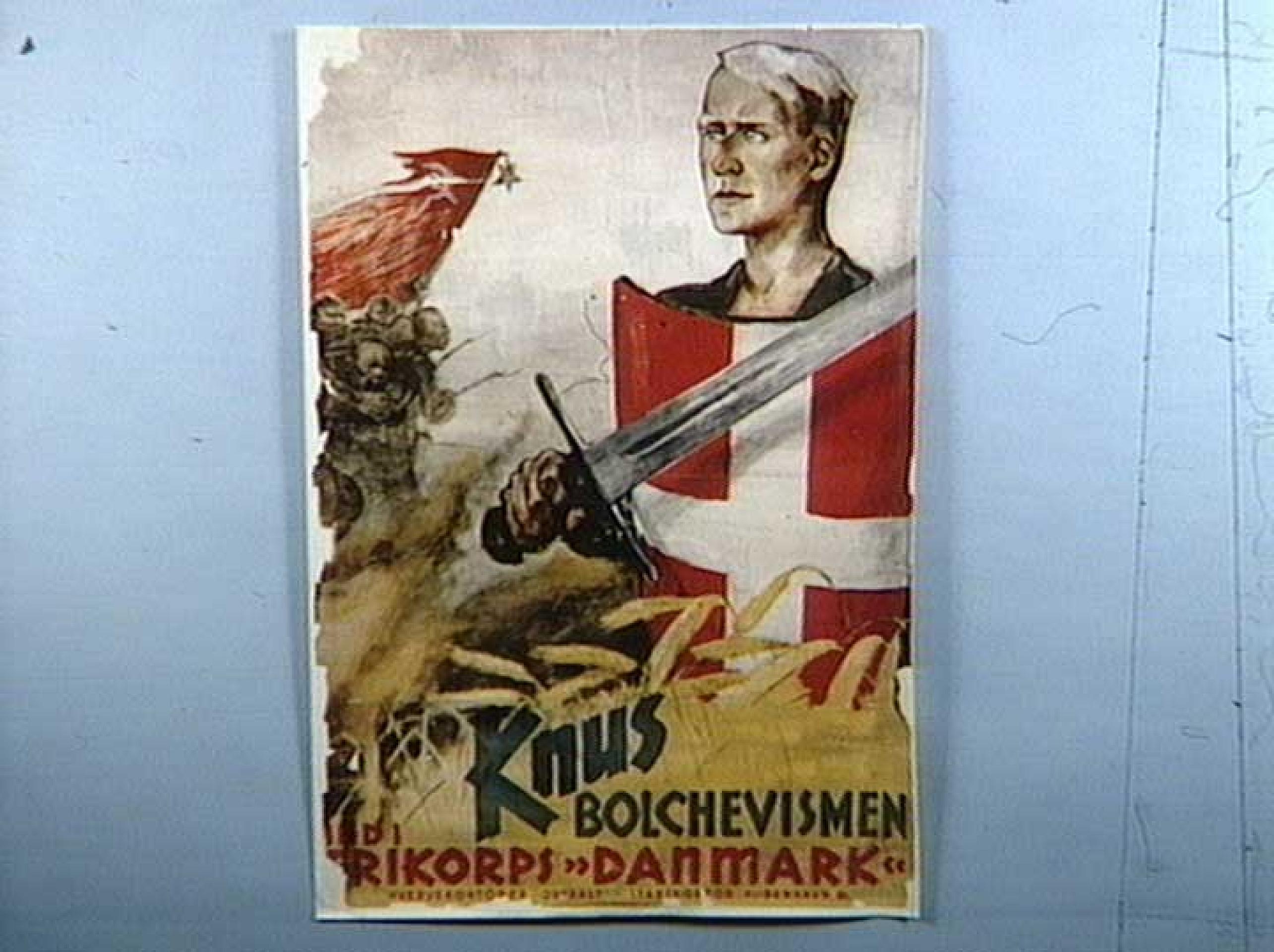
The leaders of the Danish resistance began making plans for an exhibition even before the war had come to an end. An exhibition, which was opened in the summer of 1945 in the former headquarters of the Danish National Socialist militia, contained information on operations undertaken by the resistance.
In 1957, a permanent exhibit was opened in the Freedom Museum, which was constructed by architect Hans Hansen. The current presentation has been open to the public since 1995. Central themes of the exhibition are the development of the resistance movement, its actions, as well as its entrenchment in society.
The exhibition also tells the story of the successful rescue operation in which 7,000 Jews from Denmark were smuggled into Sweden via the Baltic Sea. Moreover, it disperses the myth according to which the King of Denmark wore a yellow star out of solidarity with the Jews. The collected objects and documents were donated by private individuals and former members of resistance groups. The Museum is part of the Danish National Museum.
Due to a fire in 2013 the museum is temporarily closed. It is due to re-open in a new building at the same site at the end of 2019.
Possibilities
Exhibitions, guided tours for school groups and individual groups, archive containing documents on the history of the Danish resistance movement, publication series, database on members of the resistance movement (http://modstand.natmus.dk/)
Open
Open daily 10 a.m. to 5 p.m. From September to April closed on Mondays.
Closed on December 24, 25 and 31.
Contact
fogf@natmus.dk
+45 (0)41 206 080
Esplanaden 13
DK-1263 København