The New Synagogue and the Remembrance of the Victims of the Holocaust in Szeged
Az Új Zsinagóga és a vészkorszak áldozatainak emlékezete Szegeden
Several memorials in the major Hungarian city of Szeged commemorate the city’s Jews murdered in the Holocaust.
History
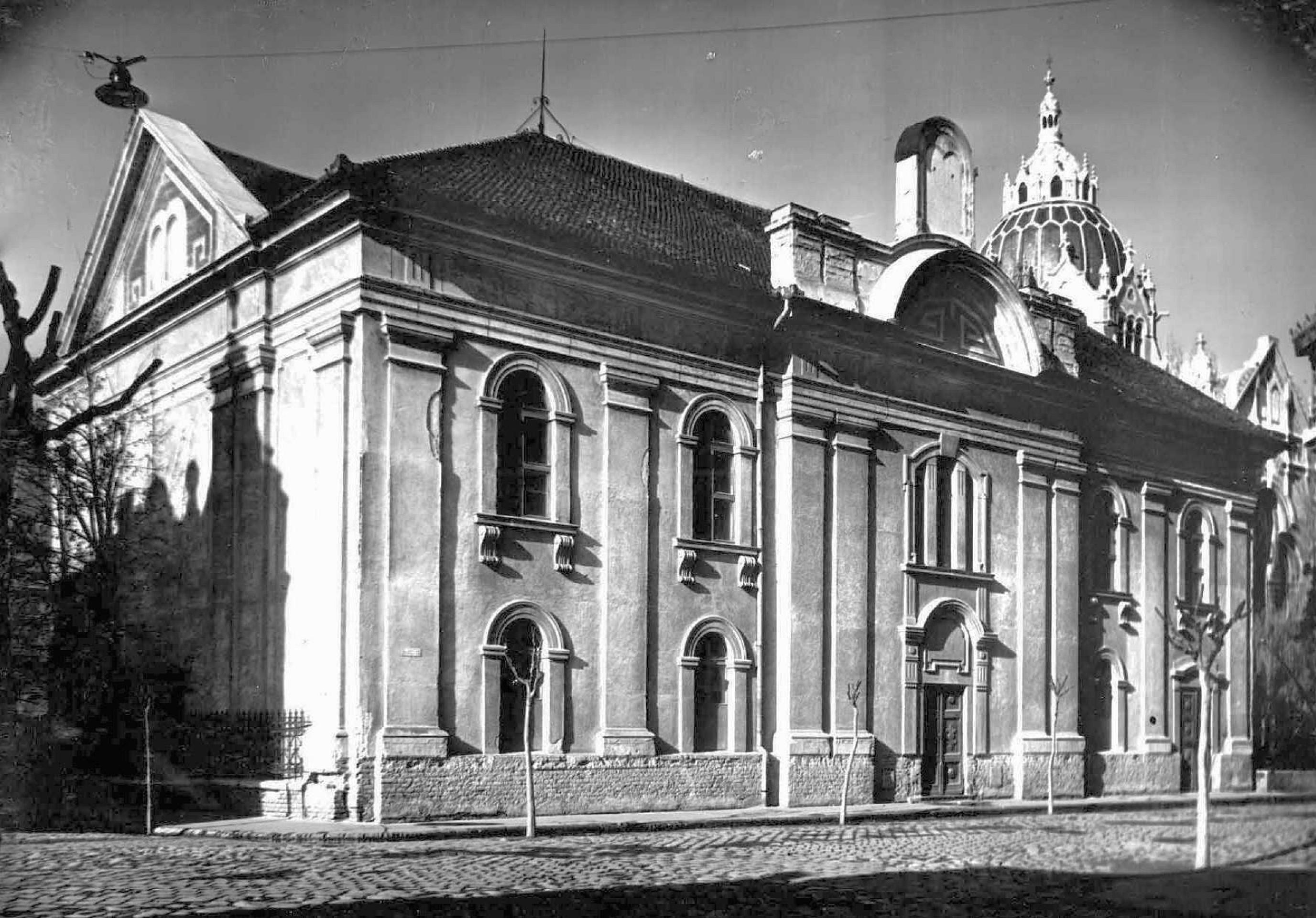
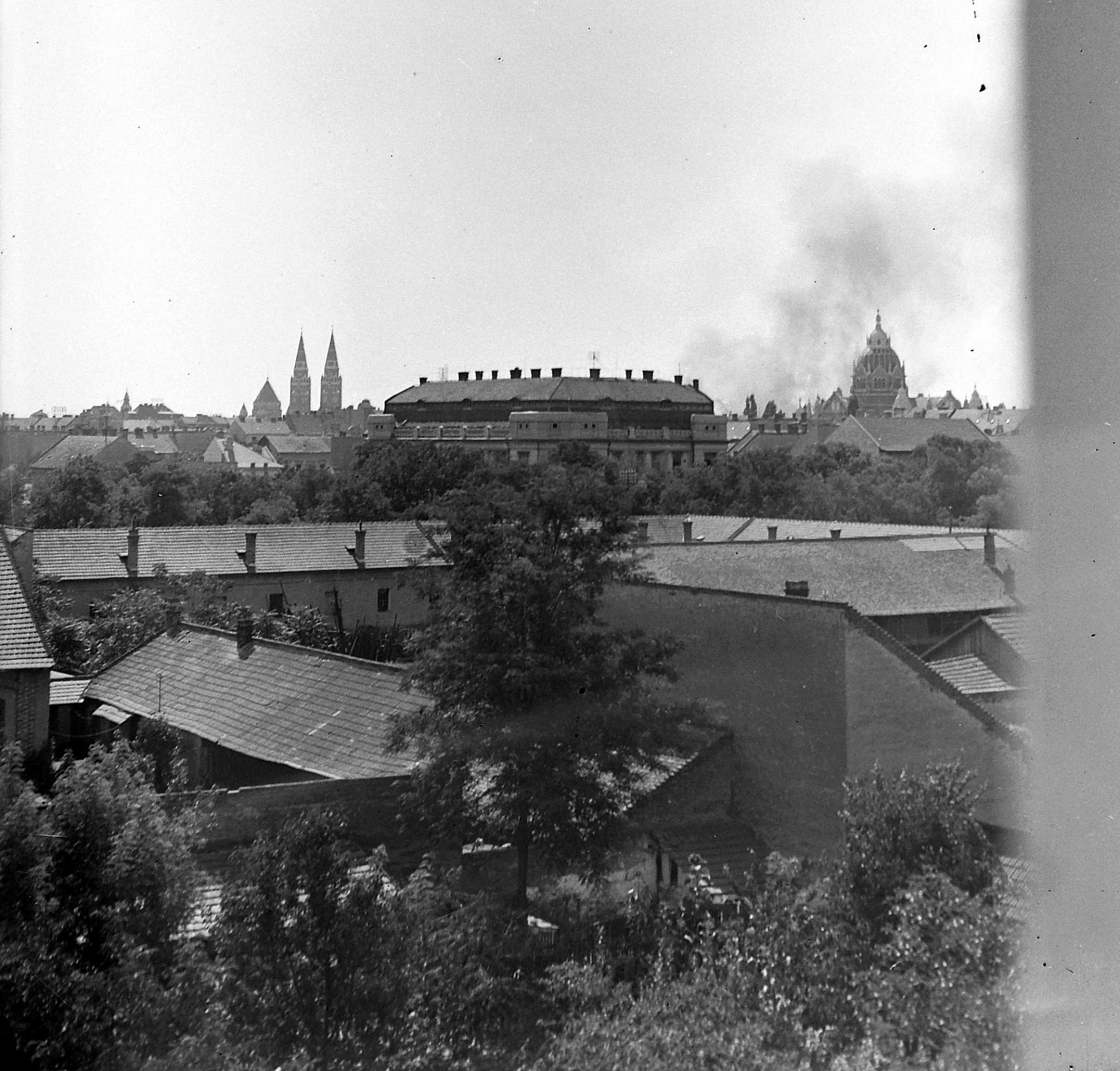
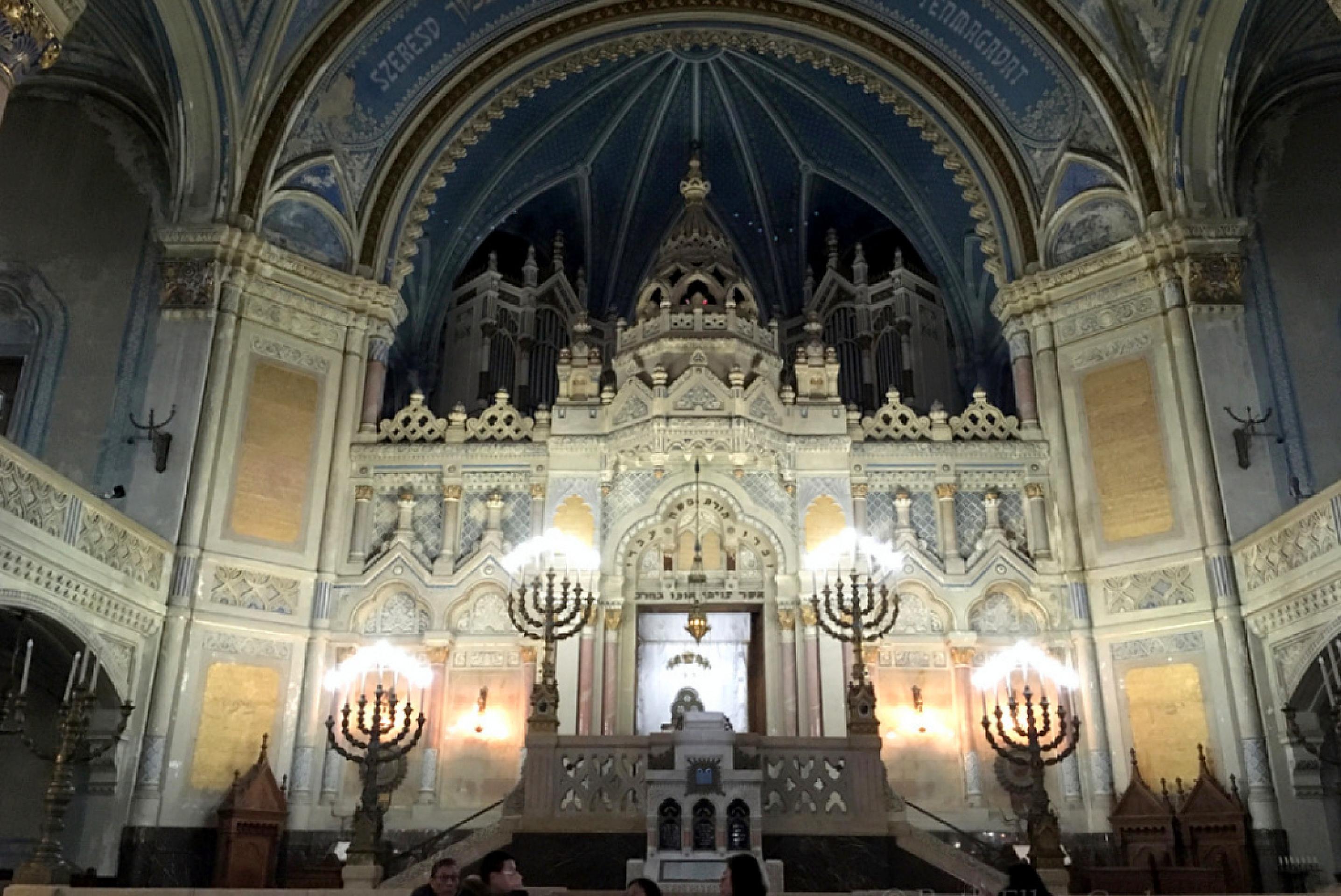
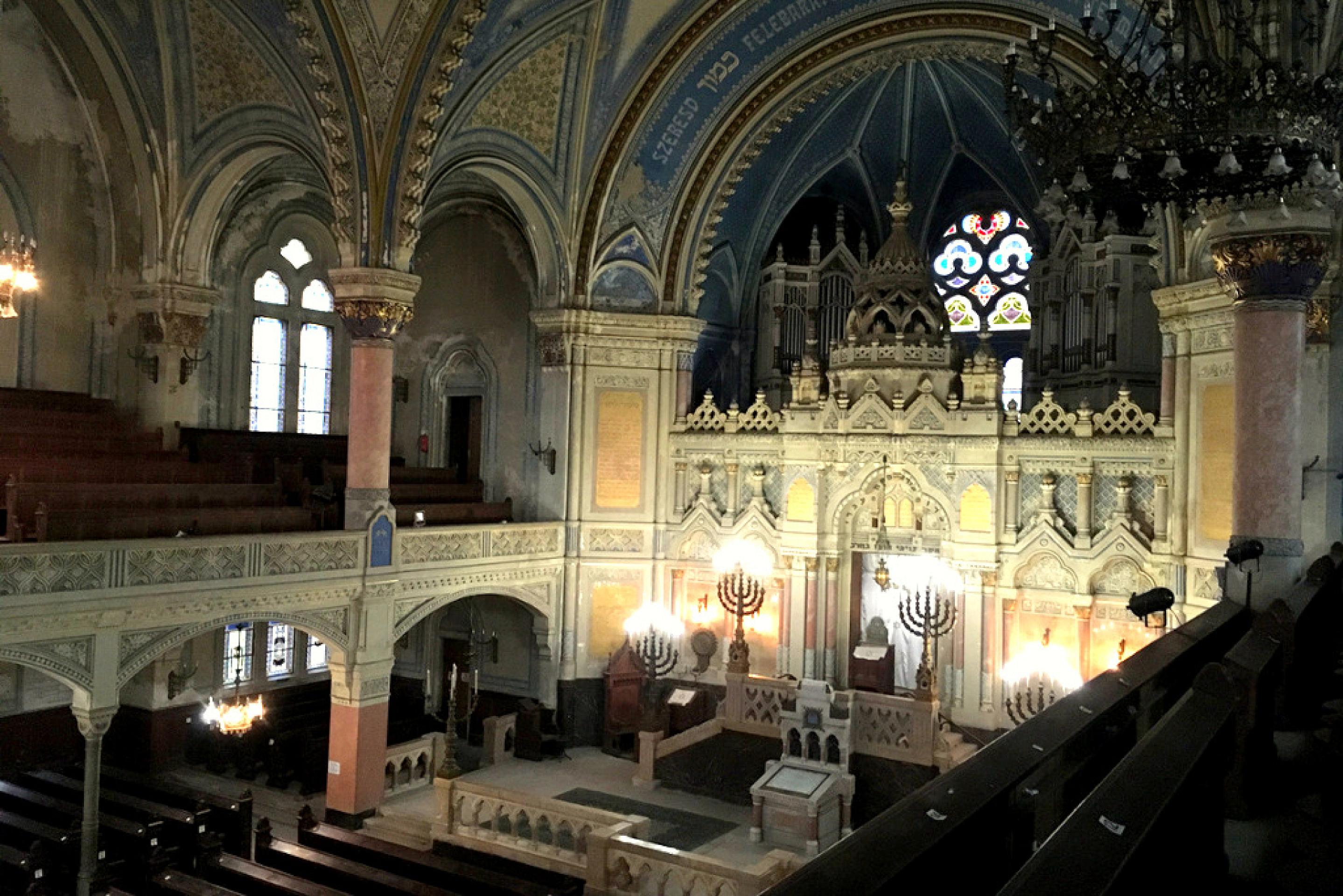
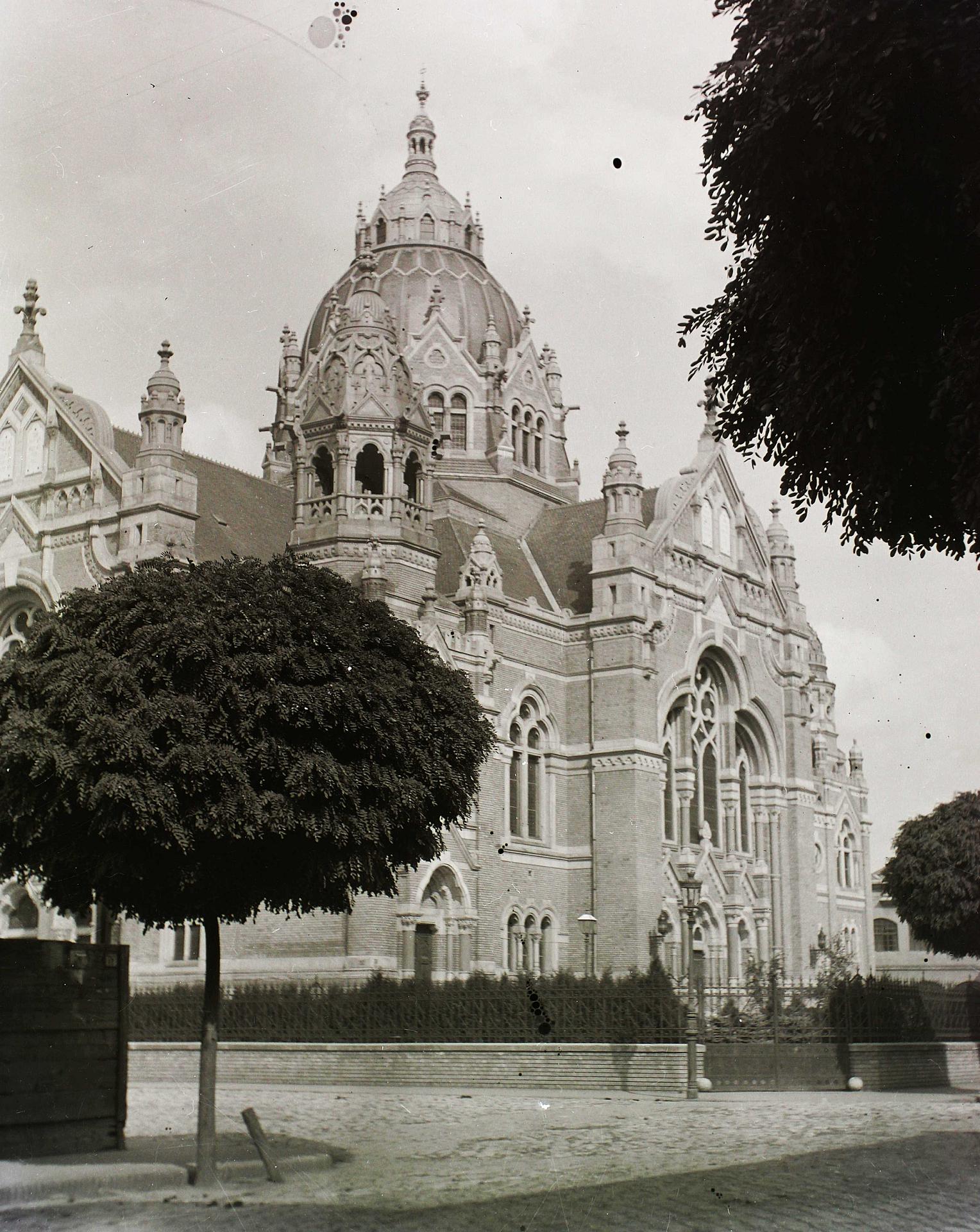
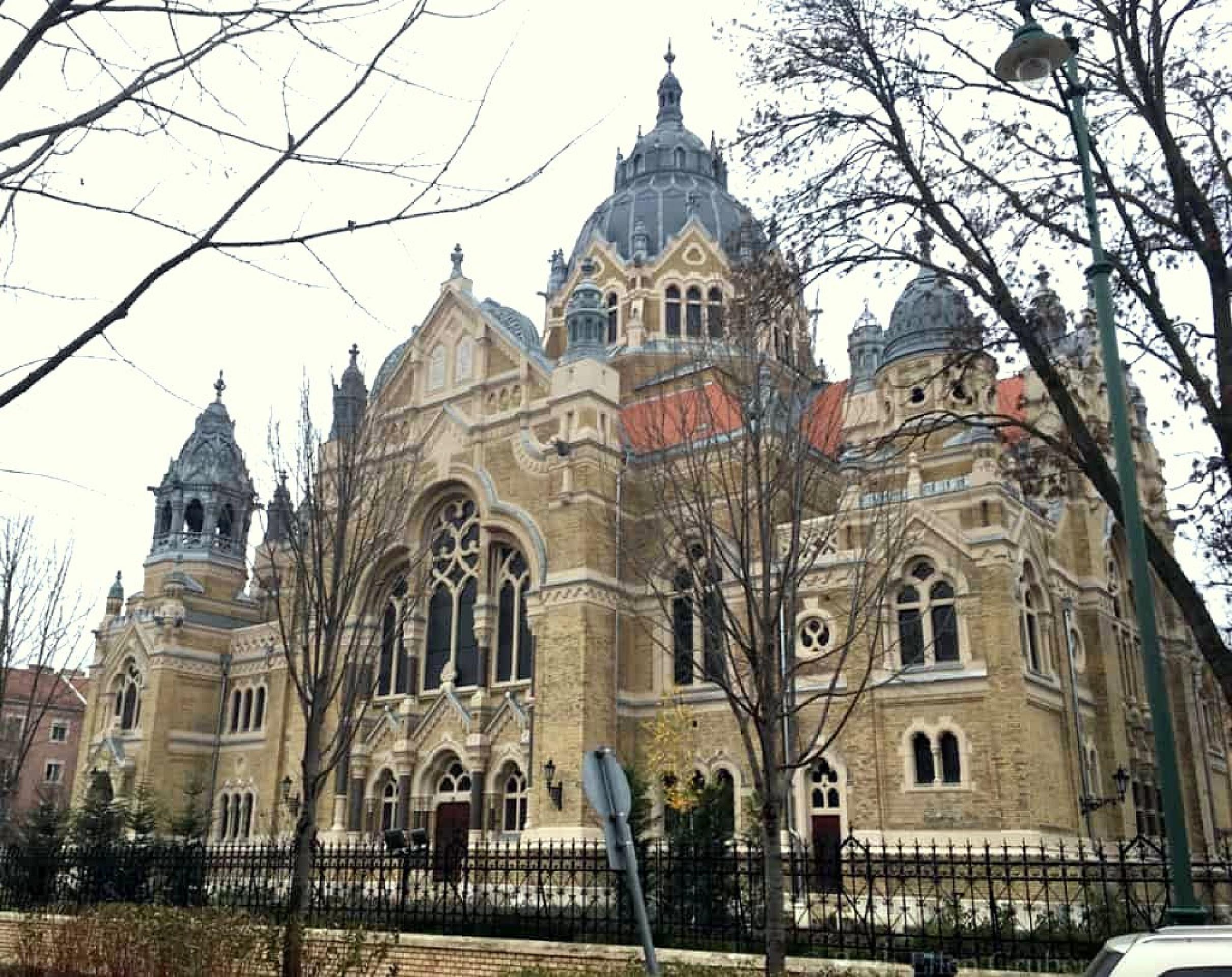
The university city of Szeged (German: Szegedin), situated in the border triangle with Serbia and Romania on the banks of the Tisza River is the third largest city in Hungary. Jews have lived here since the Middle Ages, the Jewish religious community was founded at the end of the 1780s. The first synagogue in Szeged was consecrated in 1804, but as the Jewish community grew rapidly, a larger synagogue was soon needed. In 1843 an orthodox synagogue (today called Old Synagogue) was consecrated. In the second half of the 19th century, Szeged was dominated by the reform-oriented neolog community, whose members preferred the path of assimilation and identified strongly with Hungary. The neologic community opened its magnificent New Synagogue in 1903.
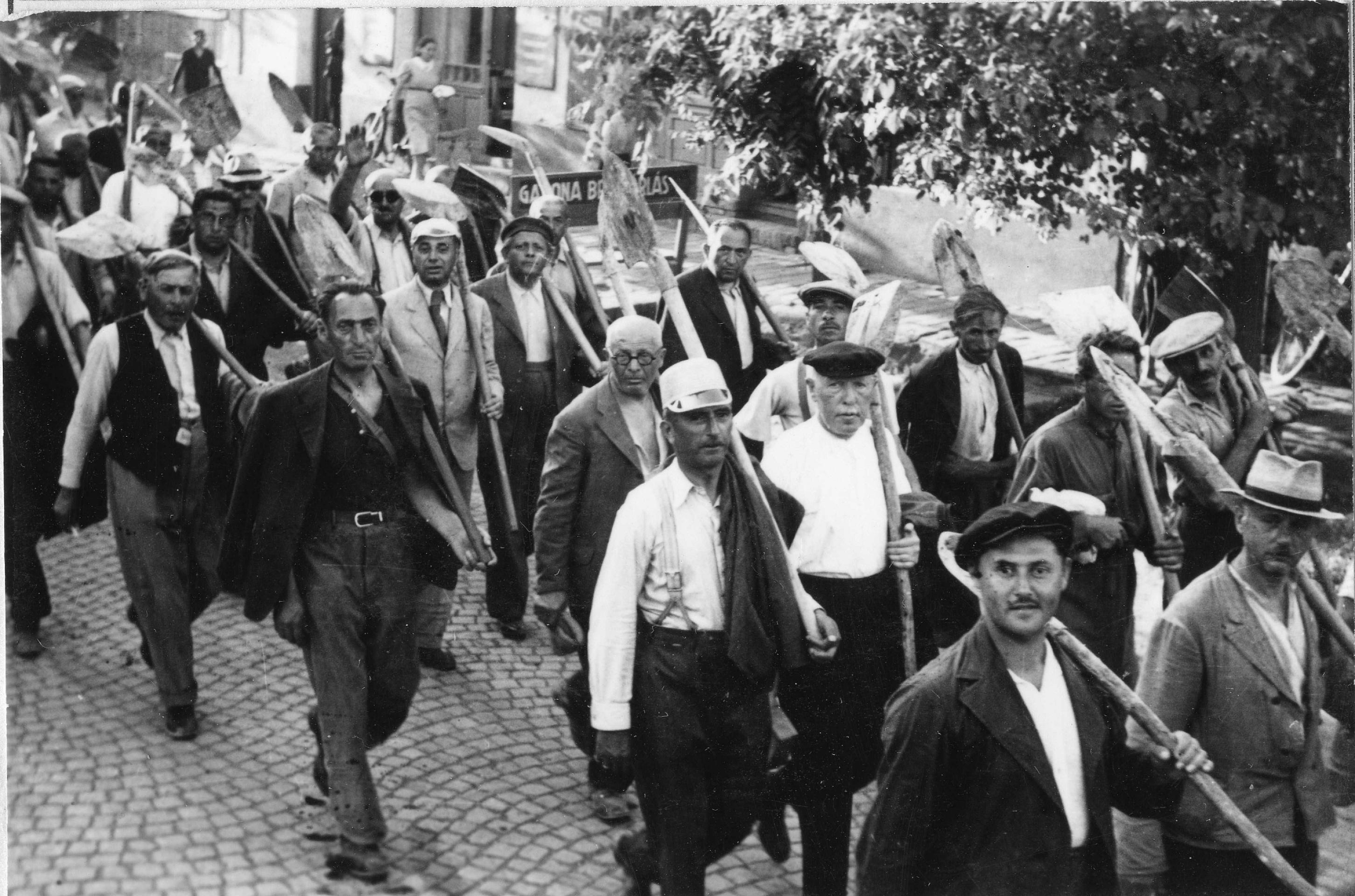
In 1908 a total of almost 7,000 Jews lived in Szeged, representing 5.8 percent of the total population. Between the two world wars, anti-Semitism increased strongly in Szeged. With the introduction of anti-Jewish laws in Hungary, Jews were increasingly forced out of public life. After Hungary's entry into the Second World War, many Jewish men had to conduct forced labour in the army.
On March 19, 1944 Hungary was occupied by German troops. In the hope of escaping persecution, about 180 Jews converted to Christianity in the following weeks. At the beginning of May plans were made to confine the Jews of Szeged in ghettos. As everywhere else in the country, the German and Hungarian authorities cooperated intensively in Szeged in preparation of the deportation of the Jews. Two ghettos were established in Szeged: a large one for about 3,800 Jews of Jewish religion, and a smaller one for about 500 Christians, who were also considered Jews under the racial laws. On June 20, the inhabitants of both ghettos had to move to a collection camp, in which a total of 4,800 people were crammed together. On June 25 the first transport left for Auschwitz-Birkenau. Further trains followed.
Victims
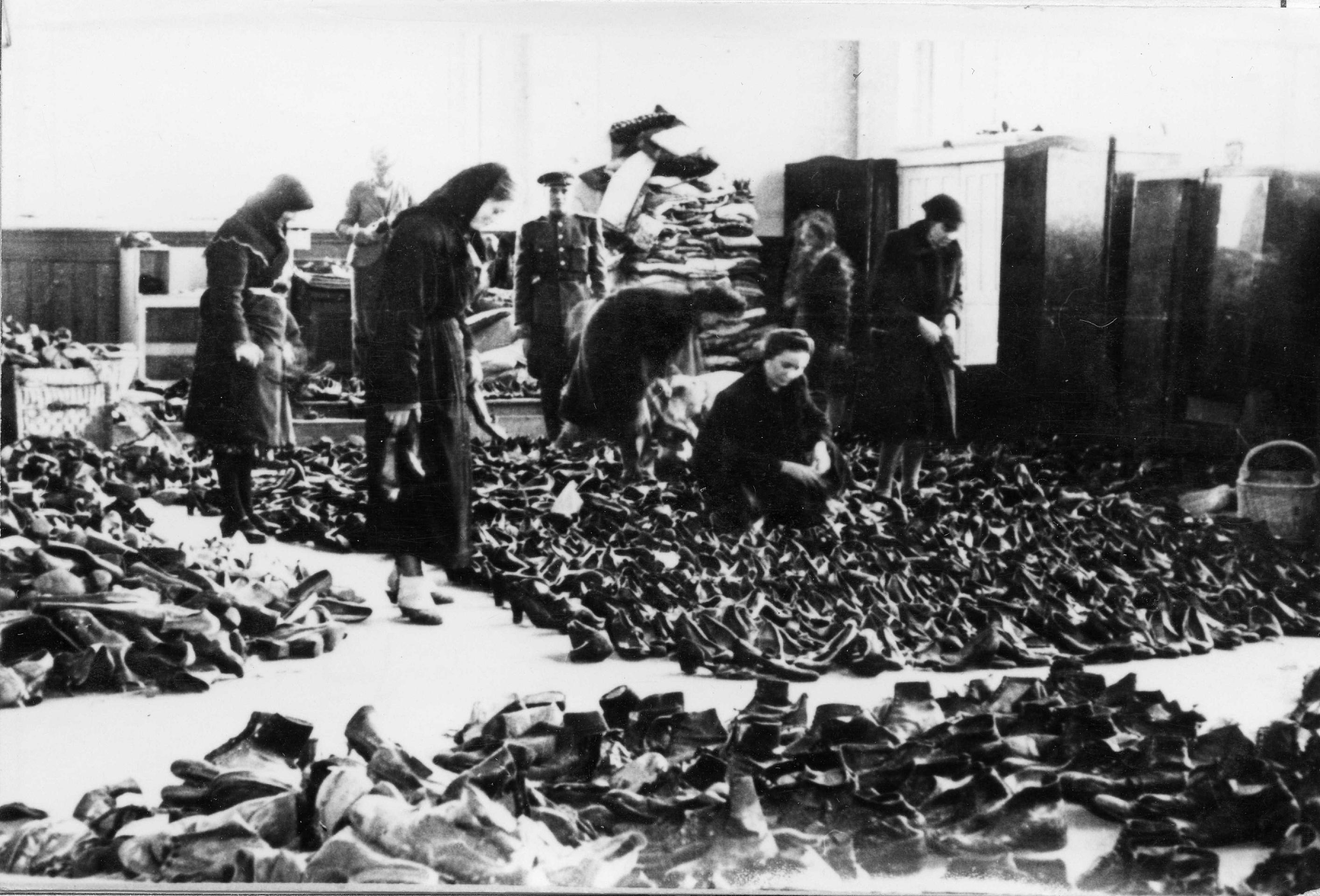
Between 1941 and 1945 about 600 Jewish men from Szeged died during forced labour in the Hungarian army. The first deportation transport took 3,200 Jews from the ghetto to the Auschwitz-Birkenau extermination camp. Most of them were murdered by the SS immediately after their arrival in gas chambers; the survivors of the selection had to conduct forced labour. Some of the wagons of the second train, which had left on June 27, 1944, were uncoupled for reasons that were never exactly clarified and were sent on to Strasshof near Vienna. Thanks to this rescue operation, which was probably the work of Zionist Rudolf (Rezső) Kasztner (1906–1957), 2,737 Jews were saved from the extermination camp. Most of them survived the war.
The number of Jewish victims from Szeged is estimated at 2,500, almost half of the entire Jewish community.
Remembrance
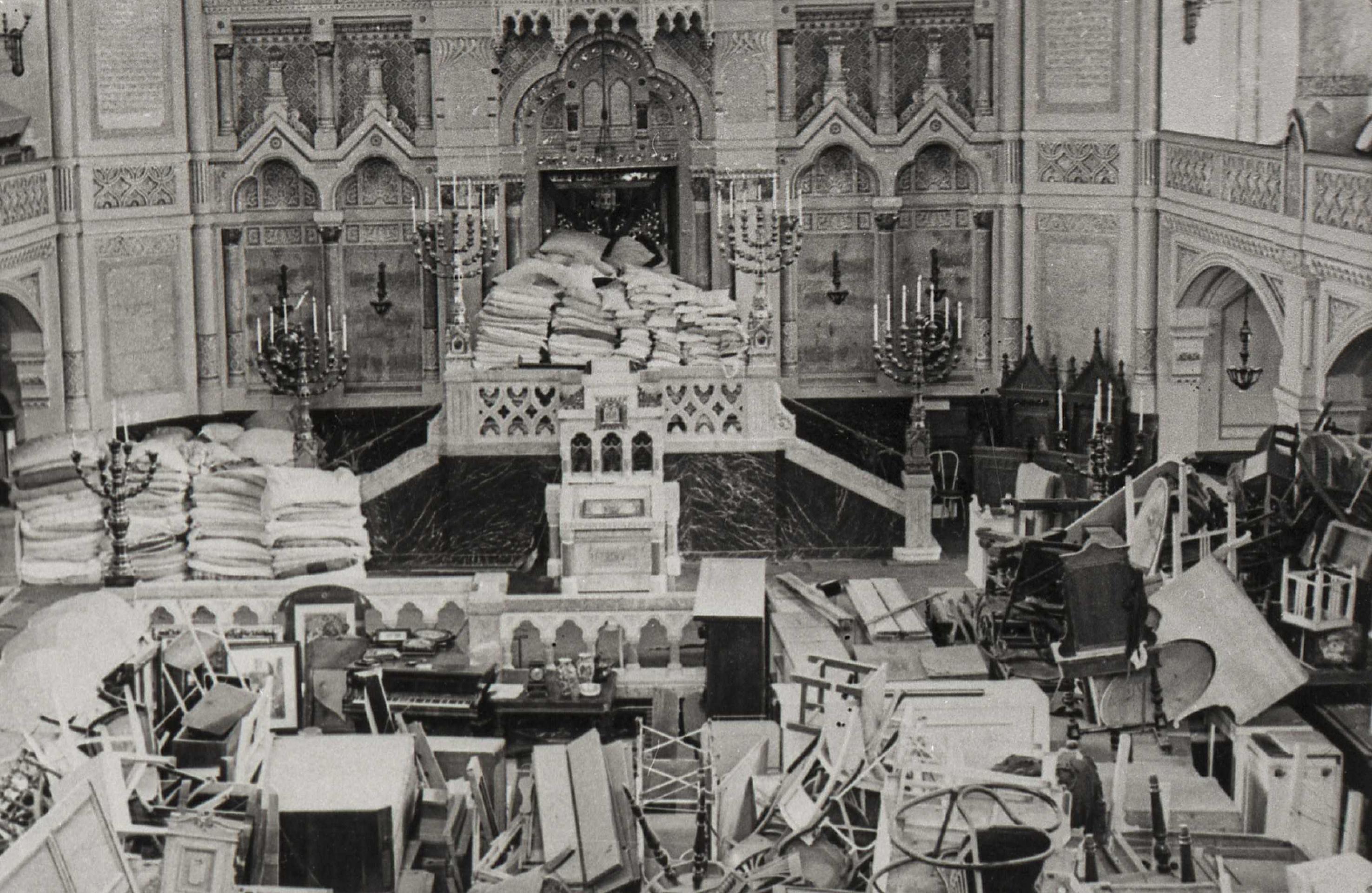
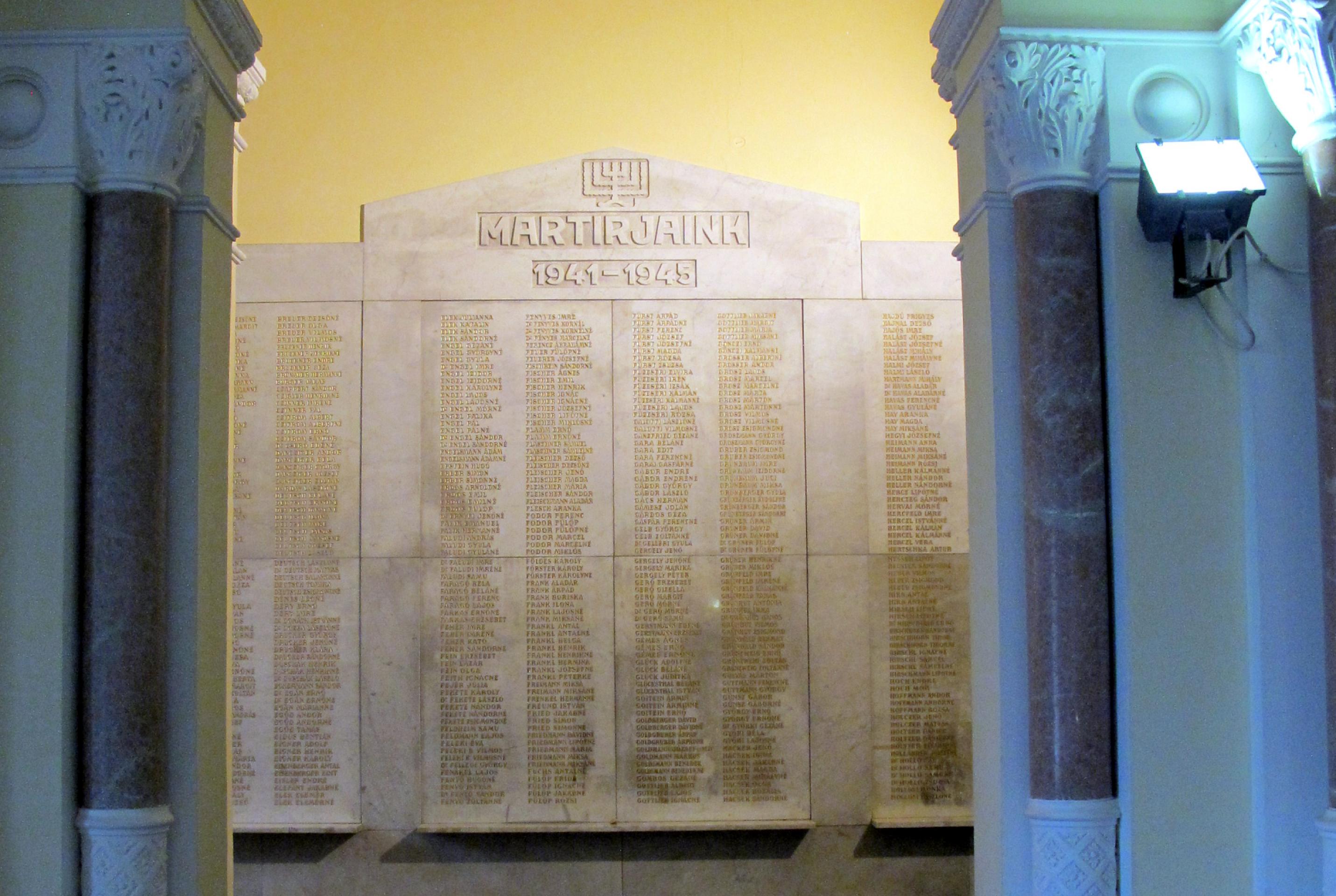
During the Holocaust almost half of the Jews living in the Szeged region were murdered. Despite these losses, already in 1945 survivors started to rebuild the community. In 1949 the Jewish community of Szeged counted about 1,800 members. Other important Jewish institutions such as the primary school also resumed their work. The community is still one of the most active in Hungary today. It is especially the synagogues that still stay as reminders of the Jewish history of Szeged. The Orthodox Old Synagogue with its classicist style, consecrated in 1843, is today considered one of the most beautiful architectural monuments of the city. It is used for cultural purposes. The classicist style New Synagogue, built in 1903 in accordance with the plans of Leopold (Lipót) Baumhorn (1860-1932) in Art Nouveau style, is one of the largest synagogues in the world. On a wall inside the synagogue, the first memorial plaque for 2,400 victims known by name was inaugurated in 1948.
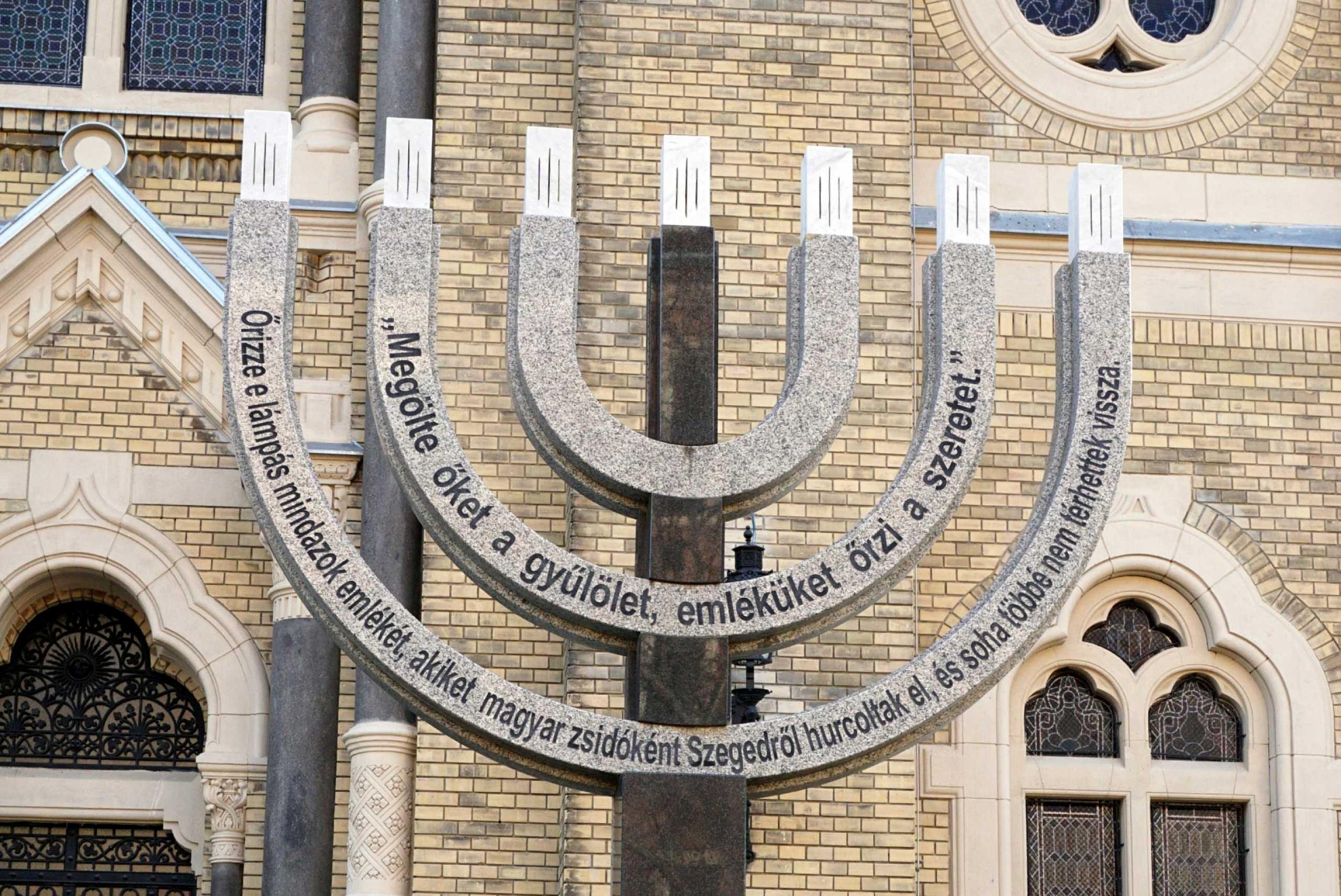
For decades, the commemoration days for the victims of the Holocaust were attended almost exclusively by members of the Jewish community. This changed after 1989, when more and more official representatives of the city took part in commemoration ceremonies. In 2004, a monument in the form of an obelisk with a Star of David as its base was inaugurated on the former site of the entrance to the ghetto. In 2014 a large menorah in the courtyard of the New Synagogue was inaugurated in memory of the murdered Jews from Szeged. The inscription on the arms of the Menorah reads: »›They were killed by hatred, their memory is preserved by love‹ - Let this light preserve the memory of those who were deported from Szeged as Hungarian Jews and could never return«.
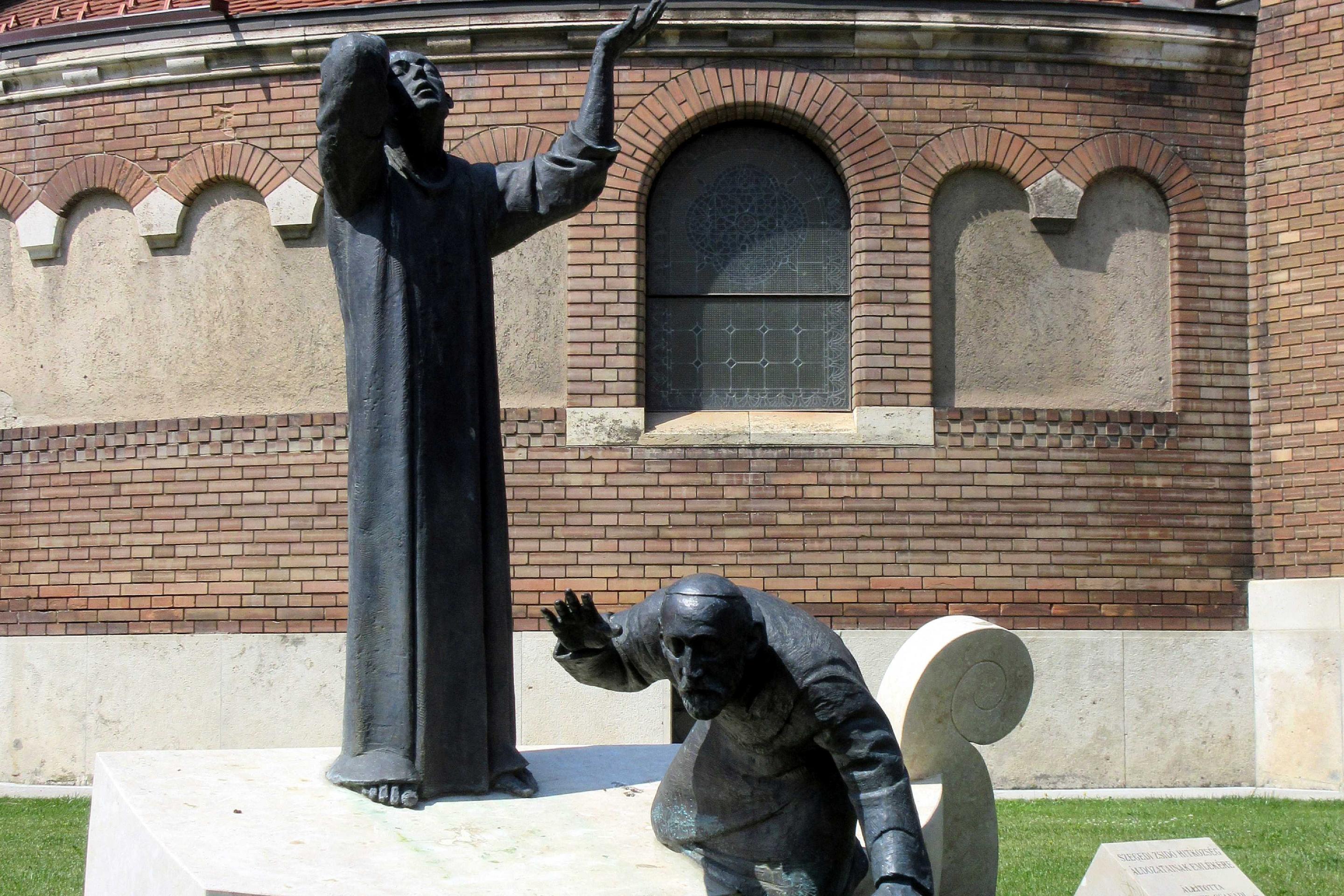
The same year a controversial monument in front of the cathedral was inaugurated on the initiative of the Catholic diocese. It represents the two religions Judaism and Christianity as two brothers. While the older, Jewish brother falls out of the boat into the water, the Christian brother desperately prays to God instead of coming to his brother's aid.
Possibilities
Guided tours in Hungarian and English upon request.
Open
Opening hours of the New Synagogue:
April to September 9.00 a.m. to 12.00 a.m. and 1.00 p.m. to 5.00 p.m.
October to March 10:00 a.m. to 3:00 p.m.
Closed on Saturdays.
Contact
elnok1947@szzsh.hu
+36 (0)62 423 849