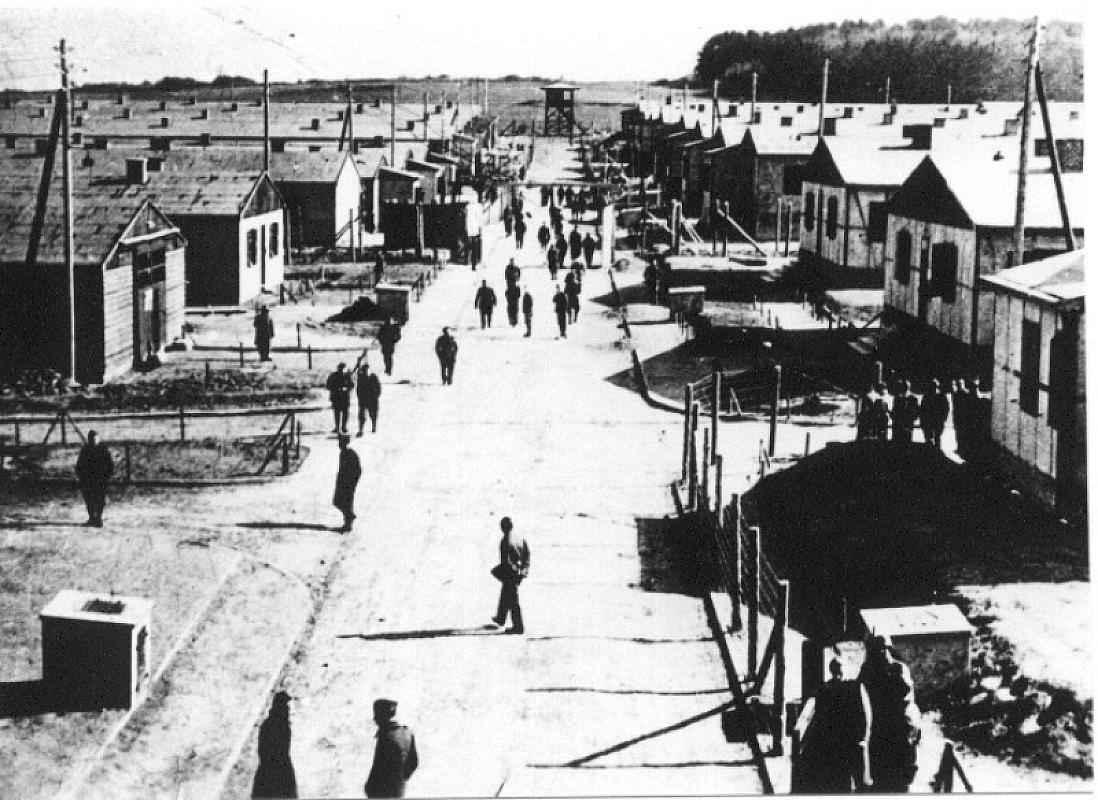
Between 1936 and 1945, the Army Research Centre and the Luftwaffe test site were located on the Baltic Sea island of Usedom. The Wehrmacht needed to deploy a large labour force consisting of thousands of prisoners for the construction of the V-2 rocket and for this purpose, the Ravensbrück concentration camp satellite camps Karlshagen I and II were set up at the test site. Several stopping points along the Peenemünde Monument Landscape commemorate the fates of the prisoners.
History
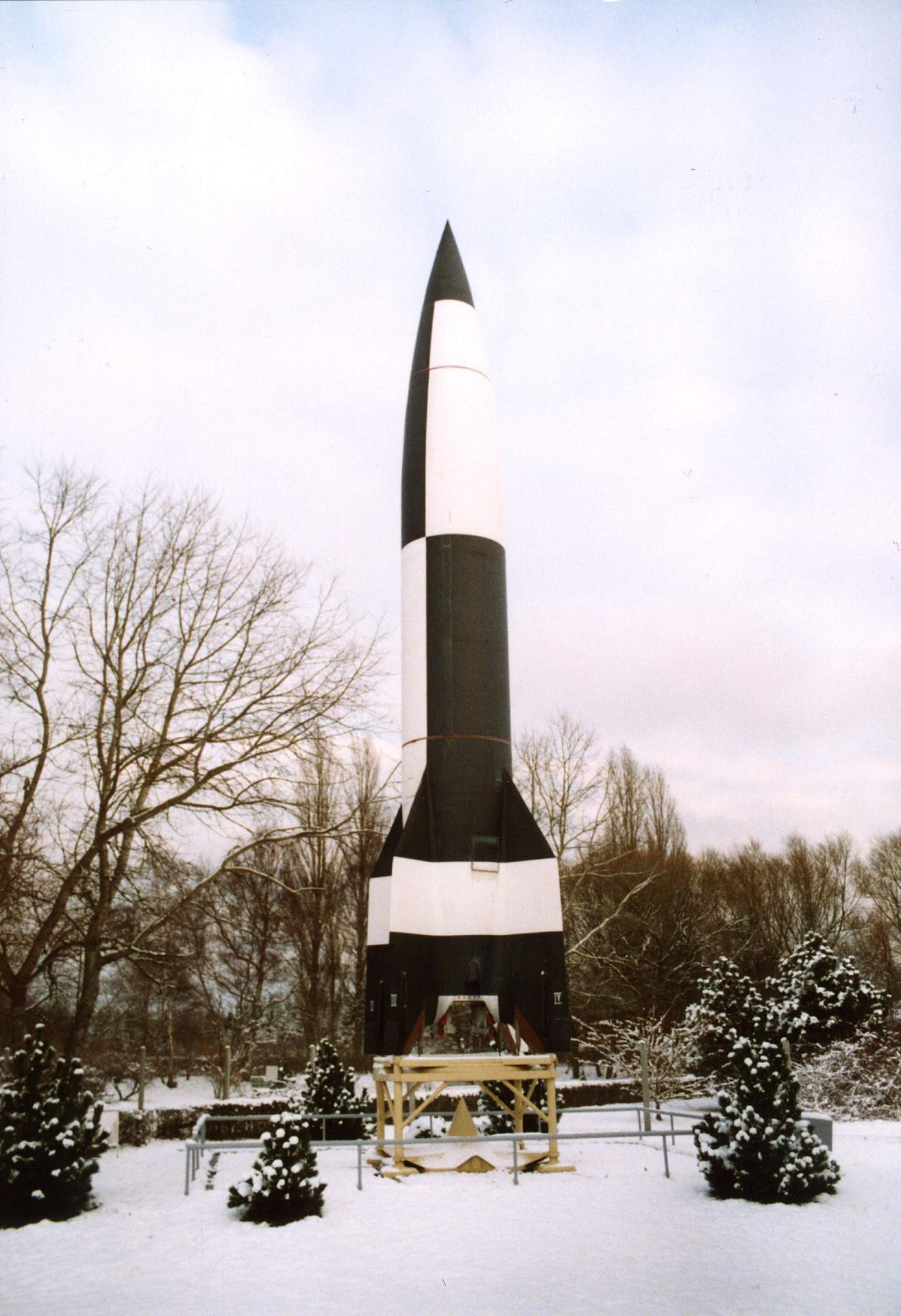
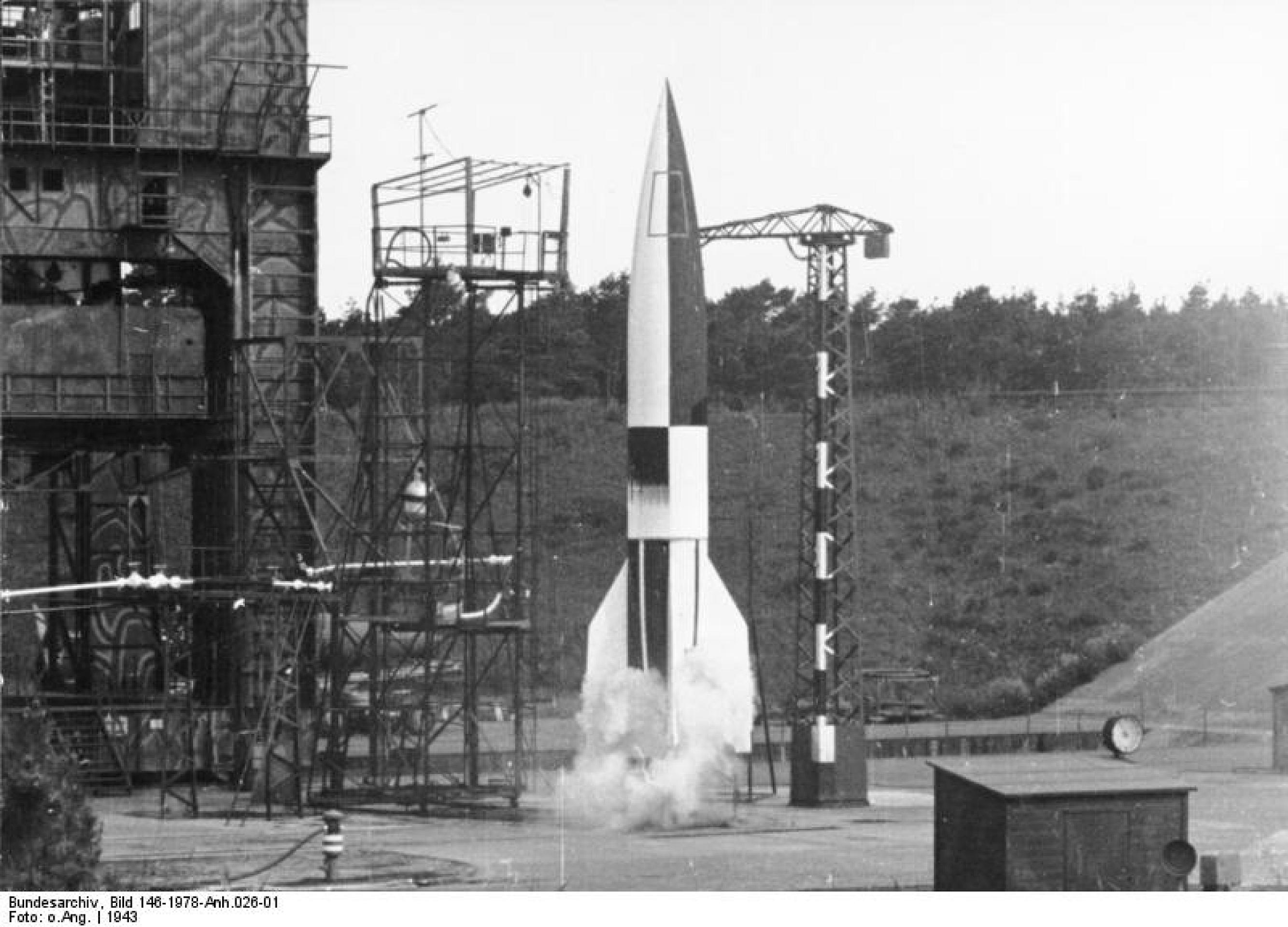
Already in 1932, the German military began conducting rocket research. The Wehrmacht set up the Peenemünde Army Research Centre in 1936 for the purpose of developing a long-distance missile. Its secluded location in the north of the Usedom island was ideal for secret military research. The aim of the group of scientists led by Wernher von Braun was the construction of a liquid fuelled rocket that would be able to carry 750 kg bombs over a long distance and finally accurately hit and destroy its target. After several failed attempts, on October 3, 1942, the scientists successfully launched an A4-type rocket (»Aggregat 4«) across a distance of 192 kilometres after which it struck upon the Baltic Sea. Two years later, the Wehrmacht utilised this rocket as the V-2 »retaliation weapon« primarily against Britain.
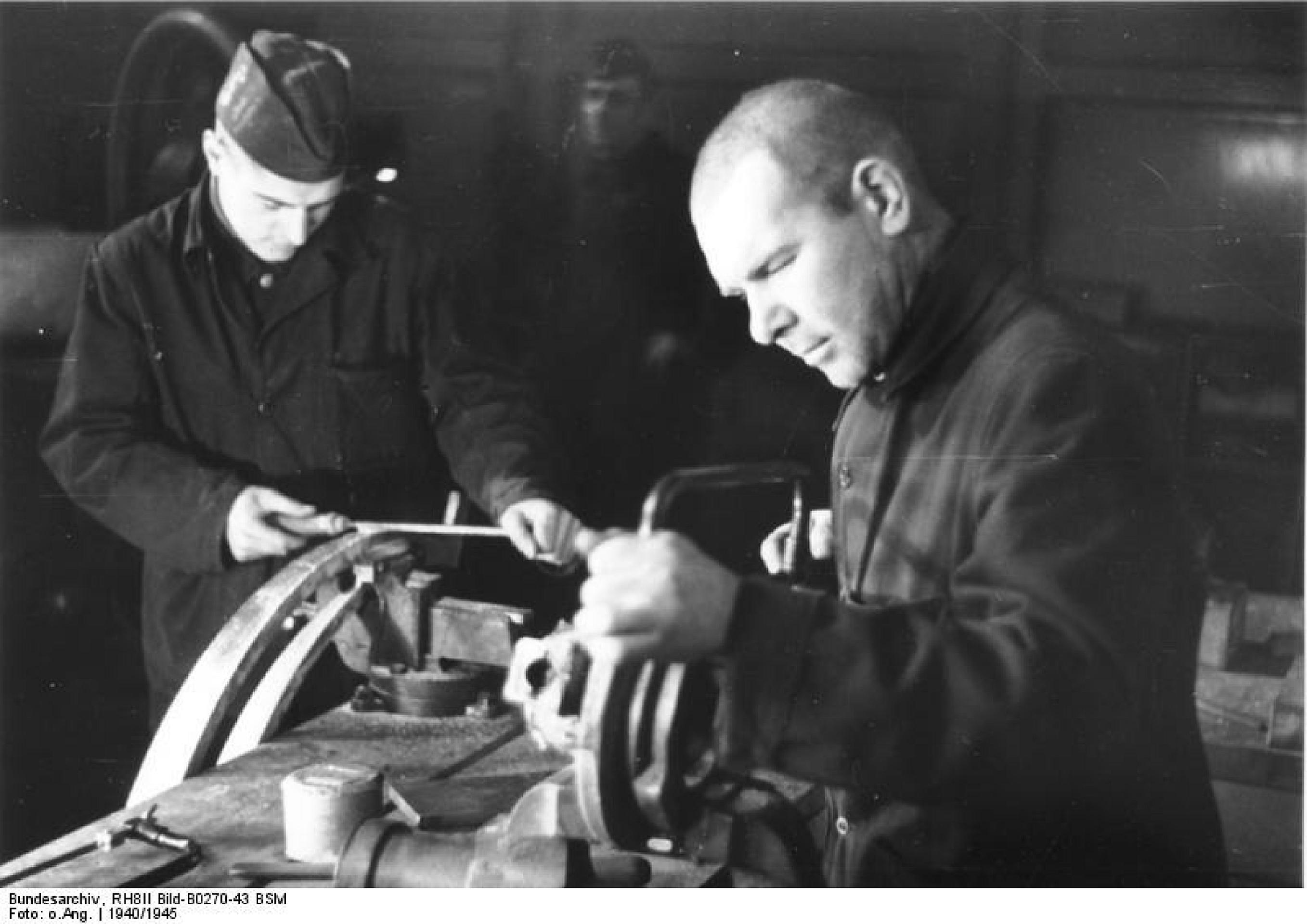
Tens of thousands of forced labourers were deployed in the development and construction of the rocket at different production sites. The concentration camp prisoners who performed forced labour at the Army Research Centre and at the Luftwaffe test site were deployed upon orders by the technical and military departments at the SS Economic Administration Main Office (WVHA). The first prisoner transports arrived from Buchenwald in June 1943. Two camps were set up to house the prisoners: one on the production site and one in the nearby township of Karlshagen. About 1,200 prisoners were incarcerated at a time at the Karlshagen I camp, which existed until the beginning of 1945. They had to work for ten hours a day at »Werk Ost«, frequently performing very dangerous tasks, and received only meagre food rations. The second camp was shut down following a British air raid at the production site on August 18, 1943. After it became clear that the Allies were aware of the existence of the »Peenemünde Test Site«, the production of the V-1 and V-2 rockets was moved underground to the Harz region.
Victims
The bodies of probably 170 prisoners from the Karlshagen I concentration camp were burned in the Greifswald crematorium between December 1943 and September 1944. At the end of the 19060s, the remains of 56 corpses - presumably prisoners - were found in the vicinity of the Peenemünde cemetery. Evidence shows that several of them were killed by a shot to the head. The exact number of prisoners who perished at Peenemünde/Karlshagen is not known.
Between 1943 and 1945, when production was moved to the Harz region, about 60,000 prisoners passed through the Mittelbau-Dora concentration camp and its satellite camps. They were deployed in the expansion of the tunnel systems and assembling of rockets. An estimated 20,000 prisoners of war and forced labourers died mostly due to the atrocious working and living conditions they were subjected to while assembling rockets at various production sites. Between September 1944 and March 1945, the V-2 rockets carried death and destruction to London and other British cities.
Remembrance
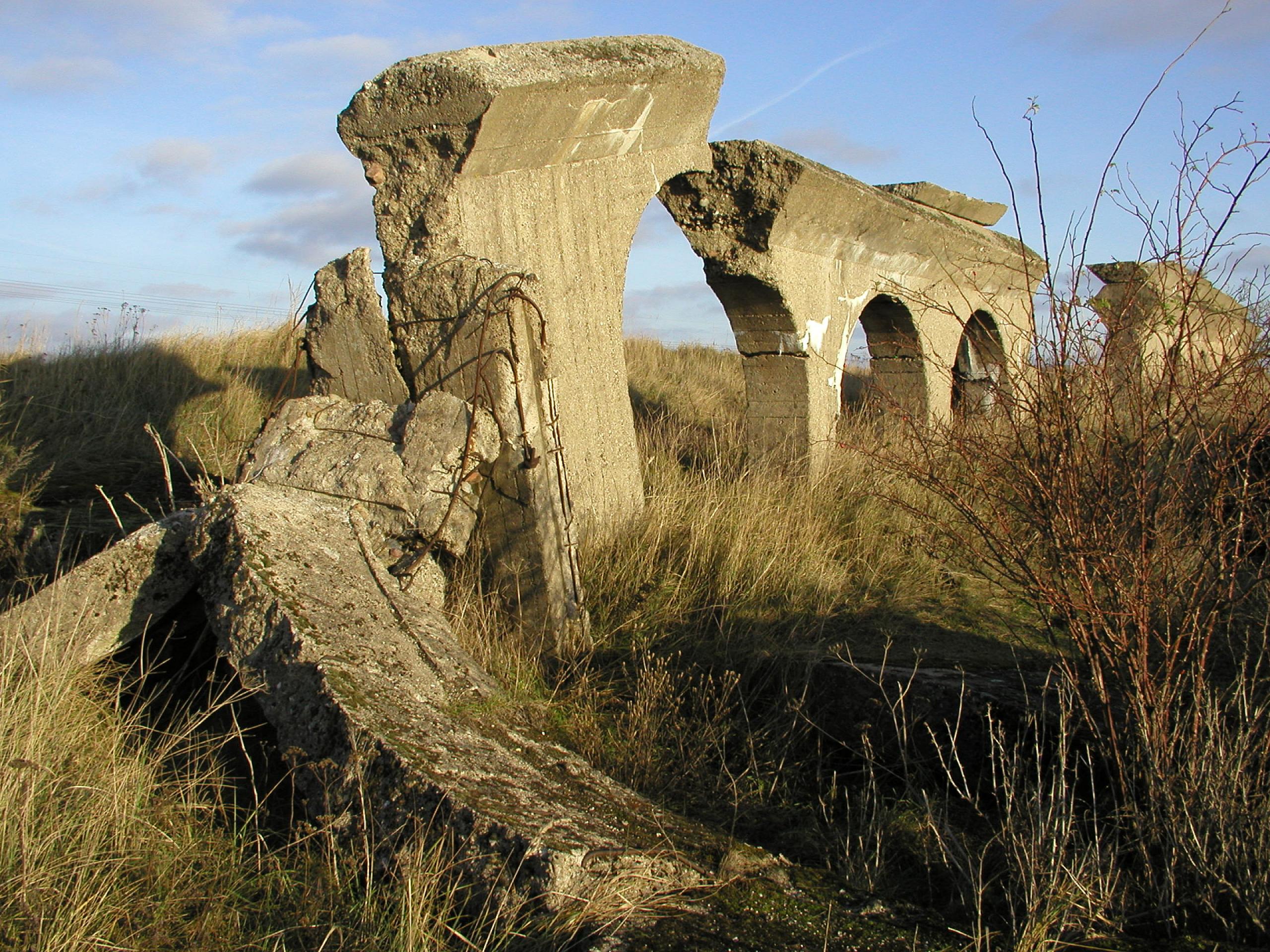
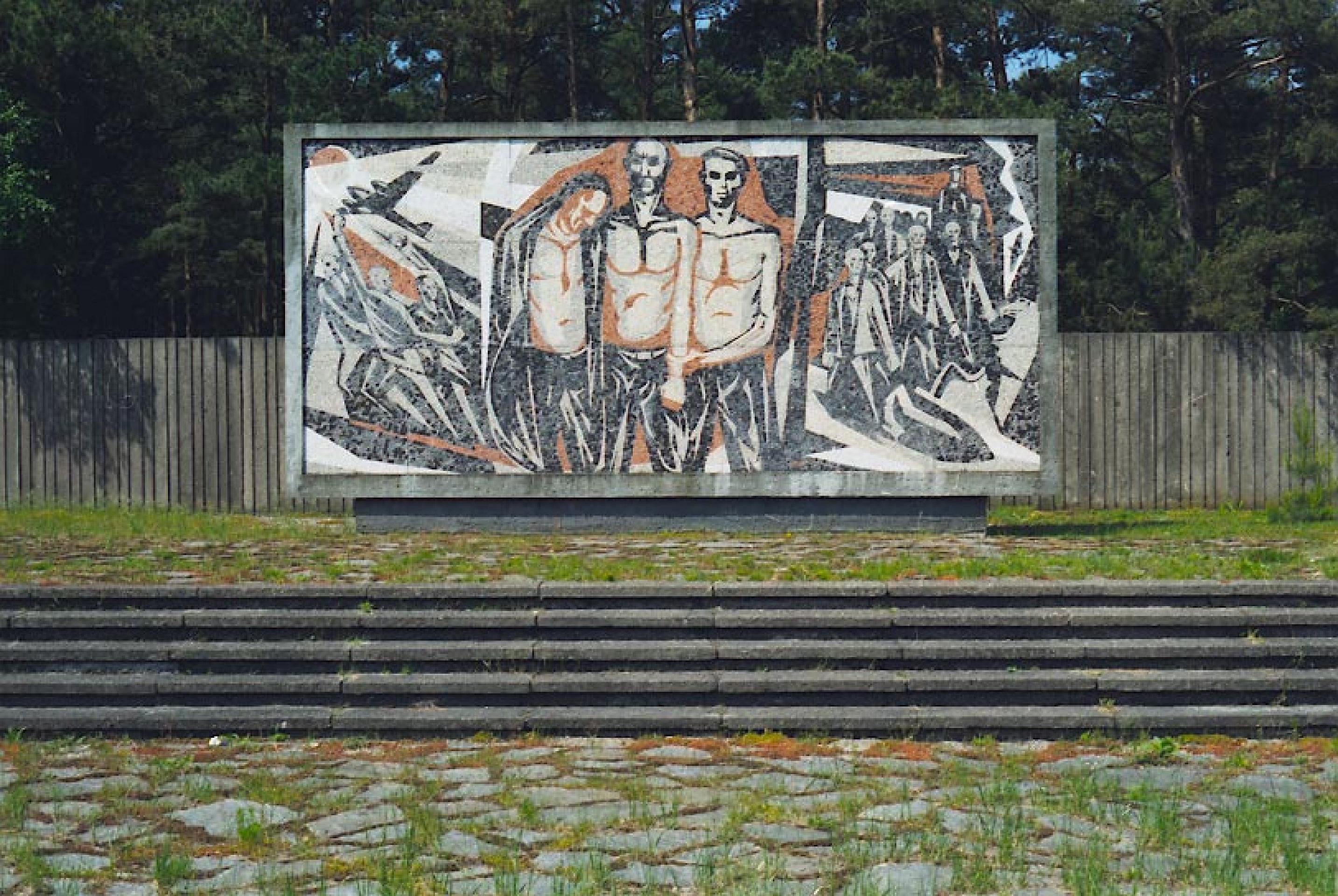
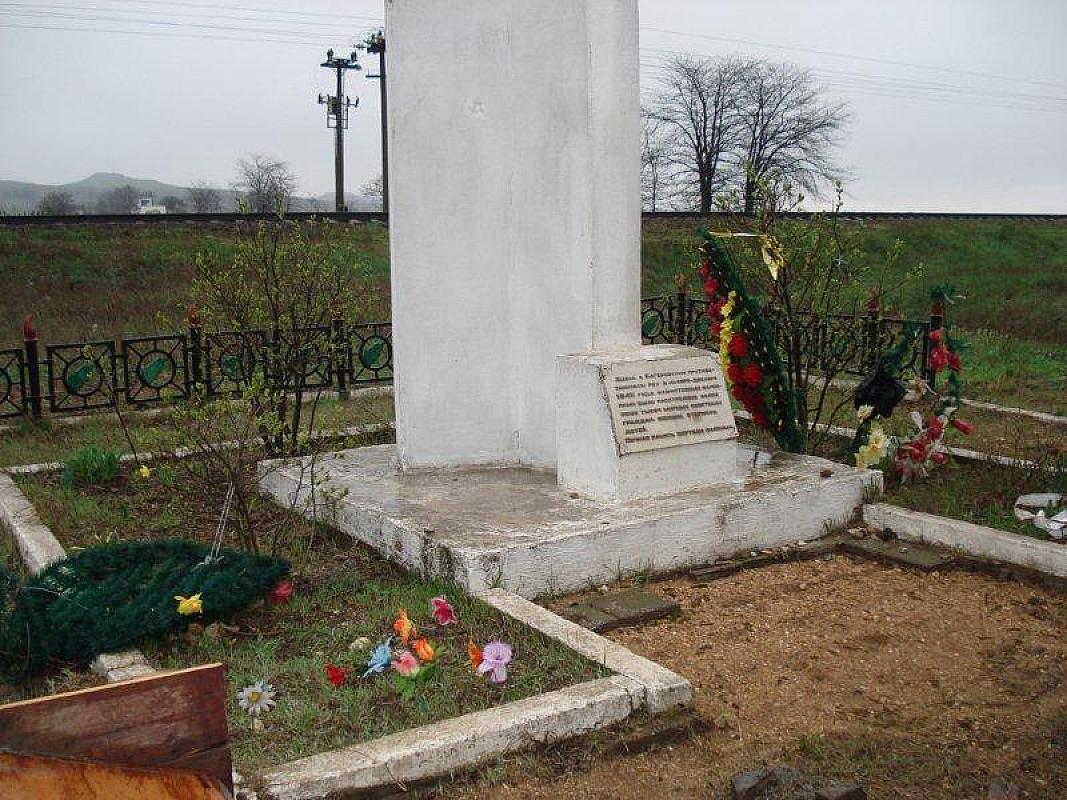
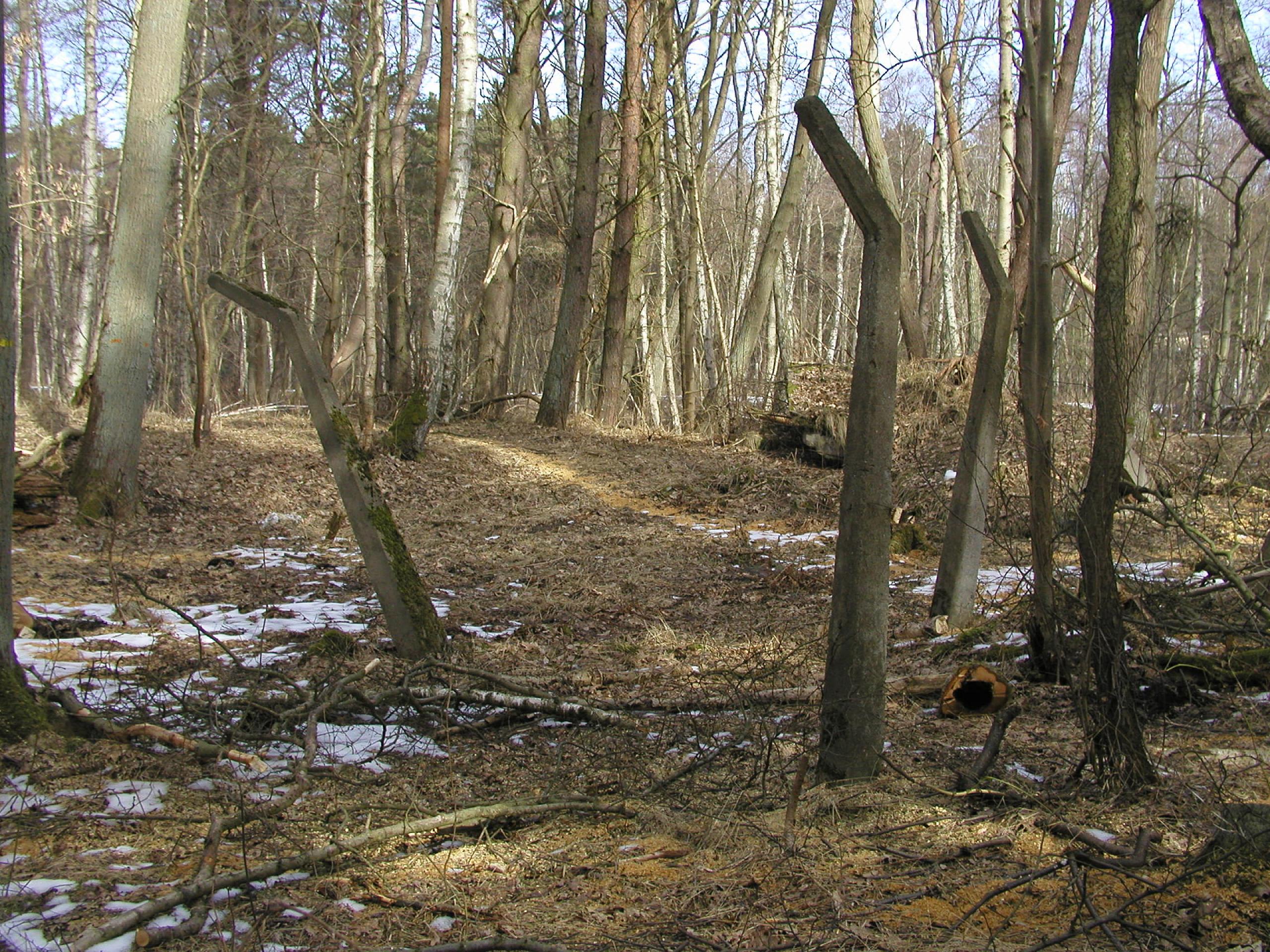
In 1971, a monument - a mosaic picture by artist Karl Rösler - was set up in memory of the 56 dead whose bodies were found in 1968. A memorial plaque at this site from the 1990s commemorates all victims of World War II. The memorial site is part of the »Peenemünde Monument Landscape«. The aim of this project is to present the historic components of this site in a manner that is in accordance with nature and landscape conservation. Visitors can visit various sites which were important in the development and production of the A4 rocket on a 22 km long circular tour. The stopping points include the Peenemünde Historical Technical Museum (HTM), set up at the site in 1997, the site of the former satellite camp, remains of the bunker complex and the area of the former main guardhouse. Information plaques at all 13 stopping points of the tour provide information on the various sites.
Open
April to September daily 10 a.m. to 6 p.m., October to March daily 10 a.m. to 4 p.m., November to March closed on Mondays
Contact
htm@peenemuende.de
+49(0) 38371 505 0
Im Kraftwerk
17449 Peenemünde