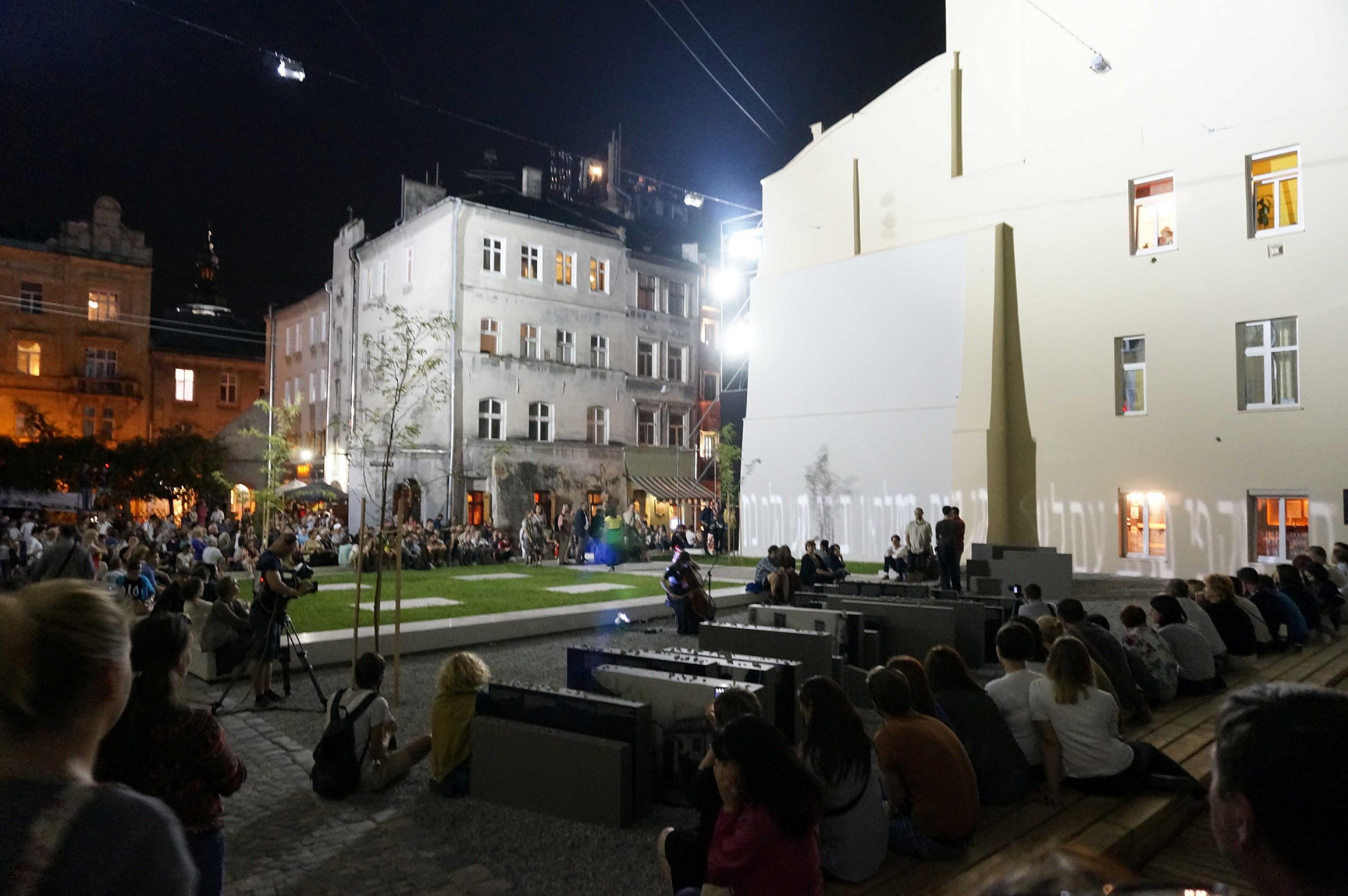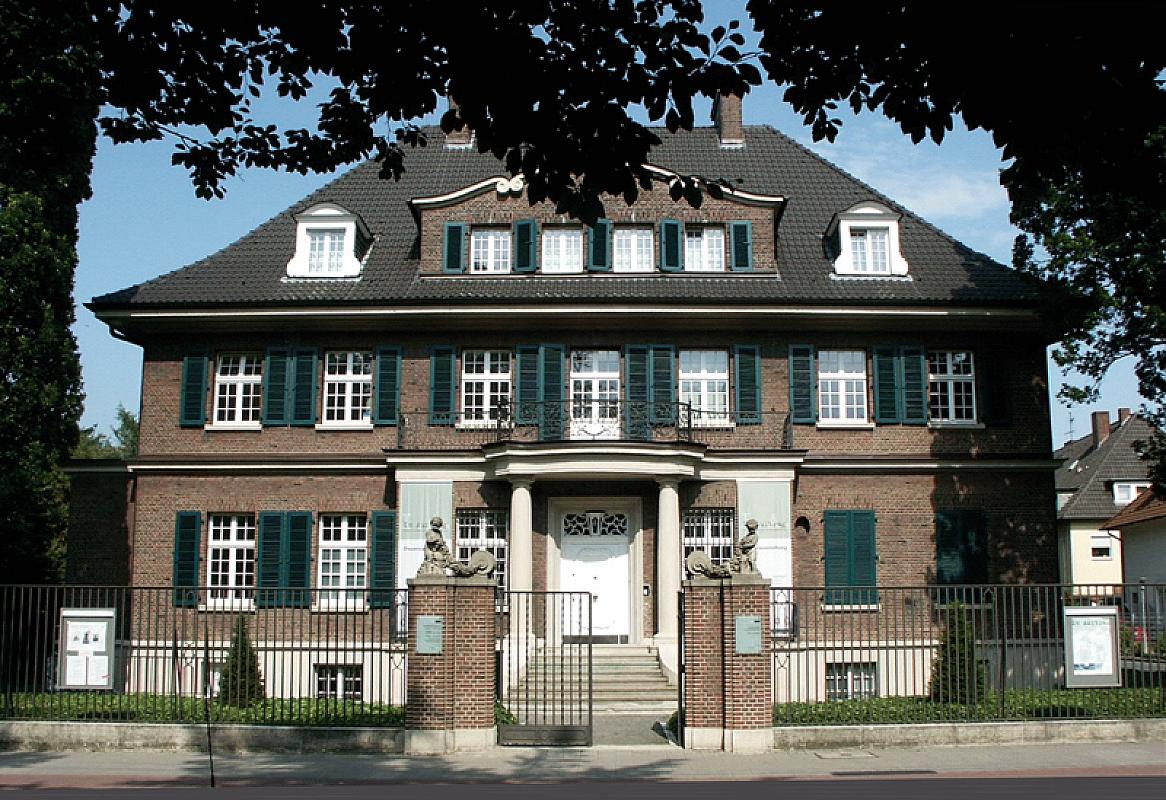
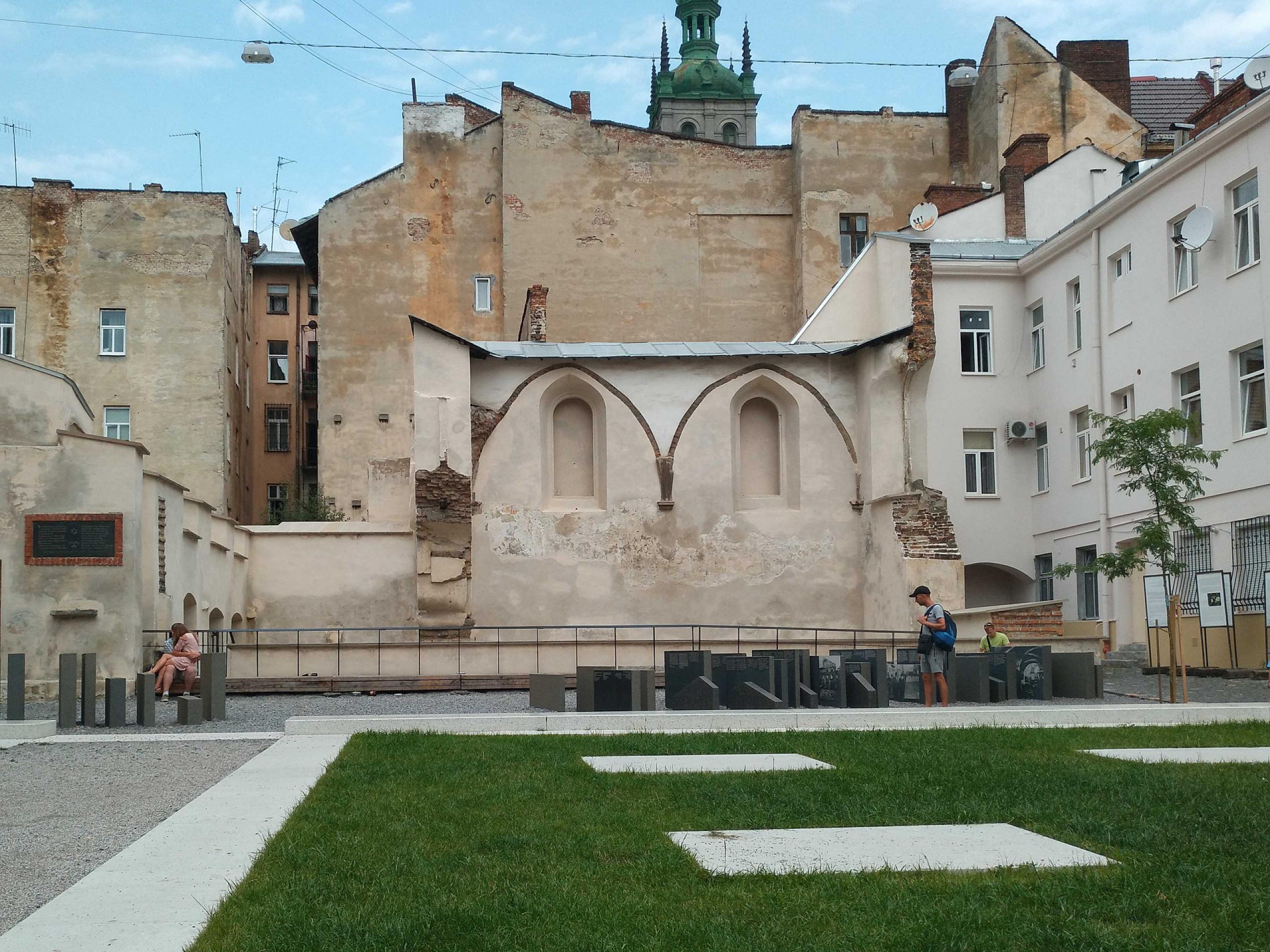
Lviv (Ukrainian: Lwiw, polnisch: Lwów) was once a flourishing cultural centre in which for centuries Jews had played a major role. In 2016, the »Space of Synagogues« memorial was opened on the site of the Golden Rose Synagogue destroyed during the German occupation of the city in the Second World War.
History
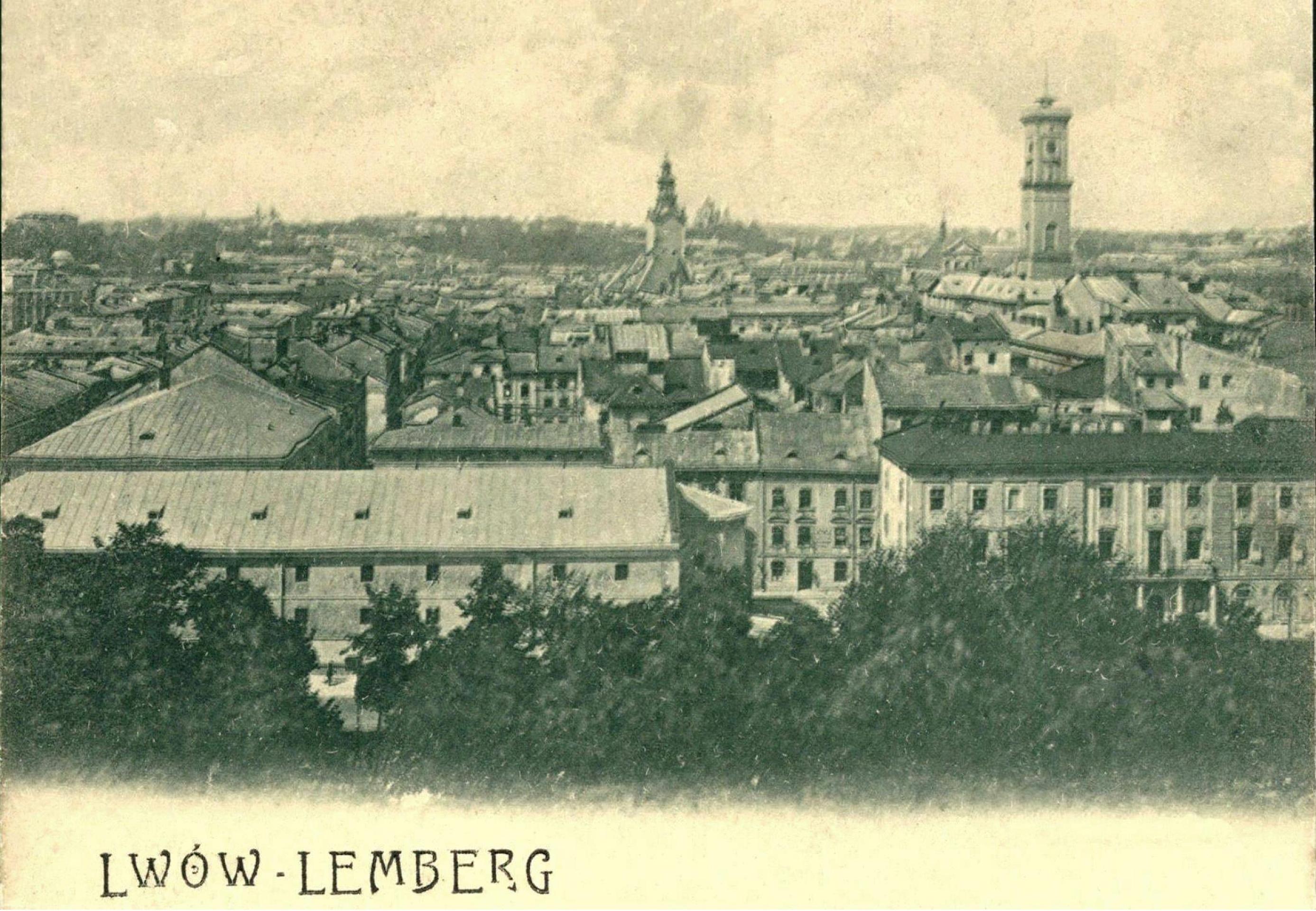
The Jewish community of Lviv was one of the most important in the Kingdom of Poland in the Middle Ages. After the division of Poland in 1772 Lviv belonged to the Habsburg Empire. During this period, the ideas of the Enlightenment had a great influence on the Lviv Jews, while at the same time the Austrian administration tried to bind them to the Austrian state, amongst other things by promoting the German language. In 1867 Jews in Austria-Hungary achieved full legal equality. It was the beginning of a Golden Age for the city and the Lviv Jews. At the same time, the Polish national movement grew stronger - many Jews turned towards Polish culture. After the First World War, Lviv belonged once again to Poland and was one of the most important cultural centres of the country. Poles made up about half of the city population, a third were Jews and about 15 percent Ukrainians.
After the outbreak of the war in September 1939, the Soviet Union occupied eastern Poland including Lviv in consequence of the Molotov-Ribbentrop Pact. When the German Wehrmacht attacked the Soviet Union in June 1941, it occupied Lviv almost immediately. Incited by the Germans, the rage of parts of the Ukrainian population bottled-up during the Soviet occupation unleashed on the Jews: in a pogrom lasting several days at the end of July 1941, more than 2,000 Jews were murdered.
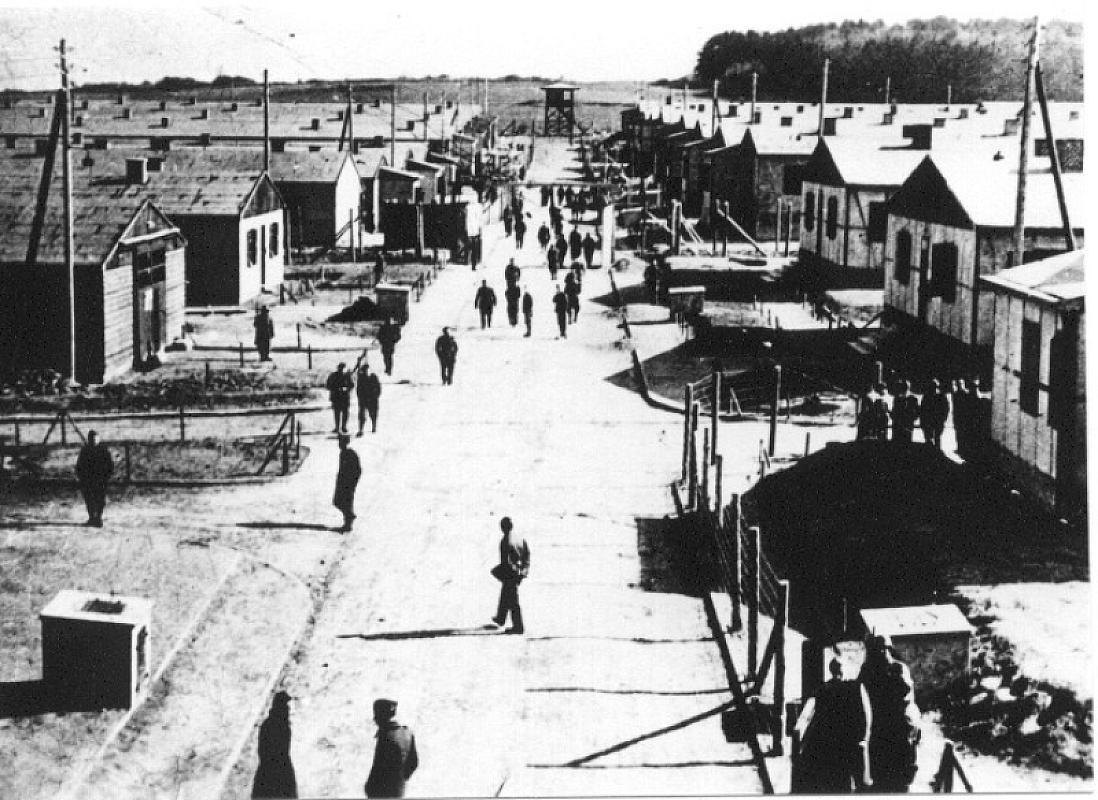
In the summer of 1941, the Germans destroyed all synagogues, including the 16th century Orthodox Golden Rose Synagogue. They set up a ghetto to which all Jews from Lviv and the surrounding area were relocated. In 1942/43, the SS deported most of Lviv's Jews to the Bełżec and Sobibór extermination camps and murdered them there with poison gas. In June 1943, the Germans dissolved the ghetto murdering 10,000 Jews. The survivors were taken to forced labour camps such as the one on Janowska Street in Lviv.
Victims
Prior to 1939, about 110,000 Jews lived in Lviv. After the division of Poland in 1939, about 100,000 Jewish refugees from the German-occupied part of the country were added. Almost all of them were murdered between 1941 and 1944 in anti-Jewish riots, mass shootings and in extermination camps, or perished in forced labour camps.
Remembrance
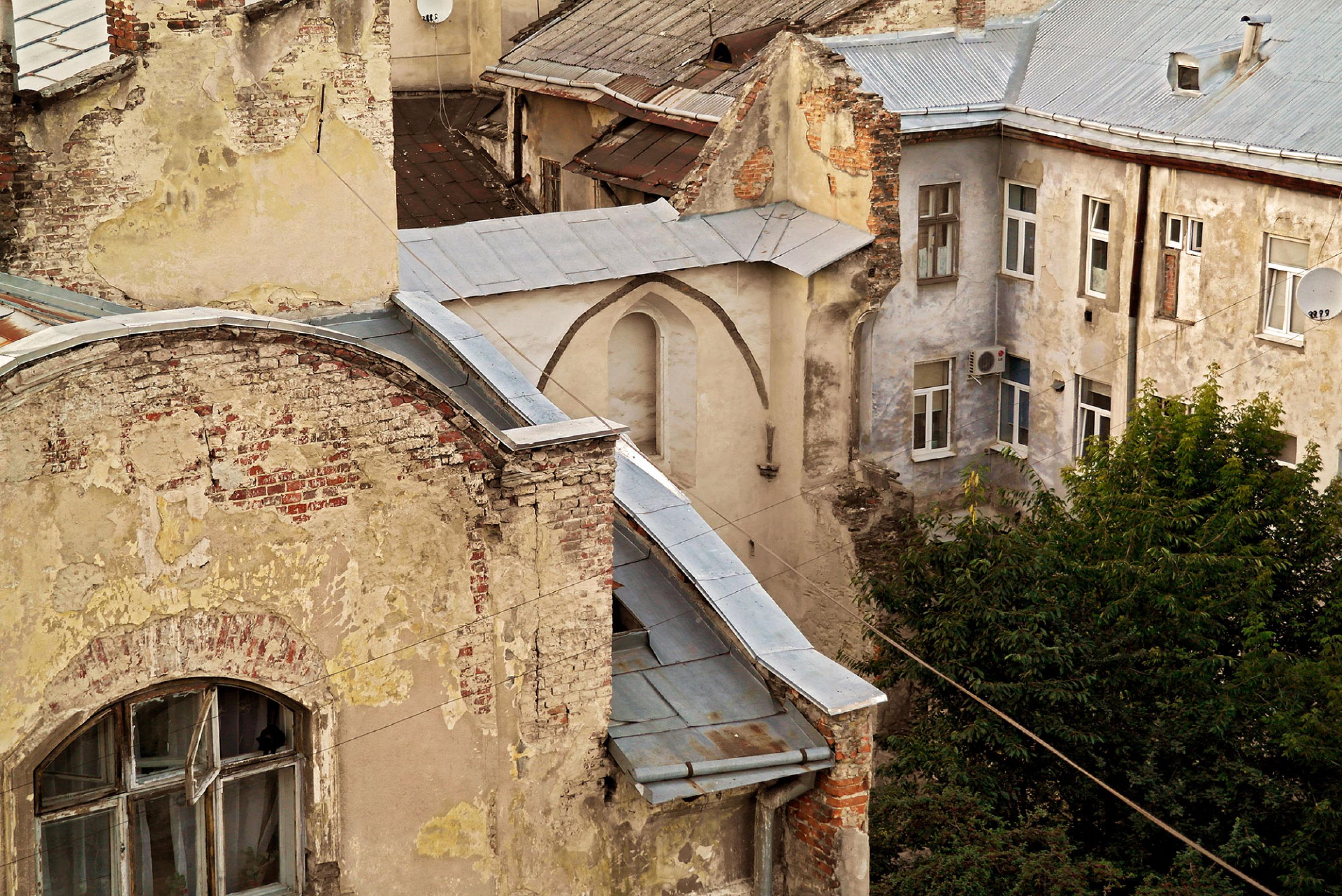
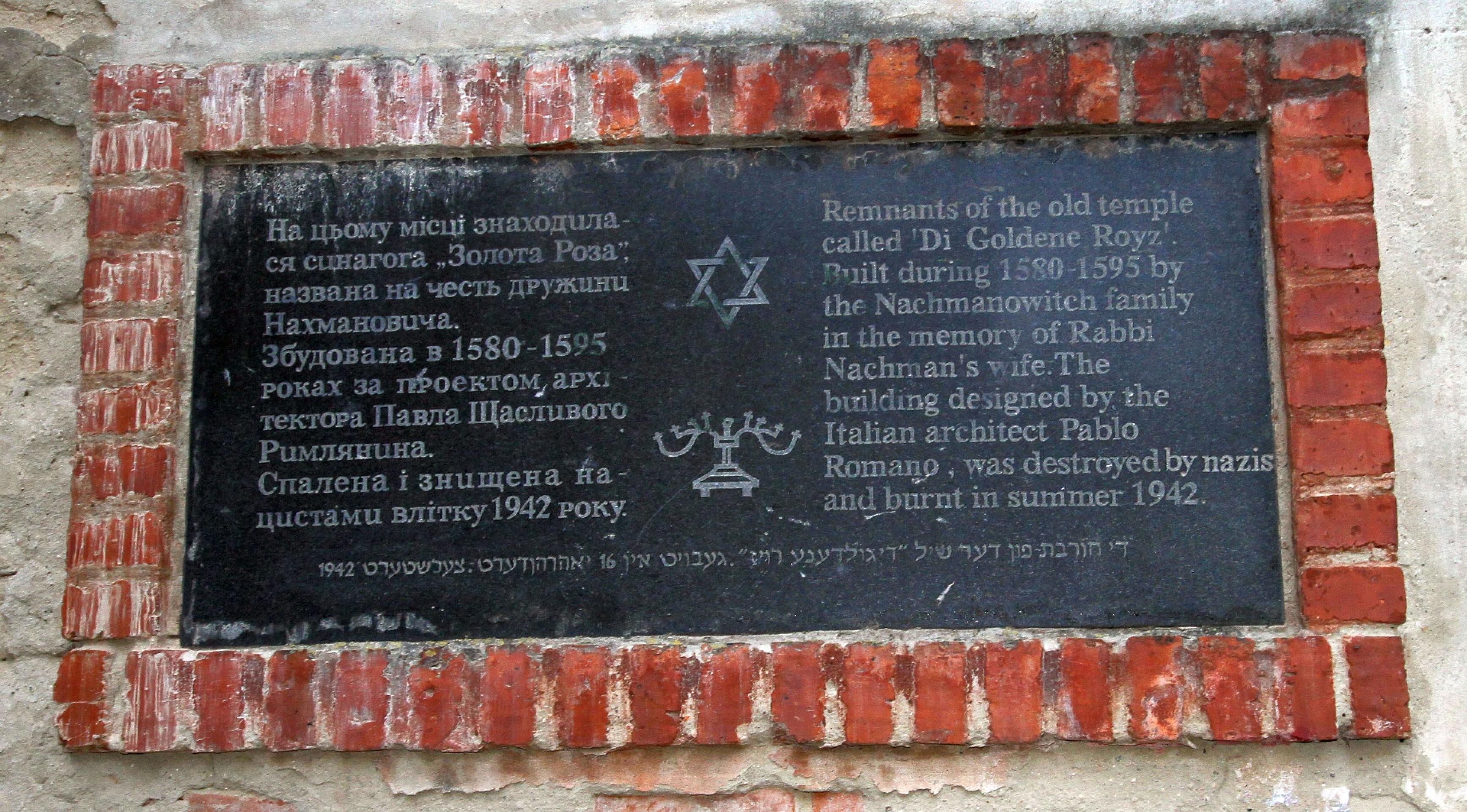
The Golden Rose Synagogue was built in 1582 in Renaissance style with Gothic windows. Until the construction of the Great City Synagogue in the immediate vicinity in 1801, the Golden Rose served as the main synagogue for the Jewish community of Lviv. In the 19th century mainly Hasidic Jews used the synagogue. 1941 the German occupying forces burned down all synagogues, the ruins were usually blown up and demolished. Only remains of the Golden Rose remained, which were almost completely destroyed in the post-war period. Only the remnants of a wall remained which show the contours of the Gothic windows.
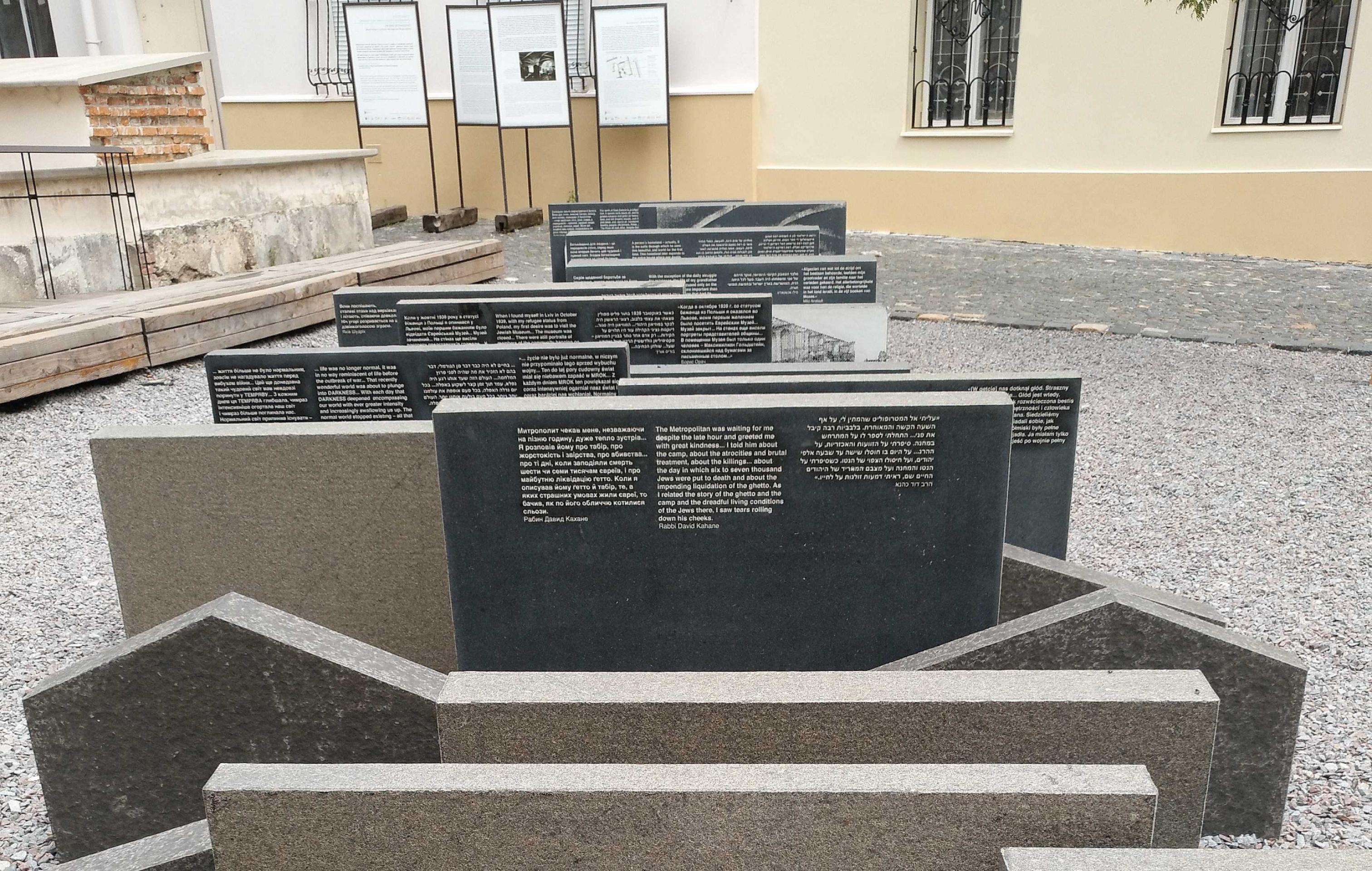
After the independence of Ukraine, Lviv began to take a closer look at its Jewish history. In 1992 a memorial plaque was placed on the remains of the walls of the Golden Rose Synagogue. In 2008, an initiative was launched to make the most important sites of Jewish history that have disappeared since the Second World War visible again in the city's landscape. A major step forward was the redesign of the remains of the Golden Rose Synagogue and the traces of Beth Hamidrash, a Torah school. In the centre of the ensemble are memorial stones with quotes in several languages. The memorial ensemble thus recalls both the once flourishing Jewish community and the destruction of the synagogues and the murdering of the Lviv Jews during the German occupation. The next step is to redesign the square where the Great City Synagogue once stood.
Open
The memorial plaque is currently not accessible.
Contact
institute@lvivcenter.org
+380 (0)322 751 734
Staroevreiska 41
7900 Lwiw