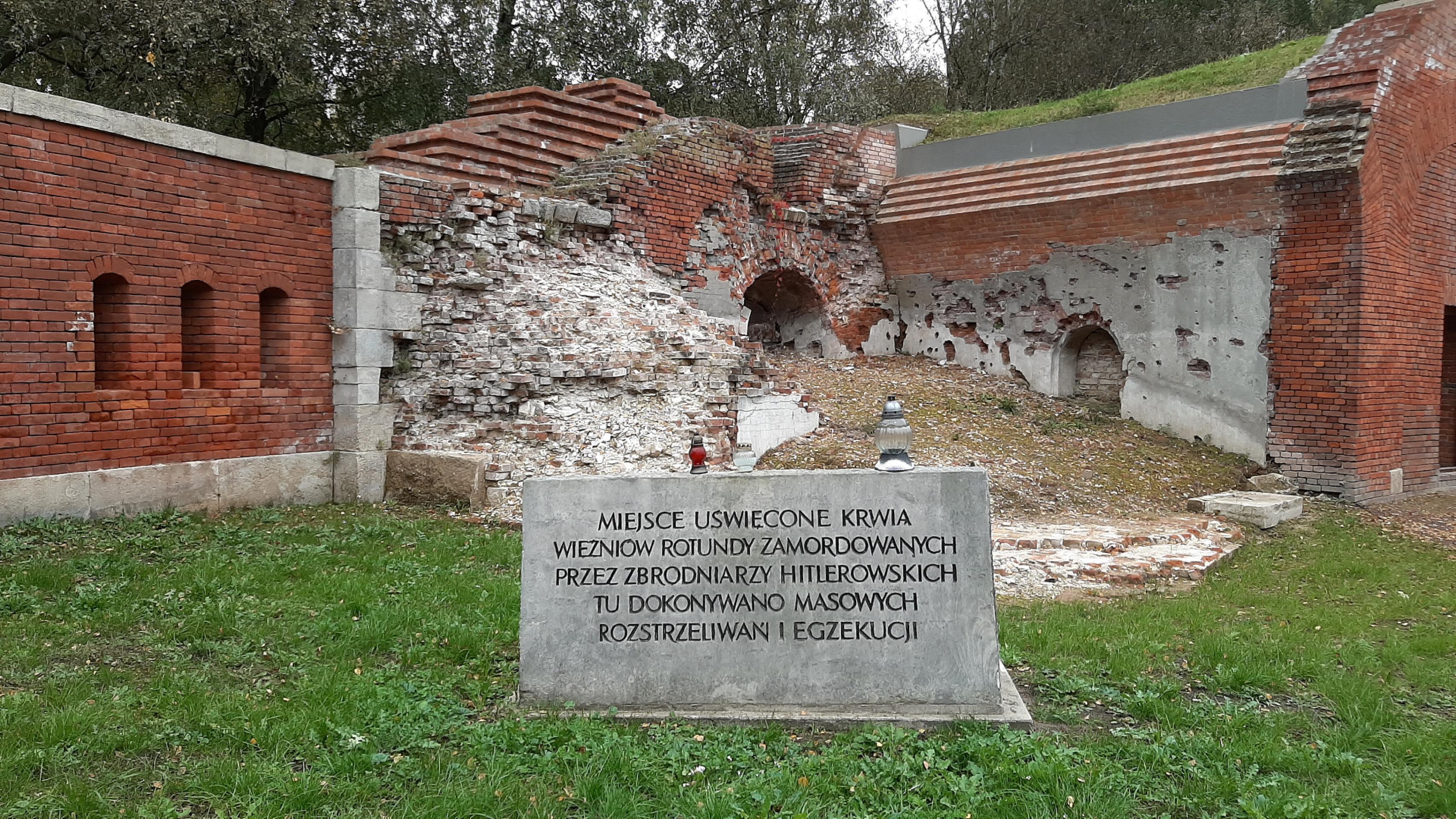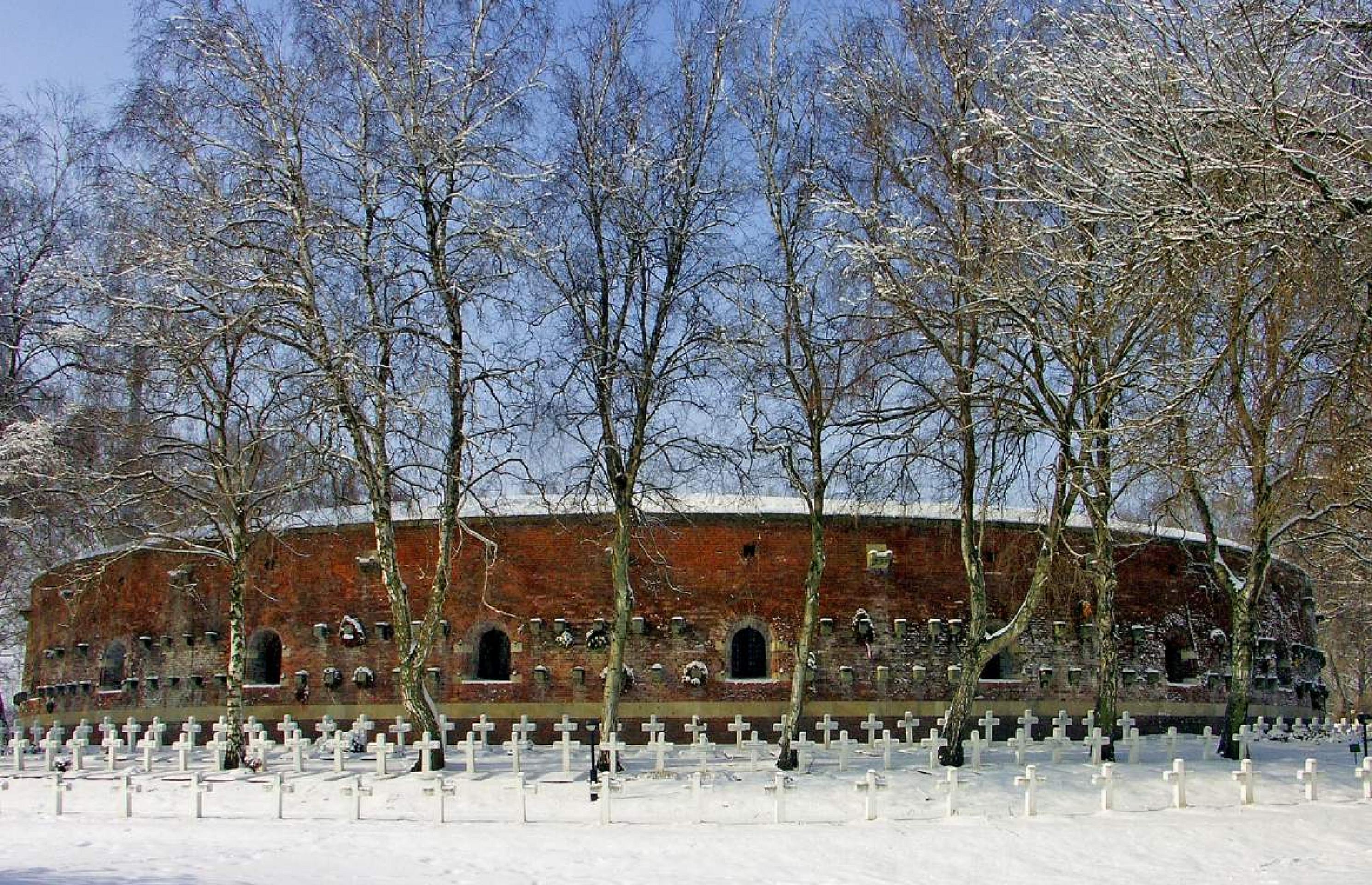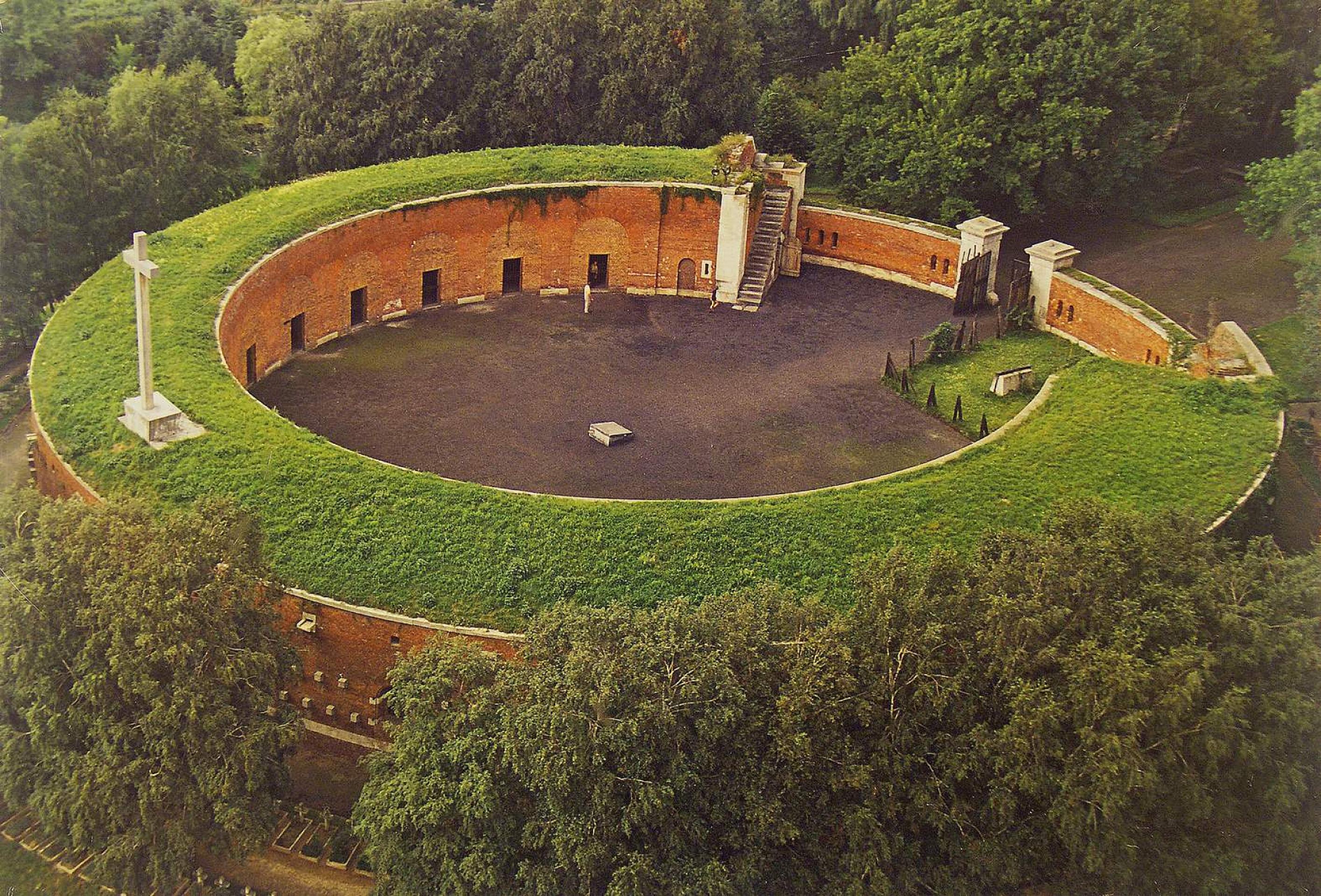
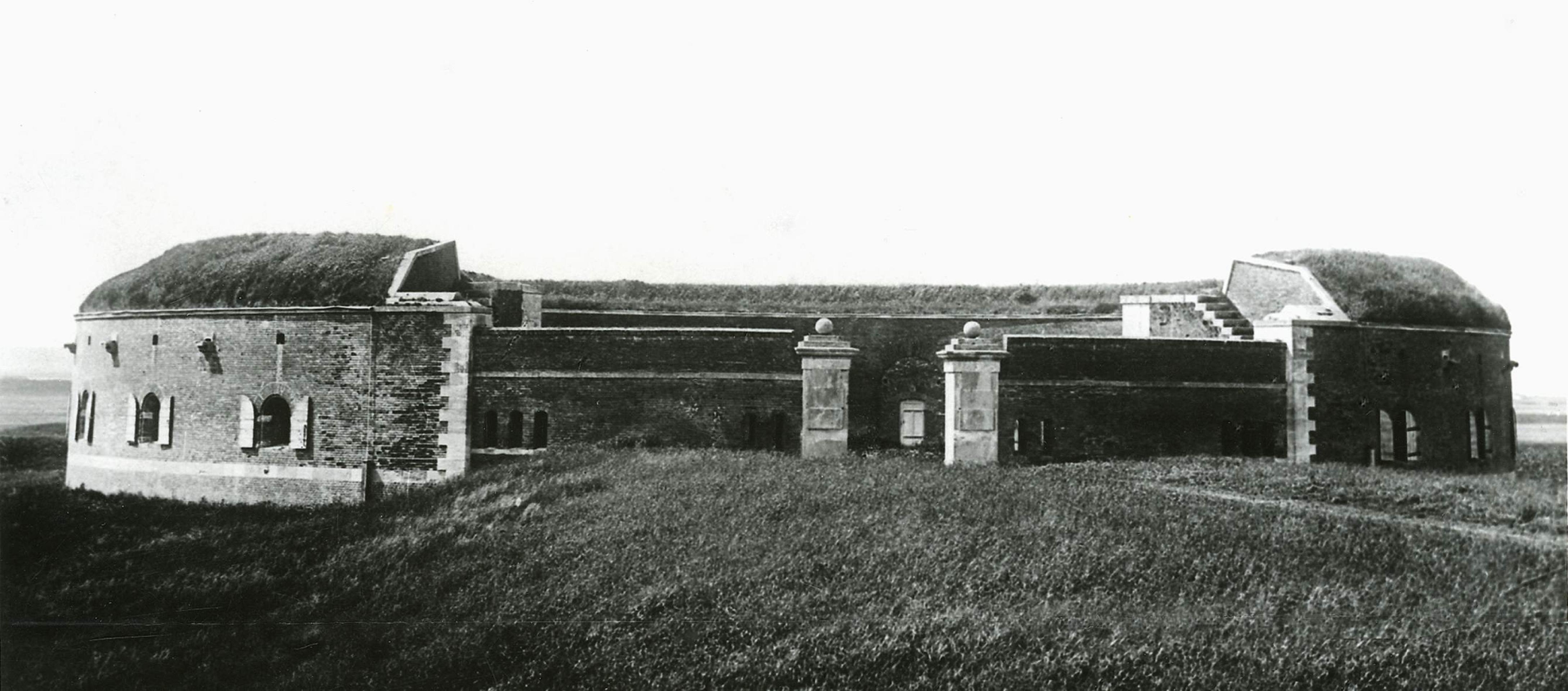
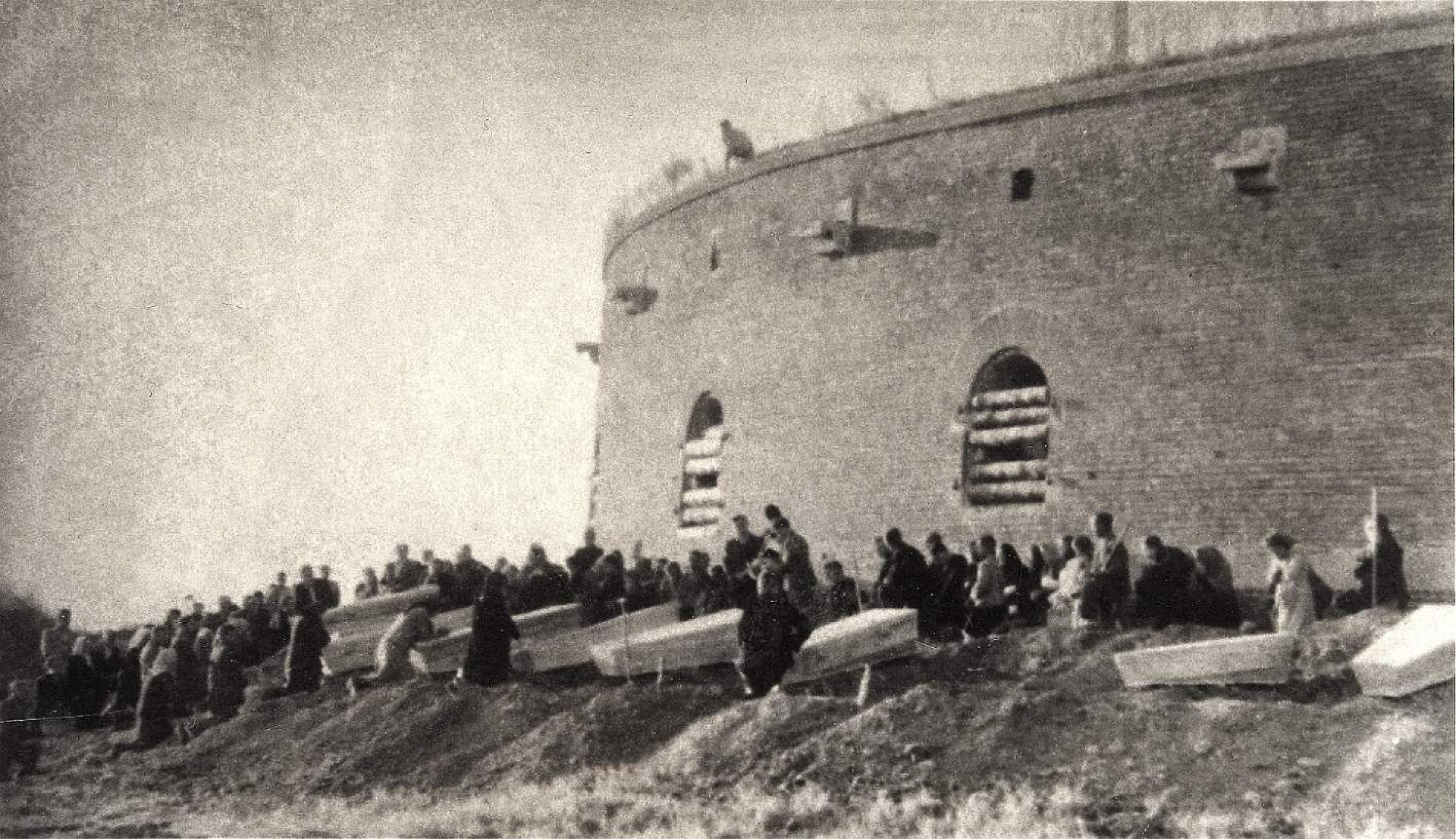
Zamość lies in south-eastern Poland, close to the Ukrainian border. Between June 1940 and July 1944, the Zamość Rotunda - originally built in the 19th century as part of the Zamość Fortress - served as a security police transit camp and execution site. Today, the complex commemorates both those who were murdered in the Rotunda and victims from the wider region.
History
In September 1939, the German Wehrmacht invaded Poland and the General Government (»Generalgouvernement«) was established in the central part of occupied Poland. The occupying forces set up a number of camps and prisons in Zamość, a town of 20,000: There was a forced labour camp and a ghetto for Jews, a camp for people awaiting expulsion, prisons for Polish civilians and a camp complex for Soviet prisoners of war. The first executions were carried out in the Rotunda already prior to the Gestapo taking hold of the building in the first half of 1940. At first, the Gestapo used the Rotunda as a transit prison: In the course of the »Außerordentliche Befriedungsaktion« (English: »Extraordinary Operation of Pacification«), an operation with the aim of murdering Polish intellectuals and the upper classes in the General Government, about 400 Poles from the Zamość region were deported by security police to the Rotunda in June 1940. Most of them were transferred after a few days, first to the Lublin Gestapo prison, then to the Dachau concentration camp via Sachsenhausen. On July 8, 1940, however, 40 residents of Zamość and vicinity were murdered in the Rotunda.
The German leadership planned to »Germanise« the region by expelling the local population and replacing it with German nationals from Eastern Europe. During »Aktion Zamosc«, between November 1942 and March 1943, the population of Zamość was forcibly resettled. Many residents were murdered at the Rotunda. Throughout 1943, entire villages were looted in the area of Zamość, and many locals murdered on-site or in the Rotunda. In autumn 1943, the SS had mass graves around the Rotunda opened so that the bodies could be burned. Later, from May 1944 on, mass graves in the area were dug up and corpses burned mostly by mobile SS Sonderkommando 1005a, a labour detail comprising mainly Jewish forced labourers. Before retreating in 1944, the German forces murdered the 150 inmates of the Zamość prison in the Rotunda on July 20/21.
Victims
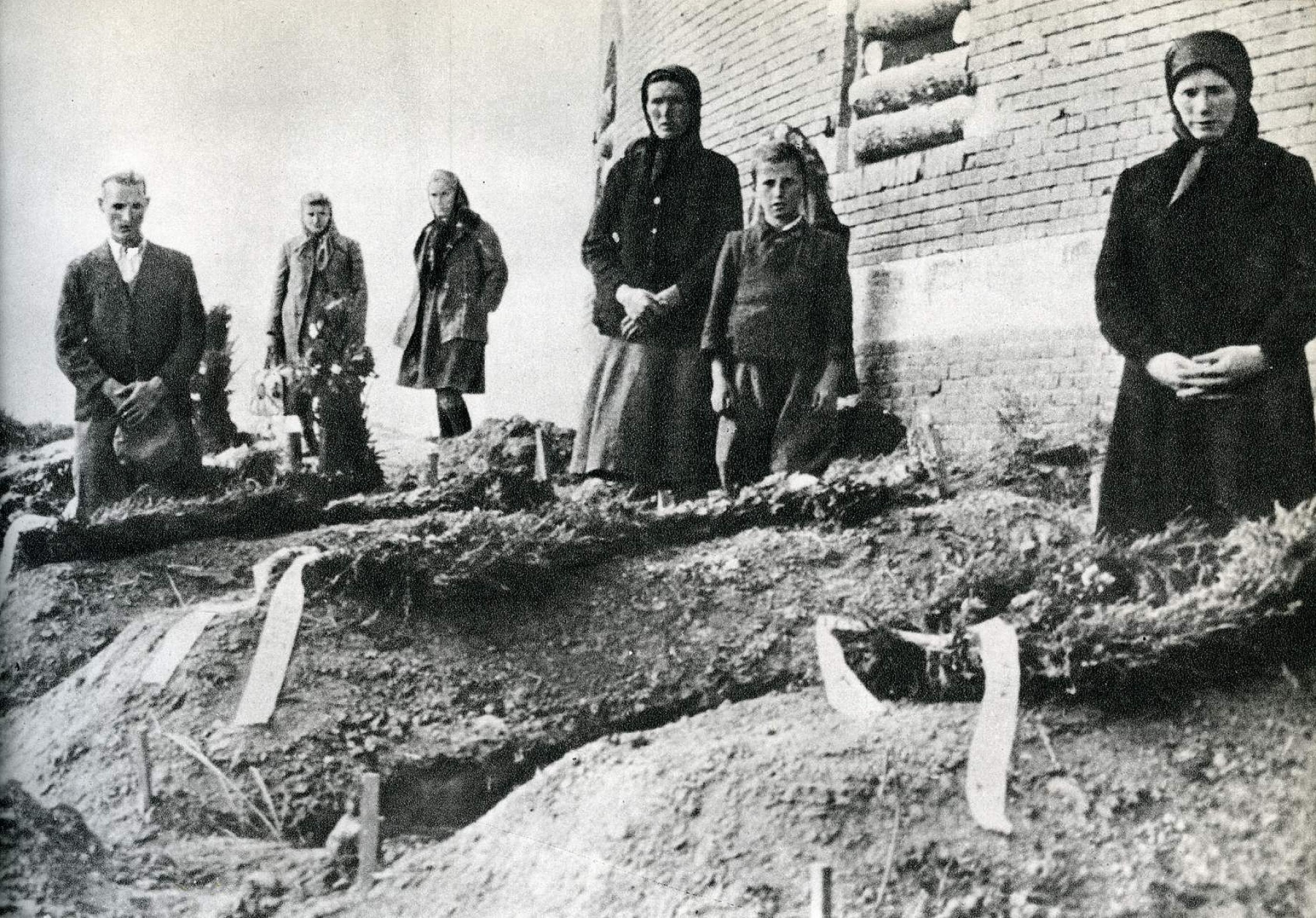
About 110,000 Poles, including 30,000 children, from 297 villages were incarcerated, drafted for forced labour or murdered from November 1942 on in the area of Zamość as part of »Aktion Zamosc«. About 4,500 children were selected according to racial criteria and sent to Germany in order to be forcibly Germanised. Many of those arrested during »Aktion Zamosc« were killed in mass shootings in the Rotunda, as were many victims in 1943, when nearby villages were destroyed. In total, between 6,000 and 8,000 people were murdered in the Rotunda under German occupation.
Remembrance
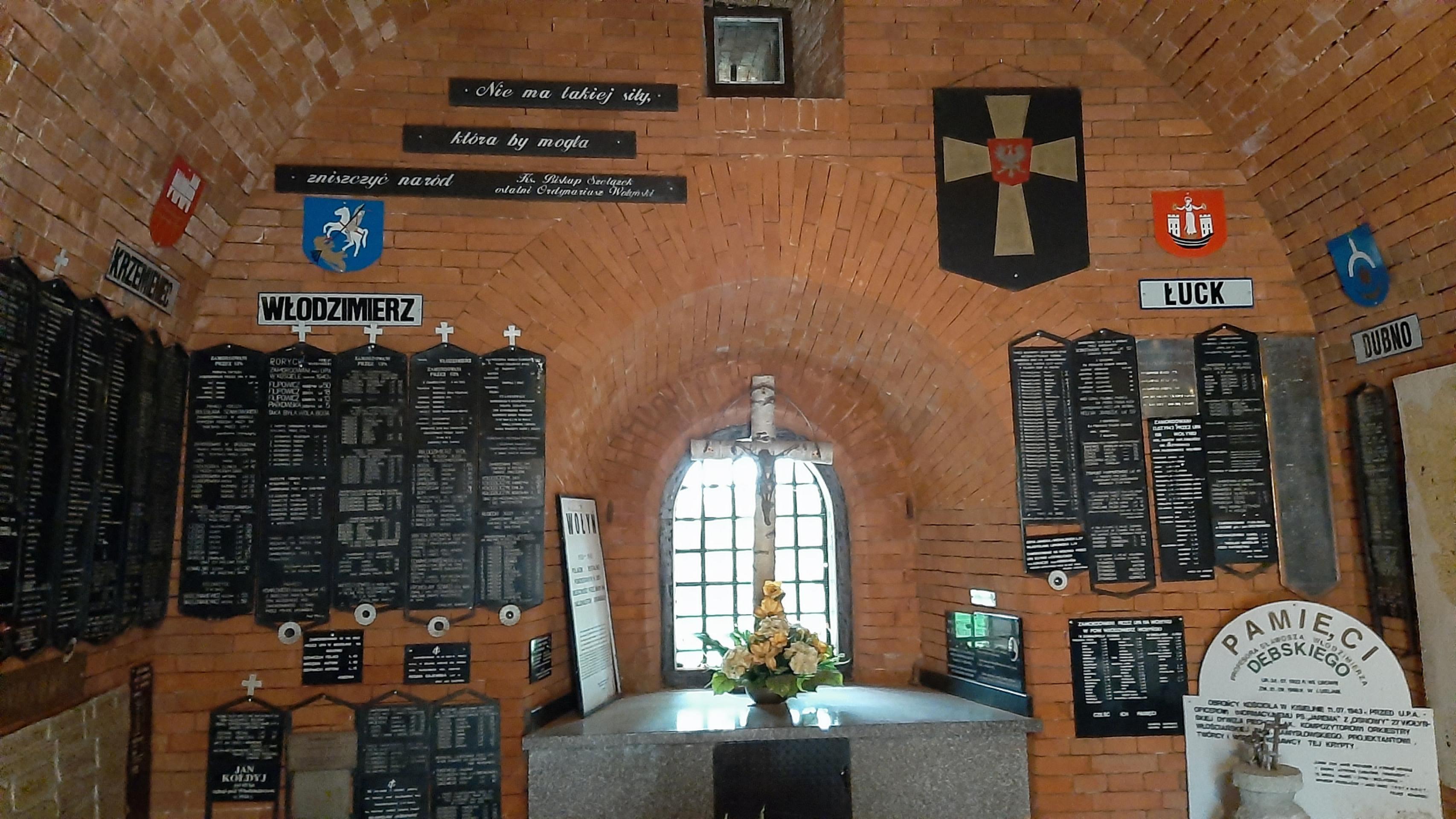
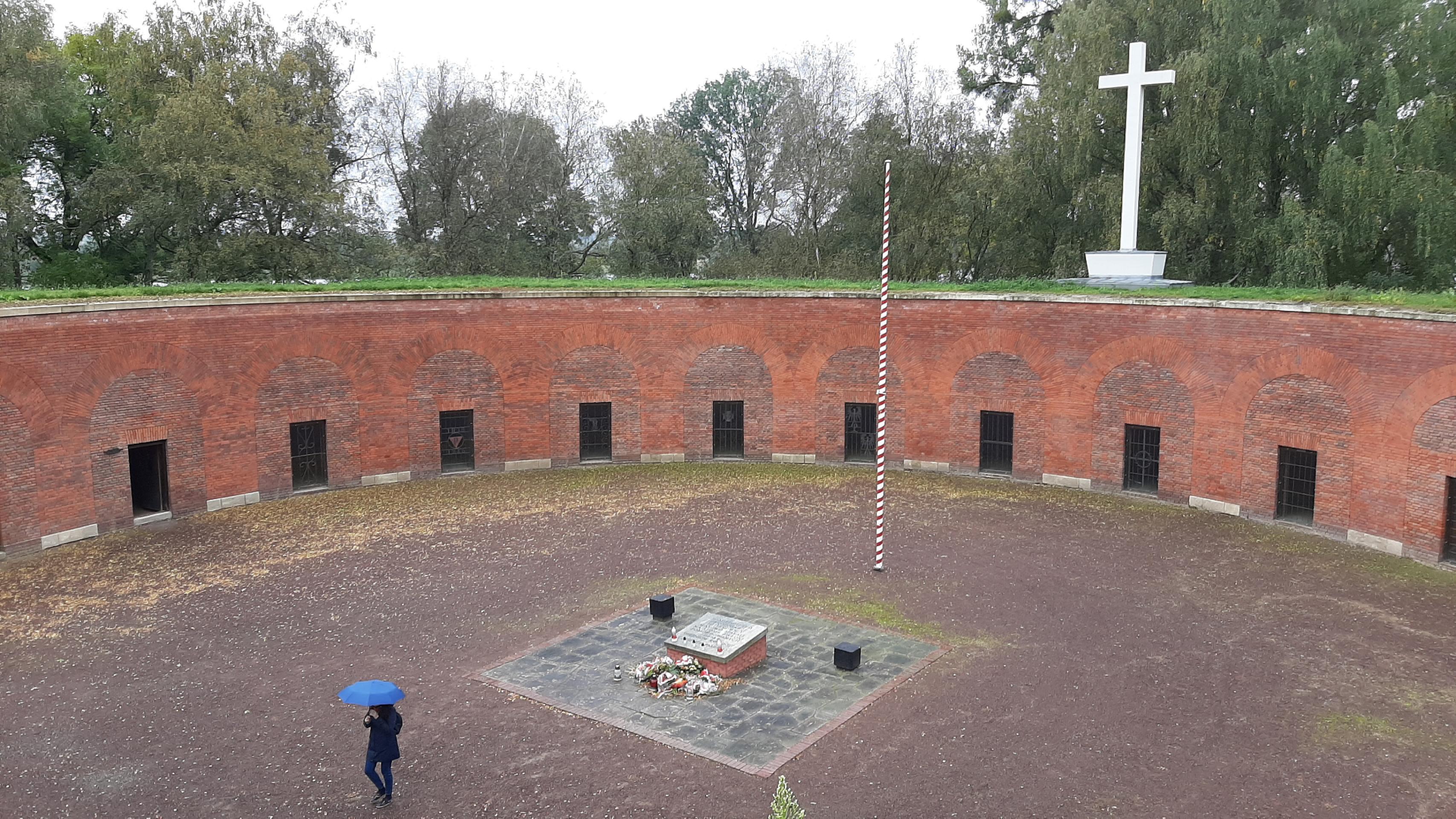
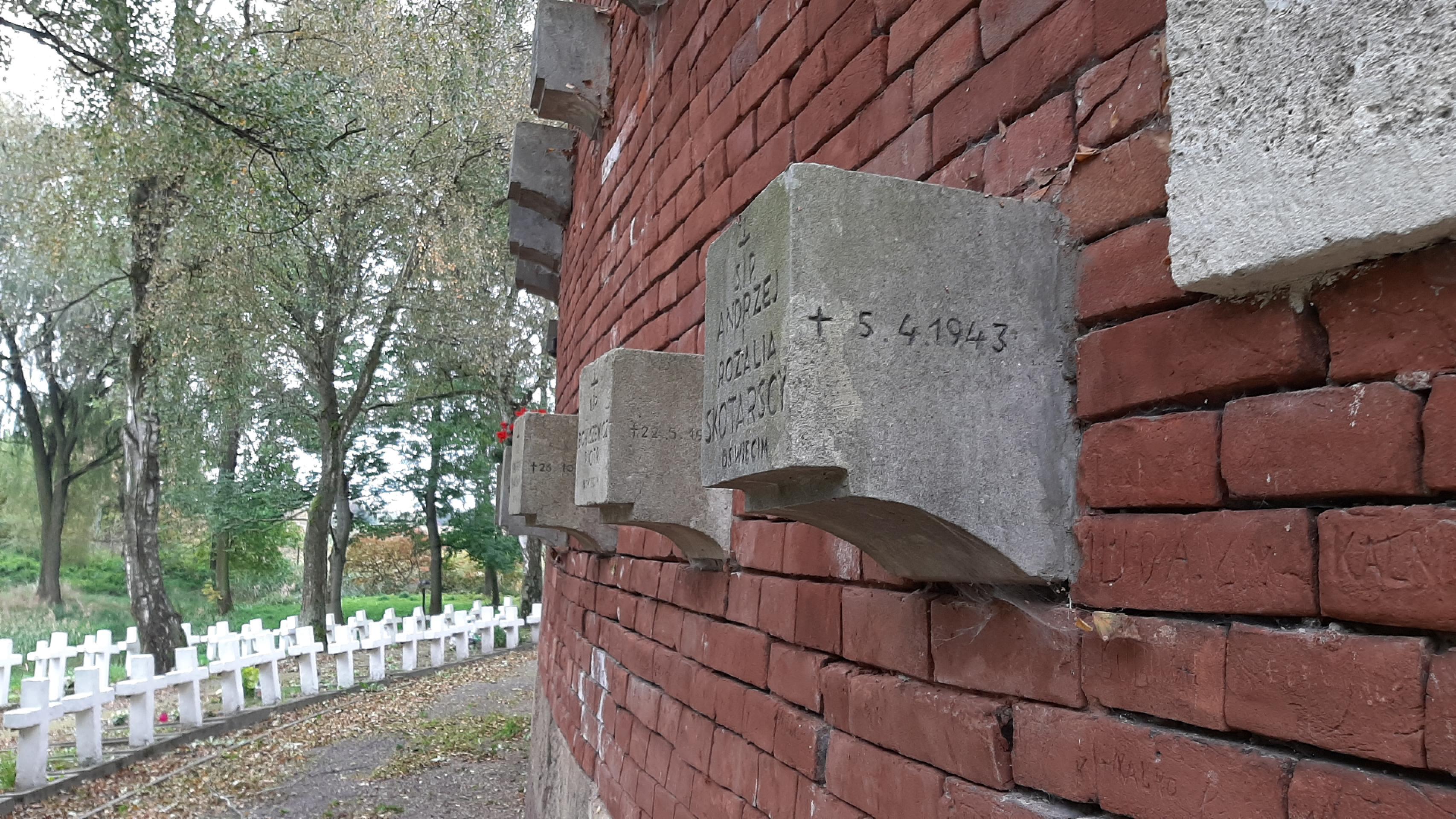
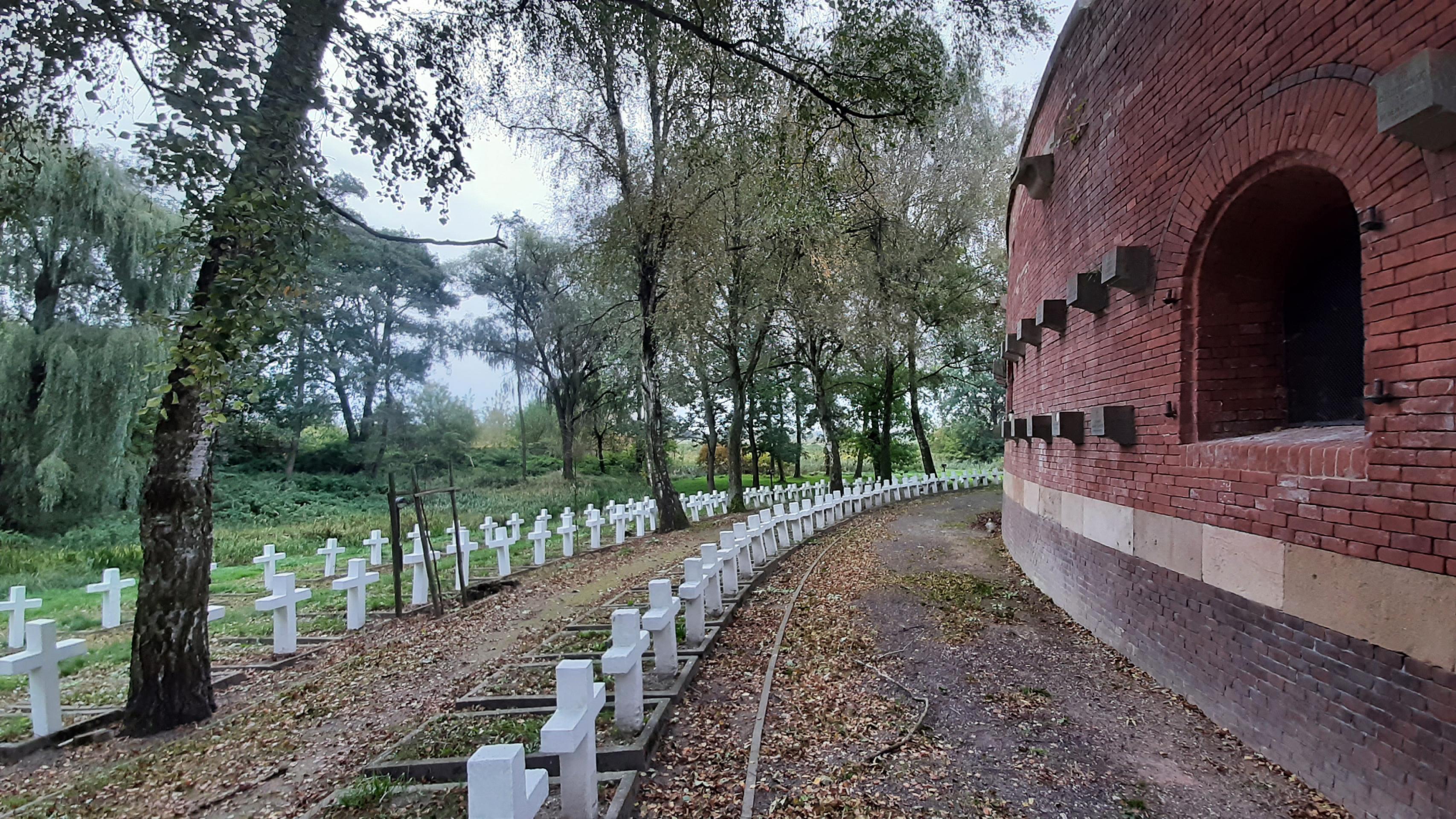
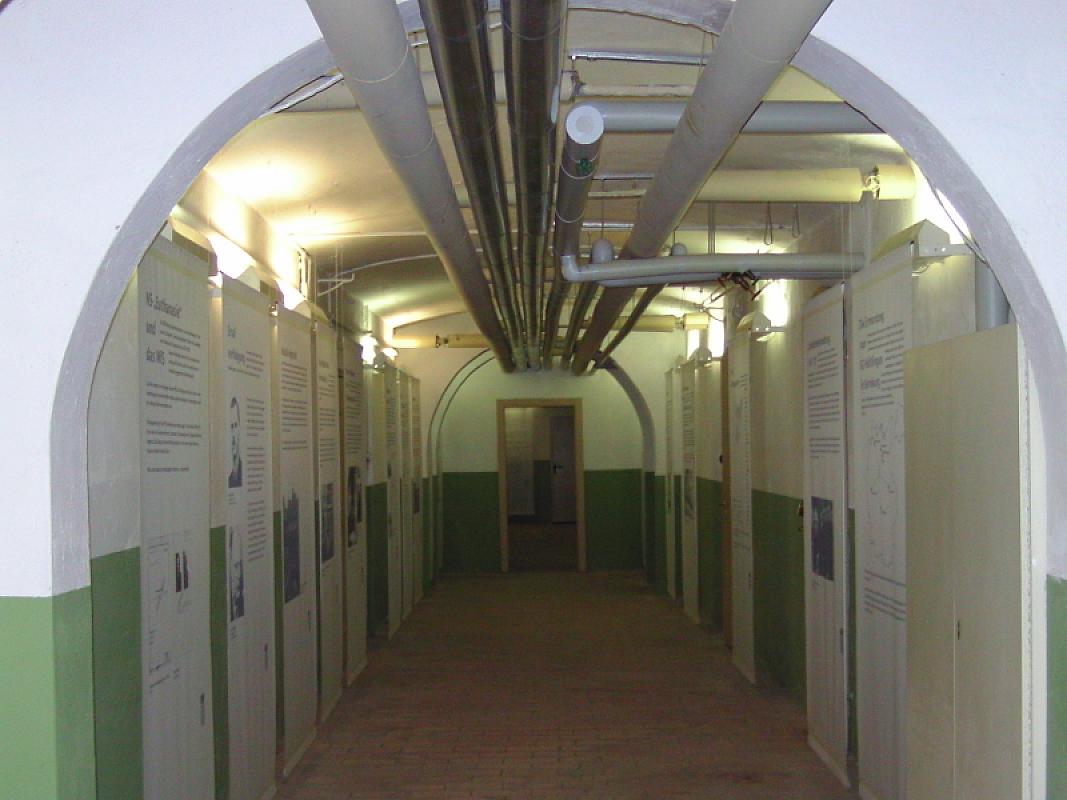
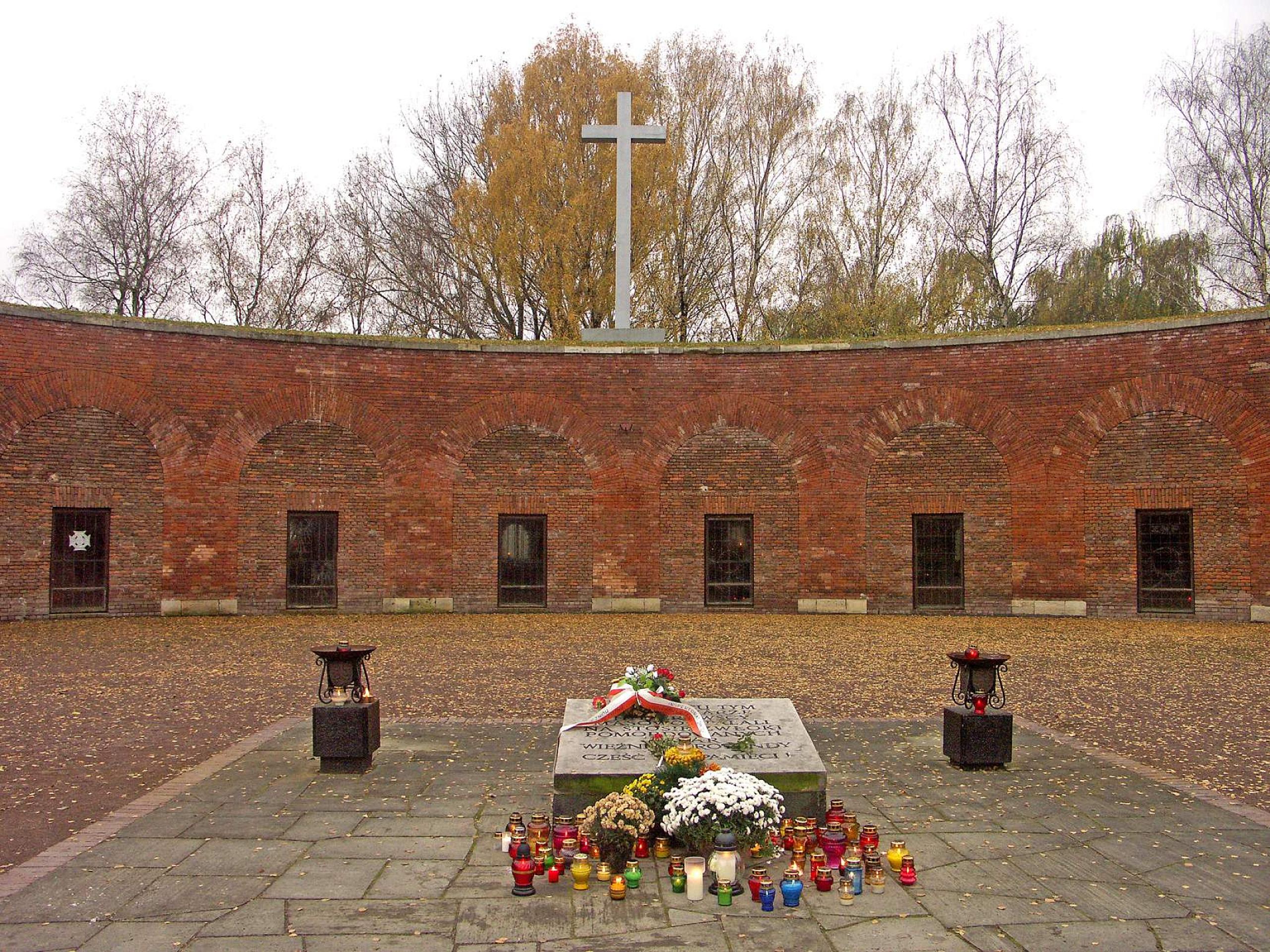
After the German forces had retreated, the premises of the Rotunda were examined by forensic doctors. Some of the exhumed bodies could be identified. A committee advocating the establishment of a memorial, founded in August 1944, collected proof about the crimes committed in the Rotunda. The Rotunda and the cemetery next to it have been a memorial site since 1947. Buried in collective graves are victims murdered in the Rotunda, Polish soldiers killed in action in autumn 1939, Soviet prisoners of war as well as 450 murdered Jews. Inscribed on the outer walls are the names of local residents who perished in German prisons and camps. The Rotunda's 19 cells display information tablets and small exhibitions.
The Rotunda also serves as a memorial site to the victims of Soviet terror: A cross in the courtyard bearing the word »Katyń« honours the victims of the Soviet massacre of Polish officers in the autumn of 1940. It was set up by victims' relatives in the mid-1990s. In 1990, 20 victims of the Soviet occupation, previously buried in a forest near Zamość, were laid to rest on the Rotunda's cemetery.
Possibilities
Exhibition
Open
April to November 2: 7 a.m. to 8 p.m.
November 3 to March: 7 a.m. to 3 p.m.
Contact
https://www.muzeum-zamojskie.pl/o-muzeum/rotunda-zamojska/
biuro@muzeum-zamojskie.pl
+48 (0)84 638 64 94
Droga Męczenników Rotundy
22-400 Zamość