Inaugurated in 2008, the Shoah Memorial in Toulouse commemorates the deportation and extermination of Jews from Toulouse and the Midi-Pyrénées region during World War II. It is the first Shoah memorial located in a public space in France.
History
After France surrendered to the German Wehrmacht in June 1940, France was divided into two zones: the »zone occupée« (»occupied zone«) in the north and the unoccupied »zone libre« (»free zone«) in the south, which was administered by the Vichy regime. Following the example of the German authorities in the »zone occupée«, the Vichy regime quickly implemented anti-Jewish policies to exclude French Jews from society. At the same time, from October 1940 onwards, non-French Jews were detained in internment camps in the south of France originally intended for Republican refugees from the Spanish Civil War (1936-1939). The prefecture of Toulouse administered the largest number of internment camps in the south of France.
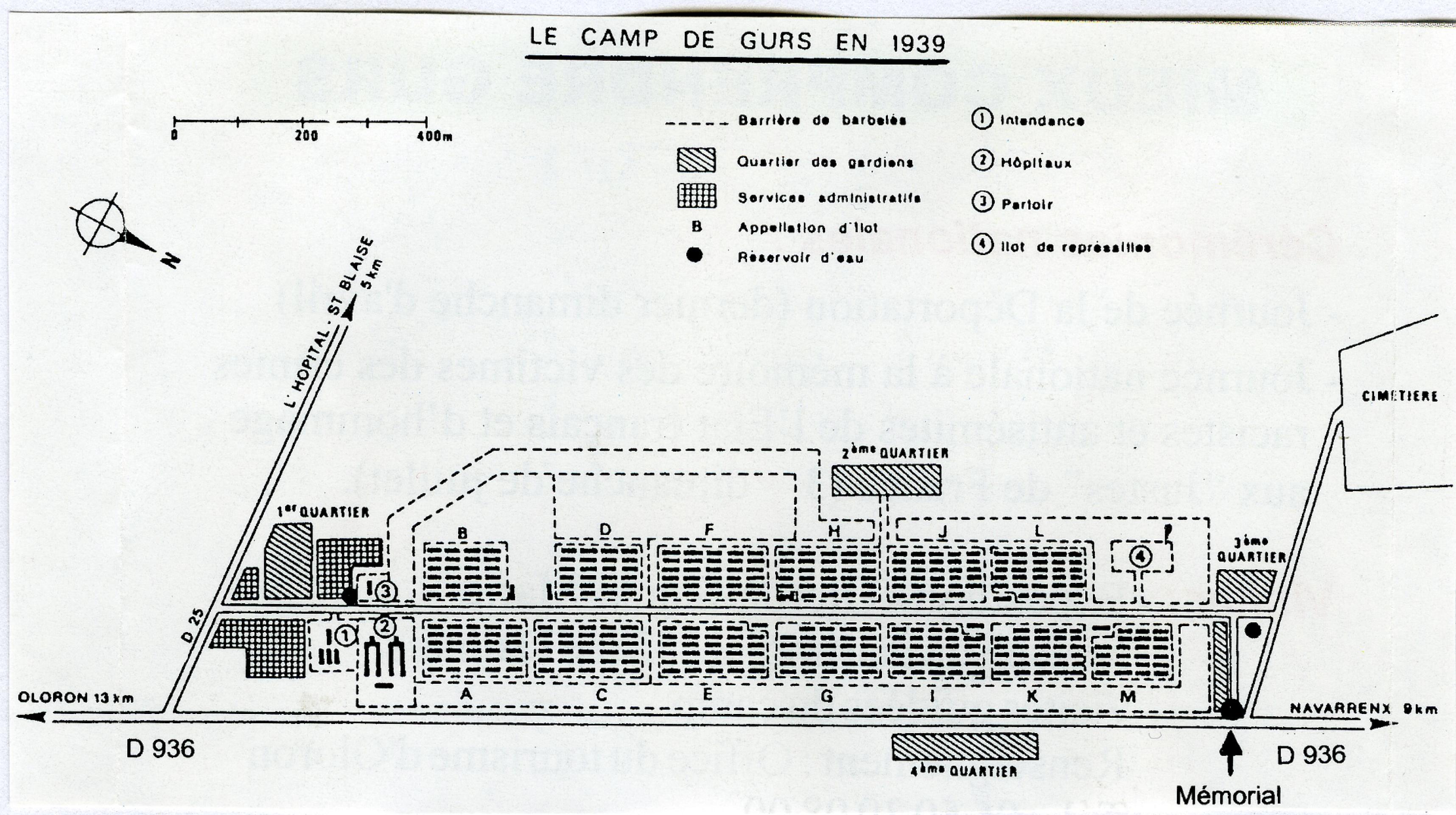
In July 1942, the Vichy regime signed an agreement with the German authorities providing for the handover of 10,000 Jews from the »zone libre«. To fulfil this obligation, the French authorities handed over to the Germans in the summer of 1942 thousands of non-French Jews who had until then been detained in camps in the »zone libre«, including the Gurs, Le Vernet, Noé and Récébédou camps, which were all administered by the prefecture of Toulouse. In addition, the French police arrested several thousand non-French Jewish children, women and men on 26th August 1942 during a large-scale raid in Toulouse.
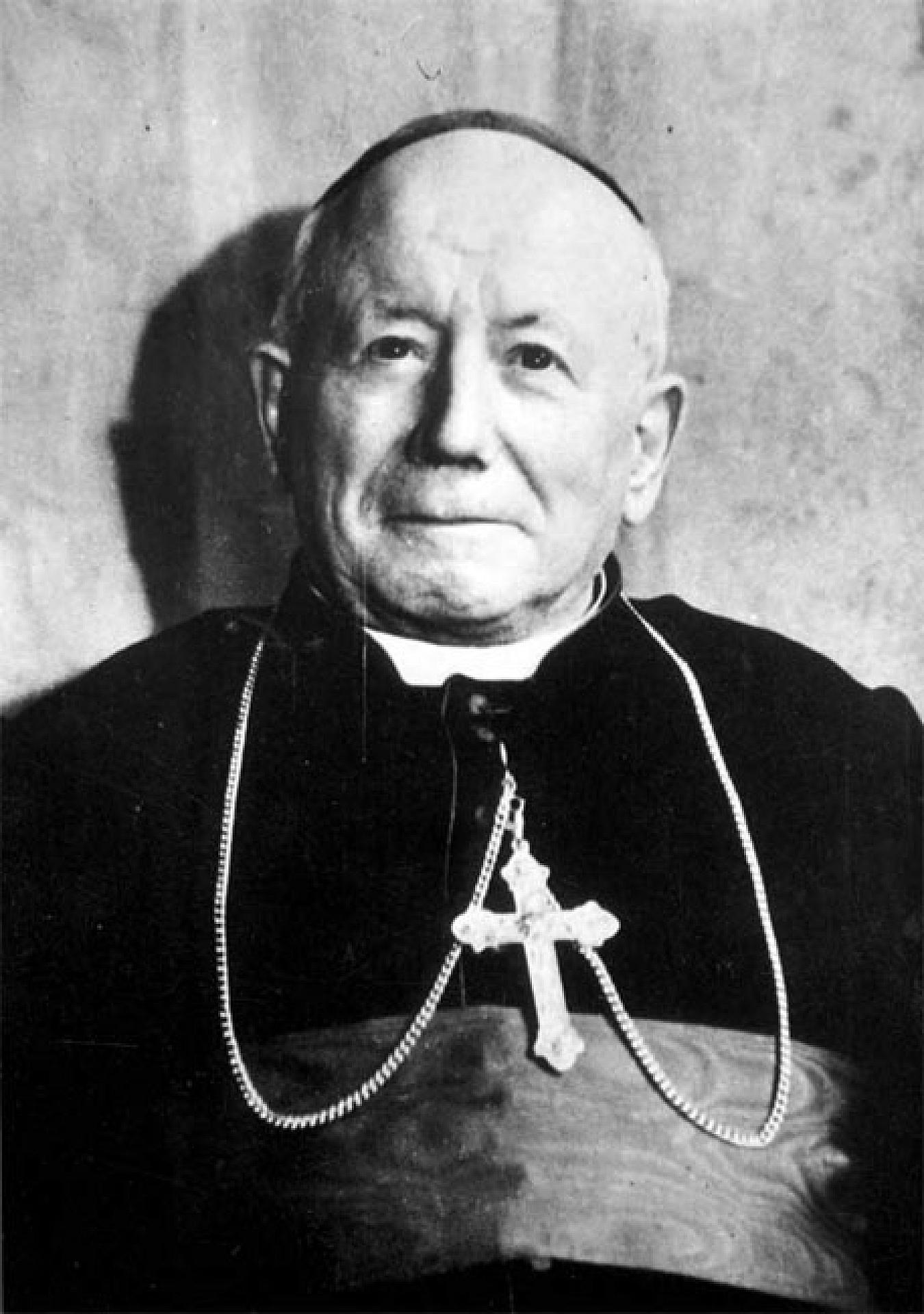
These measures were met with considerable public outrage following the dissemination of widely publicised letters of protest written by the Archbishop of Toulouse Jules Saliège and the Bishop of Montauban Pierre-Marie Théas. Under this public pressure, the deportations were temporarily suspended. After the Germans took over the »zone sud« (»south zone«) in November 1942, the Gestapo set up its regional headquarters in Toulouse and resumed the deportations in smaller transports from mid-1943 onwards.
By the time Toulouse was liberated in August 1944, over 6,000 Jewish children, women and men from Toulouse and the Midi-Pyrénées region had been deported to German extermination camps.
Victims
Between 1942 and 1944, around 6,400 Jewish children, women and men were deported from Toulouse and the Midi-Pyrénées region to German extermination camps. Between 97 and 98 percent of them were killed there.
With the defeat of the French army in June 1940 the country came under German control. Northern France was governed by the German military administration, whilst the south was initially unoccupied. A government under German influence was established in the spa town of Vichy in the south of France. At the beginning of the Second World War, there were around 300,000 Jews living in France. The exact number is not known as there were no records of religious affiliation in France. The first anti-Jewish laws were passed in northern France at the end of 1940. The Jews were forced to register with the authorities, excluded from society and stripped of their possessions. These policies were followed by systematic arrests by the French police. Jews without a French passport were the main targets of the German SS and police as well as the French authorities. In an attempt to deter growing French resistance, the German military commander General Otto von Stülpnagel (1878–1948) started to have those not involved in the resistance shot and to have Jews in particular arrested. Those arrested were among the first to be deported to the death camps in occupied Poland from March 1942 onwards. A total of 75,000 people were deported to their deaths in the course of over seventy deportation operations. Most of the French Jews survived, mainly in hiding in the south of the country. Around 600,000 people died in France as a result of war and persecution, including 270,000 civilians. There continues to be little distinction drawn between the different groups of victims. However, since the late 1980s there has been increased research into the murder of patients of care homes and clinics. It is now estimated that around 50,000 people fell victim to these operations.
Both northern and southern France experienced persecution, collaboration and resistance during the occupation. After the war, remembrance of both the campaign of the »Résistance« as an expression of French patriotism and the suffering associated with the »Déportation« provided a way of bridging the differences between the Gaullist conservatives and the Communists affiliated with Moscow. Consequently, many museums and memorial sites are dedicated to the resistance or remember the deportations, for example the »Mémorial des Martyrs de la Déportation« (Memorial to the Martyrs of the Deportation) in Paris, inaugurated in 1956, and the »Centre Européen du Résistant Déporté« (European Centre for Deported Resistance Fighters), which opened in 2005 at the memorial site at the former Natzweiler concentration camp.
Since the early 1990s a number of sites of memory have been established, such as the Maison d’Izieu (Izieu Home) memorial near Lyon, which remembers the deportation of 44 Jewish children, the national memorial site at the former camp at Gurs as well as a memorial centre in Oradour sur Glane – a village destroyed by the SS in 1944. The central memorial site dedicated to the victims of the Holocaust is the »Mémorial de la Shoah« in the centre of Paris, which was opened in 2005. French presidents have since then acknowledged shared French responsibility for the Holocaust in France.
The memorial site in Caen,commemorating the Normandy landings of 1944, was opened in 1988 and extended in 2002, is the most-visited memorial site outside Paris. The annual national commemorations marking the victory over Nazi Germany take place here. In addition, there are numerous regional museums in France, where the exhibitions focus on the themes of persecution, resistance and deportation.
Remembrance
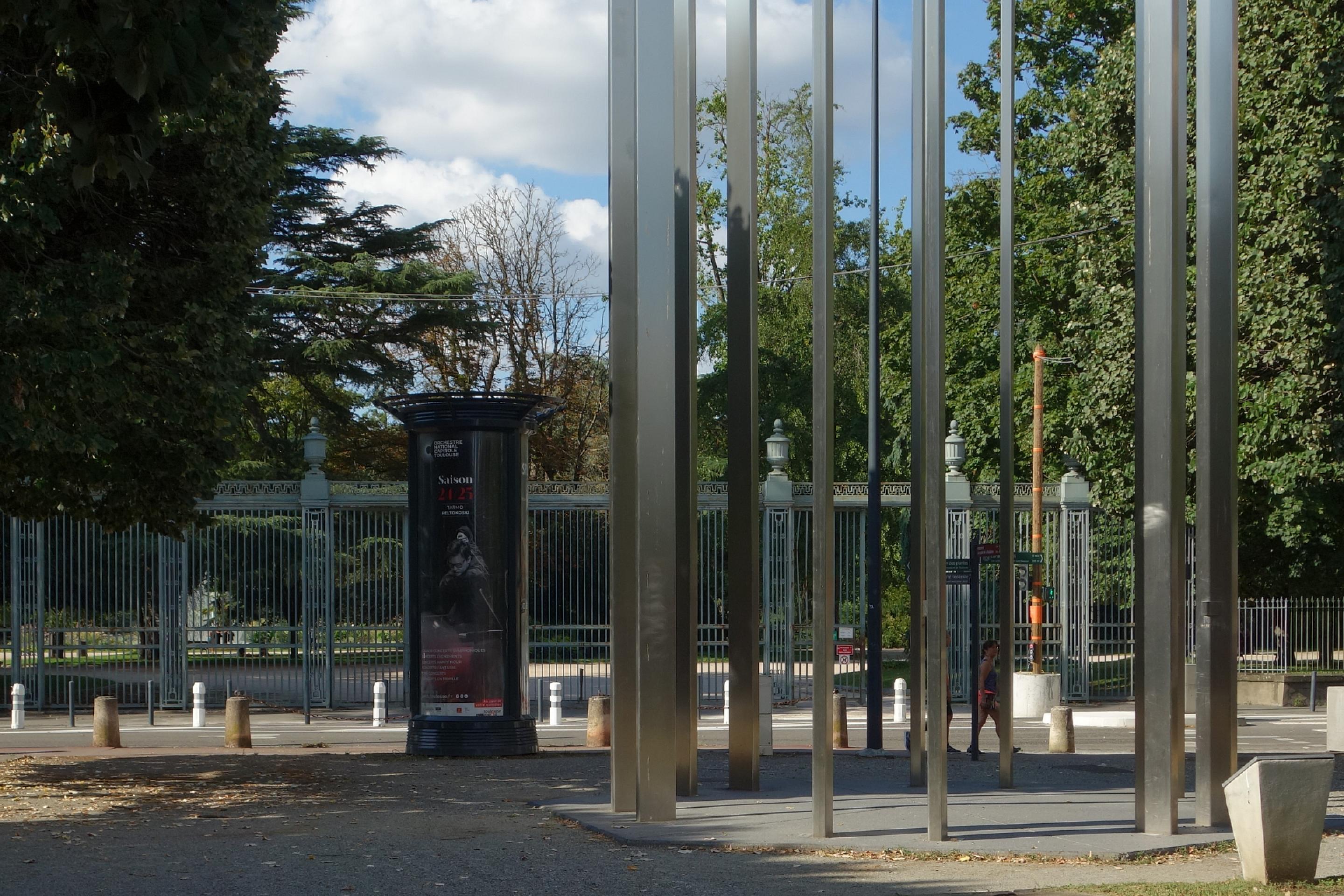
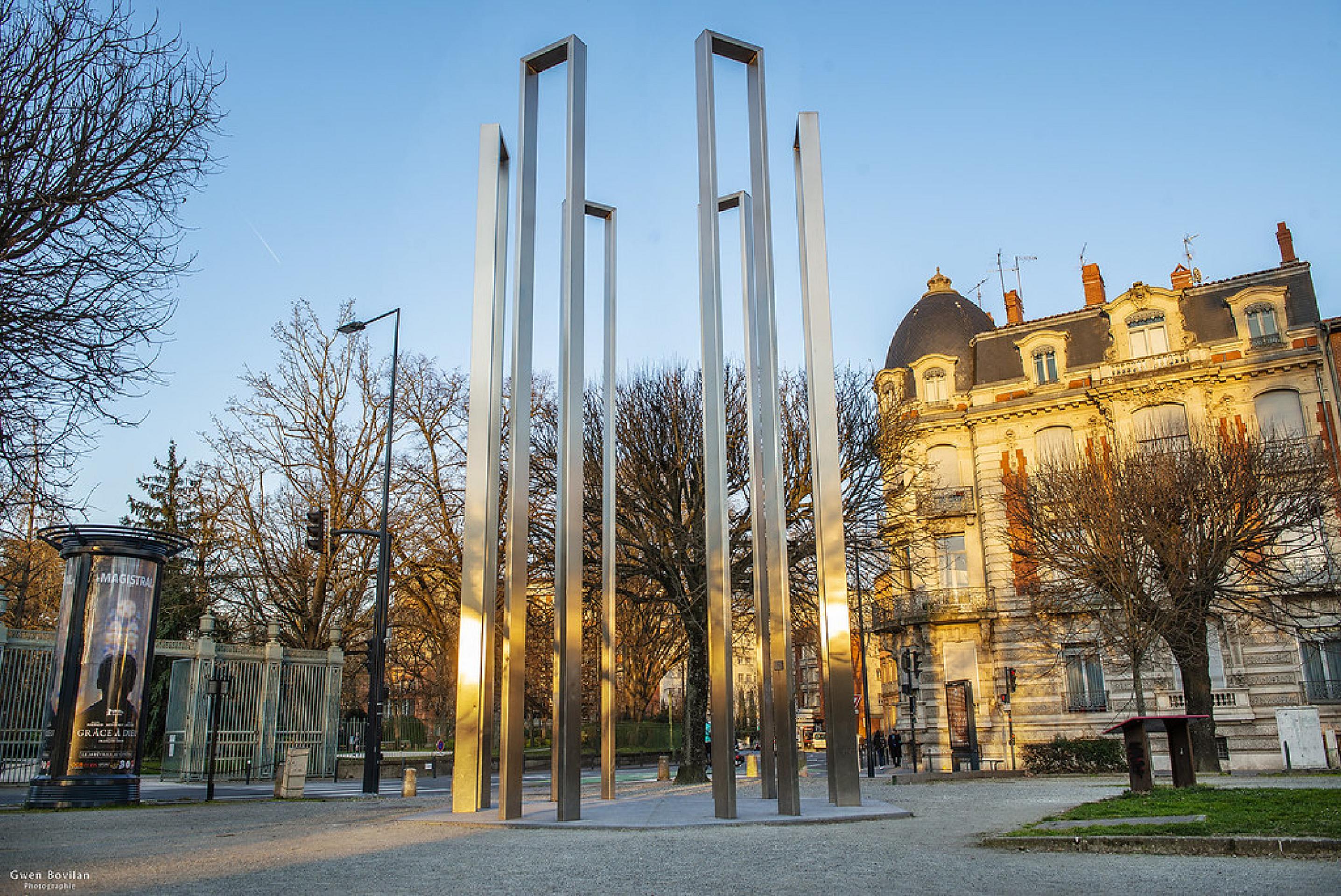
The Shoah Memorial in Toulouse was built on the initiative of the CRIF (»Conseil représentatif des institutions juives de France«, in English »Representative Council of French Jewish Institutions«) and with the support of local authorities. Designed by architect Mikaël Seban and inaugurated on 9th November 2008, it is the first Shoah memorial located in a public place in France.
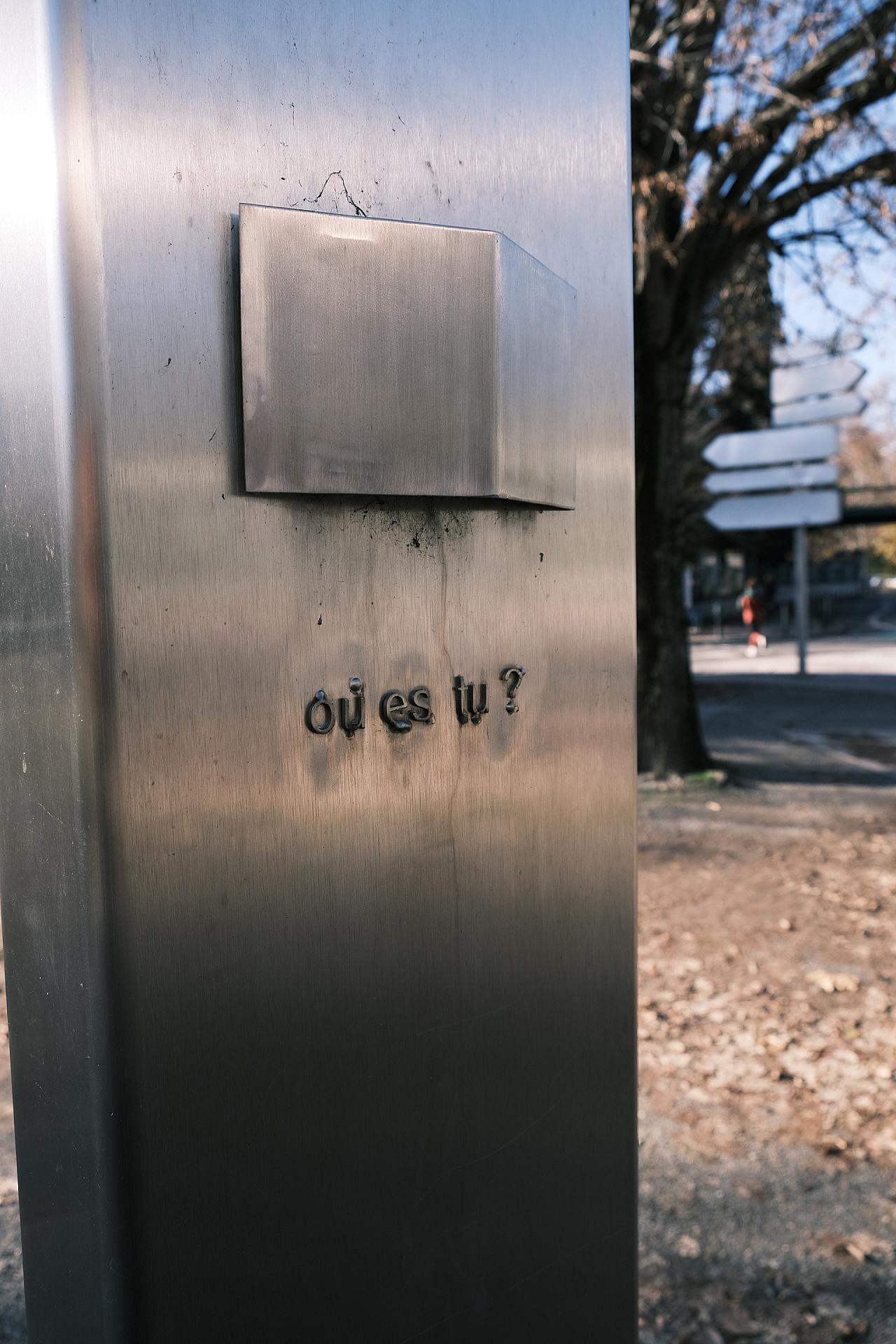
The memorial consists of six stainless steel doors symbolising the six million Jewish victims of the Holocaust. Each door bears inscriptions in French, German and Hebrew quoting the following excerpts from the Bible: »Where are you?« and »Where is your brother?«.