Treblinka Museum – The Nazi German Extermination and Forced Labour Camp (1941-1944)
Muzeum Treblinka – Niemiecki nazistowski obóz zagłady i obóz pracy (1941 - 1944)
In 1964, a memorial was dedicated on the site of the former Treblinka death camp where hundreds of thousands of Jews were murdered in 1942/43.
History
After Germany had invaded the Soviet Union in the summer of 1941, SS Einsatzgruppen (mobile killing squads) shot hundreds of thousands of Jews in the occupied territories. This marked the shift to the systematic genocide of Jews in Europe. In occupied Poland, local German authorities began planning the murder of the Jews who since 1939 had been persecuted and forced to live in ghettos. The SS drew upon the experiences of »Action T4«, during which it had overseen the murder of about 120,000 ill and handicapped people in hospitals in Germany. The first extermination camp was established in the Warthegau, a part of Poland which had been incorporated into the German Reich in 1939: from November 1941 on, the SS murdered tens of thousands of Jews in »gas vans« in Chełmno near Łódź.
At the same time, the SS was planning the systematic murder of Jews in the Generalgouvernement (General Government) under the codename »Aktion Reinhardt«. The operation was directed by the leader of the SS and the in the Lublin district, Odilo Globocnik. Three extermination camps were set up by his order, their sole purpose being to murder as many people as possible: Belzec, Sobibor, and, from July 1942 on, Treblinka near Warsaw.
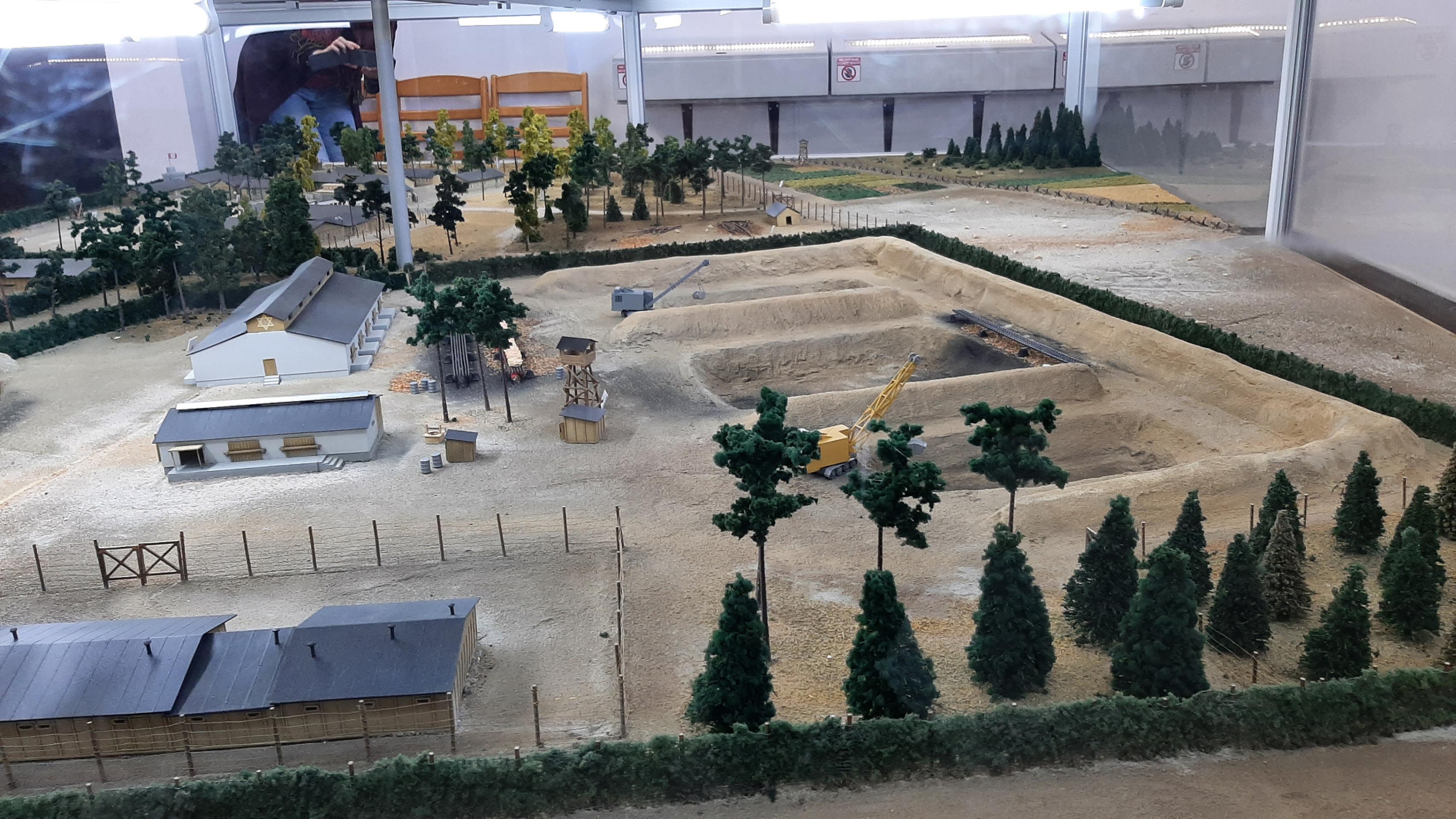
At times, over 10,000 people were murdered in the course of one day at Treblinka. The victims arrived at Treblinka by train, after which several train cars at a time were brought into the camp. The staff at Treblinka consisted of between 25 and 30 SS men and about 120 »Trawniki«-guards, most of whom were Ukrainian. They shot all the weakened and ill prisoners upon arrival in a part of the camp disguised as a sickbay. The remaining prisoners were forced to undress and subsequently chased down an 80-metre long path, known as the »tube«, to the gas chambers. The victims died in agony, asphyxiated by exhaust fumes.
Victims
Among newly arrived Jewish prisoners, the SS selected members of the »Sonderkommando«. Members of this special work detail were forced to sort out the victims' valuables, remove the bodies from the gas chambers, conduct a cavity search to find any hidden objects and remove any gold teeth.
In the spring of 1943, the Sonderkommando had to exhume the bodies which had previously been buried and burn them. The Germans' efforts to erase all traces of the mass killings signalled to the prisoners that the camp could be dissolved soon. Fearing for their lives as witnesses to the killings, the prisoners organised an armed uprising which was launched on August 2, 1943. About 840 prisoners took part; 200 were able to flee, of whom 60 lived to see the end of the war.
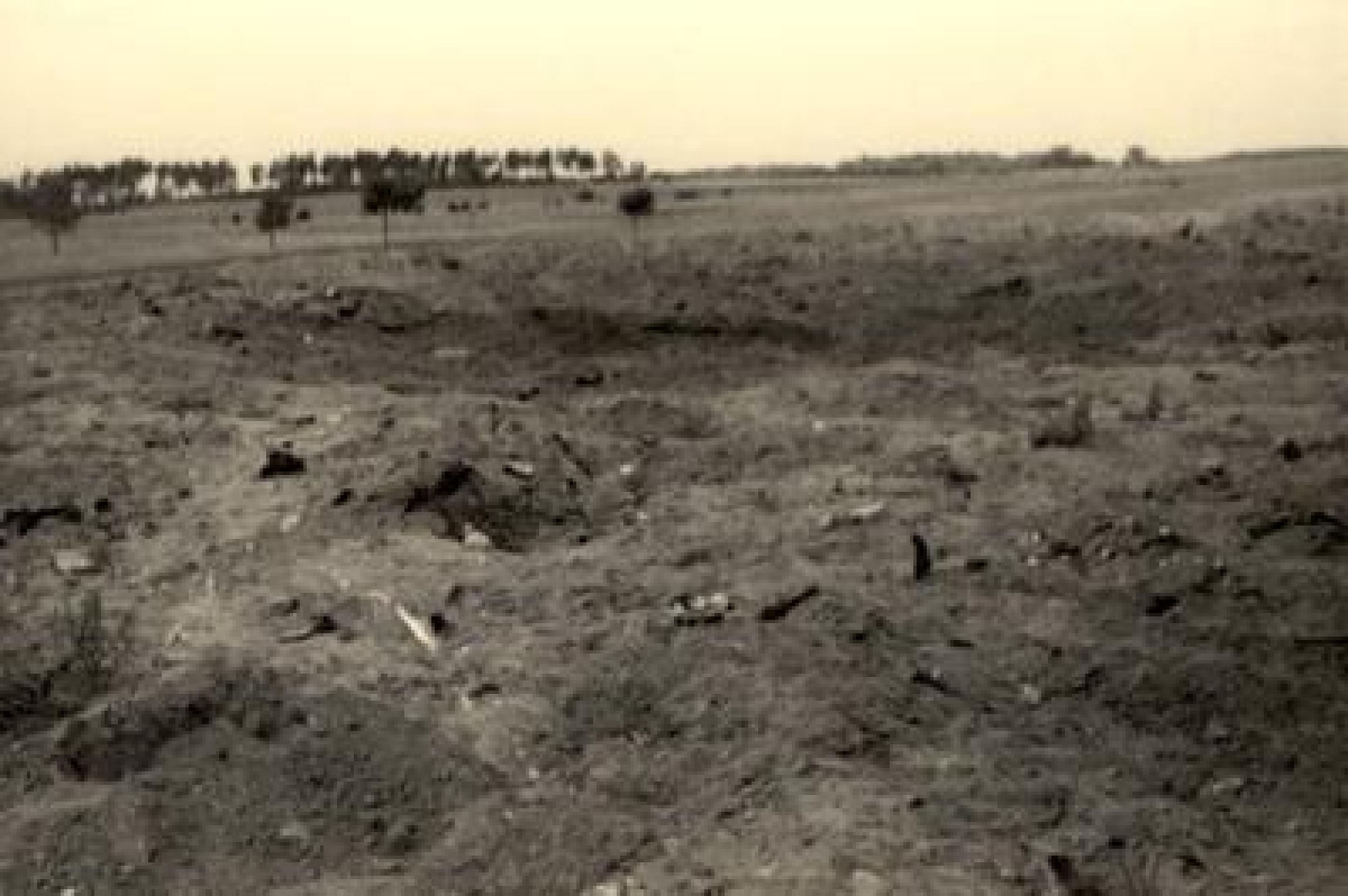
The uprising hastened the camp's planned liquidation. Jewish prisoners, »Trawniki«-guards and members of the SS remained at the camp to clear up. They tore the entire complex down and built a farmhouse on the premises as a disguise.
From July 1942 until August 1943, between 800,000 and 900,000 Jews were murdered by the SS at Treblinka. The victims were for the most part from Poland, many also came from Germany, Austria, Czechoslovakia, France, Greece, Bulgaria, Yugoslavia and the Soviet Union. There were also about 1,000 Sinti and Roma among the victims.
Remembrance
In the autumn of 1947, a tender competition was held for the design of a memorial on the former camp premises. The competition jury consisted of both state institutions as well as representatives of the Jewish Central Committee in Poland. The decision-making process within the jury was accompanied by many conflicts. While some wished to present Treblinka as a place at which people of many different nationalities perished, others wanted to underline the Jewish identity of the victims. The design which eventually won clearly depicted Treblinka as a site of Jewish suffering. However, out of ideological reasons, it was never built: the consolidation of the communist regime in Poland in 1948/49 meant that the memory of victims of the National Socialist regime was subjected to Stalinist state propaganda. Depictions of heroic resistance fighters were given priority, while religious symbols vanished.
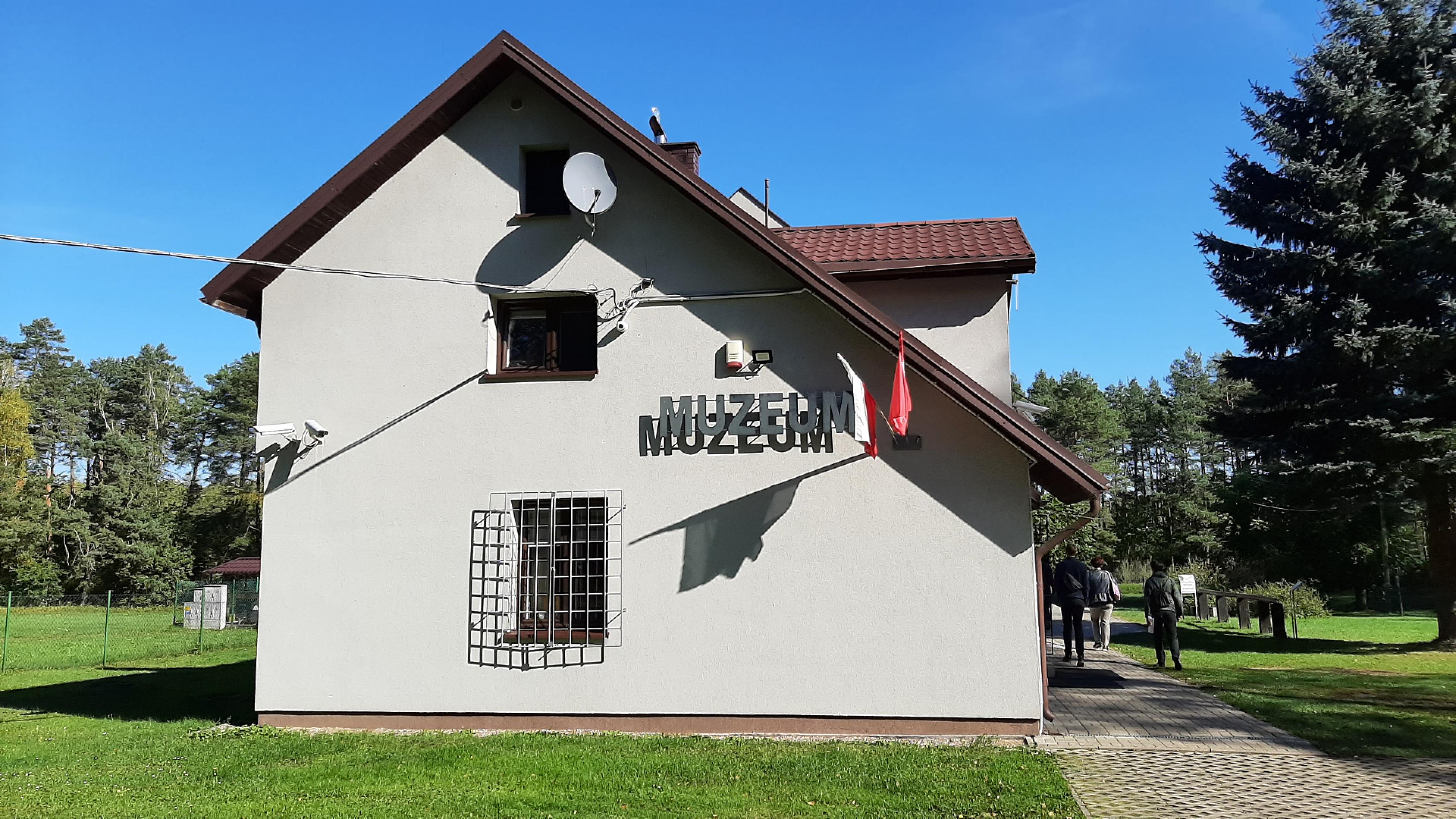
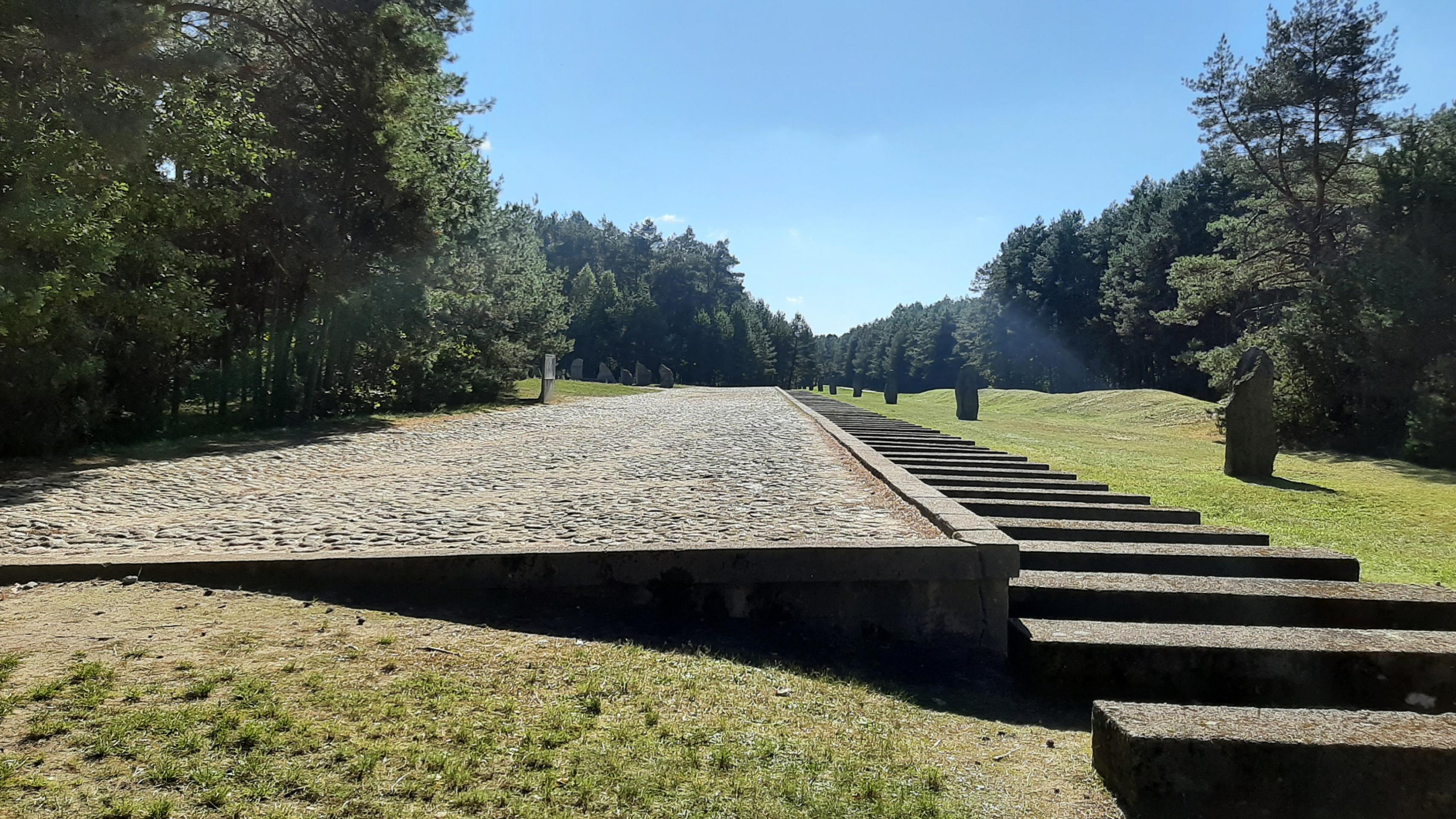
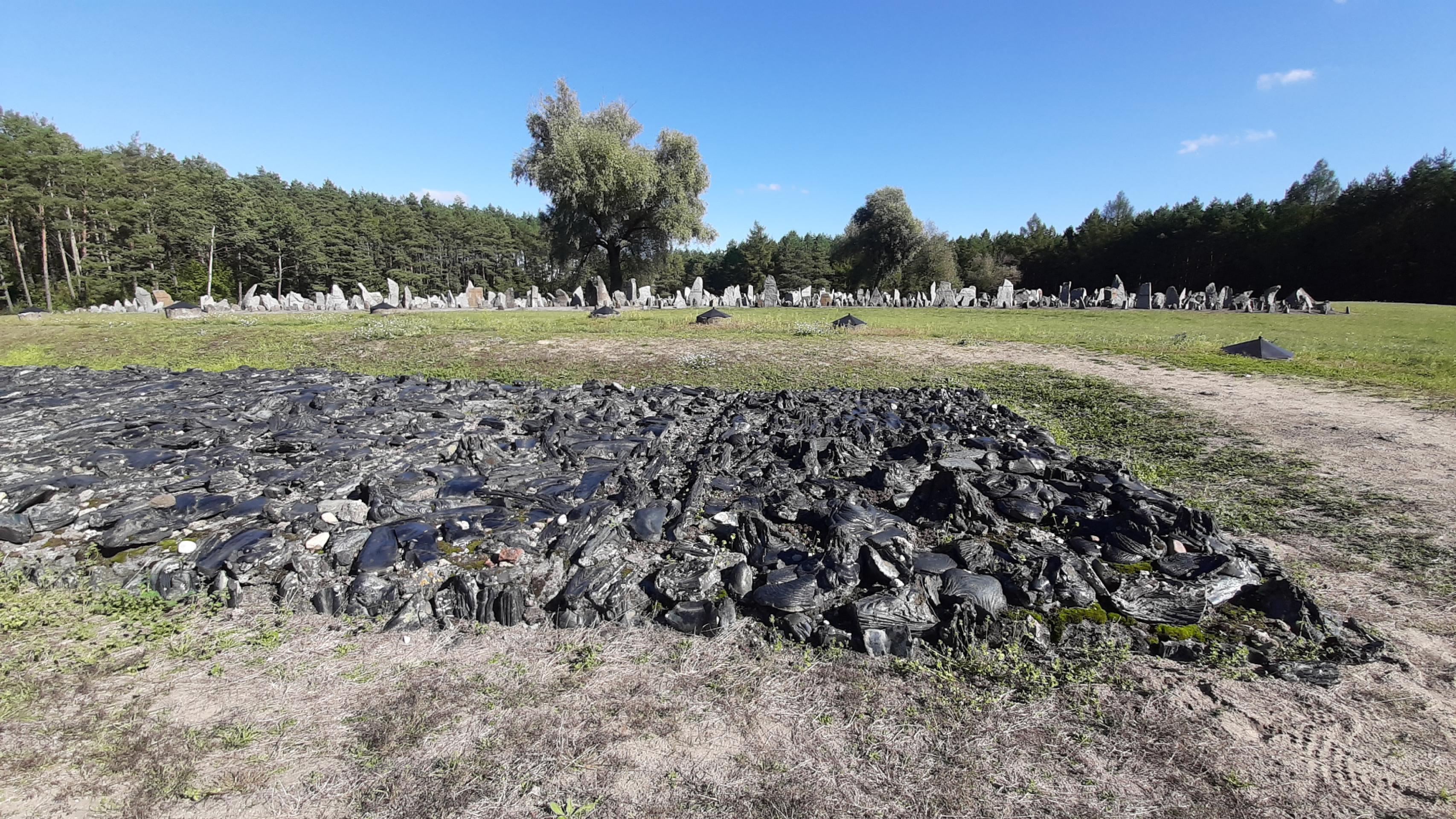
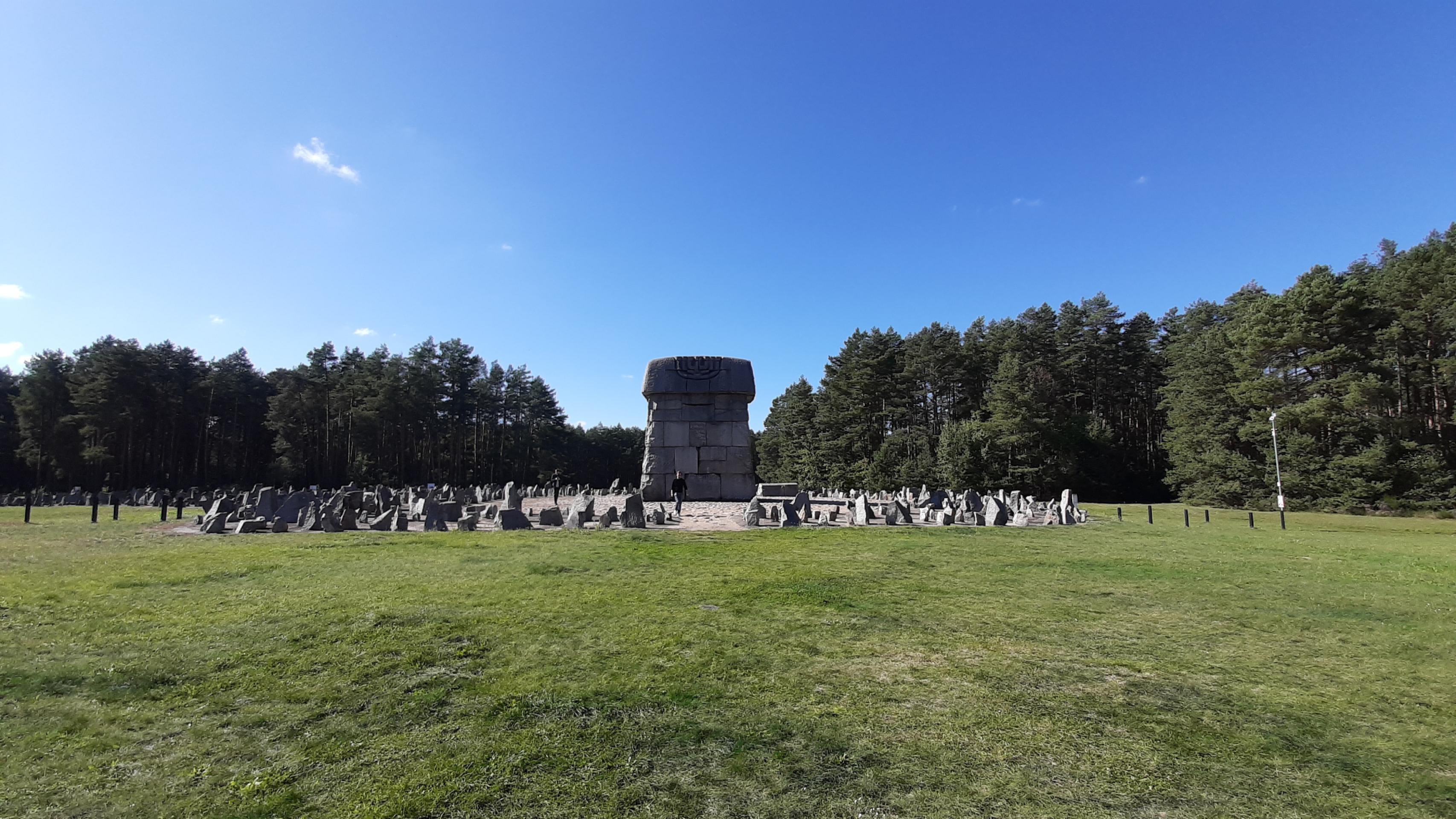
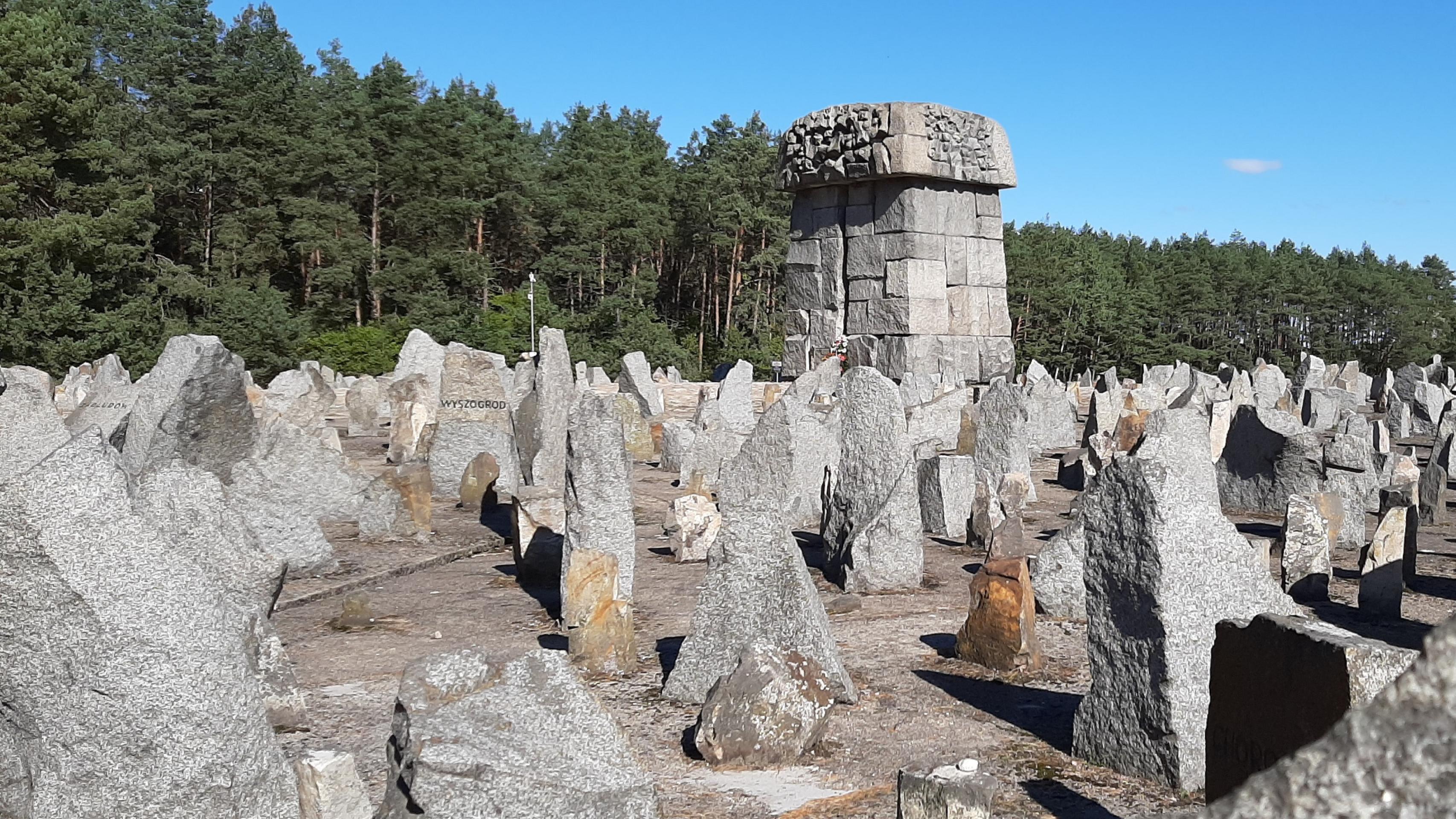
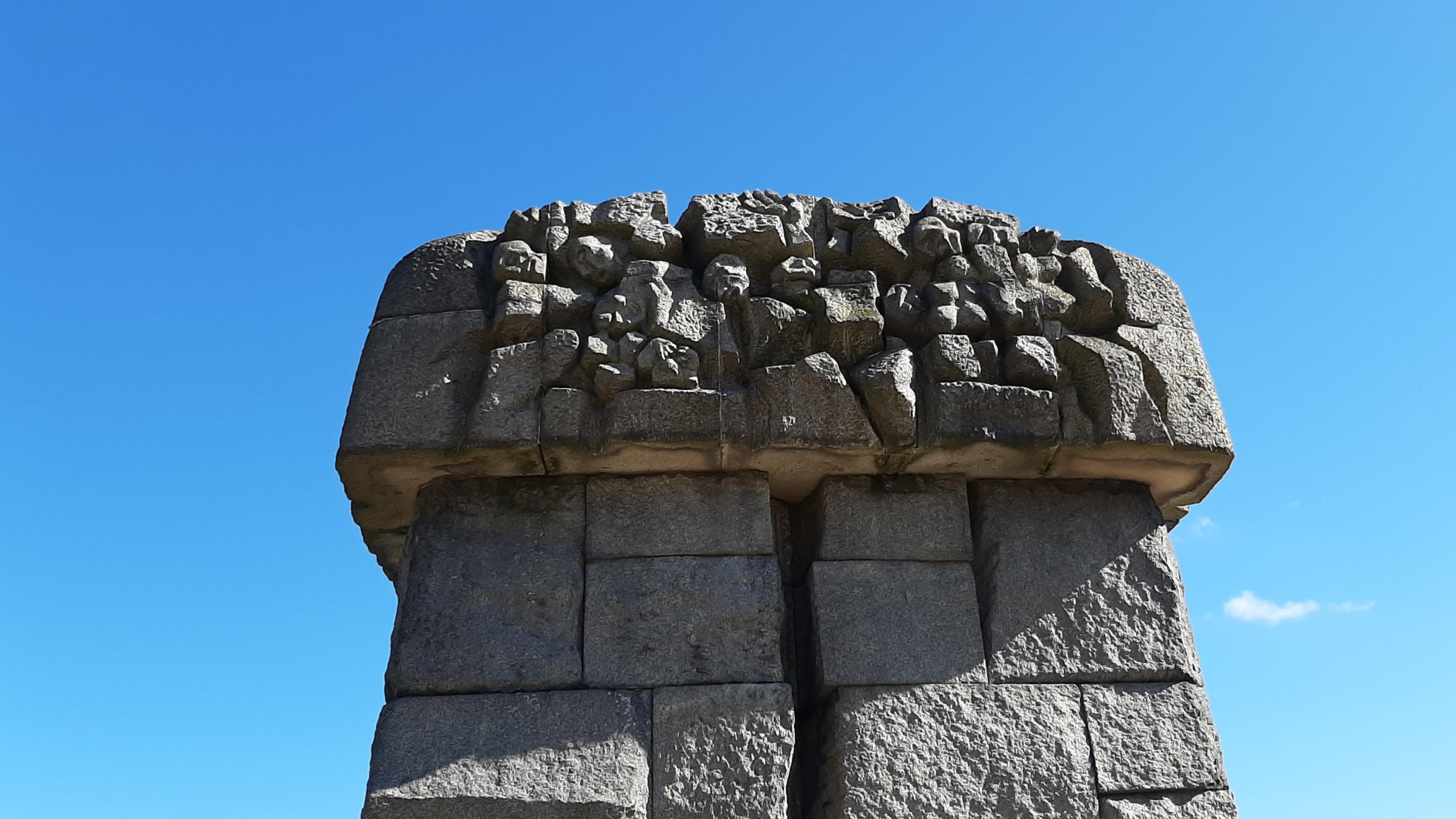
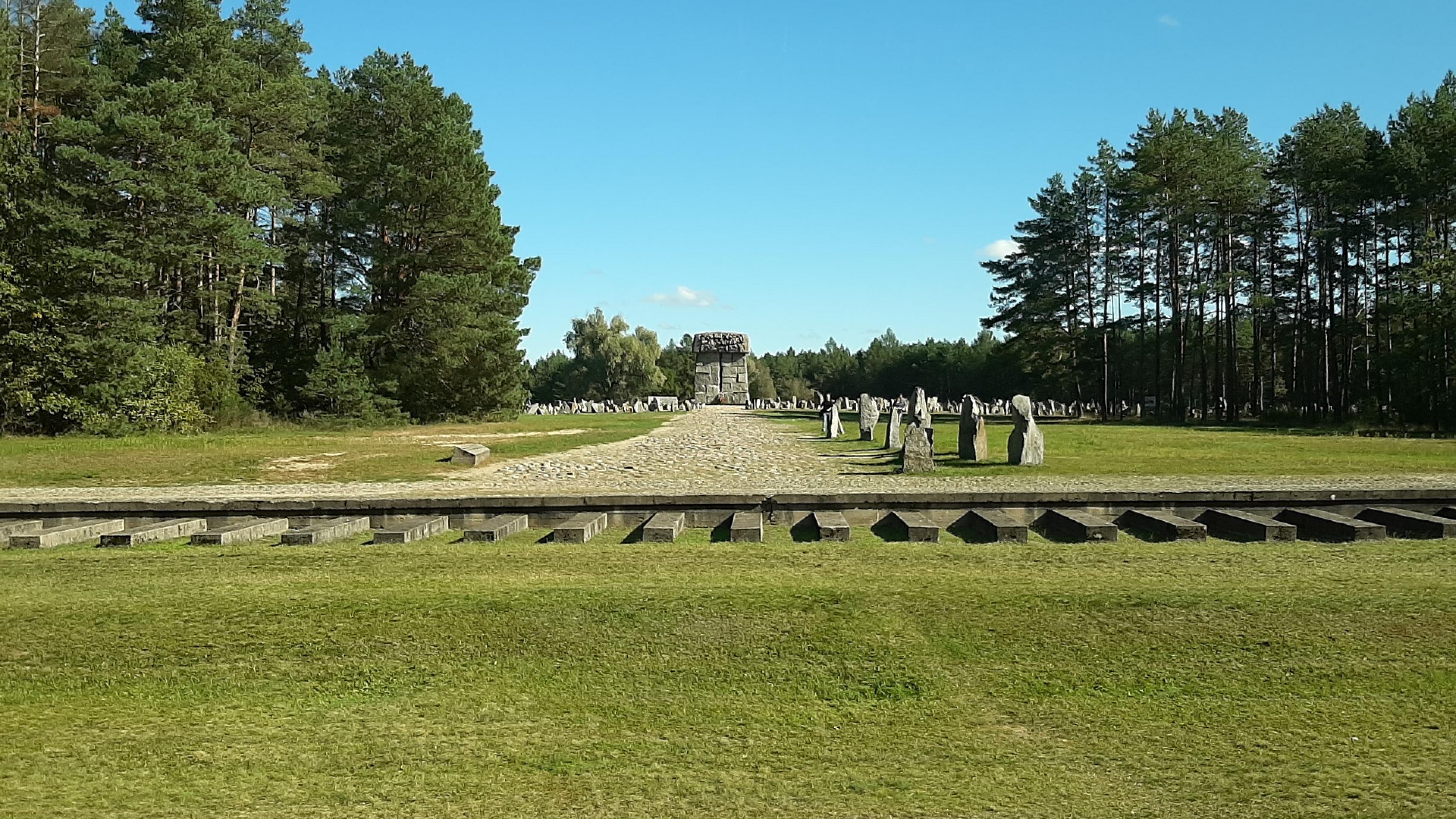
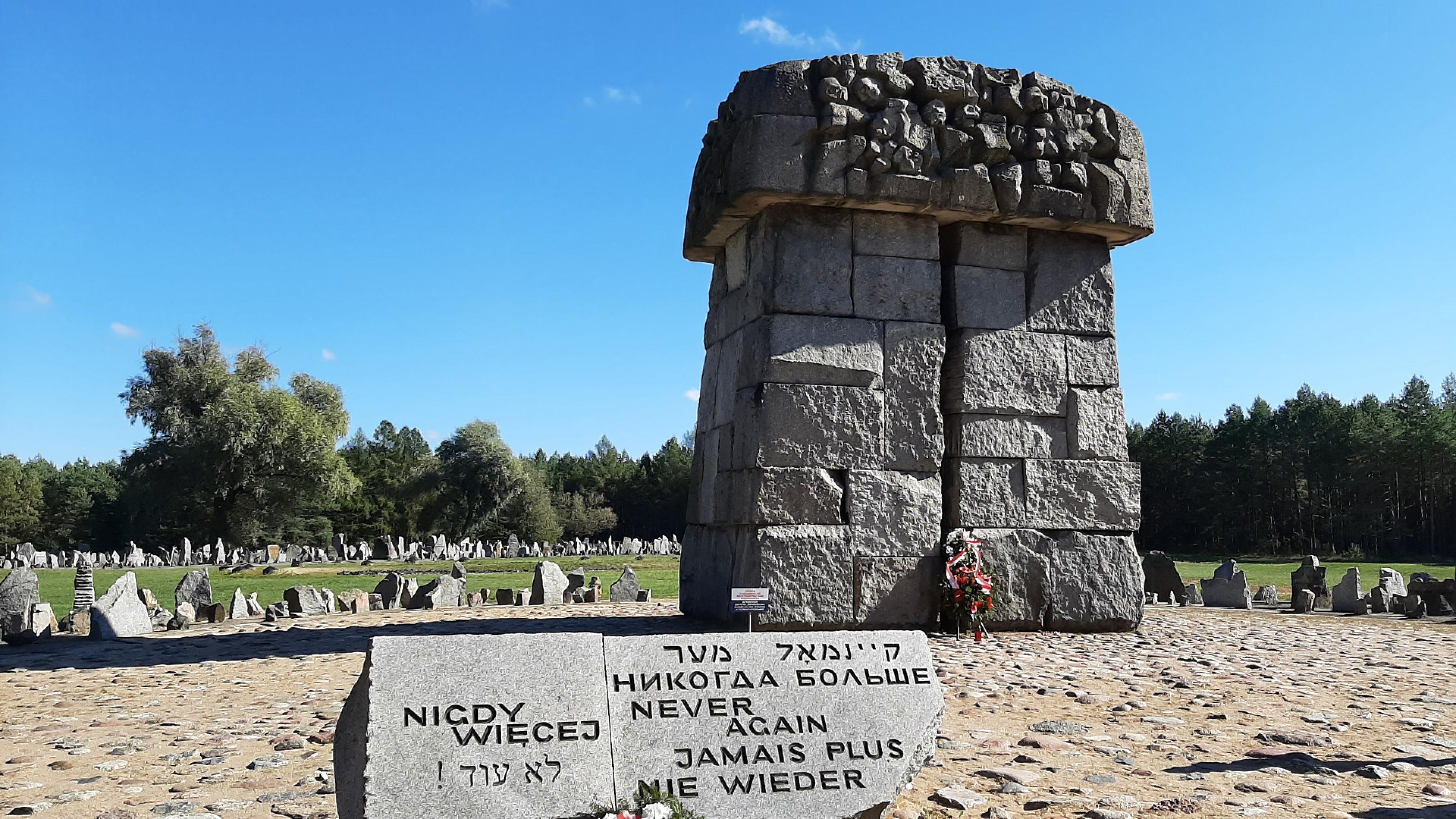
Only on May 10, 1964, could a memorial - designed by architect Adam Haupt and sculptors Franciszek Duszeńko and Franciszek Strynkiewicz - be dedicated. The main monument, placed on the site where presumably the gas chambers had been standing, is surrounded by thousands of granite stones symbolising the annihilated Jewish communities. A small exhibition has been on display in the administration building since 2006. The memory of Janusz Korczak (1878-1942) plays a special role at the memorial. The pedagogue and author turned down many opportunities to escape the Warsaw ghetto, refusing to abandon the orphanage he was working in. He accompanied the 192 orphans under his care to the Treblinka death camp and into the gas chambers.
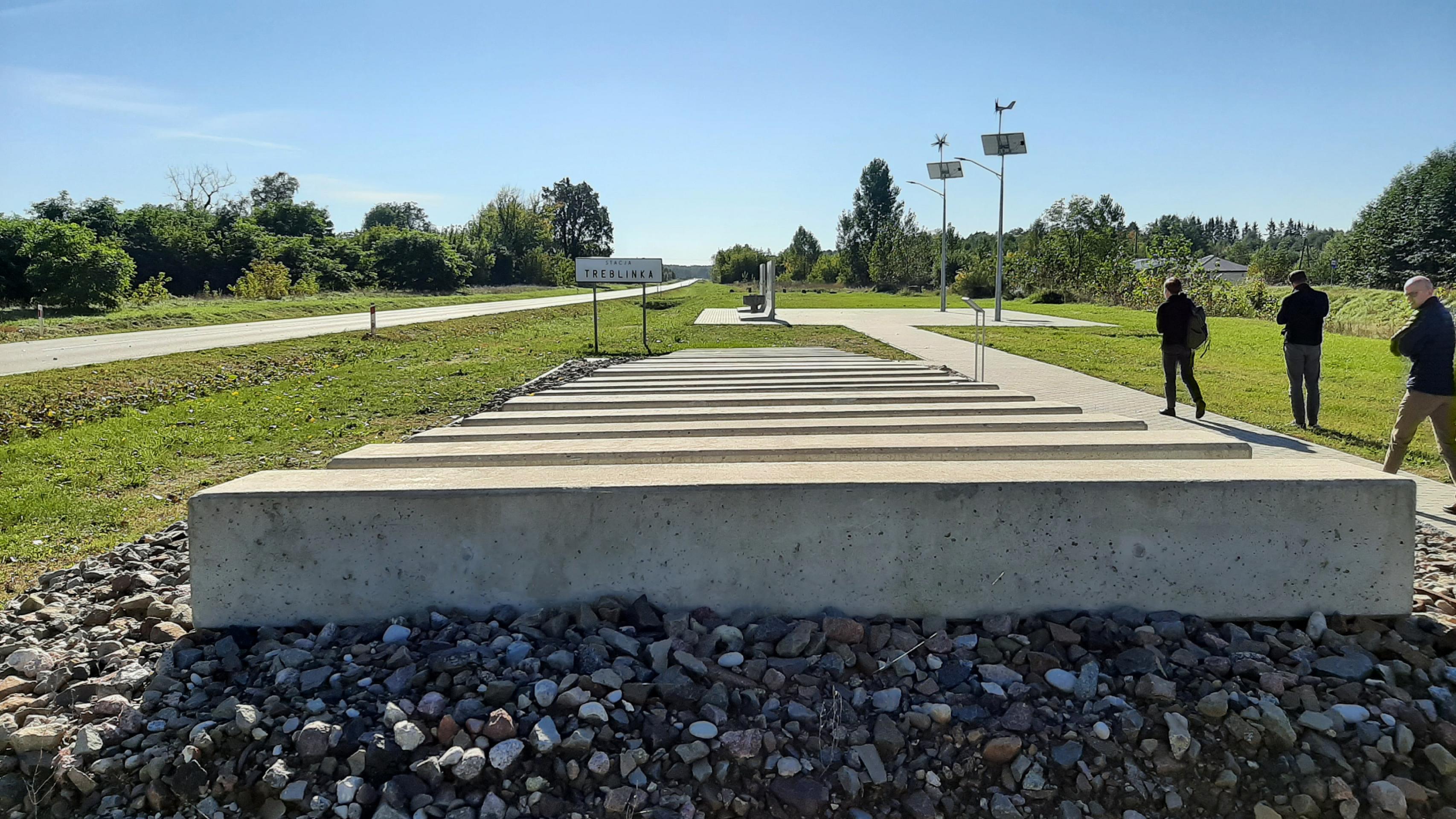
In 2020, a new memorial was inaugurated at the former site of the Treblinka railroad station. The station was located four kilometers from the extermination camp. The transports had to stop here and the wagons were gradually uncoupled and pushed into the exterminatin camp with the people on board.
Possibilities
Guided tours in Polish (audio guides available in English, German and Hebrew), research activities.
Open
April to October daily 9 a.m. to 6.30 p.m., November to March daily 9 a.m. to 4 p.m., closed during Christmas and Easter
Contact
sekretariat@muzeumtreblinka.eu
+48 (0)257 811 658
Wólka Okrąglik 115
08-330 Kosów Lacki