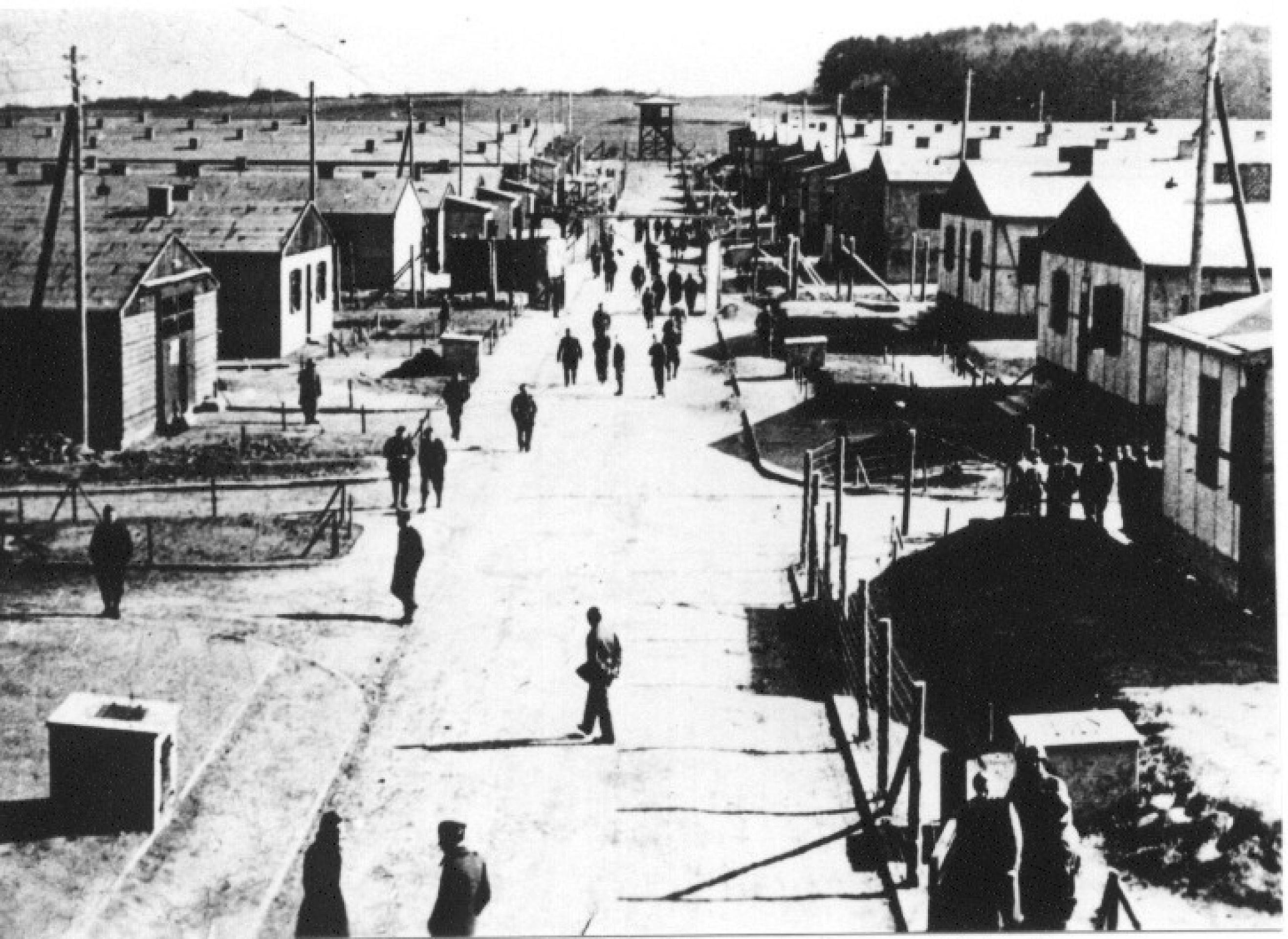
Between 1939 and 1945, located in what is today the township of Trutzhain was a prisoner of war camp, the Stalag IX A Ziegenhain. The Wehrmacht incarcerated POWs from all European countries at war with Germany in this camp. Especially Soviet prisoners of war and, from 1943 on, Italian military internees were subjected to horrific prison conditions. Today, the site is home to a memorial which documents the history of the camp up until the establishment of Trutzhain on its premises and honours the fates of the camp internees.
History
At the beginning of the Second World War, the Wehrmacht set up numerous prisoner of war camps. So-called »Stalags« were meant for non-commissioned personnel, separate camps, »Oflags«, were established for officers, and transit camps were set up close to the front line, from where POWs were transferred to other camps in the German Reich. Prisoners of war held captive at Stalags and capable of working were deployed in forced labour. Each Stalag usually deployed several labour commandos. At times these commandos were located in separate camps if the distance to the work site was too large.
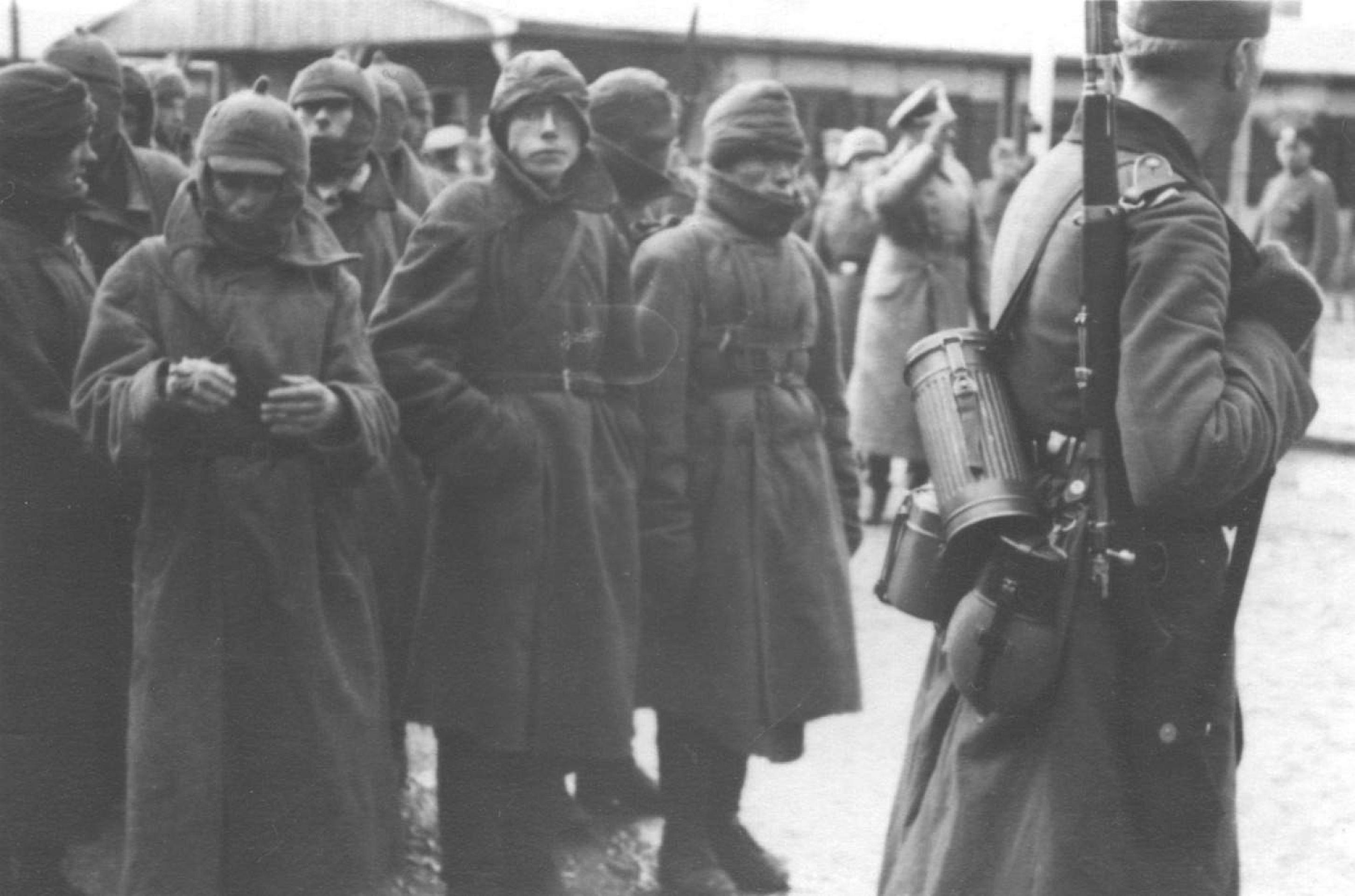
In 1944, there were over 50,000 prisoners of war in Stalag IX A Ziegenhain; the majority was deployed in the camp's over 3,000 labour commandos. Several commandos worked in the arms industry in Kassel and in munition factories in Allendorf (today: Stadtallendorf). French POWs were the largest prisoner group. In the summer of 1941, there were 32,000 of them Stalag IX A and in the labour commandos of Defence District IX. The Wehrmacht accommodated Soviet prisoners of war in a separate part of the camp in which the conditions were much harsher than those of other prisoner groups. From 1943 on, the Wehrmacht increasingly interned members of the Italian military. The Italians – considered »traitors« – were admitted into the »Russenlager«, the part of the camp reserved for Soviet prisoners.
After the Stalag was liberated, American troops set up »Civil Interment Camp No. 95« on the camp premises and interned members of the Wehrmacht, the NSDAP, the SS, the Waffen-SS and the SA there. Between 1946 and 1947, the camp also served as a Displaced Persons camp for Jews from Eastern Europe. Later, German refugees from Germany's former eastern territories were accommodated here. In 1951, they established the Trutzhain community on the former camp premises.
Victims
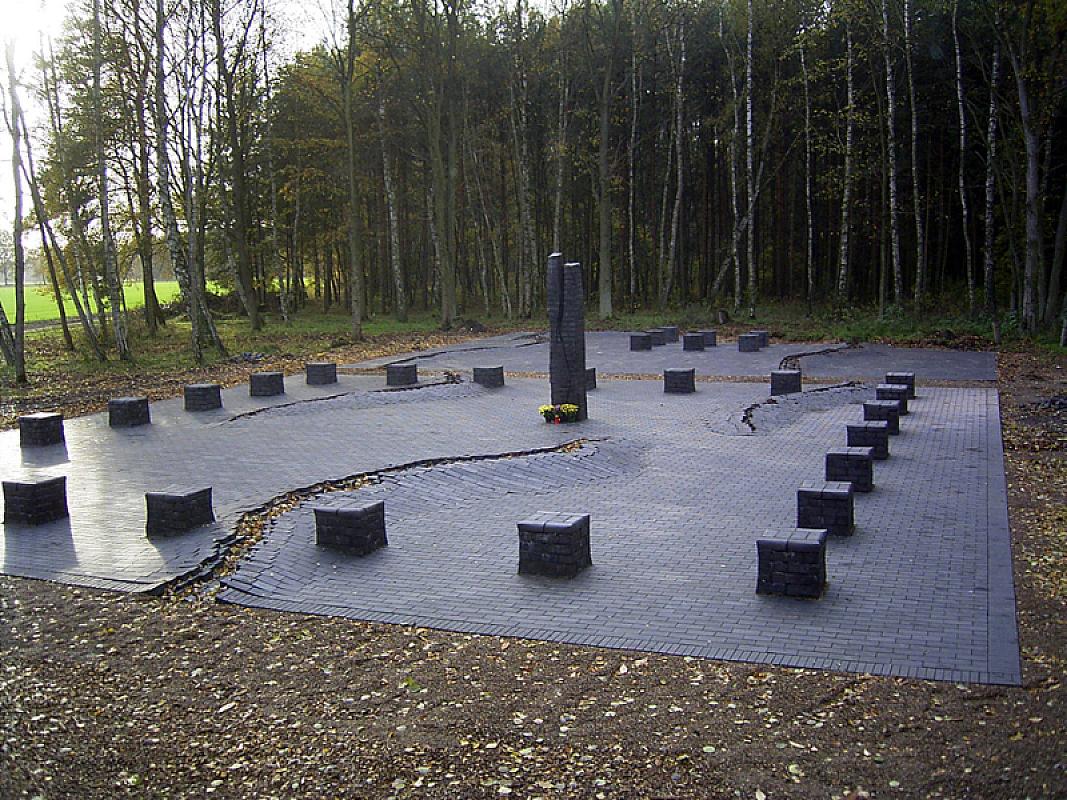
Apart from French POWs, the prisoners of Stalag IX A Ziegenhain came from Poland, the Soviet Union, Italy and Serbia. In addition, there were small groups of Dutchmen, Belgians and Americans held captive. Evidence shows that several Soviet POWs were selected by members of the Wehrmacht and brought to the Buchenwald concentration camp to be shot. Numerous executions took place in the labour commandos of Stalag IX A. The Polish and West Europeans POWs who died in the camp were buried on a cemetery on the camp premises; the bodies of Soviet and Serbian POWs as well as Italian military internees were buried on a cemetery located in a forest.
According to research, the deaths of 400 Soviet POWs in the Ziegenhain camp can be traced, yet the research is not yet complete and it is assumed that the death toll is in fact much higher.
Remembrance
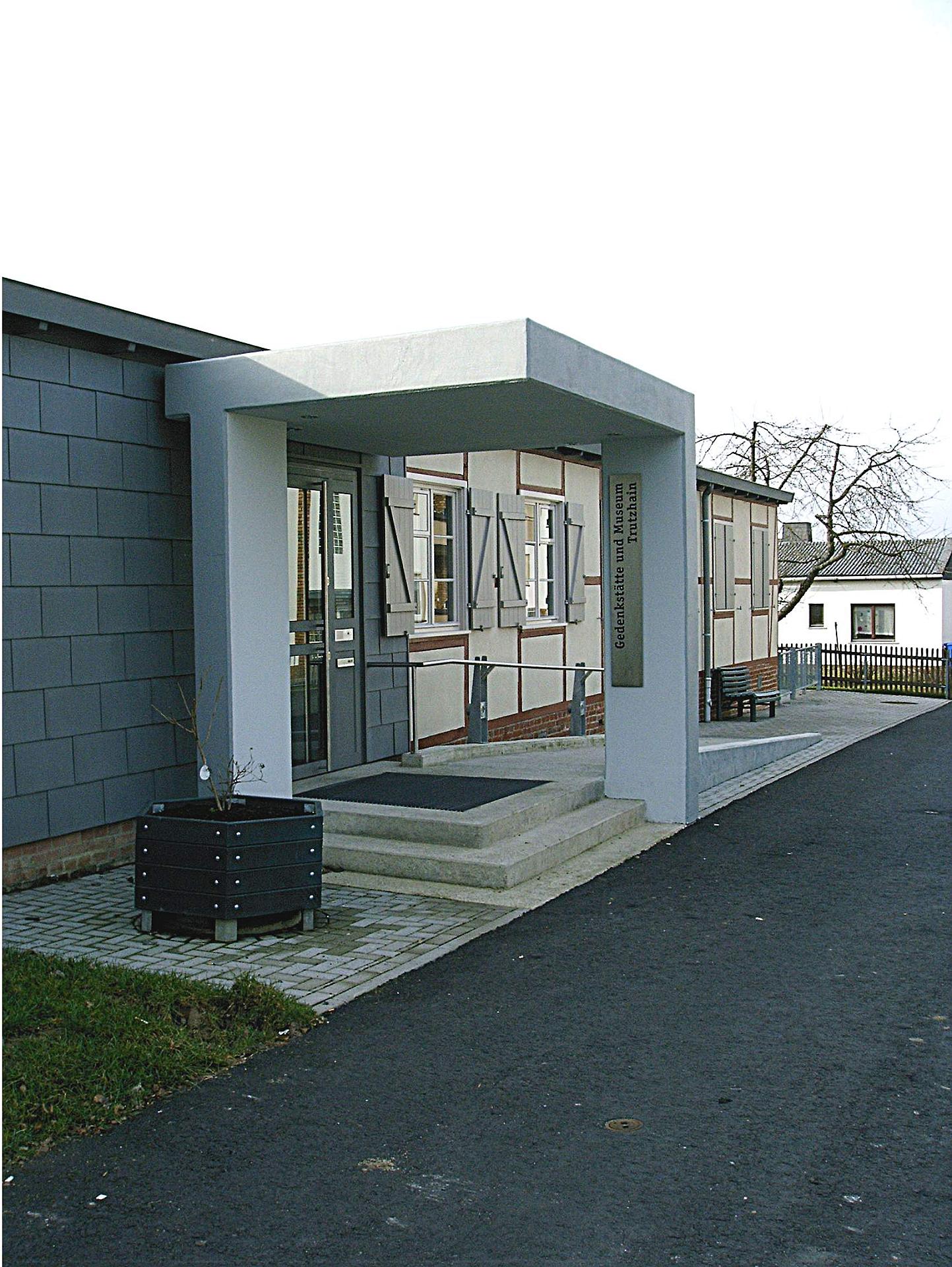
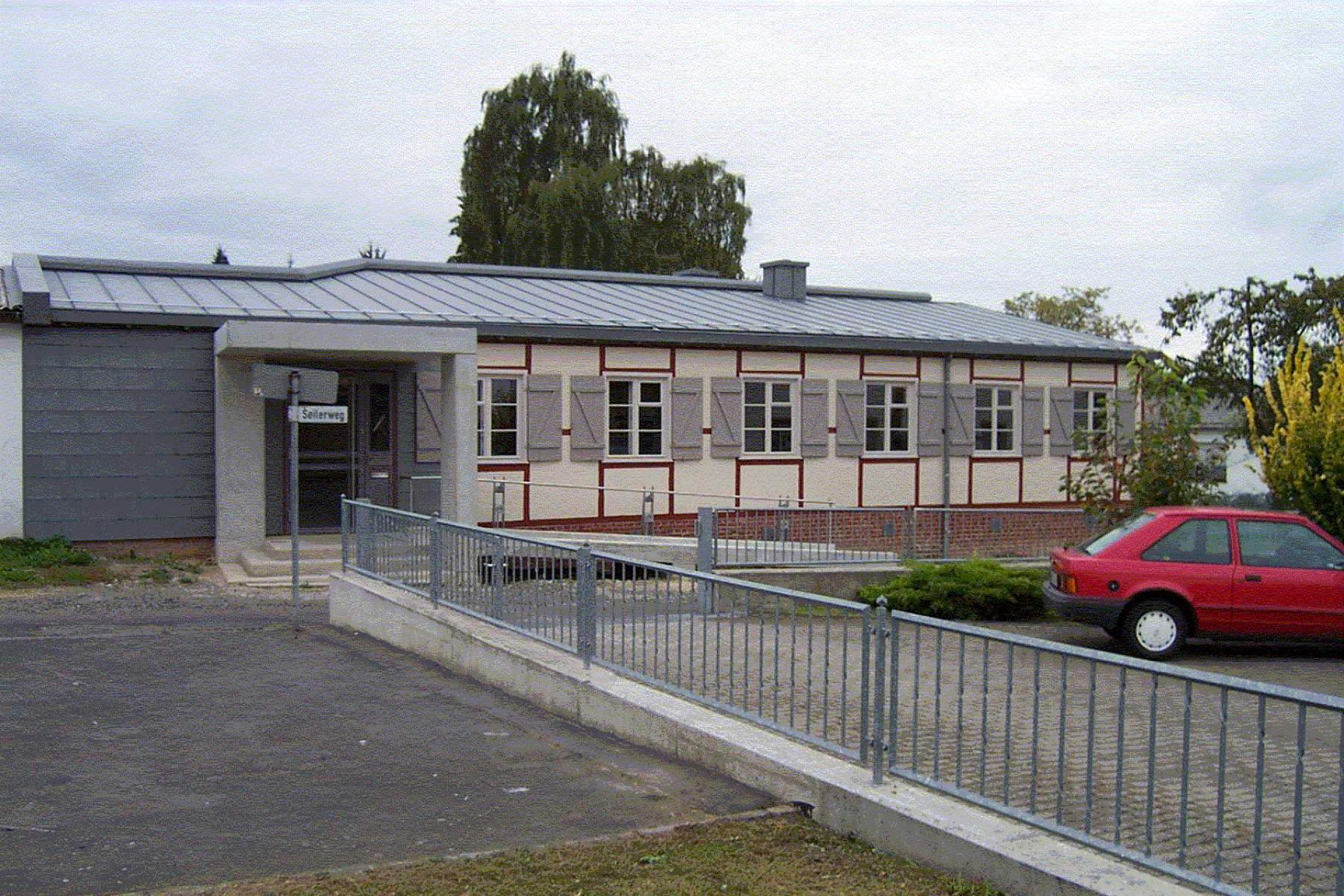
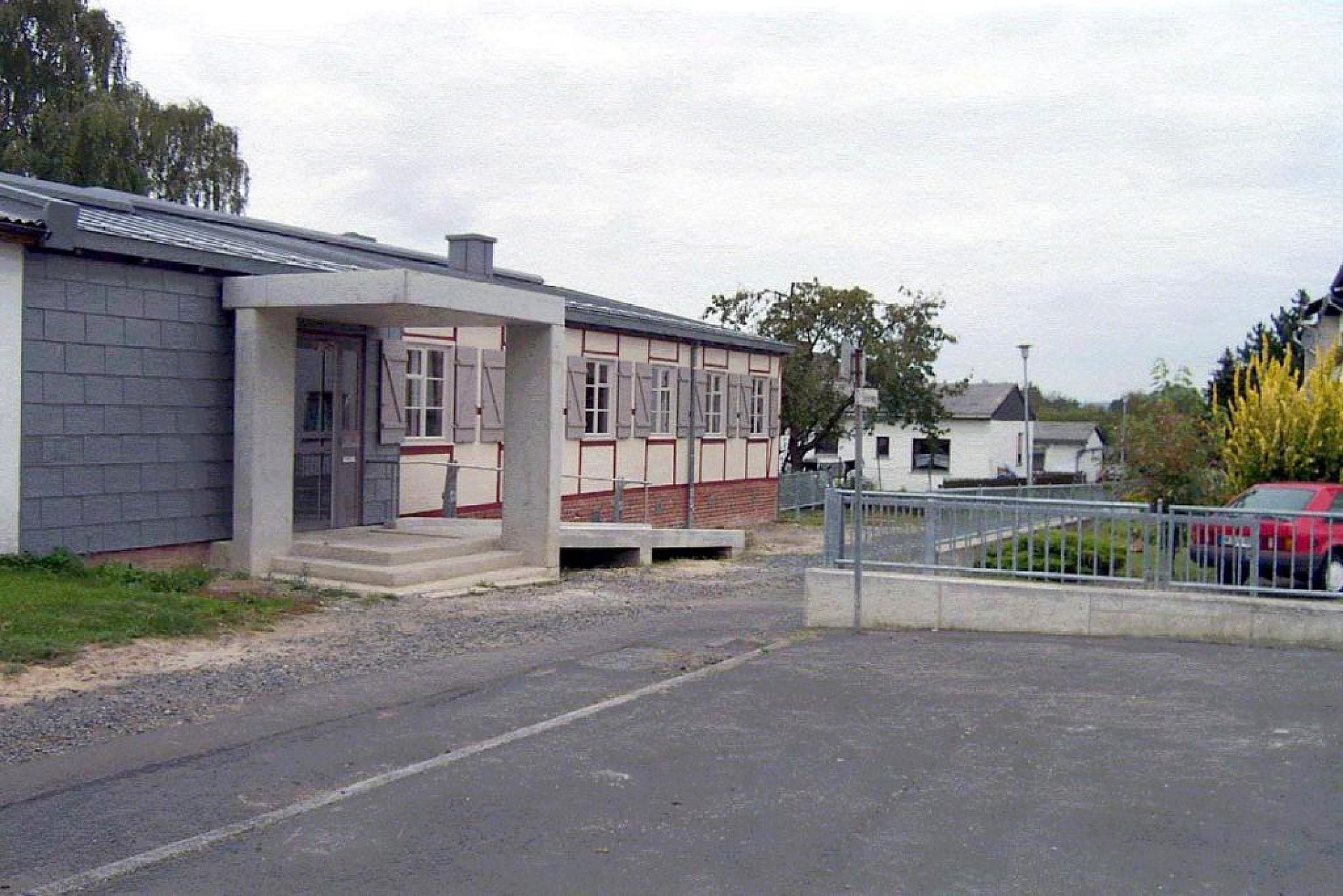
In 1983, a »Museum for Peace« was established in Trutzhain, which is today a district of Schwalmstadt. It was felt, however, that the exhibition did not present enough information about the history of the various camps located on the premises until 1951. Following a decision of the city council assembly, preparations were made to redesign the exhibition and the historic site at the end of the 1990s. The memorial was opened in 2003 after a new permanent exhibition had been completed. The exhibition presents comprehensive information about the camps once located on the area of the Trutzhain community and about all victim groups. Since 2005, it is possible to follow a historic trail on the large premises of the memorial site, which allows visitors to view the 37 remaining camp barracks that today for the most part serve as residential housing. This includes the former commandant's barracks, the barracks of the Abwehr and guards as well as the infirmary, various workshops and the camp kitchen. The building which today houses the museum was a guard room prior to 1945. For many years it was a residential house, then it stood derelict for a while until it was finally restored to its original condition. The two cemeteries on which the POWs who died in the camp were buried are also part of the memorial site.
Possibilities
Guided tours and large groups by appointment, film screenings, archive/library, seminar room for extracurricular teaching
Open
Tuesday to Thursday 9 a.m. to 1 p.m. and 2 p.m. to 4 p.m., Friday 9 a.m. to 1 p.m., every second and fourth Sunday of the month 2 p.m. to 5 p.m.
Contact
http://www.gedenkstaette-trutzhain.de
info@gedenkstaette-trutzhain.de
+49 (0)6691 710 662