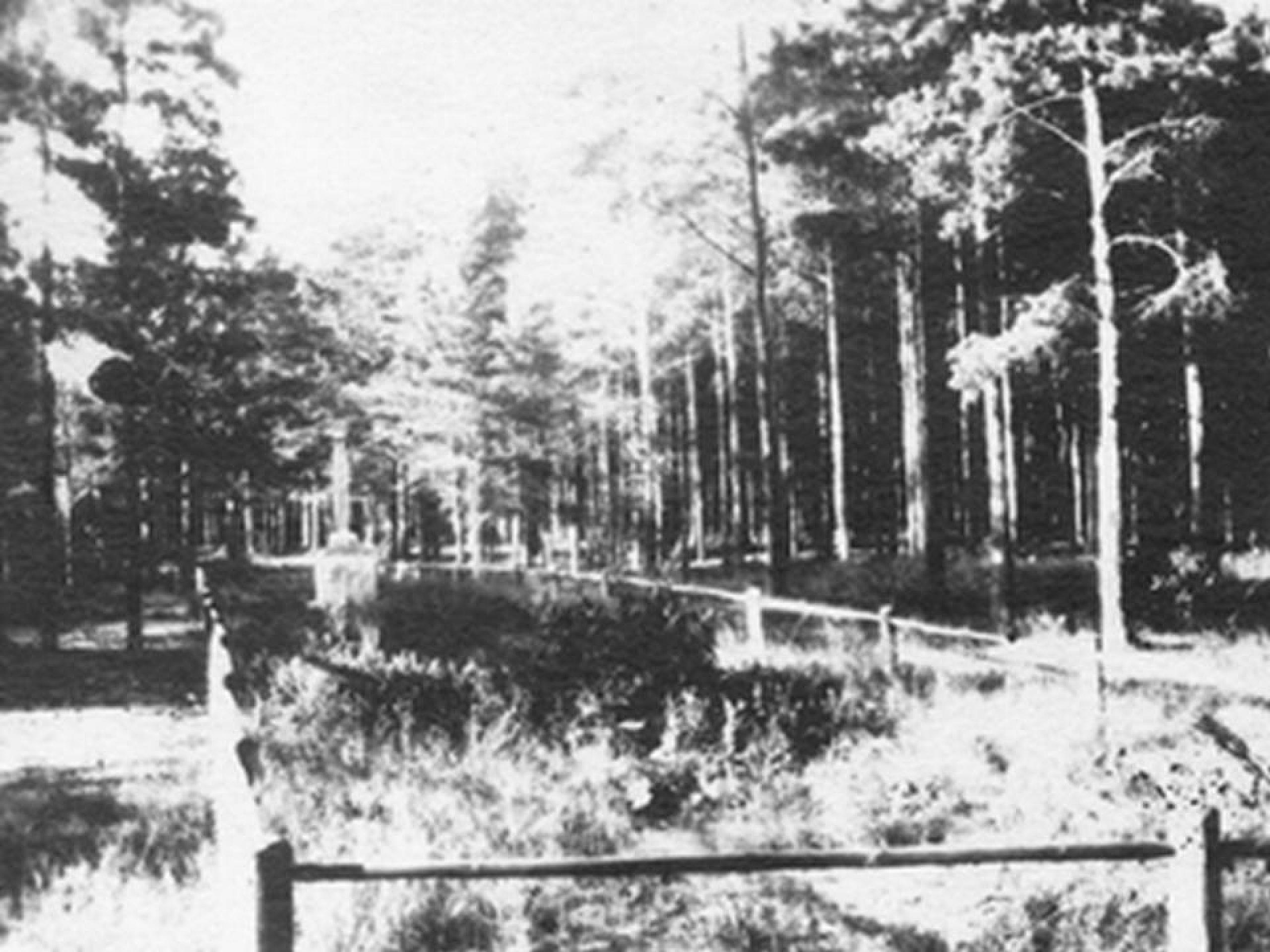
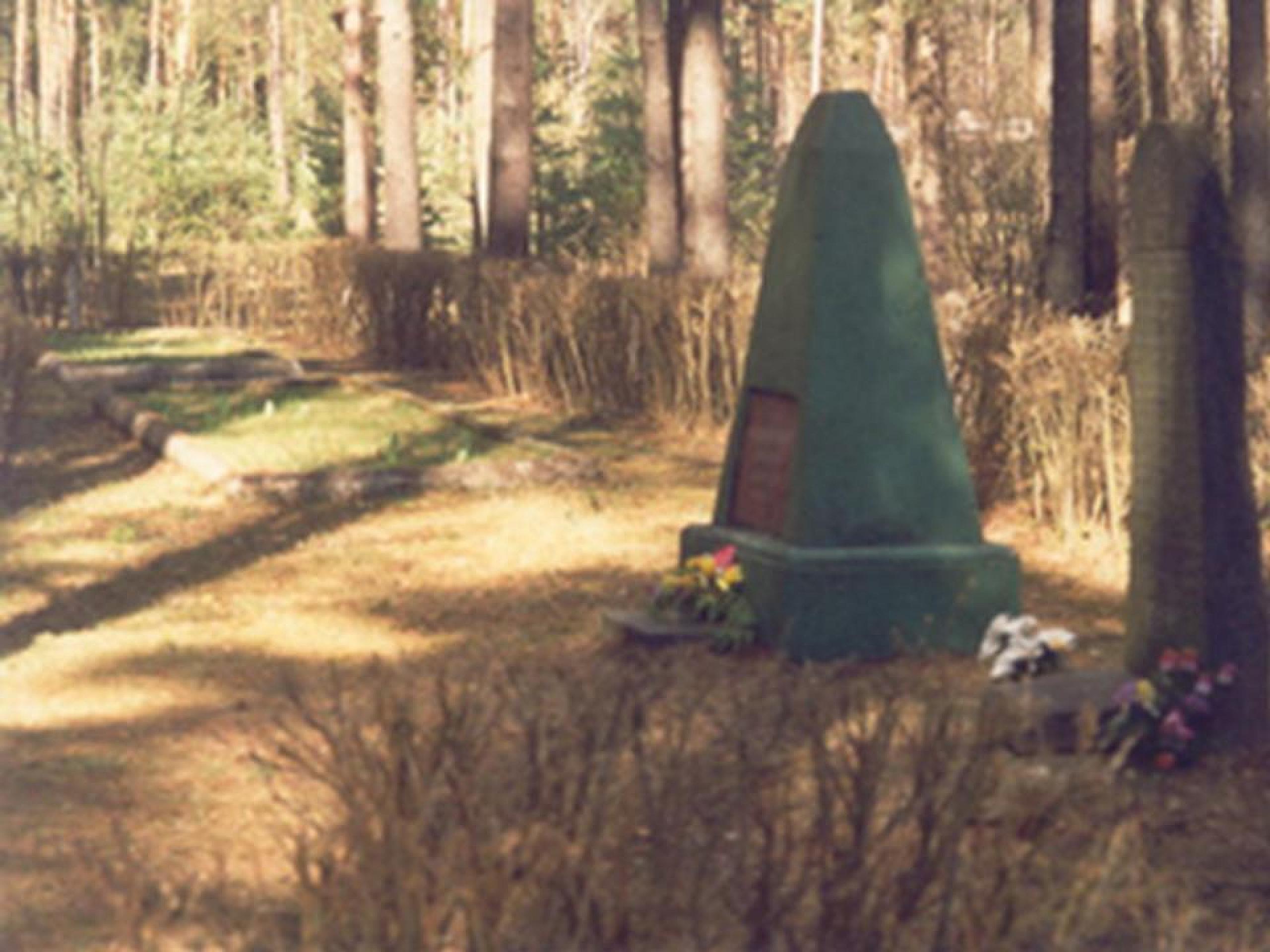
The town of Viļāni lies on the banks of the Malta river in eastern Latvia. Almost the entire Jewish population of the town was shot in 1941 by Latvian nationalists on orders of the SS. There are several monuments on the site of the mass shootings dedicated to the victims.
History
In 1935, the Jewish community of Viļāni had around 400 members. After the Soviet Union occupied Latvia in 1940, Jewish life was subjected to severe restrictions - also in Viļāni.
In July 1941, following the German invasion of Latvia, Latvian nationalists murdered a small group of Jews on the banks of the Malta river. On August 3, 1941, members of the SS chased the Jewish residents of Viļāni into a school building. On the following day the men, women and children were shot in a forest close to Viļāni. Their bodies were buried in previously prepared pits. The shooting was conducted by a unit of the Arājs Kommando, which had arrived from Riga. This unit consisted of anti-Semitic Latvian nationalists under the leadership of Victor Arājs. The Arājs Kommando closely cooperated with Einsatzgruppe A (mobile killing unit).
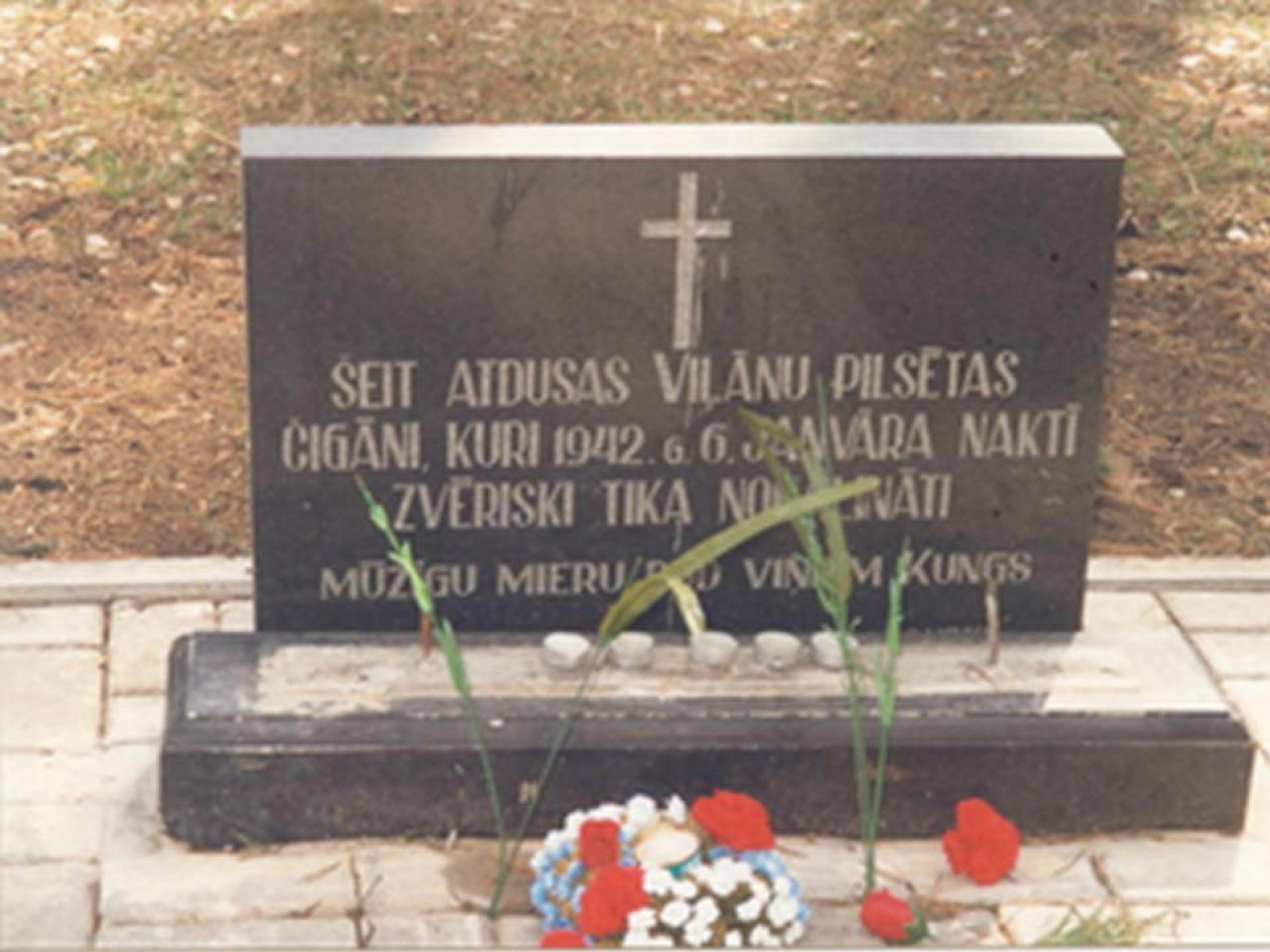
In January 1942, another shooting operation took place on this site during which members of the SS shot around 30 Roma from Viļāni.
Victims
Around 300 Jewish men, women and children and 30 Roma died in the mass shootings in the forest close to Viļāni.
Latvia, an independent state since 1918, was occupied by the Red Army in 1940 as the result of a German-Soviet agreement – the so-called Hitler-Stalin (or Molotov-Ribbentrop) Pact. When German troops attacked the Soviet Union on June 22, 1941, there were still around 70,000 Jews in Latvia. Shortly before this, 23,000 Jews and hundreds and thousands of other Latvians had been deported to Siberia by the Soviet secret service NKWD or had managed to flee within the USSR. The Wehrmacht troops were followed by SS Einsatzgruppe A, which shot around 30,000 Jews between July and early December 1941 with the active participation of Latvian »self-defence« units. In the late summer of 1941, the headquarters of the Wehrmacht in Latvia established two ghettos: one in the capital Riga holding 30,000 Jewish prisoners and one in Daugavpils with 14,000 Jewish prisoners. Members of the German and Latvian special units carried out two mass shootings at the end of 1941 in the forest of Rumbula near Riga, killing 25,000 Jews from the Riga ghetto. From December 1941, the liquidated »Big Ghetto« in Riga became the destination for deportation trains carrying 25,000 German, Austrian and Czech Jews. In early 1942 more mass shootings took place in the forest of Bikernieki near Riga, claiming thousands of Jewish lives. By the end of the war, 95 percent of the pre-war Jewish population of Latvia and around 120,000 civilans had met a violent death.
After the Red Army had regained Latvia in 1944, the country once again became a Soviet republic. A large number of monuments were built to commemorate the »victory« in the »Great Patriotic War«. Only in 1990-91 did Latvia reclaim its independence from Moscow, following a struggle also against Soviet troops. Many Soviet monuments were subsequently dismantled and the decades of occupation and resistance became the main feature of national memory. The Soviet annexation of Latvia in 1940-41 and from 1944 to 1990 was viewed on the same footing as the German occupation. As in Lithuania and Estonia, occupation museums were established in Latvia focusing on the years of Soviet terror.
During the Second World War around 160,000 Latvians either volunteered or were forced to serve in the Latvian legion of the Waffen SS. They were deployed to take part in mass shootings, to ransack towns and villages and to guard camps, but also to fight in the war and against partisans. During the Soviet regime, they were marginalised and persecuted but after 1990-91 these former »legionaries« were respected and celebrated by many as freedom fighters who had opposed the communist enemy. This one-sided perspective attracted criticism from abroad. At the end of 1998, an international committee of historians was founded by the President of the Republic to examine »Crimes against Humanity during the Two Occupations, 1940–1956«.
Holocaust memorial sites were established most notably at the former Salaspils concentration camp in 1967 and in Bikernieki in 2001. As early as 1962, Jewish dissidents put up a Jewish star in the forest of Rumbula to remember the Jewish victims. It was removed by the Soviet authorities and replaced by a monument honouring the »victims of fascism«. A new monument was inaugurated there in November 2002. Already in 1989, a Jewish Museum was funded in Riga by Holocaust survivors. In 2005-06 a memorial site was opened among the foundations of the former Choral Synagogue in Riga to remember all victims of the Holocaust and all Jews murdered on Latvian soil. Since 2010 there is also a Museum of the Riga Ghetto.
Remembrance
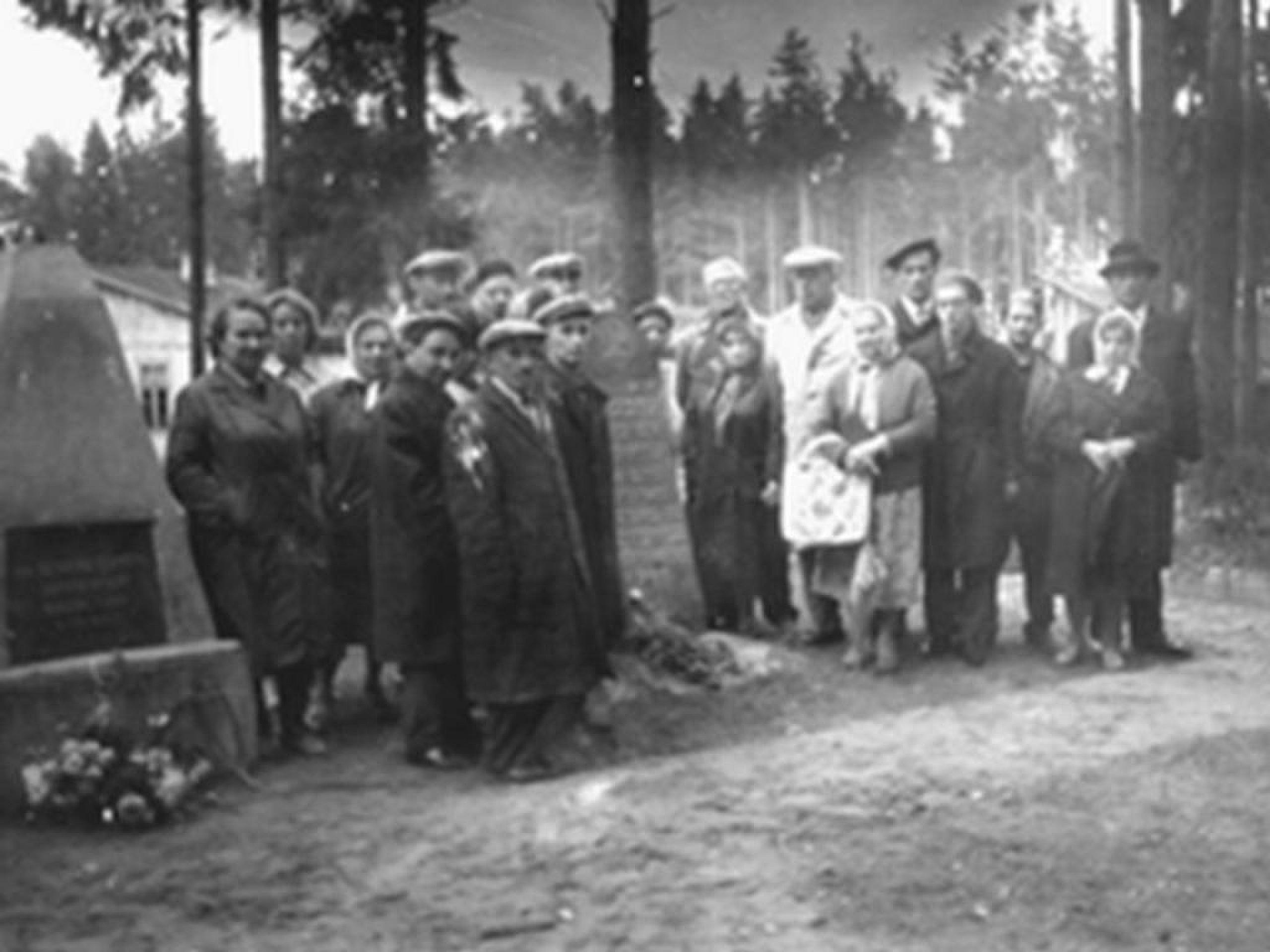
In the 1950s, the Soviet administration of Viļāni set up a memorial at the site of the shootings. The very general inscription on the monument commemorates »those murdered by the fascists on August 4, 1941«. Jews are not specifically mentioned as victims.
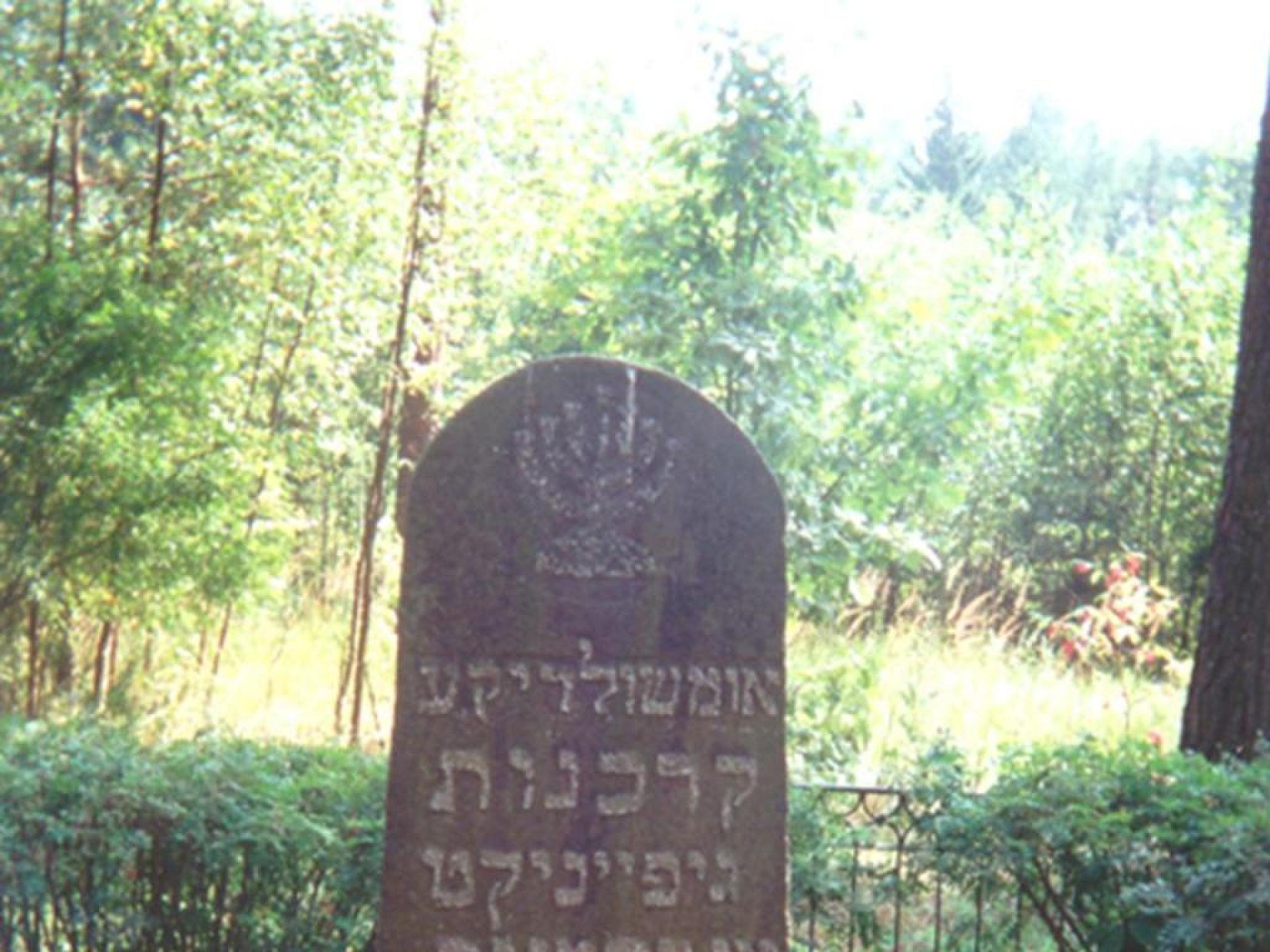
A second monument was set up - also in the 1950s - on initiative of Jewish survivors living in Viļāni. It bears an inscription in Hebrew which reads: »Innocent victims, killed at the hands of the fascists without mercy and burned in Viļāni in 1941«. Despite the Hebrew inscription and an engraved menorah, here too Jews are not mentioned as victims.
The memorial is completed by a plaque which is dedicated to the murdered Roma. Each year on August 4, the day of the mass shooting, a commemorative ceremony takes place here.