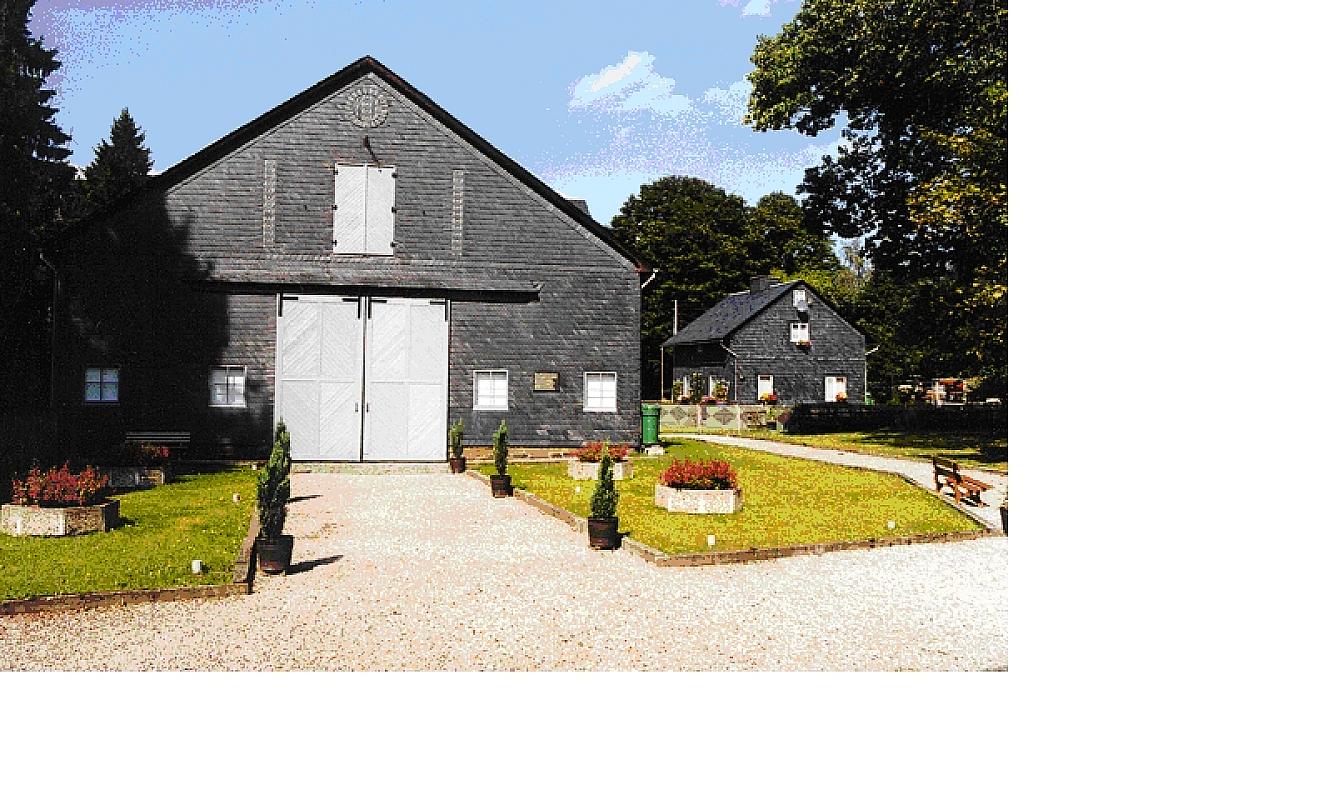
»Villa Oliveto« – Documentation Centre on Concentration Camps in Italy
Centro di documentazione sui campi di concentramento in Italia »Villa Oliveto«
Italian fascists held foreign Jews – most of them from Libya – at the »Villa Oliveto« internment camp. The German occupying forces deported some of them to the Bergen-Belsen concentration camp in 1944. The »Villa Oliveto« documentation centre has since 2001 tended to preserving the historical site and teaching about its past.
History
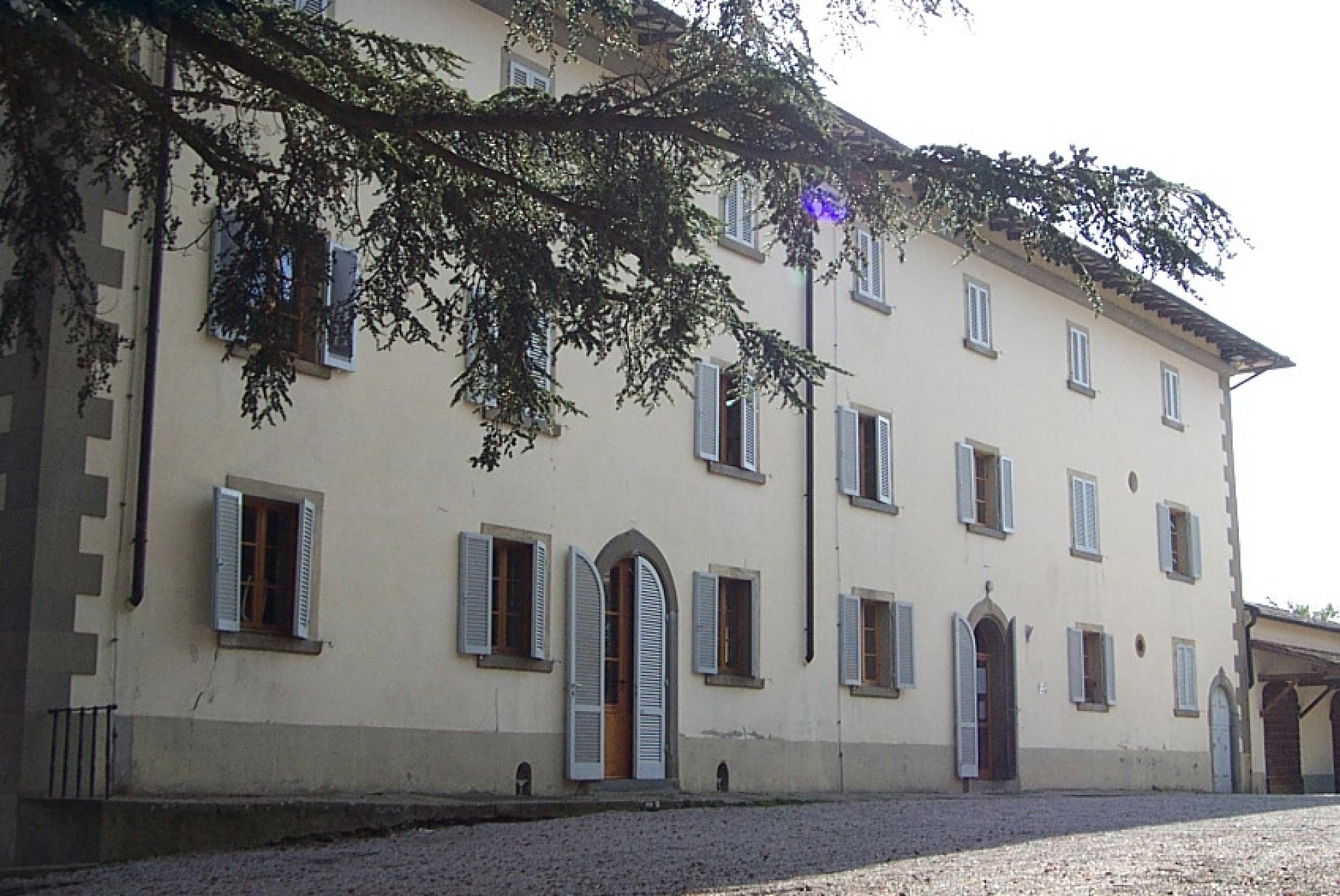
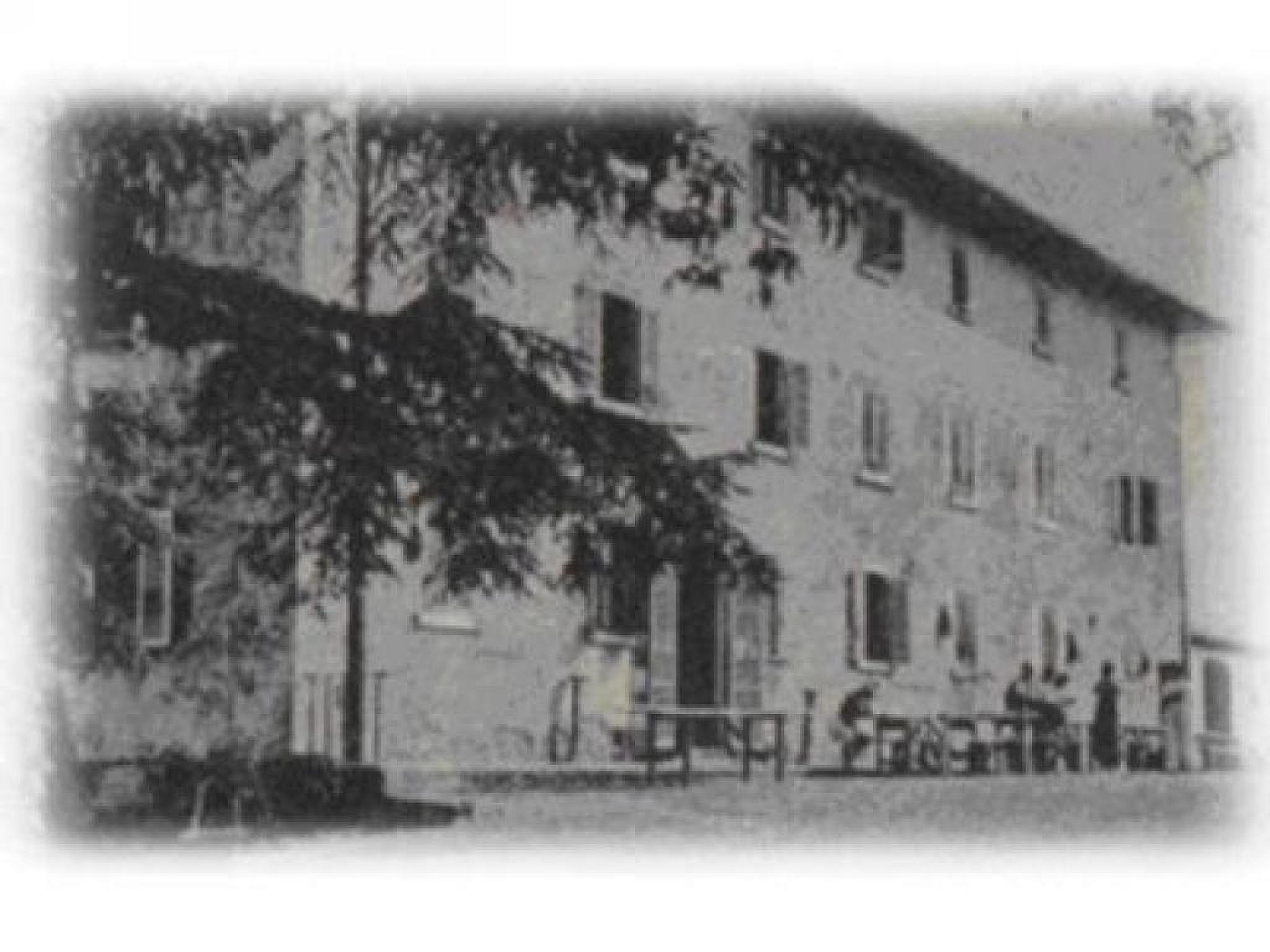
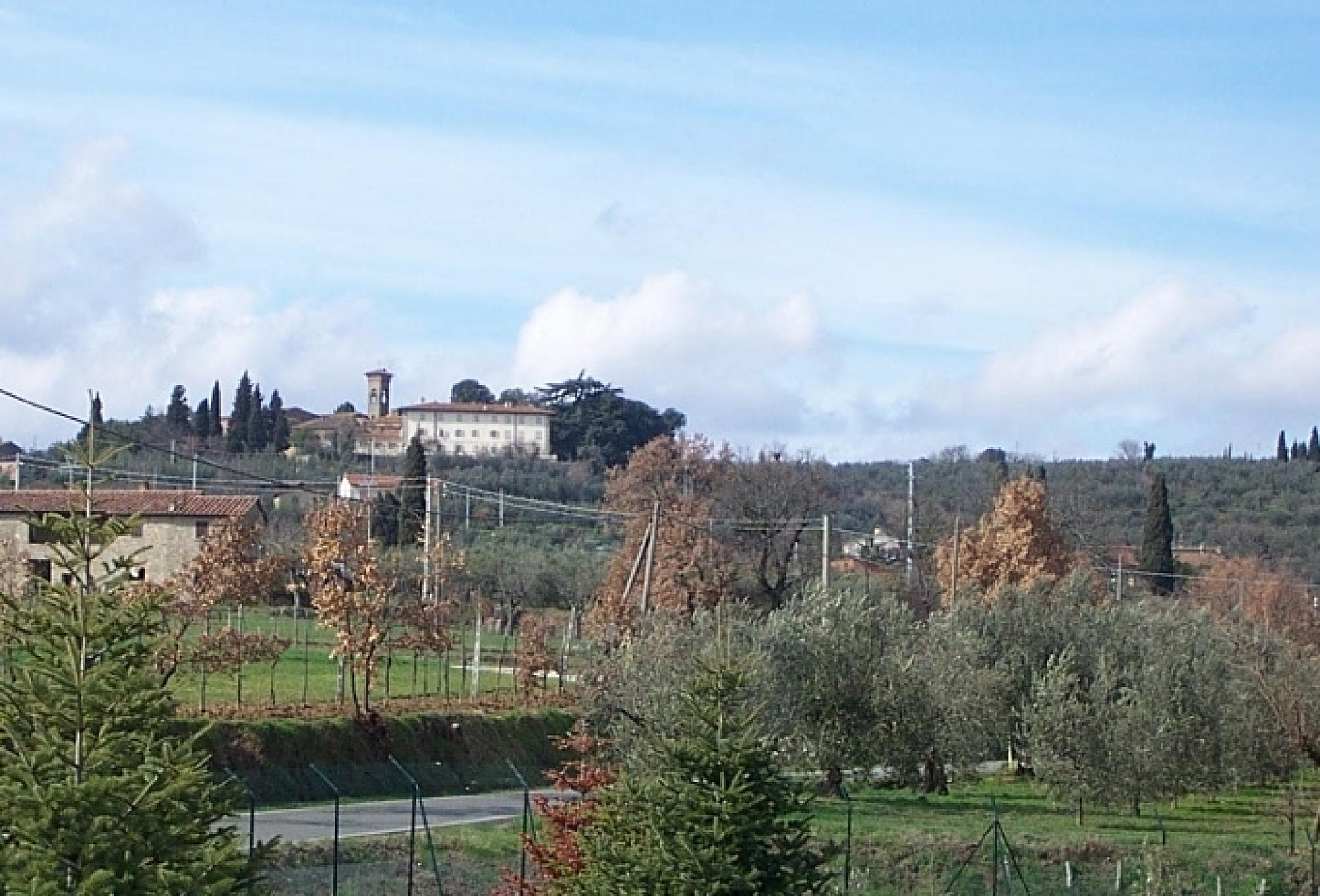
»Villa Oliveto«, located 16 kilometres from Arezzo, was one of four internment camps for civilians in the region of Tuscany under the rule of the Italian Fascists. Prior to that, followers of the Croatian Ustaša movement were trained here from 1934 on. Beginning June 1940, when Italy joined the war as Germany's ally, foreign Jewish men were held at the camp. In 1941, the »Ministry for Italian Africa« decided to evacuate all foreigners living in Libya – which had been an Italian colony since 1911 – and intern them in Italy. Of the approximately 7,000 foreigners, 870 were Jews with British citizenship. Most of them were taken from Tripoli to Naples and then transferred to various internment camps. On January 16, 1942, 51 of them arrived at Villa Oliveto. They were exhausted from the long journey, some had to be hospitalised immediately. A Swiss delegation which visited Villa Oliveto in January 1942 reported hazardous hygienic conditions at the camp. Food supplies were insufficient and the internees could only survive thanks to aid packages from the Red Cross. Following Italy's armistice with the Allies on September 8, 1943, the internees who had been held at Villa Oliveto were released. Feeling safer at the camp and fearing that the escape of entire families with small children might be impossible, about 70 Jews from Libya decided to voluntarily remain at Villa Oliveto. However, the German Wehrmacht soon invaded northern Italy and the camp was once again sealed off. On February 5, 1944, the inmates were transferred to the Fossoli transit camp via Florence. From Fossoli they were deported to the Bergen-Belsen concentration camp. After four months they were released in exchange for German prisoners of war.

Victims
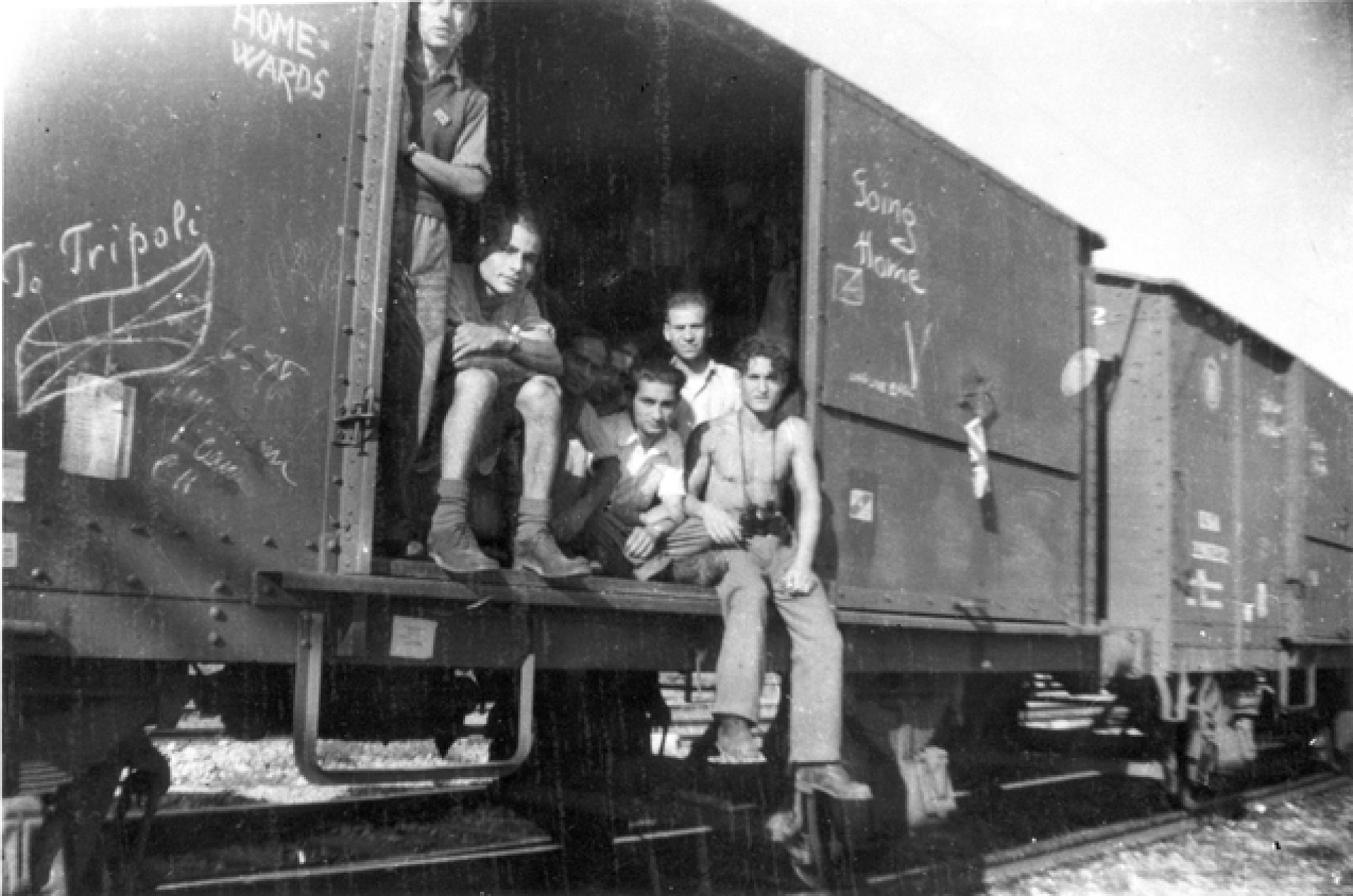
German, French, English and Polish Jewish men aged between 26 and 58 as well as Libyan Jews with British citizenship were interned at »Villa Oliveto«. There were at least 9 families among the internees from Libya, including 27 women and children. 7 more children were born at the camp. In June 1942, all of the single men were transferred to other camps, and only the Libyan families remained at Villa Oliveto. About 70 of them were taken to Florence on February 5, 1944, from where they were transferred first to the Fossoli transit camp, then to Bergen-Belsen on February 19, 1944. Since they were supposed to be released in exchange for German prisoners of war, they were then taken to the French camp Vittel, until they were finally brought to Tripoli via Portugal, Casablanca and Algeria. They arrived in Tripoli on November 10, 1944.
In Libya itself, at least 500 Jews died in the Italian camp Giado between 1942 and 1943.
Remembrance
The »Villa Oliveto« documentation centre was established in 2001 on initiative of the »Association for the History and Remembrance of the Republic« and the community of Civitella. The centre administers the preservation of the former camp premises and teaches about the history of internment camps in fascist Italy.
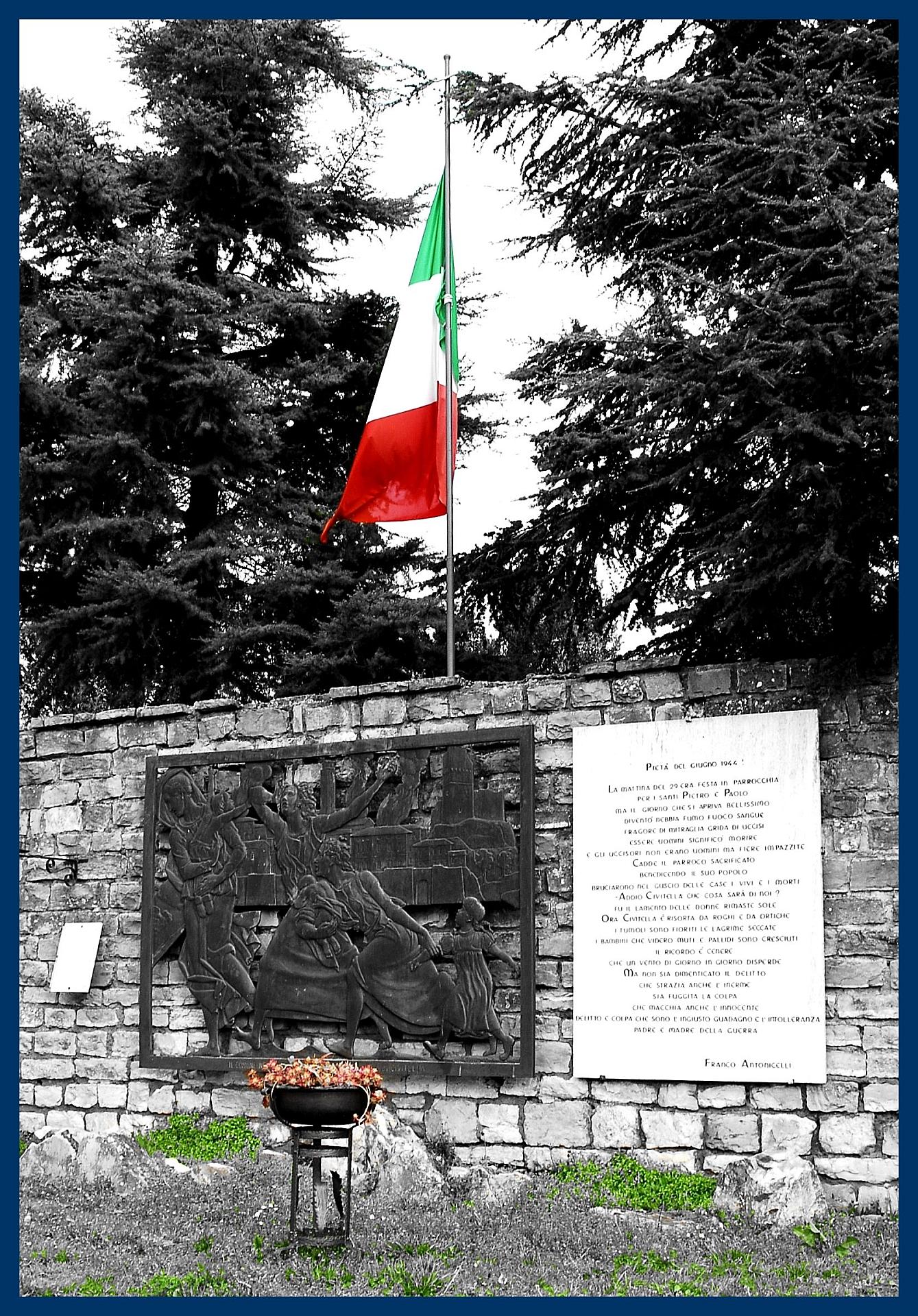
The documentation centre moreover commemorates 250 civilians who were murdered on June 29, 1944, in Civtella as part of German »reprisal measures«, probably by members of the 1st Paratroop Panzer Division Hermann Göring.
Possibilities
Archive, library, video archive with eyewitness testimonies, exhibition
Open
By prior appointment
Contact
http://www.storiaememorie.it/villaoliveto
biblio@civichiana.it
+39 0575 445 303
Via del Chiesino, 70
52041 Albergo AR