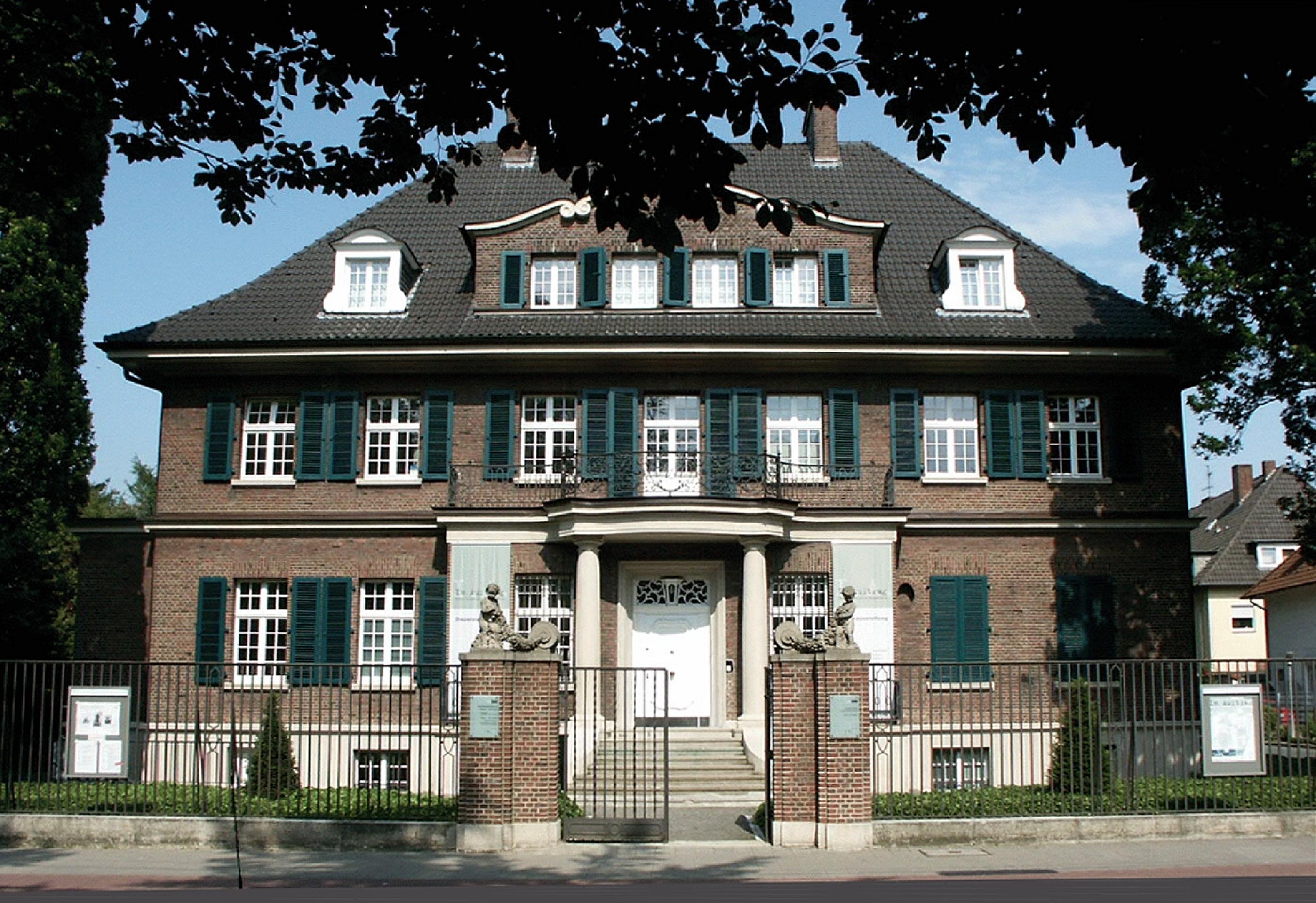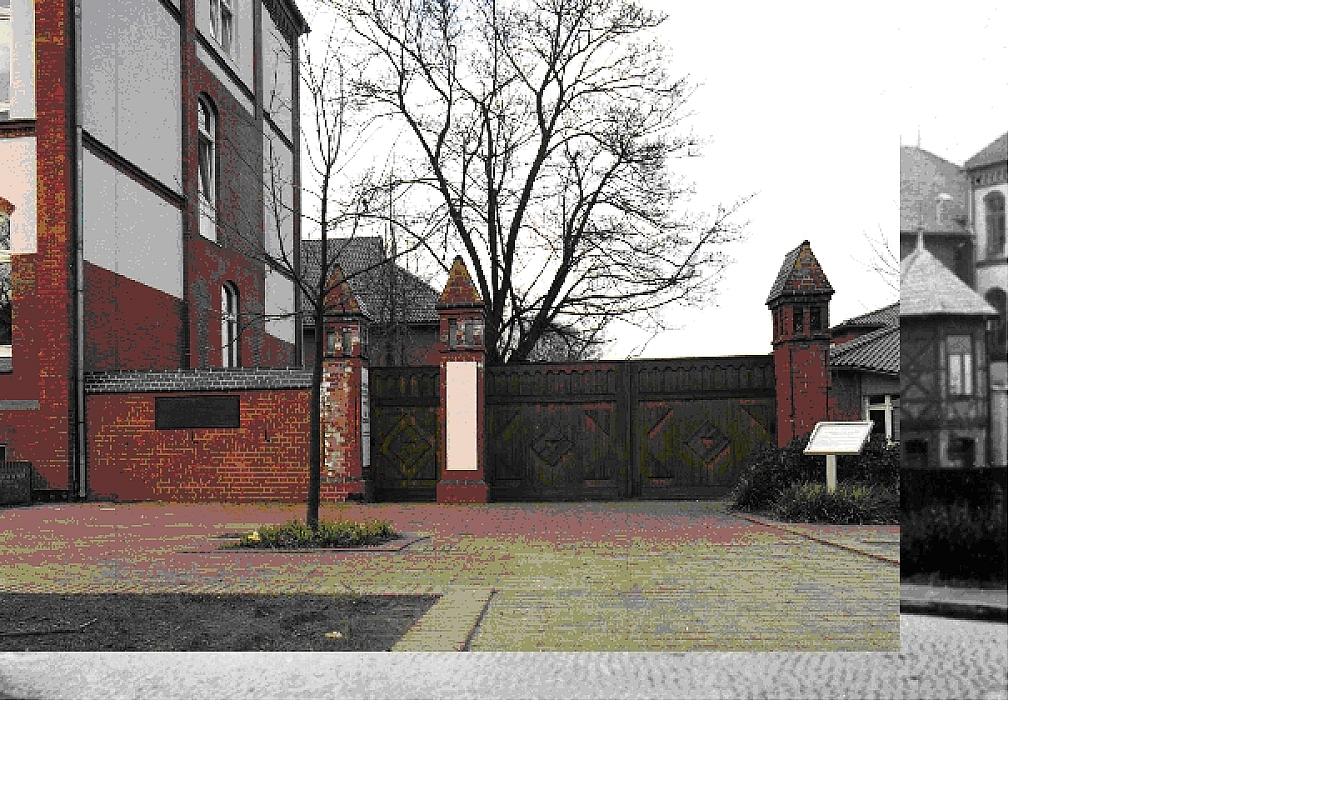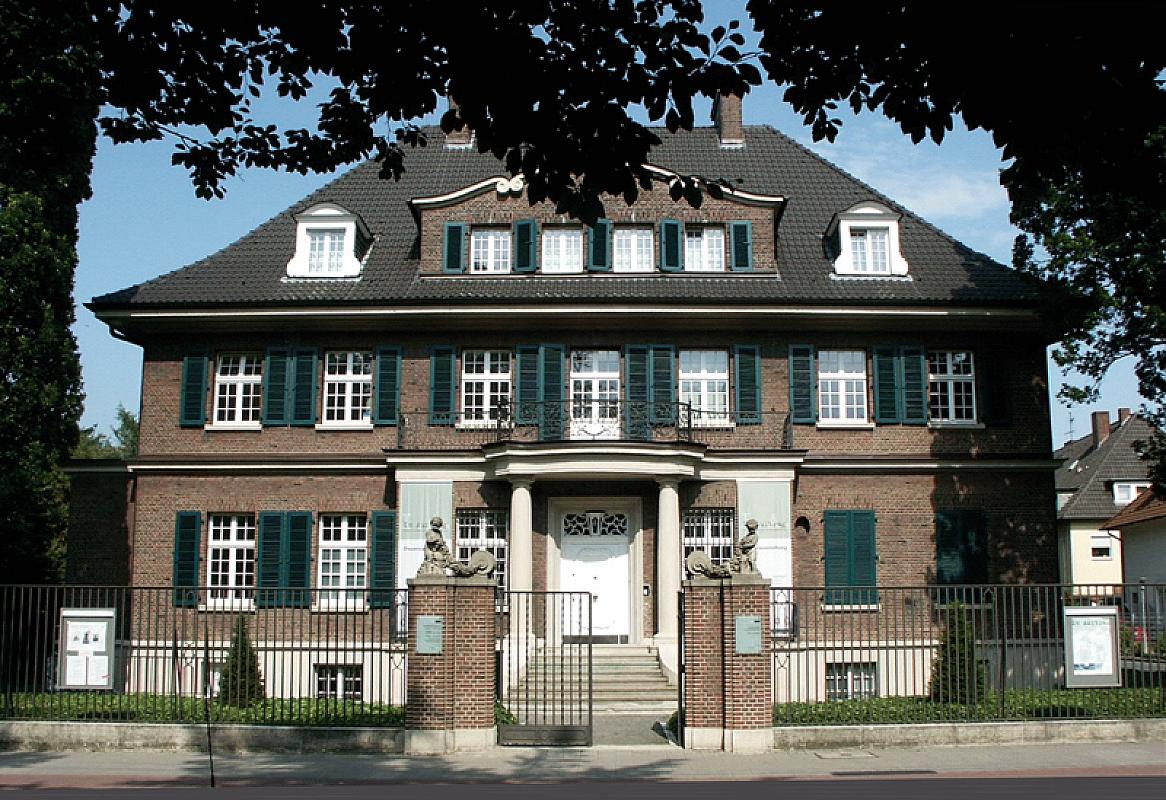
Between 1940 and 1944, the headquarters of the Ordnungspolizei (order police) for the military district VI were located in the former villa of industrialist Rudolf ten Hompel. The Ordnungspolizei was involved in National Socialist crimes. Between 1953 and 1968, the villa was home to the seat of the »Department for the Compensation of Victims of Political, Racial and Religious Persecution«. The city of Münster opened the »Villa ten Hompel Memorial Site« in 1999. Through its exhibitions it documents the history of the Ordnungspolizei in National Socialism.
History
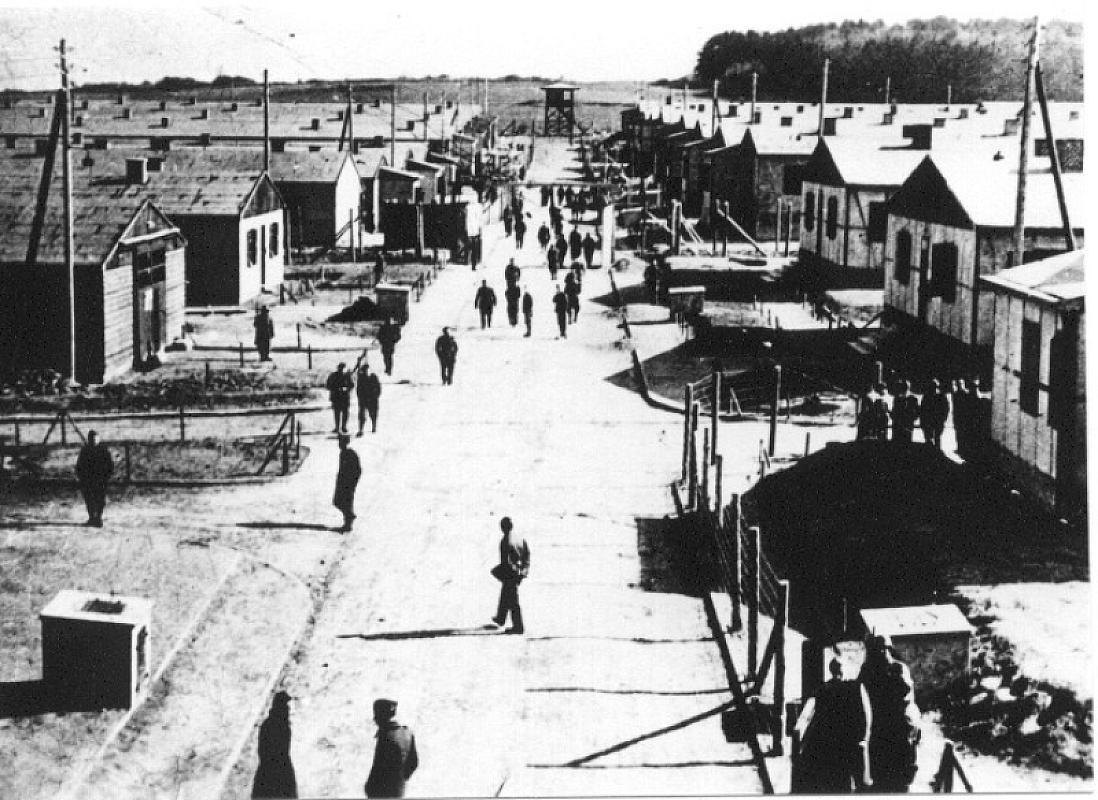
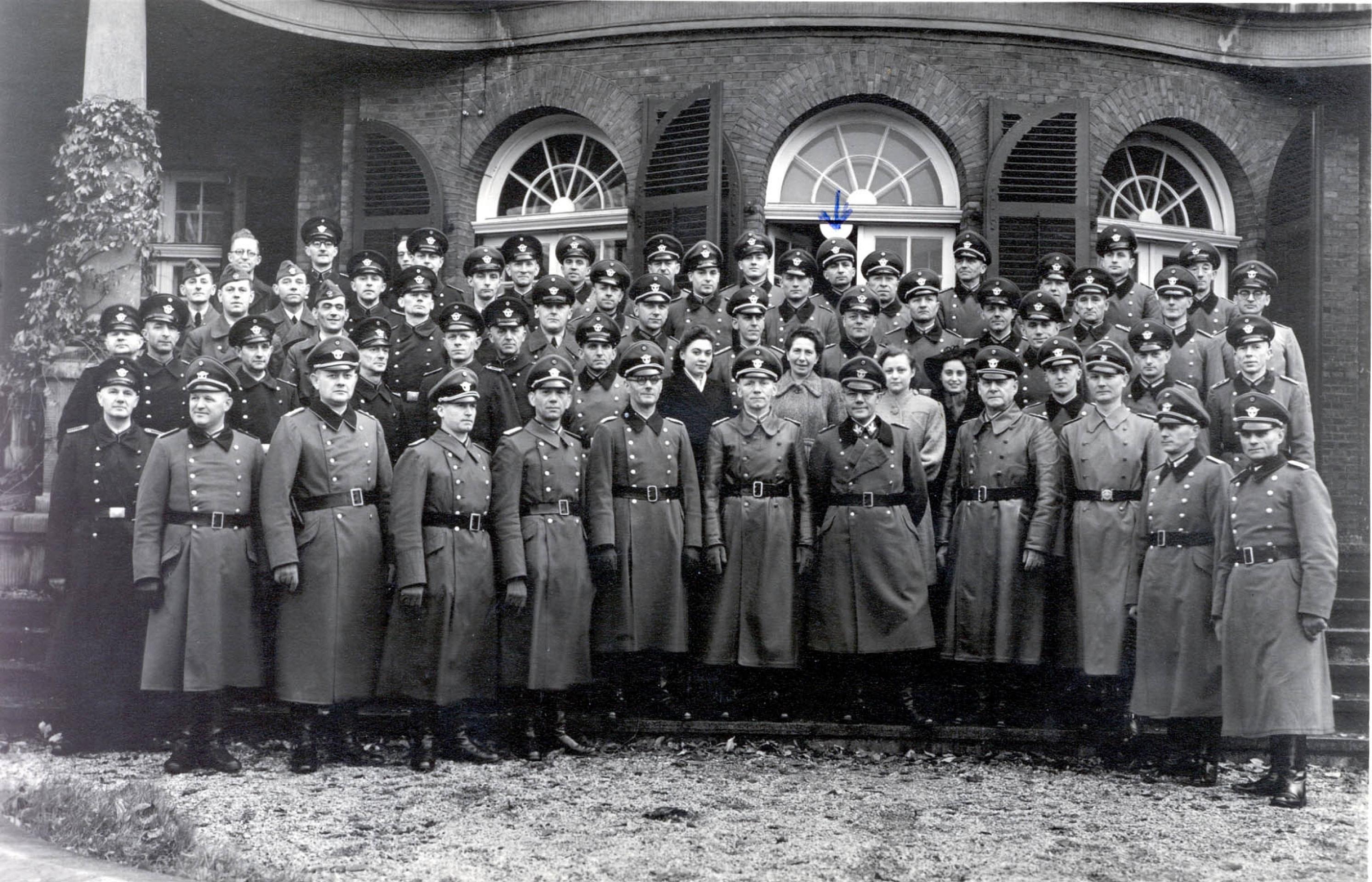
The villa was built in 1924 by Münster cement producer Rudolf ten Hompel and remained in his possession until 1939. In 1939, he was convicted of several economic crimes, after which the house became property of the Reich treasury. In April 1940, the Ordnungspolizei installed its headquarters for the commander in chief of the Ordnungspolizei for military district VI at the villa. The area of this district comprised what is today North-Rhine Westphalia, the region around Osnabrück and later also parts of Belgium. The commander in chief of the Ordnungspolizei, Heinrich Lankenau, was in charge of a large number of policemen in this military district - military district VI was in fact the largest in Germany in terms of population. The tasks and responsibilities of the commander in chief broadened during the war: the number of employees at Villa ten Hompel rose from 7 to 40 and an air defence radio communication centre was set up, since military district VI was home to 21 cities which were especially endangered by air raids. Policemen from military district VI were moreover deployed in guarding deportation trains and at so-called labour education camps. At the same time, the commander in chief of the Ordnungspolizei drew up several police battalions which systematically murdered Jews in Eastern Europe, organised in »Einsatzgruppen« (mobile killing units). In October 1944, the successor of Lankenau, Reiner Ließem, moved the Ordnungspolizei headquarters to Düsseldorf-Kaiserwerth.
Victims
Villa ten Hompel was not a site at which people were tortured or killed, yet it was a site of significance to the perpetrators: It was here that the commander in chief of the Ordnungspolizei planned the deployment of »his« policemen in guarding deportation trains and »labour education camps«, it is also where police battalions for the »Einsatzgruppen« active behind the eastern front were drawn up.
Remembrance
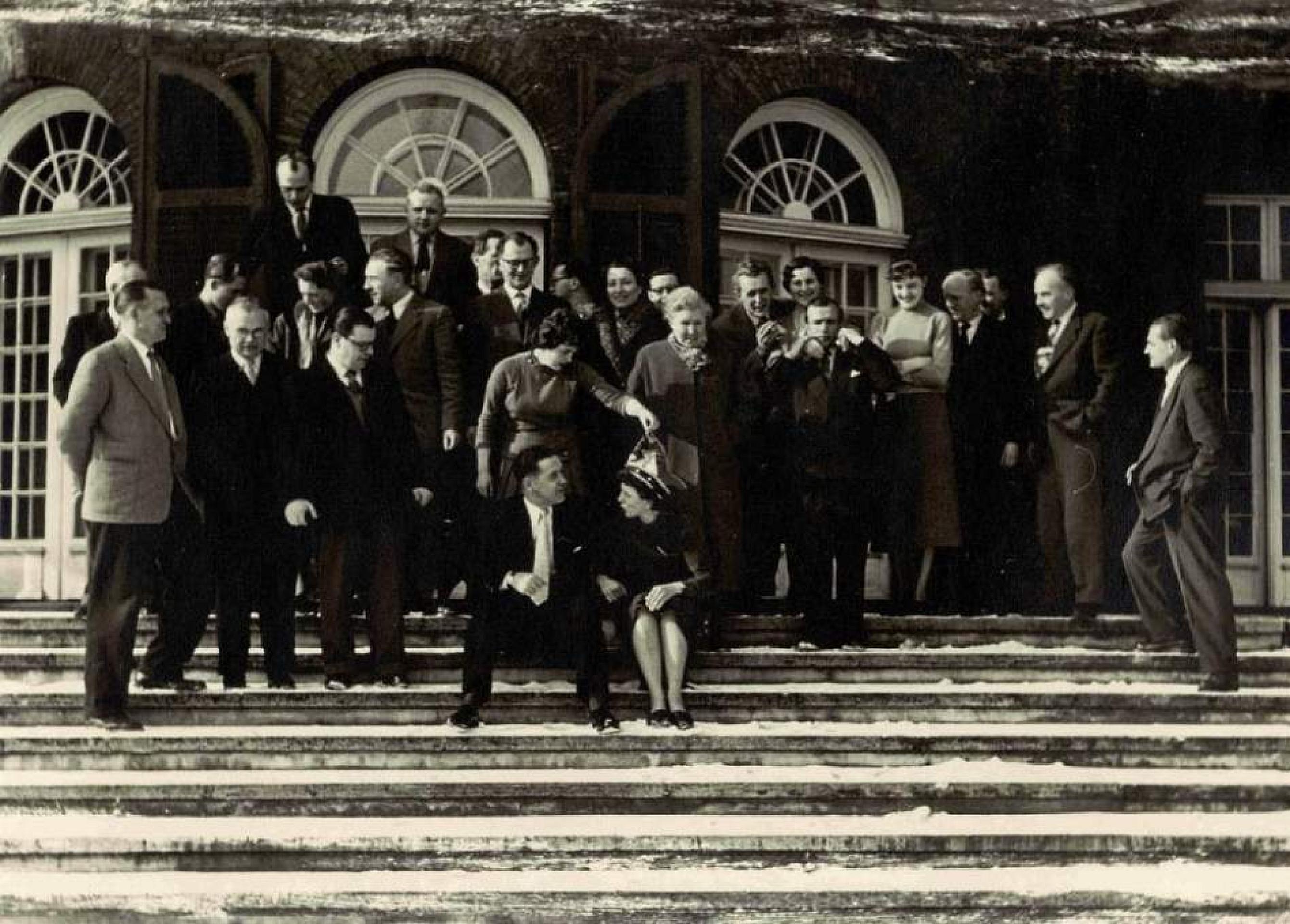
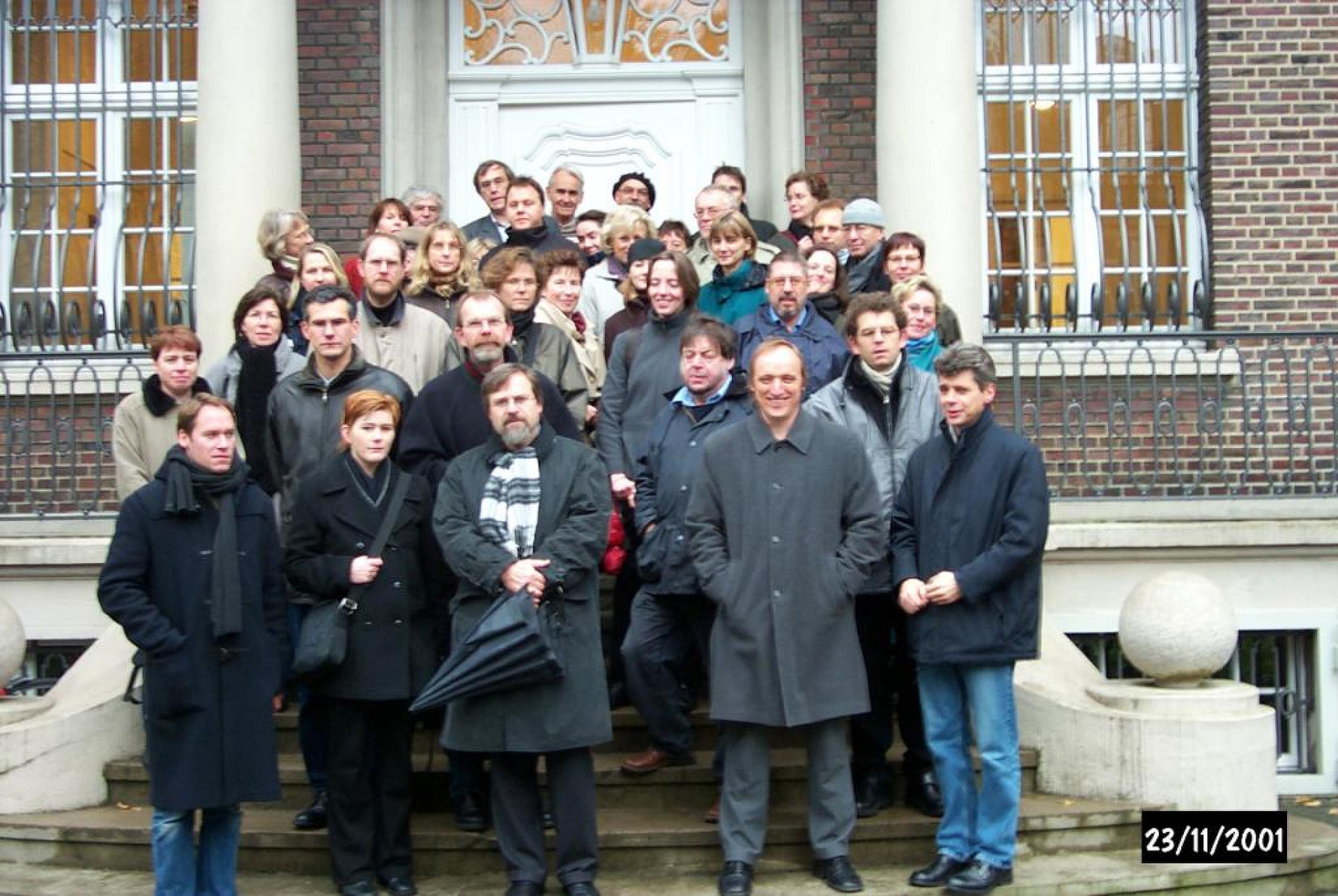
After the war, Villa ten Hompel became the headquarters of the police administration again: in May 1945, the British military administration appointed Friedrich Grützmann as »regional police president«. The »West German canals« commando of the river police was also located in the villa. Both of these offices relocated in 1953 and the »Department for the Compensation of Victims of Political, Racial and Religious Persecution« moved into Villa ten Hompel. By 1968, when the department was closed down, about 12,000 people from the administrative district of Münster had applied for restitution. Between 1971 and 1995, Villa ten Hompel was home to a branch of the municipal library. The city of Münster sold the building in 1996. In 1999, the »Villa ten Hompel Memorial Site« opened an exhibition there entitled »Persecution and Administration. The Economic Exploitation of Jews by the Westphalian Fiscal Authority«. The permanent exhibition »By Order. Police, Administration and Responsibility« was opened on May 7, 2001. The »Villa ten Hompel Memorial Site« is one of the few memorials in Germany to deal with the topic of police and administration under National Socialism.
Possibilities
Permanent exhibition, travelling and temporary exhibitions, lectures series
Open
Wednesday and Thursday 6.00 p.m. to 9.00 p.m., from Friday to Sunday 2.00 to 5.00 p.m.
Guided tours of the exhibitions and educational tours by appointment.
Contact
https://www.stadt-muenster.de/villa-ten-hompel/startseite.html
tenhomp@stadt-muenster.de
+49 (0)251 492 710 1
Kaiser-Wilhelm-Ring 28
48145 Münster