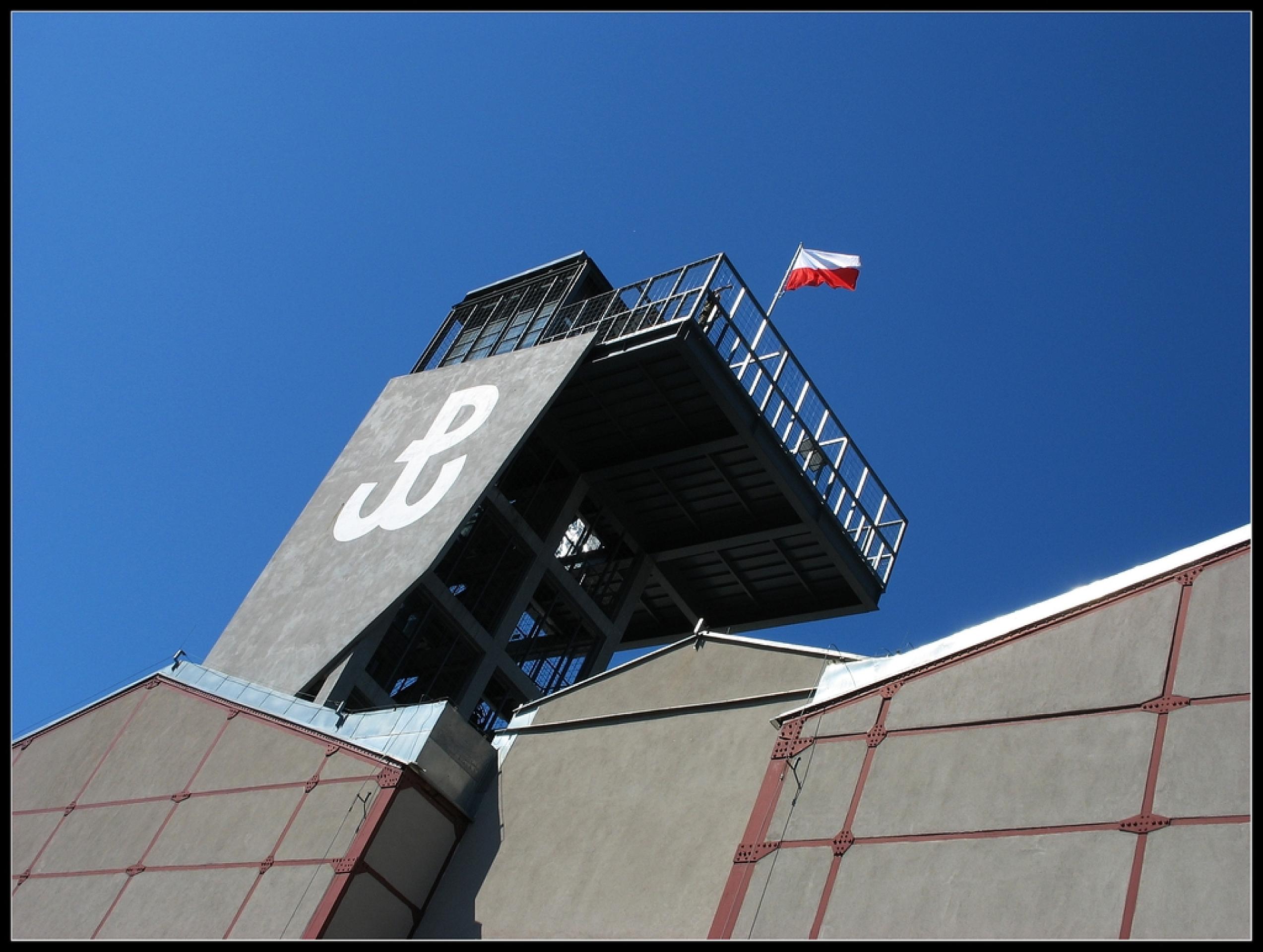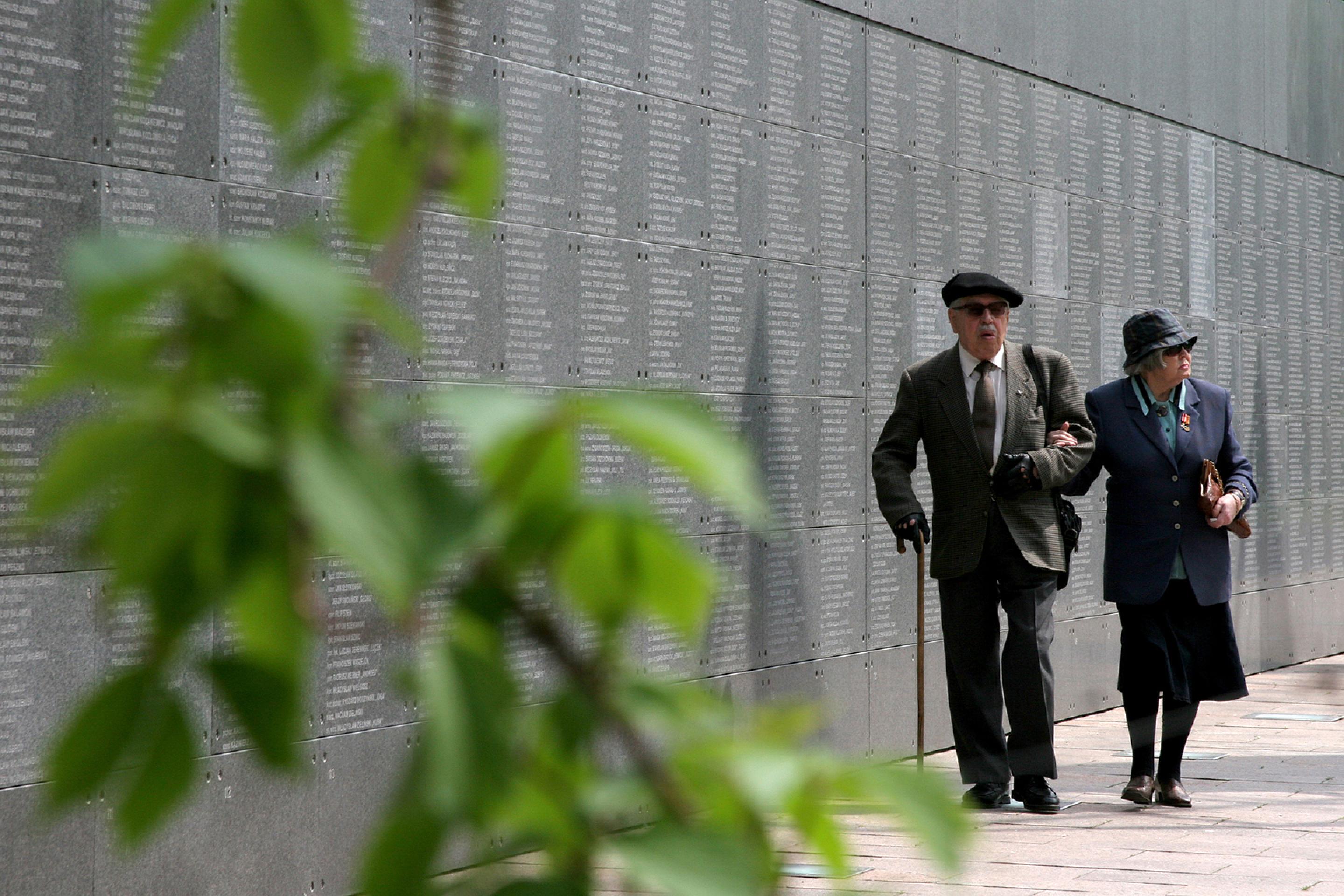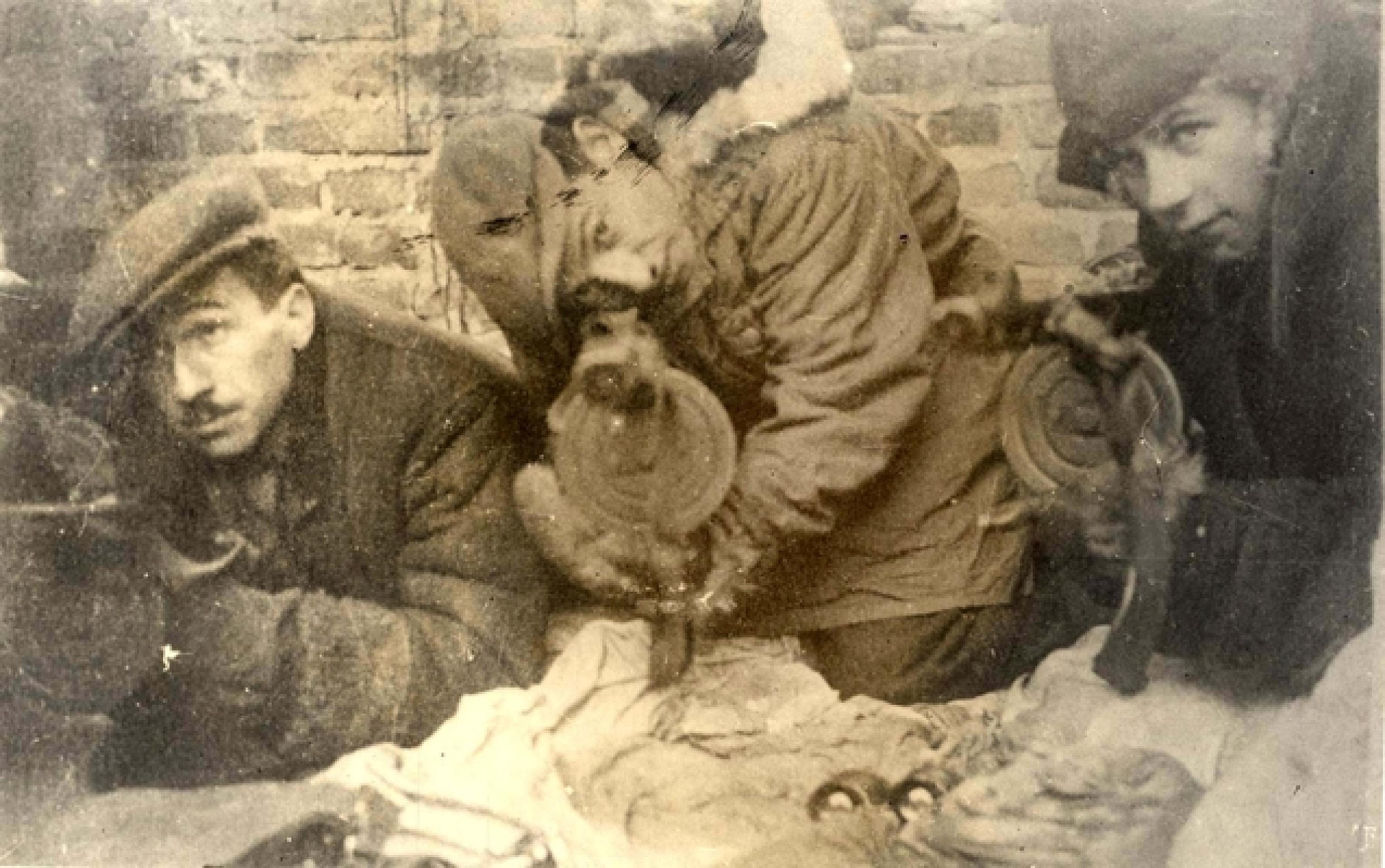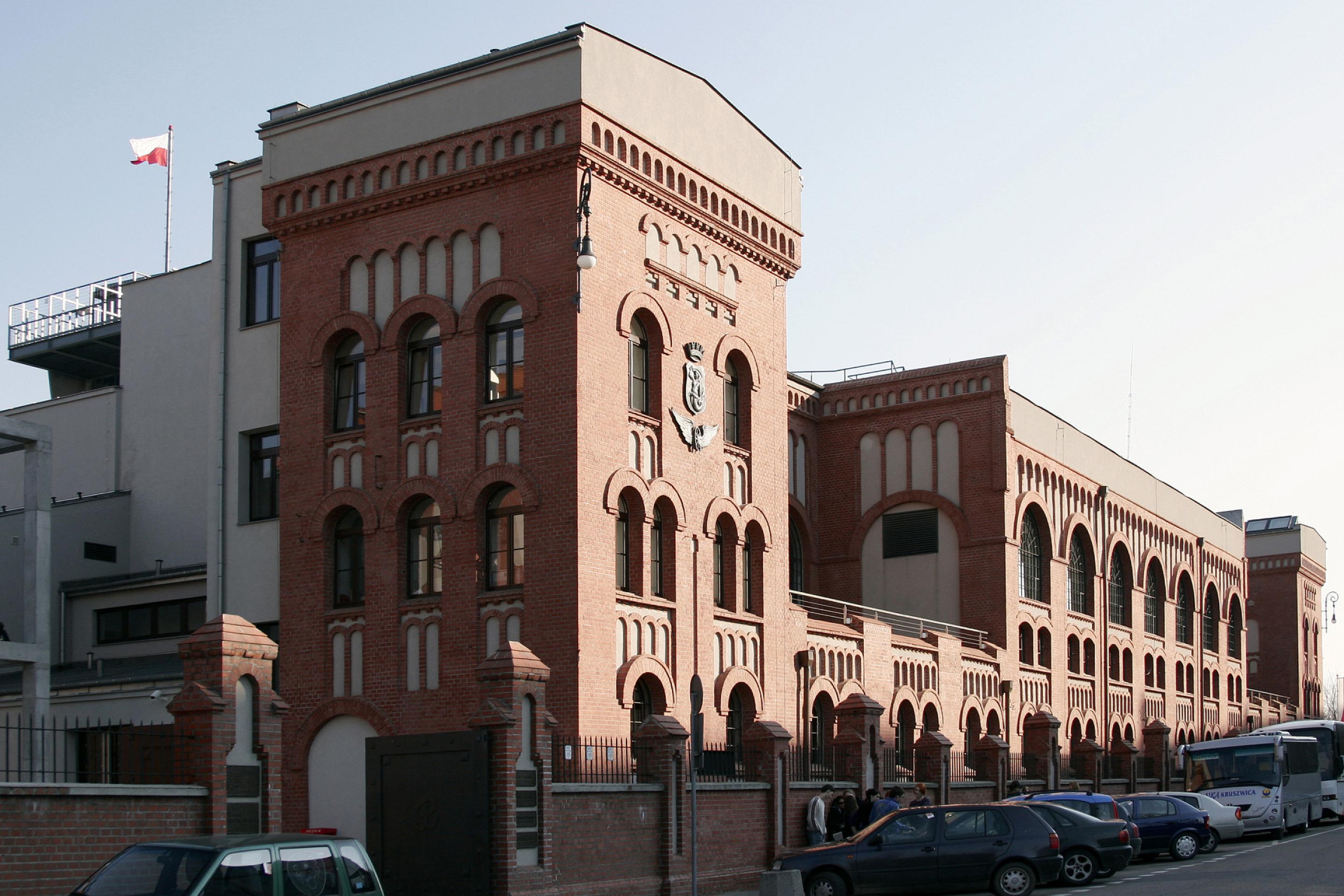
On August 1, 1944, the Polish resistance Armia Krajowa (AK, Home Army) launched an uprising against the German occupation in the Polish capital of Warsaw. The uprising was suppressed by SS units after 63 days and much of the city was systematically destroyed. In 2004, the Warsaw Rising Museum (Polish: Muzeum Powstania Warszawskiego) was opened; it commemorates the uprising and the victims.
History
At the beginning of World War II, Poland was attacked from two sides. After the victory of the German Wehrmacht in the autumn of 1939, Poland's western territories were incorporated into the German Reich and large parts of the population were expelled to the German occupied »Generalgouvernement«; political opponents were arrested and murdered, and hundreds of thousands were deported and deployed in forced labour. At the same time, the Red Army occupied large parts of eastern Poland in accordance with the Molotov-Ribbentrop Pact. Under Soviet occupation the Polish population was expropriated, hundreds of thousands were deported and Polish officers, policemen and intellectuals were murdered. After the German invasion of the Soviet Union, these territories too fell under German occupation.
Hundreds of civilian and military underground organisations were established under the occupation – most of them were connected to the Polish government in exile in London. The military underground, united in the Armia Krajowa (AK, Home Army) in February 1942, was the largest in Europe.
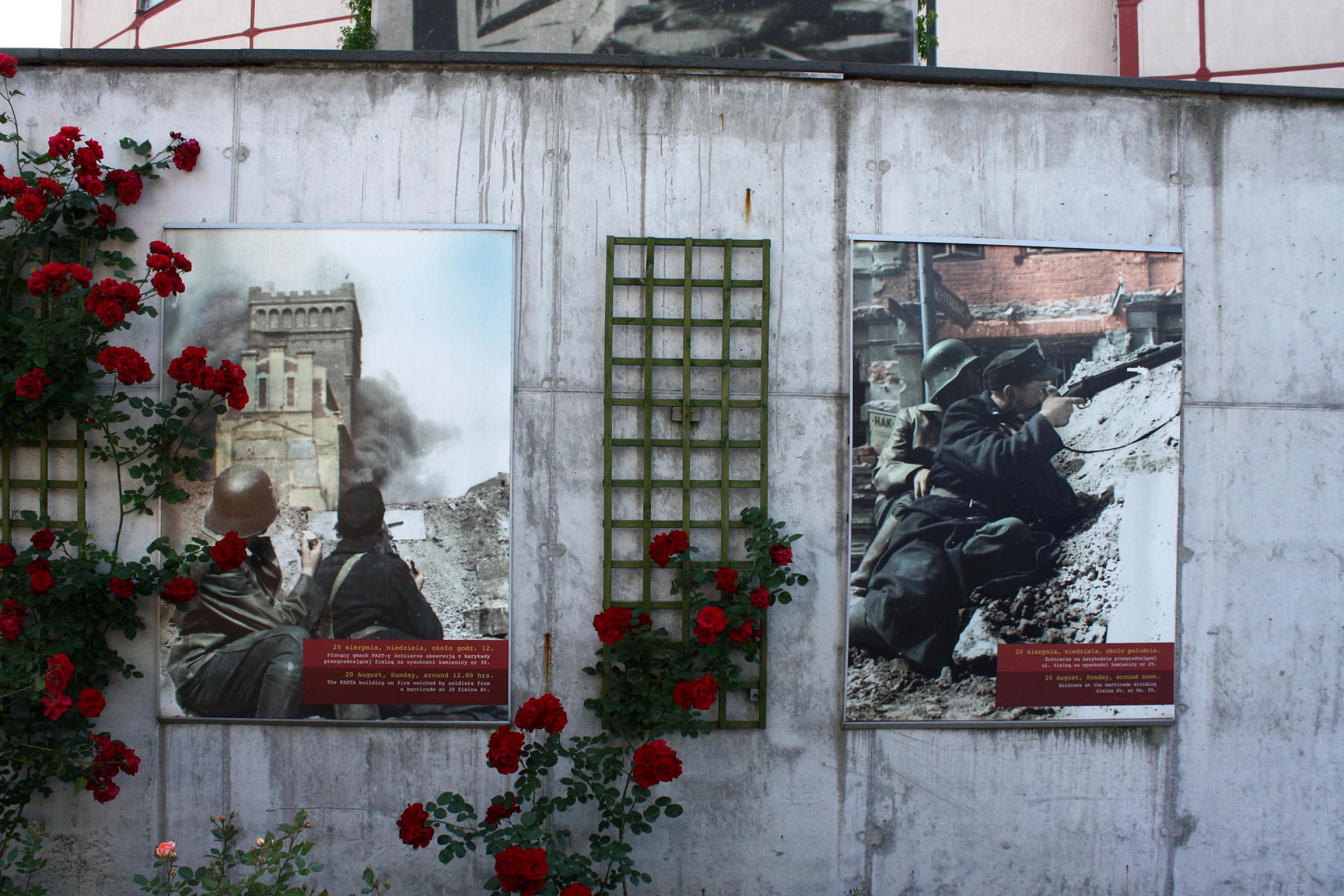
At the end of July 1944, the Red Army reached Warsaw. The AK leadership wanted to liberate the capital on their own before the arrival of the Red Army in order to legitimise establishing a Polish state which would be independent of the Soviet Union. When the uprising was launched in August 1, 1944, the approximately 36,000 poorly armed insurgents took hold of large parts of the city. However, the SS troops were able to regain strategically significant districts, finally suppressing the uprising two months later. The city was subsequently destroyed on the orders of Heinrich Himmler. The Red Army did not extend any help to the struggling insurgents, even though they would have been able to. Weakening the Polish underground made it possible for Stalin to install the communist-dominated Lublin Committee, which had been founded in July 1944, as the Polish provisional government in January 1, 1945.
Victims
About 15,000 AK soldiers, including 2,000 women, were taken into German captivity after the insurgents surrendered on October 2, 1944. In total, at least 16,000 insurgents died in action, and about 150,000 civilians, among them many youths, perished. The SS carried out mass shootings, particularly in the first days of the uprising; approximately 40,000 fell victim to these killing operations. About 100,000 survivors were deported to the German Reich and deployed in forced labour, hundreds of thousands were expelled from the city. About 500,000 residents were forcibly evacuated from the city via the Pruszków transit camp near Warsaw. Some 60,000 Poles were deported to various concentration camps. Warsaw was almost completely empty when SS units destroyed the city's houses and streets, one after the other.
Remembrance
Poland became a communist dictatorship in the Soviet sphere of influence after the Second World War. The state discourse on history underlined the suffering under the German occupation, while the Soviet occupation was celebrated as a »liberation«. The symbol of the AK, an anchor combining the letters P and W which stood for »fighting Poland« (Polish: Polska Walcząca), was forbidden in post-war Poland. The communist government couldn't keep silent about the actual uprising simply because the destroyed city landscape was a constant reminder of the failed uprising. What's more, residents of Warsaw commemorated victims by laying down flowers, candles and memorial plaques on execution sites. The government, however, refused to erect an official monument.
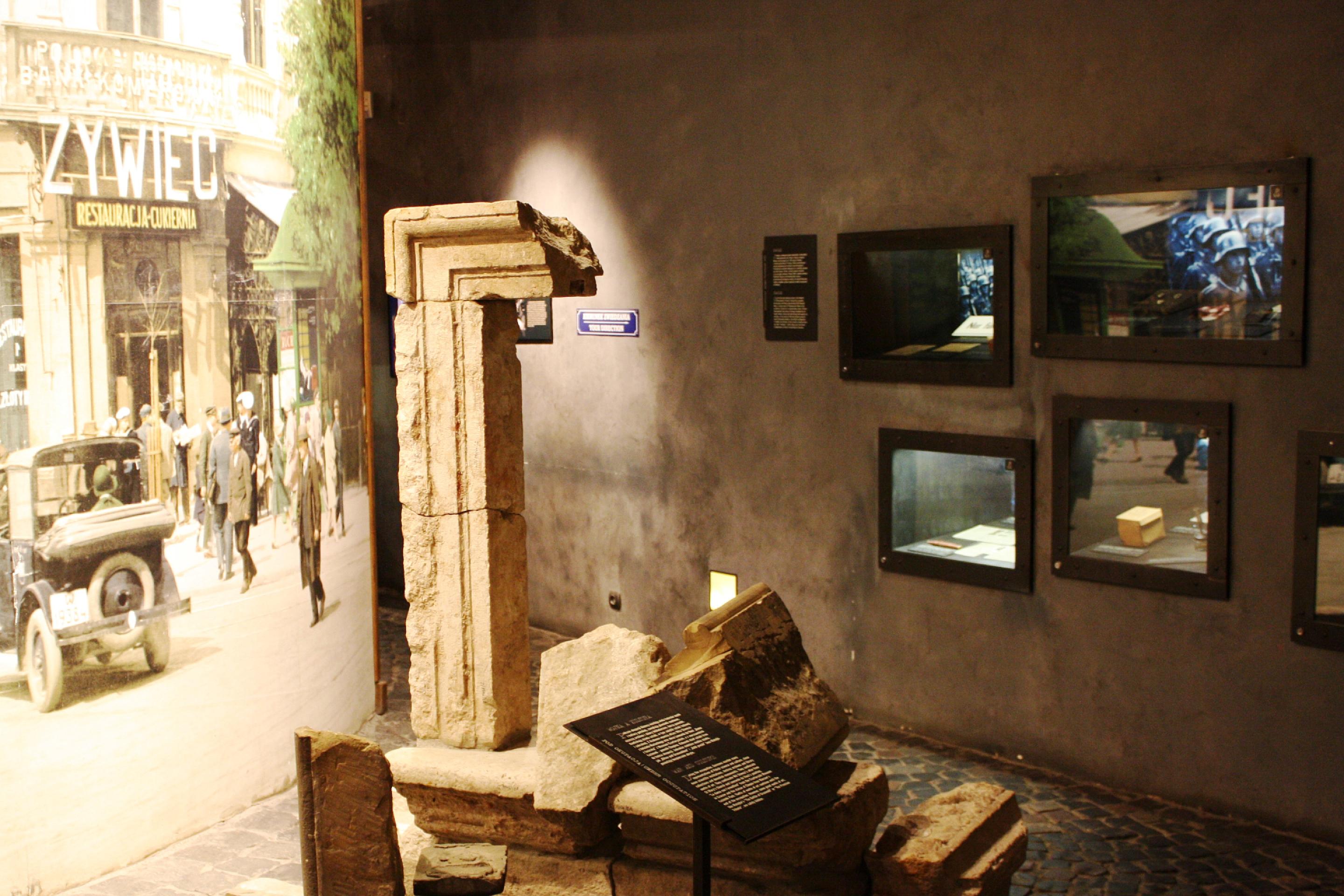
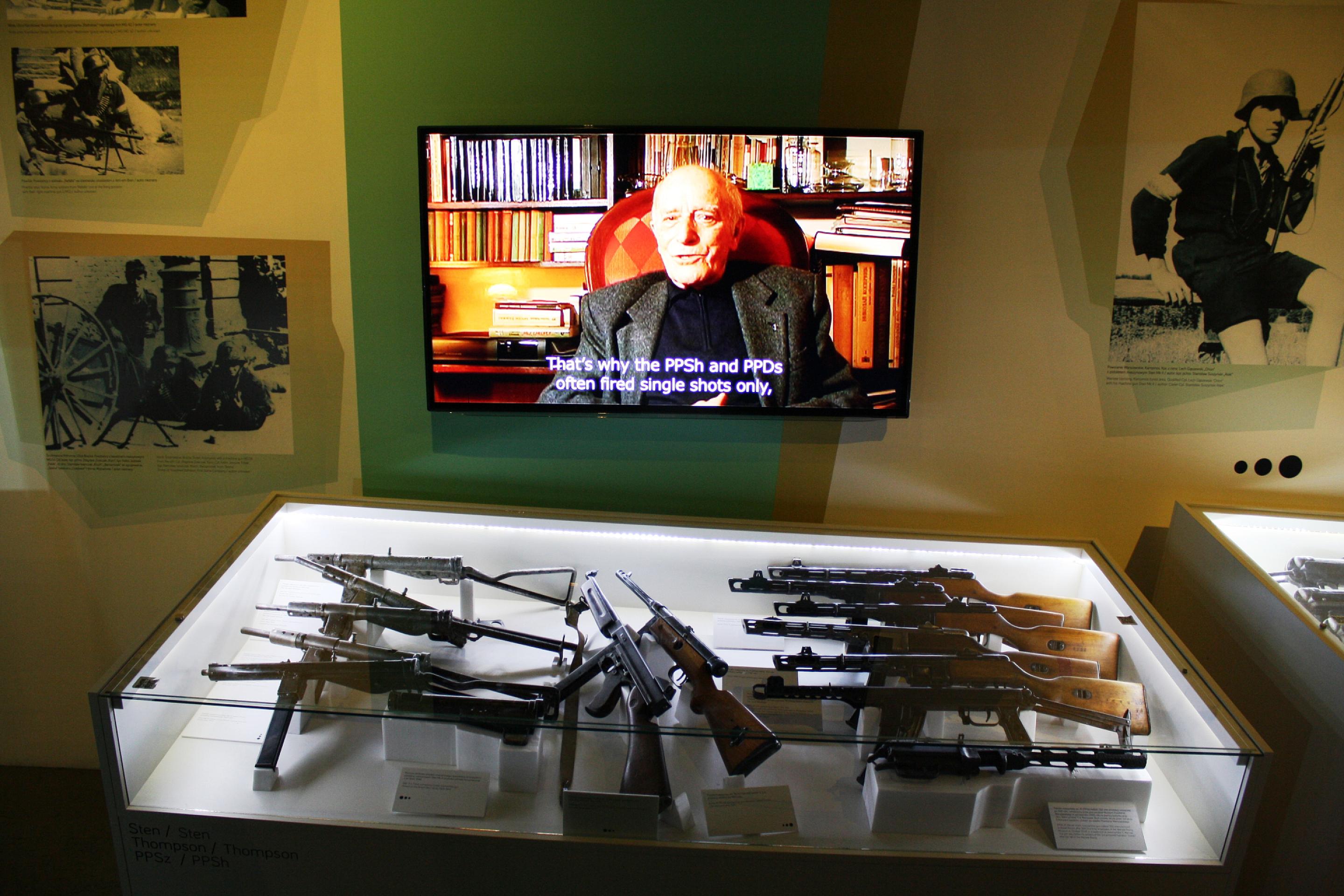
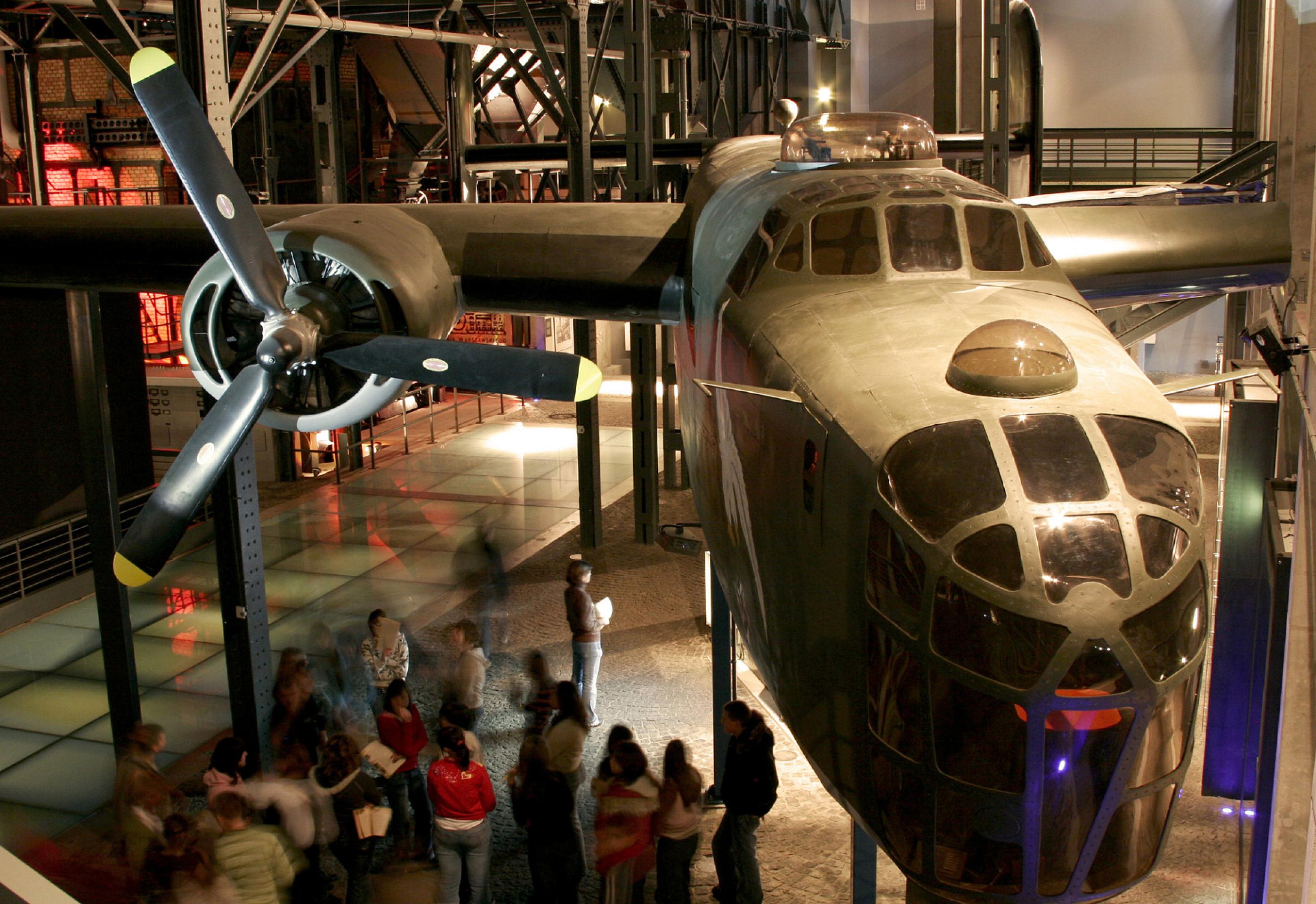
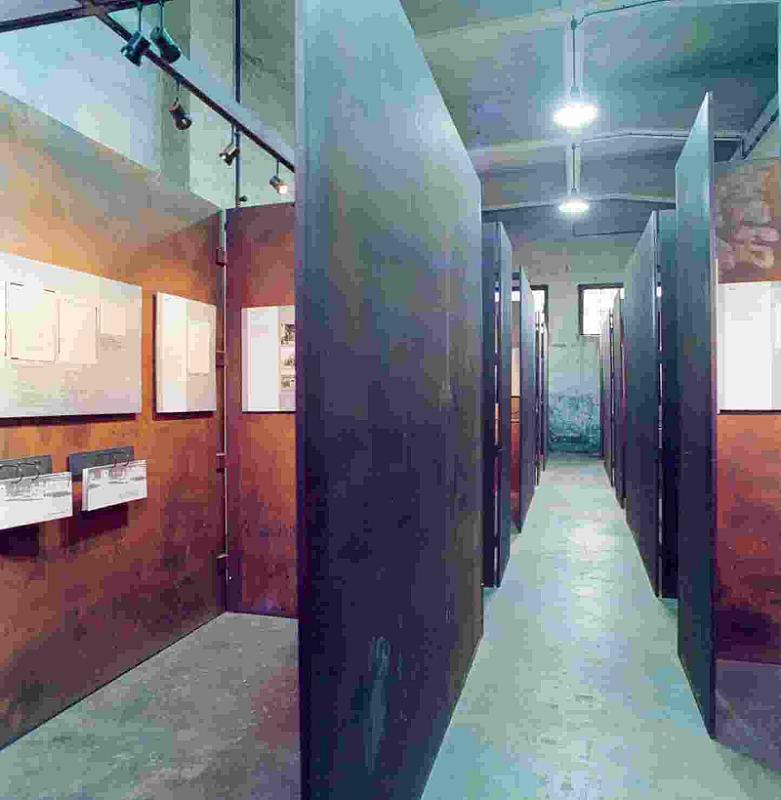
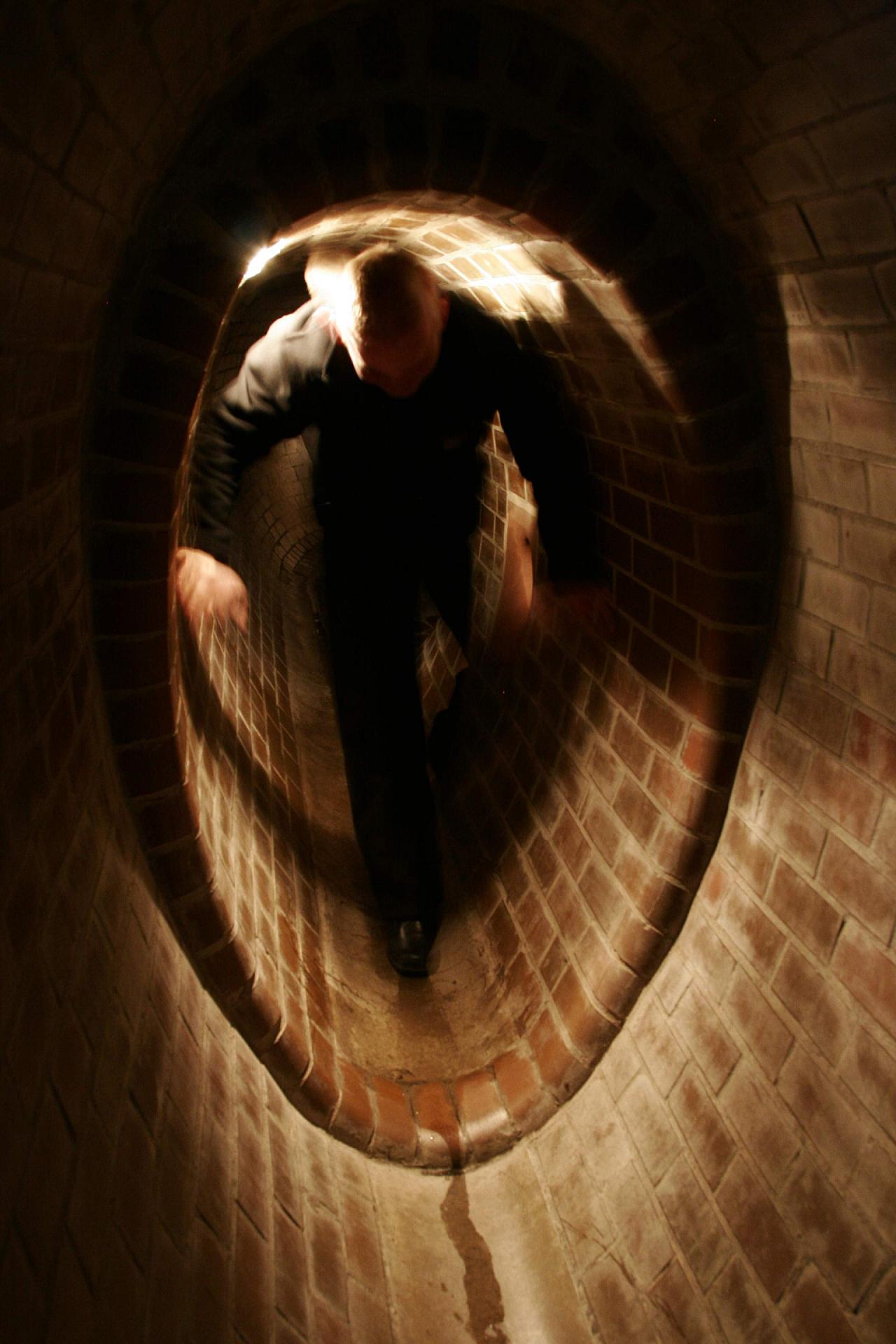
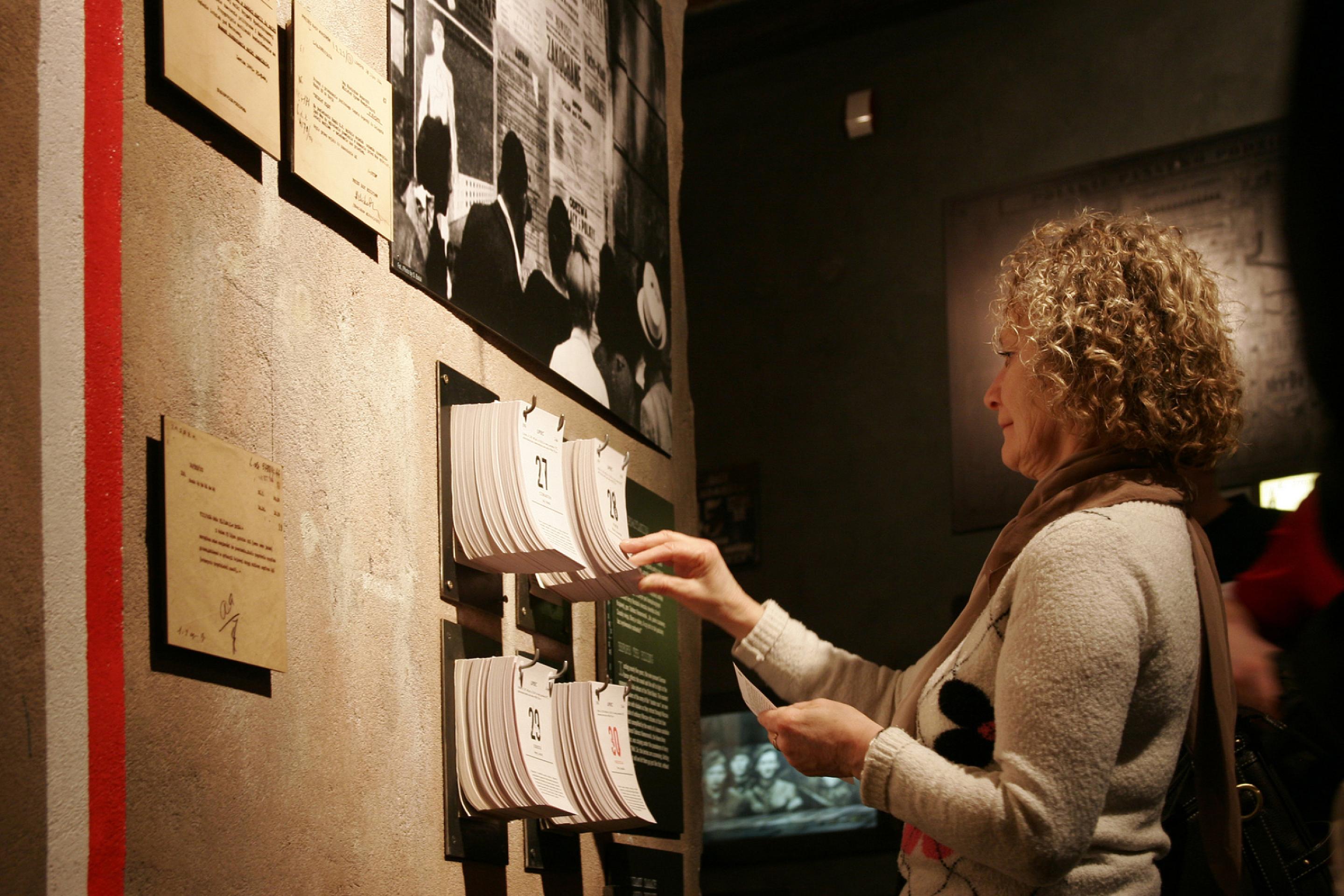
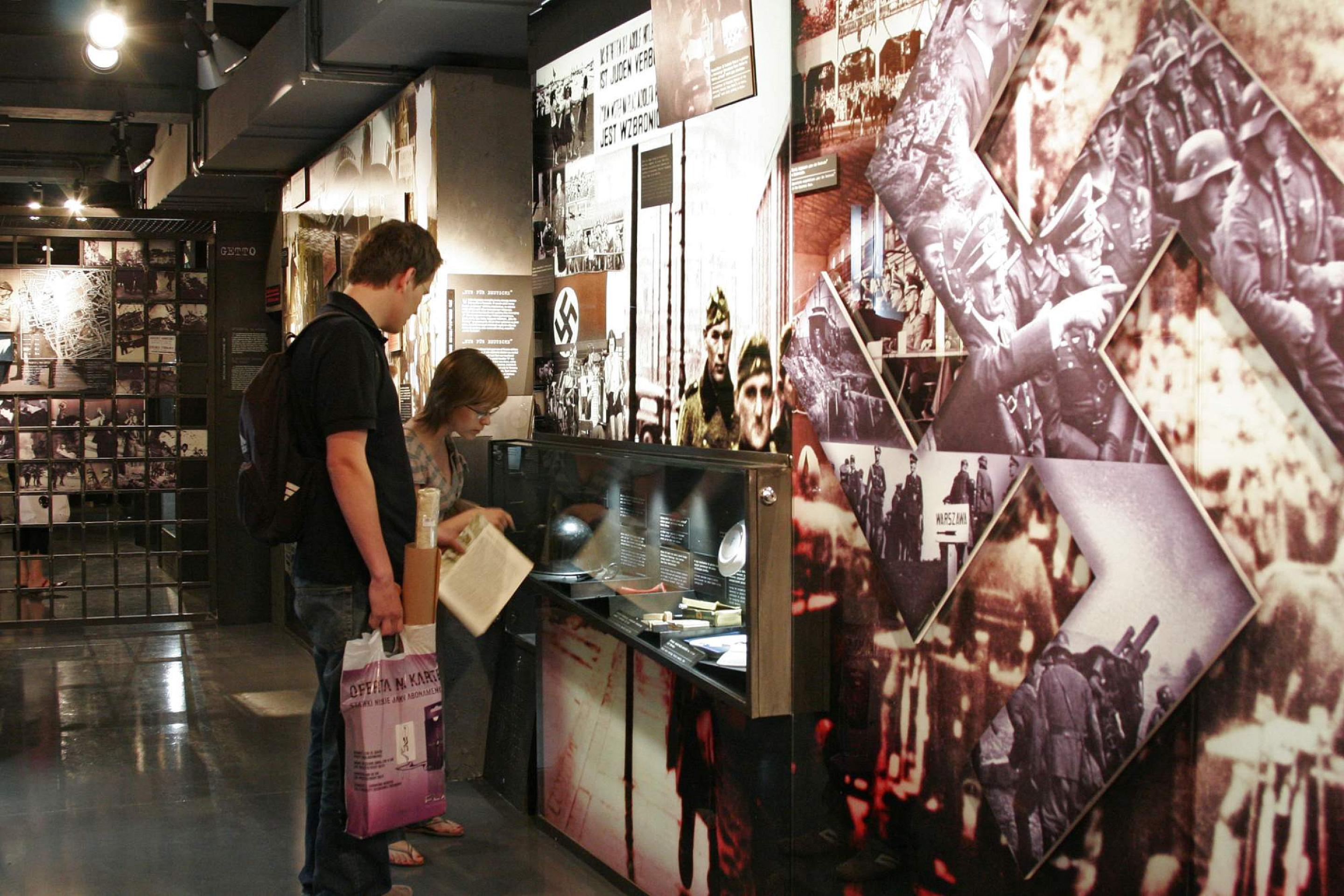
The opposition, which grew in strength from the 1970s on and whose struggle in the 1980s brought about the transformation of 1989, wanted to address and deal with the complicity of the Soviets in the failure of the uprising. The foundation stone for the Memorial of the Warsaw Uprising was laid down in 1984. It is located on the site of the former entrance to the sewer system through which many insurgents and civilians fled. The idea of establishing a museum came about in the 1980s. In 1994, the foundation stone for an independent museum building was laid down, but its construction was halted due to unsolved property issues. In 2002, when future President Lech Kaczyński became mayor of Warsaw, he initiated building the museum at a different site. On July 31, 2004, one day before the 60th anniversary of the uprising, the museum was opened in a former street car power station. The exhibition, which covers 3,000 square metres, deals with the occupation, the uprising, insurgents' stories and civil involvement. The post-war fate of the survivors in communist Poland is also touched upon.
Possibilities
Permanent exhibition, video archive with testimonies of former fighters, educational workshops, guided tours, lecture series, festivals, conferences
Open
Wednesday to Monday 10 a.m. to 6 p.m.
Closed on Tuesdays
Contact
biuro@1944.pl
+48 22 539 79 05
Ul. Grzybowska 79
00-844 Warszawa