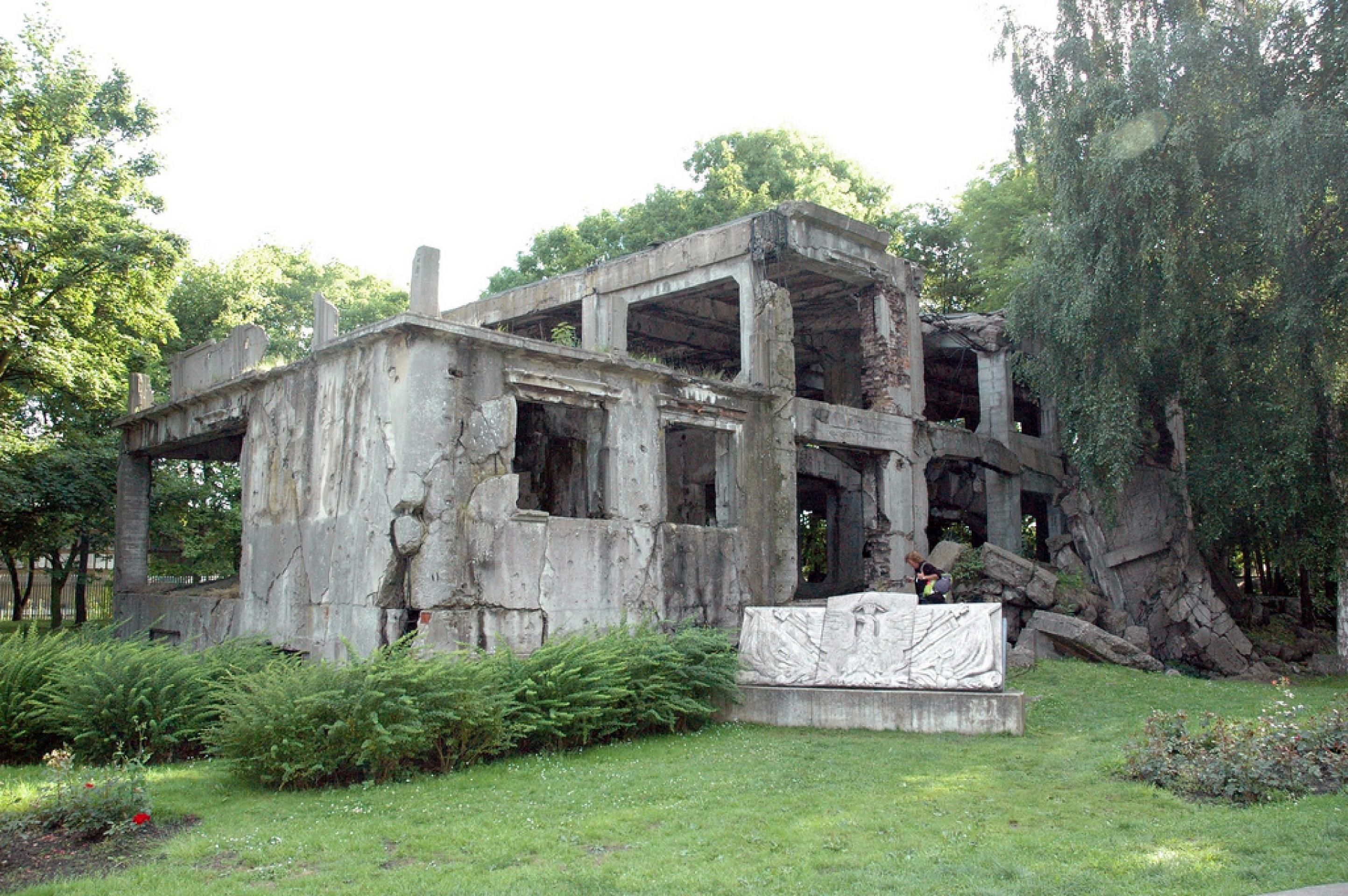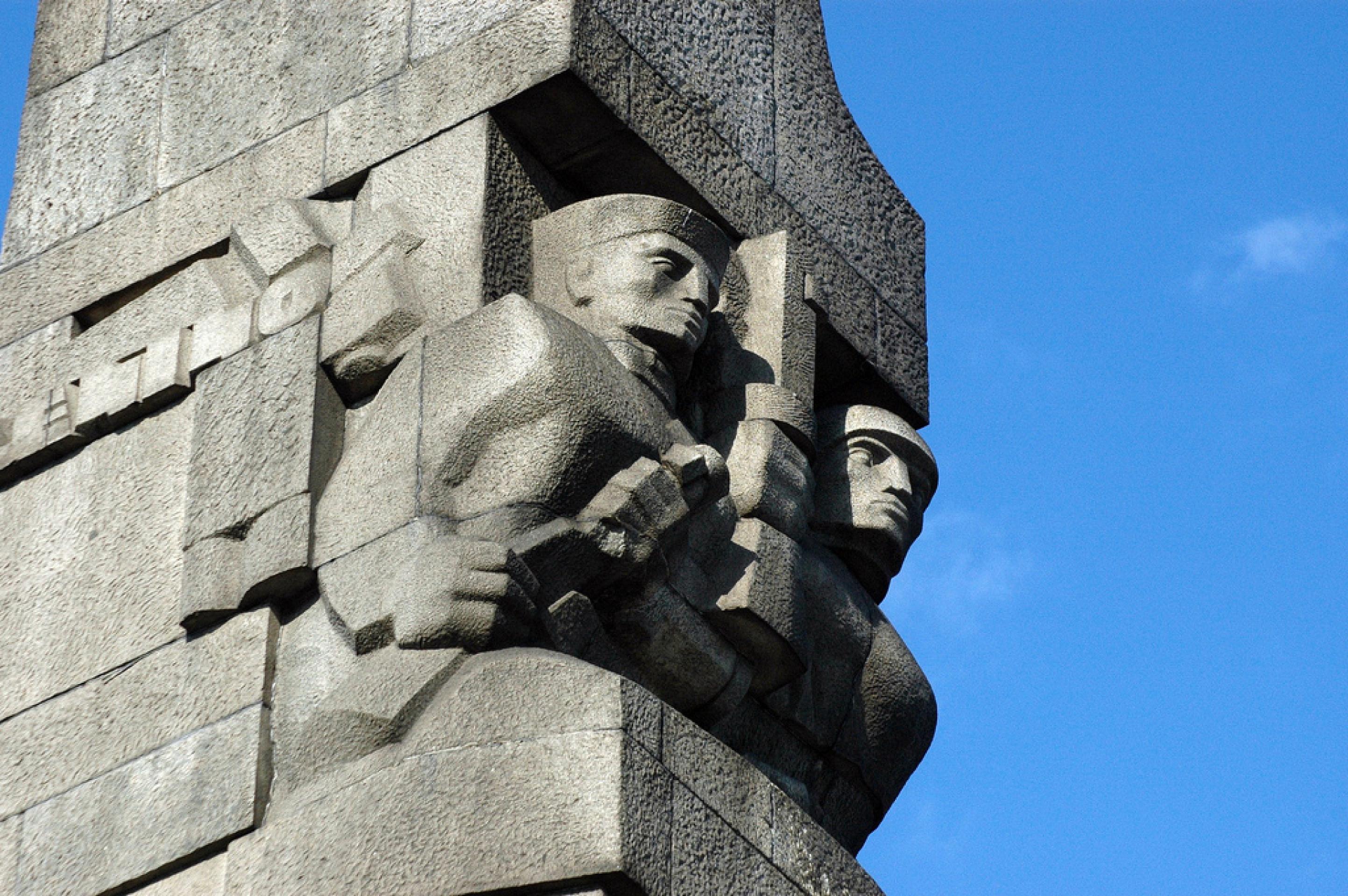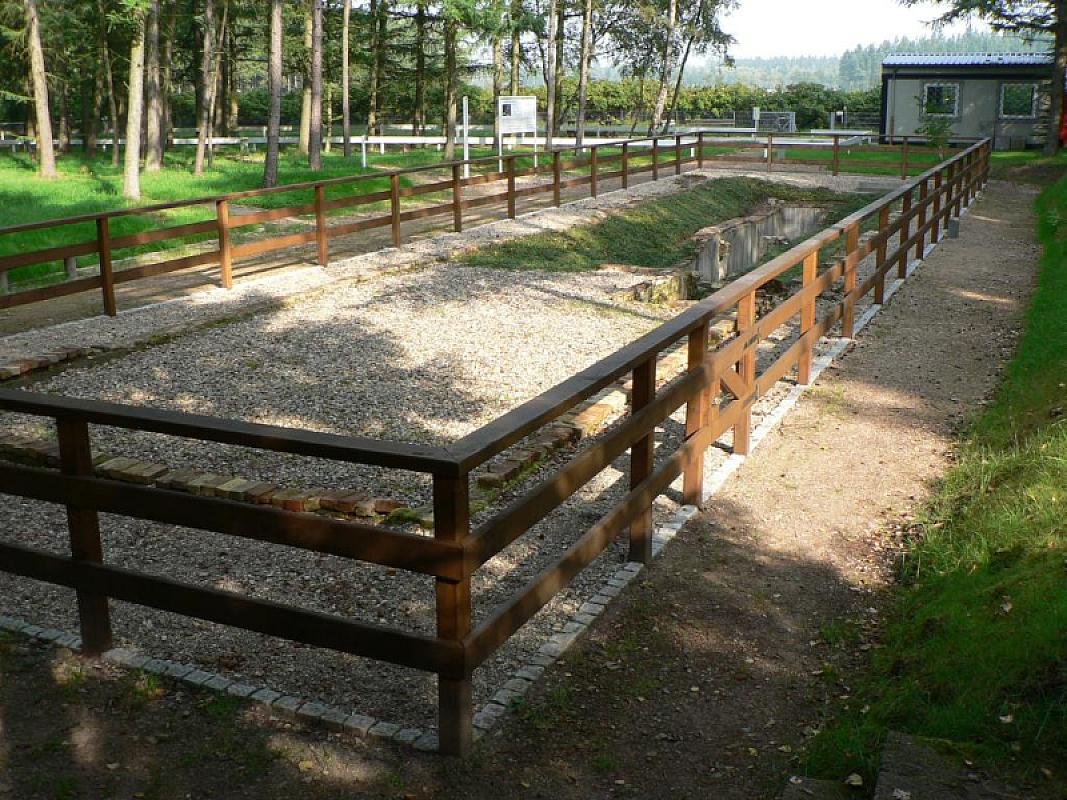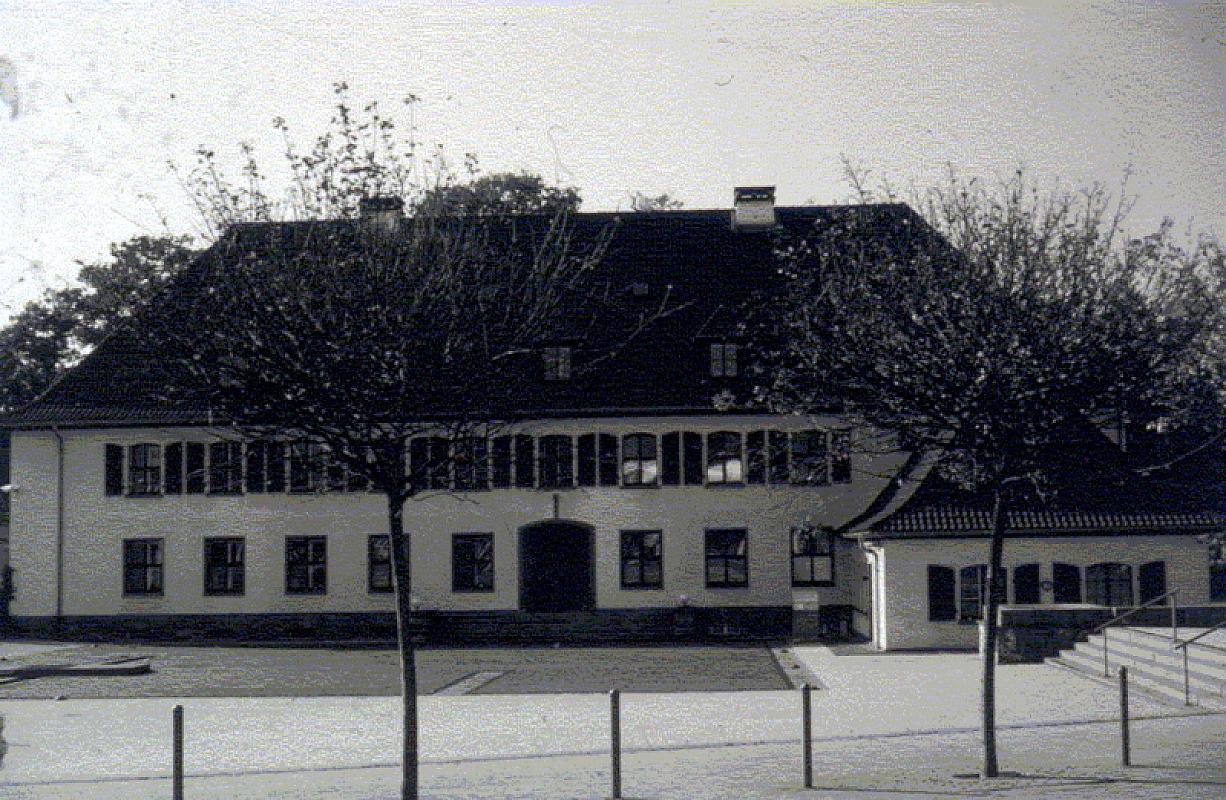
The Second World War began in the early hours of September 1, 1939, when the German Wehrmacht attacked various Polish targets, including the Westerplatte peninsula near Danzig (Polish: Gdańsk). Since 1924, the Polish army had used the Westerplatte peninsula as an ammunition depot. The units stationed there resisted the German forces until September 7, 1939, thus becoming an important symbol of Polish resistance. Although Westerplatte was not the first Polish target to be attacked by the Germans, it is considered to mark the beginning of the war in Poland. Today, there is a memorial on the site of battle.
History
After the First World War, the victorious powers laid down a new order for the eastern territories of the German Reich in the Versailles peace treaty. Large parts of West Prussia, almost the entire province of Posen and part of Upper Silesia were ceded to newly independent Poland. Danzig and surrounding areas were assigned the status of a free city – an independent state under the auspices of the League of Nations. The Second Polish Republic was at first a parliamentary democracy, yet it became increasingly authoritarian in the inter-war period. During that time, national and ethnic minorities represented about 31 percent of the Polish population, including about one million Germans. The western border of Poland and the situation of the German minority led to many political conflicts between Warsaw and Berlin. The relations improved at the beginning of 1934, when a pact of non-aggression was signed by the two states. Poland was also involved in the breaking up of Czechoslovakia in 1938 when it occupied the Zaolzie region, which is located on the border to Upper Silesia.
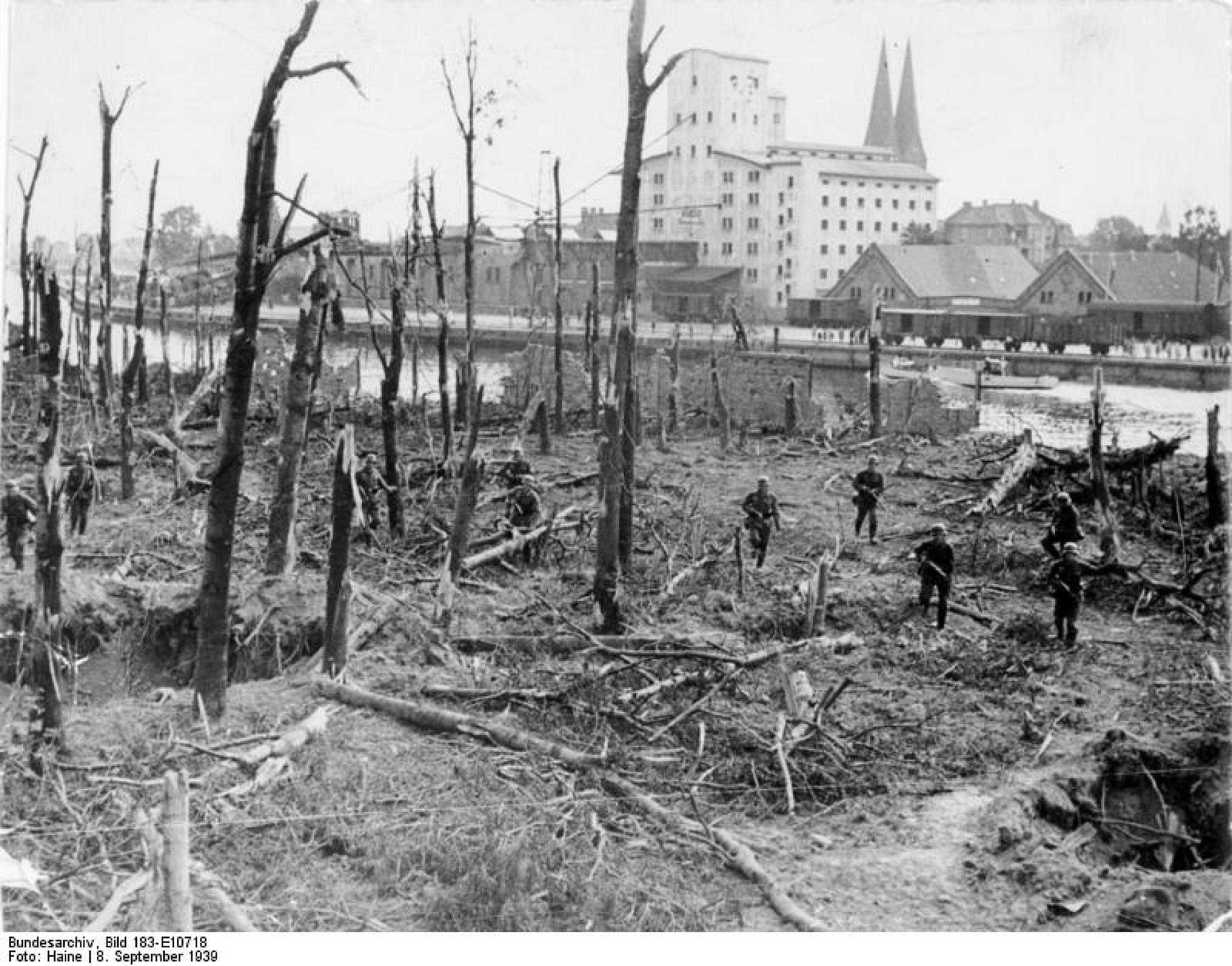
On September 1, 1939, following a staged Polish attack on a German radio station, the Wehrmacht attacked about 64 Polish sites, including Westerplatte. Though the peninsula was officially part of the Free City of Danzig, it was used exclusively by the Polish Army. Shortly before five in the morning, the training ship »Schleswig-Holstein« opened fire on Westerplatte. The Polish units had deeply entrenched themselves in the wooded area on the peninsula and so they were able to fend off the Germans for several days. The Polish commander surrendered only on September 7, when drinking water, food and medical supplies had run out. The Wehrmacht's invasion of Poland ended on October 5, 1939, when the last Polish units surrendered.
Victims
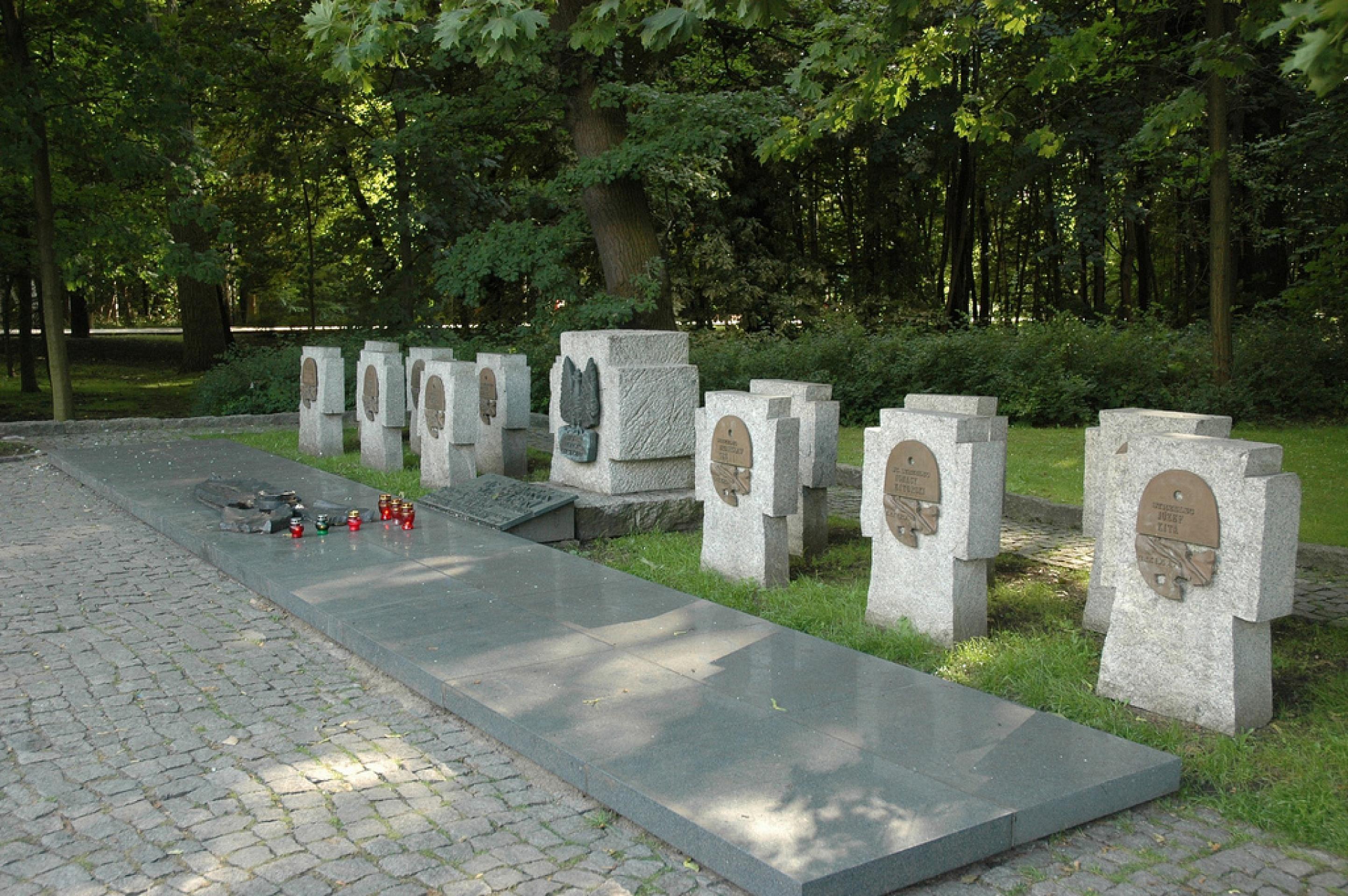
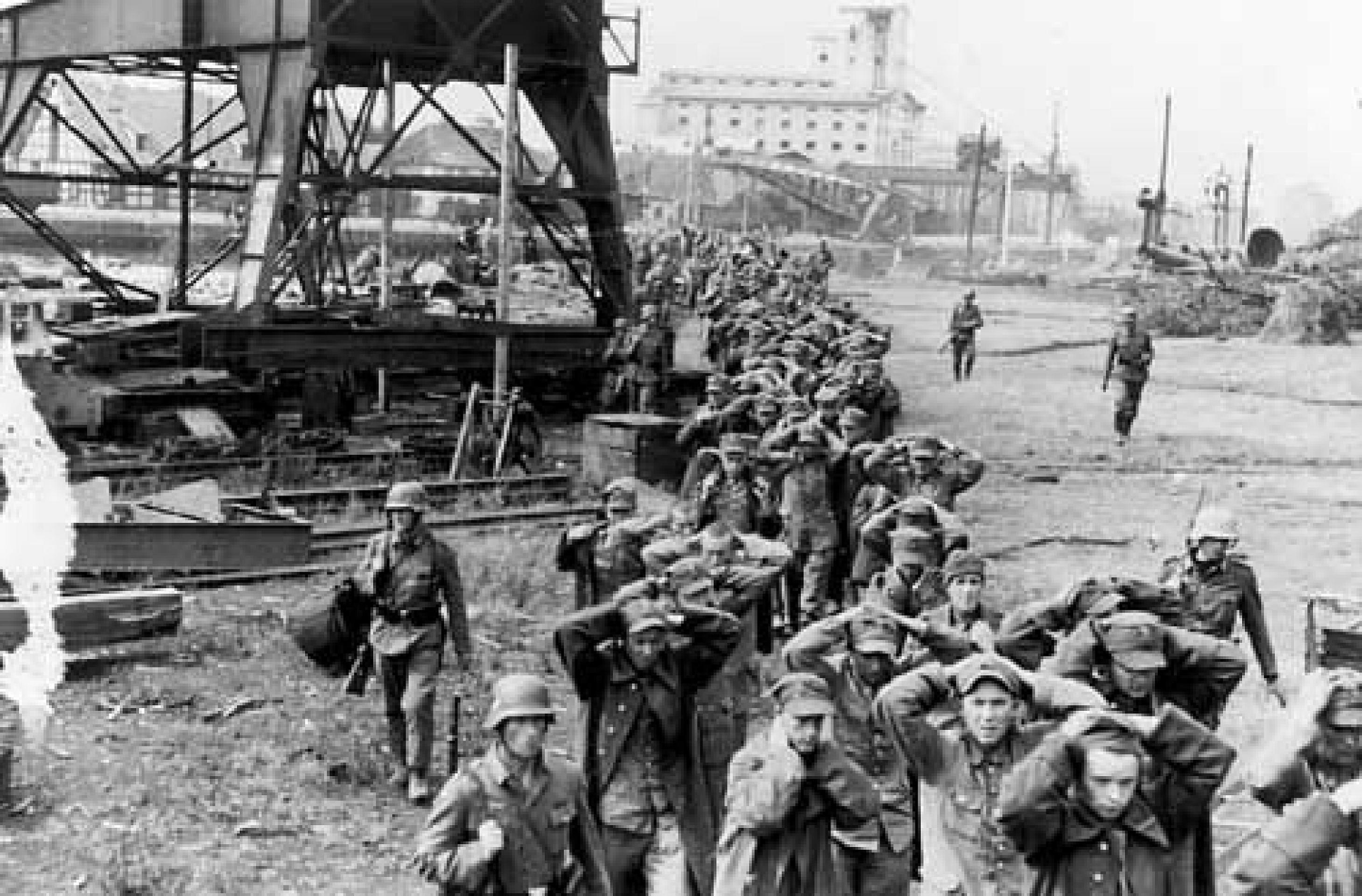
In total, over 66,000 Polish soldiers died in action in Poland in September 1939; about 3,300 of them were officers. About 133,000 were wounded, 400,000 came into German captivity. About 15 soldiers died during the struggle for Westerplatte, 13 were severely injured, 25 to 40 suffered minor injuries. The survivors were taken prisoner by the Germans.
Remembrance
After the war, Poland was in the Soviet sphere of influence and a communist dictatorship was established. The official discourse on the history of the war emphasised the suppression of the Polish people by the German occupying forces while the Soviet occupation was celebrated as the »liberation«. To the communist authorities, the events of September 1939 were a failure of the government of the Second Polish Republic. Soldiers who had served under that government were persecuted during the Stalinist period, until 1956.
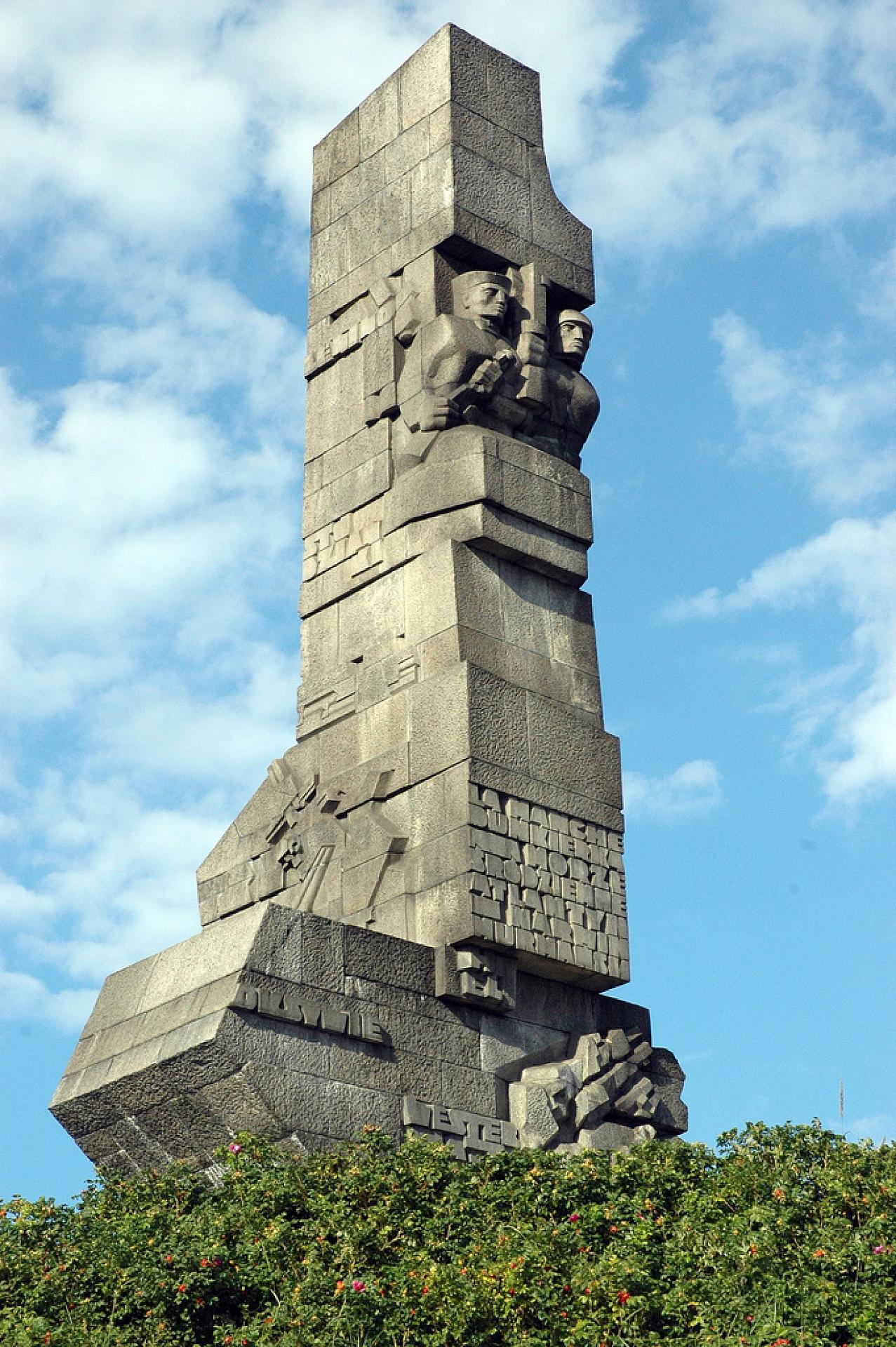
For many years, the historic site on Westerplatte was neglected by the state; the only reminder of the battle was a cross erected in July 1946, bearing the names of the soldiers killed. In 1962, the authorities took the cross down and replaced it with a Soviet T-34 tank instead – a symbol without any reference to the history of the site. At the same time – during the 1960s – Westerplatte became a symbol of Polish resistance. In the 1970s, it became the central memorial site to the Second World War. In 1966, a monument by Franciszek Duszeńko entitled »Memorial to the Defenders of the Coast« (Polish: Pomnik Obrońców Wybrzeża) was unveiled. The electricity works, referred to as »Guardhouse no. 1« (Wartownia Nr 1), is the only preserved building of the former military depot. In 1974, a memorial room was set up inside the guardhouse. Since the 1980s, it has been maintained by the historical museum of Gdańsk and it was run for years by veterans. In 1981, the independent labour union Solidarność, which was founded in Gdańsk, erected the cross which had been destroyed in 1962 anew. After the fall of communism it was also finally possible to commemorate the Soviet invasion of September 17, 1939, which had for decades been placed under a taboo. The Soviet tank was removed from the site in 2007.
Possibilities
Exhibition in the building of guardhouse no. 1 (Wartownia Nr 1)
Open
The premises of the Westerplatte memorial are accessible at all times. Guardhouse no. 1: May to September 9 a.m. to 4 p.m.
Contact
https://muzeumgdansk.pl/oddzialy-muzeum/wartownia-nr-1-na-westerplatte/
m.jasik@muzeumgdansk.pl
+48 (0)58 343 69 72
ul. Mjr. H. Sucharskiego
80-601 Gdańsk