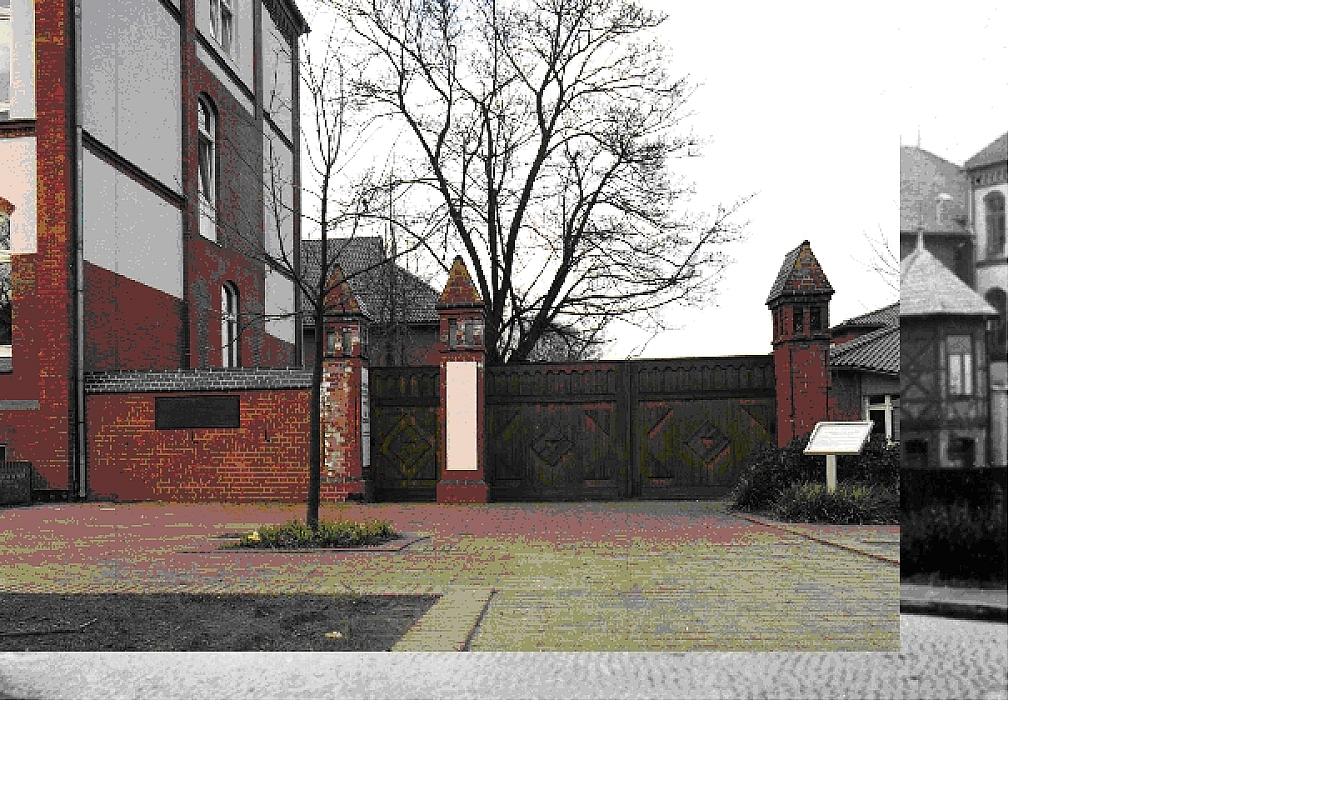
Wewelsburg District Museum: Wewelsburg 1933–1945 Memorial Museum
Kreismuseum Wewelsburg; Wewelsburg 1933-1945. Erinnerungs- und Gedenkstätte
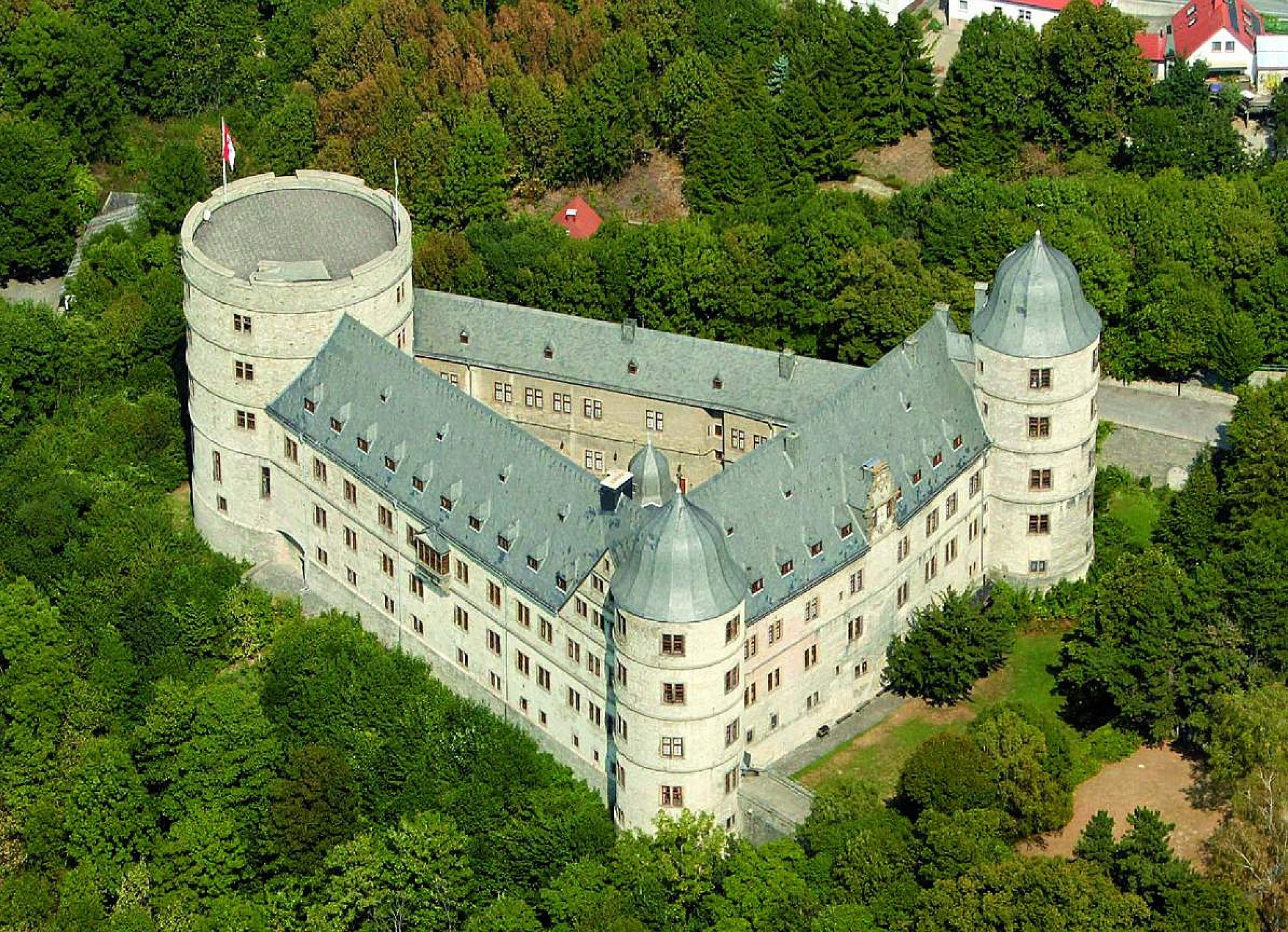
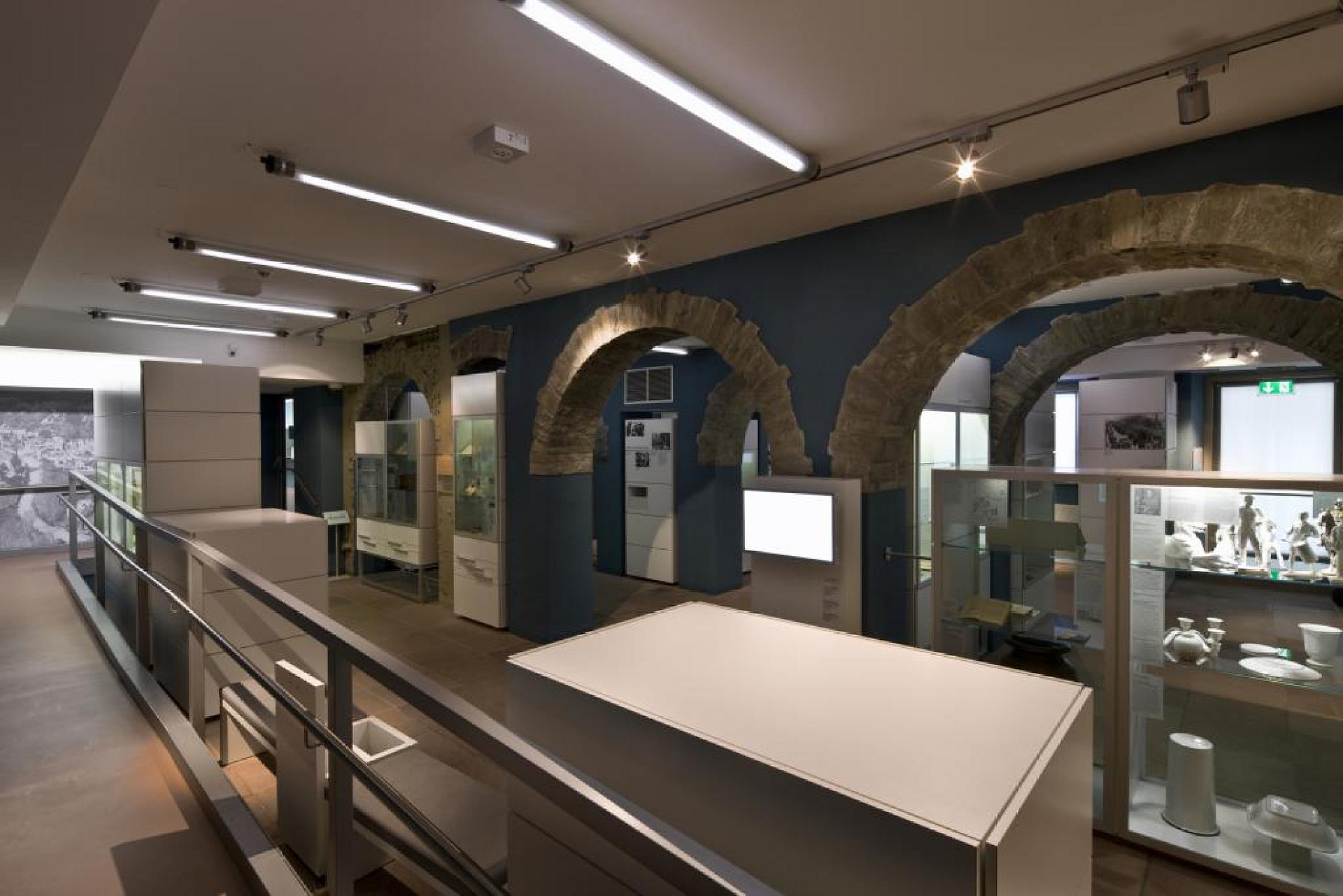
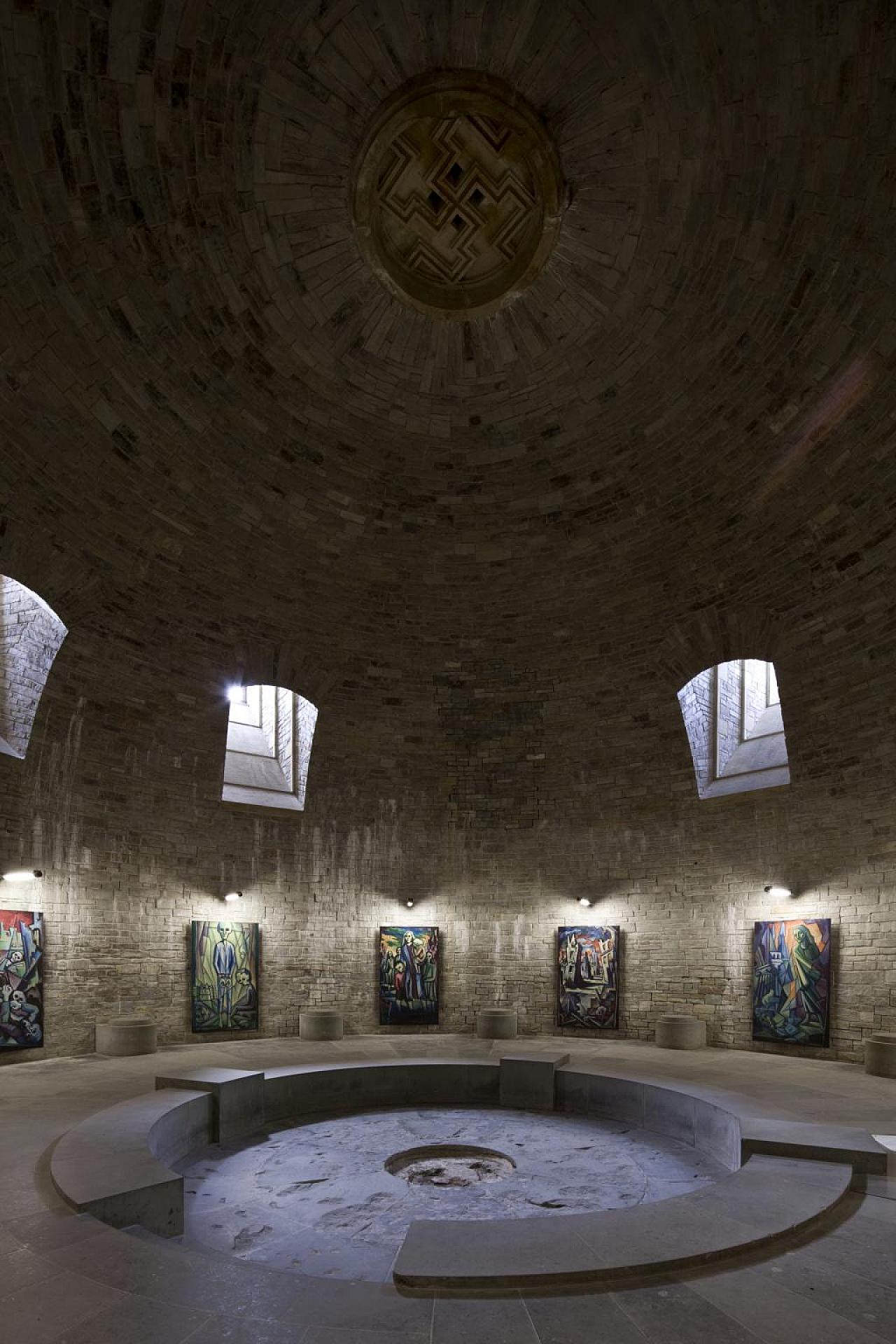
An exhibition in the former SS guard house on the forecourt of the Wewelsburg castle, located in the village of Wewelsburg not far from Büren, has documented the fate of the prisoners of the Wewelsburg/Niederhagen concentration camp since 1982. In 1934, Heinrich Himmler began converting the Wewelsburg castle to an ideological training centre and cult site for the SS. The SS deployed forced labourers to achieve this: between 1939 and 1945, there was a concentration camp in Wewelsburg, whose prisoners had to conduct forced labour at the castle. A permanent exhibition on the history of the SS was opened at the former Wewelsburg cult site in 2010.
History
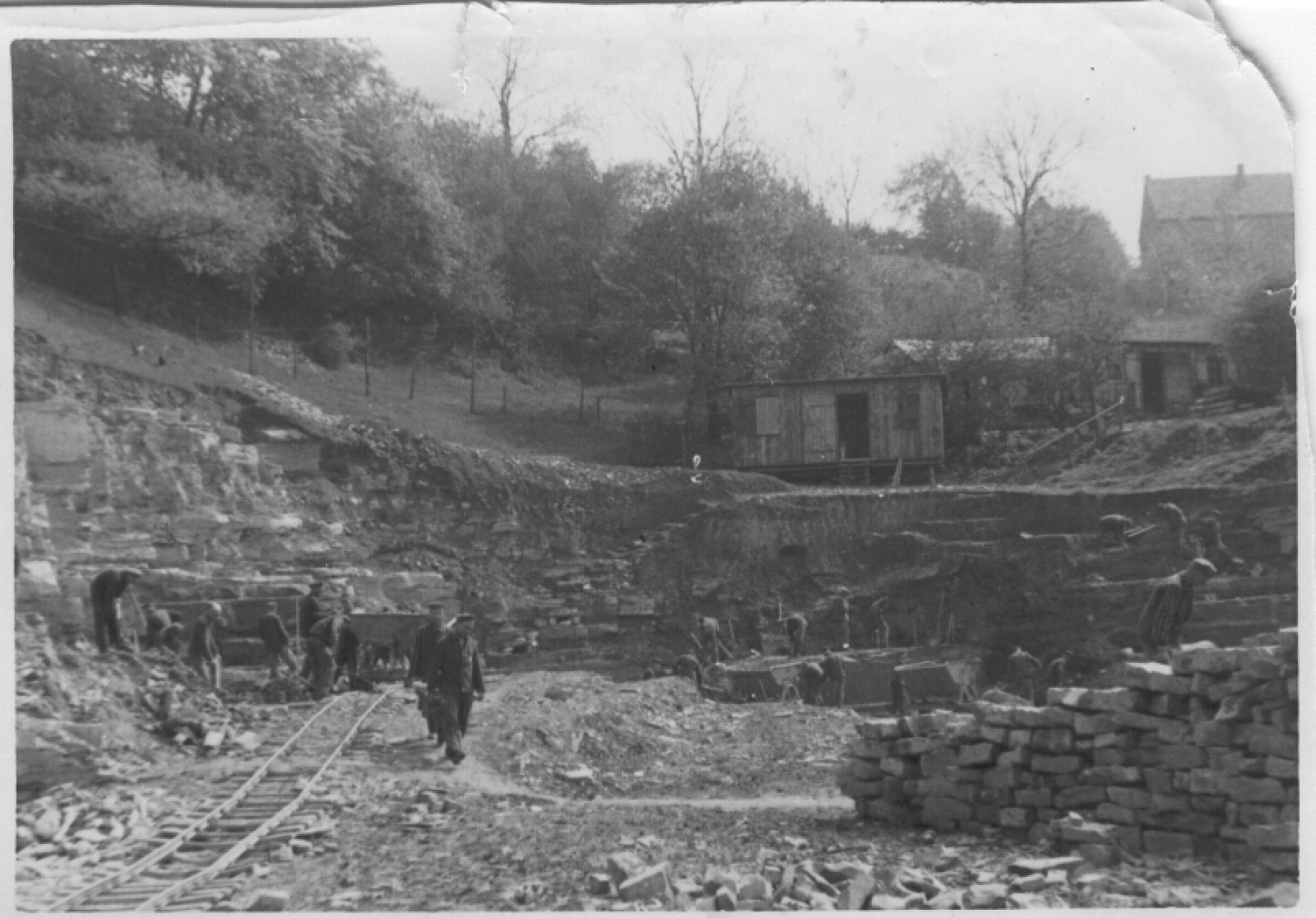
In September 1934, Heinrich Himmler leased the Wewelsburg castle, located in the village of Wewelsburg close to Büren, for the purpose of establishing an academy for »SS-Führer« and an ideological cult site. Himmler deployed members of the Voluntary Labour Service (Freiwilliger Arbeitsdienst, FAD) for restoring and extending the castle - they had been accommodated by the Büren community in a camp in a nearby village since 1932. In 1938, construction came to a halt after members of what was now called the Reich Labour Service (RAD) were detailed to build the »Western Wall« fortifications. In May 1939, about 100 temporary »preventive prisoners« were brought as forced labourers to Wewelsburg from the Sachsenhausen concentration camp. They had to live in a tent camp and build the so-called »small camp« nearby. After two escape attempts in the course of which the SS shot two prisoners, the prisoners were exchanged for Jehovah's Witnesses because they were thought to rarely put up any resistance. In the summer of 1940, the inmates built a protective custody camp. From autumn 1940 on, the number of prisoners rose to 470; inmates considered »asocial« were increasingly admitted into the camp. In January 1941, the camp became a satellite camp of Sachsenhausen; from late 1941 on, it was run independently as the »Niederhagen concentration camp«. From this time on, many non-German forced labourers came to Wewelsburg, including Soviet prisoners of war beginning 1942. The inmates of the Niederhagen camp were deployed in quarries or construction work in the castle's north tower and the crypt underneath it. Between 1942 and 1943, the number of prisoners increased to about 1,500, until the SS dissolved the camp on April 30, 1943, and transferred the prisoners to other camps. Only a small commando of about 50 prisoners remained in Wewelsburg. At the end of March 1945, the SS blasted the castle and fled. US troops liberated the prisoners on April 2, 1945.
Victims
The initial prisoners at the Wewelsburg camp were »temporary preventive prisoners«, who had been arrested as criminals. From 1940 on, the SS mostly deployed Jehovah's Witnesses (referred to as »Bible Students«) as forced labourers. Later, there were also political and »asocial« prisoners, as well as Sinti and Roma, homosexuals and Jews. From 1941 on, non-German prisoners were interned at Wewelsburg: they came from Poland, the Soviet Union, Czechoslovakia, France, Belgium and the Netherlands. All of the inmates had to conduct forced labour, many of whom died working in the quarries. From 1942 on, Soviet prisoners of war were brought to Wewelsburg. Of the approximately 3,900 prisoners to pass through the camp between 1939 and 1945 at least 1,280 perished; about 730 of them were citizens of the Soviet Union.
Remembrance
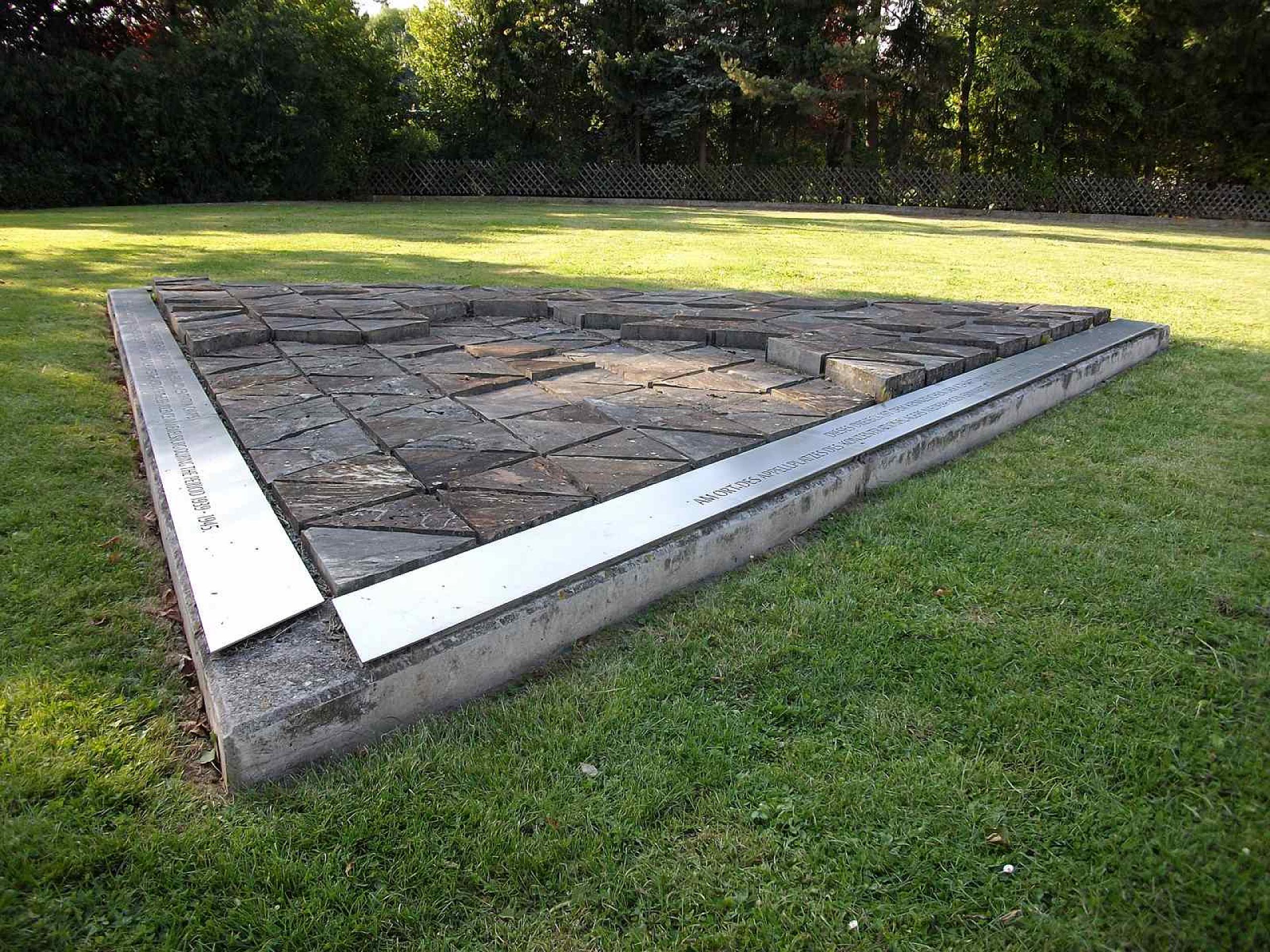
After the war, the Wewelsburg camp functioned as a camp for Displaced Persons until 1946, after that it was a camp for expellees and refugees. The residents gradually tore down the barracks and erected a housing complex. The Wewelsburg castle was rebuilt in 1948/49, and between 1973 and 1975 the north tower was restored. A commemorative wooden cross, which had been set up in front of the former camp gate became derelict; a monument, which had been erected at the castle in the 1950s was removed in the 1970s by the community of Büren. A public debate ensued concerning appropriate ways of commemorating the site's history. On November 8, 1978, a monument to »all victims of totalitarianism« was dedicated. In 1982, the permanent exhibition »Wewelsburg 1933-1945. Cult and Terror Site of the SS« was opened in the former SS guard house on the castle forecourt. In 1996, the Wewelsburg District Museum and its Historical Museum of the Prince Bishopric of Paderborn moved their offices to the castle premises. A further monument on the former roll call grounds of the Niederhagen/Wewelsburg concentration camp was dedicated in 2000.
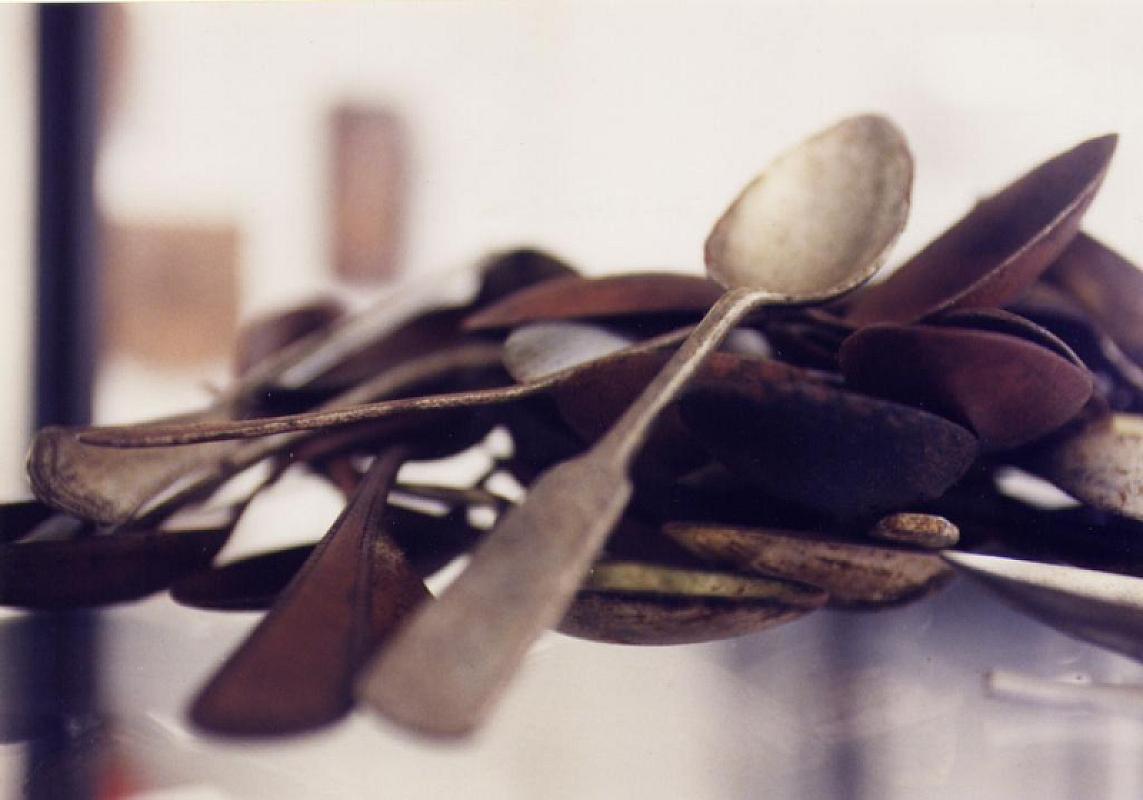
In April 2010, the reworked permanent exhibition »Ideology and Terror of the SS« was opened, making it the first comprehensive exhibition on the history of the SS. Amongst others, the exhibition displays artefacts to document the history of the SS and the Wewelsburg castle as its cult site. A further section of the exhibition focuses on the Niederhagen concentration camp.
Possibilities
Guided tours, educational programme
Open
Tuesday to Friday: 10 a.m. to 5 p.m.,
Saturday, Sunday and public holidays: 10 a.m. to 6 p.m.
Contact
info@wewelsburg.de
+49 (0)2955 762 2-0