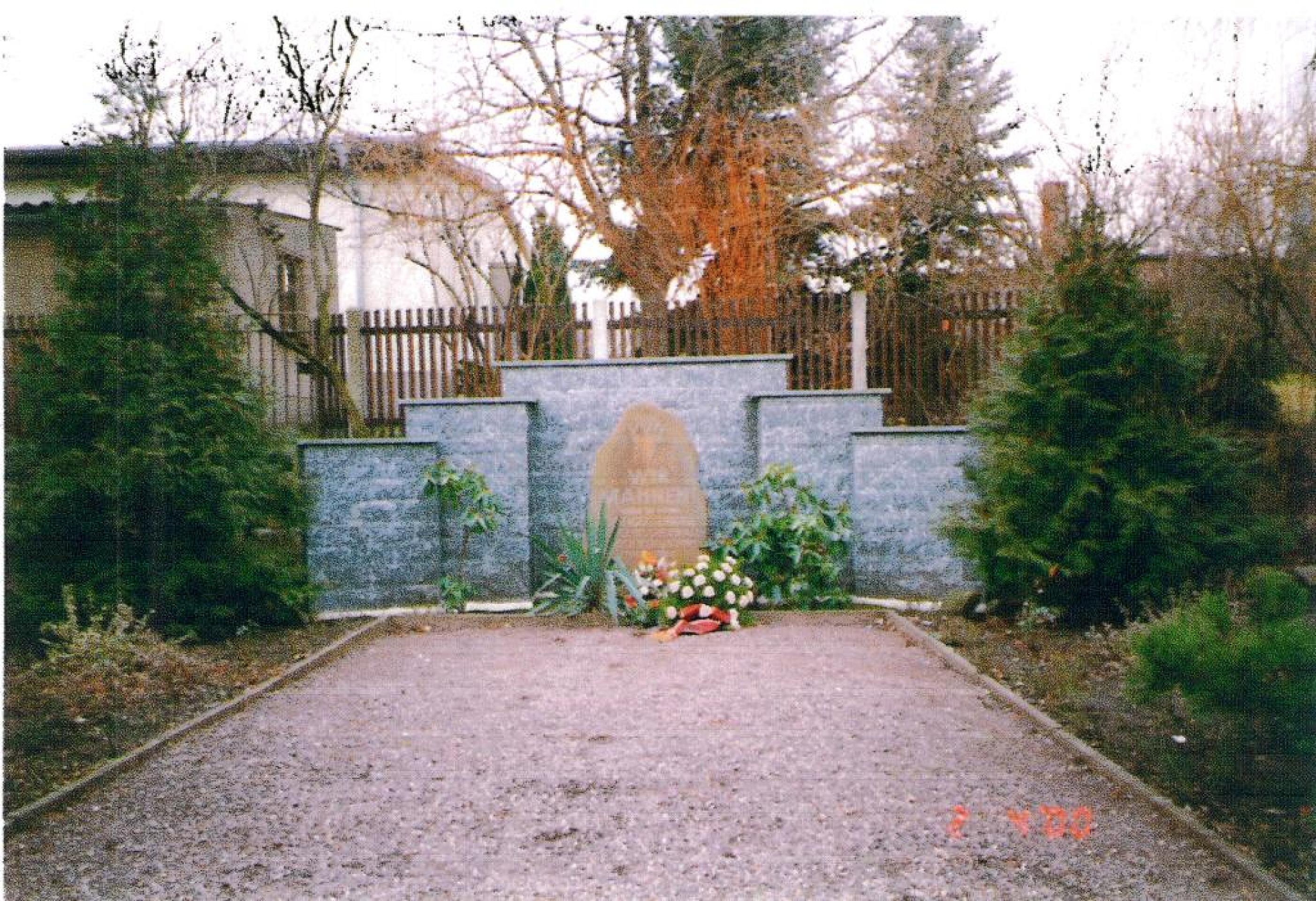
A memorial and an exhibition in Rehmsdorf are dedicated to the Jewish prisoners of the »Wille« satellite camp. The prisoners had to conduct forced labour at the Brown Coal-Petrol-AG (Brabag) fuel production factory. The SS had deployed inmates of the Buchenwald concentration camp at Brabag since June 1944, regularly exchanging labourers who were no longer capable of working.
History
From 1937 to 1939, the Brabag established a fuel production factory in Tröglitz, in the south of what is today the federal state of Saxony-Anhalt. Between 1939 and 1944, the factory operated at full stretch. On May 12, 1944, Allied air raids interrupted production at the factory crucial to German war efforts. A second air raid brought the factory to a complete standstill.
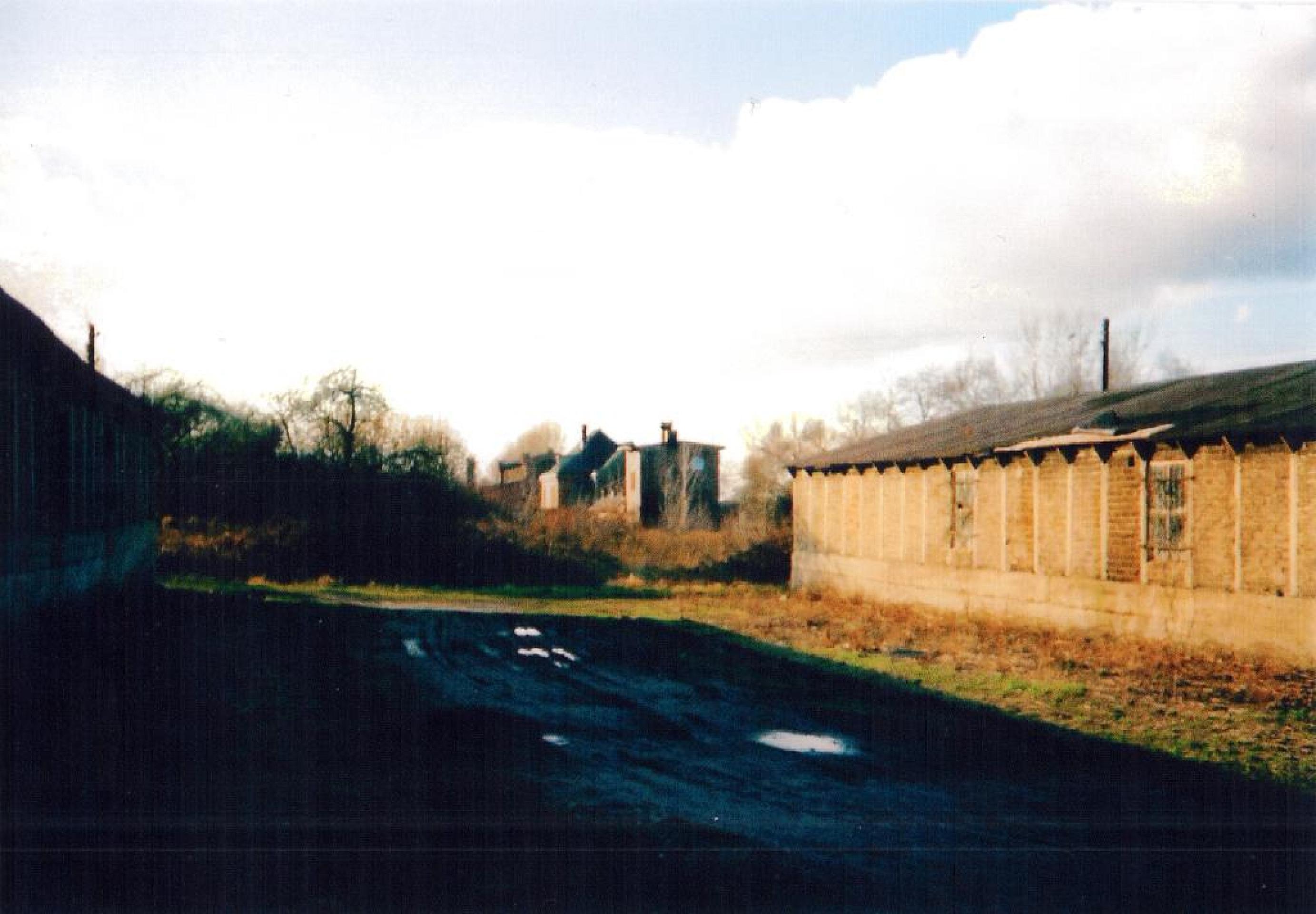
In order to get the factory running again, the Brabag required labourers. The Brabag had already previously applied for forced labourers with the SS Economic Administration Main Office (WVHA). On June 4, 1944, the first 200 Jewish prisoners from the Buchenwald concentration camp arrived. They were primarily deployed in heavy construction and clearing work on the factory premises. As there was no way to accommodate further prisoners from Buchenwald, the Brabag had a tent camp for 5,000 people set up in Tröglitz. This satellite camp of Buchenwald was codenamed »Wille« in reference to the factory manager of the Brabag in Zeitz, Dr. Wille. The living and working conditions of the prisoners were catastrophic. Insufficient provisions, 12 hours of labour a day and constant abuse by the SS guards meant that many of the prisoners were completely exhausted and unable to work after only four weeks. The Brabag therefore exchanged its labourers for new prisoners on a regular basis, and those unfit for labour were sent back to the main camp at Buchenwald. By December 1944, the inmates had built 18 stone barracks in Rehmsdorf to replace the tent camp. In April 1945, the camp was hastily evacuated. The 3,000 prisoners were deported by the SS to Leitmeritz (in czech: Litoměřice) and Theresienstadt (Terezín) in ten open coal cars.
Victims
In total, over 5,800 of the approximately 8,600 prisoners to pass through the »Wille« satellite perished between June 1944 and April 1945. Most of the victims were Hungarian Jews who had been deported to the Buchenwald concentration camp via Auschwitz. Other forced labourers came from France, Poland, Romania, Latvia, and the Netherlands. Prisoners no longer able to work were sent back to Buchenwald. The SS deported most of them on to Auschwitz-Birkenau, where they were murdered. Many forced labourers lost their lives in the repeated Allied air raids on the Brabag factory complex.
About 900 prisoners did not survive the transport from the »Wille« satellite camp to Leitmeritz and Theresienstadt in April 1945. The train came to a halt in Reitzenhain, ninety kilometres outside of Theresienstadt, due to an American air raid. Members of the SS and locals shot 380 prisoners who had attempted to flee from the train.
Remembrance
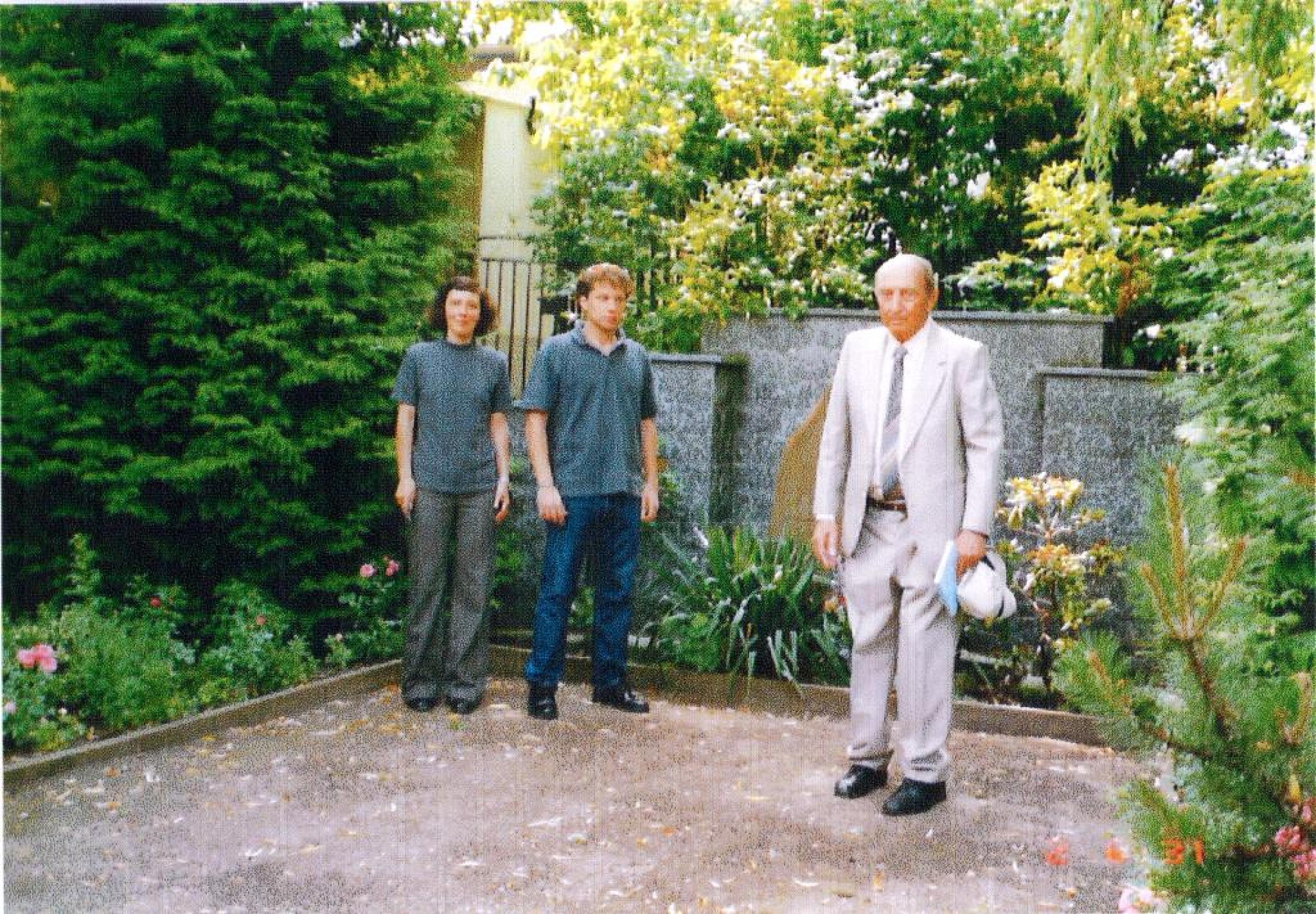
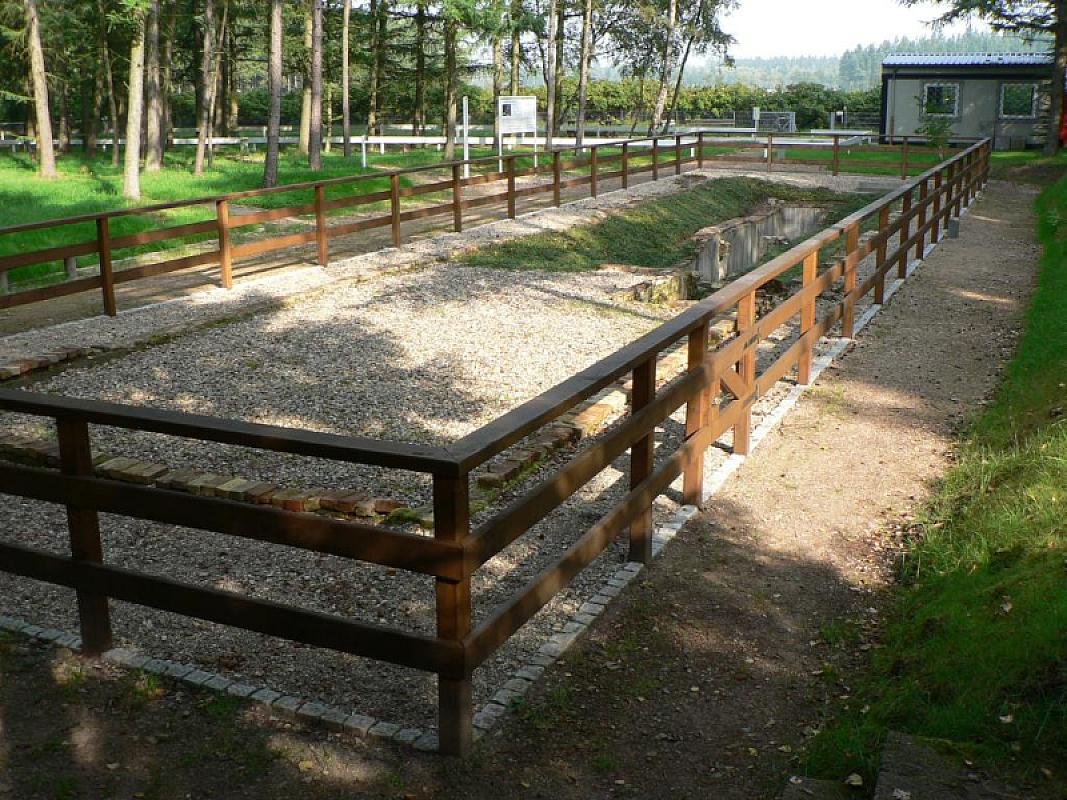
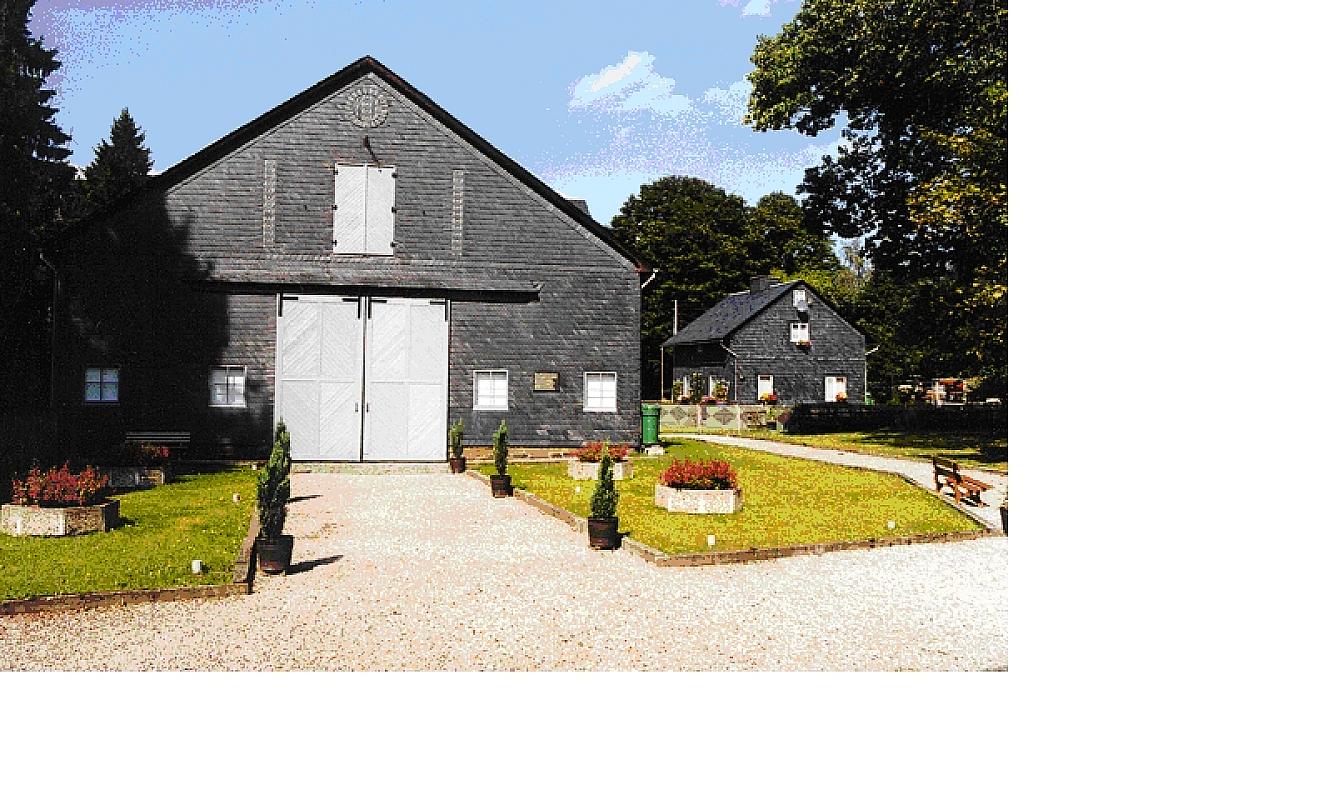
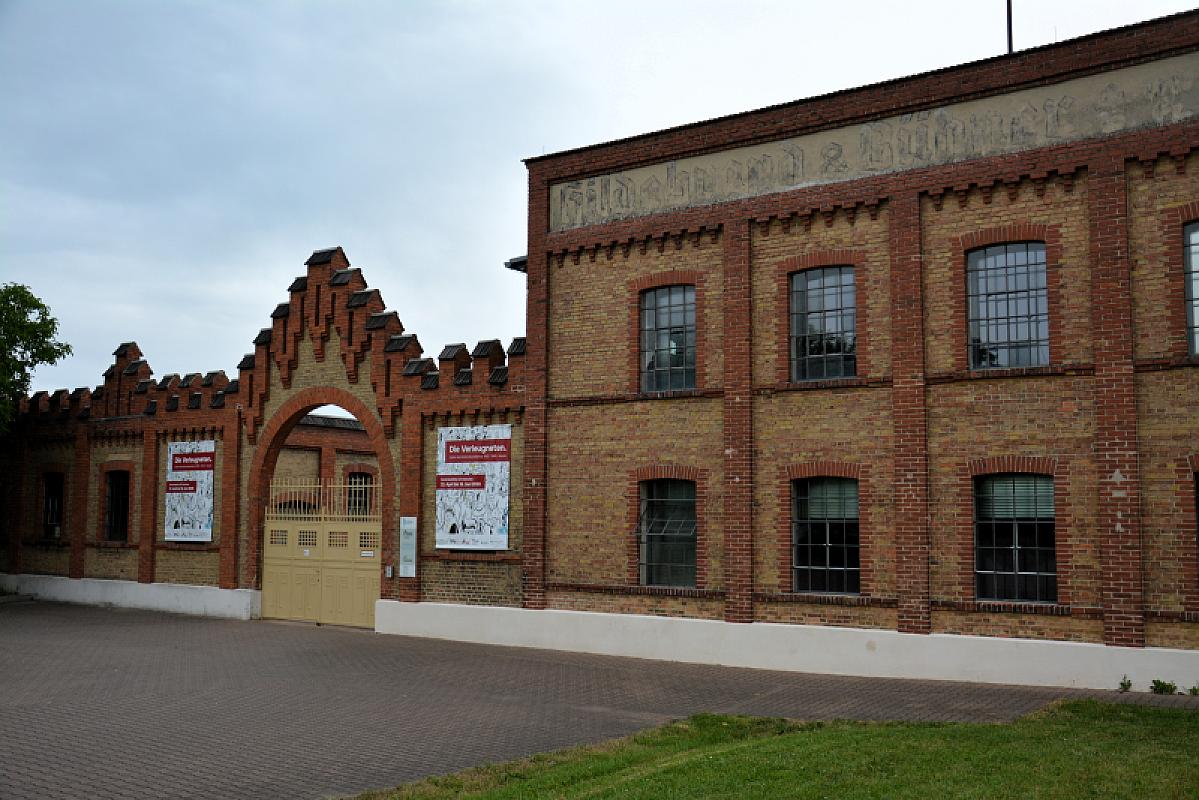
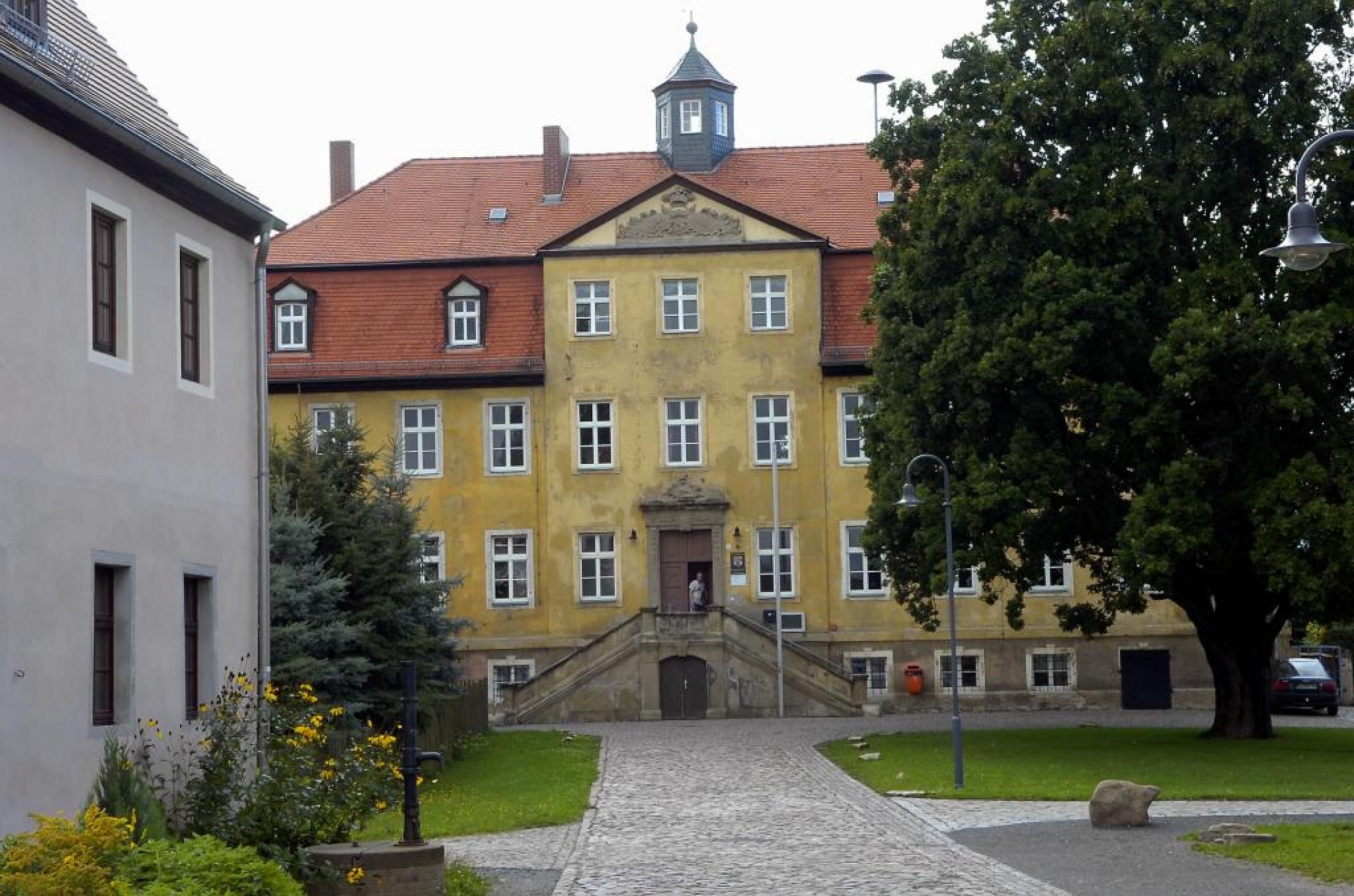
Already in September 1946, a monument to the victims of the »Wille« satellite camp was dedicated in Rehmsdorf. On October 1963, a memorial was set up, at which commemorative ceremonies have been held annually ever since. An exhibition on the history of the camp and its victims was opened at the »Bürgerhaus«, or community hall, in Rehmsdorf in 2005. Part of the former prisoner barracks serve as residential housing until today.
Possibilities
Brochure on the permanent exhibition, lectures for school groups, clubs or institutions on various themes, by appointment meetings with former inmates of the camp
Open
Exhibition
Monday to Friday
8 a.m. till noon
Contact
https://www.gemeinde-elsteraue.de/de/ortschaften/rehmsdorf-20000148.html
info@gemeinde-elsteraue.de
+49 (0) 3441 226-0
Brunnenplatz 5
06729 Rehmsdorf