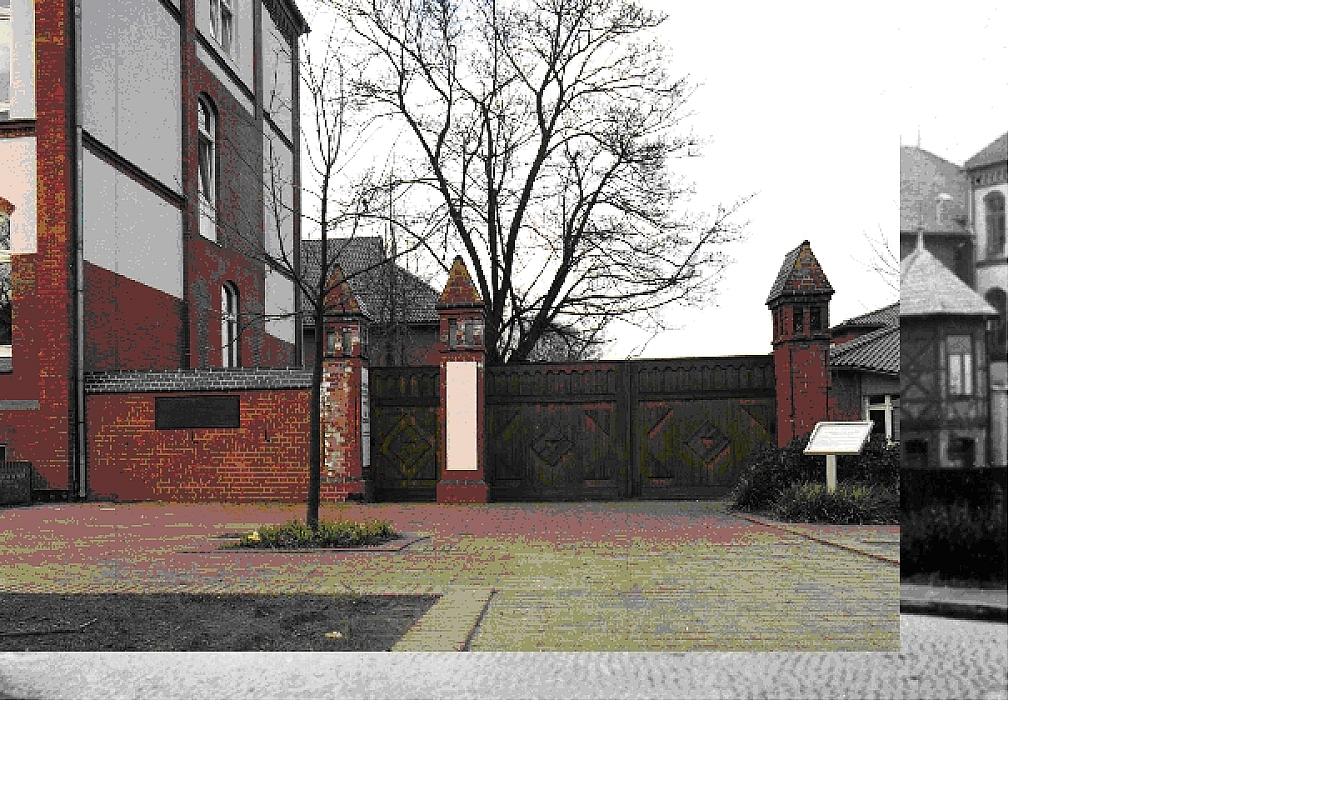
In the spring of 1945, a satellite camp of the Neuengamme concentration camp existed merely for a few weeks near Ludwigslust in Mecklenburg. The SS used it as a collection camp for prisoners from death marches and dissolved concentration camps in northern and central Germany. Over a thousand prisoners perished within these few weeks due to the terrible conditions at the Wöbbelin satellite camp. The Wöbbelin Memorials commemorate their fates.
History
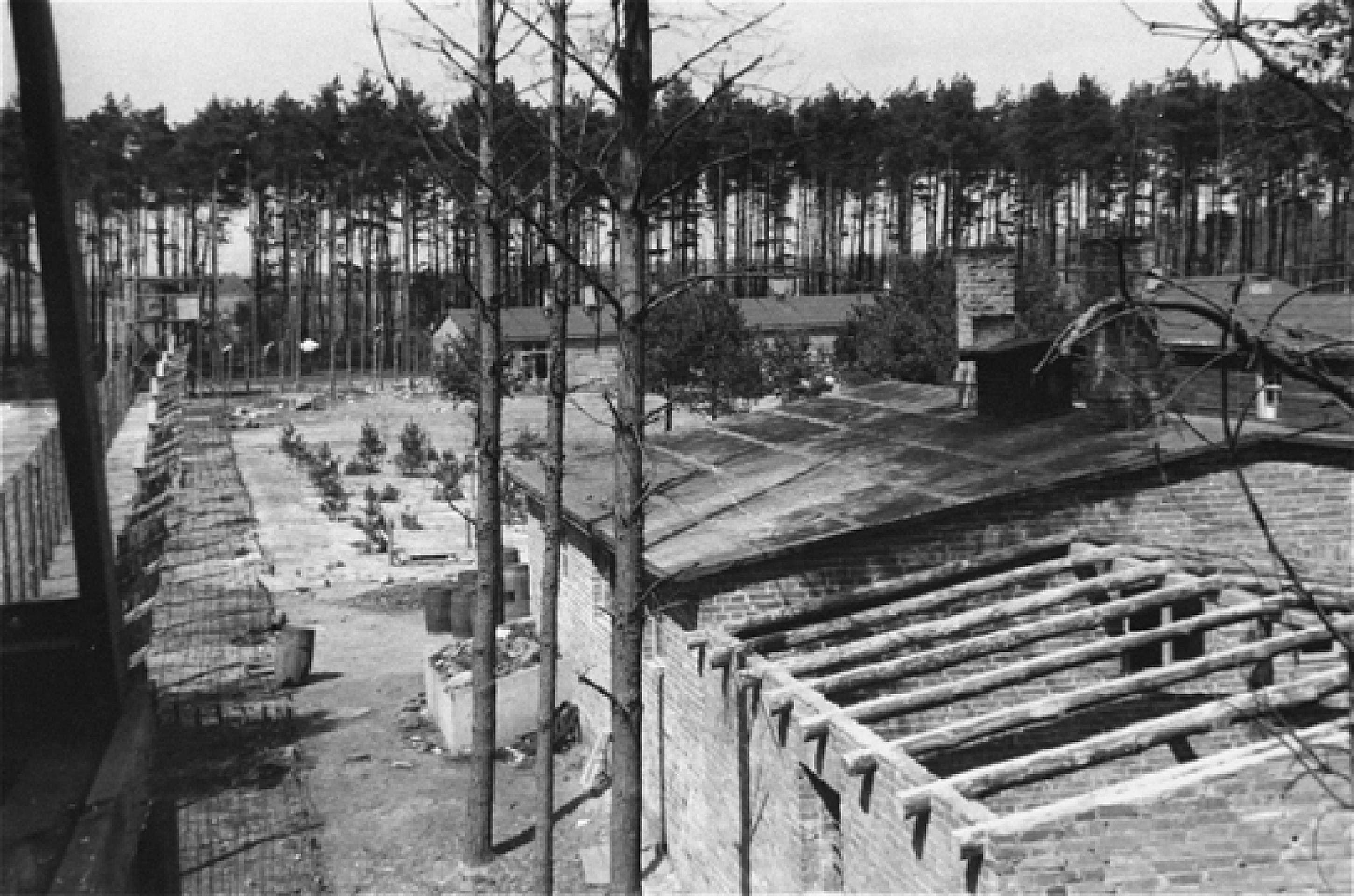
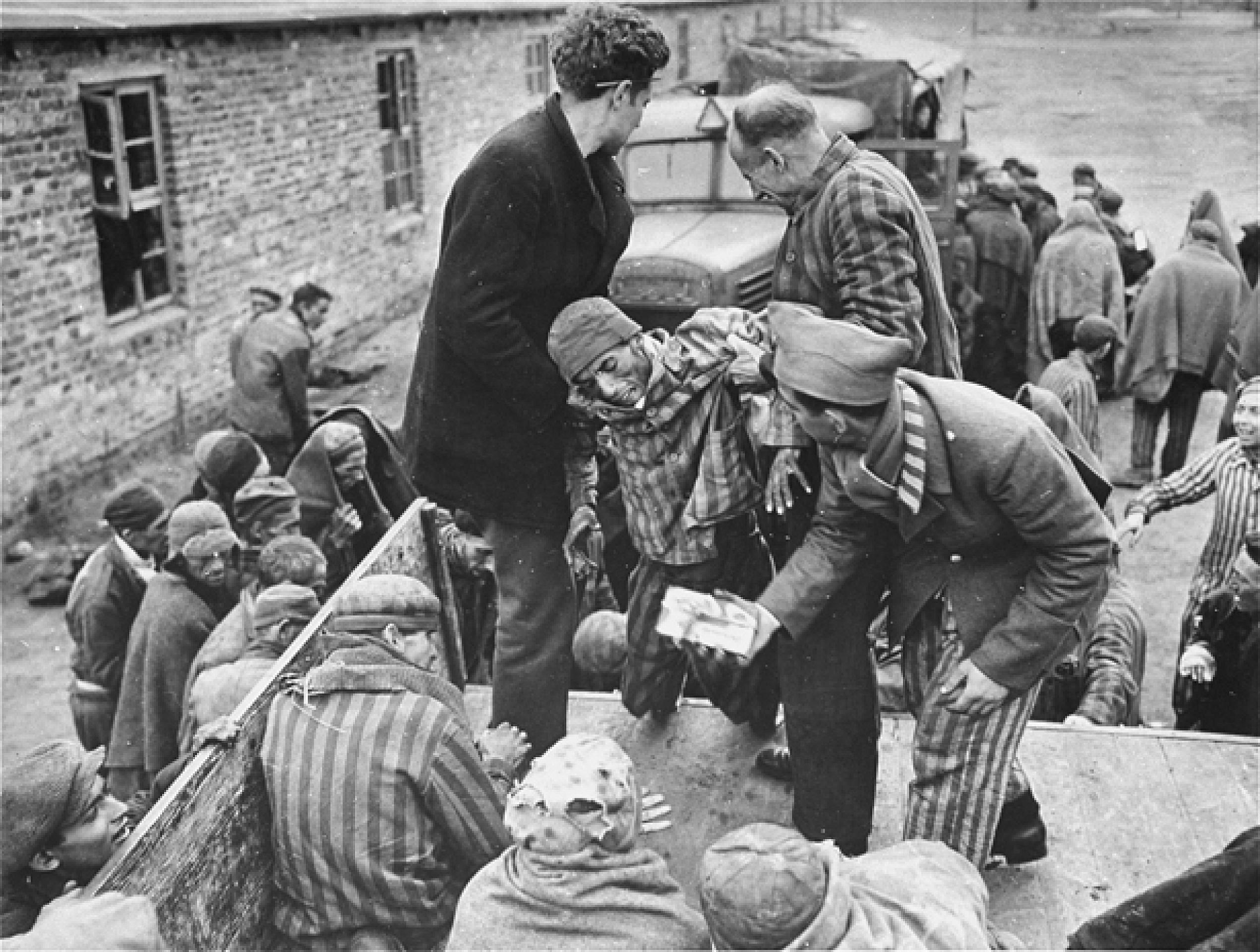
From mid-February 1945 on, prisoners of the Neuengamme concentration camp had to build a new satellite camp outside of Wöbbelin. The construction of several stone barracks was begun, however, due to severe time pressure they were never completed. When the first prisoners arrived, the windows and doors had not yet been installed and there were no plank beds inside the barracks. As the Allies were advancing towards Germany in 1945, the SS was dissolving its concentration camps and satellite camps in order to prevent survivors from bearing witness to the conditions in the camps. Many of the prisoners taken to Wöbbelin had come from the Neuengamme concentration camp and its satellite camps, but not only - some came from Auschwitz. Shortly before the end of the war, there were over 5,000 prisoners at Wöbbelin. The food supplies were by far not enough for the growing number of inmates. Survivors reported cases of cannibalism among the prisoners. There was only one waterhole for the entire camp, which supplied contaminated water, making many of the prisoners sick. The camp commandants planned to dissolve this camp too in late April, shortly before the expected arrival of the Allies. A part of the prisoners was chased into a cattle car on May 1, it never departed however. The US 82nd Airborne Division arrived at Wöbbelin one day later and liberated about 3,500 prisoners. What the soldiers saw shocked them. According to eyewitness accounts they could not tell the living from the dead. Hundreds of corpses were scattered on the premises, the air filled with an unbearable stench of decaying bodies.
Victims
The prisoners deported to Wöbbelin were of at least 16 nationalities. Due to the fact that the prisoners were not registered, there is no information about the number of deaths at the Wöbbelin satellite camp. It is estimated that in the time between mid-February and the camp's liberation on May 2, 1945, over 1,000 of the prisoners perished. The dead were buried by a prisoner »corpse commando« in mass graves in the vicinity. Some of the bodies were piled in a sanitary barrack upon orders of the SS. Following the liberation of the camp, over 200 more people died of the effects of their imprisonment, despite the rescue efforts of the American military.
Remembrance
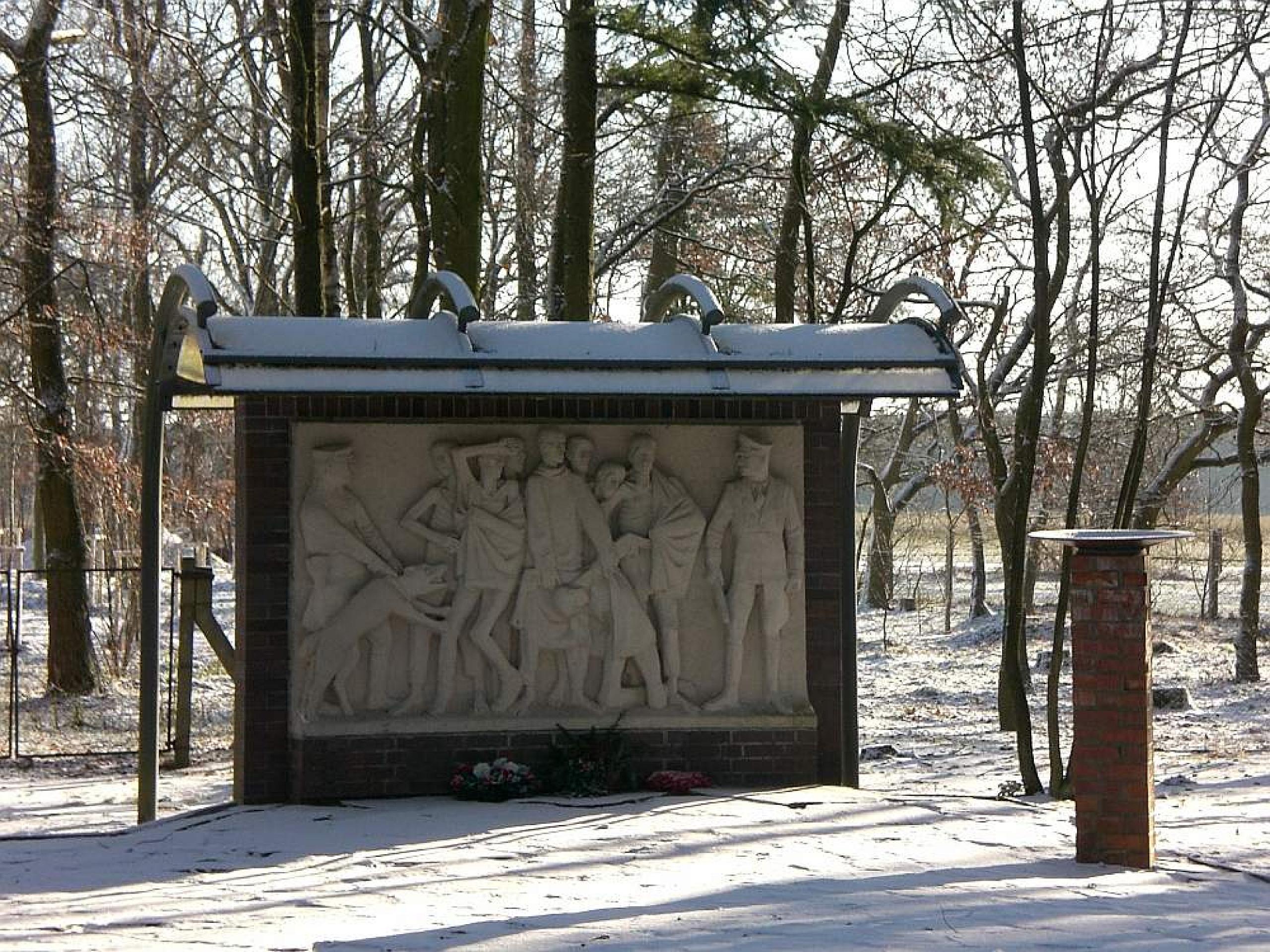
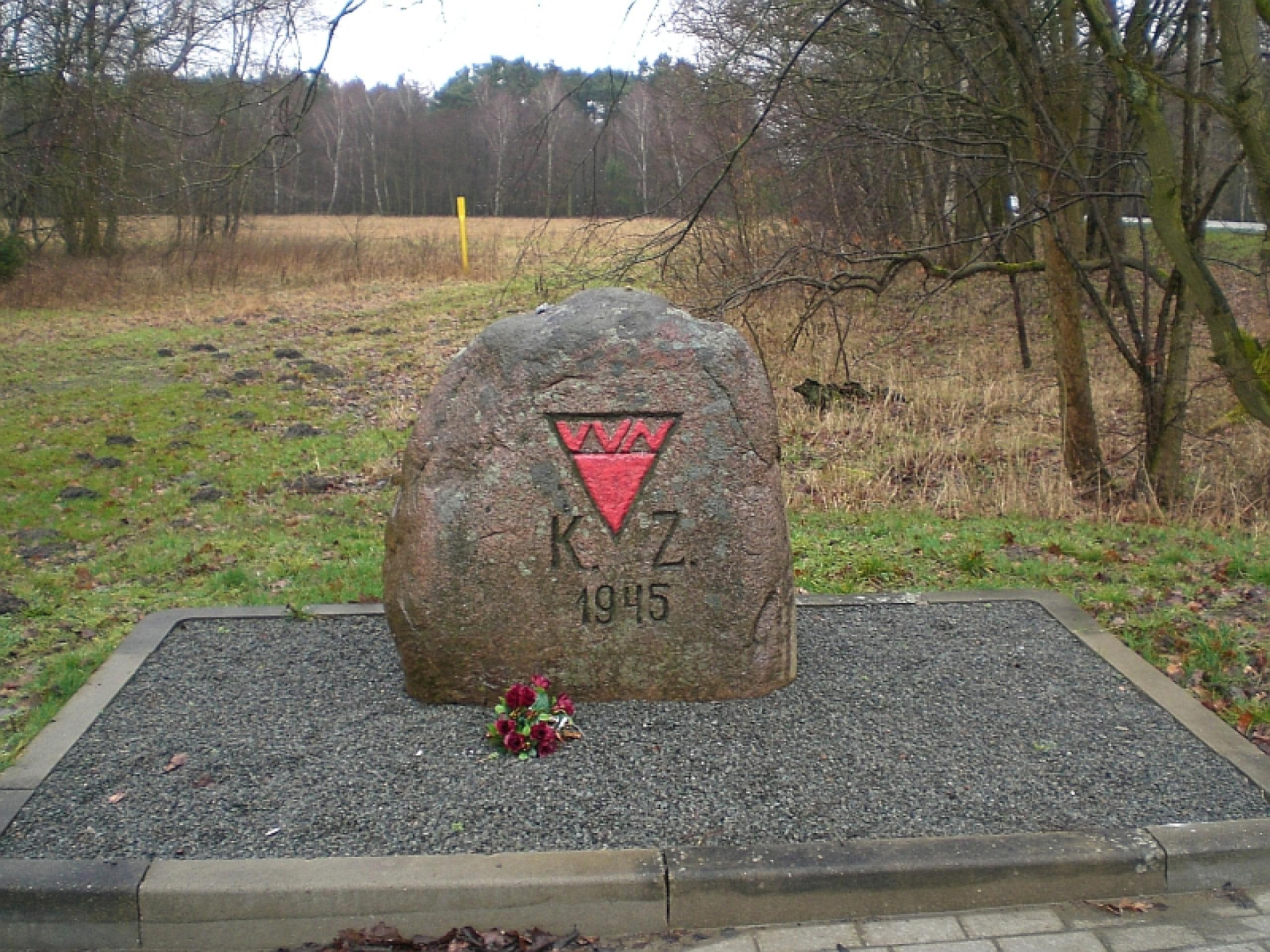
All of the buildings in the camp complex were torn town shortly after the end of the war. In 1960, a sandstone relief by artist Jo Jastram was set up not far from the victims' graves. In 1965, the Theodor-Körner-Museum in Wöbbelin opened an exhibition on the history of the camp. The exhibition was reworked in 1995. 1965 was also the year in which a stone bearing the inscription »KZ 1945« was installed close to the former camp premises serving as a reminder of the site's history. The stone has been moved since then and is now located on the former camp premises.
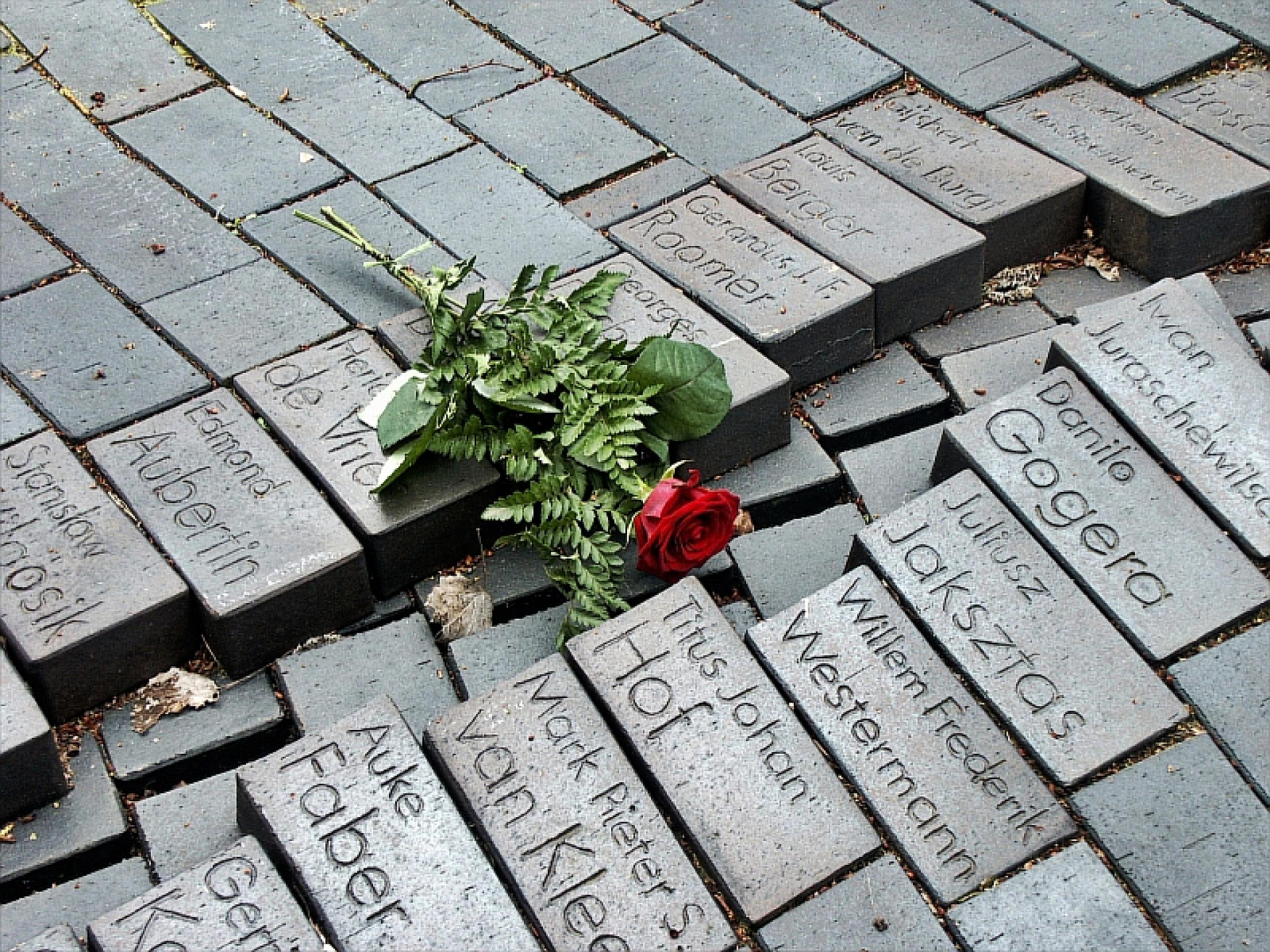
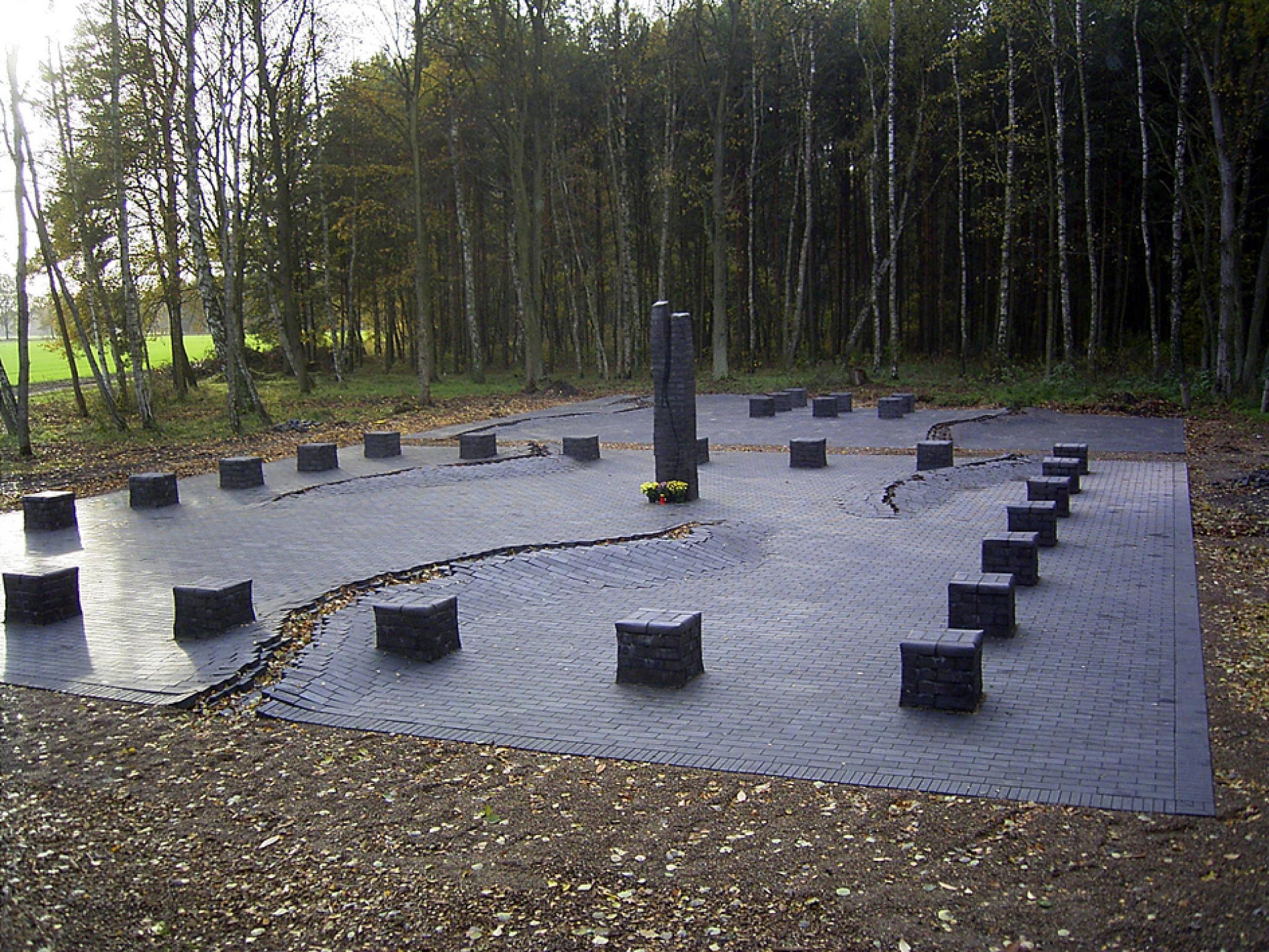
In February 2002, the memorial site and the sandstone relief were vandalised by right wing extremists. The relief was restored that same year. In 2005, a memorial complex displaying information and some names of the prisoners who perished here was dedicated on the former camp premises. Already in the year before, youths taking part in an international exchange had set up several sculptures at the site.
Possibilities
Exhibition at the Theodor-Körner-Museum, organisation of youth exchanges and seminars
Open
April to October
Tuesday to Friday 12 a.m. to 4 p.m., Sunday 11 a.m. to 4.00 p.m.,
November to March
Tuesday to Friday 11 a.m. to 4 p.m., Sunday 11 a.m. to 4 p.m.
Closed on Monday and Saturday
Contact
https://www.gedenkstaetten-woebbelin.de/cms/
info@gedenkstaetten-woebbelin.de
+49 (0)38753 807 92
Ludwigsluster Straße 1a
19288 Wöbbelin