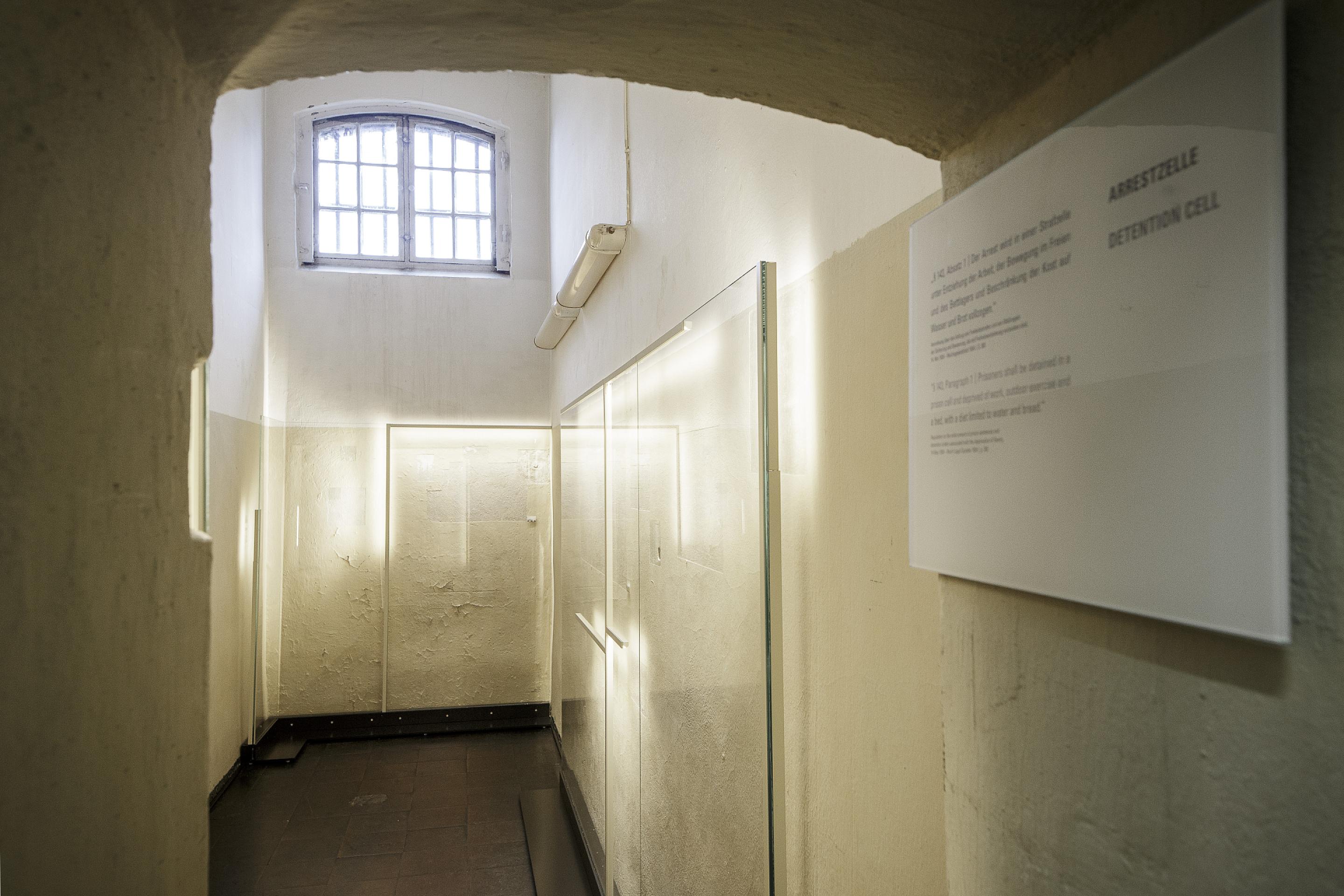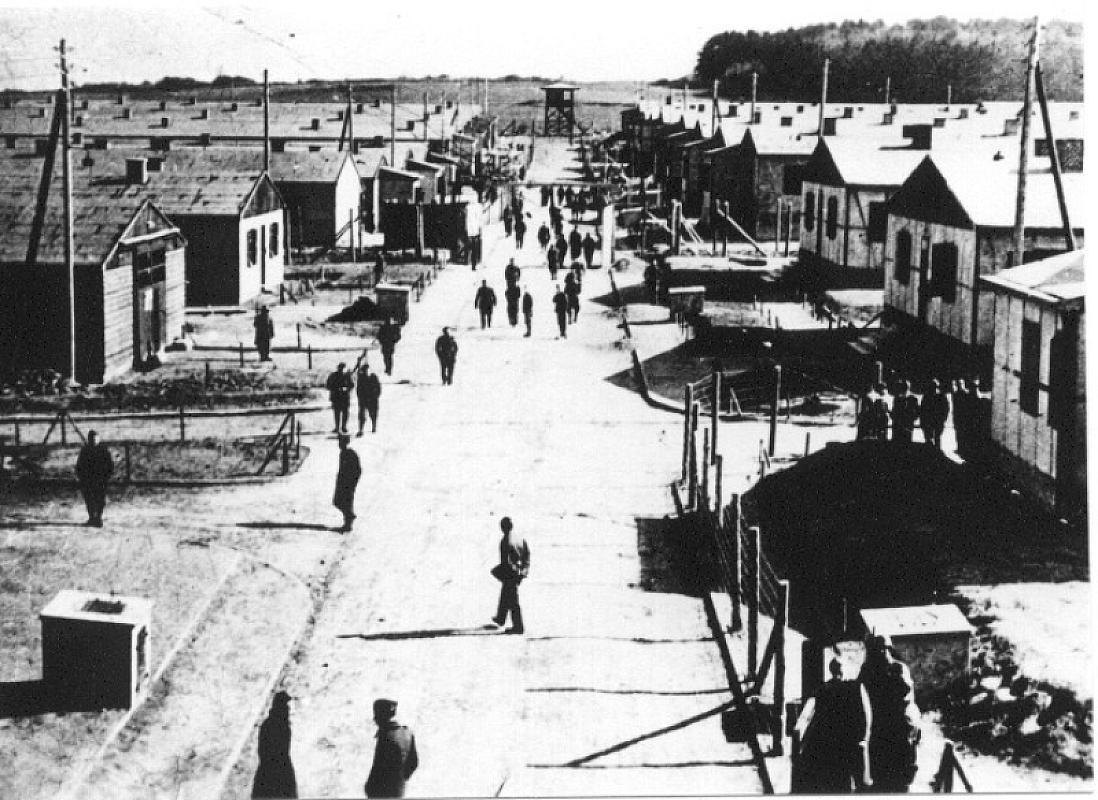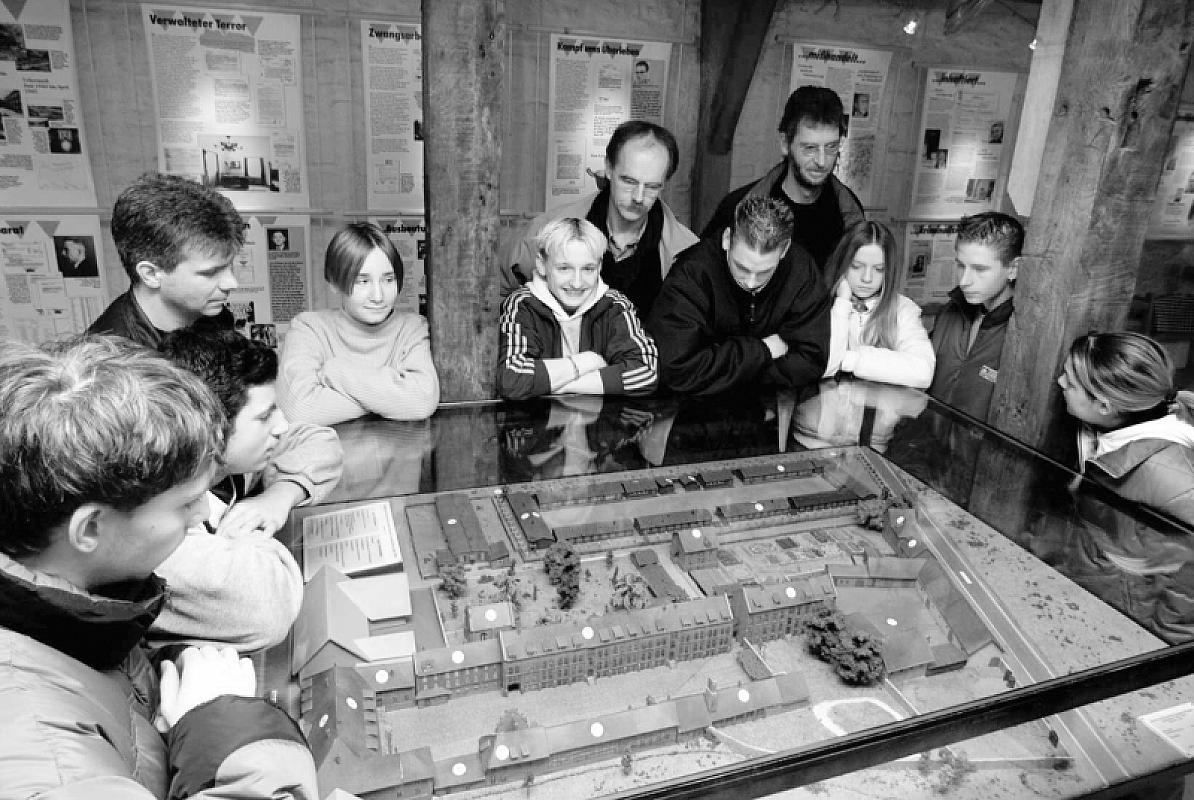
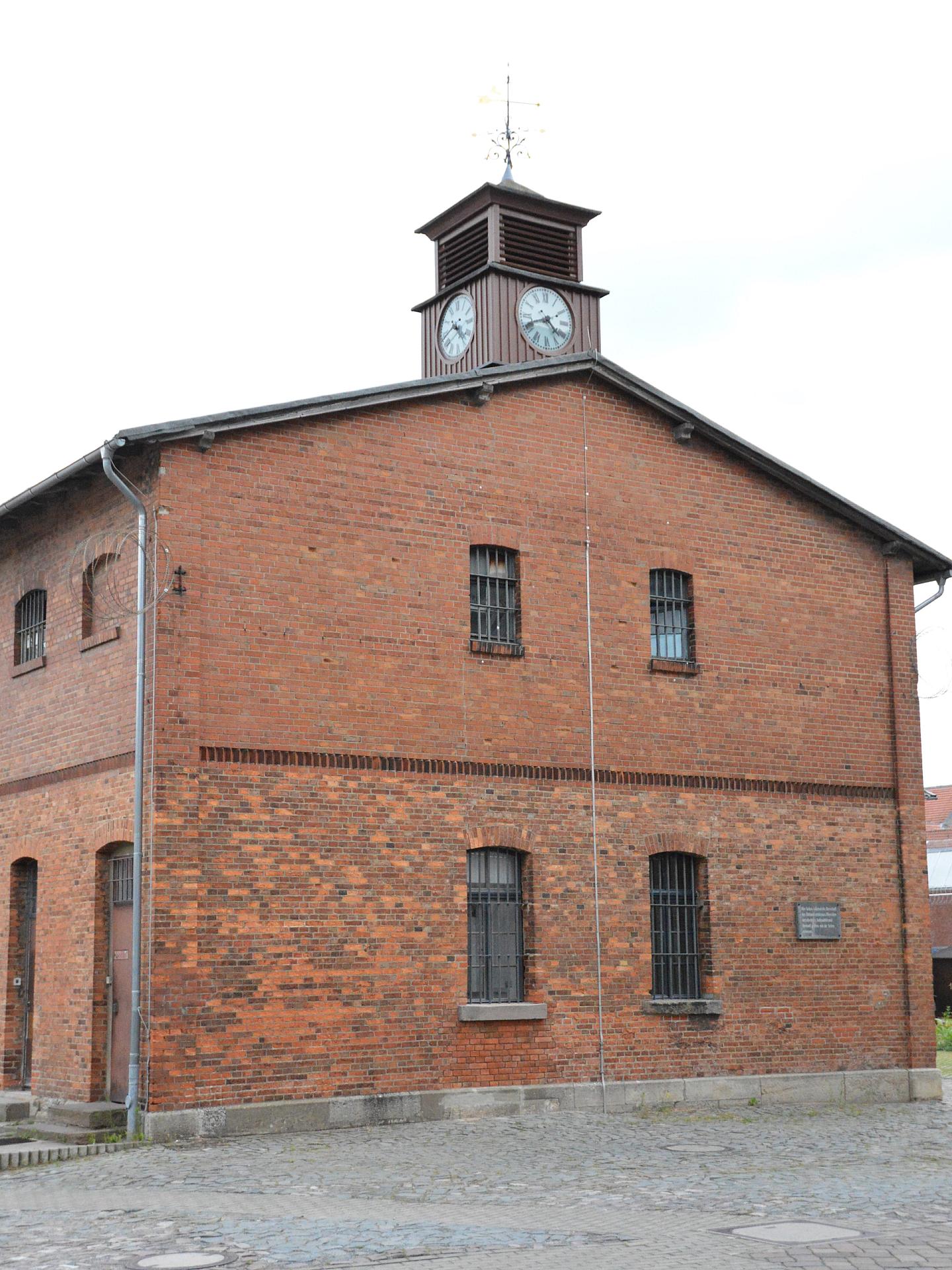
Since 1990, a memorial in the Wolfenbüttel prison serves as a reminder of the executions which took place in the prison building between 1937 and 1945. During this period, at least 527 death sentences were carried out on non-German forced labourers, political prisonders, members of the Wehrmacht but also on German civilians on grounds such as the »decree against public enemies«.
History
From 1933 onwards, sentences were carried out in the Wolfenbüttel prison not only for classical criminal offences, but also on the grounds of special legislation enforced by the National Socialist regime. For example, political opponents of the regime were persecuted because of critical statements or illegal gatherings. Religious groups such as Jehovah's Witnesses were also affected. With the legislation becoming stricter in 1935, homosexual men were persecuted more rigorously as well. In 1938, the prison was used to hold Jewish men arrested during the November pogrom before they were transported on to the concentration camp Buchenwald.
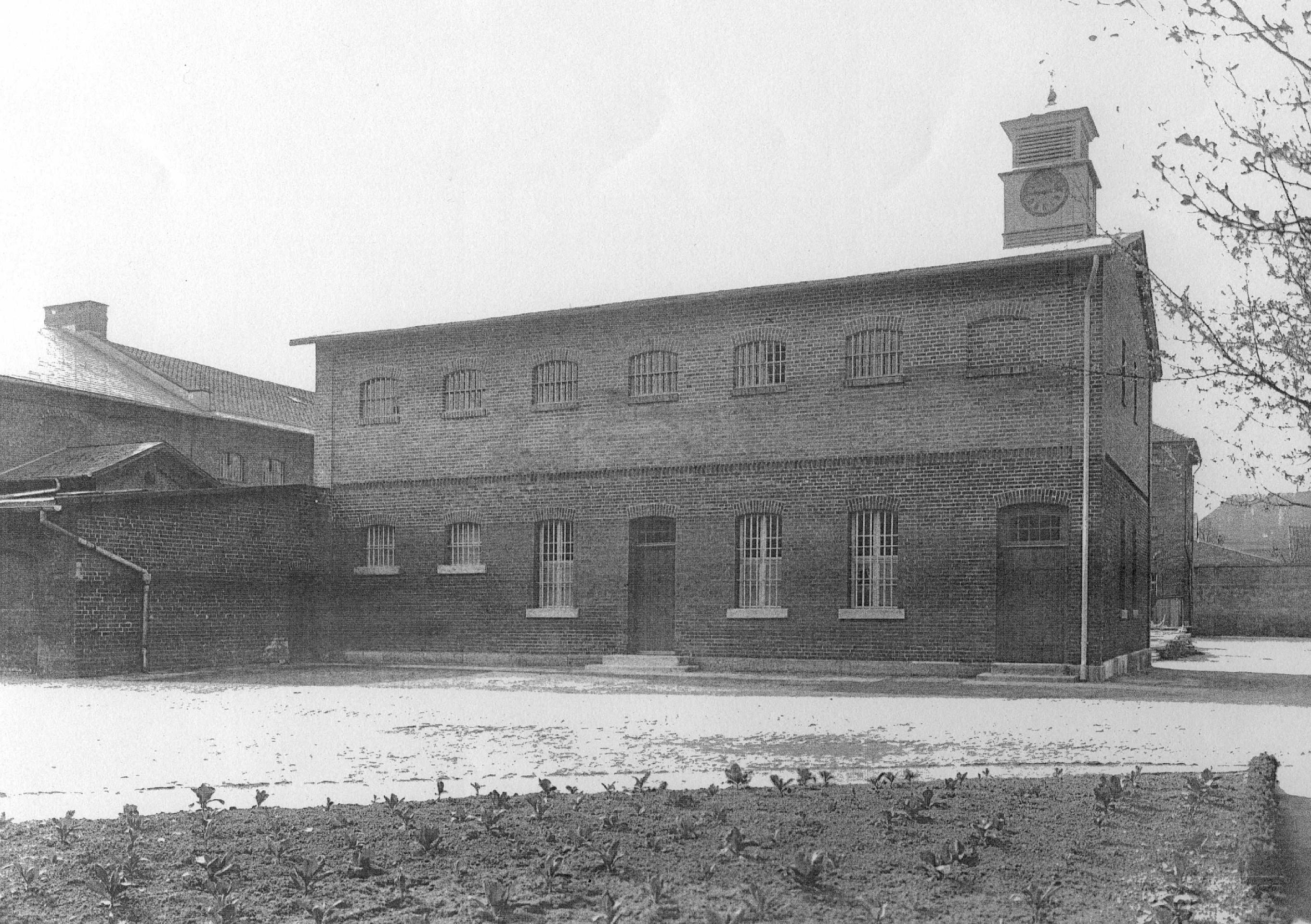
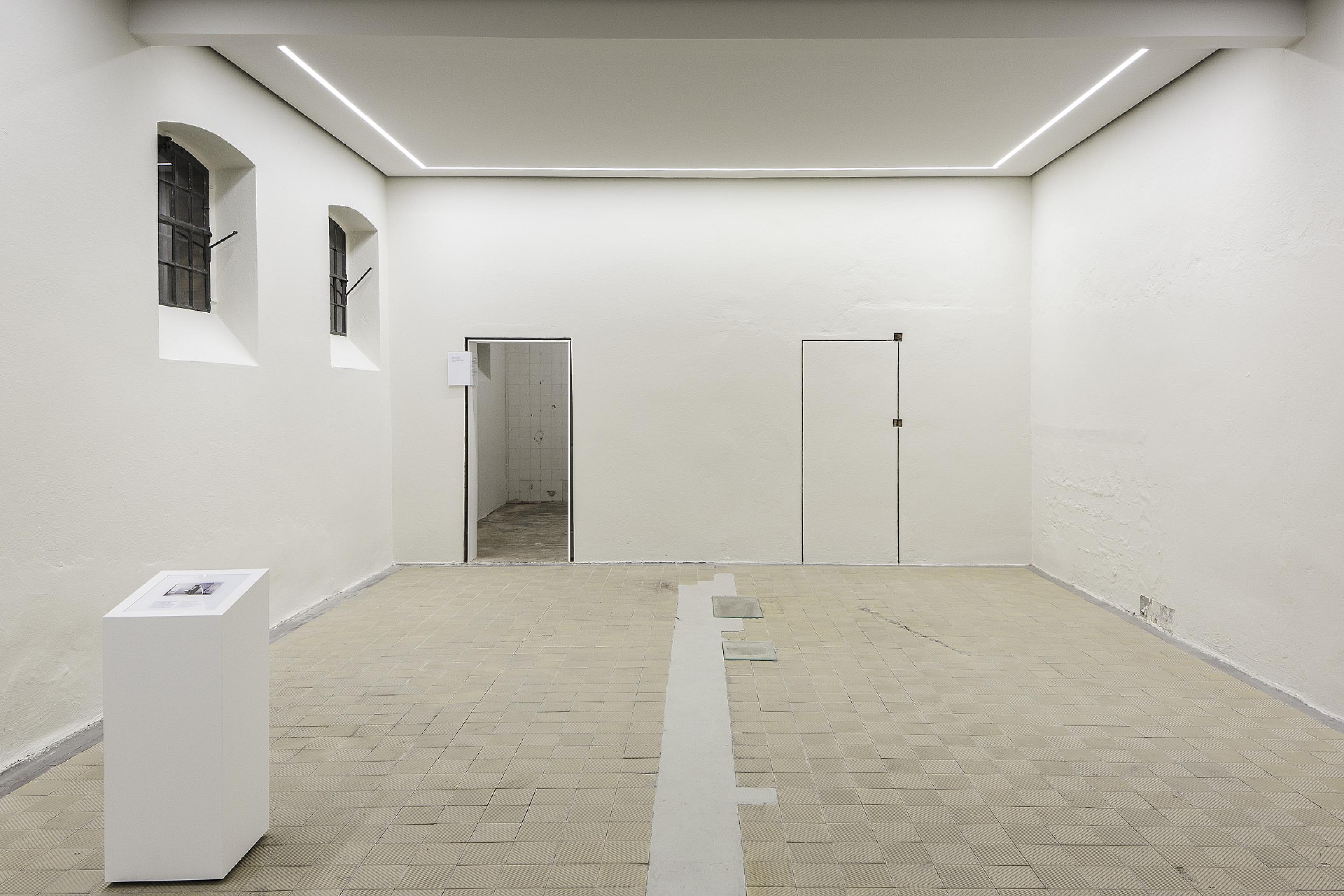
Upon orders of the Reich Ministry of Justice, the Wolfenbüttel prison became the central execution site for several state judicial districts in Northern Germany in 1937. The guillotine was moved from the Hanover prison to Wolfenbüttel, and a metal working shop in the prison's courtyard was remodelled to be an execution site. The reason behind this was that the National Socialists had introduced legislation according to which even the most minor misdemeanour could be punishable by death. Especially the »decree against public enemies«, which was issued in 1939, and the »special decree for criminal law during war times« against all deemed to be »undermining military morale« placed actions critical of the regime under the death penalty. The judiciary began carrying out death sentences issued by civil and military courts; from 1941 on, the sentences were also carried out by hanging. German civilians were executed for »looting«, »listening to enemy radio stations« or »illegal butchering«, while members of the Wehrmacht were punished by death for »cowardice in the face of the enemy«, »desertion« or »self-mutilation«. Many of those executed were foreign forced labourers who were sentenced to death for misdemeanours such as stealing bread. Between 1937 and 1945, the National Socialist judiciary executed at least 527 people in Wolfenbüttel.
Victims
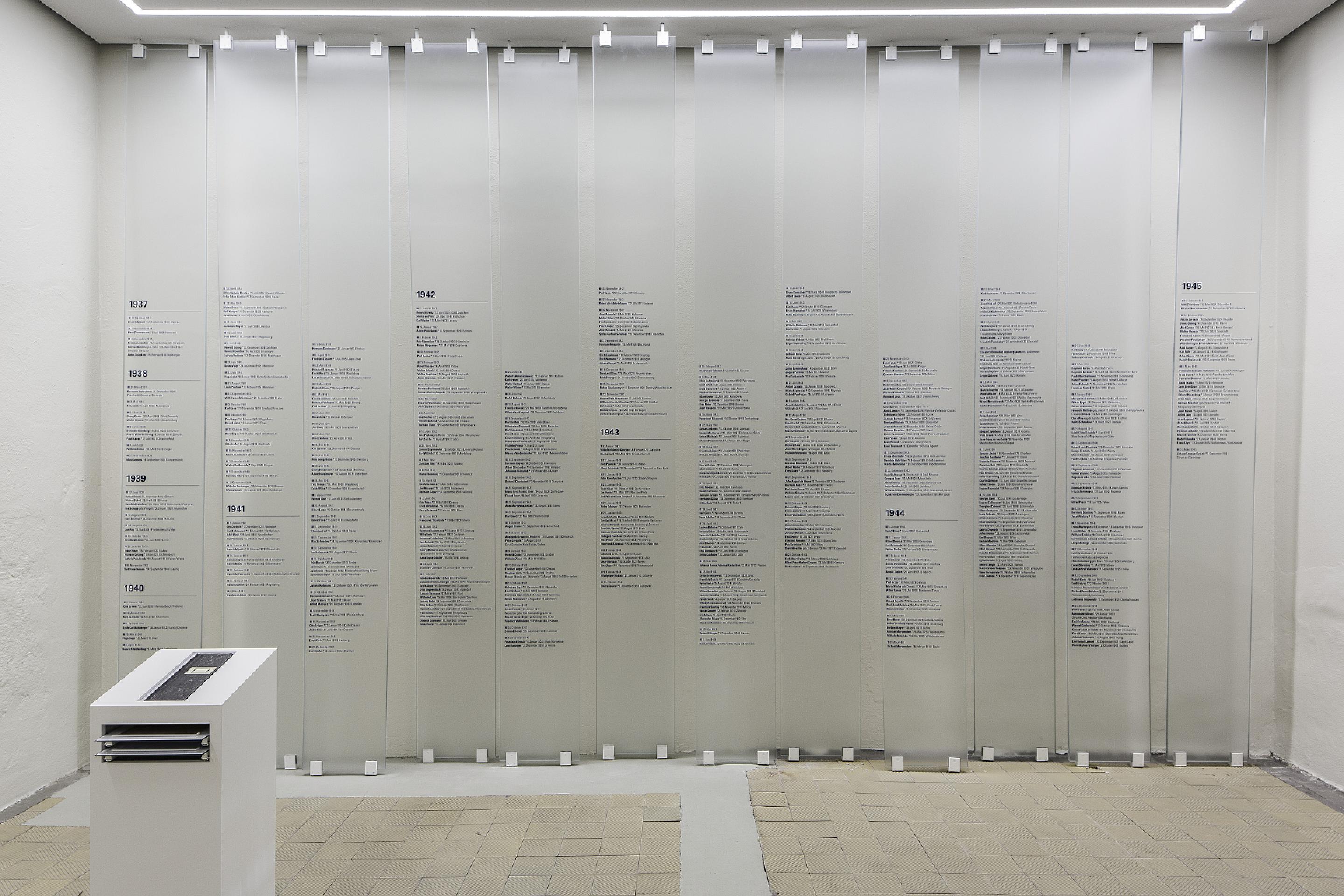
At least 527 people were executed in Wolfenbüttel, among them German civilians, members of the Wehrmacht and non-German forced labourers. About 70 men and women from the resistance movement in Belgium, France and the Netherlands were held captive as so-called Night and Fog prisoners (due to the fact that they were arrested in secret and transported to Germany) and executed.
Remembrance
After the war, the Wolfenbüttel execution site remained in operation: the British military administration handed down 67 death sentences to German war criminals and former non-German forced labourers who had breached decrees of the Allies between 1945 and 1947. The prison remained in existence and is currently administered by the state of Lower Saxony. In 1956, a memorial plaque to the victims of the National Socialist judiciary was affixed at the prison church. From the mid-1960s on, the former execution building housed delousing facilities; in the mid-1980s, there were plans to tear down the building. Following protests from within Germany and abroad, these plans were abandoned.
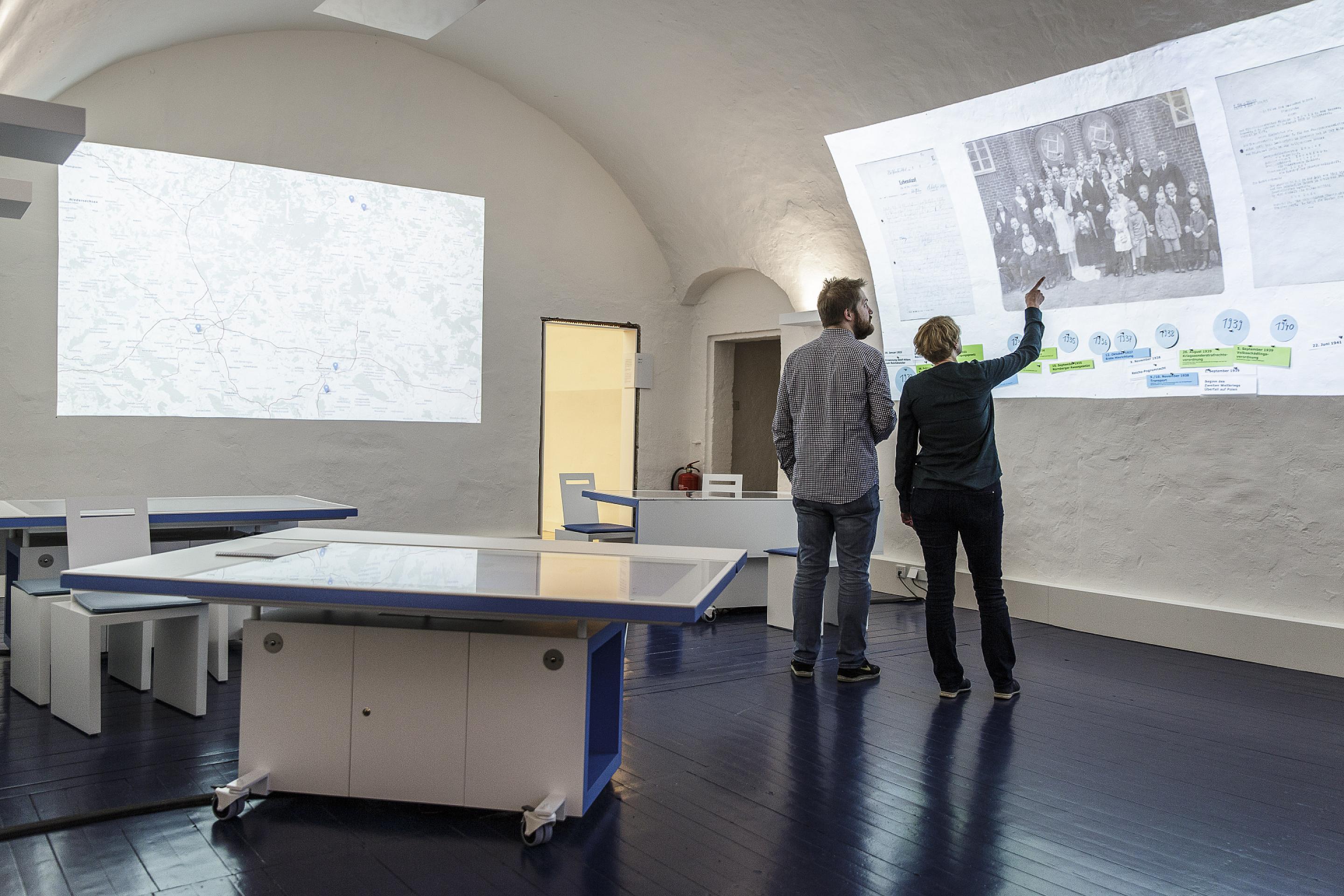
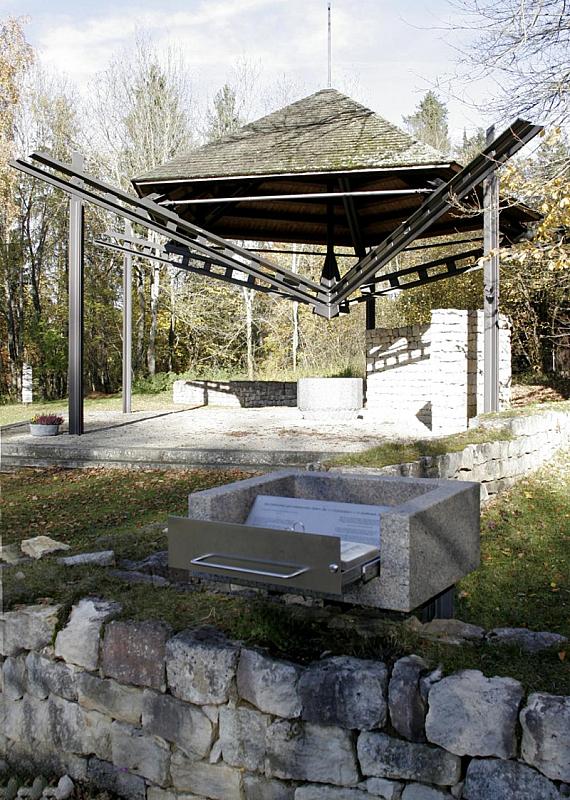
In April 1990, the Lower Saxon Ministry of Justice set up a documentation and memorial site to the victims of Wolfenbüttel. In 1999, a permanent exhibition followed with the title »Judicial System in National Socialism«. After a fundamental renovation in the years 2014 to 2016, new interactive and multimedia elements can be used for educational purposes. The former execution building is accessible also in which the 527 executed women and men are commemorated by name.
Since 2004, the Wolfenbüttel memorial has been incorporated into the Lower Saxon Memorials Foundation.
Possibilities
Permanent exhibition with interactive elements, replies to individual enquiries, guided tours, wide range of educational offers, advanced training for teachers
Open
Tuesday to Sunday 10 a.m. to 5 p.m.
Contact
http://wolfenbuettel.stiftung-ng.de
wolfenbuettel@stiftung-ng.de
+49 (0)5331 935 50 10
Am Herzogtore 13
38300 Wolfenbüttel