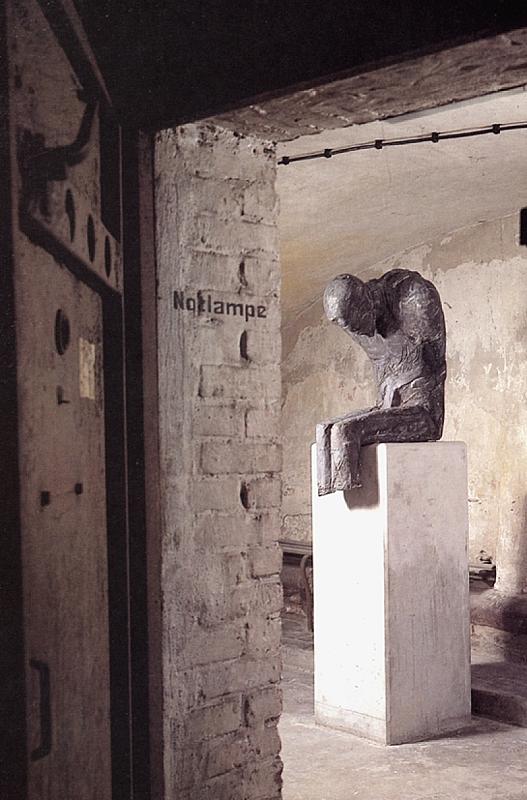
»Wolf's Lair« – Former Führer Headquarters
»Wilczy Szaniec« – Ruiny byłej kwatery Hitlera
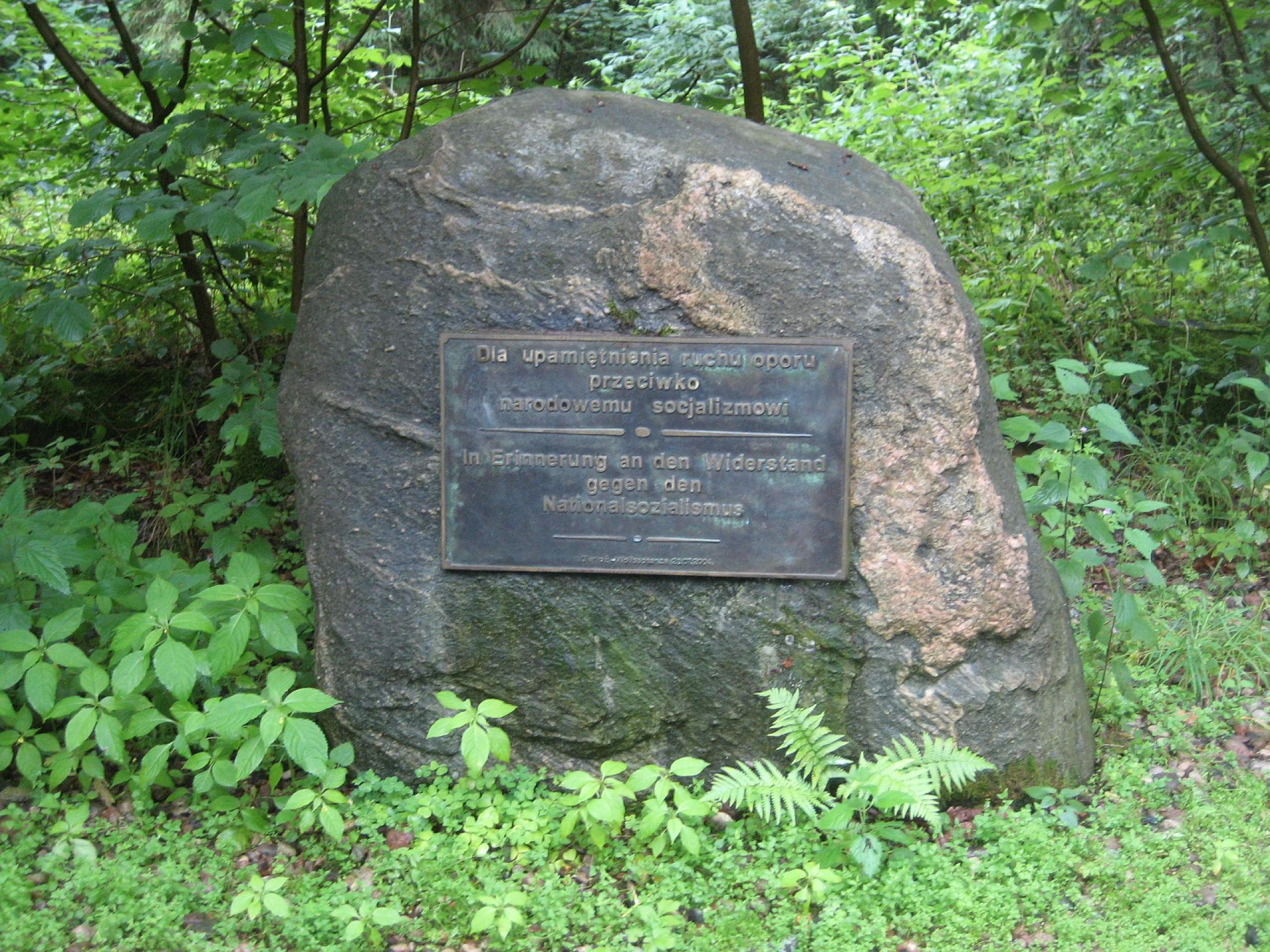
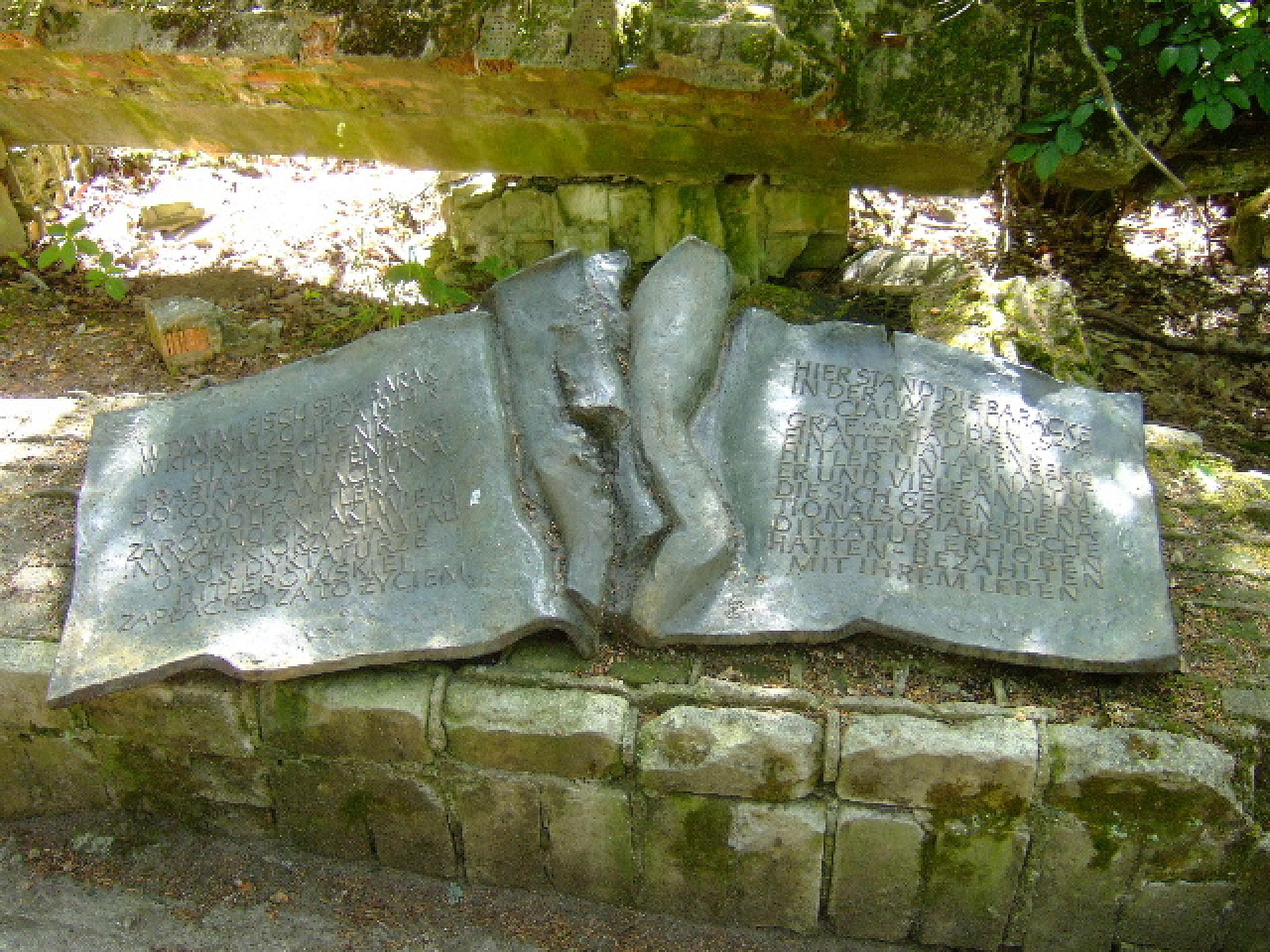
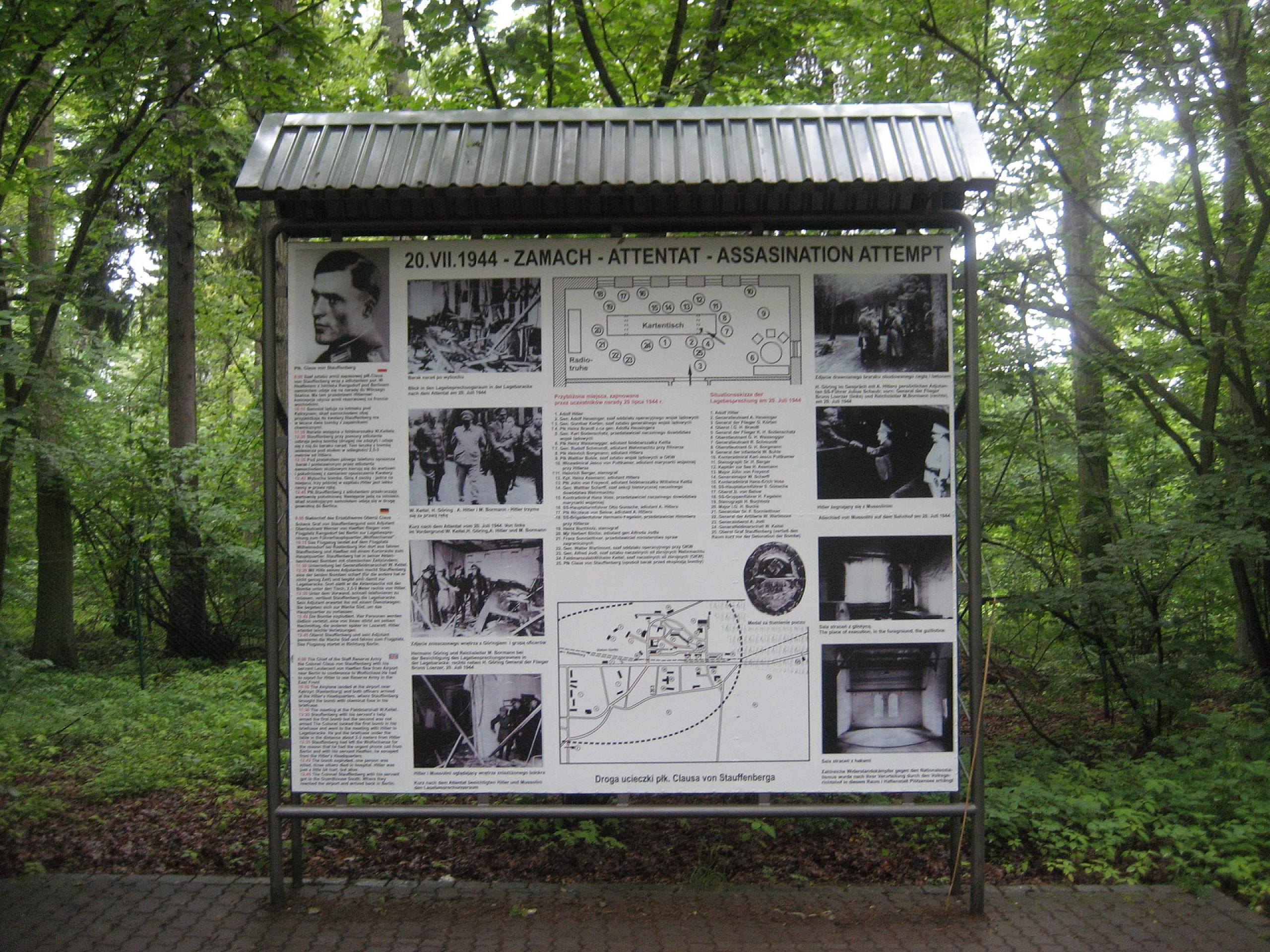
Two memorial plaques and an information board on the premises of the former »Wolf's Lair« Führer Headquarters in Kętrzyn in Masuria commemorate Graf von Stauffenberg's failed plot to assassinate Hitler on July 20, 1944, and honour the »resistance to National Socialism«.
History
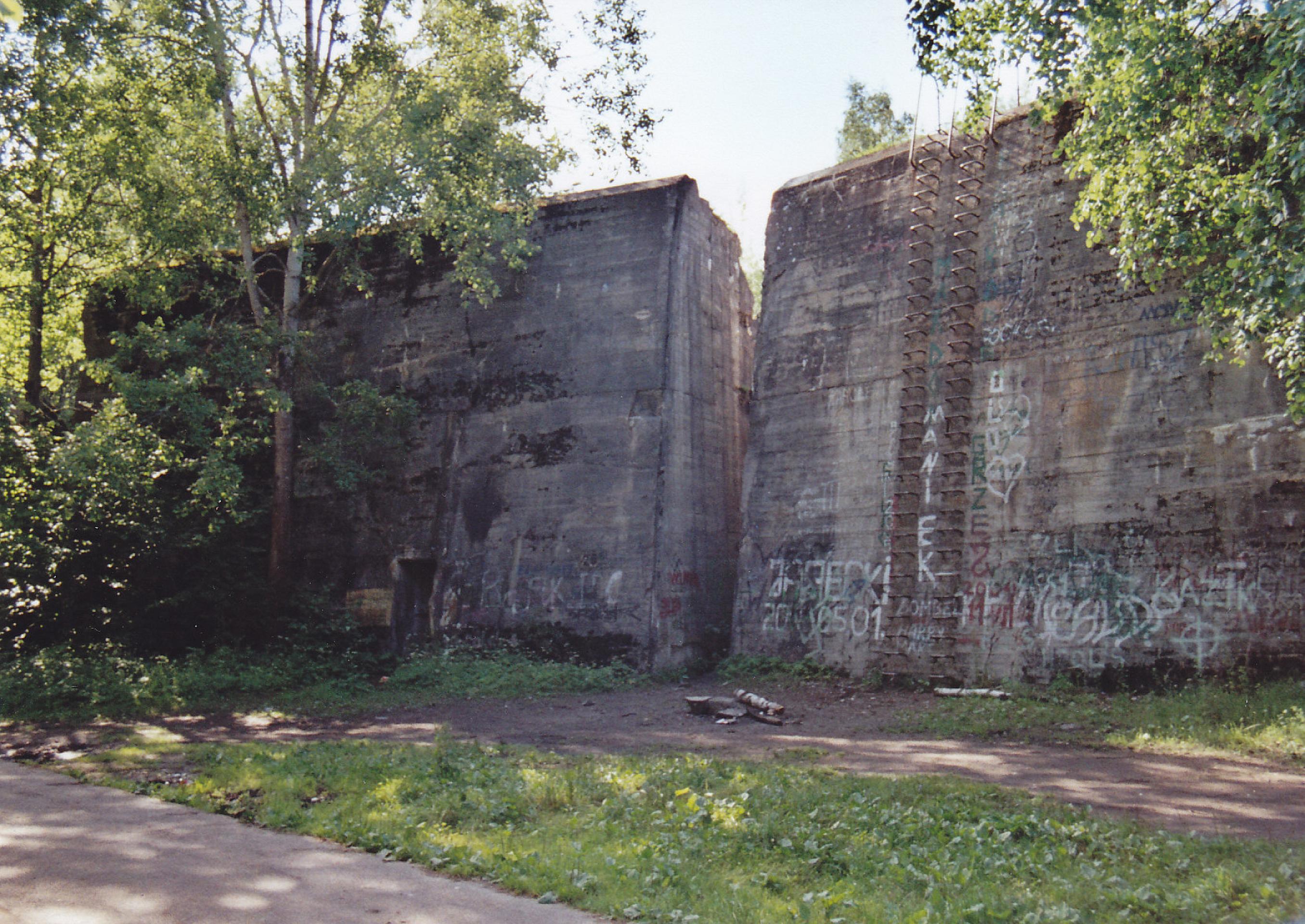
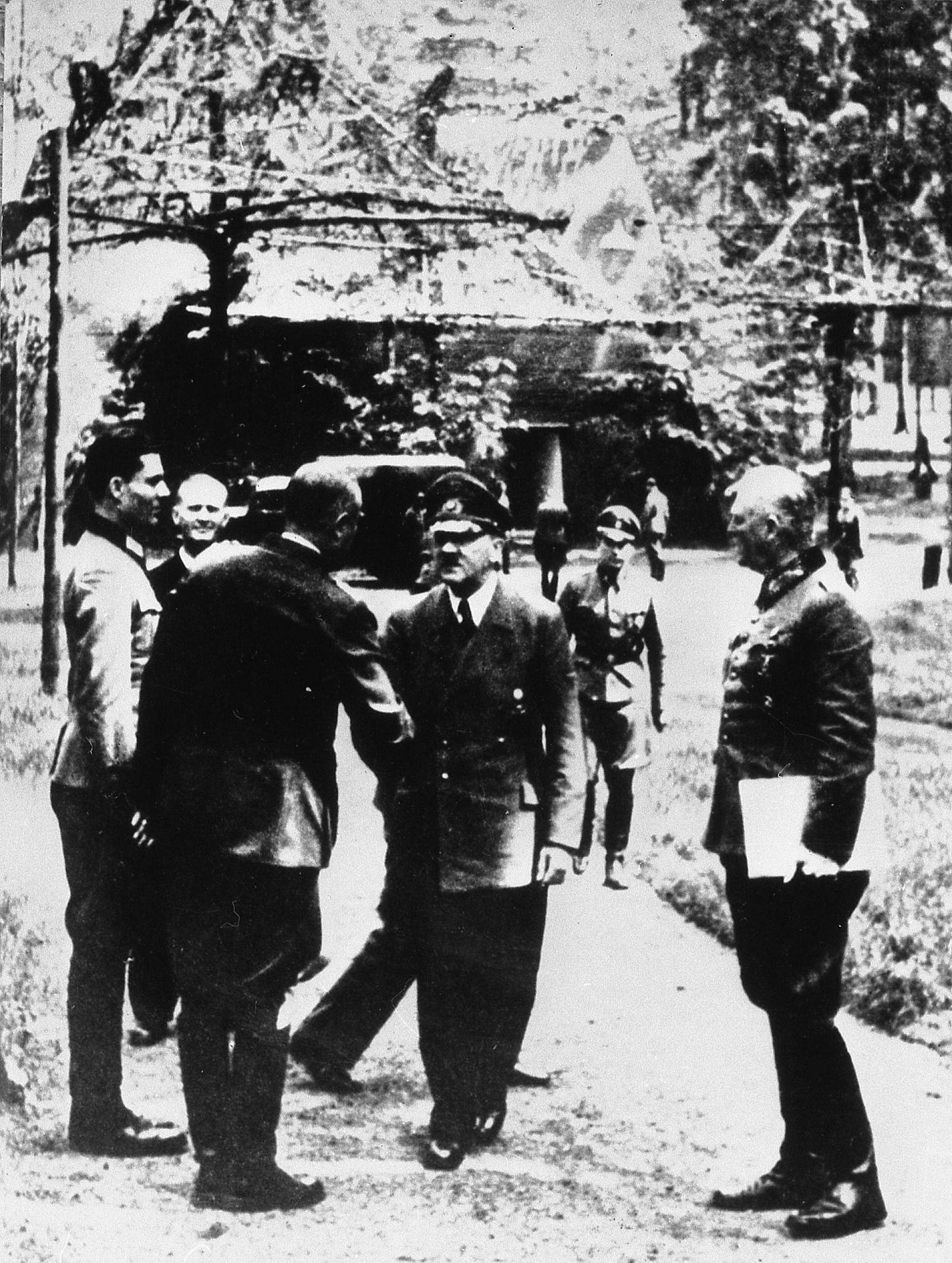
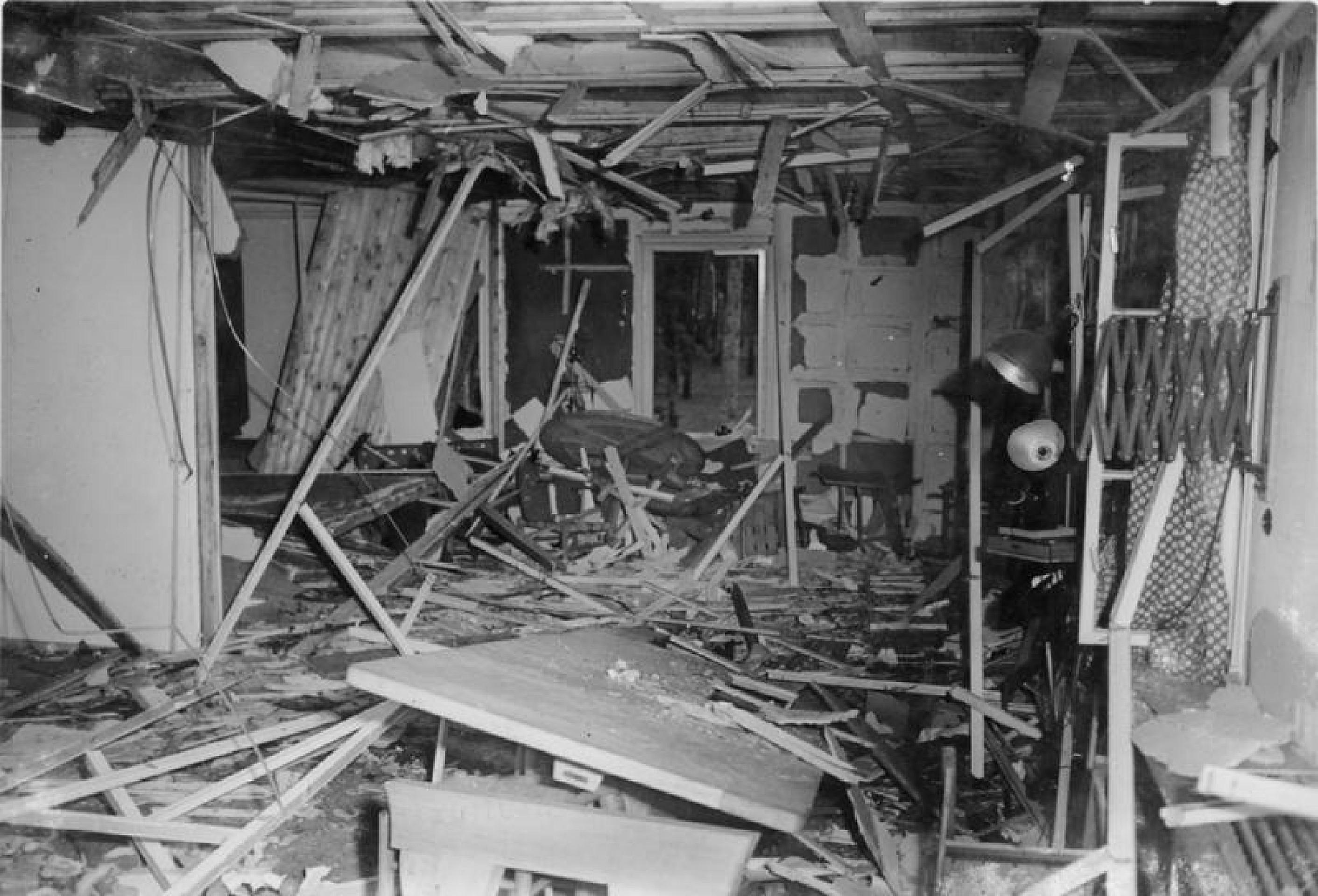
The »Wolf's Lair« complex was built for the planned invasion of the Soviet Union; construction was begun in autumn 1940. Bunkers and barracks for 2,000 people were built in the woods near the East Prussian town of Rastenburg. Between Hitler's first arrival at the site on June 24 until November 20, 1944 – with only a few interruptions – the Führer Headquarters was the centre of power of the Third Reich and high command of the military, especially while the war of extermination was perpetrated in the east. The Army High Command and Reichsführer-SS Heinrich Himmler and others also had headquarters with bunkers in the vicinity. The defeat of the German troops in Stalingrad at the beginning of 1943 was a turning point for the Wehrmacht: German units were now on the retreat from the Red Army. Resistance to the National Socialist regime was forming, also within the ranks of the military and among the aristocracy. 37-year old Claus Schenk Graf von Stauffenberg became the leading figure in a plot to overthrow the regime. Together with other opponents of Hitler, he developed a plan called »Operation Valkyrie«. The main aim was to assassinate Hitler. Stauffenberg had access to the innermost circles of power due to his rank as chief of staff of the reserve army. On July 20, 1944, he carried out the assassination attempt at the »Wolf's Lair« with an explosive charge. Unaware that the attempt had failed, Stauffenberg tried to overthrow the government, yet on the following night his plans were put to an end. A group of officers faithful to the regime arrested the conspirators in Berlin and shot Stauffenberg as well as three others.
In 1945, the southern part of East Prussia, including the partly bombed bunkers of the »Wolf's Lair«, became part of Poland. It took until 1955 for soldiers to clear 55,000 mines and 200,000 pieces of ammunition from the premises. A few years later, the district administration opened the area to tourists. The site has attracted a growing number of visitors since the transformation of 1989/90, and there is now a campsite, several kiosks and a hotel to cater to them.
Victims
The July 20 plot, organised by Stauffenberg in the »Wolf's Lair« Führer Headquarters, and »Operation Valkyrie« are considered the highest-ranking and most extensive coup attempt of the military resistance against Adolf Hitler's National Socialist regime. About 200 conspirators were executed or pressured into committing suicide.
Remembrance
It took decades before the courage of those who participated in the July 20 plot was acknowledged in the post-war German states. Today, the date marks an official »remembrance day to the resistance against the National Socialist dictatorship«. Outside of Germany, too, the events are now evaluated in a more balanced manner. Poland, the state with the highest number of victims during the Second World War, was at first reluctant to deal with the heritage of this historic site. In 1992, Stauffenberg's three sons took part in the unveiling of a memorial plaque, which reads in Polish and in German: »Here stood the barrack in which Claus Schenk Graf von Stauffenberg carried out an attempt on Hitler's life on July 20, 1944. He and many others who stood up to the National Socialist dictatorship paid with their lives.« Already in November 1989, German chancellor Helmut Kohl and his Polish counterpart Tadeusz Mazowiecki decided on commemorating the attempted coup in the »Wolf's Lair«, yet it took over two and half years of negotiations before they could settle on the wording of the inscription. In 1994, on the 50th anniversary of July 20, 1944, German president of the Bundestag Rita Süssmuth and president of the Polish Sejm Józef Oleksy laid down wreaths at the site. In the 2000s, a further bronze plaque was dedicated. The bilingual dedication reads: »In memory of the resistance to National Socialism«. The information board, which is located close to the two memorial plaques, only deals with the history of the failed July 20 plot; the history of the »Wolf's Lair« as a historical site of the perpetrators and a centre of power of the National Socialist dictatorship in Europe are not addressed.
Possibilities
Guided tours
Open
The premises are accessible from 8 a.m. until sundown
Contact
kontakt@wolfsschanze.pl
+48 (0)89 752 4429
Gierłoż 5
11-400 Kętrzyn