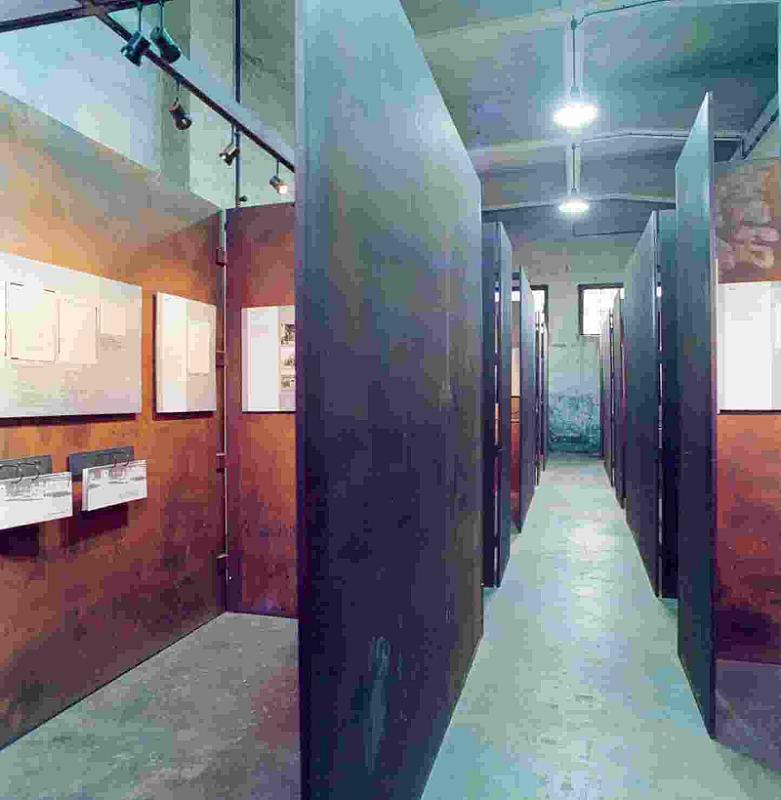
The state memorial Yad Vashem is Israel's central Holocaust remembrance authority.
History
The idea for establishing a central memorial to the victims of the genocide of the European Jewry in Jerusalem came about in 1942, when the end of the war was not yet in sight. It was proposed by members of the Jewish National Fund, an organisation with the aim of creating a Jewish state in the British mandate Palestine. Its later name Yad Vashem (roughly translated as: Memorial and Name) emerged early on. It comes from a biblical verse in the Book of Isaiah: »And to them I will give in my house and within my walls a monument and a name better than sons and daughters; I will give them an everlasting name that shall not be cut off«. At the end of the war in Europe, when the scale of the genocide was becoming evident, the idea began taking shape. Central elements of the later memorial were decided upon already in the summer of 1945: an eternal flame for the victims, gathering the names of the murdered, a memorial to the destroyed Jewish communities, memorials to Jewish resistance fighters and participants of ghetto uprisings, a permanent exhibition on the concentration and extermination camps as well as honouring non-Jewish helpers and rescuers.
These plans could only be realised after the War of Independence and the creation of the State of Israel. In 1953, the Israeli parliament passed a law founding the Yad Vashem Memorial in Jerusalem.
Victims
The memorial is dedicated to the up to six million murdered Jews of Europe as well as the Jewish resistance fighters and non-Jewish helpers.
Remembrance
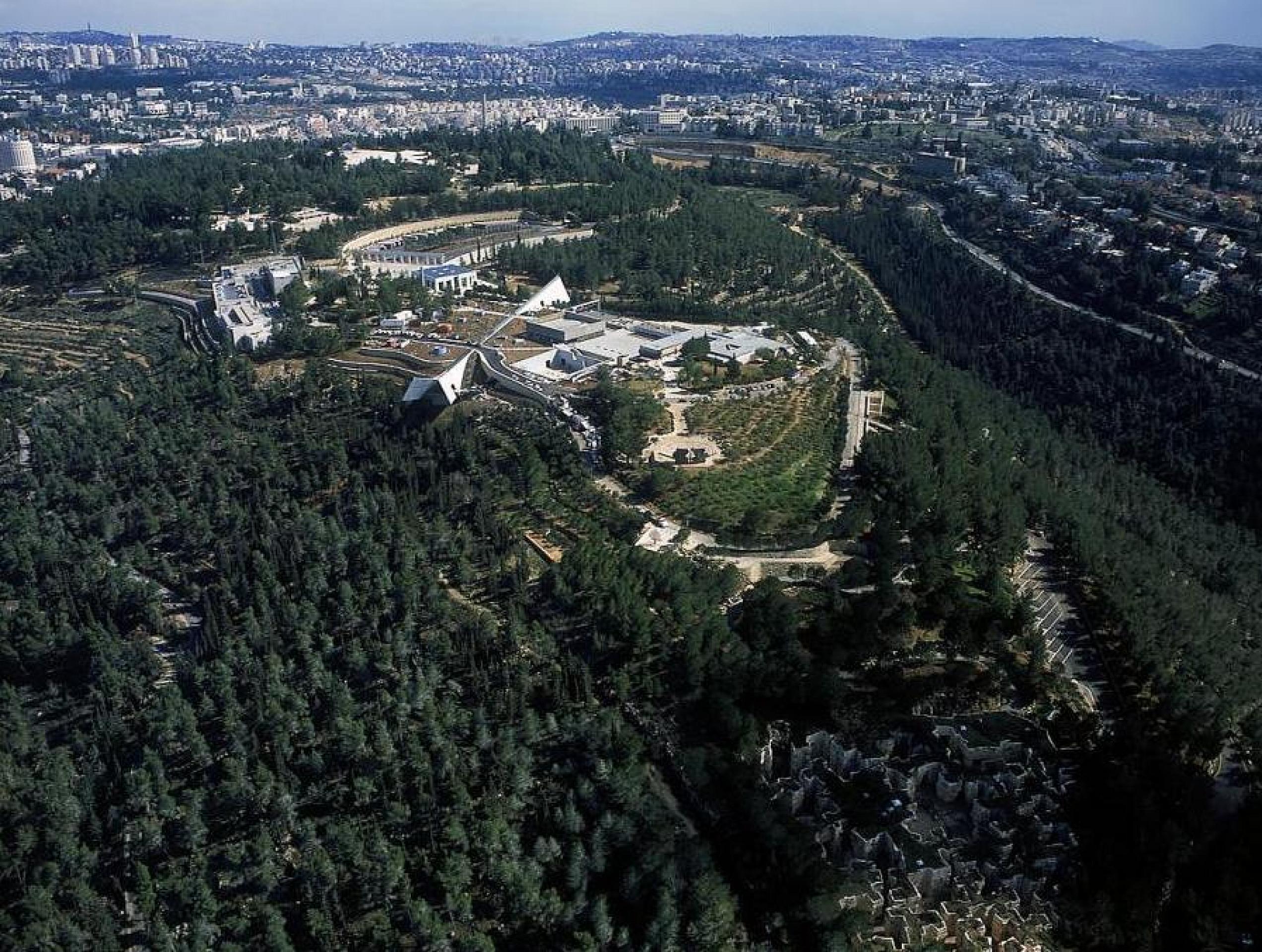
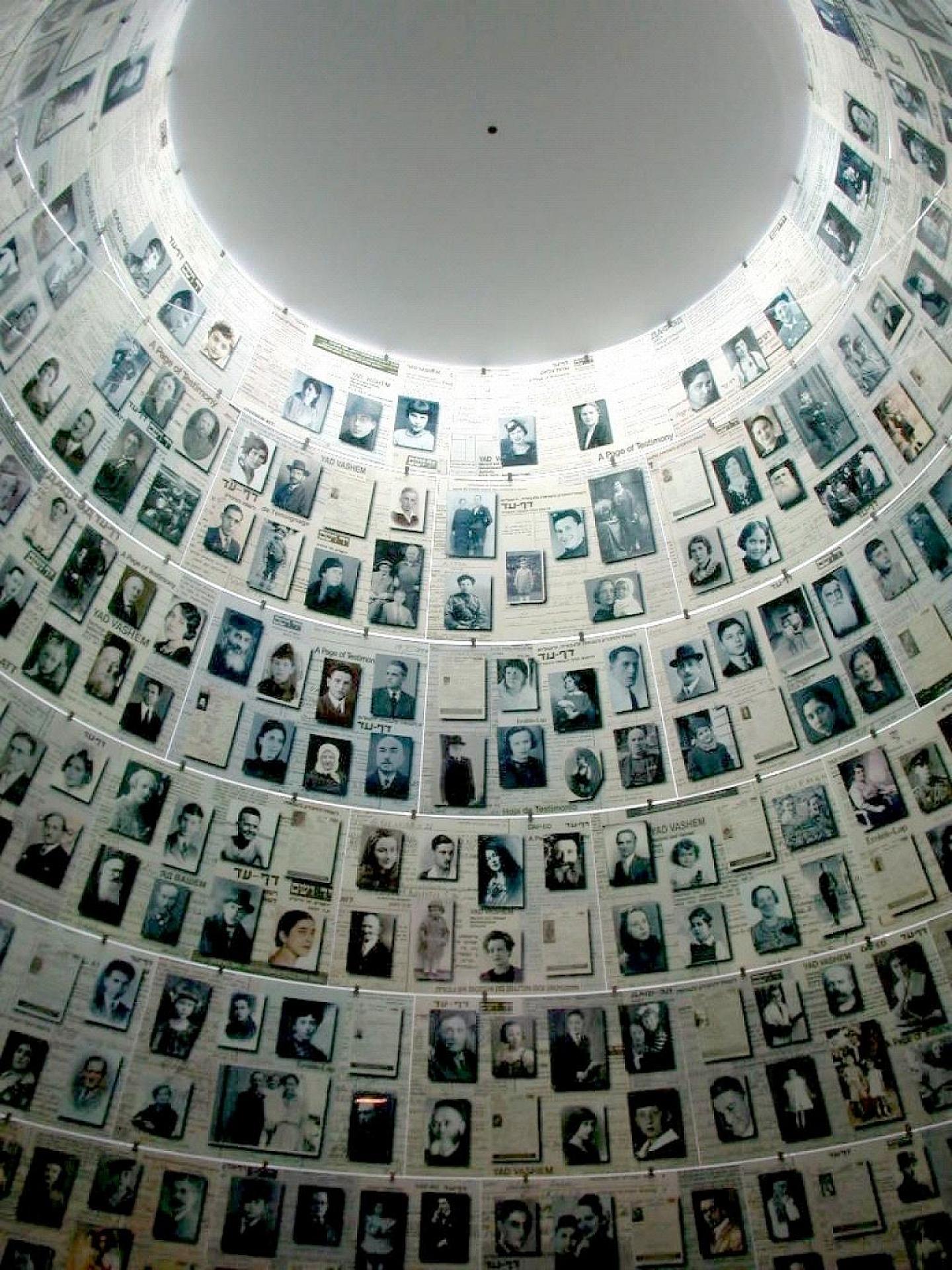
From the start, Yad Vashem was to fulfil several functions as the central Holocaust memorial of Israel: commemorating the victims, conducting research and serving as an information centre on the Holocaust - not only to young Israelis but also to visitors from all over the world. The memorial is located on Har HaZirakon, Mount of Remembrance, in the west of Jerusalem. In 1955, Yad Vashem began collecting the names of the murdered European Jews. These were gathered with the help of the so-called Pages of Testimony, which survivors filled out providing information about their murdered relatives. Over the decades, more than 4 million names could be collected, and they are registered in a publicly accessible database.
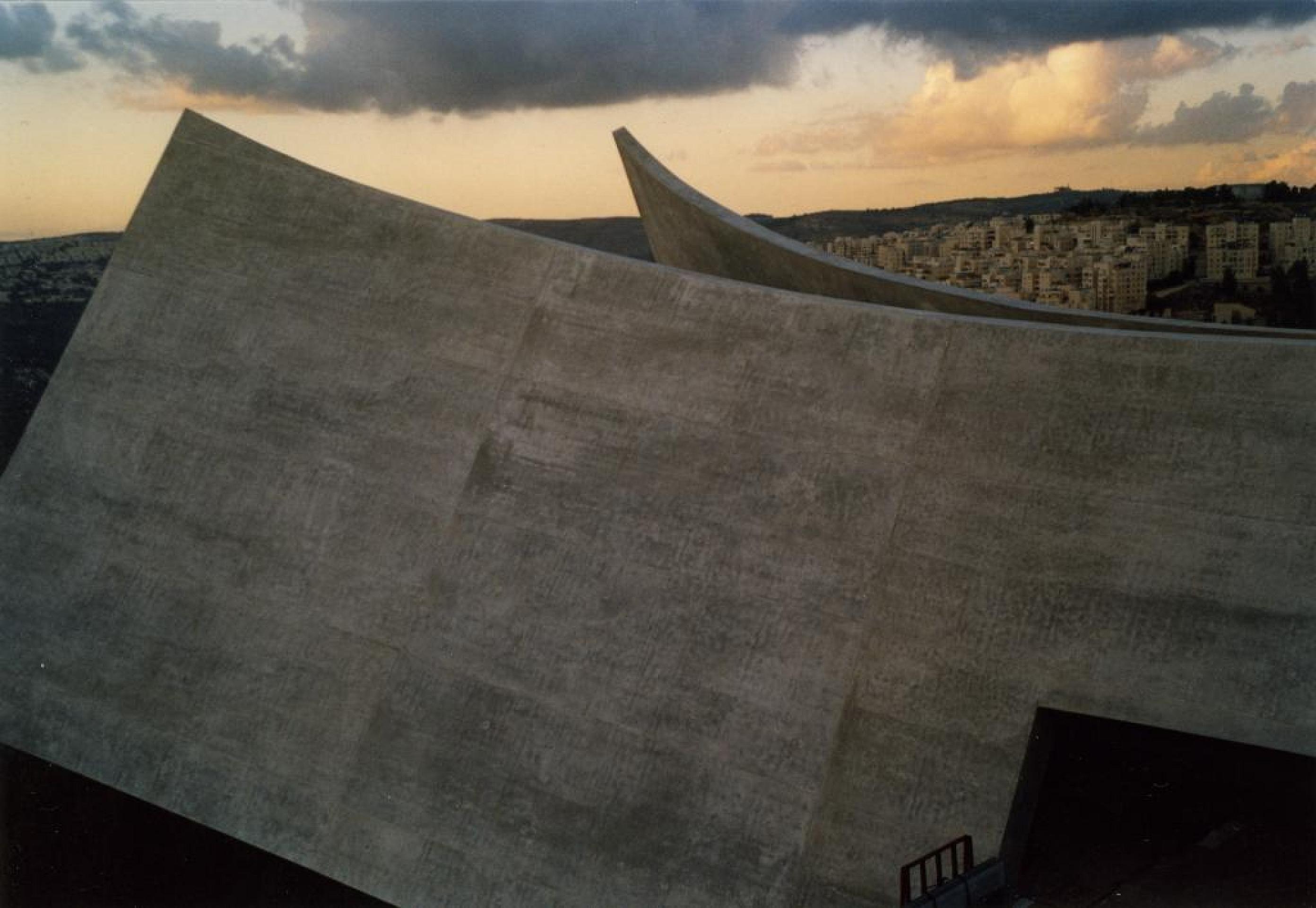
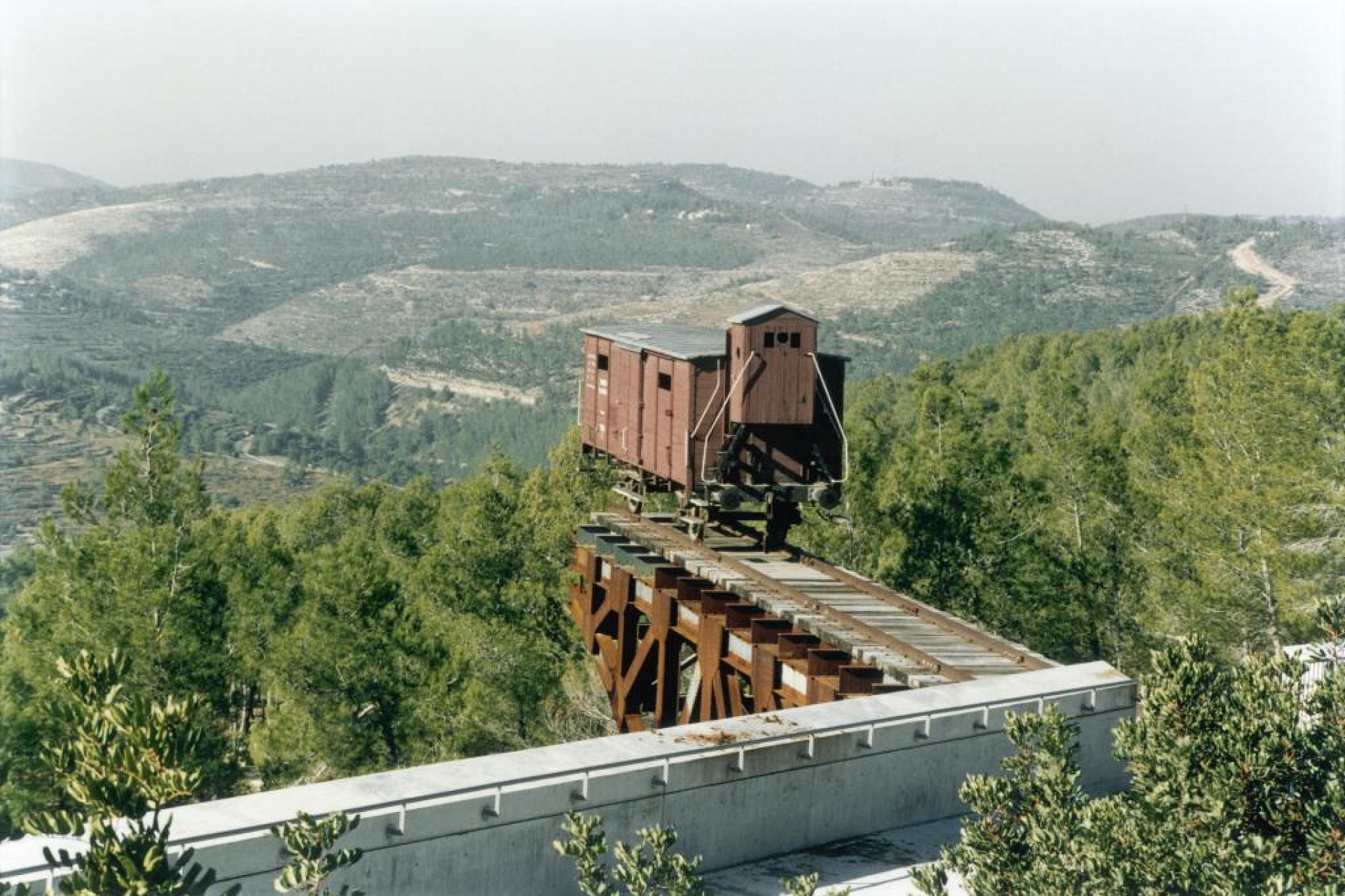
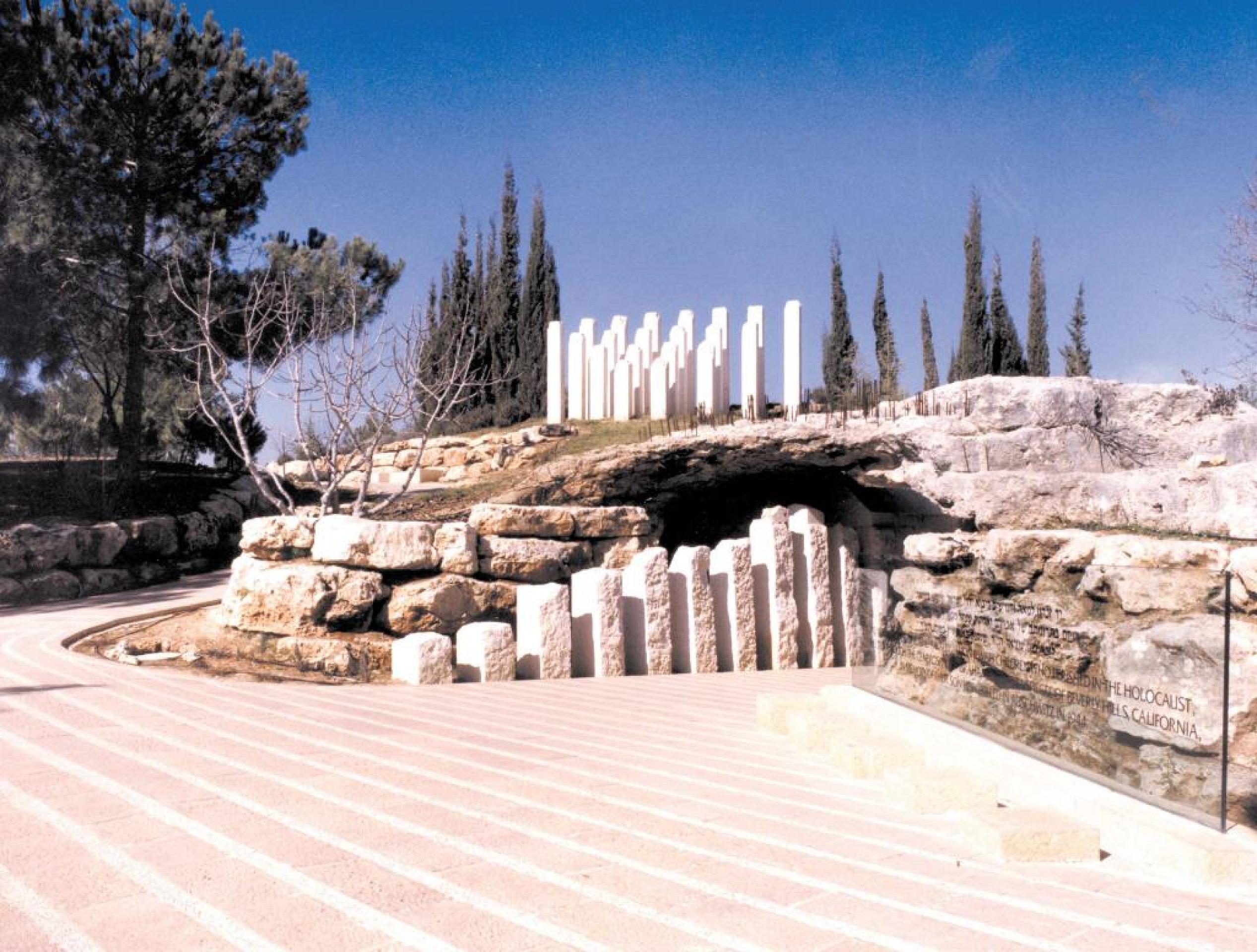
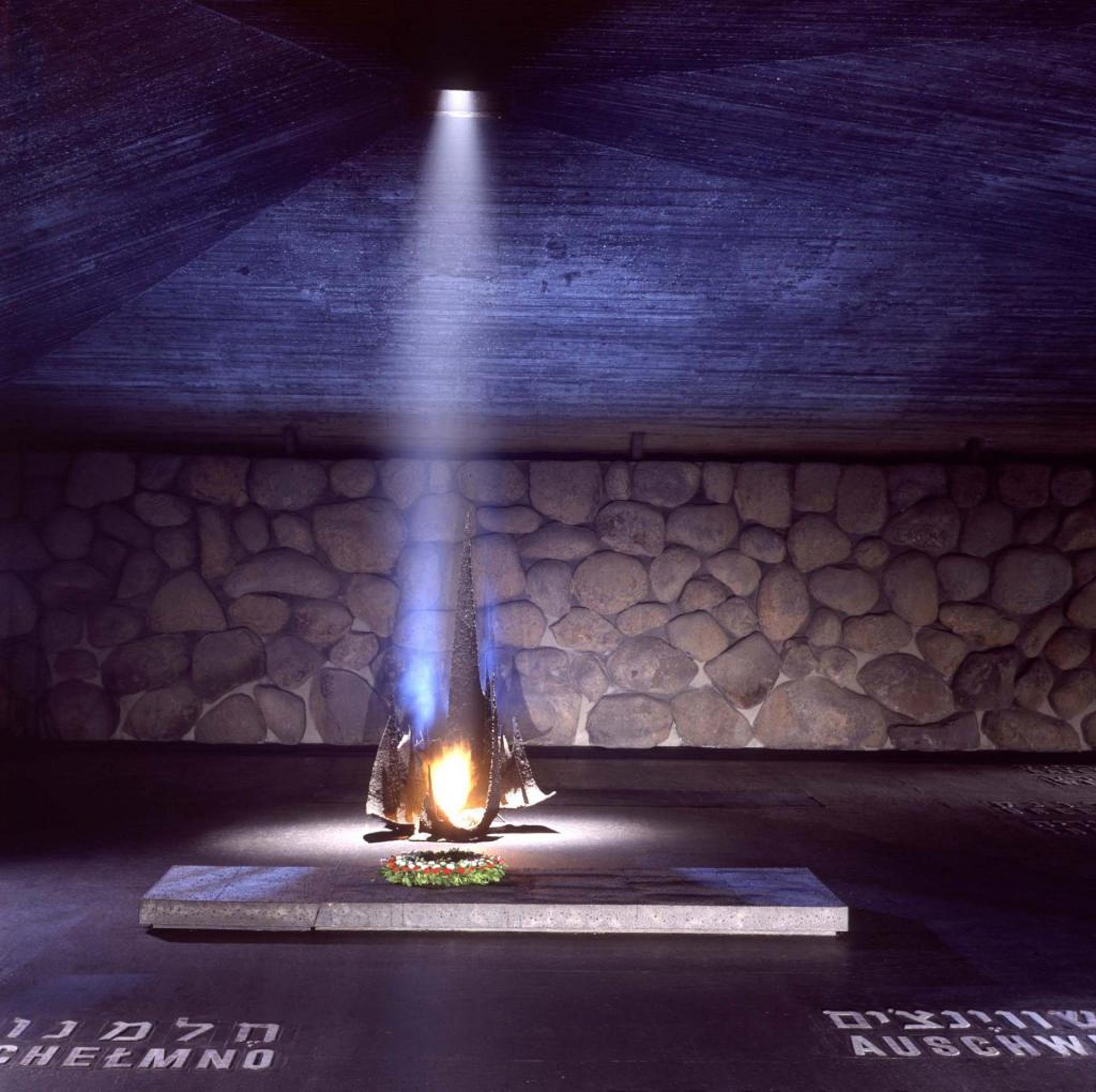
The area of Yad Vashem comprises numerous memorials, monuments and buildings. In 1961, the Hall of Remembrance containing an eternal flame was opened. In the following year, the Avenue of the Righteous Among the Nations was laid down, along which trees have been planted in honour of individual rescuers and helpers. In 1987, the memorial to the 1.5 million children who perished in the Holocaust was dedicated; in 1992, the Valley of Communities in honour of the destroyed Jewish communities was inaugurated. In 2005, the new museum was opened. The new building, for the most part subterranean, contains the largest Holocaust exhibition worldwide.
Possibilities
Historical Museum, library, archive and documentation of the Holocaust, International School for Holocaust Studies, International Institute for Holocaust Research
Open
Sunday to Wednesday:
9 a.m. to 5 p.m.
Thursday:
9 a.m. to 8 p.m.
Friday and the day before Jewish holidays:
9 a.m. to 2 p.m.
Closed on Saturdays
Contact
webmaster@yadvashem.org.il
+972 (0)2 644 3400
Har HaZikaron
91034 Jerusalem