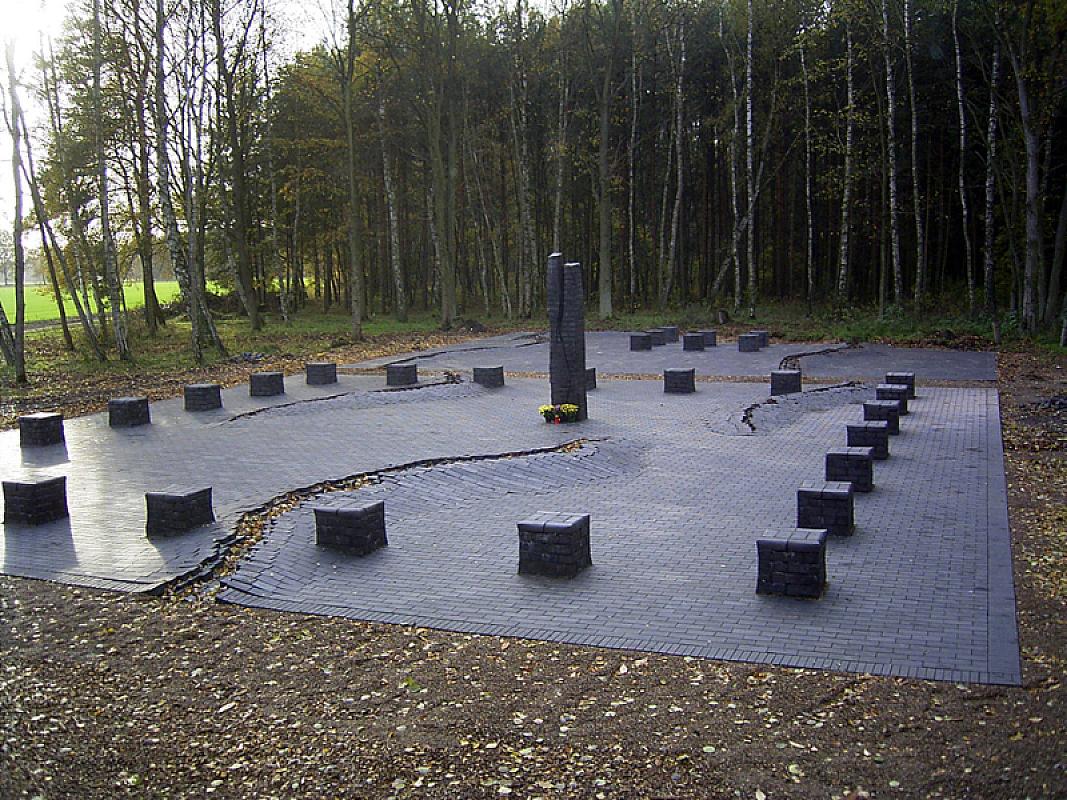
Yama – Memorial to the Murdered Jews from the Minsk Ghetto Мемориальный комплекс Яма / Мэмарыяльны комплекс Яма
Pamjatnik Jama
Several monuments in the Belarusian capital of Minsk commemorate the murdered Jews from the Minsk ghetto. Between 1941 and 1943, up to 80,000 Jews were forced to live in the Minsk ghetto; almost all of them were murdered. Already in 1946, a memorial was set up on the former ghetto premises.
History
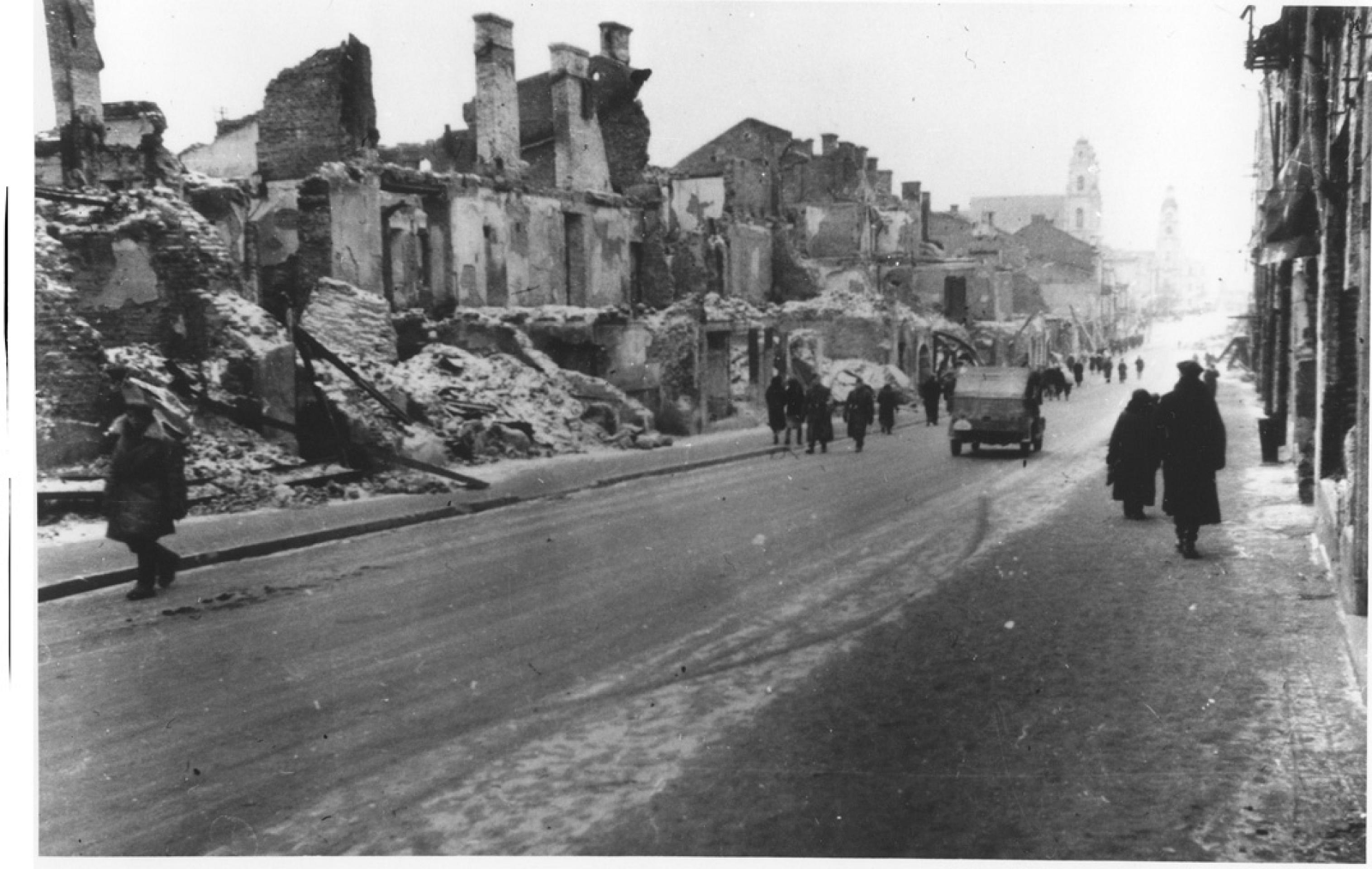
The Belarusian capital of Minsk was occupied by the German Wehrmacht on June 28, 1941. Three weeks later, on July 19, 1941, the German military administration established a ghetto for the approximately 80,000 Jews living in Minsk, by order of field commander Karl Schlegelhofer. The SS repeatedly conducted shootings of Jews, killing up to 5,000 in July 1941 alone. In autumn 1941, transports of a total of 7,000 German, Austrian and Czech Jews arrived in Minsk. The SS administration had made »room« for them in the ghetto by shooting several thousands Jews in a forest near the Maly Trostenets extermination camp. By the end of 1941, a further 17,000 Jews had arrived in Minsk; they had to move to a separate part of the ghetto, which had come to be called the »Hamburg Ghetto« in reference to the first transport from Hamburg in autumn 1941. From spring 1942 onwards, transports from the German Reich were heading directly to Maly Trostenets, where the victims were murdered immediately in the Blagovshchina forest.
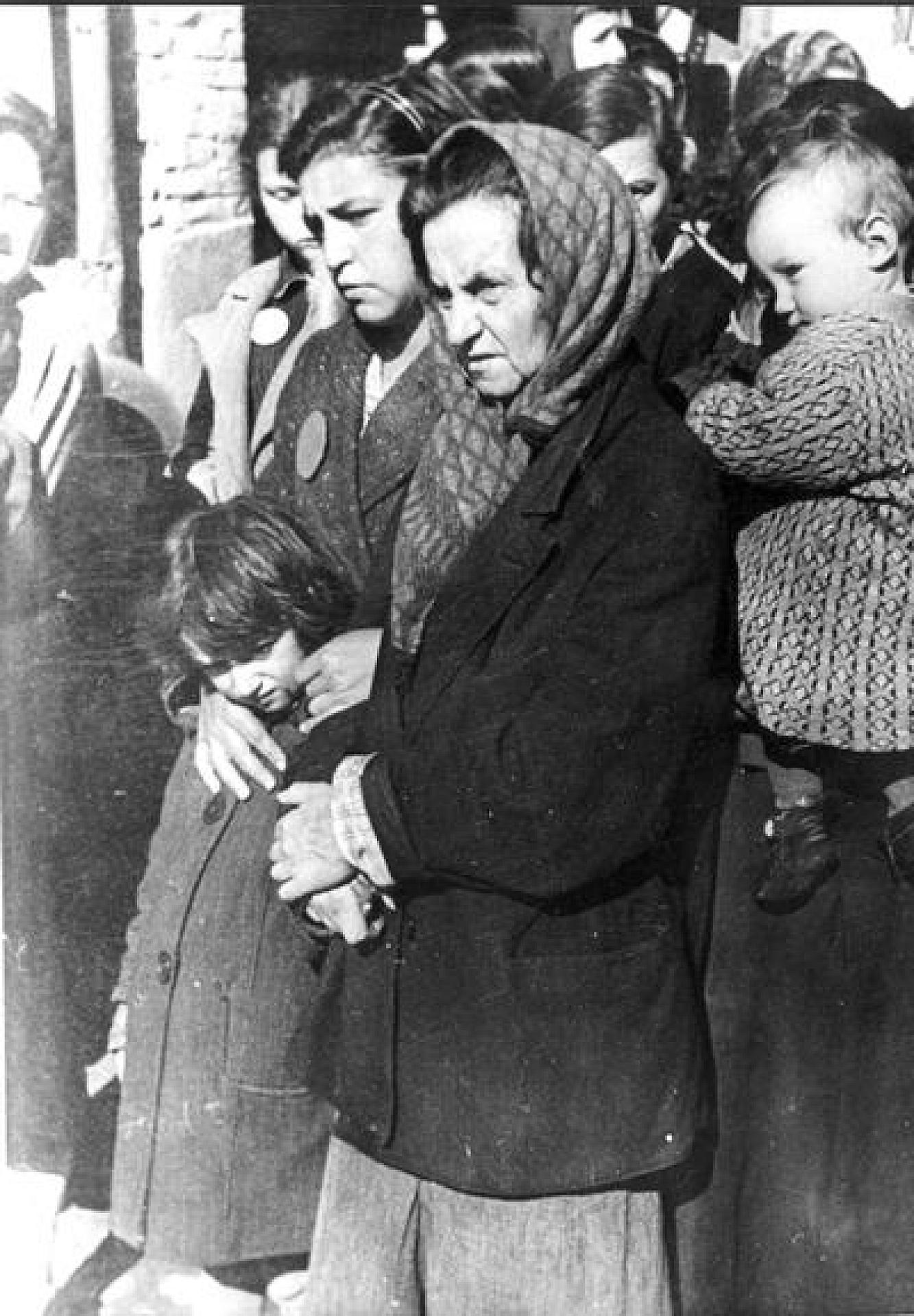
The Jews in the Minsk ghetto had to conduct forced labour. Jews deemed »unfit for labour« were murdered at Maly Trostenets. Between July 28 and 31, 1942, the SS murdered about 10,000 Jews who had not been deployed in work details. In June 1943, killing actions against Jewish forced labourers began. In September 1943, the SS dissolved the ghetto: the Jews from the Minsk ghetto were deported to labour and extermination camps. The last 2,000 Jews remaining in Minsk were murdered on October 21, 1943.
Victims
It is estimated that between 50,000 and 85,000 Jews were murdered in Minsk. Most of them came from Minsk and surrounding areas. About 24,000 of the victims were German, Austrian and Czech Jews, many from large cities such as Hamburg, Bremen, Düsseldorf, Frankfurt am Main, Berlin and Brno.
Remembrance
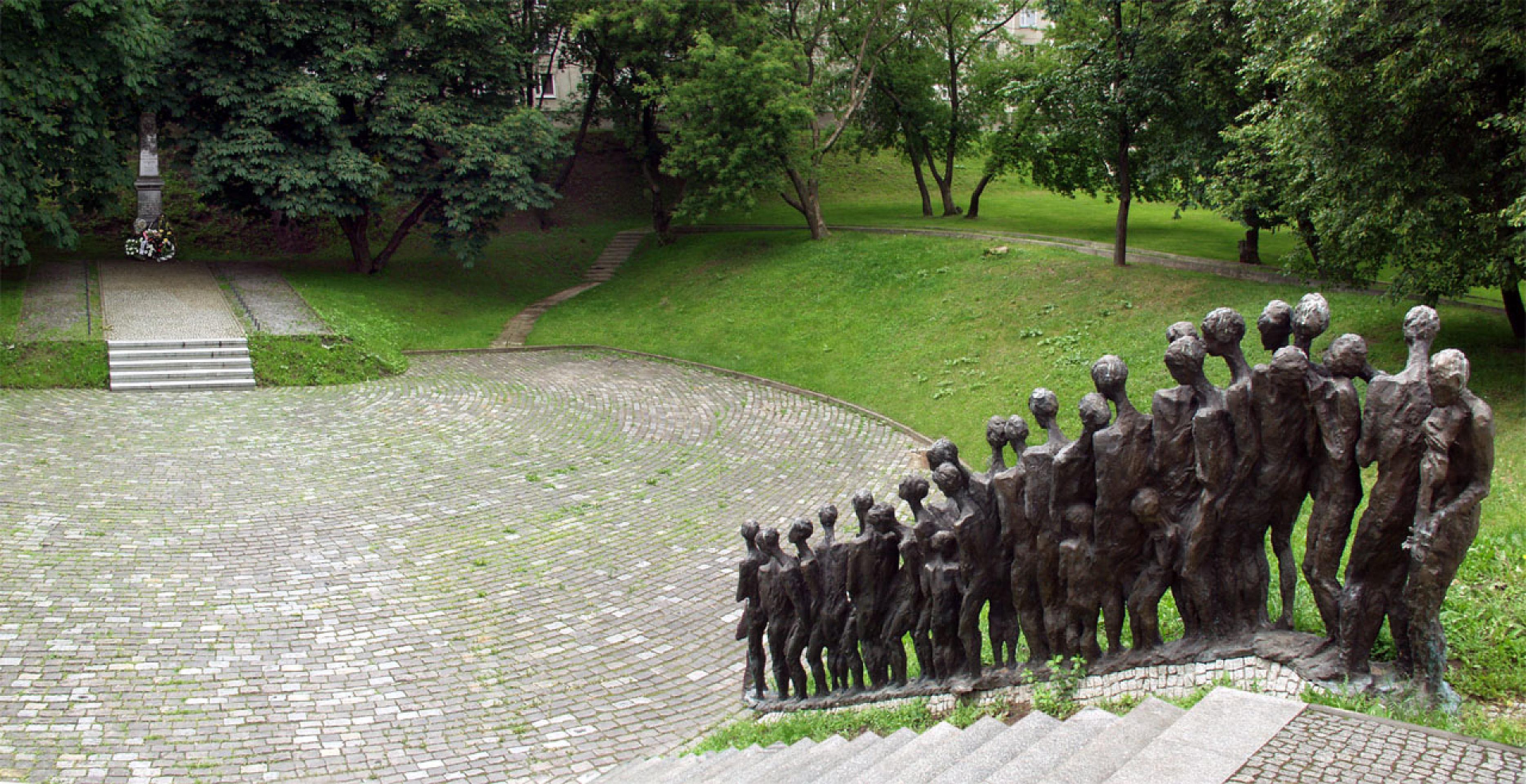
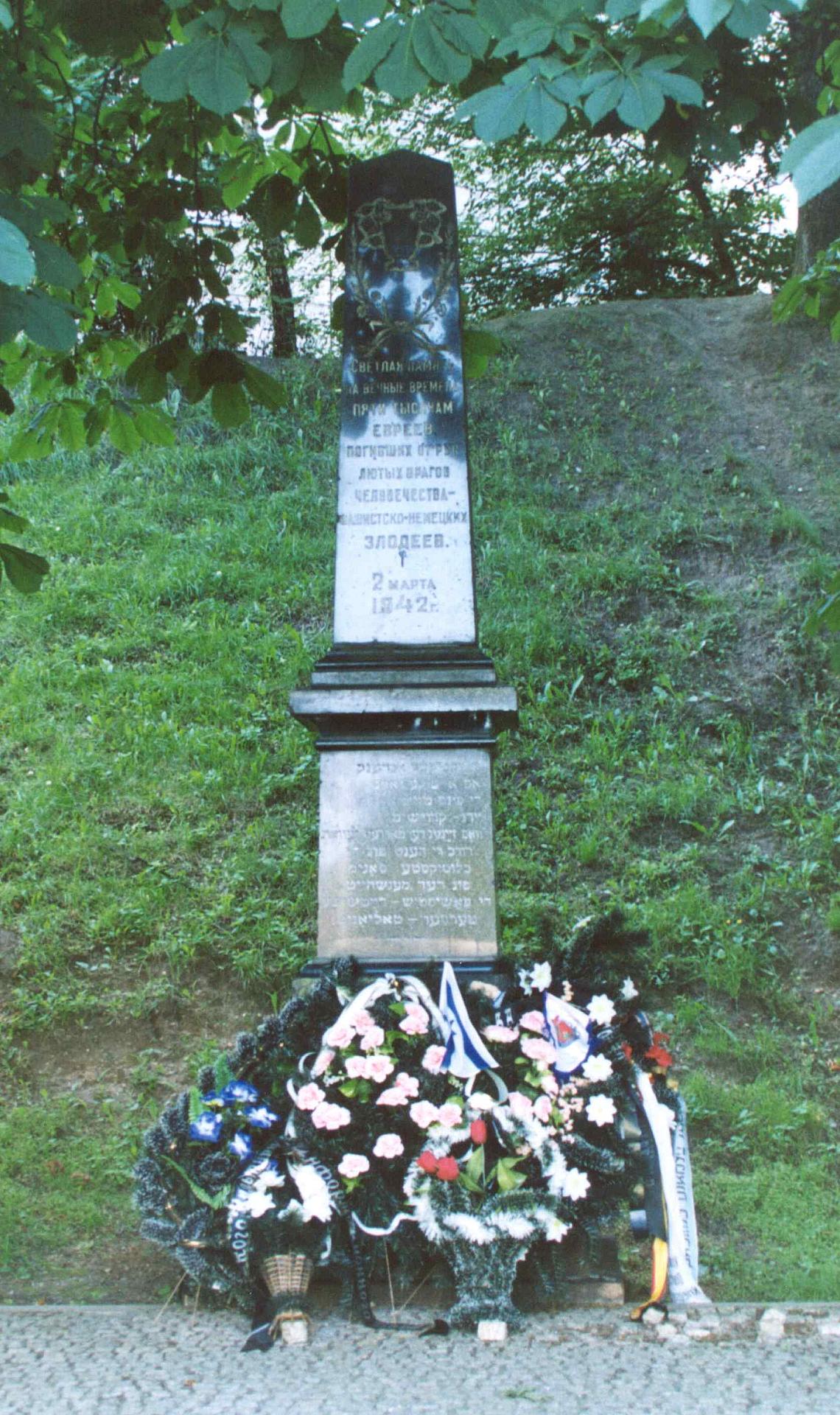
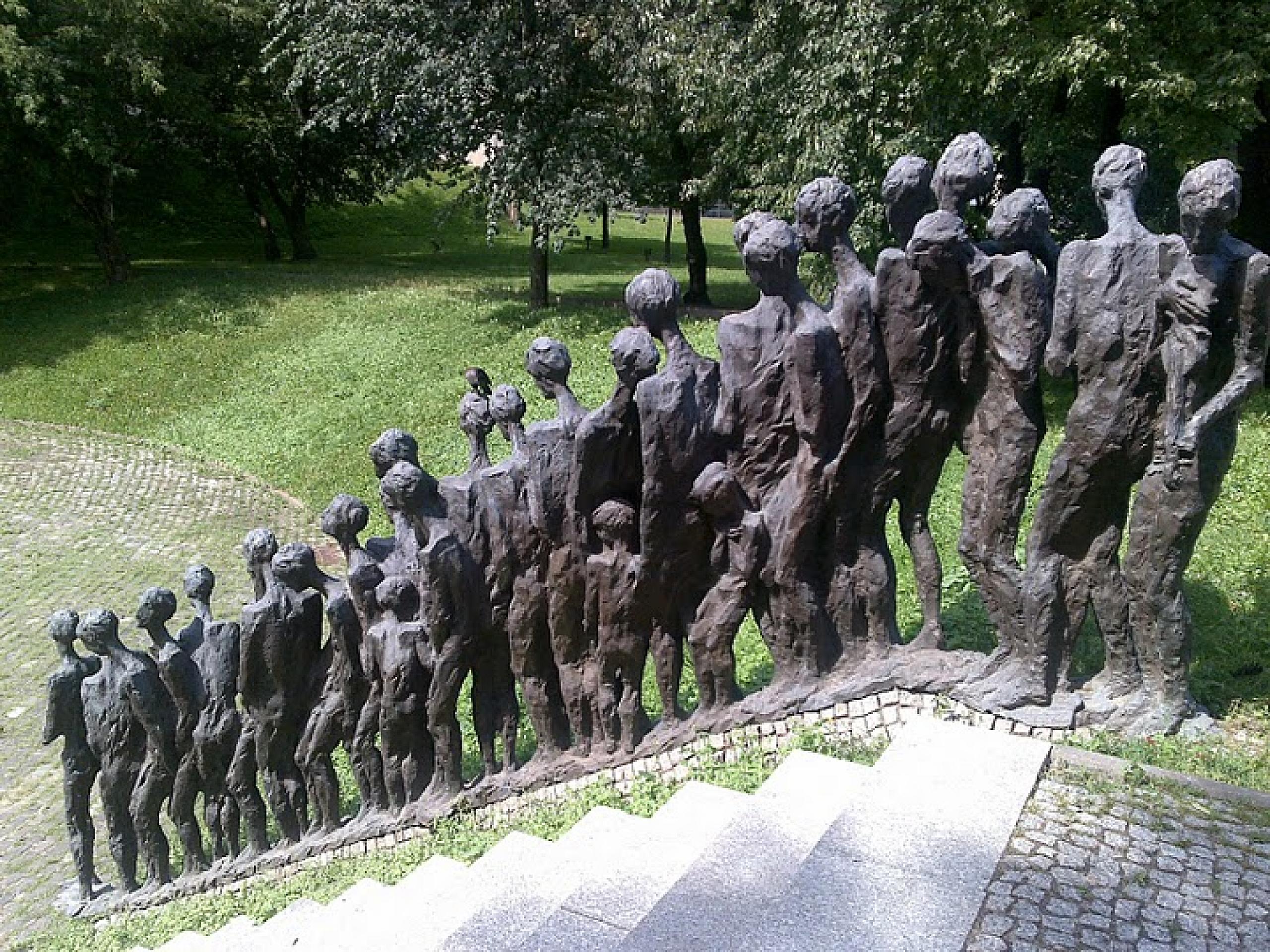
Already in 1946, a monument in honour of the murdered Jews from the Minsk ghetto was erected at a former site of mass shootings in the ghetto, the »Yama« (pit), on initiative of survivors. On March 2, 1942, about 5,000 Jews from the Minsk ghetto, including many children, had been shot on this site. The monument was one of very few in the former Soviet Union to contain a Yiddish inscription and to specifically name Jews as the victims of the genocide: »In bright remembrance for all eternity of the 5,000 Jews who perished at the hands of the cruel enemies of humanity - the fascist-German criminals, March 2, 1942.« During the Soviet era, the authorities regularly threatened to remove the monument or to fill in the entire Yama pit. Only in 1992, after Belarus had gained independence, could commemorative ceremonies be held here. In the mid-1990s, an »Alley of the Righteous Among the Nations« lined with trees bearing the names of people who rescued Jews was set up. In July 2000, a further element was added to the memorial complex: a sculpture by artists Leonid Levin and Else Pollack depicting 27 ghetto inmates climbing into the pit before being shot. At the top of the staircase is a menorah made of red stone.
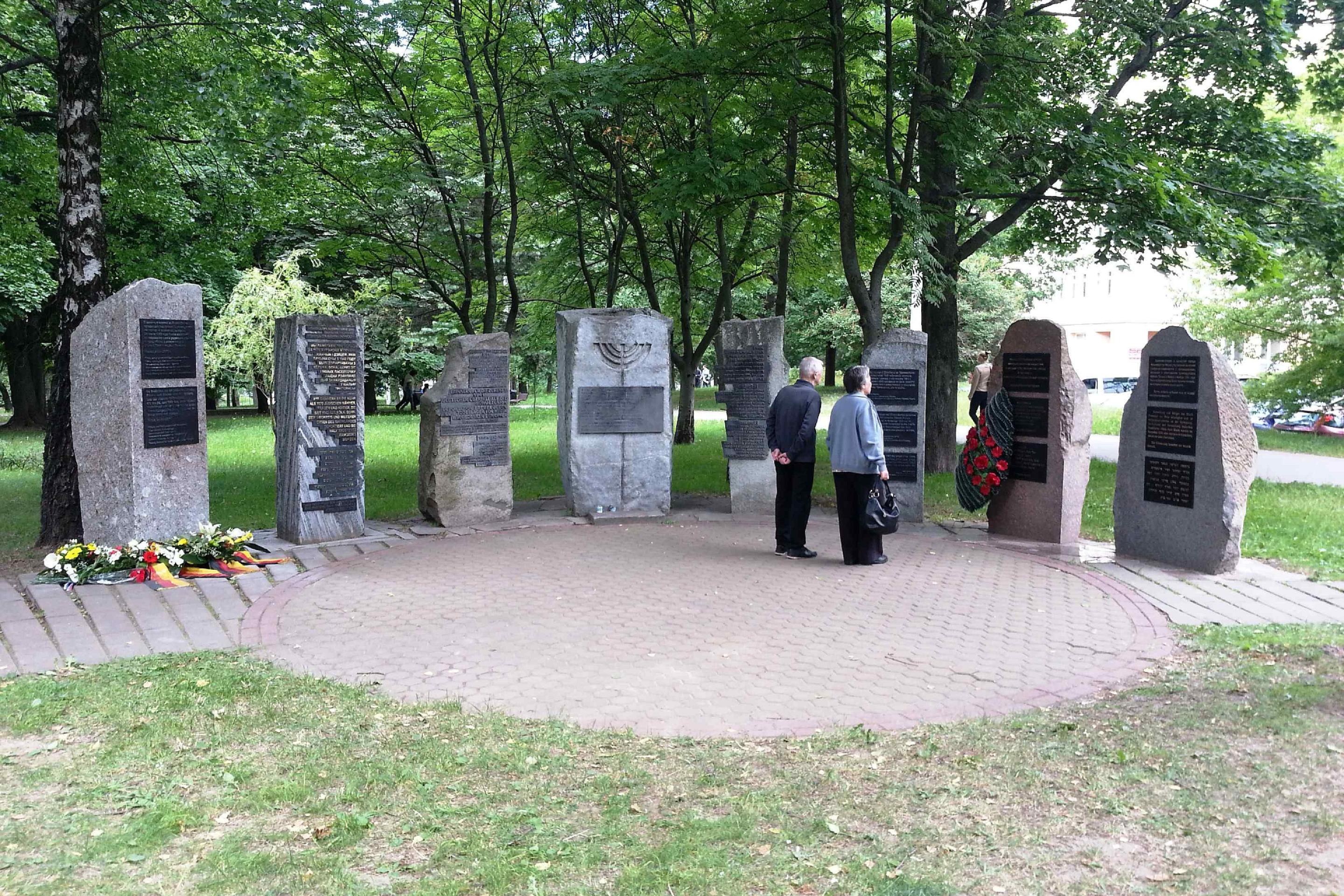
A few streets on, on the site of the former Jewish cemetery, there are several memorial stones to the German Jews who were deported to Minsk and murdered in Maly Trostenets. They commemorate, among others, the victims from Hamburg, Berlin, Vienna and Königsberg.
Open
The memorial is accessible at all times.
Contact
http://minsk-old-new.com/minsk-2881-ru.htm
ujrcrb@tut.by
+375 (80)172 366 797
Saslavskaja Straße 35
Minsk