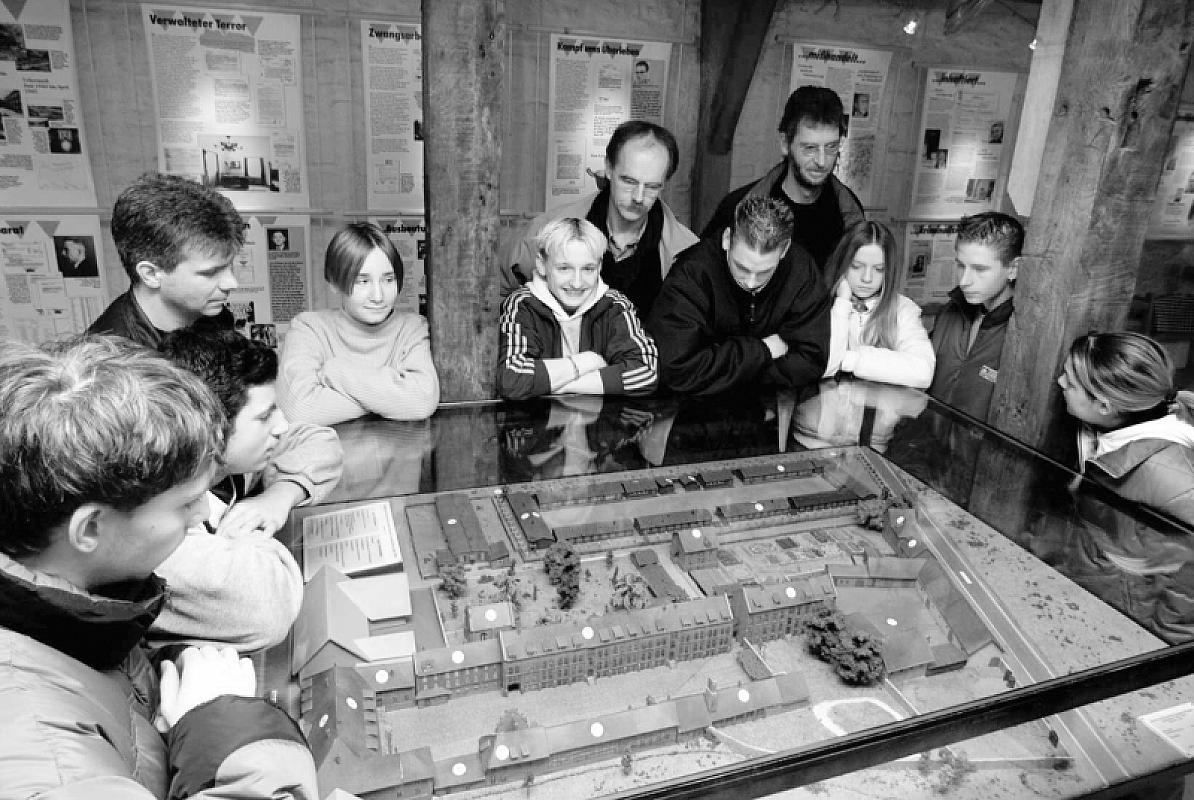
The Zeithain Memorial Grove was established in the Saxon town of Zeithain, near Riesa, in 1949. It commemorates the tens of thousands of prisoners of war who were held at Stalag 304 (IV H) Zeithain between 1941 and 1945.
History
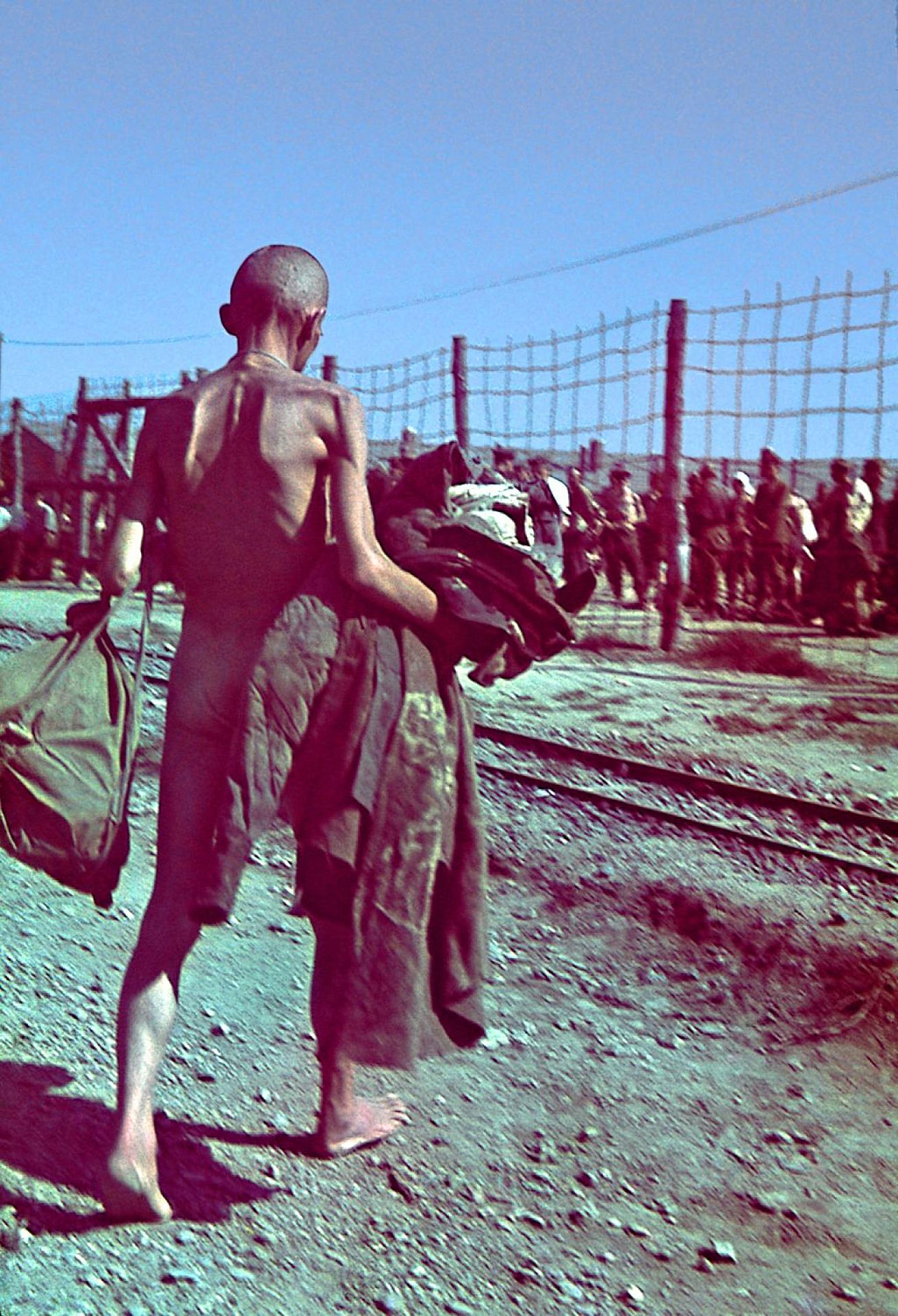
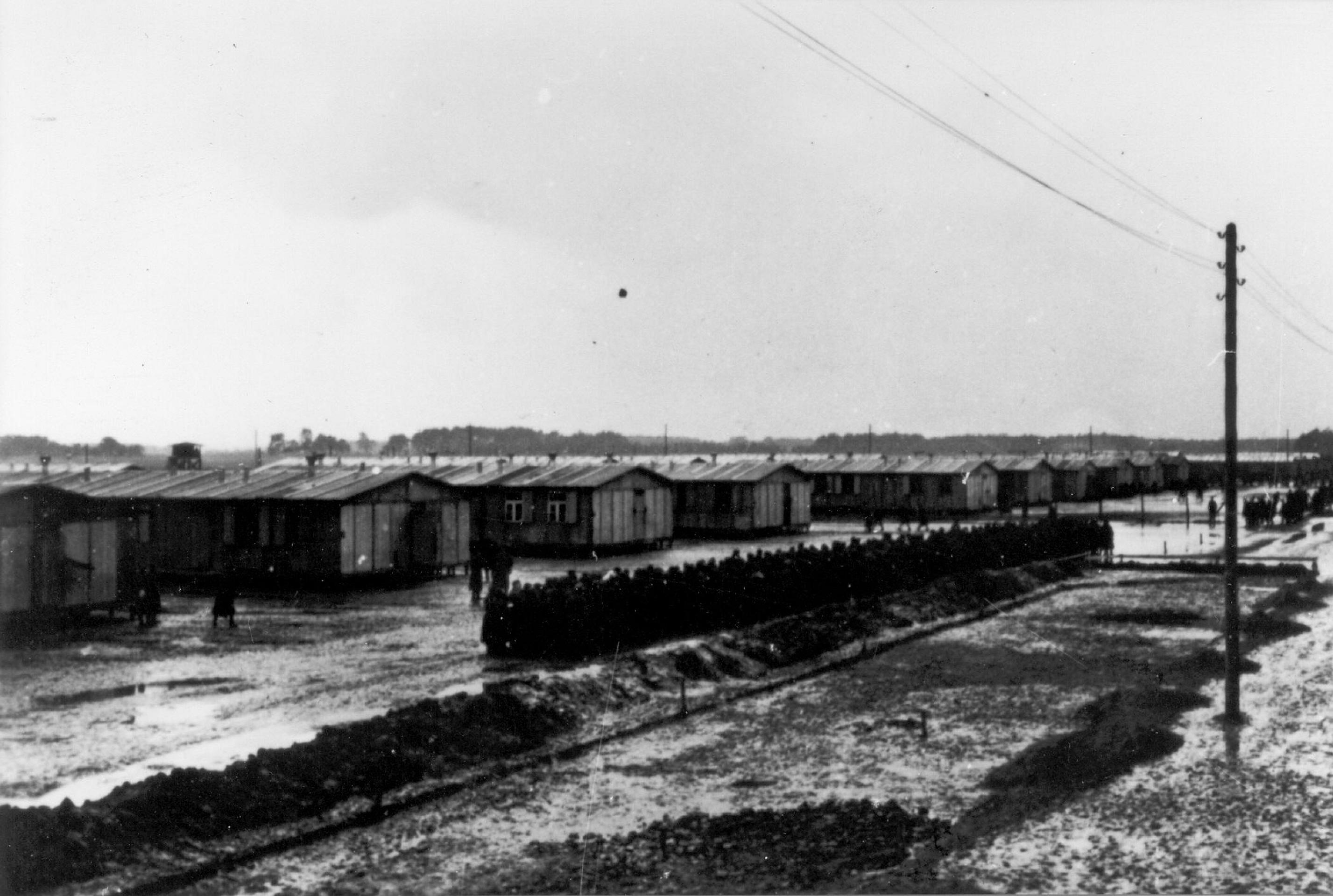
In April 1941, about two months before the German invasion of the Soviet Union, the Wehrmacht set up numerous prisoner of war camps intended solely for Russian POWs. One of these camps was established on the former drill grounds in Zeithain near Riesa. The first 2,000 prisoners of war arrived in Zeithain in July 1941. After being registered and admitted, the prisoners were left to vegetate in the open. There was no housing, and they were subjected to all weather conditions. Moreover, there was a shortage of water and food, due to which many of the prisoners fell ill. The Soviet POWs also had to conduct forced labour: from July 1941 on, they built housing for the guards as well as offices and service rooms. Only in September 1941 did they begin building barracks for themselves. The number of inmates rapidly grew, and within four weeks of the first transport there were about 32,000 people at the camp. From September 1942 on, the Zeithain camp served as a branch of the nearby Stalag IV B Mühlberg for relocating prisoners to other camps. Stalag 304 was eventually moved from Zeithain to Belgium. During that time, the camp at Zeithain became a »reserve military hospital« for Soviet POWs from the entire defence circle IV deemed incapable of working. Provisions for the ill were severely insufficient, resulting in 10 to 20 deaths a day. On April 23, 1945, units of the Red Army liberated to camps at Mühlberg and Zeithain.
Victims
Between 30,000 and 35,000 Soviet POWs perished at the prisoner of war camp in Zeithain. Most of them died as a result of illnesses and starvation. At least 1,000 Soviet prisoners were »selected« by the Gestapo and murdered at the Buchenwald concentration camp. There were also prisoners of other nationalities held at Zeithain, mostly Italian military internees and members of the Polish Home Army (Polish: Armia Krajowa). About 900 Italians died between October 1943 and 1945 in Zeithain. After the Warsaw Uprising was suppressed in 1944, about 1,400 Polish prisoners were brought to Zeithain. Almost all of the Polish prisoners survived, since - unlike Soviet POWs - they were treated by the Wehrmacht in accordance with the Geneva Conventions.
Remembrance
After 1945, the former camp premises were again used as military drill grounds, and the Soviet army practised manoeuvres there. After the Russian troops were withdrawn in 1994, the area became a nature reserve.
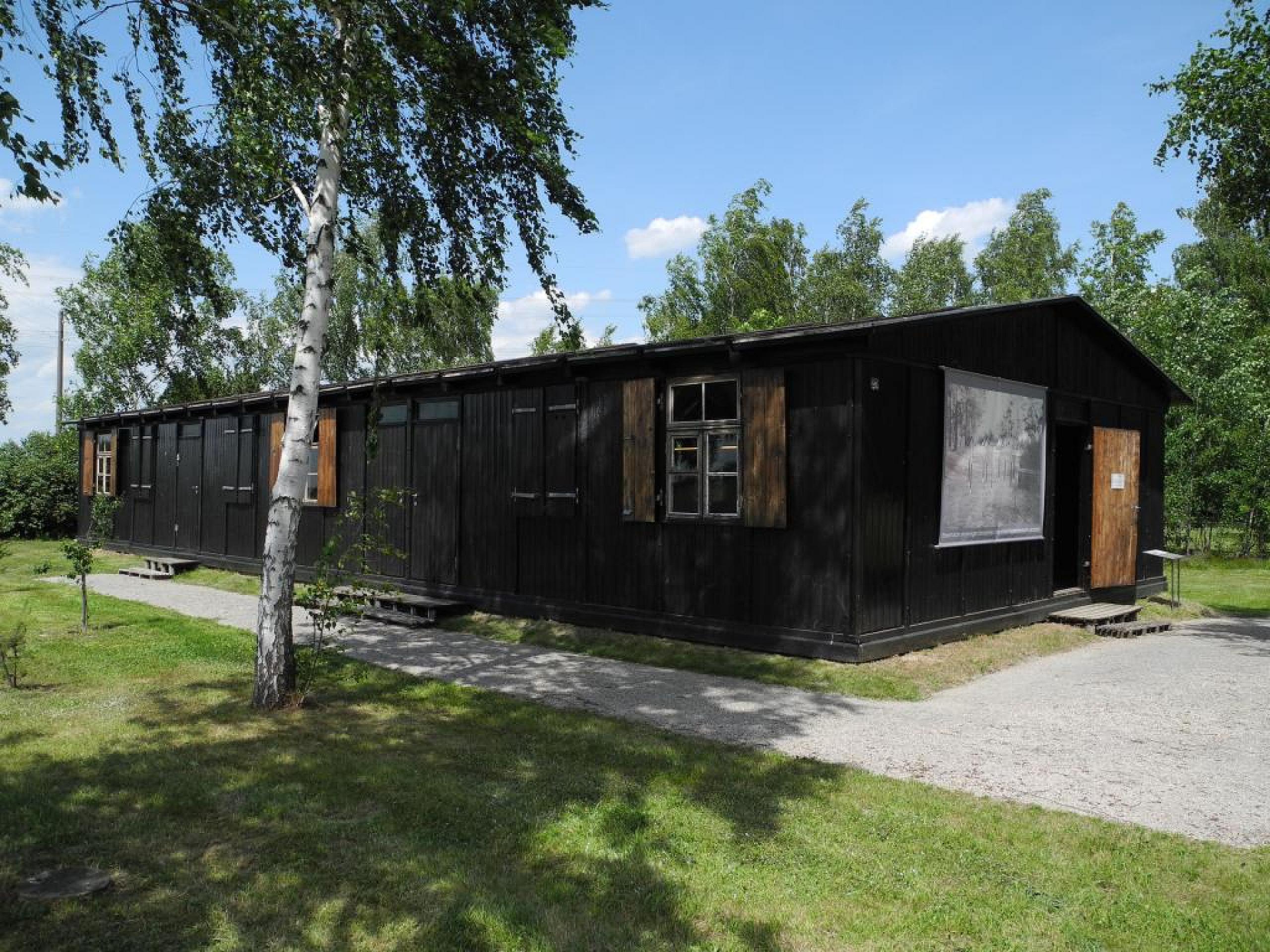
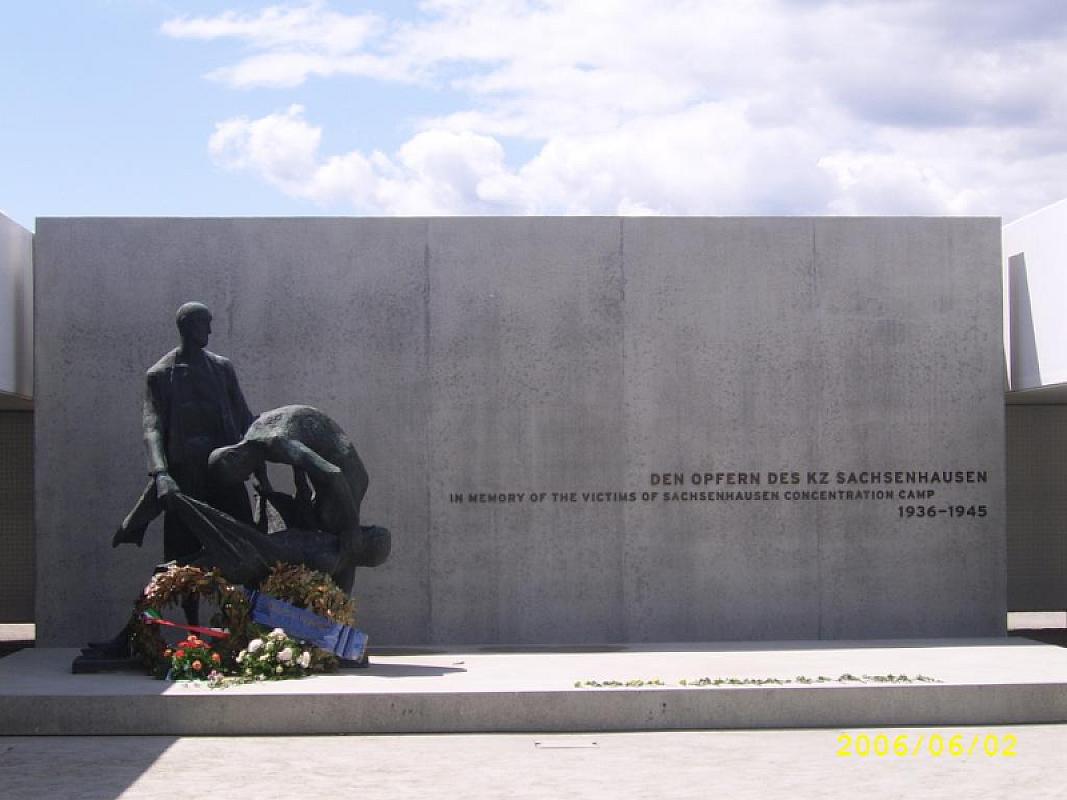
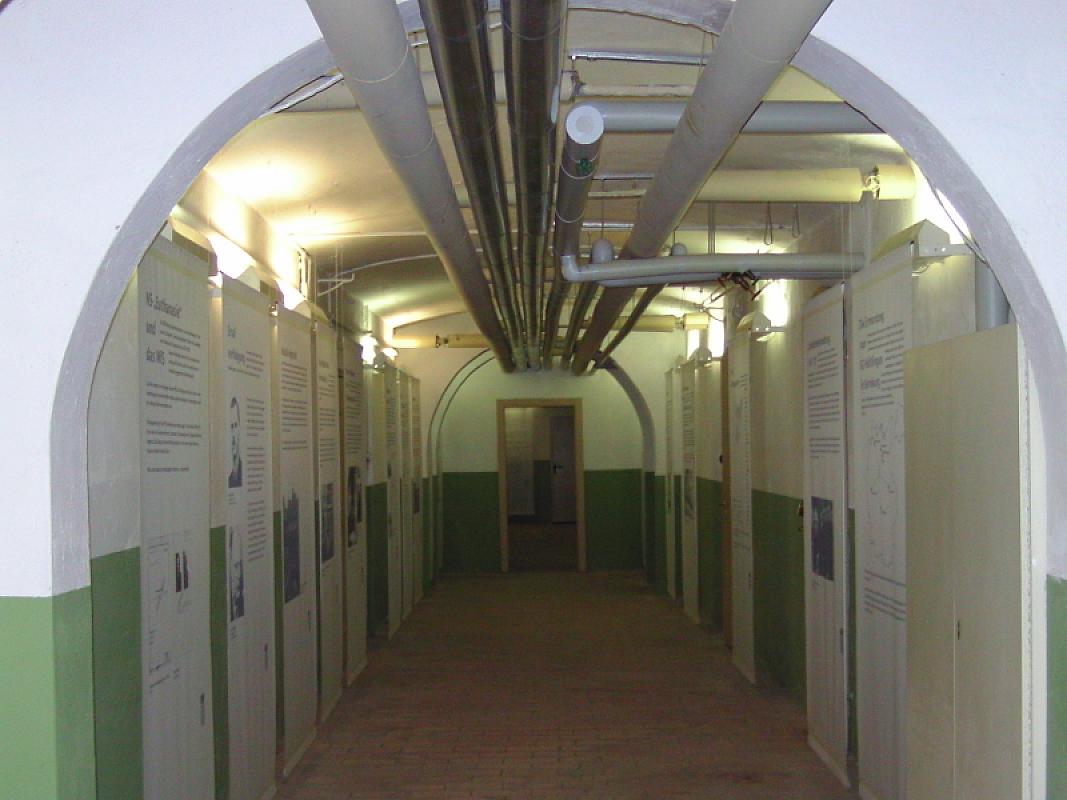
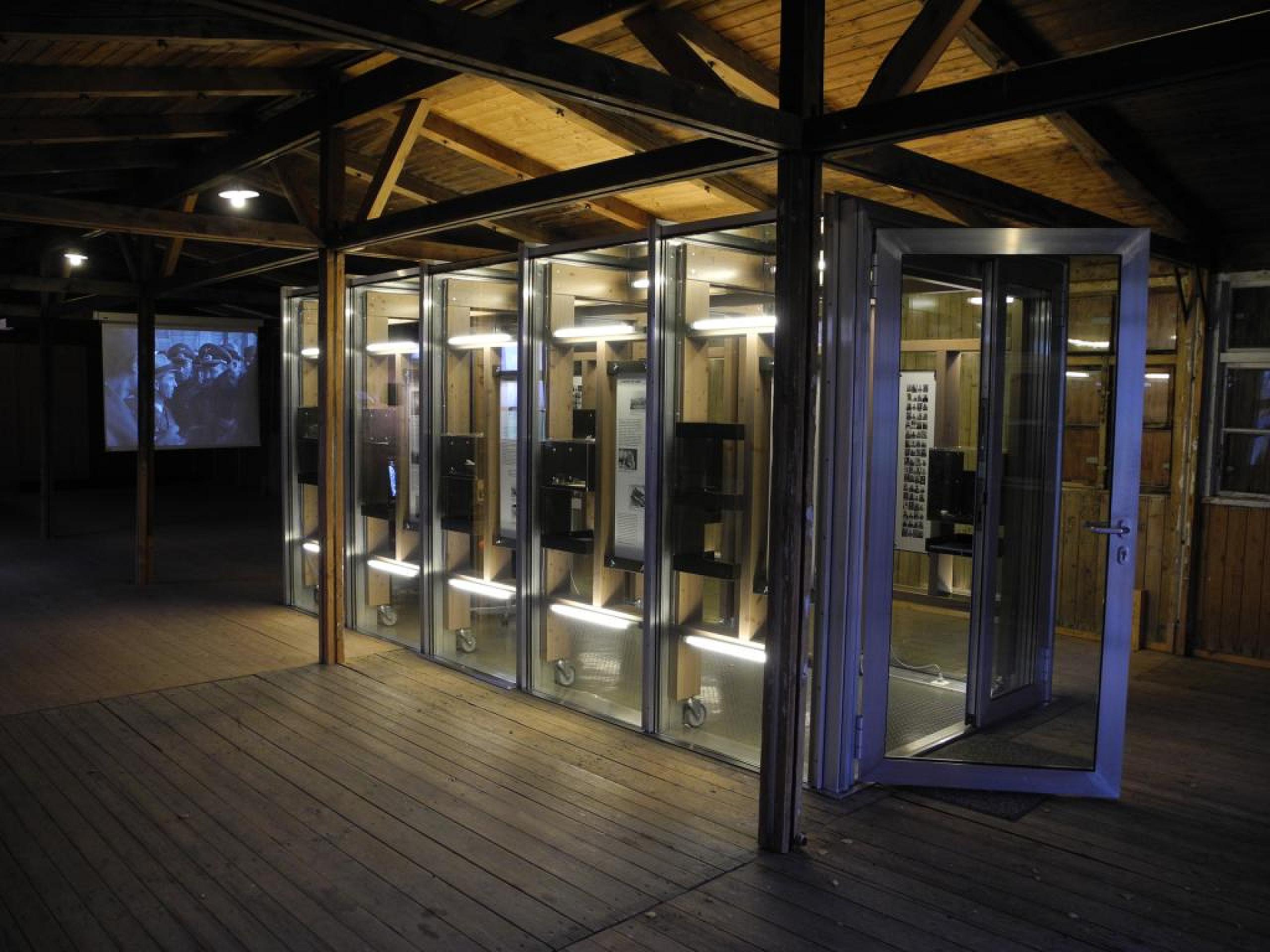
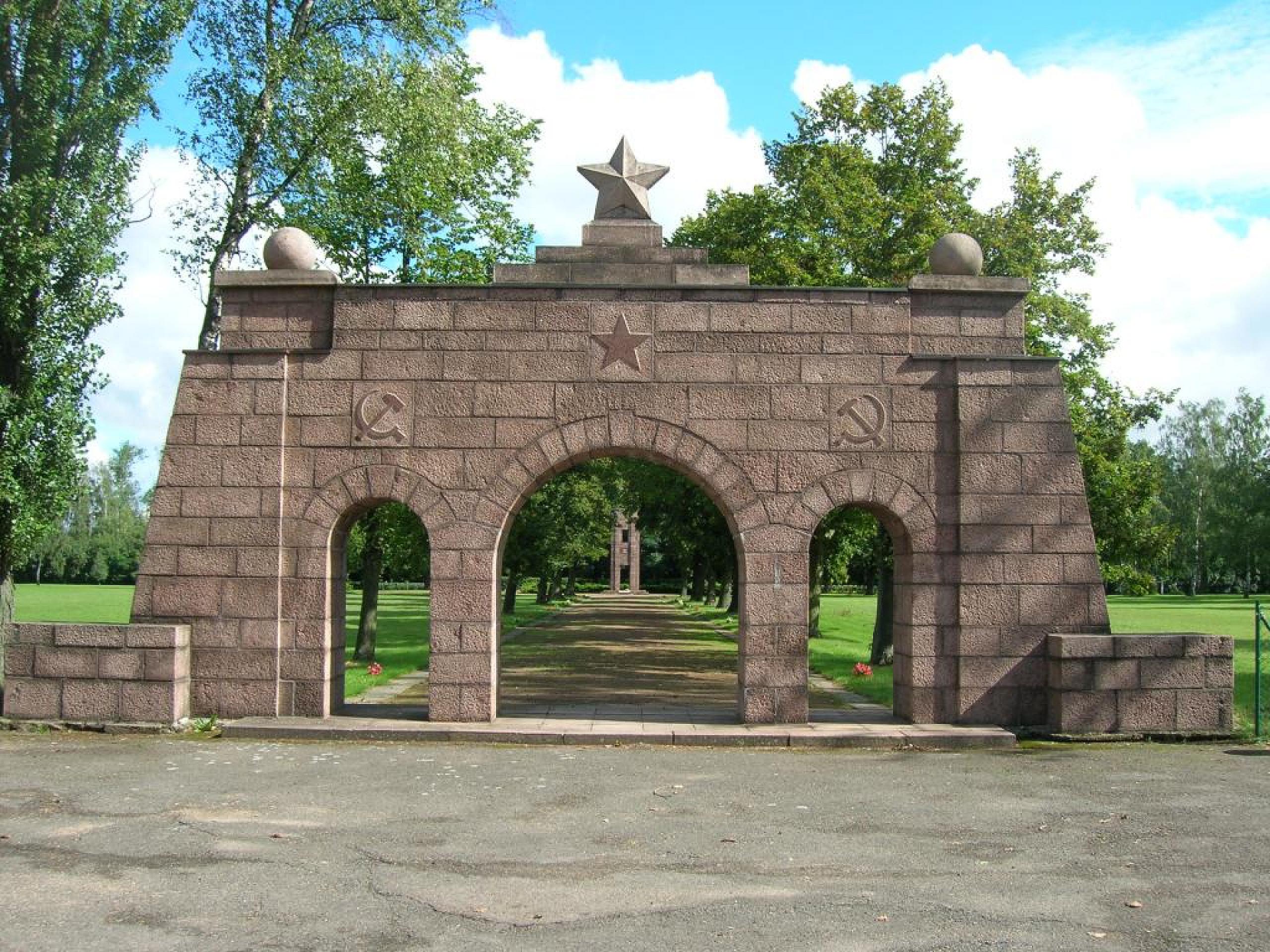
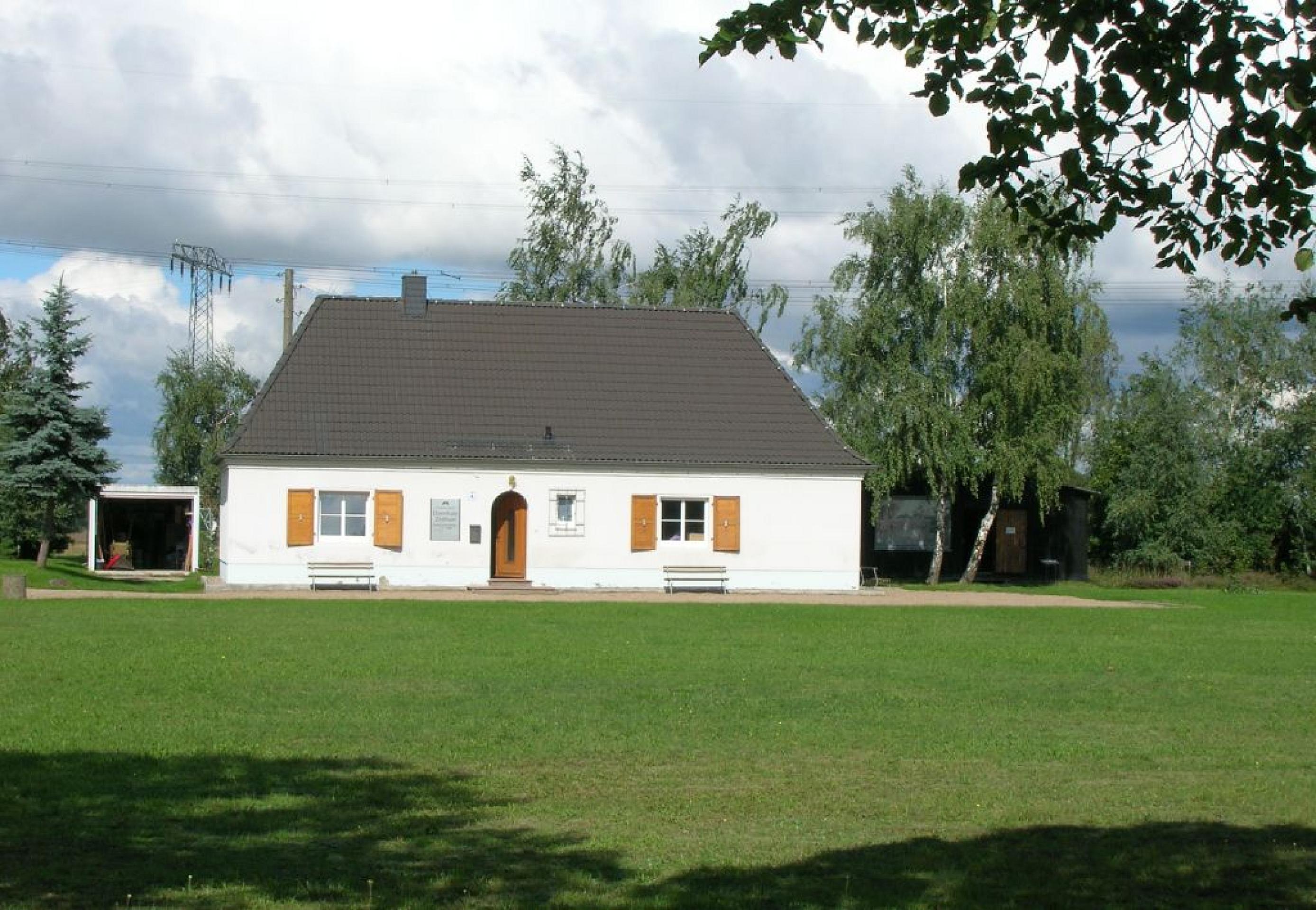
In 1949, the Soviet authorities set up the Zeithain Memorial Grove on the site of the first mass graves, on the »Russian cemetery« close to the former camp premises. Further mass graves were remodelled into a cemetery complex. In 1985, an exhibition was opened in the former residential house of the cemetery gardener (today: the documentation house). At the time, the exhibition did not mention the non-Soviet victims of the camp, instead emphasizing the role of the communist resistance. This interpretation of the camp history was in accordance with the contemporary communist state propaganda. The Zeithain Memorial Grove was closed after German reunification. At the beginning of the 1990s, volunteers campaigned for the memorial's restoration. In 1995, the Foundation of Memorials in Saxony began researching the history of Stalag 304. In 2001, a former camp barrack, which continued to be in use after 1945, was reconstructed. It now houses a memorial with a permanent exhibition, which was opened in 2003.
Possibilities
Guided tours of the memorial and the former camp grounds, work camps, teacher training
Open
Monday to Thursday: 10 a.m. to 4 p.m.;
Friday: 10 a.m. to 2 p.m.;
Saturdays, Sundays and on holidays: 10 a.m. to 4 p.m.
Closed on December 24 and 31
Contact
http://www.ehrenhain-zeithain.de
ehrenhain.zeithain@stsg.de
+49 (0)3525 760 392
Zum Ehrenhain 1
01619 Zeithain