Skip to content

»Zmievskaya Balka« Memorial

Мемориальный комплекс »Змиевская балка«


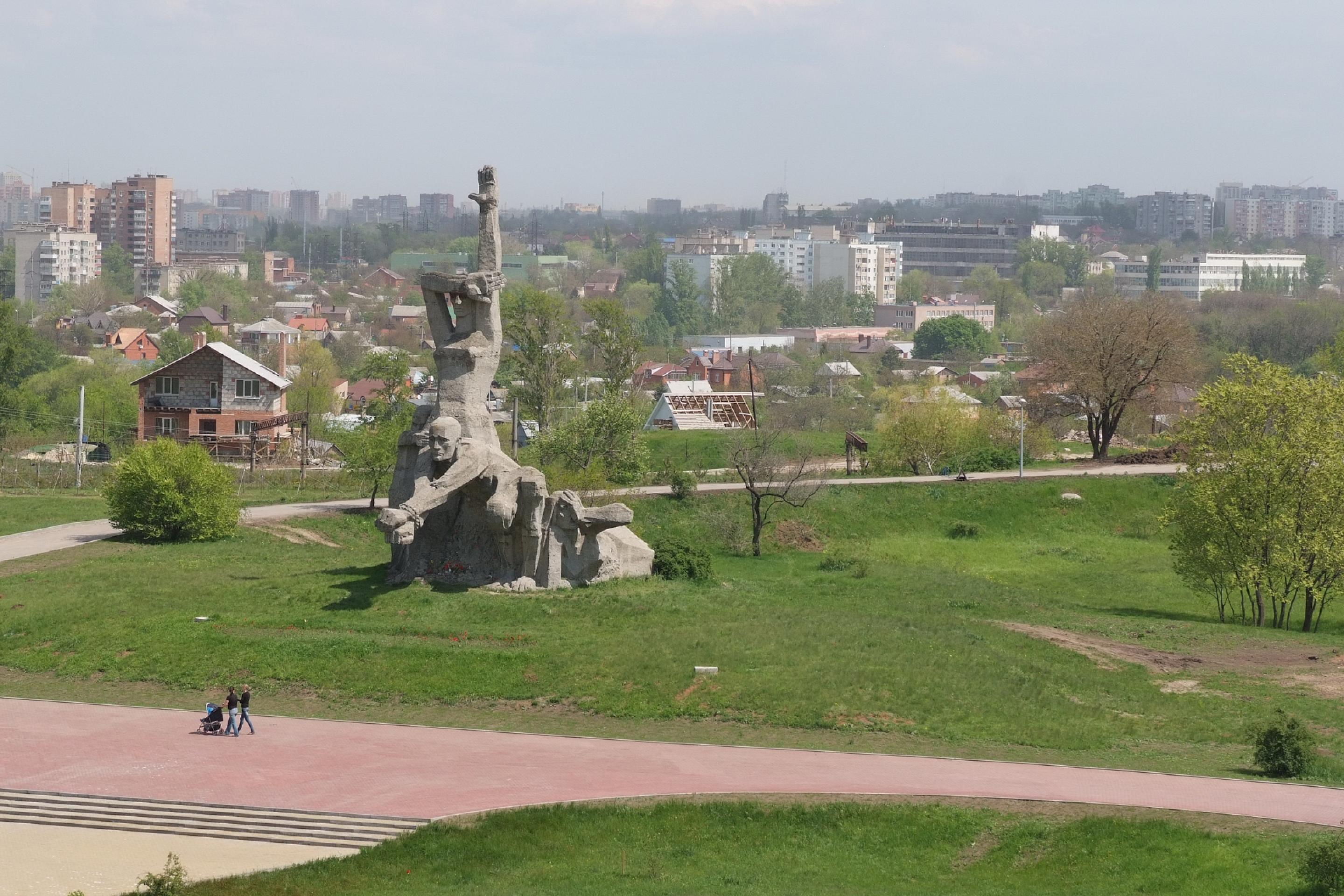
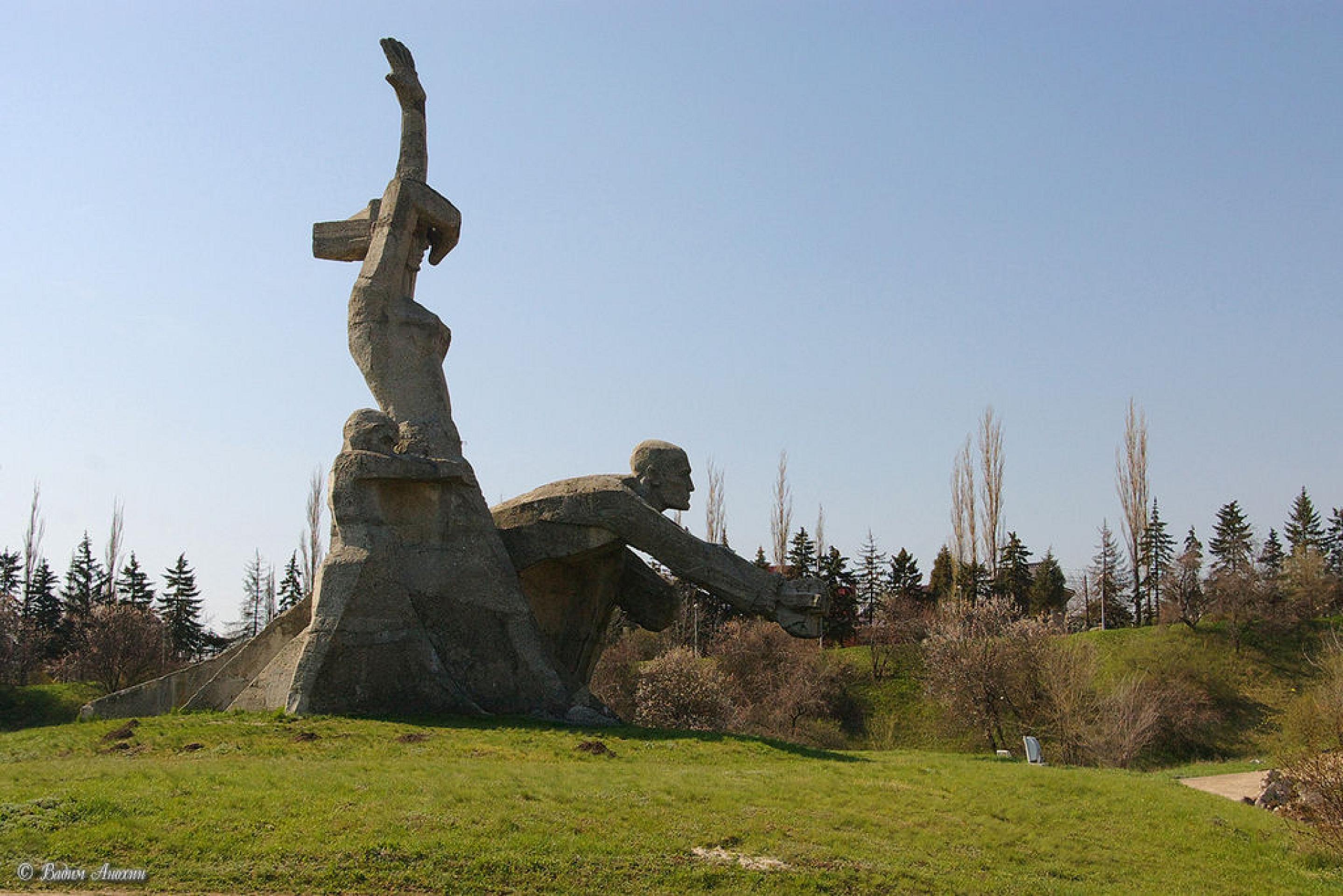
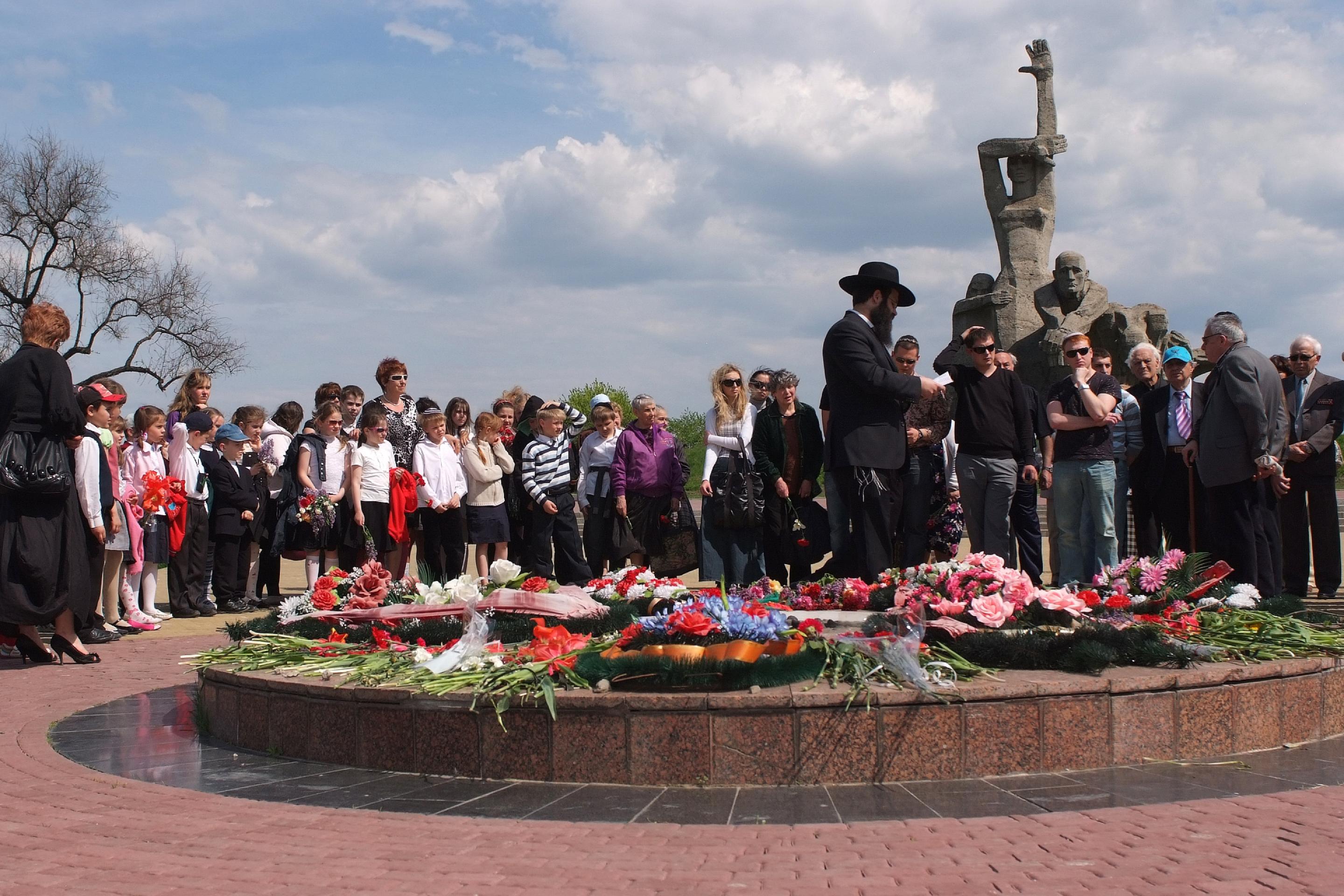
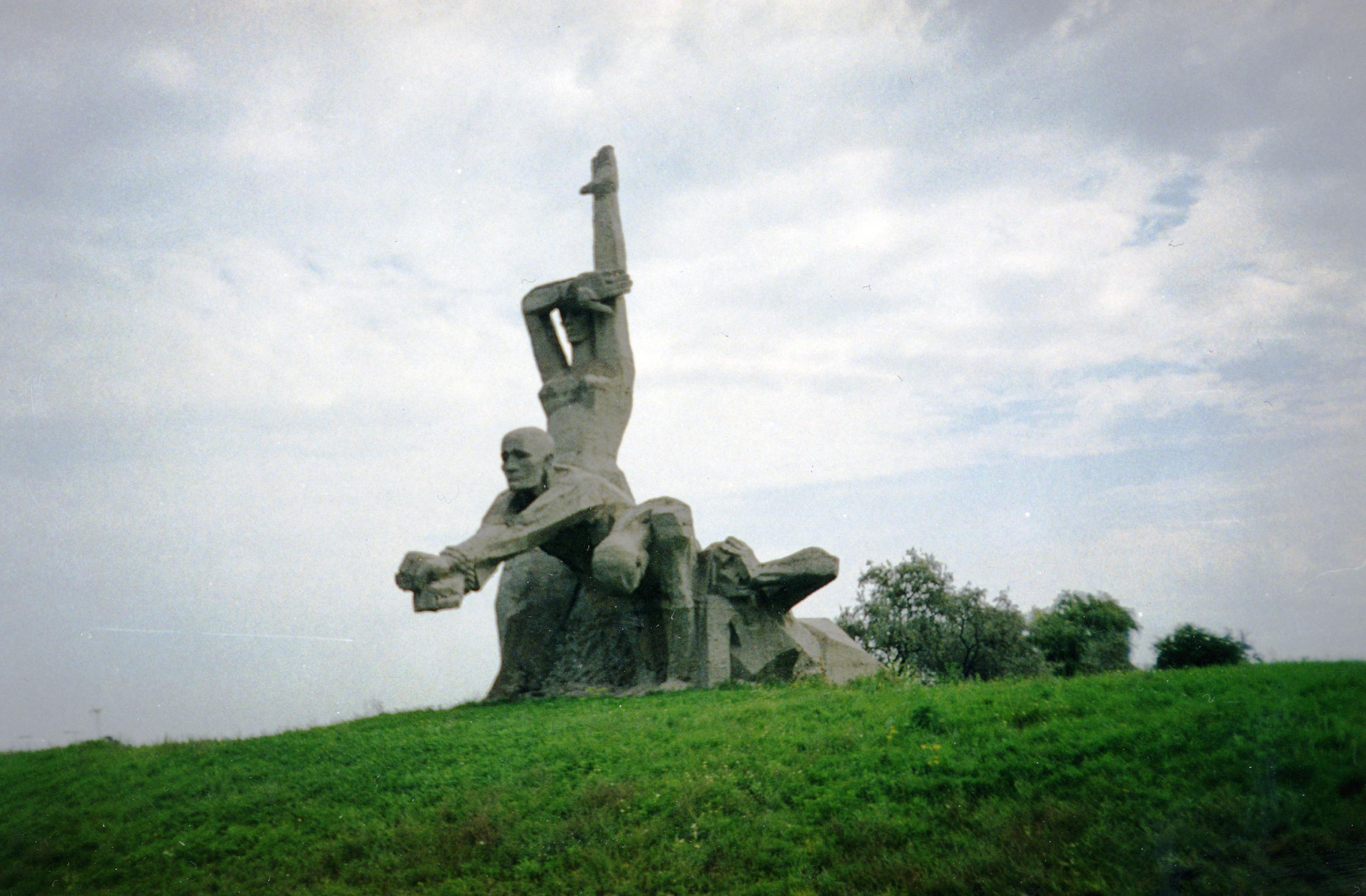
The »Zmievskaya Ravine« Memorial was dedicated by the city administration of Rostov-on-Don on May 9, 1975. It commemorates at least 15.000 Jews who were murdered at this site. Between August 11 and August 13 alone, members of SS Sonderkommando 10a (SS special commando) murdered over 2.000 Jews in the ravine.

History

German troops occupied Rostov-on-Don on November 21, 1941, and remained there for eight days. The Red Army subsequently retook the city and held its position until July 1942. During this time, most of the Jewish residents of Rostov-on-Don could flee. On July 23, 1941, the German Wehrmacht marched into the city once again. Together with the Wehrmacht came SS Sonderkommando 10a (SK, special commando), led by Heinrich Seetzen. By August 2, 1942, SK 10a and the Geheime Feldpolizei (secret military police) arrested around 700 people and executed about 400 of them under the pretext of being »partisans and party functionaries«. Following this, the SK began registering the 2,000 Jews remaining in Rostov-on-Don, above all the elderly and the frail, women and children. These had to gather at collecting points on August 11, 1942. From there, the SK brought them to a ravine called Zmievskaya Balka, close to the Zmievka settlement. Here, Seetzen and his men shot the Jews of Rostov. The shootings lasted three days. The SS additionally brought »gas vans« into operation on August 12 and 13. Until February 1943 the SS murdered several thousands of Jews in further mass shootings in the »Zmievskaya Balka«.
Victims

The members of SS Sonderkommando 10a (SS special commando) shot at least 2,000 Jews from Rostov-on-Don between August 11 and August 13, 1942. Until February, 1943, the SS murdered between 15.000 and 18.000 Jews in the »Zmievskaya Balka«. The number of victims is possibly even higher.

In the Russian Federation, the 9 May – the anniversary of the victory of the Soviet Union in the Great Patriotic War against »Hitlerite Fascism« – is the most important public holiday to have been retained from the country’s Soviet past. On 23 August 1939 the Soviet Union, led by Josef Stalin (1878–1953), initially signed a »non-aggression pact« with the Third Reich. This pact defined the »spheres of interest« of both regimes in East Central Europe and contained the provision to divide Poland between them. On June 22, 1941 the German Wehrmacht and its allies commenced their invasion of Soviet territory. Recent research estimates that by the end of the war in 1945 there had been up to 28 million civilian and military deaths in occupied Soviet territory. The Soviet culture of memory continues to have an impact on today’s Russia. Its symbols, such as the monumental style memorials in Saint Petersburg or Volgograd, are still popular and used to stage large-scale memorial services such as on 9 May. However, these sites of memory are less places of mourning and remembrance of the victims than places to honour wartime heroes. For a long time the victims were not remembered at all, and later they were classed as »victims of fascism«. The influence of this approach to the past can be seen, for example, in the conflict surrounding a sculpture put up in 1995 in front of the Great Patriotic War Museum in the capital Moscow. Entitled »Tragedy of Peoples«, the monument is dedicated to the approximately twenty million civilian victims in the Soviet Union between 1941 and 1944 and was intended to bring about a turnaround in the Russian culture of memory. However, the monument had to be moved behind the building following intense criticism, also from the general public, that the message was too pessimistic. At the same time, however, there were also non-governmental human rights organisations such as »Memorial«, which deal with repressed aspects of history, for example the prisoners of war from the Red Army and forced labourers held captive in Germany during the Second World War. Upon their return to the Soviet Union, these individuals were classed as traitors, universally accused of collaborating with the Germans and again imprisoned in camps. In terms of official state remembrance, there are regular remembrance initiatives on the part of committed local departments for culture, which have succeeding in establishing specific memorials as well as a culture of remembrance that includes the victims. It is often thanks to the commitment of individuals or Jewish communities that small sites of memory have been able to emerge in a number of locations, often funded with the smallest of budgets. After 1941, some 100,000 Soviet Jews died on the territory of today’s Russian Federation, mainly as a result of mass shootings carried out by SS Einsatzgruppen and their auxiliaries. They were remembered as »peaceful citizens« in the Soviet period. It is only since the early 1990s that additional plaques have been put up at official monuments and that Jewish victims have been named or commemorated by translating the inscriptions into Hebrew. There was also rudimentary Russian research into the Holocaust. In 2012, the Jewish Museum and Tolerance Centre was opened in Moscow, acknowledged also by international experts. At the same time, however, the political regime ruling the country has become more and more nationalistic. State propaganda is dominated by an openly revisionist historical narrative which has only turned more aggressive with the war of aggression against Ukraine. Important civil society organisations, including »Memorial«, have been repressed severely.

Remembrance

The »Zmievskaya Balka« Memorial was designed by Nik Avedikov and erected on initiative of municipal representatives of the Communist Party and the city administration of Rostov-on-Don. It was dedicated on May 9, 1975, on the 30th anniversary of the Soviet Union's »victory in the Great Patriotic War«.
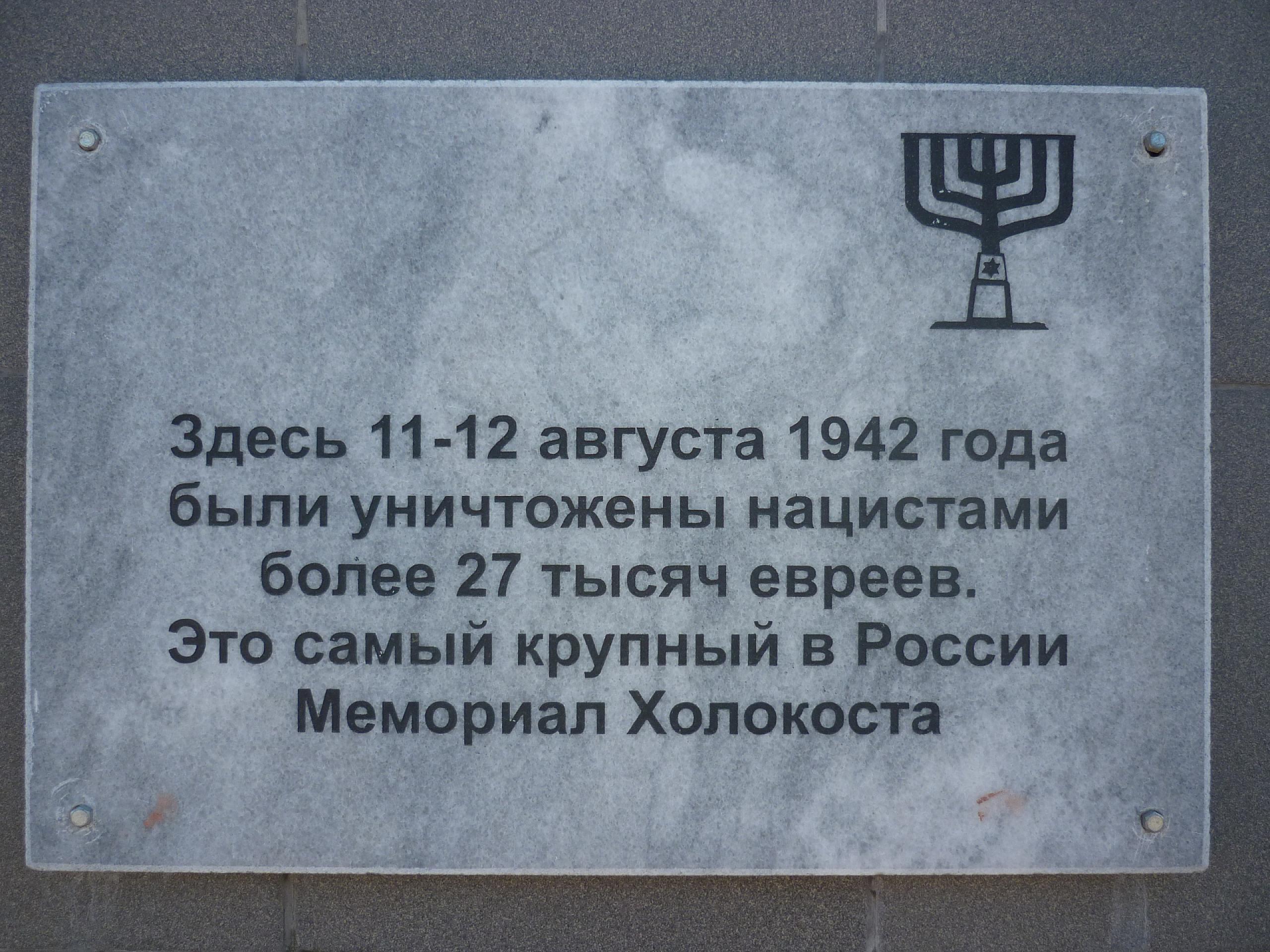
The memorial in Rostov has great symbolic significance since the massacre in the »Zmievskaya Balka« is considered to be the largest single mass murder of Jews on the territory of the Russian Federation. In 2011, a controversy around the memorial aroused international attention when the memorial plaque on the memorial was replaced with a new one by the Rostov municipal administration. Arguing that it could not be proved that all the victims were Jews, the new inscription failed to mention Jews as victims. Three years later, a compromise was found. Since then, the inscription reads: »Here, in Zmievskaya Balka, Nazi occupants exterminated more than 27 thousand peaceful citizens of Rostov-on-Don and Soviet prisoners of war in August 1942. Among the murdered were members of various nationalities. Zmievskaya Balka is the largest site of mass extermination of Jews by the fascist intruders during the Great Patriotic War on the territory of the Russian Federation.
Open

The memorial is accessible at all times.
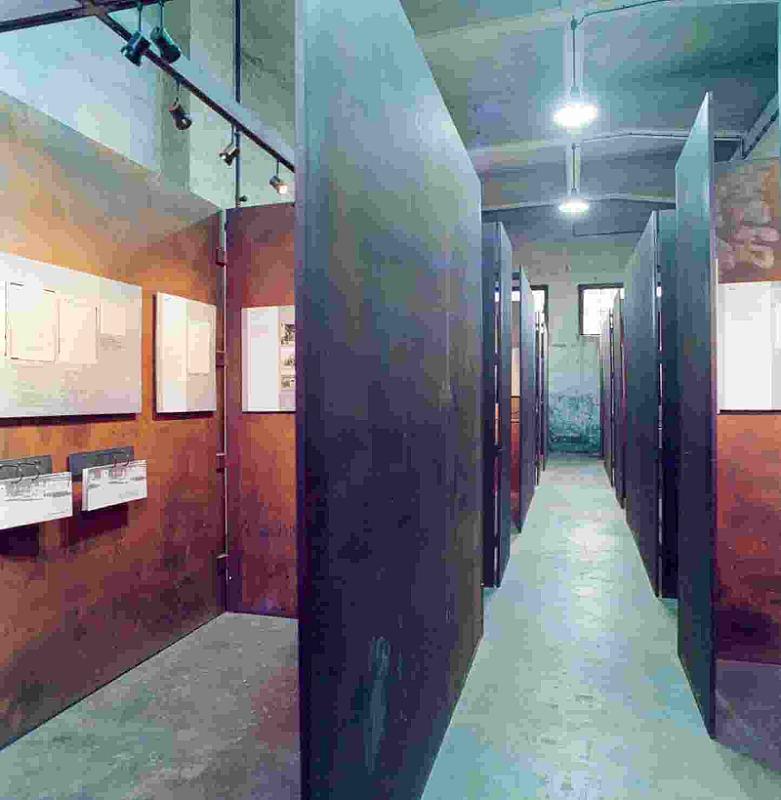
There is a small exhibition at the memorial site which is open on Thursdays and on Saturdays 10 a.m. to 2 p.m.

Contact

http://holocaust.su/

ravanij@mail.ru

+7 903 402 08 95

Змиёвский переезд, 1
344015 Ростов-на-Дону